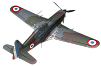
Mörkö-Morane (“Bogeyman-Morane” or “Ghost-Morane”), also known by its official designation MSv, was a Finnish modification of the French Morane-Saulnier M.S.406 and M.S.410 fighter aircraft serving in the Finnish Air Force during the Second World War. It was an attempt to improve the obsolete Morane fleet for use during the late war period and to help retain the capabilities of the Finnish Air Force. Designed and converted by Valtion Lentokonetehdas (“The State Aircraft Factory”), Mörkö-Morane was considered to be the second most capable fighter aircraft operated by the FAF during the Second World War, though it arrived too late to have any significant impact.
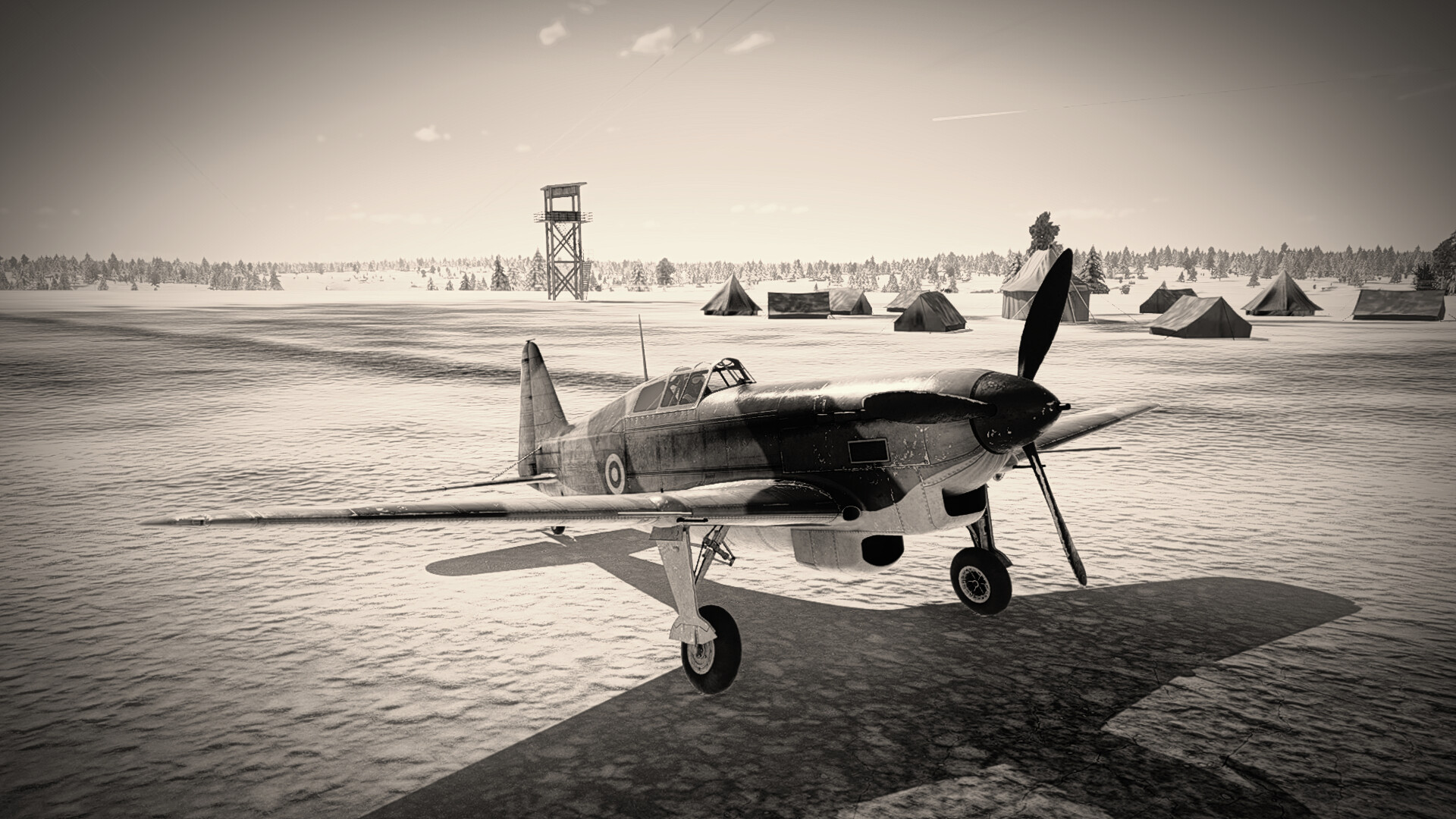
Quick Facts
Only regarding the Mörkö-Morane, not the M.S.406/410.
| Configuration | Low wing monoplane fighter of all-metal construction |
| Construction | Duralumin and steel tubing frame, front sections cladded with duralumin and rear sections with fabric. Control surfaces cladded with duralumin |
| Designer | M.Sc. Aarne Lakomaa |
| Converter | Valtion Lentokonetehdas |
| Conversion cost | ~400,000 mk (~$97,000 USD) per Morane |
| Production years | 1942 — 1945 |
| Number converted | 41 |
| First flight | February 4, 1943 |
| Operator | Finnish Air Force |
| Years active | 1944 — 1948 |
Technical Data
Mörkö-Morane stats vary due to the different powerplant and propeller combinations used on the aircraft. Both aircraft stats shown here are as measured in the FAF.
| Variant | M.S.406 | Mörkö-Morane |
| Length | 8.17 m (26.80 ft) | 8.38 m (27.49 ft) |
| Height | 3.25 m (10.66 ft) | 3.25 m (10.66 ft) |
| Wingspan | 10.61 m (34.81 ft) | 10.61 m (34.81 ft) |
| Wing area | 16 m² (172.22 sq ft) | 16m² (172.22 sq ft) |
| Gross weight | 2,540 kg (5,600 lb) | 2,787 kg (6,145 lb) |
| Engine | Hispano-Suiza 12Y-31 with 860 hp | Klimov M-105 with 1,050—1,250 hp |
| Maximum speed | 440 km/h at 4,000 meters (273 mph at 13,100 ft) | 480—505 km/h at 3,400 meters (298—314 mph at 11,150 ft) |
| Rate of climb | 10 m/s (32.8 ft/s) | 16—17 m/s (52.5—55.8 ft/s) |
| Service ceiling | 8,500 m (27,900 ft) | 11,800 m (38,700 ft) |
| Armament | 2 × 7.5 mm MAC in wings 1 × 20 mm HS in fuselage | 2
× 7.5 mm MAC in wings 1 × 20 mm MG 151 in fuselage |
| Payload | 2 × 12.5 kg (27.6 lb) or 25 kg (55.1 lb) bombs on underwing bombracks | 2 × 12.5 kg (27.6 lb) or 25 kg (55.1 lb) bombs on underwing bombracks |
M.S.406 and 410 in Finland
Back in 1939, Finland had made attempts to procure capable fighter aircraft from abroad to prepare for a potential war, but without much success. Things escalated by December 1939, when the Soviet Union invaded Finland and started the Winter War. Having to face the powerful Soviet Air Force with a mere 46 fighters serving in the Finnish Air Force (FAF) at the time, requests were made all around to obtain any fighters to help with the dire situation in the skies.
One country to aid was France, who promised to donate 50 M.S.406 fighters to Finland, though only 30 of them were ever delivered. These Moranes were first sent to Sweden, where they were then assembled and later flown to Finland during February 1940. The first unit to receive Moranes was the newly formed LLv 28 (Lentolaivue 28, “No. 28 Squadron”), where the Moranes participated mostly in training and interception flights. The Moranes were used with particular success, shooting down 14 Soviet aircraft for only one Morane lost to anti-aircraft fire in less than a month’s period until the war’s end in March 1940.
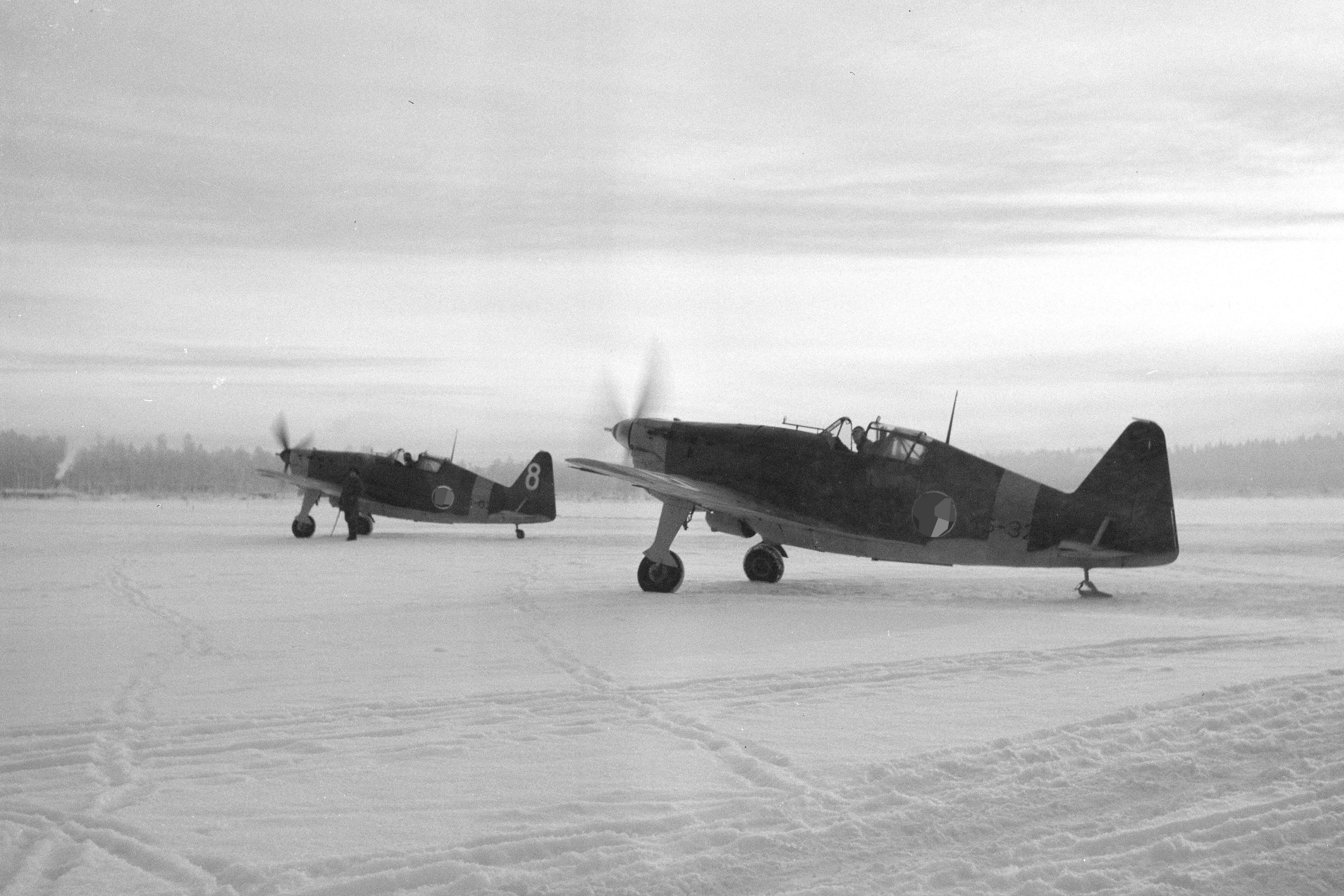
Having seen this success, the FAF went on to order 25 additional M.S.406 fighters together with 29 Curtiss Hawk 75s from the German trophy collection in 1940 (mainland France was by this point under German occupation), among which were some units upgraded to M.S.410 standard. In 1942, Vichy France offered to sell their lightly used M.S.406 fighters stored in Châteauroux to Finland for a price of 1.8 million francs (~$685,000 USD) per unit. Thirty of these were purchased and delivered by the end of September 1942, despite Germany protesting the sale. Around the same period, two additional Moranes were purchased from Germany as well. In total, the number of Morane fighters acquired by Finland was 87, with around ten of them at least partially upgraded to M.S.410 standard.
Initial Improvements
Despite the initial success of the Morane fighters in the FAF, these aircraft were deemed unreliable, difficult to service, and obsolete. Being a fighter designed for 1934 standards, meant a lot was left to be desired from them even during the Winter War. Because of this, the Moranes saw many small improvements throughout their lifecycle, with the most notable ones being the installation of 10 mm (0.04 inch) armor plating on the pilot’s seat, reinforcement of the landing gear, improvements to engine cooling systems, and replacement of the tail skid with a tail wheel.
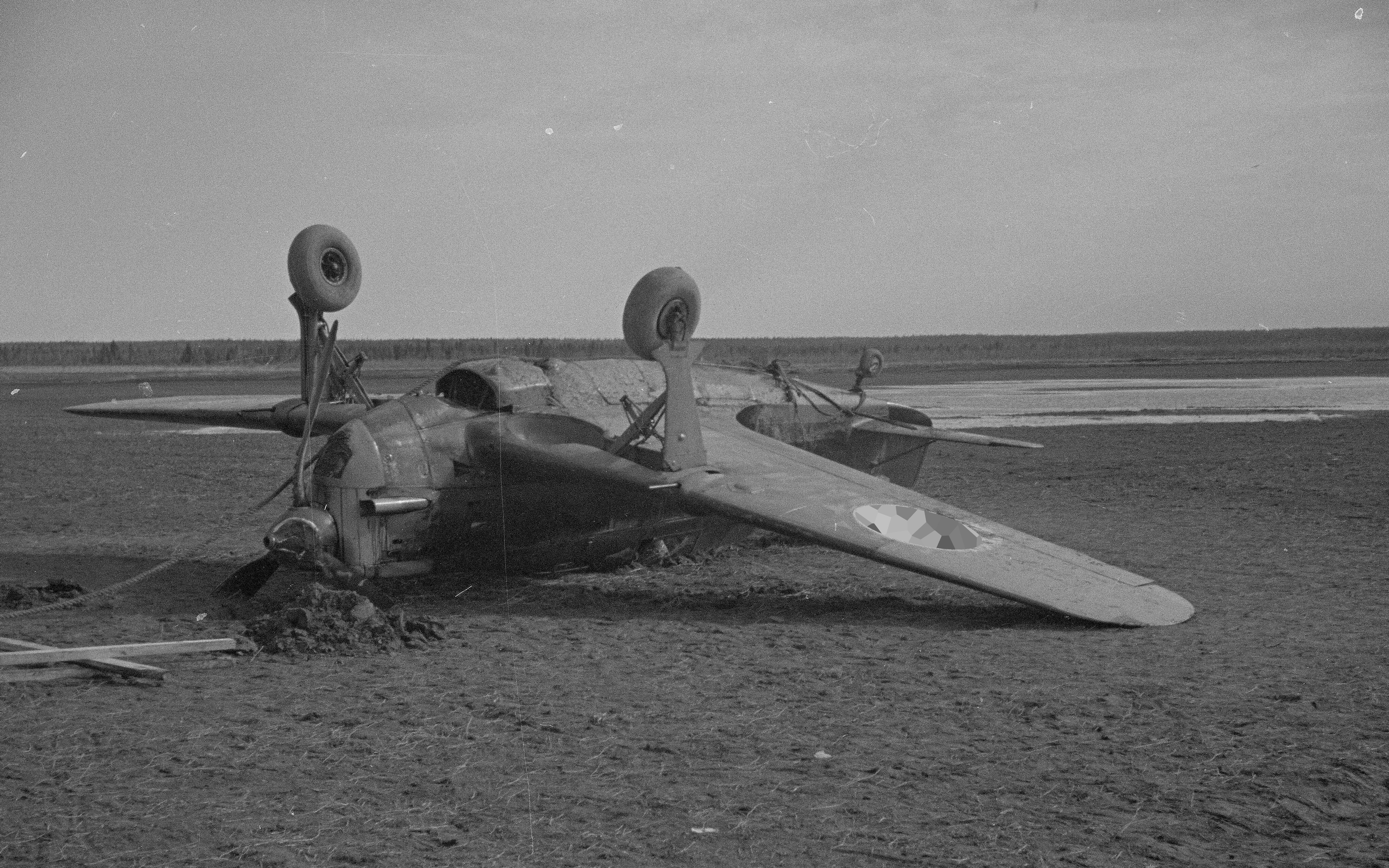
Crash-landed FAF M.S.406, 1942
The Morane fighters in their original form were very unreliable and uncomfortable aircraft to fly. Issues with pneumatic systems, engine cooling, and fuel supply were a common nuisance. Technical and operator failures accounted for nearly half of the Morane losses during their service in the FAF.
The picture’s example had suffered an engine failure, which resulted in its crash-landing.
Armament on the M.S.406 fighters was designated as two wing-mounted 7.5 mm MAC 1934 machine guns (four on M.S.410) and one engine-mounted 20 mm HS.404 autocannon firing through the propeller hub. On paper, this setup seemed fine, but most pilots considered the 7.5 mm machine guns nearly useless for their low caliber. It wasn’t of much help either, as many of the Moranes sent to Finland had a third MAC installed on the engine mount instead of the intended autocannon. Aircraft that had the autocannon weren’t liked much either, as the gun was quickly realized to be very unreliable, often jamming only after 1–2 bursts.
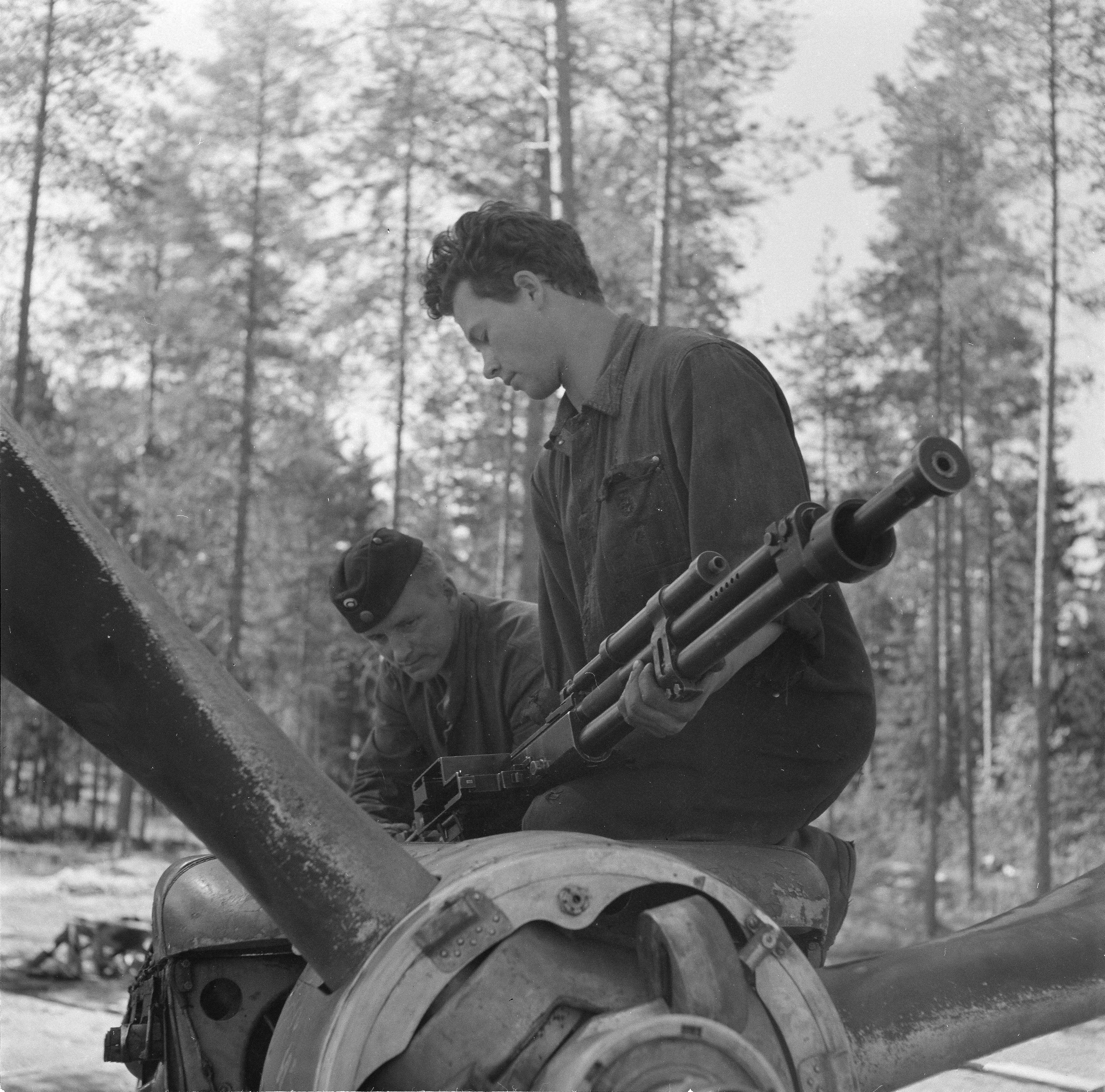
For these reasons, measures were taken to improve the aircraft’s firepower as well. 12.7 mm M2 Browning machine guns were tested on the engine mount and found to be very effective. For availability reasons, Soviet-made captured 12.7 mm Berezin UB machine guns were preferred and made the standard in 1942, as they were equally effective, though a less reliable but more numerous option to the few Brownings found in storage. One domestic 12,7 mm lkk/42 machine gun also found its way onto the aircraft, while some Moranes were equipped with wing-mounted 7.5 mm Browning machine guns to replace the original MACs.
Development of the Mörkö-Morane
In June 1941, Operation Barbarossa began, and that quickly led to the Continuation War on the Finnish front. The Morane fleet of LLv 28 also participated in air operations, and during the first year they saw great success against the Soviet Air Force. In 1941 alone, they were able to bring down 70 Soviet aircraft for a loss of 11 Moranes.
These successes would quickly turn against them when the Soviet fighter fleet was equipped with more capable aircraft as the war progressed. A core issue on the Moranes was their weak powerplant, which significantly limited the aircraft’s capabilities.
Powered by an 860 hp Hispano Suiza 12Y-31 engine, the aircraft were slow and underperformed in almost all aspects. The only saving factor for the aircraft was its good agility, which proved to be crucial in fighting the Soviet counterparts. Nevertheless, by September 1942, the casualties suffered by the Morane fleet were mounting so high that the commander of LeR 2 (Lentorykmentti 2, “Flying Regiment 2”), which the LLv 28 was part of, wrote a letter to the high command deeming these aircraft no longer suitable for the fighter role:
Mielestäni MS-tyyppi on nykyisellään sopimaton hävittäjäkoneeksi heikon moottorinsa, huoltovaikeuksiensa ja riittämättömien varaosavarastojensa vuoksi, ja siksi, että nykyisten vihollishävittäjien nopeudet ovat 550–600 km/t sekä niiden nousunopeus ja kiihtyväisyys sellaiset, ettei ko. tyyppi voi näissä ominaisuuksissa kilpailla niiden kanssa. — Huolimatta ketteryydestään, ei kone yksin tällä ominaisuudellaan pysty tasaväkisenä taisteluun — Myöskin tuliteho pienen tuliannoksen tähden, silloinkin kun aseet toimivat, on vähäinen verrattuna vihollishävittäjien vastaavaan tehoon.
I believe the MS-type in its current state is unsuitable for the role of a fighter aircraft for its weak powerplant, service difficulties, and insufficient spare part stockpiles and because the current enemy fighters have speeds of 550–600 km/h, and their rate of climb and acceleration are such that this type cannot compete against them in these areas. — Despite its agility, the aircraft cannot fight on even ground by this feature alone — The firepower for its low volume of fire when the guns are working is also small in comparison to the firepower of the enemy fighters.
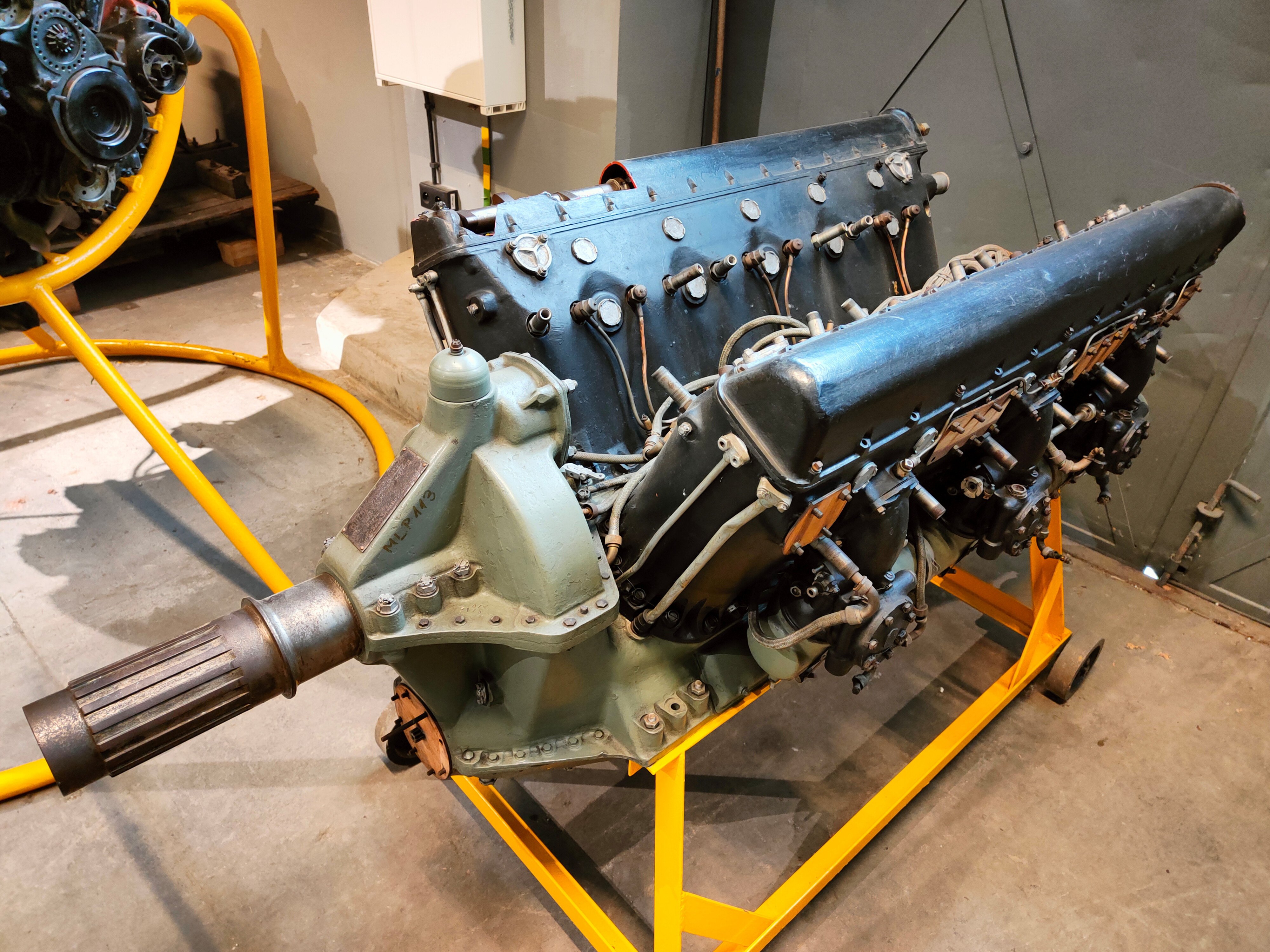
As a solution, Lorentz recommended to explore the possibility of retrofitting a more powerful Soviet-made Klimov M-105 or M-103 engine onto the aircraft; these engines being improved variants of a licence-produced version of the Hispano-Suiza 12Y engine. Talks of doing such a retrofit using trophy Klimov M-103 engines had already taken place in 1940 to help with a spare engine shortage. The idea didn’t proceed far though, since the purchase of more Moranes from Germany soon after was expected to fix this issue.
Klimov M-103 engine
This engine being a derivative of the Hispano-Suiza 12Y used in the M.S.406 was an ideal choice as a replacement, and a number of them had already been captured as trophies during the Winter War. Rated to produce 1,000 hp at best, it would have increased the engine output by just 140 hp, which would have kept the performance improvements marginal. Thus, a better choice for an upgrade was the M-105 version with its 240 hp increase.
Prototype Phase
Having received the concerning letter at the FAF high command, Valtion Lentokonetehdas (“The State Aircraft Factory” in short VL) was tasked with resolving how the M-105 engines would affect the performance of the M.S.406. Results were promising, as the flight speed was estimated to increase by 40–50 km/h with an improved rate of climb. The empty weight was estimated to increase by 125 kg due to the heavier powerplant.
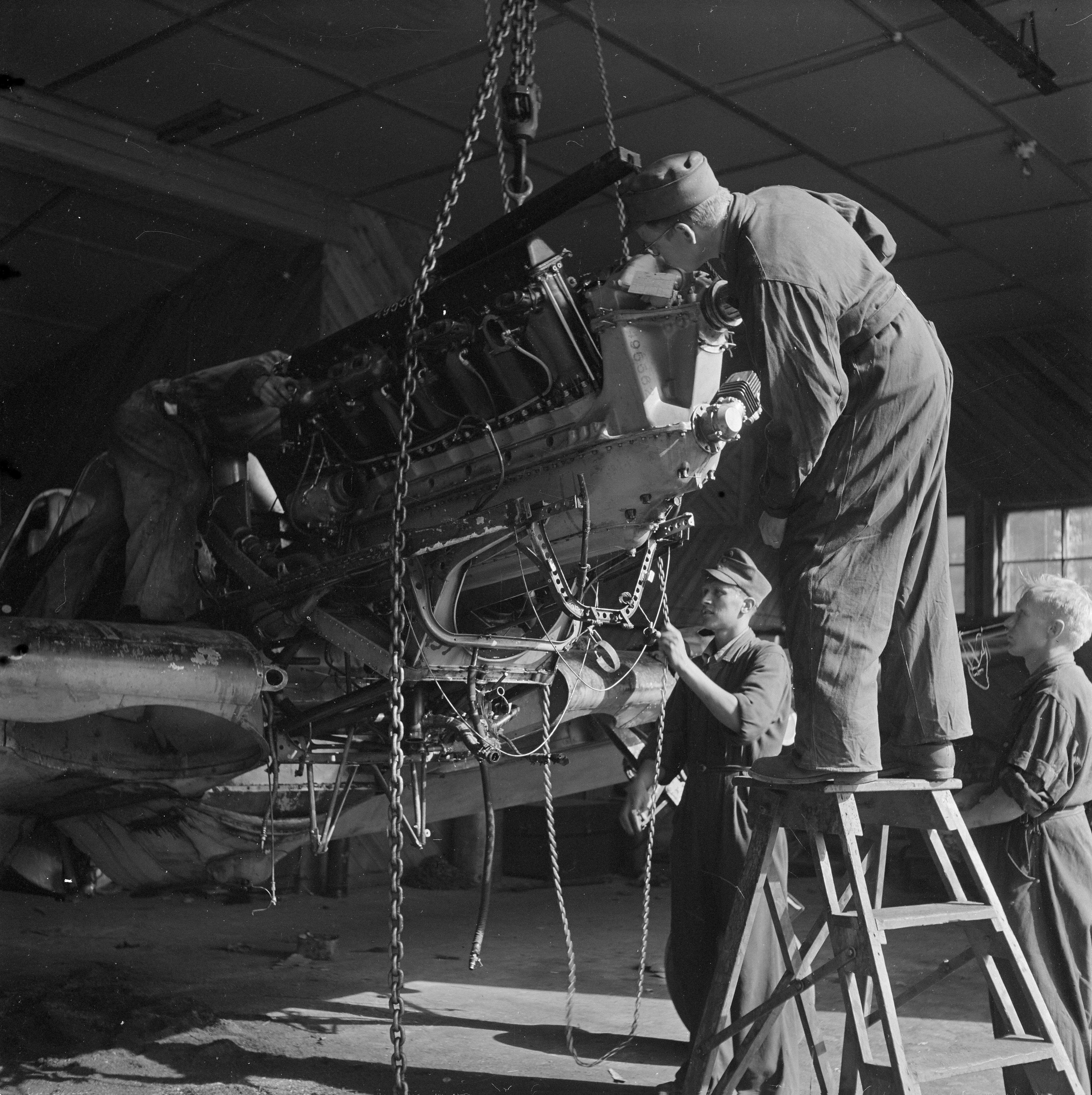
With these results, it was decided to order a prototype M.S.406 retrofitted with a Klimov M-105P engine from VL on October 22, 1942. Work commenced immediately with M.Sc. Aarne Lakomaa overseeing the project. The M.S.406 marked MS-631 was used as the basis — this unit having already been at VL for repairs — with the preliminary changes made mostly without any drawings.
The prototype was finished by January 1943, being nicknamed LaGG-Morane. Other changes included the installation of a 20 mm ShVAK autocannon on the engine mount and improvements made primarily on engine air intake and cooling systems, some of these taking reference from other Soviet-made aircraft such as LaGG-3, Yak-1 and SB bombers. Test run on the engine was conducted in January, but a fabrication error in the new oil system resulted in the engine breaking down, preventing test flights from commencing. A replacement engine had to be delivered, and on February 4 this new modification of the M.S.406 saw the skies for the first time with Ltm. A. Siltavuori on the stick.
More test flights followed, and as a result the prototype was found to perform well with its new engine. However, the engine cooling and air intake had issues, preventing the use of the prototype to its full potential. The elevators were also found to be slightly heavier to use, but not so much so to affect the agility of the aircraft.
The remainder of the year was spent conducting more test flights, changing components and improving the design in two primary stages, again focusing mostly on engine air intake and cooling systems. A new and more powerful sub-variant of the Klimov engine, M-105PF, sourced from a downed LaGG-3 fighter, was also installed. However, this engine was later replaced with M-105PP in the summer of 1944.
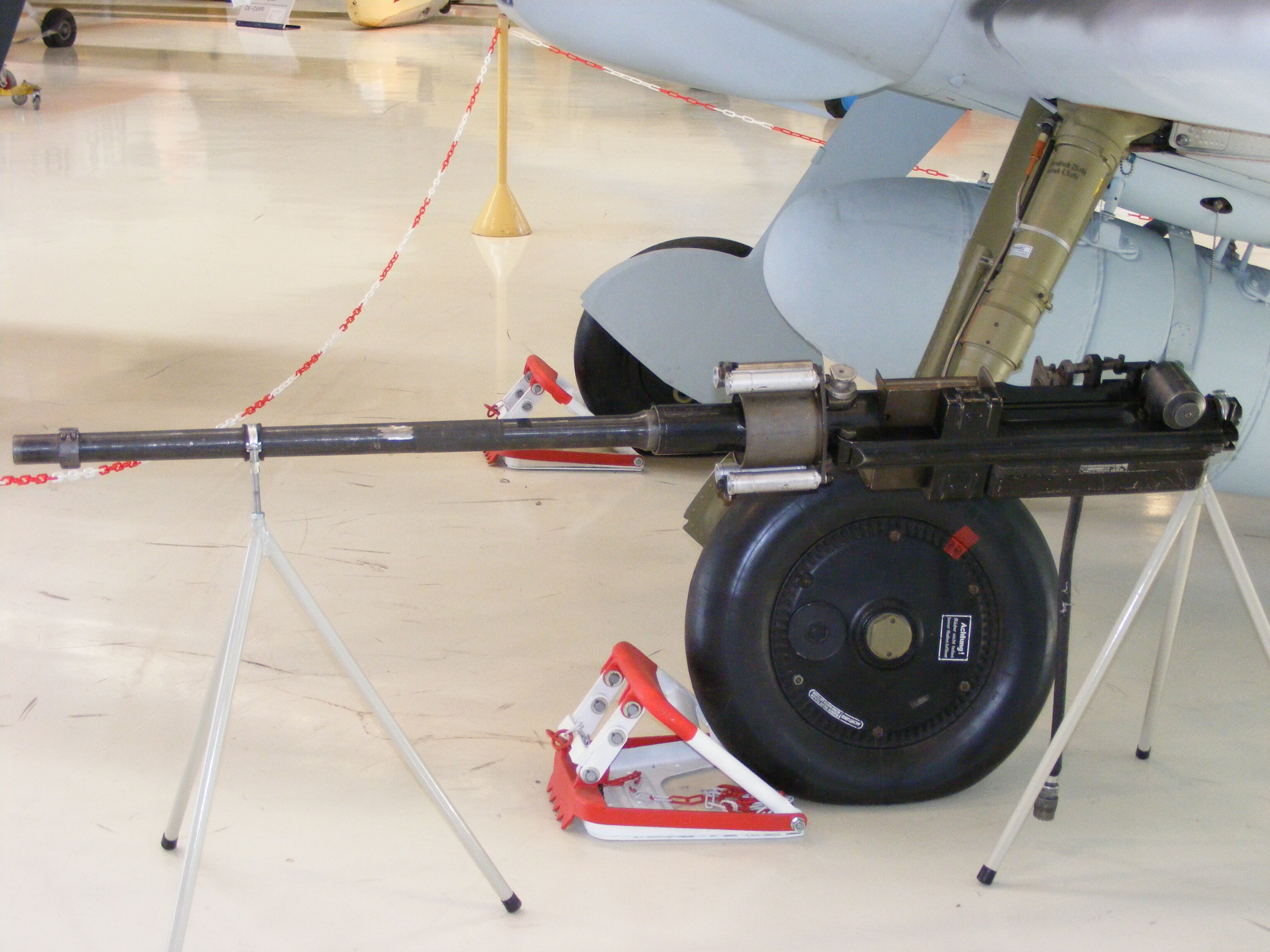
Some reference for the improved cooling system was taken from Messerschmitt Bf 109 fighters. The changes made in the latter stage in December 1943 also saw the prototype fitted with a German 20 mm MG 151 autocannon on the engine mount and the prototype given an official designation MSv, where the v stood for venäläinen (“Russian”). Later it was also decided to remove the 10 mm (0.04 inch) armor plating from the pilot’s seat to help moderate the weight of the aircraft.
The improved prototype was completed in April 1944 and the following test flights concluded that the cooling issues were fixed and that significant improvements in overall performance had been achieved. Maximum speeds were 65–80 km/h (40–50 mph) higher, service ceiling rose by 2,000 m (6,600 ft), and climb speed was approximately 5 m/s (16.4 ft/s) better compared to the M.S.406 whilst retaining its agility. The gross weight was measured to have a 180 kg (400 lb) increase, weighing in at 2,787 kilograms (6,145 lb).
MG 151/20 on museum exhibition
This autocannon was considered to be a very reliable and effective tool in downing other aircraft. Installed on the Mörkö-Morane, it resolved all the prior complaints made on the firepower of the regular Moranes.
Ordered straight from Germany, 80 of such weapon systems were promised to arrive during June of 1944.
Serial Conversions
Amidst all the work on the prototype, preparations for serial converting were made starting at the end of 1943. This included the purchase of certain parts and 85 M-105 engines from German stockpiles, which were of P, PP, and PA sub-variants. These engines arrived in February 1944, by which time refurbished PA and PF sub-variants from the Finns' own trophy collection were also available.
As the work on the prototype had still not been completed by this point, the FAF ordered VL to speed up the process. As a response, VL cited its staff shortage and told them they couldn’t do so without endangering other projects they were working on. However, construction of a second prototype was started, with the goal of finishing all the necessary drawings along with it.
In April 1944, the production of parts needed for the serial converting commenced, with the goal of starting the converting process of the remaining Morane fleet to MSv standard in May 1944, with the first deliveries scheduled for July. To start the process, the FAF sent 2 damaged M.S.406 fighters to VL so they could be converted along with the repairs. However, these aircraft were in such bad condition that the repairs alone were estimated to take 6–8 months to complete. For this reason, VL informed the FAF that first deliveries of MSv could happen in July only if better-condition MS fighters would be sent over for conversion.
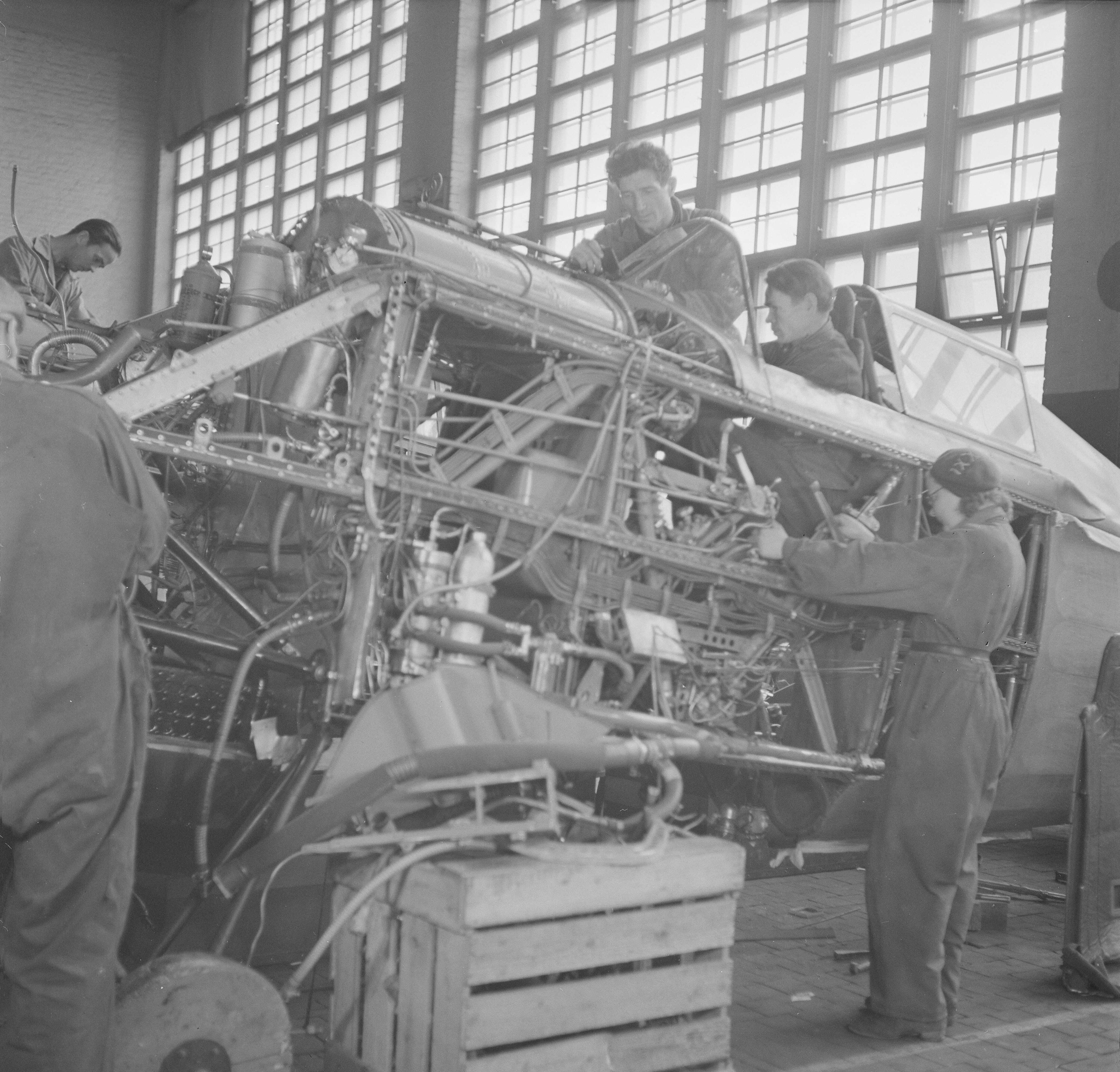
This wouldn’t happen, as a major Soviet offensive began at the Finnish front in June, tying up all the available air assets for operations. This left no choice other than to use damaged Moranes already sent in for repairs. This significantly delayed the conversion process, as most Moranes undergoing repairs were 200 km away from VL’s main workshop in Tampere, and transferring them over took time.
Nevertheless, progress was made, albeit slowly, and the first delivery of MSv happened on July 8, 1944. LLv 28, by now renamed to HLeLv 28, (Hävittäjälentolaivue 28, “28th Fighter Fleet”), received the aircraft on July 11. This was the initial prototype, delivered after its test flights had concluded. The second prototype was also completed and delivered on July 25. By the time of the armistice on September 4, 1944, only two additional MSvs had been delivered to the FAF, despite a total of 12 Moranes being worked on already two months prior.
It was only after the Continuation War that the FAF sent their serviceable Moranes to be converted. With this, the conversion process sped up, and by the end of the year, 17 MSvs had been delivered. In total, 41 Moranes were converted, with the final unit delivered in November 1945. However, as the Second World War had come to a close by then and financial issues constrained the immediate postwar FAF, 13 of the aircraft never left storage and 10 were very quickly turned into spare parts between 1944 and 1945 alone.
In use, the MSvs' overall performance as a fighter was much greater than that of their predecessor. The pilots enjoyed the more powerful engine, and especially the new and effective autocannon. The “aggressive” sound produced by the new engine also earned the aircraft its nickname Mörkö-Morane. They were in fact so much of an upgrade that they were considered to be the second most capable fighter operated by the FAF during the Second World War, only falling short of the Messerschmitt Bf 109.
Operational History
By 1944, two units were operating M.S.406/410 fighters in the FAF, namely HLeLv 28 (Hävittäjälentolaivue 28, “28th Fighter Squadron”) and TLeLv 14 (Tiedustelulentolaivue 14, ”14th Reconnaissance Squadron”). Both were part of LeR 2 (Lentorykmentti 2, “Flying Regiment 2”), which operated in the Ladoga Karelia region conducting primarily interception and recon flights.
Continuation War
The first and only unit to receive Mörkö-Moranes during the Continuation War was HLeLv 28, when the initial prototype with the designation MSv-631 was delivered to the unit’s home base in Värtsilä on July 11, 1944. This unit would receive a total of three Mörkö-Moranes by the war’s end, leaving its overall impact minimal but not totally void.
On July 16, 1944, the single Mörkö-Morane operated by the unit was sent on an interception flight to Yaglyayarvi, piloted by Ylik. L. Hattinen. There he encountered four Soviet fighters and six Il-2 attackers, prompting a dogfight. As a result, Hattinen managed to shoot down one La-5 fighter before pulling out unscathed.
On July 19 and 21, the Mörkö-Morane was sent on interception flights against Soviet Airacobras, but in both instances the guns failed to fire, forcing the pilots to return to base without results.
On July 30, another interception flight commenced near Tolvajärvi using the newly arrived second Mörkö-Morane, again piloted by Ylik. L. Hattinen. There he encountered an approximately 50-strong formation consisting of 20 Soviet Airacobra fighters and 30 Il-2 attackers. Having arrived first with his considerably more powerful aircraft, Hattinen decided to intercept despite being totally outnumbered. He was able to shoot down one Airacobra before a rear gunner of an Il-2 managed to hit and explode a fuel tank on the Mörkö-Morane. Surprisingly, Hattinen was able to parachute out the burning aircraft and survive the encounter, but with severe burn injuries. This marked the first loss of the new Mörkö-Morane.
The last flight conducted with Mörkö-Moranes during the Continuation War happened on August 25, when the two MSvs serving in the unit were sent together on an interception flight near Tolvajärvi but returned without results.
An armistice was put into effect on September 4, 1944, and by then a total of 85 flights had been conducted using the three MSvs operated by the unit, clocking in a total of 57.5 flight hours. Aside from the mentioned interception flights, the MSvs participated in numerous other reconnaissance, interception and training flights. On the scoreboard, though, Mörkö-Morane was credited with two enemy fighters shot down at a cost of one MSv lost.
Lapland War
One condition for the armistice put into effect on September 4, 1944, was to expel all German forces on Finnish soil by September 15. This didn’t happen, so to avoid any further Soviet intervention in Finland, war was declared against the German units stationed in Finland.
By then, HLeLV 28 had moved to their new temporary home base in Onttola from Värtsilä, 75 km away from the new state borders. All the regular Morane equipment had been handed over to TLeLv 14 and remaining were only MSv and Messerschmitt fighters.
Special detachment Sarko was formed by the FAF high command to manage all the air operations in the Lapland region. HLeLv 28 and TLeLv 14, among other squadrons, were subordinated to this detachment, and some of their flights were sent over to participate in the Lapland War. On October 2, 1944, the first flight of HLeLv 28, called Osasto Turkki (“Detachment Turkki”), led by Cpt. R. Turkki, flew over to Paltaniemi with their 5 Mörkö-Moranes, where a flight of regular Moranes from TLeLv 14 was attached to it.
There they conducted primarily recon flights and escort missions for FAF bombers in the Lapland region. Three Mörkö-Moranes together with six regular Moranes were also briefly transferred further west to Vaala to provide cover for friendly convoy shipping. Activities continued from Paltaniemi until Detachment Turkki was subordinated to TLeLv 14, and some of the aircraft were sent further north to Pudasjärvi between October 14 and 17.
FAF Blenheim being towed, 1944
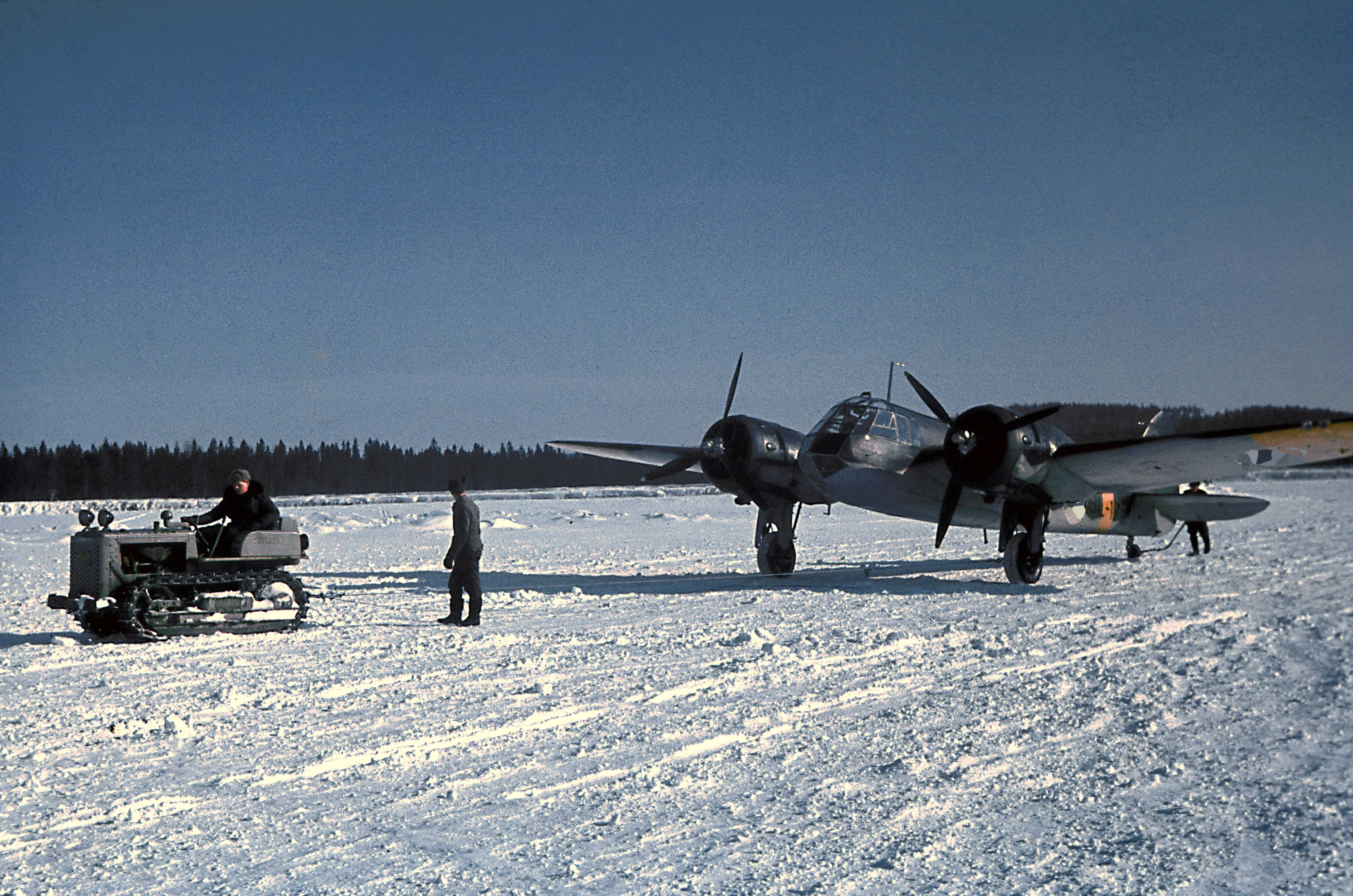
Bought from the UK and locally produced under license, the Bristol Blenheim bombers formed the backbone of the Finnish bomber fleet.
Escorting these aircraft on their bombing runs against German positions was a recurring task for the Mörkö-Moranes during the Lapland War.
In early November 1944, all participating aircraft were sent to Kemi, where they arrived by November 25. However, due to worsening weather conditions in the Lapland region, only a handful more sorties were conducted. Eventually on November 27, it was decided to start withdrawing equipment to their peacetime bases, as the bad weather made operating in the skies nearly impossible.
All Mörkö-Moranes arrived at their new home base in Rissala by the end of the month, except for one that had to do an emergency landing on the way, after a detached metal sheet broke its fuel line. Despite the relatively light damage on the aircraft, it was never repaired or returned to service, counting as the sole loss of this aircraft type during the war.
In total, Mörkö-Moranes conducted approximately 19 sorties and clocked in approximately 70 hours of flight time during the Lapland War. A total of 8 Mörkö-Moranes participated, though 3 of them never conducted any combat missions. As no dogfights or interception flights were recorded, the aerial victory score remained the same from the Continuation War.
Postwar
Soon after the Continuation War, Rissala airfield was chosen as the new home base for LeR 2, where all of the Morane equipment arrived by the end of November 1944 to await peacetime operations. Any air activity apart from ferry flights and Lapland War-related was prohibited, as was agreed in the armistice agreement put into effect on September 4. This meant the Morane fleet remained mostly grounded after their arrival.
During this period, reforms were made within LeR 2 in early December, in which TLeLv 14, HLeLv 28, and HLeLv 26 were combined into HLeLv 21 (Hävittäjälentolaivue 21, “21st Fighter Squadron”) and HLeLv 23 (Hävittäjälentolaivue 23, “23rd Fighter Squadron”). All of the Mörkö-Moranes were given to HLeLv 21, and all the remaining serviceable M.S.406/410 fighters were sent to Tampere to be converted.
The Lapland War came to a close in April 1945, and the flight ban was finally lifted in late July of 1945. This meant HLeLv 21 was finally able to start their peacetime operations using 25 Mörkö-Moranes assigned to the unit as their primary equipment.
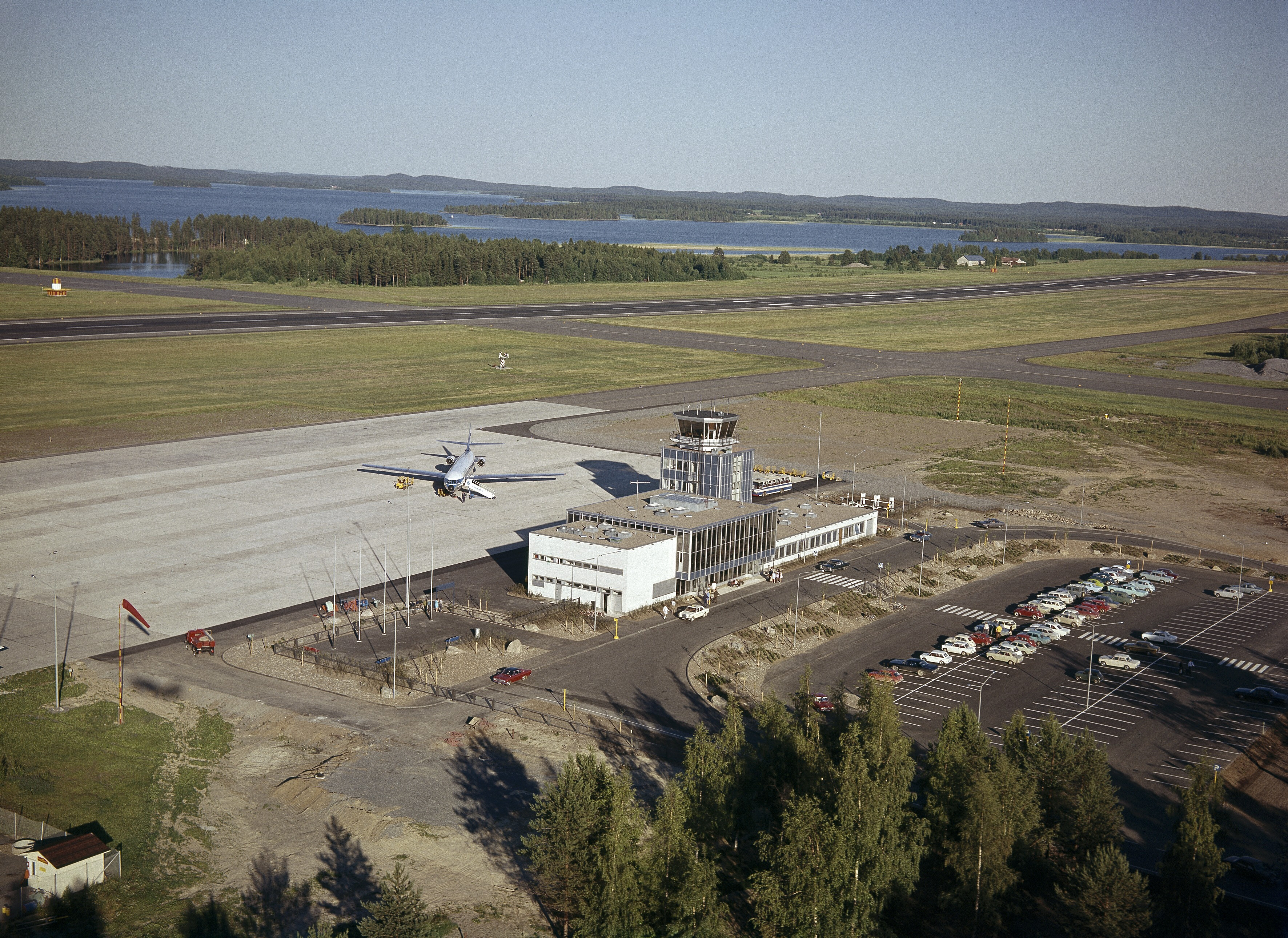
Partial photograph of Rissala Airport, 1971
This location was chosen as the new home base for LeR 2 and remains in use today by the FAF and commercial airlines. Better known today as Kuopio Airport, some lucky people may spot F/A 18 Hornets operated by Karelia Air Wing taking off or landing here.
For the following years the Mörkö-Moranes were primarily used as trainer aircraft for fighter pilots, though financial constraints and the lack of spare parts heavily limited the use of these aircraft. In 1944–1945 alone, 10 freshly converted Mörkö-Moranes had to be stripped for spare parts to keep the 25 in active service operational. Despite this, the aircraft were able to log close to 500 hours of flight time by the end of 1946.
After this, severe staff shortages within LeR 2 seriously hindered the use of Mörkö-Moranes, practically grounding the whole fleet. MSvs were gradually taken out of service, and by the end of 1947, only 4 units remained. HLeLv 21 and HLeLv 23 were merged, and type training on Messerschmitt Bf 109s began for the remaining MSv pilots. Between 1947 and 1948, only about 125 hours of additional flight time was recorded on Mörkö-Moranes.
The final nail in the coffin for the aircraft was the 1948 Paris Peace Accords, which limited the active combat aircraft in Finnish service down to 60. As the aircraft were deemed hopelessly obsolete for the time and only somewhat useful as trainers, they ranked high in the list of aircraft to be removed entirely from service. With this, the final flight was conducted on September 13, 1948, when MSv-640 completed an hour-long flight.
While used as trainers, the MSvs suffered a total of six accidents in their postwar service, and all but one occurred during their peak usage in the summer of 1946. The worst of these happened on June 16, 1946, when MSv-633 was conducting dive trials and its engine suddenly shut off from overheating. The pilot managed to do an emergency landing onto a lake, but drowned while attempting to swim back to shore. This was the only recorded pilot death involving a Mörkö-Morane.
One other MSv was completely lost in one of the accidents, leaving 39 of the aircraft in storage or rotting by airfields in varying conditions after their removal from service in 1948. (The one that landed on the lake was apparently raised and moved to storage.) Eventually, the airframes were stripped of any valuable parts and sold as scrap by 1953, putting an end to the story of Mörkö-Morane as fast as it had started.
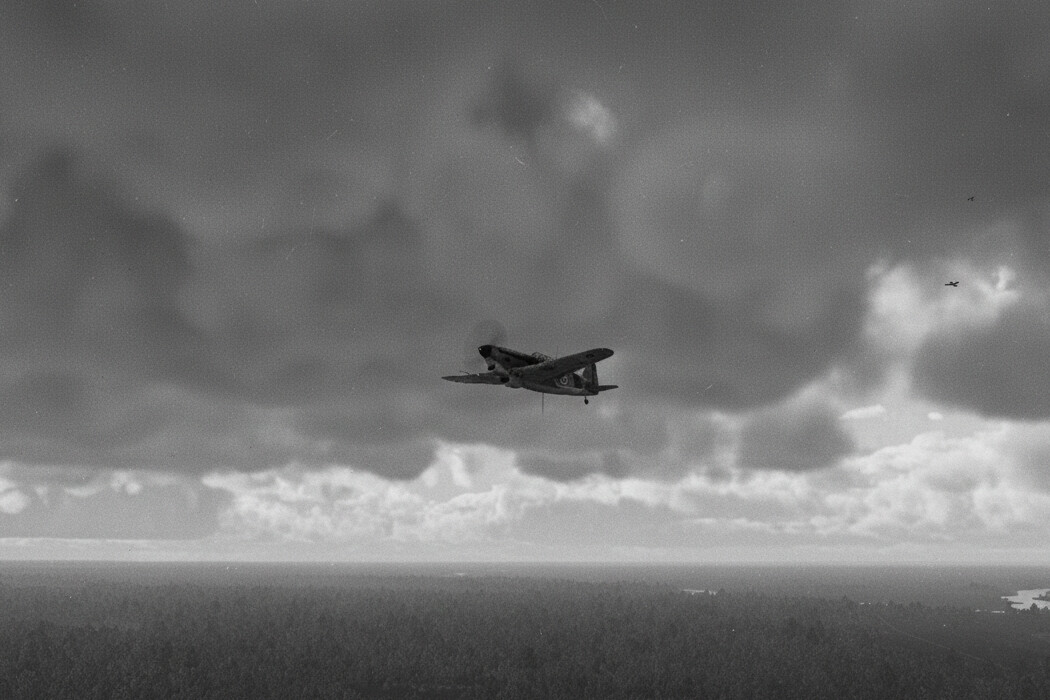
The Mörkö-Morane was successful in its mission of making the M.S.406/410 fighters more capable whilst retaining all of its abilities. This came too late, though, as the war it was meant to fight was already coming to a close by the time it arrived. Proving its capabilities in the short amount of time it had, it is safe to say had it come even a year sooner, it would have left a much more significant mark on Finnish aviation history. In reality, with the little use it saw and the postwar obsolescence, its legacy is mostly foreshadowed by those with more story to tell.
- Jukka Raunio: “Mörkö-Morane — Pula-ajan korvike, vai menetetty mahdollisuus?”. Suomen Ilmailuhistoriallinen Lehti, Erikoisnumero 7, 2023.
- vlmyrsky.fi: engine
- Kalevi keskinen, Kari Stenman, Pentti Manninen: “Suomen Ilmavoimien Historia 4 — Morane-Saulnier M.S.406”. Kustannusliike Kari Stenman, 2004.
- Jukka Raunio: “Lentäjän Näkökulma II”. Forssan kirjapaino, 1993.
- Jukka Raunio: “Valtion lentokonetehtaan historia. Osa 2, Tampereella ja sodissa 1933-1944”. Forssan kirjapaino, 2007.
Images
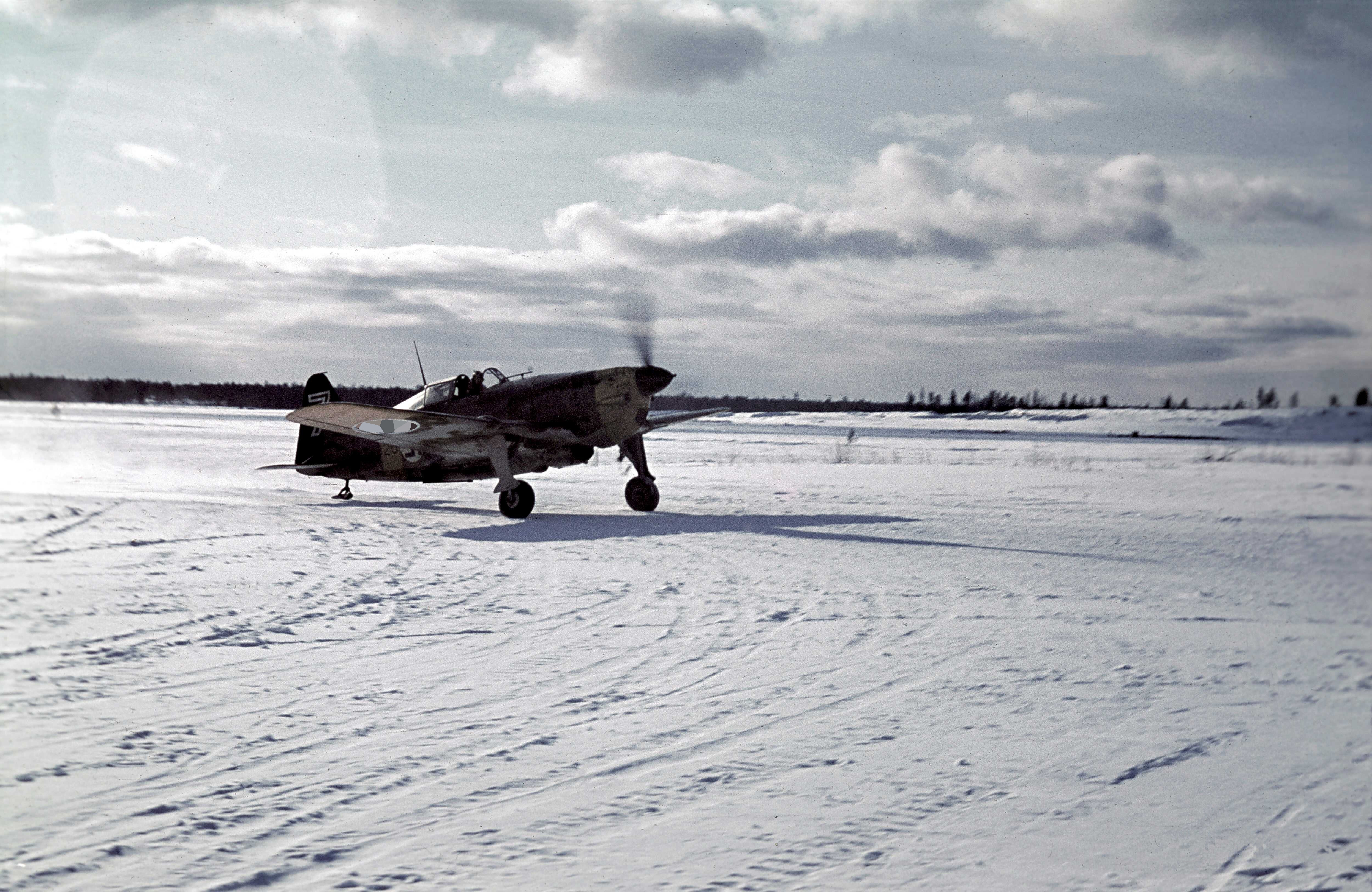
- Two FAF M.S.406 fighters preparing for takeoff on a snowy airfield — SA-kuva (Image has been edited by cencoring swastikas off the roundels)
- Crash-landed FAF M.S.406, 1942 — SA-kuva (Image has been edited by cencoring swastikas off the roundels)
- Mechanics are installing a 12.7 mm Berezin UB machine gun into an M.S.406, 1944 — SA-kuva
- Lt. Colonel Richard Lorentz profile — SA-kuva
- M.S.406 undergoing an engine replacement — SA-kuva
- M.S.406 being worked on in VL workshop, Tampere — SA-kuva
- FAF M.S.406 peparing for takeoff, 1942 — SA-kuva (Image has been edited by cencoring swastikas off the roundels)
- FAF Blenheim being towed, 1944 — SA-kuva (Image has been edited by cencoring swastikas off the roundels)
- Klimov M-103 engine — Zala; Wikipedia
— Public Domain
- MG 151/20 on museum exhibition — Rottweiler; Wikipedia
- Partial photograph of Rissala Airport, 1971 — Sky-Foto Möller (Helsingin kaupunginmuseo)
— Own Work
- Mörkö-Morane parked by an airstrip, WT
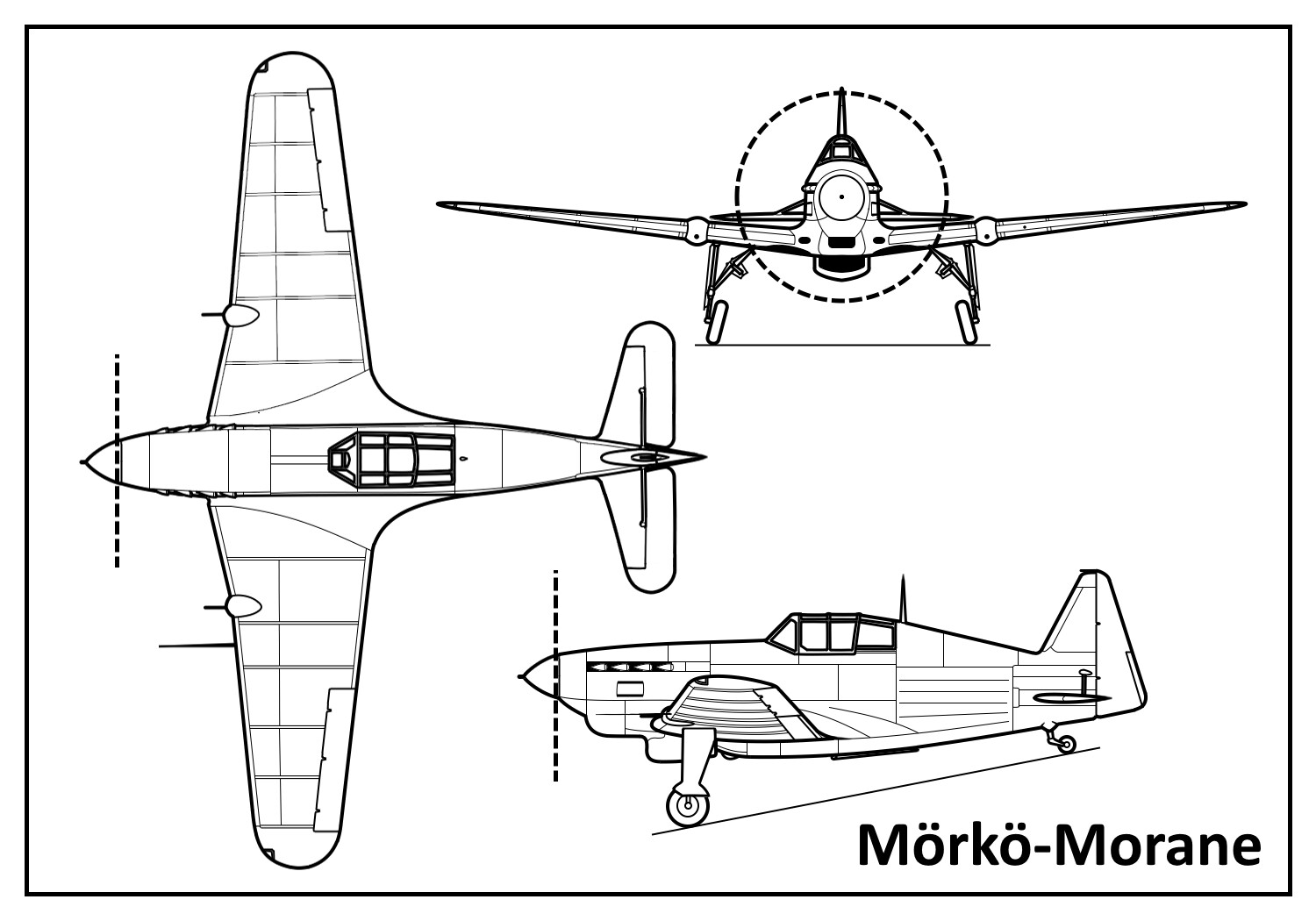
- Line Drawings Mörkö-Morane
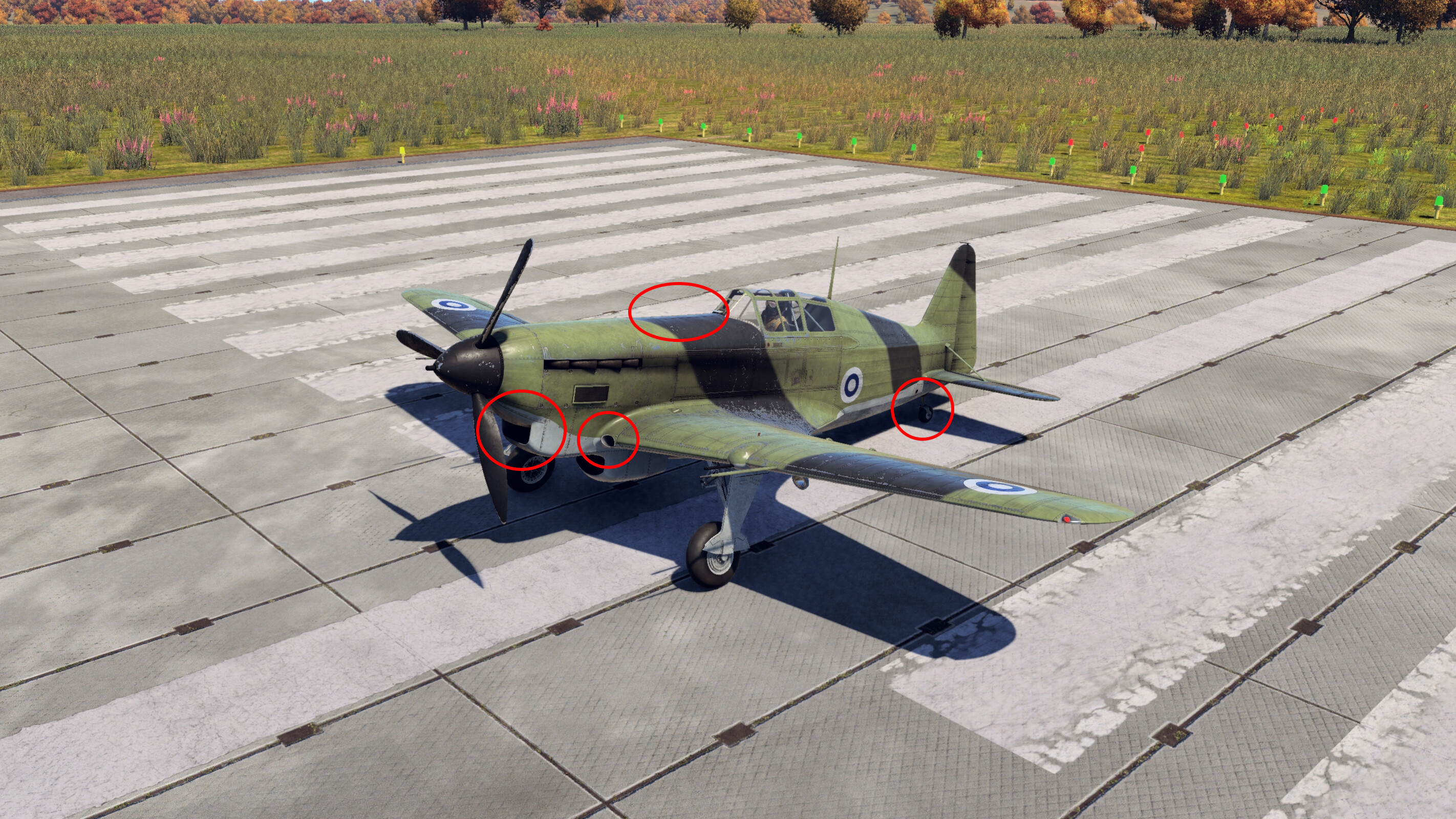
- Mörkö-Morane comparison highlights
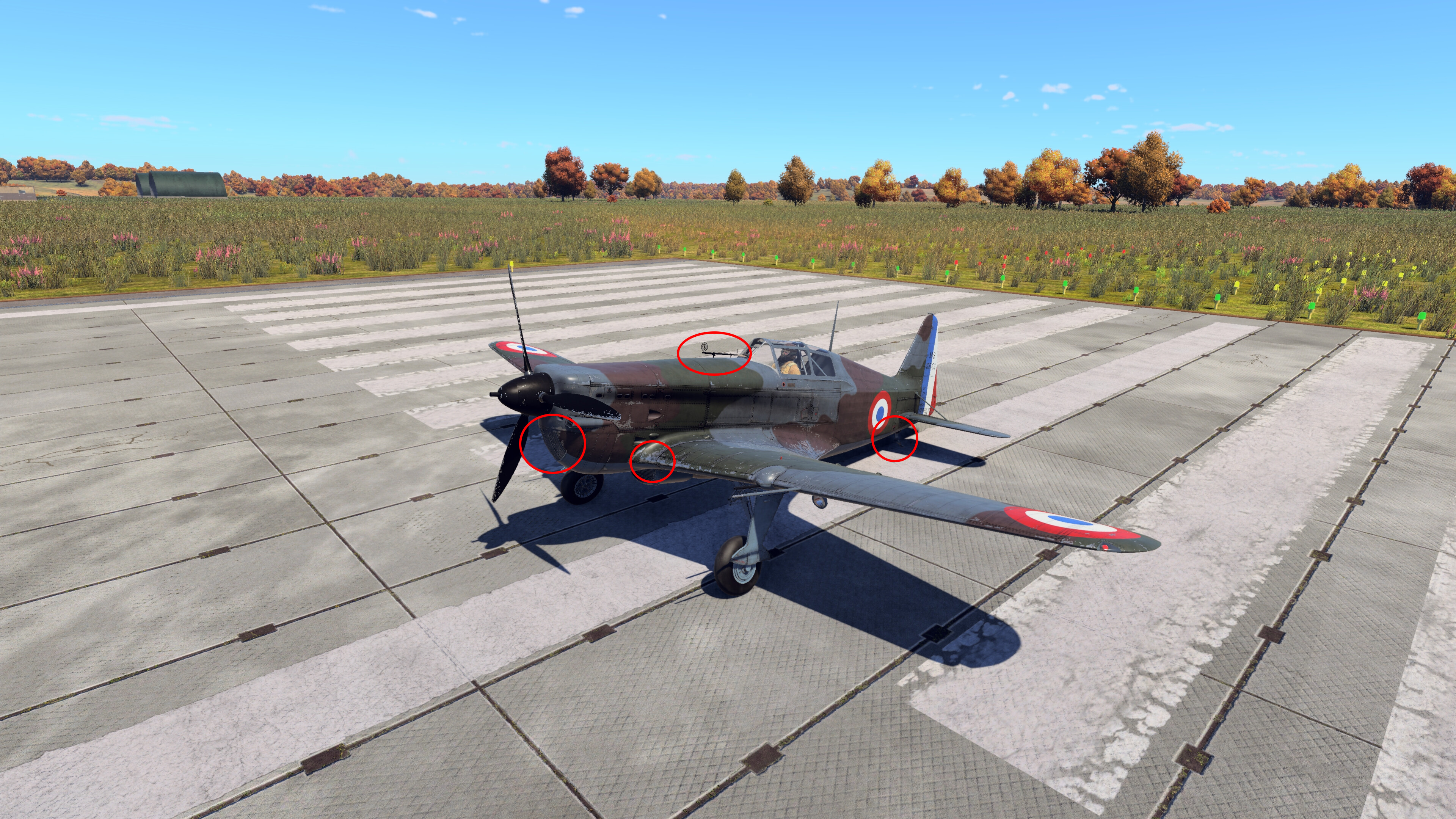
- M.S.406 comparison highlights
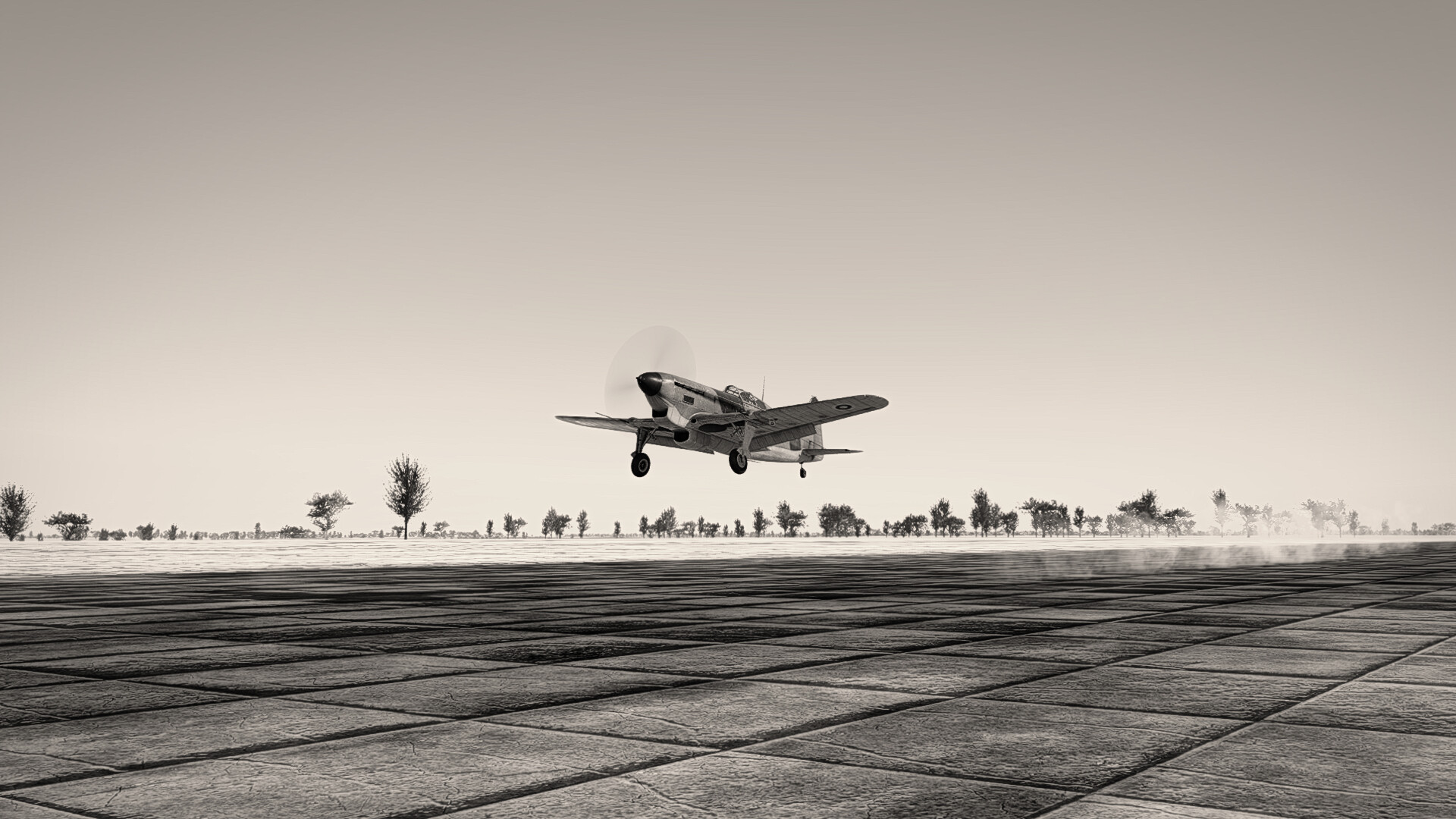
- Mörkö-Morane coming to land, WT
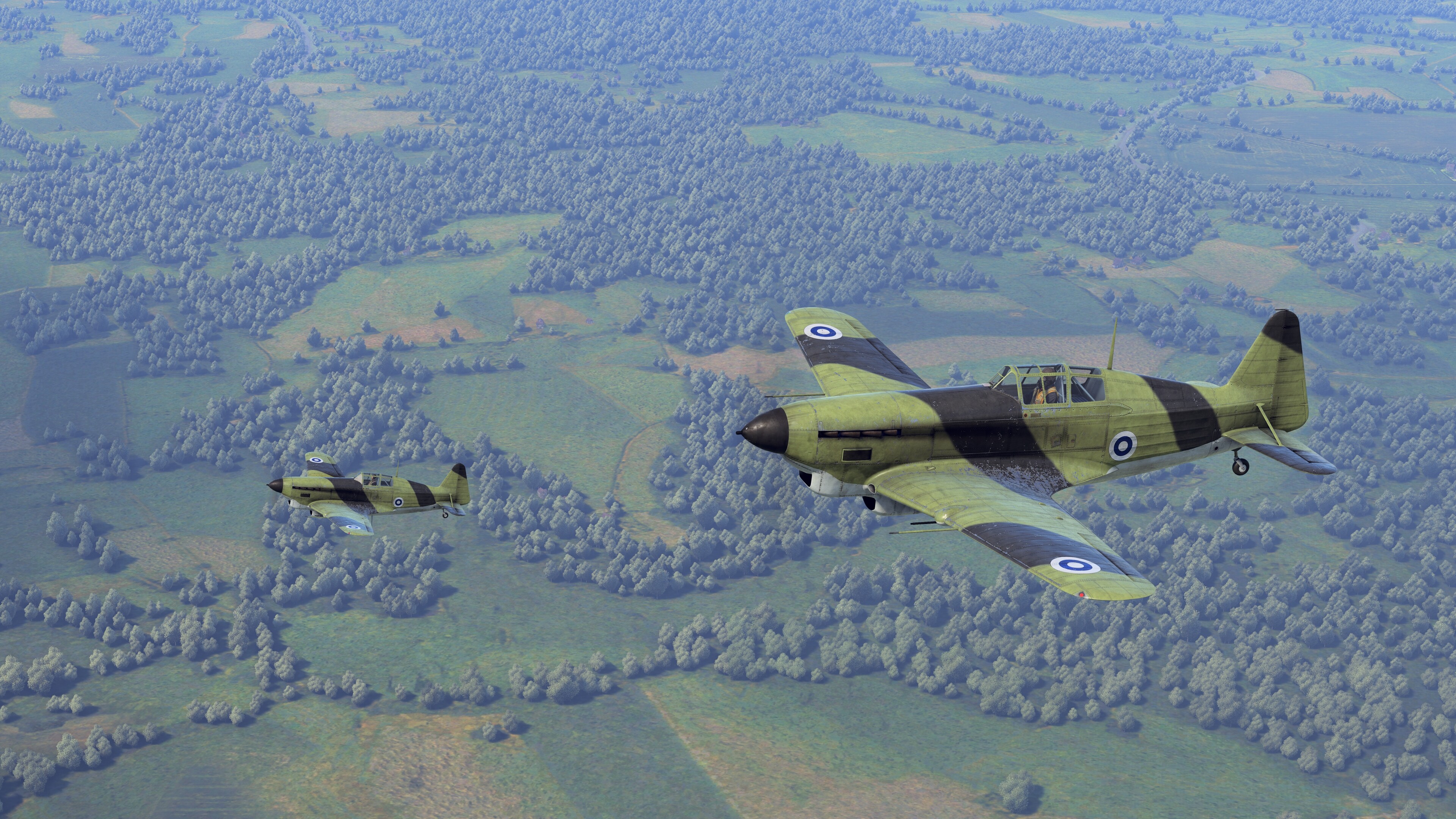
- Pair of Mörkö-Moranes in flight, WT
- Mörkö-Morane in flight, WT
Line Drawings based on original drawings.