Weapons


The Mauser 20 mm MG 151/20 is a German 20 mm aircraft cannon converted from the 15 mm MG 151/15 cannon to a 20 mm after combat evaluation proved a larger high-explosive shell to be more effective than a high-velocity shell.


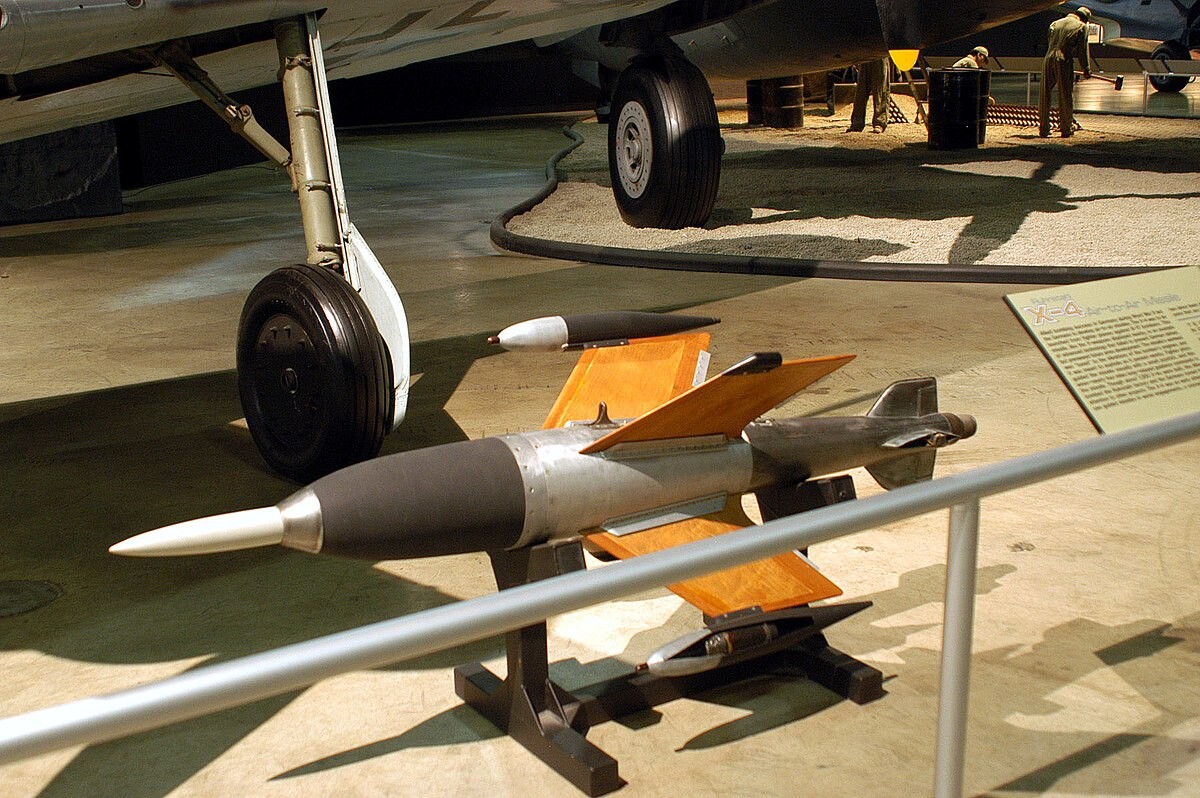
The Ruhrstahl X-4 missile was a World War 2, German-designed air-to-air missile, the first air-to-air missile of its kind to be produced. It is the earliest air-to-air missile that is available in War Thunder, and is available on the tech tree Fw 190 F-8. Let us dive into the interesting history of the missile, and later talk about how to use this unique missile!

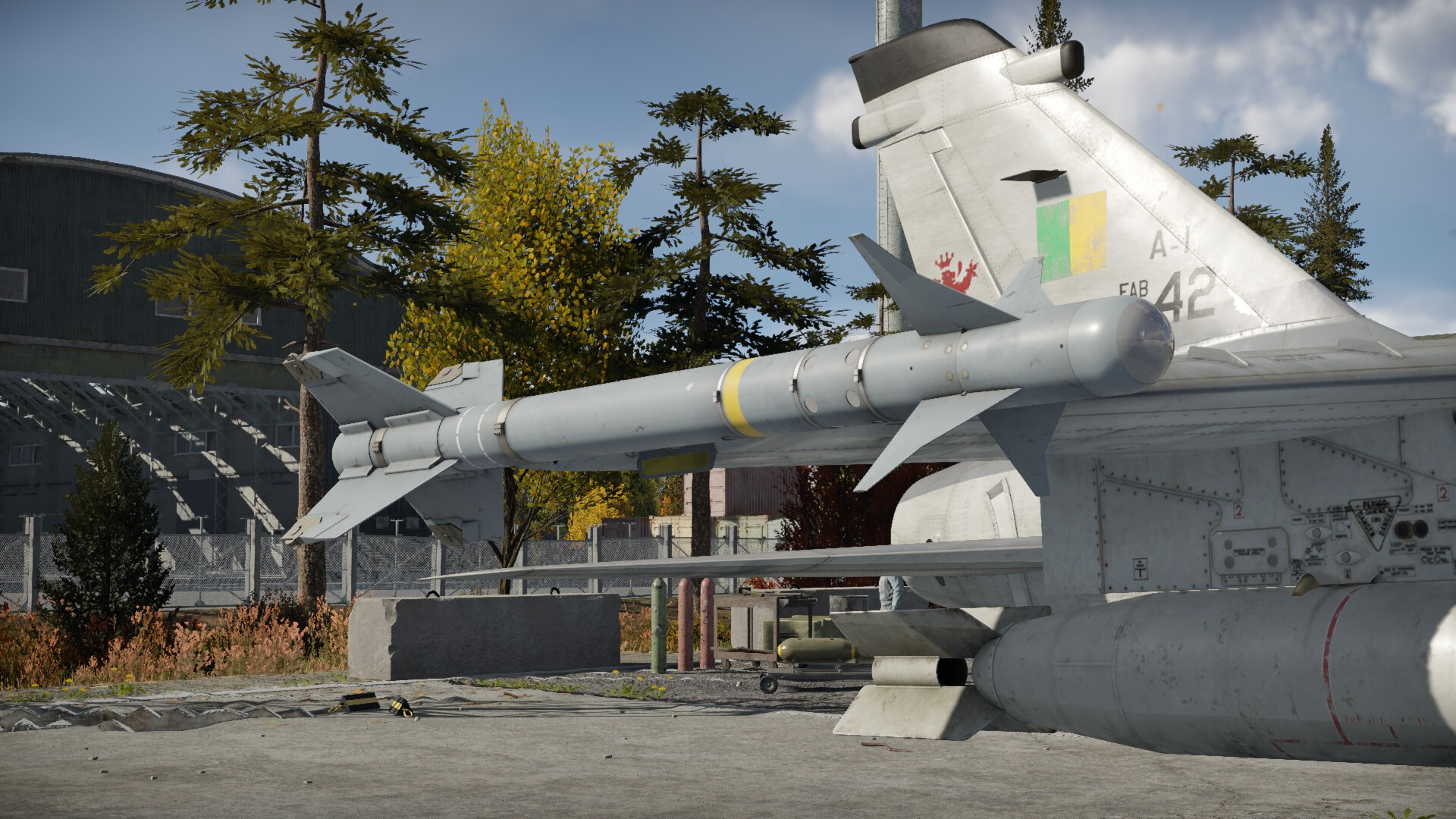
This article examines the history of the MAA-1 Piranha, the first Brazilian domestic air-to-air missile, tracing its conception, development, testings, and the various setbacks and historical contexts that shaped the program. The Piranha was a bold project for its time, that sought to elevate Brazil into the small group of countries that were capable of producing domestic air-to-air missiles, a group which, at the time, consisted of France, the USA, the USSR, Israel, South Africa, the United Kingdom, China, Taiwan, and Japan.

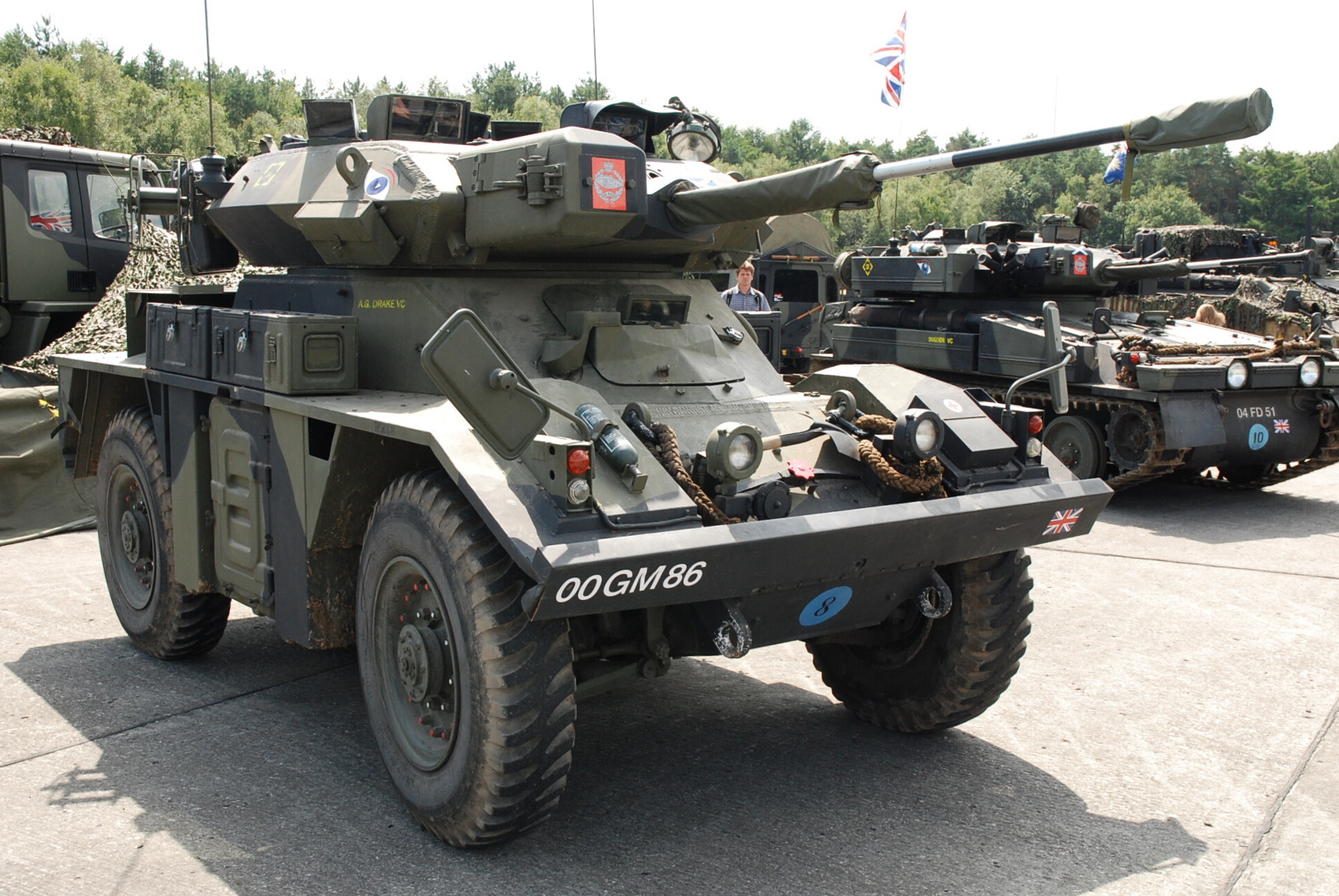
The unusual Rarden cannon found on a few British light vehicles is something of a Marmite weapon. It is either loved or loathed by most who use it and by those who face it in battle. In this article I’ll cover the history behind this unusual piece of equipment and share a few tips on its use in War Thunder.

This article is about the history of the 2 cm guns using the 20×138mmB Rheinmetall ammunition, primarily the 2 cm KwK/Flak 30/38 L/50/65. It also covers usage by other nations represented in-game, such as Italy with Breda and Scotti guns, and includes a minor guide. The ammo and guns were the smallest mainstay unit of dual-purpose AA/AT guns, starting in the late 1920s and actively used and improved until 1945. These guns were used as infantry super heavy machine guns (Überschwere MGs), tank armaments (KwK), as well as infantry and vehicle AA guns (Flak).
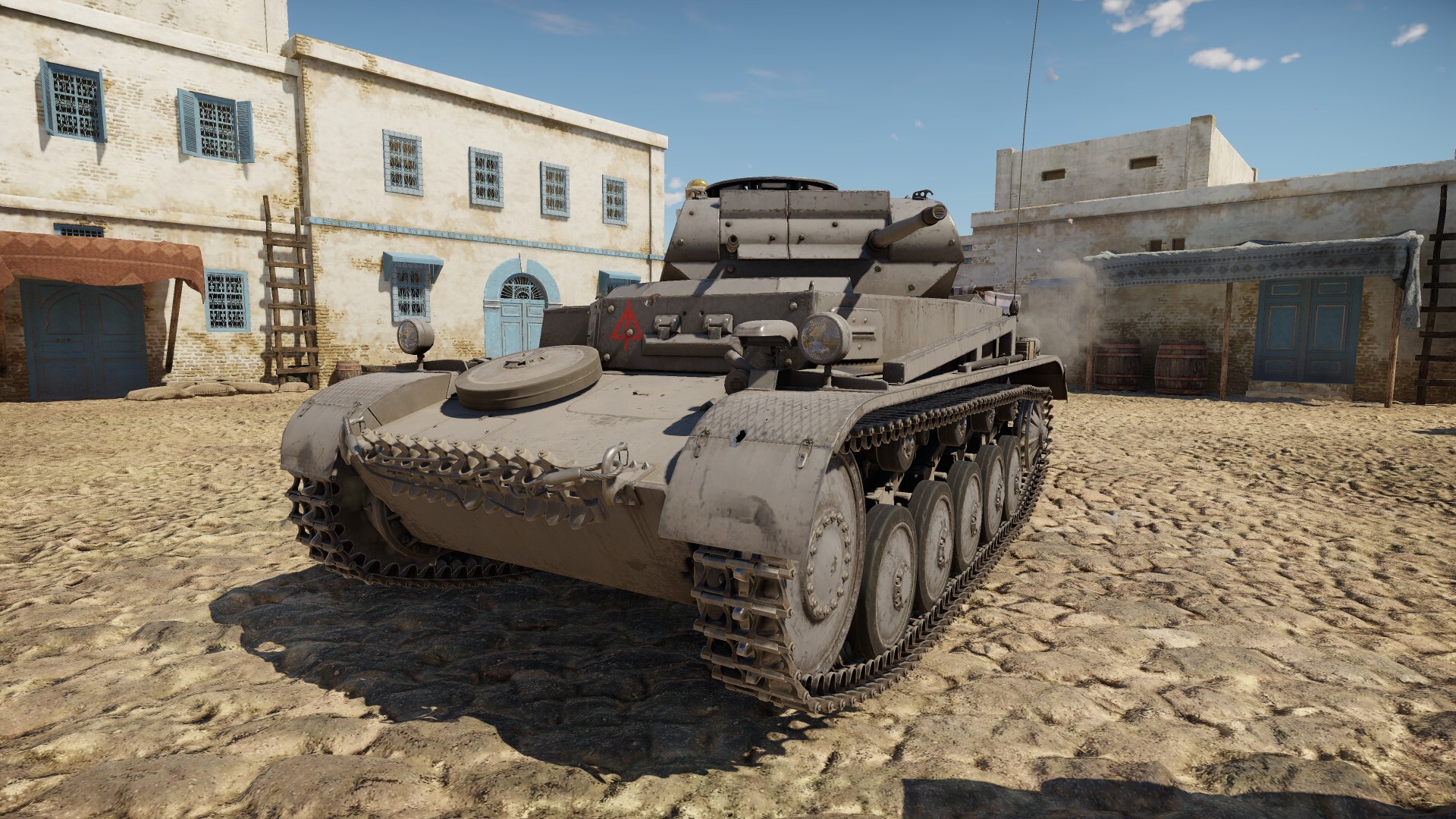

The Ballistic Computer is a system found on some modern aircraft and helicopters used to aid the player in the delivery of unguided air-to-ground munitions. There are two key functions of the ballistic computer: Constantly Computed Impact Point (CCIP) and Constantly Computed Release Point (CCRP). CCIP continually calculates where munitions will land and gives the pilot an accurate impact point to aim with. CCRP allows the player to specify an impact point, the ballistic computer will then continually calculate at which point along the player’s flight path munitions will need to be released in order to hit the player’s designated impact point, and will only allow munitions to be released when that point is reached.
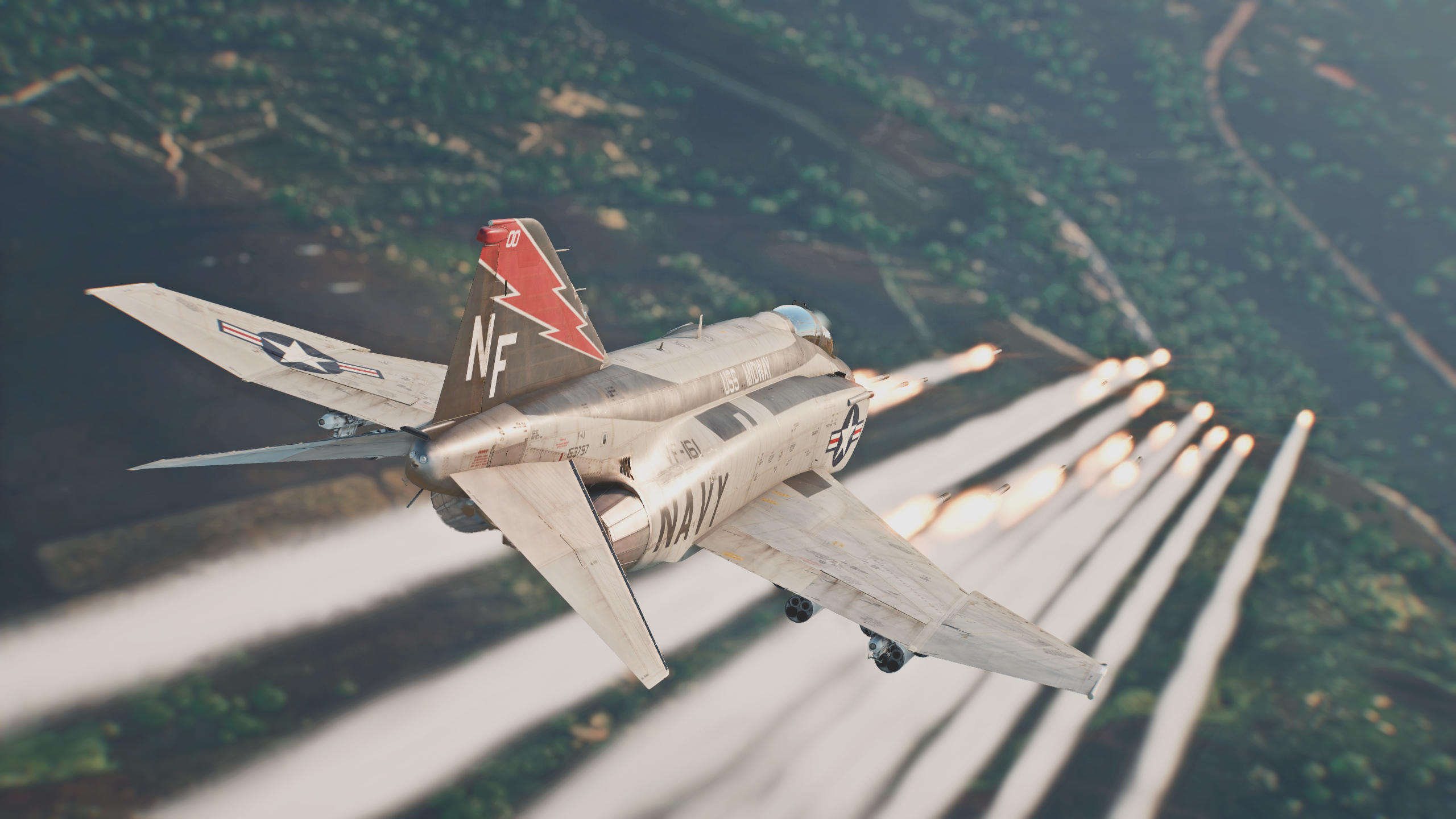
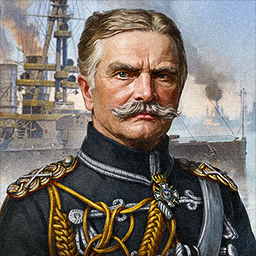
After WW2, most French vessels were armed with 5” guns, similar to the American 5"/38 Mk.12 cannon, and Bofors 57 mm guns. However, in 1953, a new gun was developed that would replace both of them and deal with anti-air and anti-surface duties. This led to the development of the 100 mm/55, a cannon that would equip all French vessels, from frigates to aircraft carriers, all the way to the modern day. In game, the 100 mm/55 is among the best French naval guns, combining an excellent fire-rate, great damage, and both anti-air and anti-ship capabilities. Found in both the German and French tech trees, it is the ultimate reward for coastal forces and offers great success in your engagements.
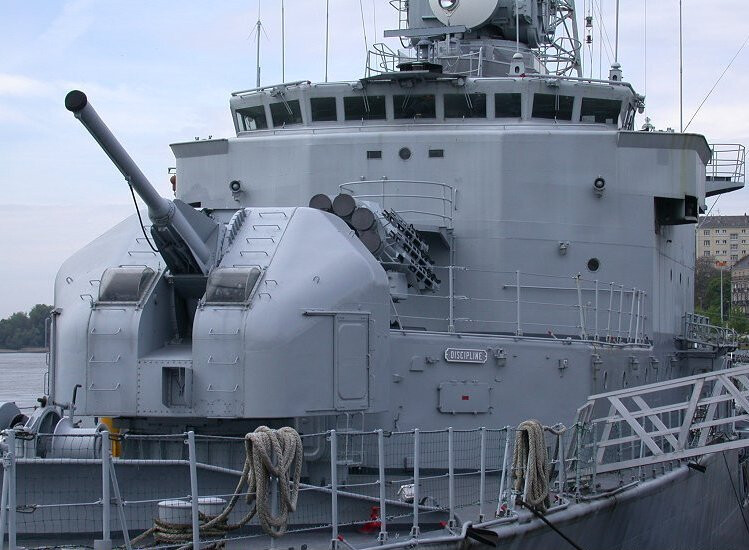
This article is about the history of the German 3.7 cm L/45 guns — mainly the PaK 36* and KwK 36 — as well as the tangentially related Navy 3.7 cm FlaK M42 L/69. The PaK 36 was the mainstay of towed anti-tank guns for Germany during World War II, being used from the war’s onset until the last days of the war, and were used in all sorts of roles, ranging from anti-tank operations in the late 1930s to infantry support using HE and fin-stabilized HEAT grenades during the closing days of the war. While the PaK 36 and its derivatives were largely obsolete by the end of World War II, their large production volume (20,000 units) meant that it wasn’t too hard to find them across various frontlines, still putting in work.

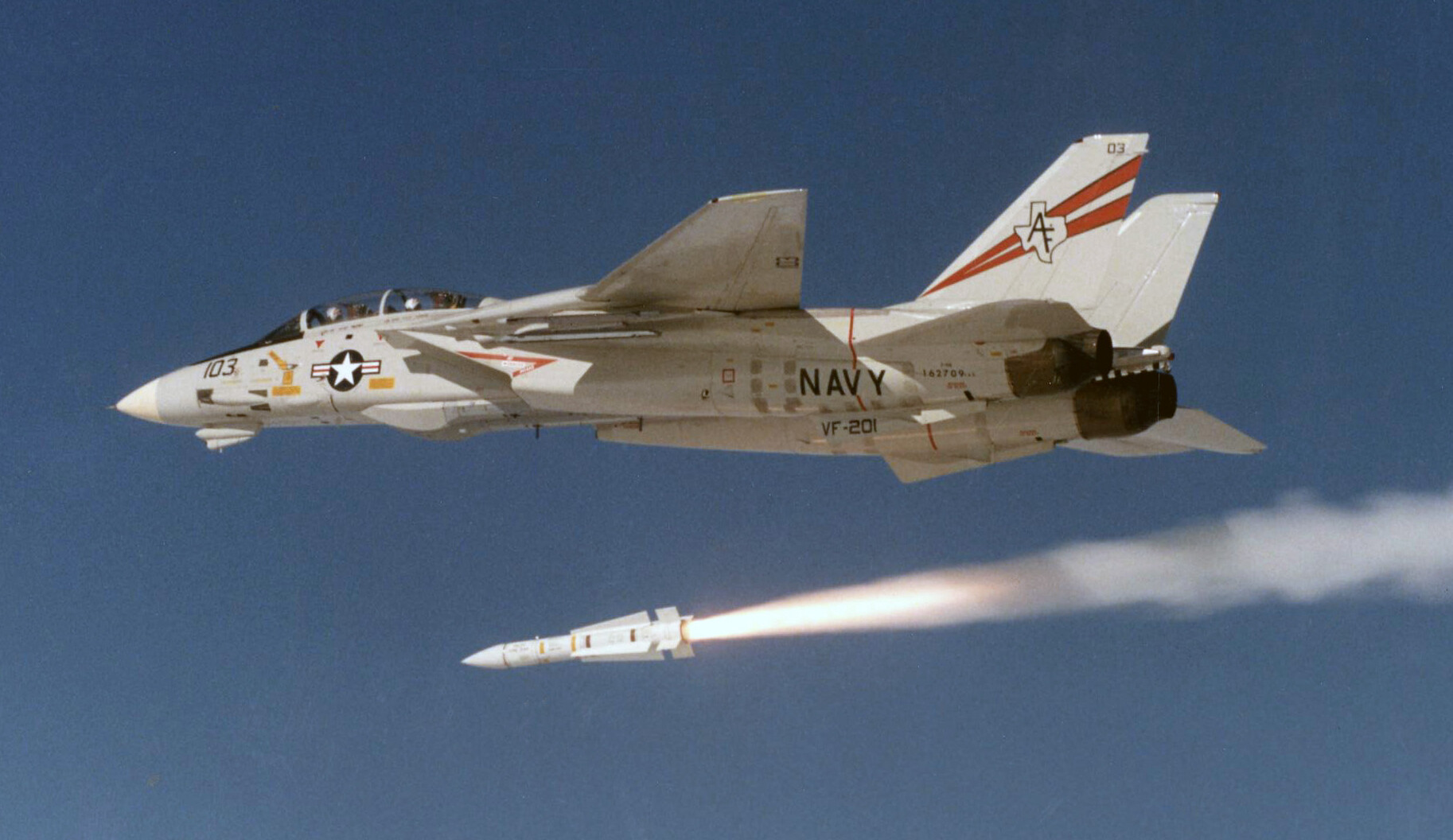
The iconic F-14 Tomcat made its mark in naval aviation for its cultural significance and popularity. However, the defining weapon that sets the Tomcat apart from its peers is the long-range AIM-54 Phoenix missile. This weapon, intended to strike Soviet bombers from a long distance before they could fire deadly anti-ship cruise missiles, allowed the F-14 to perform its "Fleet Defense" role. Thus we will dive into the development behind this fascinating missile, the improvements it had, and how it would not be America writing the tomes on the AIM-54's combat usage, but instead Iran.