
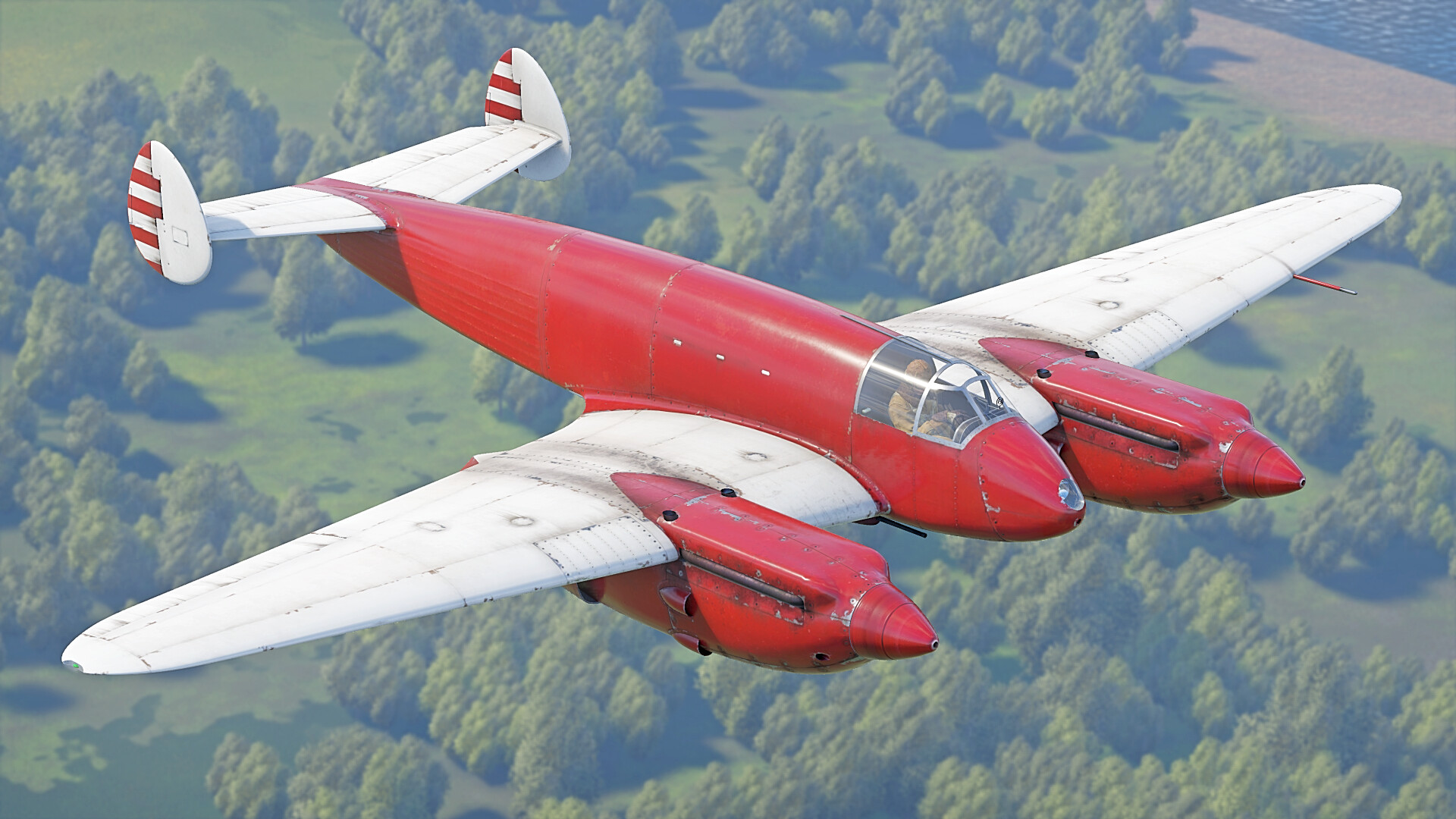
As early as the 1930s, the Yakovlev Design Bureau was interested in creating a heavy aircraft that could serve as either a fighter or a frontline bomber with minor modifications. This led to the I-29, the Yak-2, and the Yak-4. However, these aircraft did not achieve the same success as others in their class, such as the "Peshka", and only the Yak-4 saw limited production. The I-29 is the most interesting one in the game, but why?
| Pros | Cons |
|---|---|
| Powerful armament | Lack of suspended armament |
| Good climb rate combined with interceptor spawn | Low survivability and incomplete armor |
| Decently powerful engines | Overall below average speed |
Flight characteristics
The I-29 is quite good in terms of flight performance, but it is still a heavy twin-engine fighter. It is powered by two VK-105R engines, each of which produces 1,100 h.p. of thrust in ideal conditions. This gives the I-29 fairly good acceleration and rate of climb for an aircraft of its type. However, its maximum speed is rather low; the I-29 rarely flies faster than 500 km/h outside of a dive.
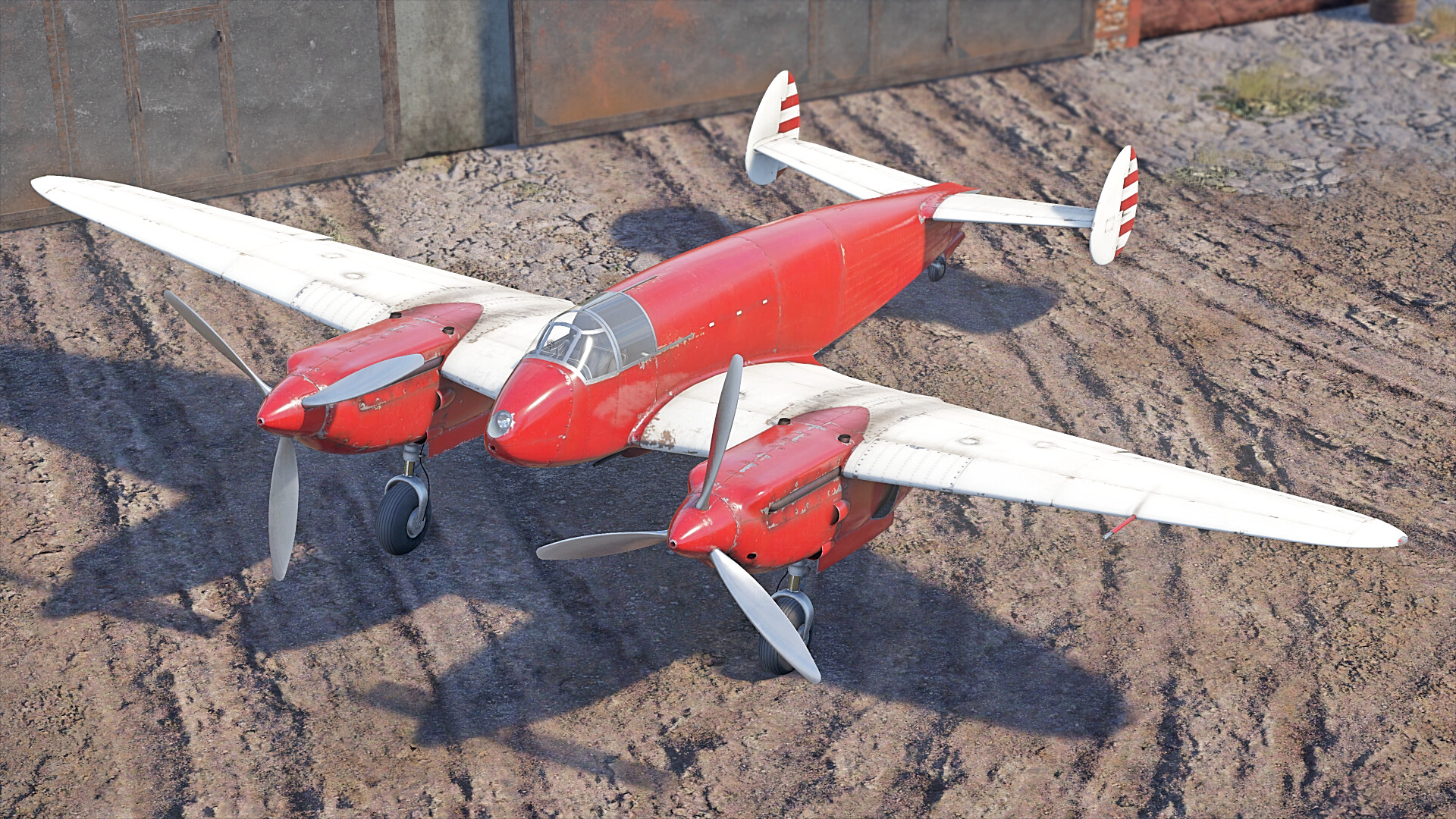
The I-29 performs well in all axes in terms of maneuverability, but you’ll most often have to rely on energy to win a dogfight. The Soviet fighter retains energy quite well, and performs best when the I-29 and its enemy are both slow. It will even fare well against such planes as the Boomerang. As its speed decreases, the I-29 retains controllability and continues to maneuver well using its flaps. At high speeds, pitch and yaw are responsive, but roll gets poor.
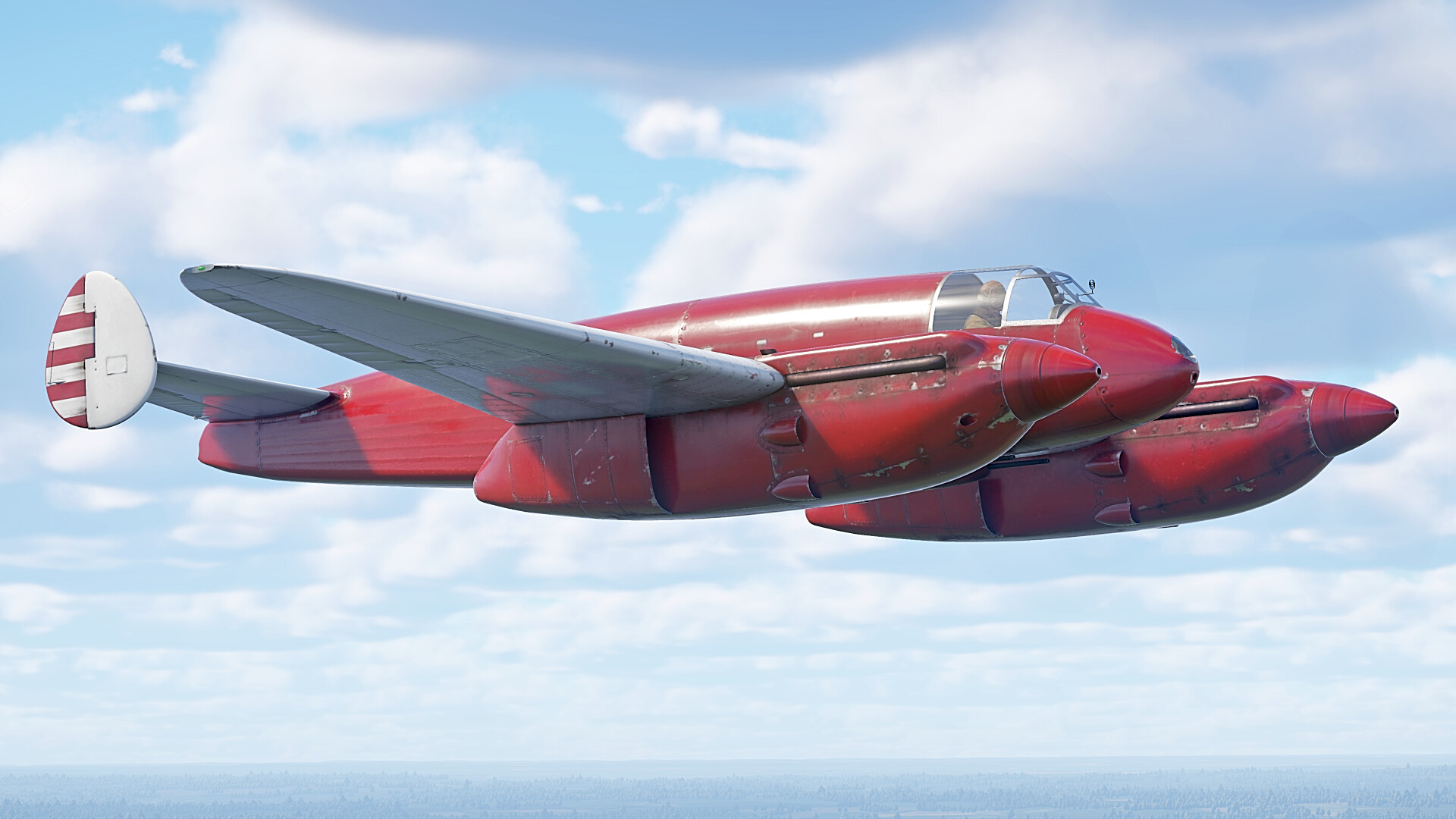
The I-29 can only put flaps in the landing position. The flaps break off at speeds above 280 kilometers per hour. The landing gear is sturdy and will only detach when flying faster than 320 kilometers per hour. The airframe will fail at speeds above 680 kilometers per hour, which is acceptable given the aircraft's relatively low maximum speed.
Armor and Survivability
The I-29 does not have impressive armor. The pilot is protected by three 12.7 mm armor plates: two shield him from the rear, and one shields him from the front. Due to the lack of armored glass, the pilot is vulnerable to attacks from the front. Additionally, the fragile engines are completely unprotected. While two armored fuel tanks can provide additional protection against rear attacks at the pilot, if they catch fire, the aircraft will be lost anyway.
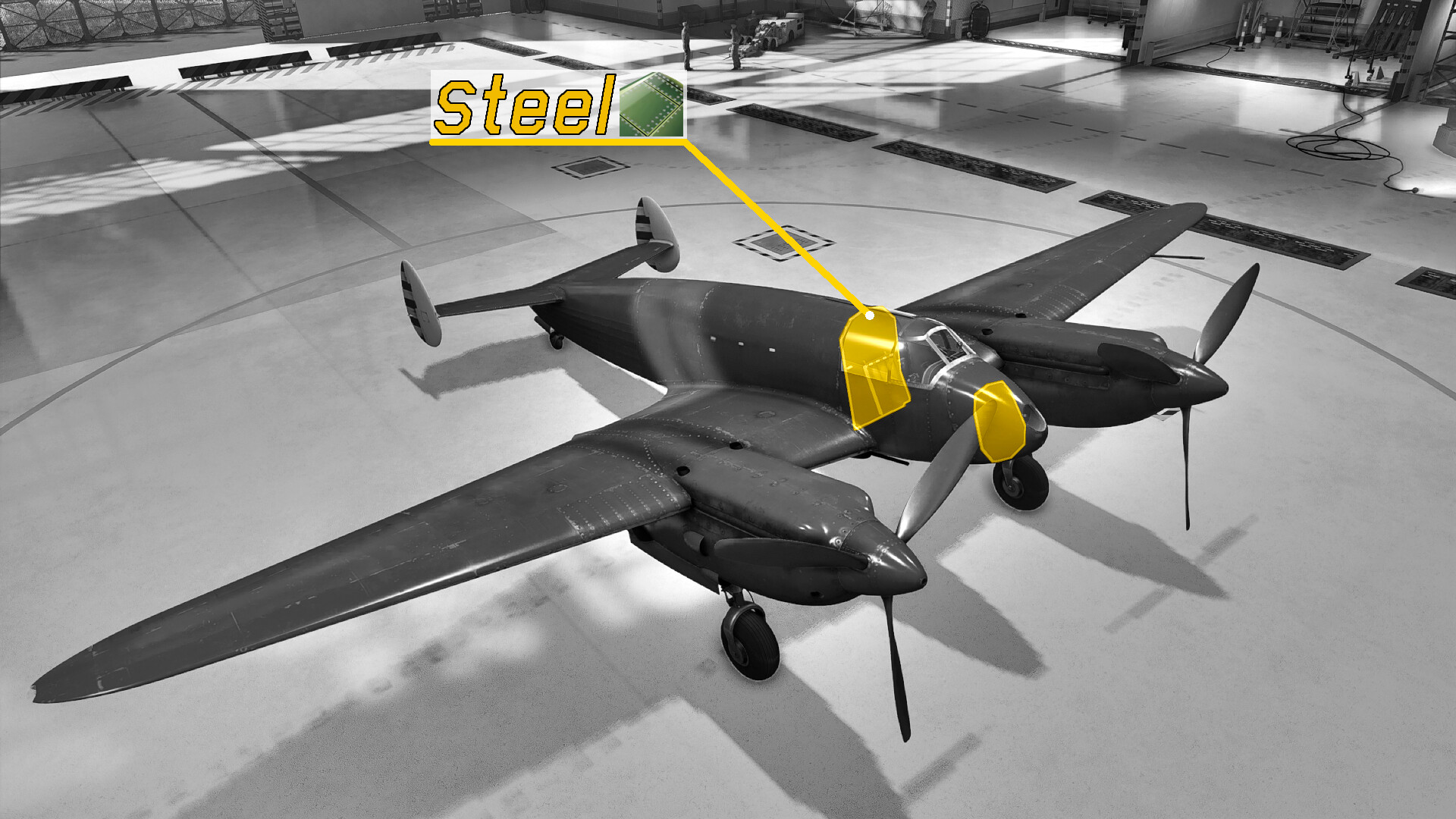
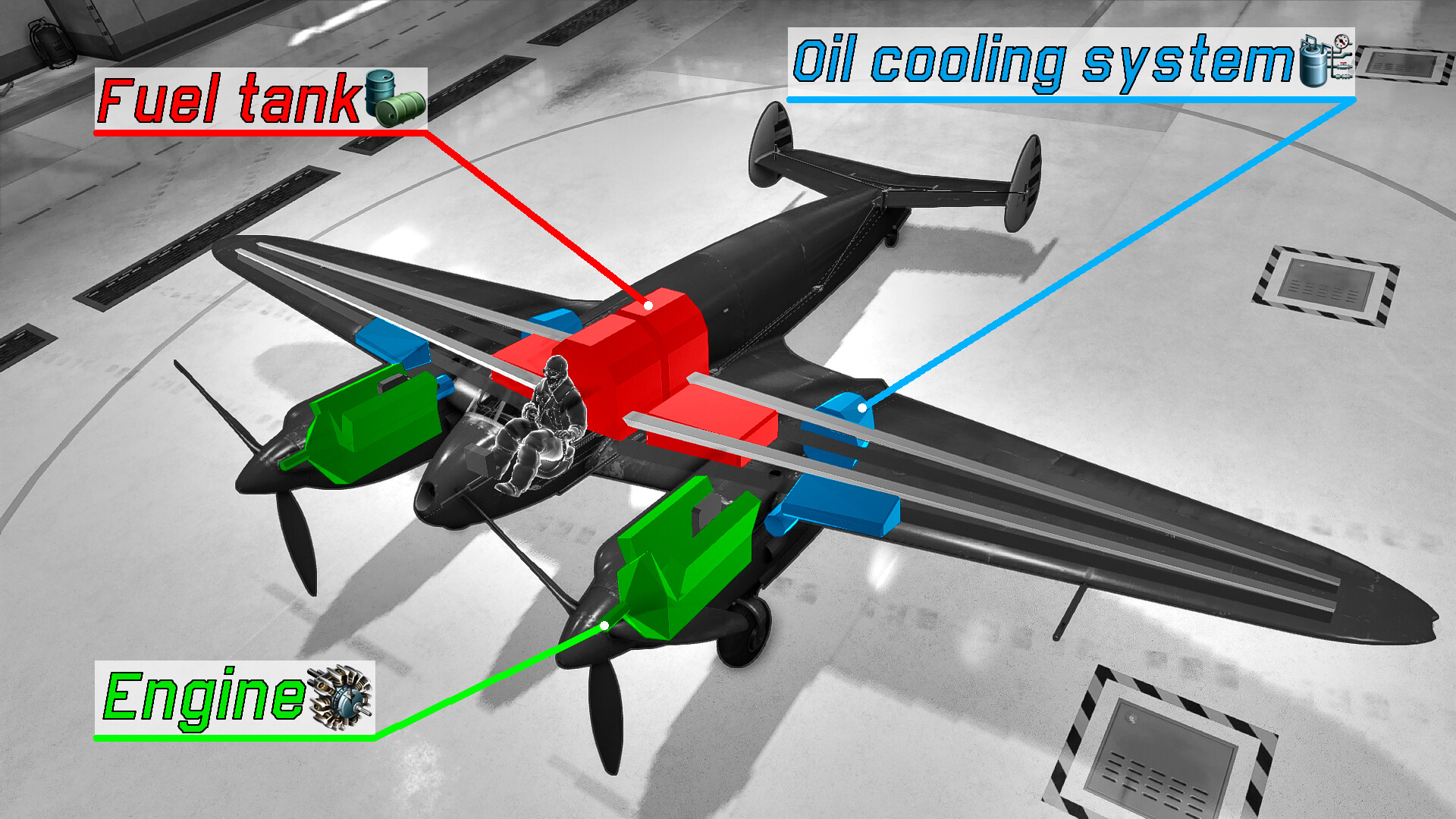
At the same time, the wings contain two fuel tanks near the center, as well as two engines and the cooling system on each side. However, the main part of the wings is fairly empty, so hits there are unlikely to cause significant damage. Furthermore, even if one engine fails, the I-29 can easily reach an airfield and engage in dogfights with less formidable opponents. One drawback is the aircraft’s large size compared to single-engine fighters.
Armament
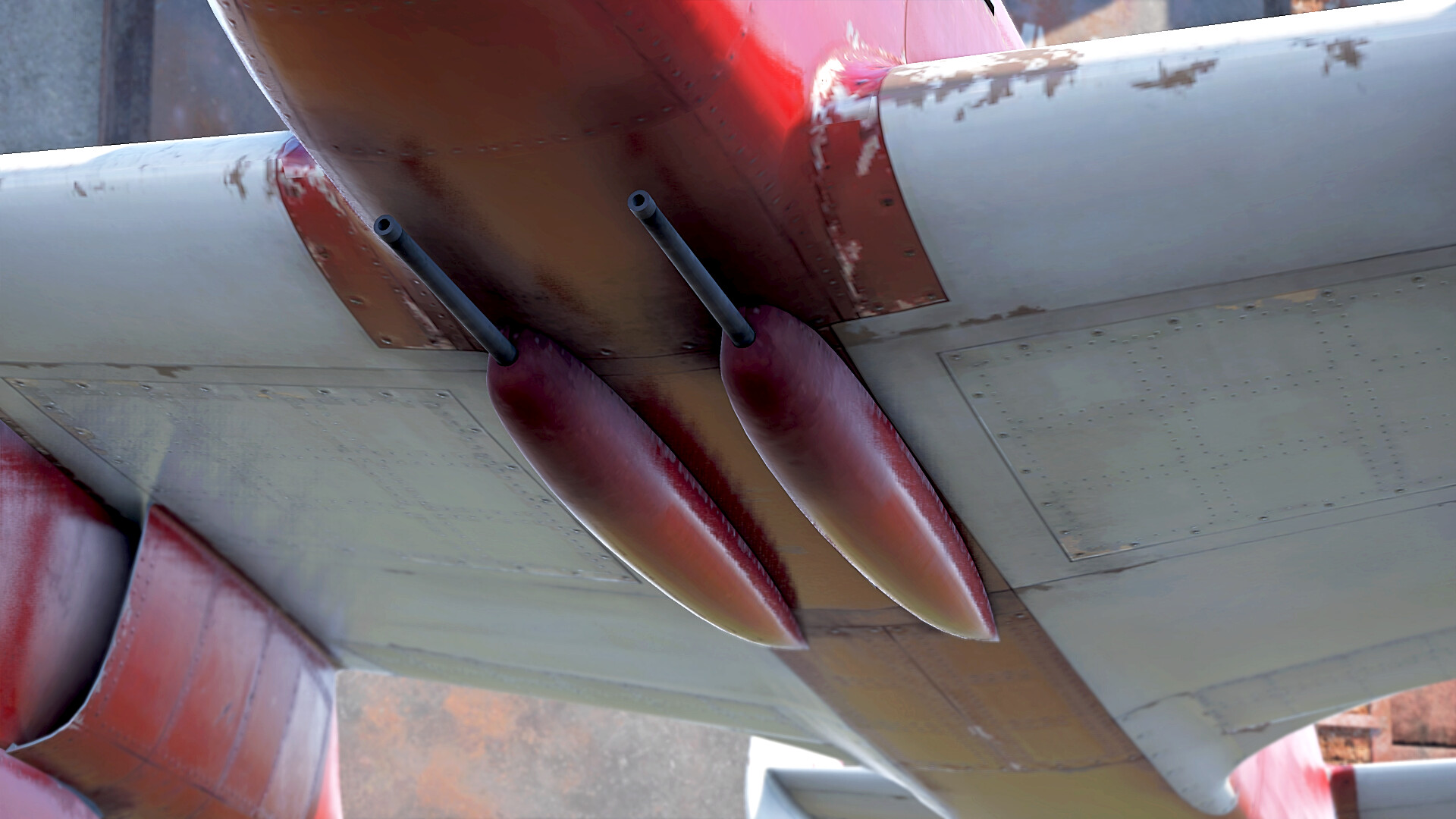
In terms of armament, the I-29 is equipped with two 20mm ShVAK cannons and three ShKAS machine guns. The cannons, which have an ammunition load of 120 rounds each, are mounted under the fuselage, slightly behind the pilot. This position makes it easy to aim at the enemy.
The following belts are available for the cannons:
- Default: FI-T/AP-I
- Universal: FI-T/HEF/AP-I/FI-T
- Ground targets: HEF/FI-T/AP-I
- Tracers: FI-T
- Armored targets: AP-I/FI-T/AP-I/AP-I
- Stealth: AP-I/HEF/HEF/FI
For combat aircraft, the tracer belt is usually the best, as it often sets enemies on fire and rips off their wings. Stealth is also a decent alternative for players stealthily attacking enemies on their red heavy fighter with a 14-meter wingspan. However, the 14 mm penetration on almost all belts won’t be enough for engaging ground targets, so it’s better to focus on aircraft.
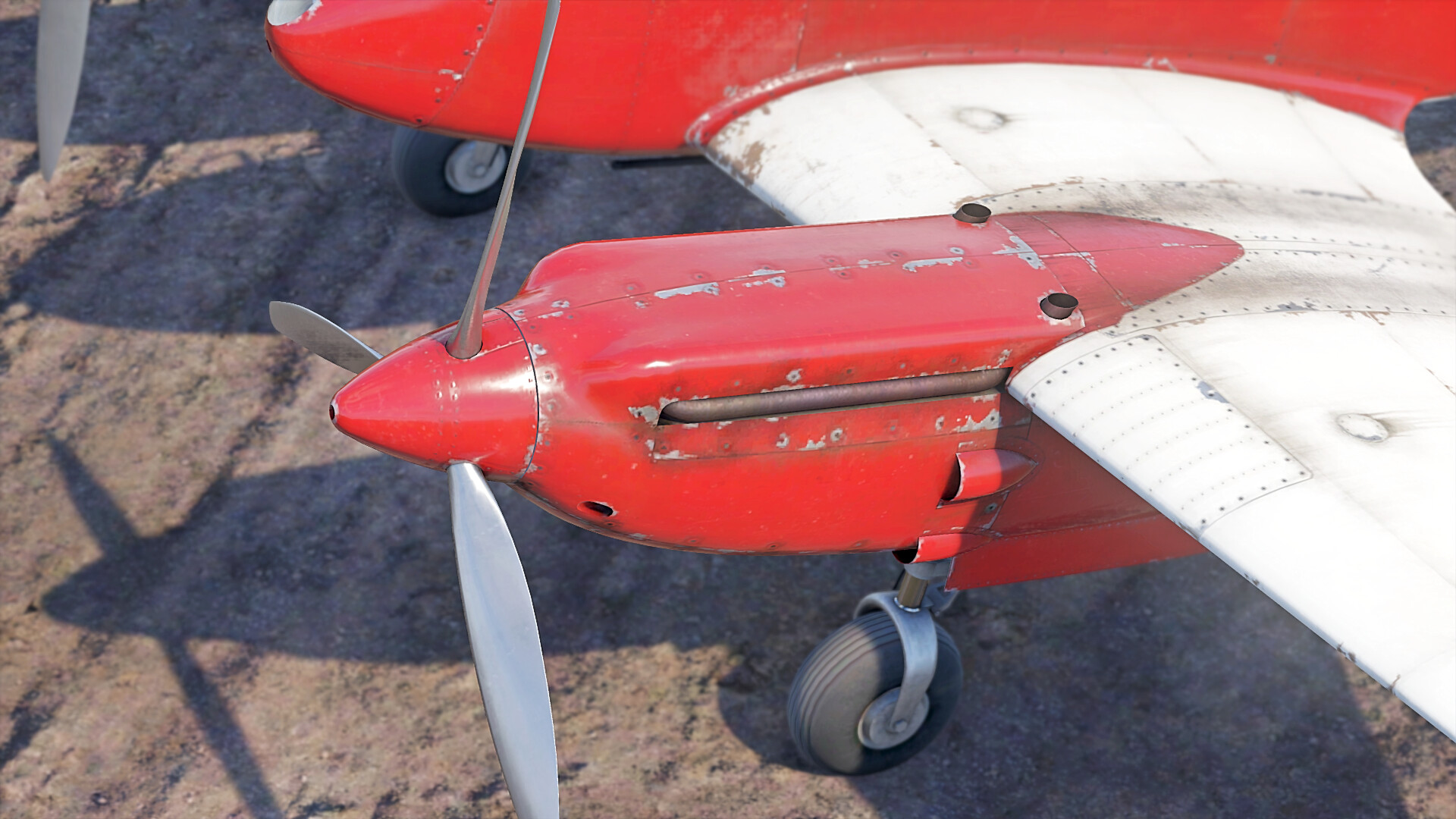
There are also three ShKAS machine guns—one on each engine pylon and one in the center in front of the pilot. Although firing them is somewhat difficult, the 900-round ammunition load for each barrel lasts a long time.
The following ammunition belts are available:
- Default: T/Ball/Ball/AP-I/AI
- Universal: AP-I/AI/API-T
- Tracers: AP-I/API-T
- Stealth: AP-I/AP-I/AP-I/AI
A tracer belt would be the best choice here since it contains two armor-piercing rounds but no omni-purpose rounds. Although stealth is still an option, given the size of the aircraft and how often you will be forced to expose yourself to the enemy, it doesn't make much sense.
Usage in combat
In air combat, the I-29's strategy is straightforward. First, shoot down any similar aircraft that spawn in the air. Then, take out low-flying fighters. When facing twin-engine aircraft with airspawn, lure them into a head-on engagement. Evade their attacks and pull upward to quickly deplete their energy. The P-38E is a prime example. In theory, it has better thrust, but it is also two metric tons heavier. If it attempts to maneuver, it will quickly lose all its energy. At that point, its maneuverability no longer matters.
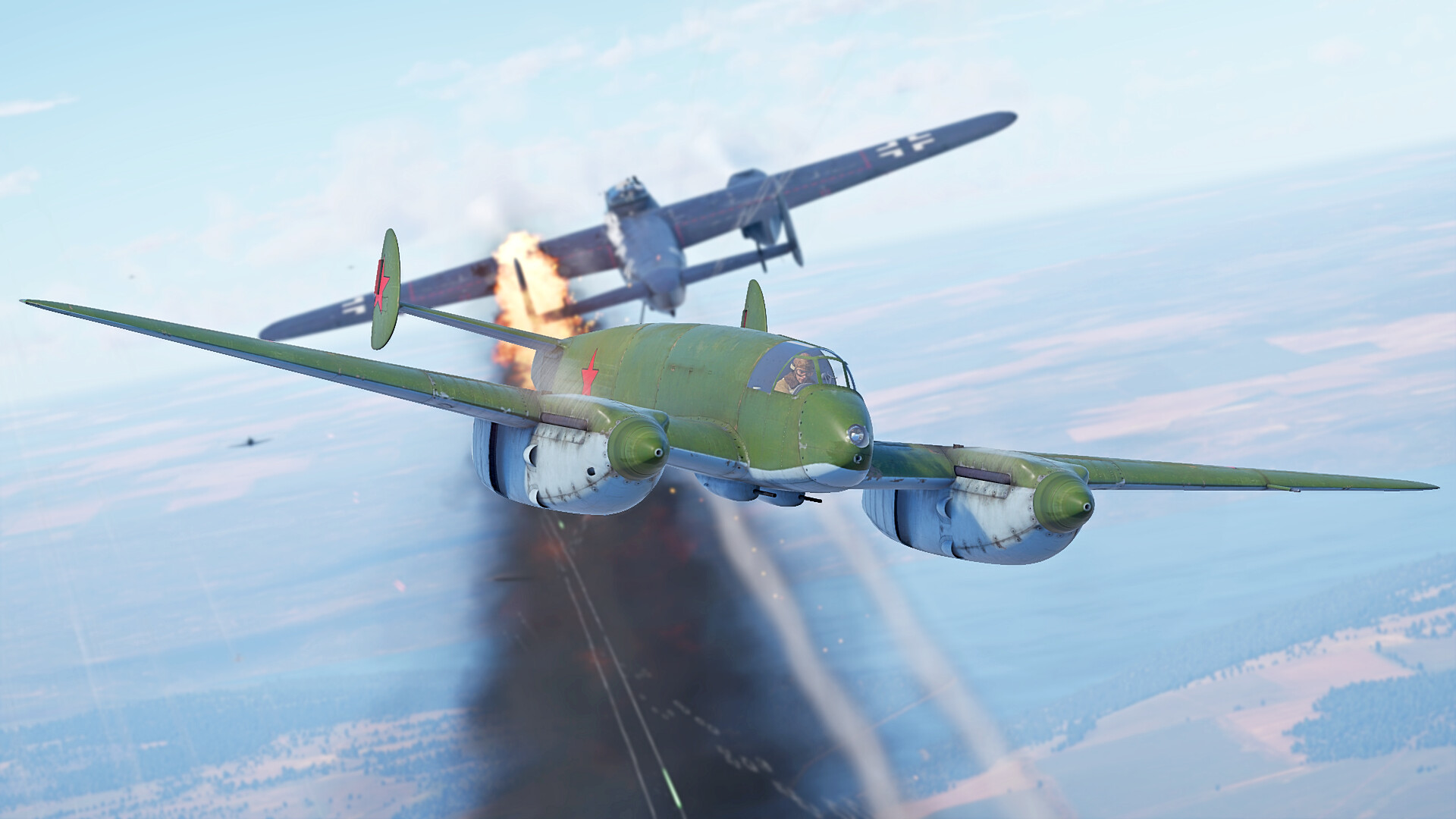
As for bombers, either avoid them or try shooting at their pilot as you fly past. It’s not worth it to turn around, waste time, or use extra shells since it’s extremely difficult to shoot them down outside of disabling their pilots. Especially dangerous are the bombers with their own offensive armament, such as the B-34 or B-18A. Best leave them alone.
There are more nuances when dealing with single-engine fighters, but the principle is the same as with heavy aircraft. Many inexperienced players see the I-29 as a heavy, clumsy, twin-engine aircraft and try to attack it from below. This makes them easy targets, since all you have to do is dodge the attack and loop around to target the slow opponent. It even applies to such aircraft as A6M or Ki-43, as long as they stalled themselves trying to pitch up.
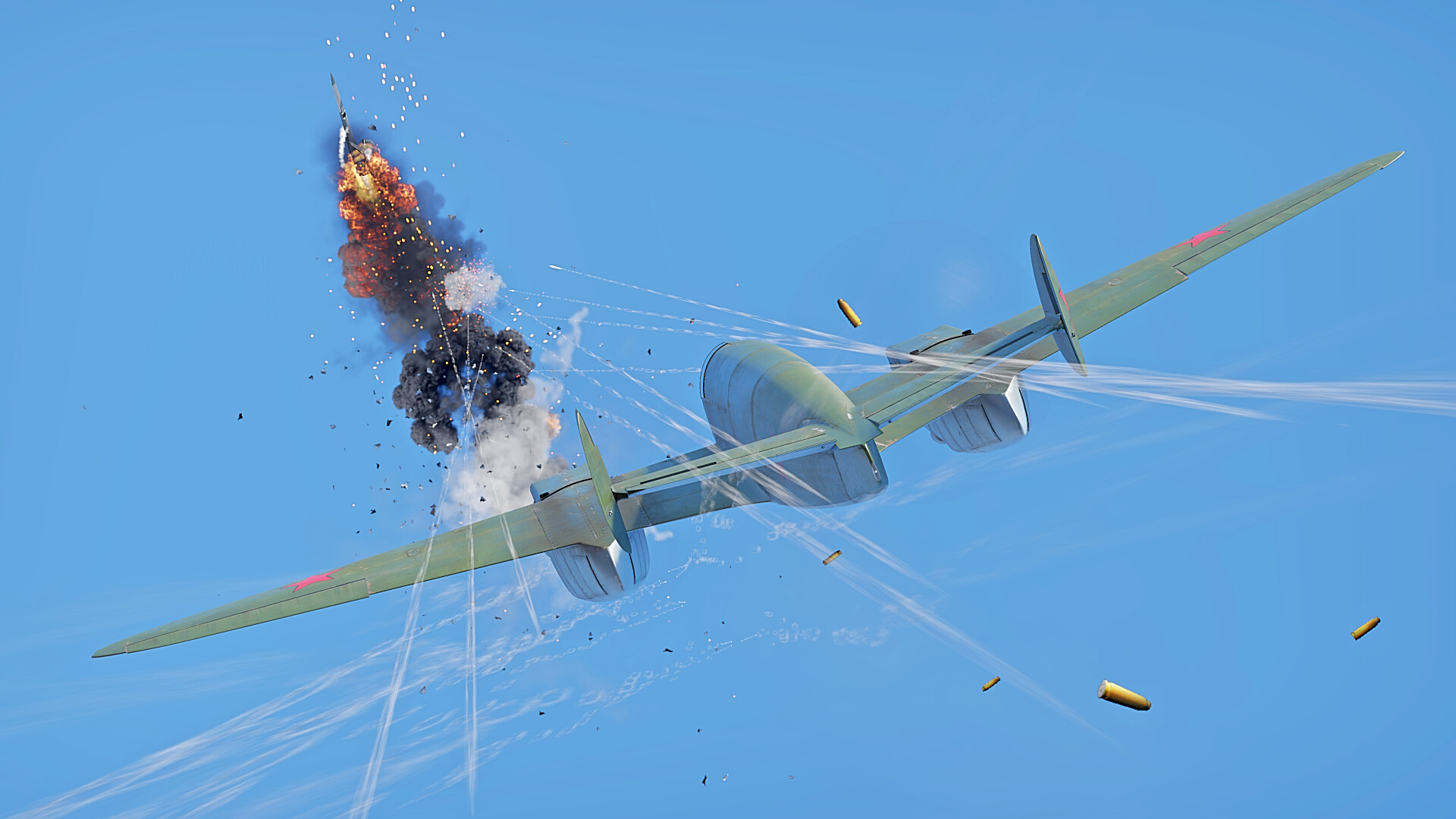
However, if your opponent is on equal speed and altitude, and you have already engaged them, you should try to force them into a low-speed maneuver such as a scissors maneuver or an upward spiral. For example, P-400 has significantly less engine power and will quickly lose energy and become an easy target, just like almost any other aircraft. The situation is no different with more maneuverable opponents, such as the Boomerang. The only opponents to watch out for are the likes of the A6M2 and the Spitfire, which can fly at extremely slow speeds while still turning well.
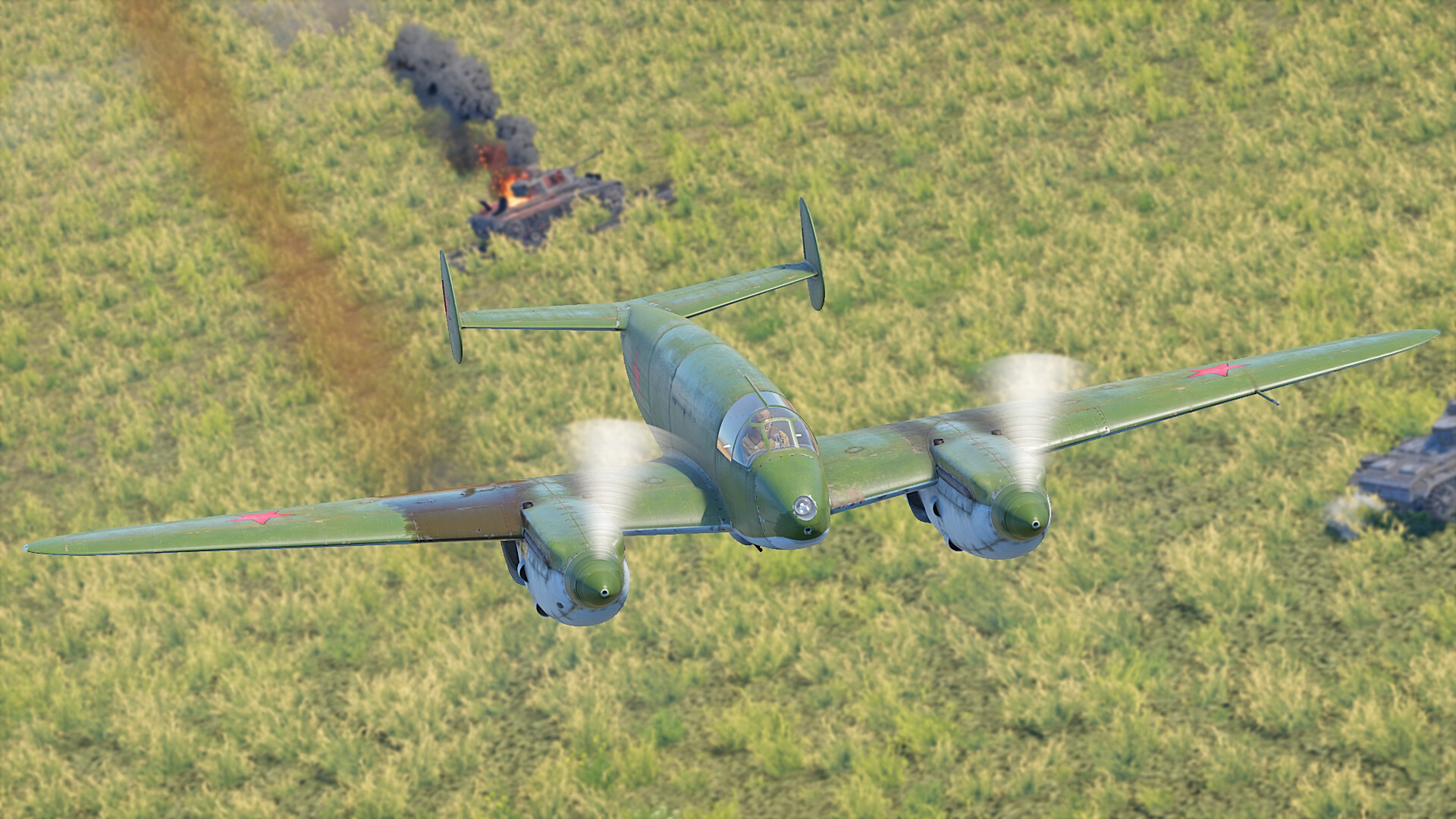
In mixed battles, however, the I-29 is only effective as a fighter. It lacks the gun penetration and suspended ordnance necessary to engage ground targets. If one wants a similar airframe for attacking ground targets, the Yak-2 KABB or the Yak-4 would suit their needs a bit better.

