
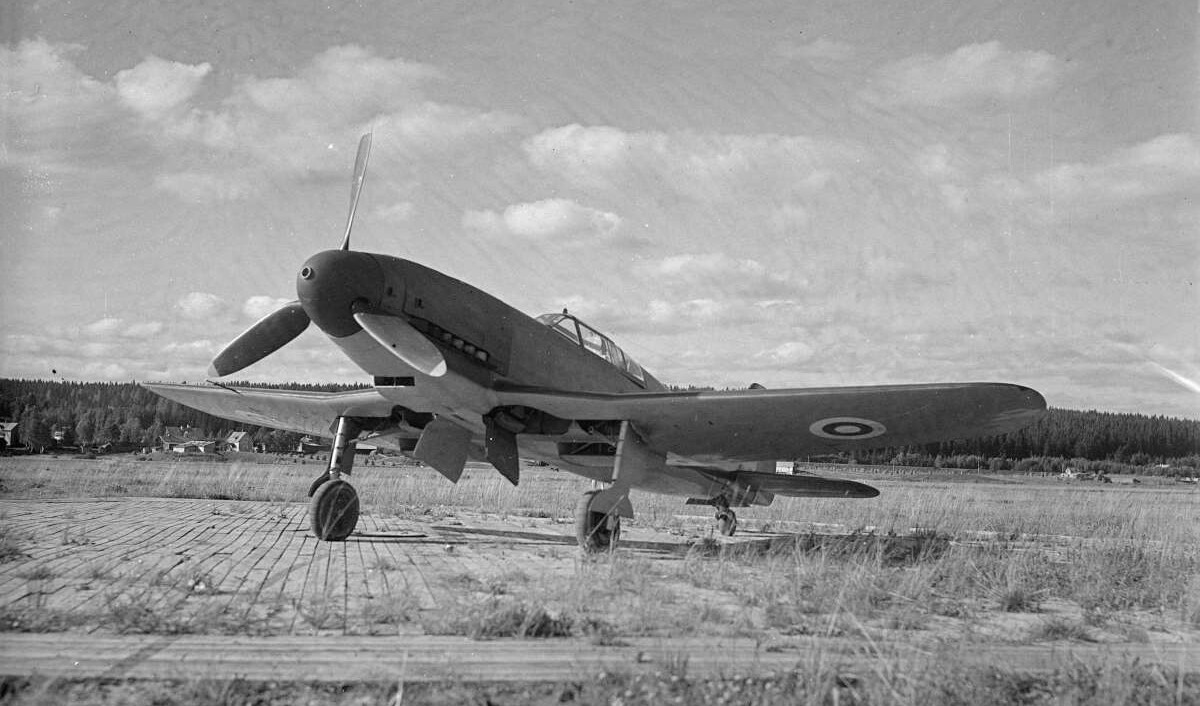
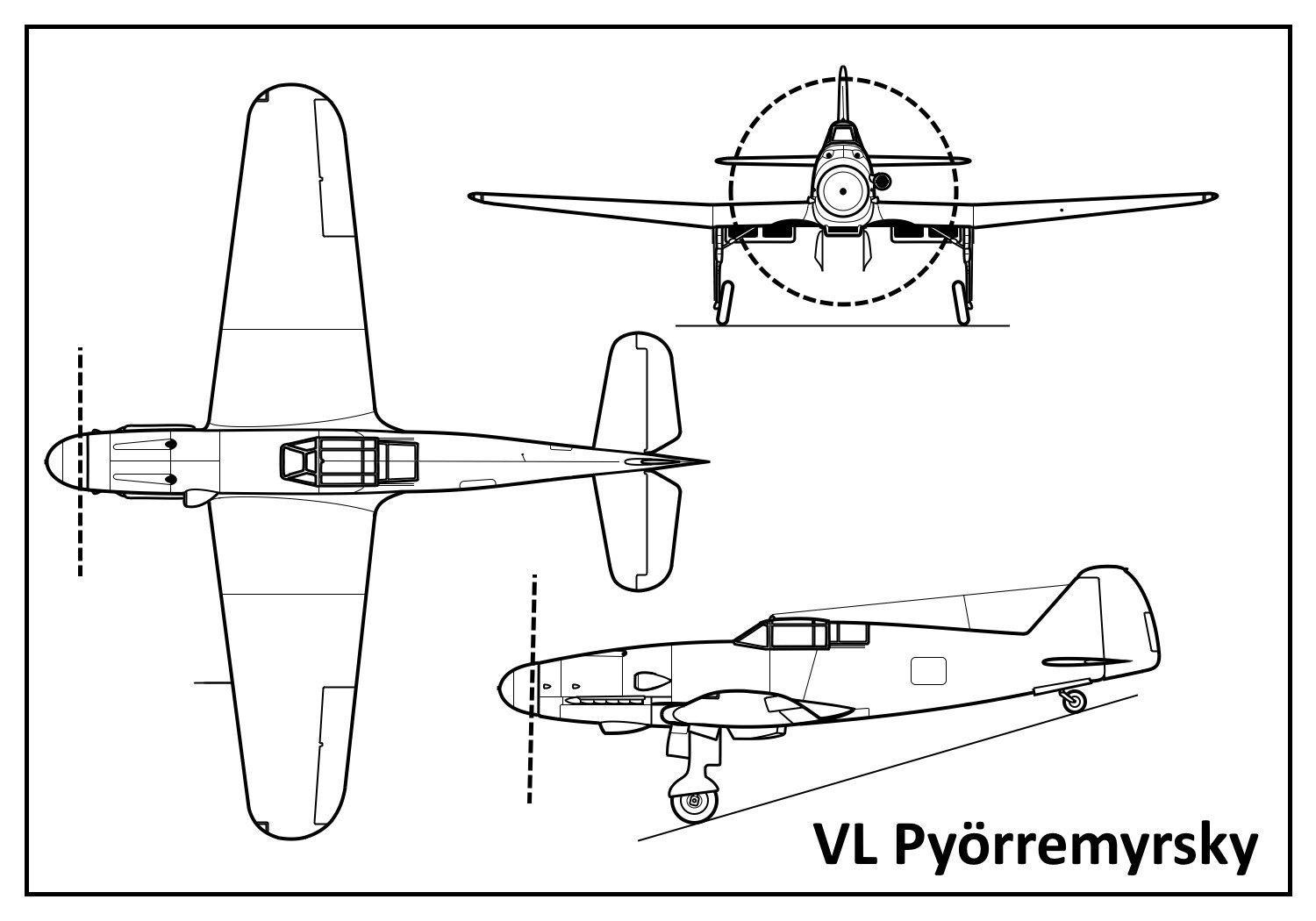
The VL Pyörremyrsky (“VL Hurricane”), also known as VMT Pyörremyrsky, is a Finnish Second World War-era fighter aircraft designed and built by Valtion Lentokonetehdas (“the State Aircraft Factory”). It was an attempt to produce a capable fighter locally for use in the late war period. It was to incorporate newly developed technologies and use locally available resources in its construction. However, the end of the war brought this ambitious project to a close, with only one prototype constructed.
Quick Facts
| Configuration | Low wing monoplane fighter of mixed construction |
| Construction | Duplex steel tubing frame, front sections cladded with duralumin and rear sections with plywood. Wings made of plywood and control surfaces cladded with fabric |
| Designer | M.Sc Torsti Verkkola |
| Manufacturer | Valtion Lentokonetehdas |
| Unit cost | ~10,000,000 mk (~$3,250,000 USD) |
| Production years | 1943 — 1945 |
| Number built | 1 |
| First Flight | November 21, 1945 |
| Operator | Finnish Air Force |
| Years Active | 1945 – 1947 |
Technical Data
| Length | 9.13 m (29.95 ft) |
| Height | 3.89 m (12.76 ft) |
| Wingspan | 10.38 m (34.05 ft) |
| Wing area | 19m² (204 sq ft) |
| Empty weight | 2,619 kg (5,774 lbs) |
| Engine | Daimler Benz DB 605A-1 with 1,475 hp |
| Maximum speed | 522 km/h (324 mph) at sea level 620 km/h at 6,400 meters (385 mph at 21,000 ft) |
| Rate of climb | 16.6 m/s (54.5 ft/s) |
| Service ceiling | 11,200 meters (36,750 feet) |
| Armament | 1 × 20 mm MG 151 in fuselage 2 × 12.7 mm lkk/42 in fuselage |
| Payload | 2 × 100 kg (220 lbs) bombs or 2 × 150 l (40 gal) drop tanks carried under the wings |
Start of Development
Before the Second World War, the Finnish Air Force (FAF) had started numerous procurement programs for fighters, bombers, liaison aircraft, and other types to prepare for a potential war amidst the ever-increasing tensions around the world. Alongside these procurement programs, Valtion Lentokonetehdas (“the State Aircraft Factory”, in short VL) was tasked with developing a fighter that could meet current world standards for such aircraft, which eventually led to the creation of the VL Myrsky.
However, due to the start of the Second World War, the development of the VL Myrsky suffered significant delays, and by 1942 the performance results obtained from the prototype were no longer satisfactory for a fighter of the time. The main limiting factor was the engine, which was no longer powerful enough for the VL Myrsky to match the performance of other frontline fighters.
This resulted in talks between the commander of the FAF, General Lundqvist, and the Chief Executive of VL, Reino Rissanen, on the possibility of installing more powerful German-made Daimler-Benz DB 605 engines in the aircraft. These engines were soon expected to be available for use by the Finns and could provide the necessary engine power the VL Myrsky was lacking. However, it was soon made clear that installing a V-engine on an aircraft designed for radial engines from the very start would not work well together. Instead, it was decided to design an entirely new aircraft that would also incorporate new innovations and technical solutions developed during the war.
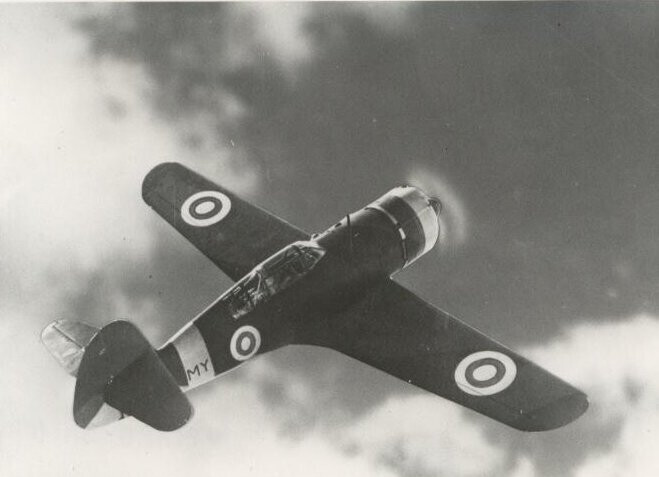
VL Myrsky II in flight
Work on this aircraft began in April 1939, but first deliveries for operational use started as late as mid-1944. As a result, the FAF was provided with fighters that were long outdated.
The installation of DB 605s would have improved the aircraft’s lacking performance, but the amount of work required to fit such an engine into the design would have been costlier than starting from scratch.
As a result, preliminary drawings for a new fighter were quickly created, and this new design, named VL Pyörremyrsky (“VL Hurricane”), was proposed to the FAF on May 30, 1942. It was to be a low-wing aircraft made from locally available resources, primarily wood. Armament was designated as one engine-mounted 20 mm MG 151 autocannon, and two 12.7 mm lkk/42 machine guns in the nose. As protection for the pilot, armor plating was to be installed between the front and rear fuselage. The main fuel tank was to be installed behind the pilot, with smaller fuel tanks located in the wings. Some estimated performance figures were calculated as follows: empty mass 2,360 kg (5,200 lbs), gross weight 3,175 kg (7,000 lbs), maximum speed at sea level 510 km/h (317 mph), and maximum flight time 2 hours, or 3 hours with drop tanks.
The FAF considered the proposed fighter promising, but wanted the main fuel tank to be installed in front of the pilot or in the wings, rather than behind him. The design work and two prototypes were ordered on November 26, 1942, for an estimated price of 10,000,000 mk ($3,250,000 USD) per aircraft with an estimated completion time in May 1944.
With this, M.Sc Torsti Verkkola was given responsibility for the project, and he was sent to Germany to study their methods of producing and designing similar aircraft. Two Daimler-Benz DB 605B engines were also ordered from Germany to be installed on the prototypes, but, as the design work progressed, the order was changed to two DB 605A engines in April 1943, as they were better suited to the aircraft.
The Redesign
In the first half of 1943, Finland was allowed to purchase Messerschmitt Bf 109 G fighters from Germany, after long negotiations with German officials. These aircraft were very similar to the VL Pyörremyrsky, so experience gained on the Bf 109s directly influenced the work done on the Pyörremyrsky. The detailed design work was approximately 70% complete when, in September 1943, it was decided to make drastic changes to the aircraft’s overall design to improve it. As a result, five different variations of the aircraft were created, all numbered between PM-1 — PM-5.
These variations differed in their wing area and gross weight, with reductions in weight achieved by cutting down on the armament, fuel capacity, and armor thickness. Of the differing variations, PM-1 resembled the original design the most with its wing area of 19 m² (204 sq ft) and gross weight of 3,200 kg (7,054 lbs). PM-5 offered the most radical change to the design, with its 13.5 m² (145 sq ft) wing area and 2,650 kg (5,842 lbs) gross weight, being the smallest and best-performing variant of them all.
The FAF showed interest only in PM-1, PM-3, and PM-5, on which further work was ordered. On September 29, 1943, it was decided that the first prototype on order was to be based on the PM-1 design and the second prototype on the PM-3, which was essentially just PM-1 with smaller wings, having a total wing area of 16 m² (172 sq ft). However, the order for the second prototype was cancelled the next month, as its performance gains would have been marginal compared to the PM-1. Instead, it was decided to develop an entirely new fighter based on the PM-5 to complement the VL Pyörremyrsky, where its performance was lacking. This second fighter eventually became the VL Puuska (“VL Gust”).
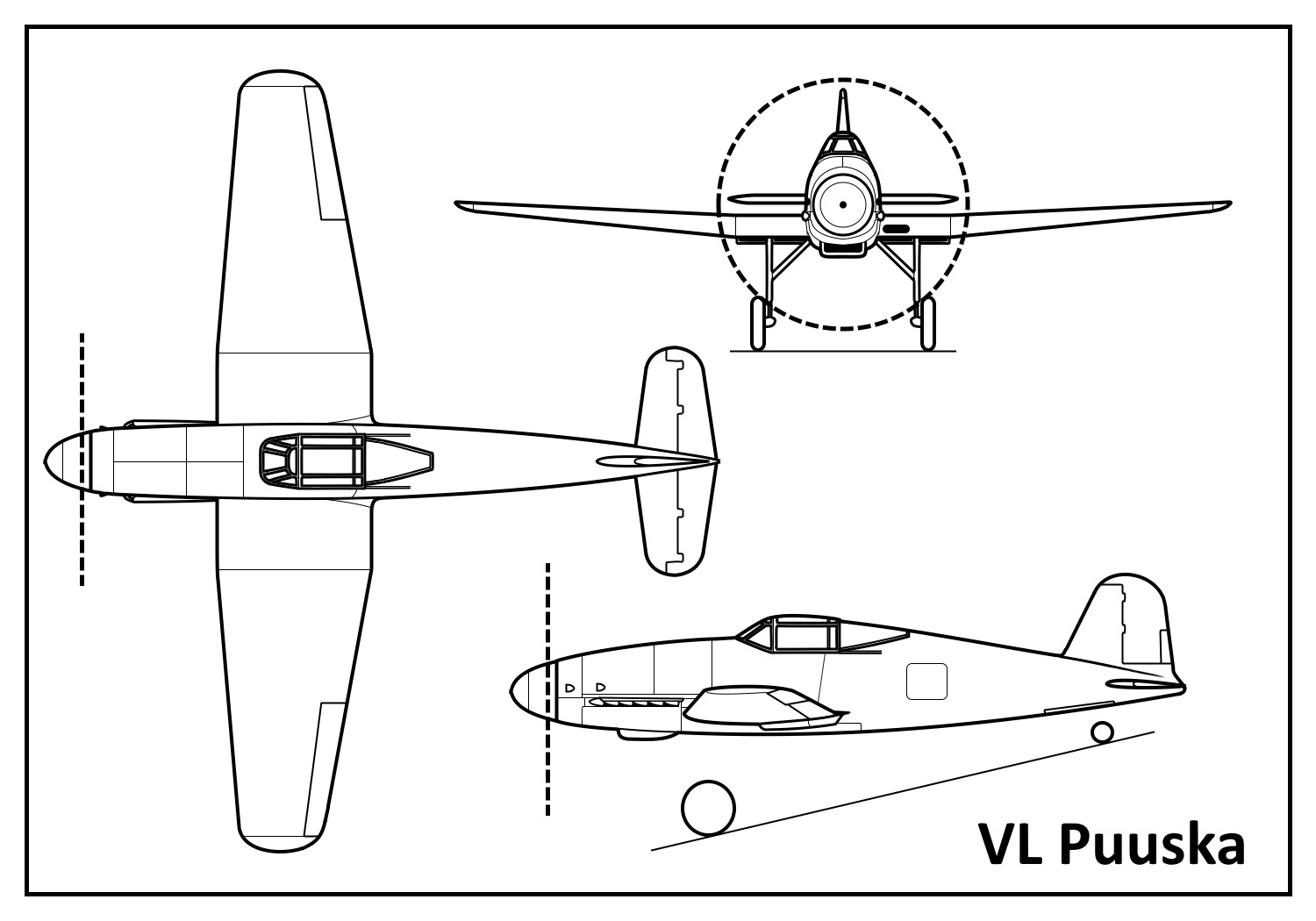
VL Puuska
Despite deriving from the VL Pyörremyrsky, VL Puuska was almost a completely different aircraft structurally. Its fuselage was shorter, its wingspan was smaller, and it had no armor. Its armament was also reduced to a single 20 mm MG 151 autocannon, making the aircraft a lighter and smaller cousin of the VL Pyörremyrsky.
Design work for the aircraft was ordered in January 1944, but as the war situation changed drastically soon after, the order was put on hold in March 1944 and eventually cancelled in November 1944, leaving it as only a paper project.
Construction of the Prototype
Work continued on the Pyörremyrsky, now focusing only on the PM-1 variant. The design was further modified to incorporate as many parts as possible from VL Myrsky and other captured trophy aircraft, to simplify production. Construction of the prototype was started by the end of 1943 and an order for 40 production aircraft was placed by the FAF in December 1943.
However, severe staff shortages were plaguing VL during this period and the company was struggling with the workload. Progress was slow, as the workforce was stretched thin with numerous other projects such as VL Myrsky, VL Humu, and the production of other licensed aircraft. Eventually, in March 1944, the FAF ordered all the projects to be prioritized. This left VL Pyörremyrsky the lowest priority task without completely putting it on hold, slowing progress to a crawling pace.
The Continuation War fought on the Finnish front came to a close in September 1944, eliminating the need for any further development and production of new military hardware. As a result, the order of 40 production VL Pyörremyrskys was cancelled, but the construction of the prototype was allowed to continue.
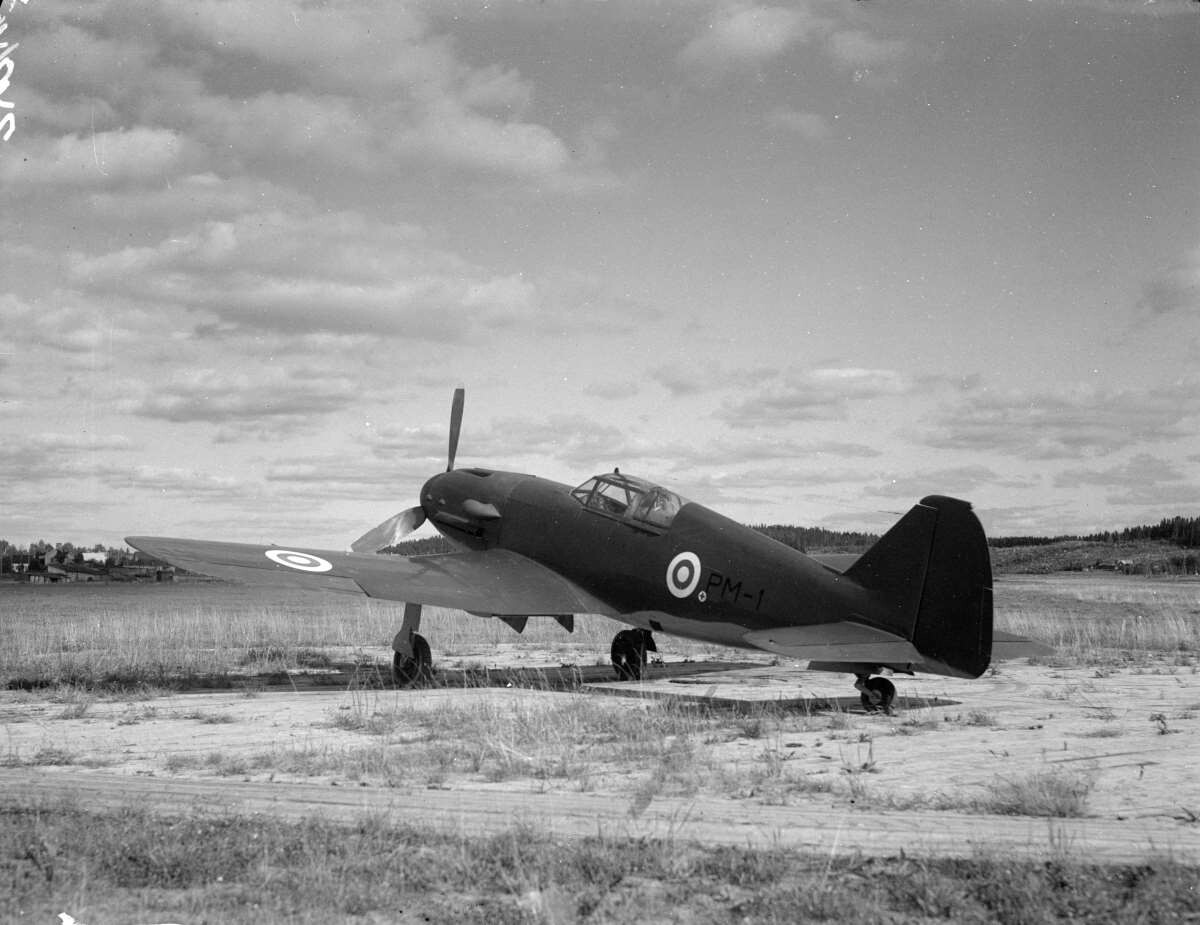
By the end of the year, the prototype was almost complete. It was finished by September 1945, months after the Second World War had ended in Europe. The finished aircraft was marked PM-1 and painted in green and blue camouflage. By this point, the project had required over 65,000 man-hours in the design phase alone, and at least the same number of hours in the construction phase.
VL Pyörremyrsky After the War
Despite the prototype being completed by September 1945, the first flight did not take place until November. The Allied Control Commission also made a demand to witness the aircraft’s first flight, though no representative ever arrived to follow through on the request, despite being invited.
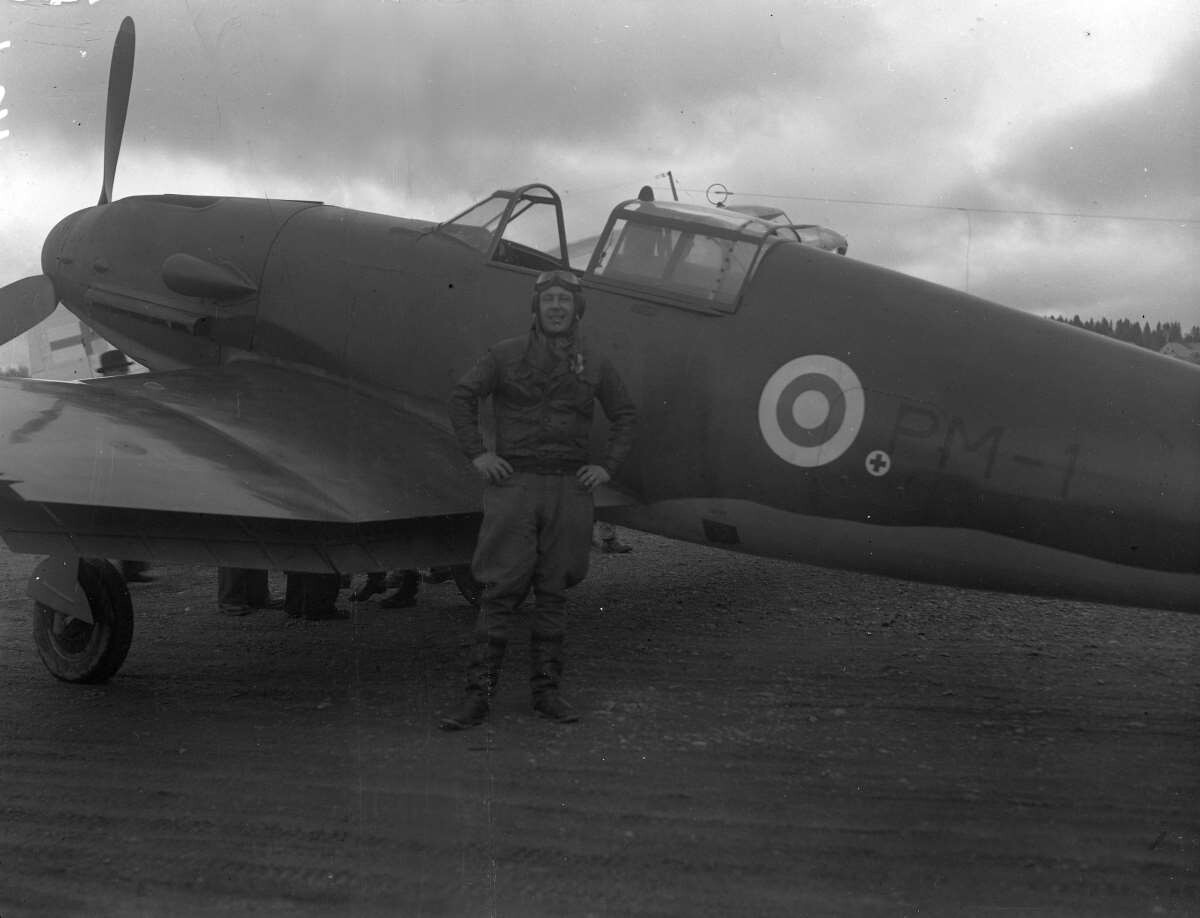
The first flight was conducted at Tampere on November 11, 1945, with test pilot Lt. Esko Halme at the stick. The flight was anything but smooth sailing, as some of the duralumin cowling panels flew off soon after takeoff. The cockpit also started to fill with exhaust gases, forcing Halme to use an oxygen mask to stay conscious inside the aircraft. Despite this, he managed to bring it back down safely without further incident. The VL Pyörremyrsky was then repaired and one more flight was conducted at Tampere before the prototype was transferred approximately 70 km north to Kuorevesi in January 1946.
For the following year, more test flights were conducted, during which some issues emerged in the aircraft. Namely, the electrically controlled landing gear and flap mechanization proved to be unreliable among other issues. Work on the prototype was carried out between the flights in an attempt to solve these issues and improve the aircraft. By then, VL had been merged with other companies to form Valtion Metallitehtaat (“the State Metal Works”, in short VMT), which is why the abbreviation VMT or Valmet is often used to refer to the manufacturer of the Pyörremyrsky.
By February 1947, the aircraft had been flown for 20 hours only. The conducted test flights had concluded the aircraft to be an overall successful design. It was noted to have good visibility from the cockpit, takeoff and landing were easy, and it was pleasant to control in the air. Its performance almost matched that of the Bf 109 G, being more agile and easier to control on takeoff and landing thanks to its wider landing gear. Maximum speed was measured at 620 km/h (385 mph) at 6,400 meters (21,000 ft) and gross weight was only 150 kg (330 lbs) heavier than expected, weighing 3,307 kilograms (7,290 lbs).
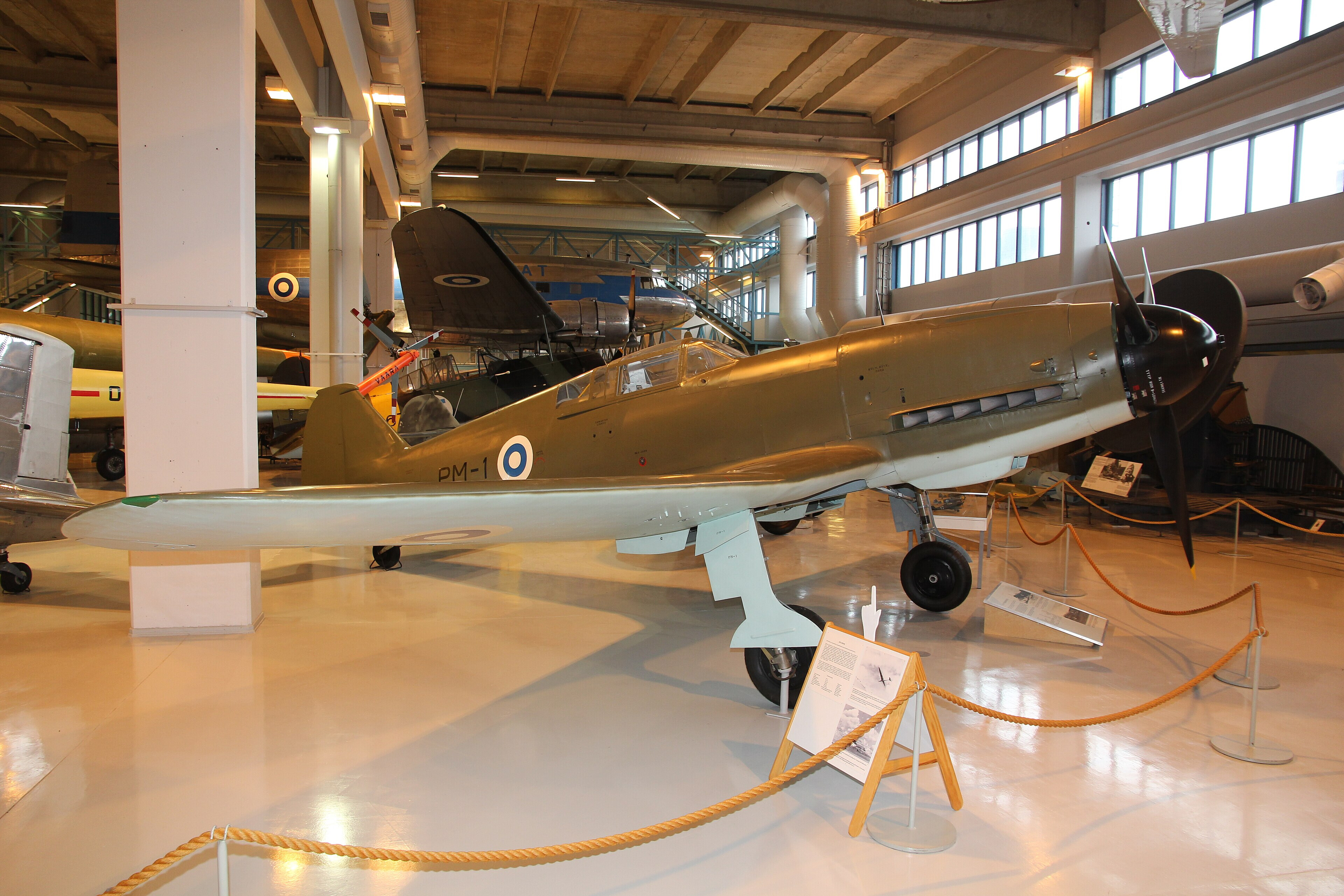
The last flight was conducted on May 22, 1947, after which the prototype was moved to storage and thus taken out of service. By then, the VL Pyörremyrsky had logged 27 hours of flight time over 42 flights, all of which were either test or evaluation flights. It remained in storage until 1953, after which it was ordered to be museumized. It was then moved to the Finnish Air Force Museum in Tikkakoski, where it resides to this day, preserving its tale for all future visitors.
VL Pyörremyrsky is an example of how a small nation was able to design and manufacture a fighter fit for the late war period, despite the lack of a strong aviation industry. It remains the most advanced Finnish fighter aircraft ever produced, and the main reason only one prototype was built was the end of the Second World War. All the hard work put into the aircraft didn’t go to waste, though, as a lot of the experience gained on the project was later directly applied to the design of the Valmet Vihuri in the 1950s.
- Jukka Raunio: “Valtion lentokonetehtaan historia. Osa 2, Tampereella ja sodissa 1933-1944”. Forssan kirjapaino, 2007.
- Pauli Nykänen: “Kotimaisten hävittäjien rakentaminen Suomessa 1939-1946: tutkimus pienen maan lentokoneteollisuuden edellytyksistä ja aikaansaannoksista”. Tekniikan akateemisten liitto, 1994.
- Kalevi keskinen, Kari Stenman, Klaus Niska: “Suomen Ilmavoimien Historia 14 — Suomalaiset Hävittäjät”. AR-kustannus, 1990.
- Ilmavoimamuseo.fi: VL Pyörremyrsky (PM-1)
Images:
- VL Pyörremyrsky, 1945 — Valtion lentokonetehdas (Suomen Ilmailumuseo)
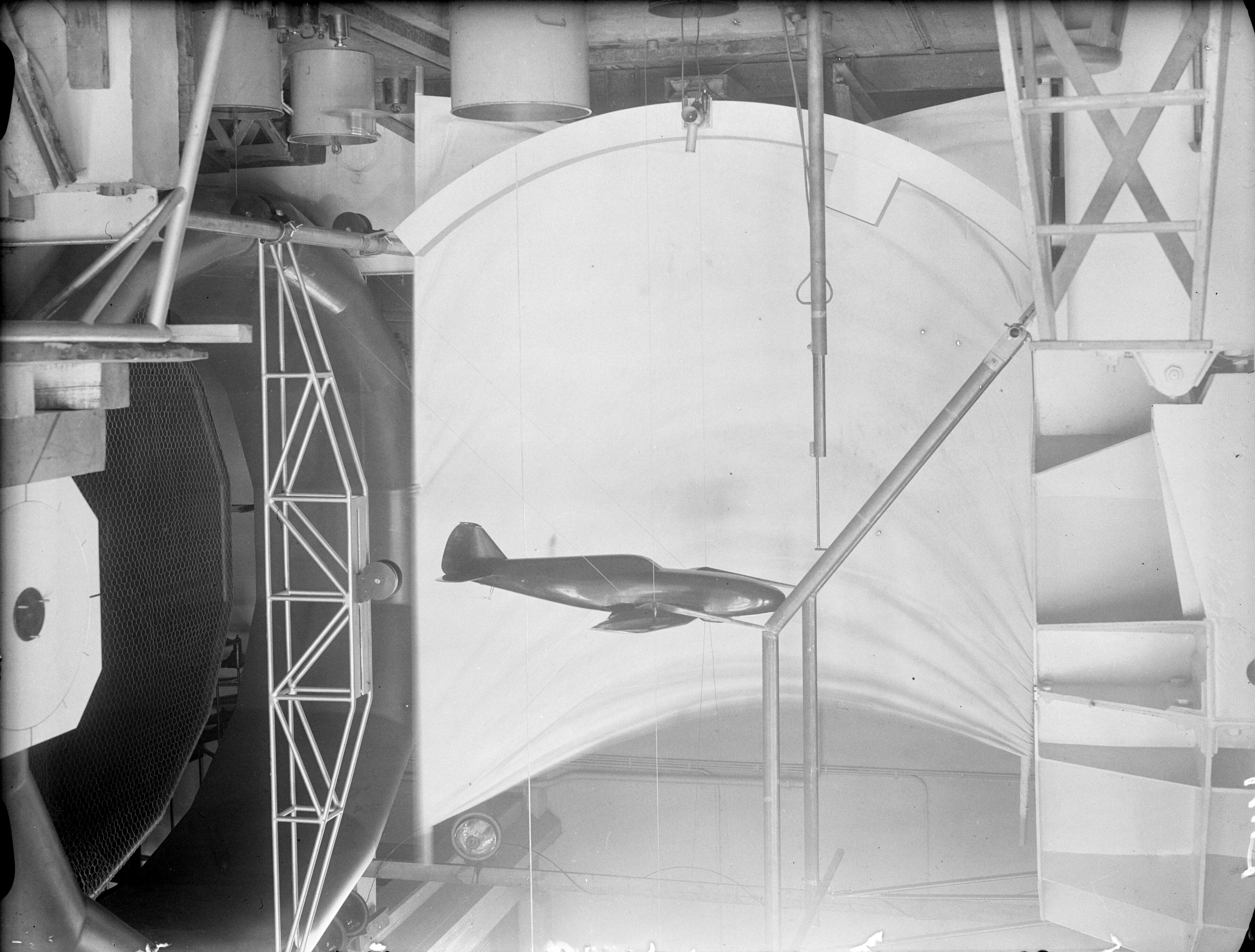
- VL Pyörremyrsky wind tunnel model being tested — Vapriikin kuva-arkisto
- VL Pyörremyrsky at Tampere, 1945 — Valtion lentokonetehdas (Suomen Ilmailumuseo)
- Test pilot Lt. Esko Halme posing in front of the VL Pyörremyrsky — Valtion lentokonetehdas (Suomen Ilmailumuseo)
— Public Domain
- VL Myrsky II in flight — Wikipedia
- VL Pyörremyrsky at the Finnish Air Force Museum, 2012 — MKFI; Wikipedia
— Own Work
- VL Puuska line drawings
- VL Pyörremyrsky line drawings
All own work based on original drawings