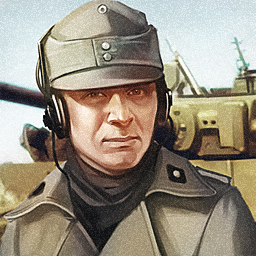
During Operation Barbarossa, Germany’s invasion of the Soviet Union, the Third Reich ran into Russia’s secret weapons: the T-34 and KV-1. While German engineers came up with move advanced tanks to combat Soviet armor, a quick solution was put together to face the Russians on somewhat equal terms. This stopgap would be known as the Marder.
Development
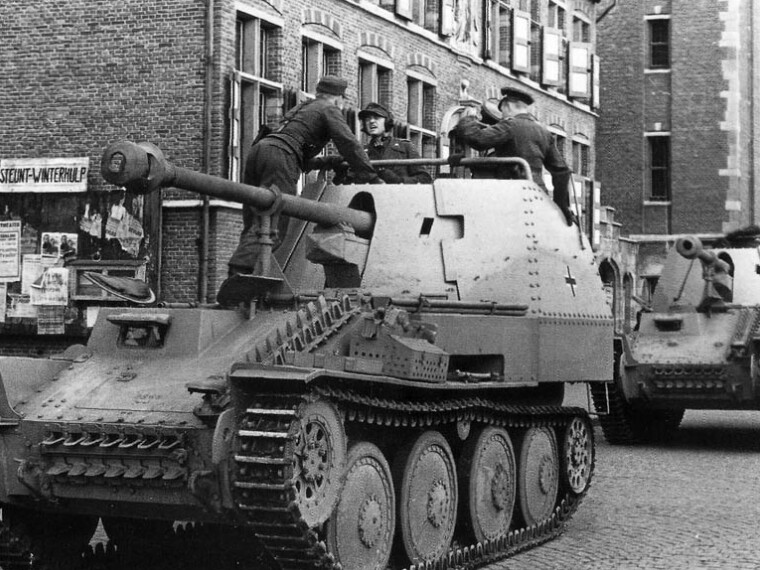
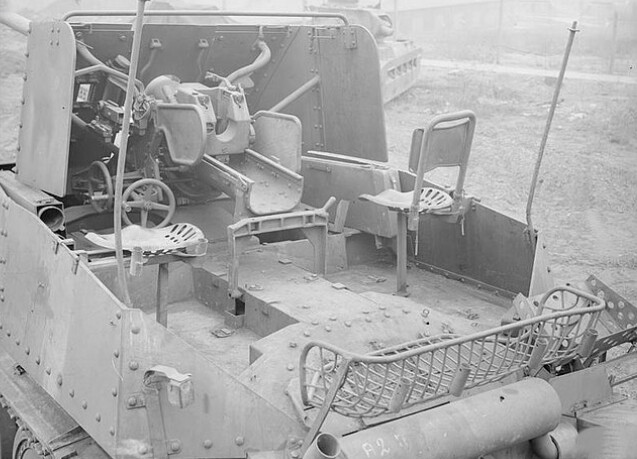
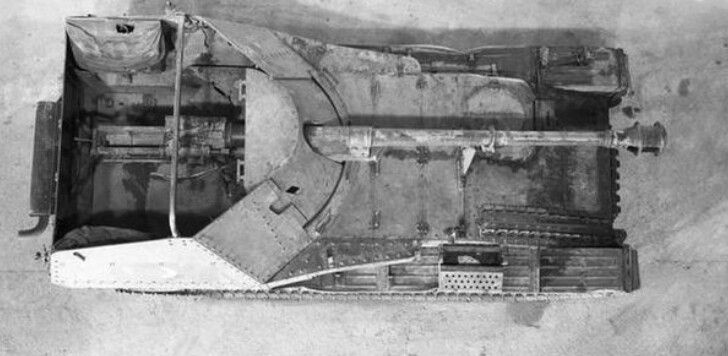
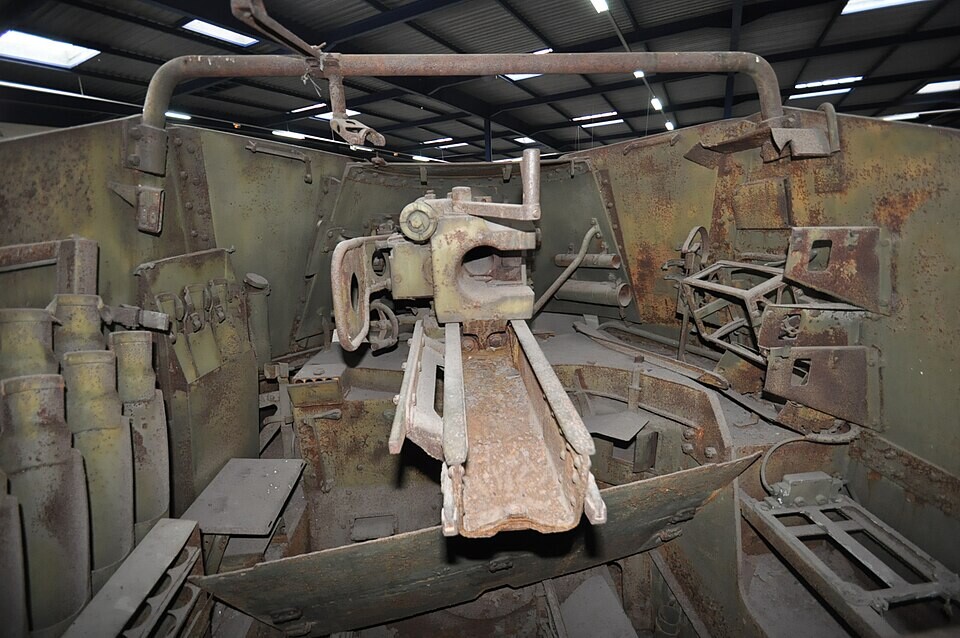
The idea for the Marder series originated from the urgent need to counter the nightmare of Soviet armor after encountering the T‑34 and KV‑1, both of which outclassed every German tank in service at the start of Operation Barbarossa. While a more permanent solution was designed, German engineers adopted a simple solution: mount existing high‑velocity anti‑tank guns onto an available chassis. This improvisational approach shaped the entire Marder family. Each variant reflects the same design philosophy—prioritizing firepower, then mobility, and armor last. The result was a series of stopgap tank destroyers that delivered excellent long‑range anti‑tank capability. However, thin armor, limited gun traverse, and open crew compartments was the tradeoff caused by weight limits, recoil requirements, and the need to rapidly convert obsolete vehicles into frontline service.
Variants
Marder I
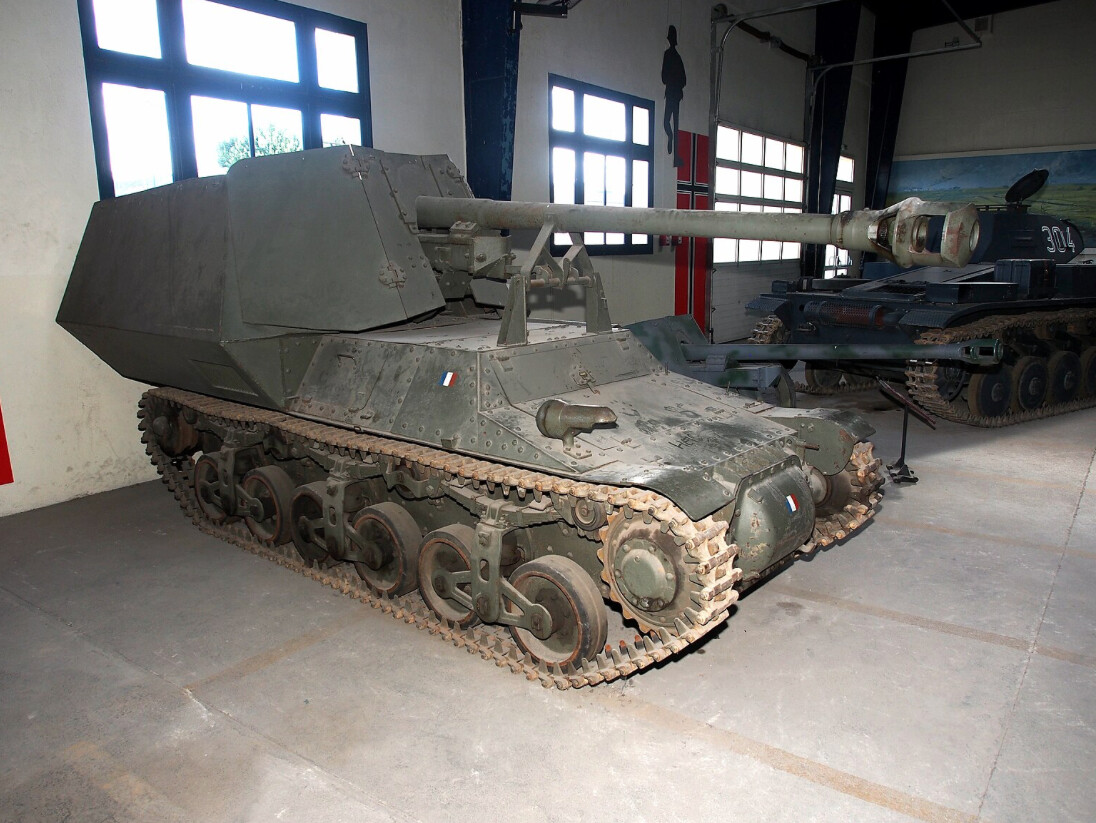
The first variant of the Marder began in 1942, being the Marder I (Sd.Kfz.135). It was simply the 7.5cm PaK 40 anti-tank gun mounted on surplus French Lorraine artillery tractor chassis. While simple, the Marder I lacked armor, having an open crew compartment and armor that was 12mm thick at most. However its armament proved promising, as the potent PaK 40 could destroy KV-1s and T-34s at long ranges. To improve crew protection, small numbers of French FCM.36 and H.39 tank chassis were converted to Marder Is. Yet this did not improve the Marder substantially and another chassis was sought for.
Marder II
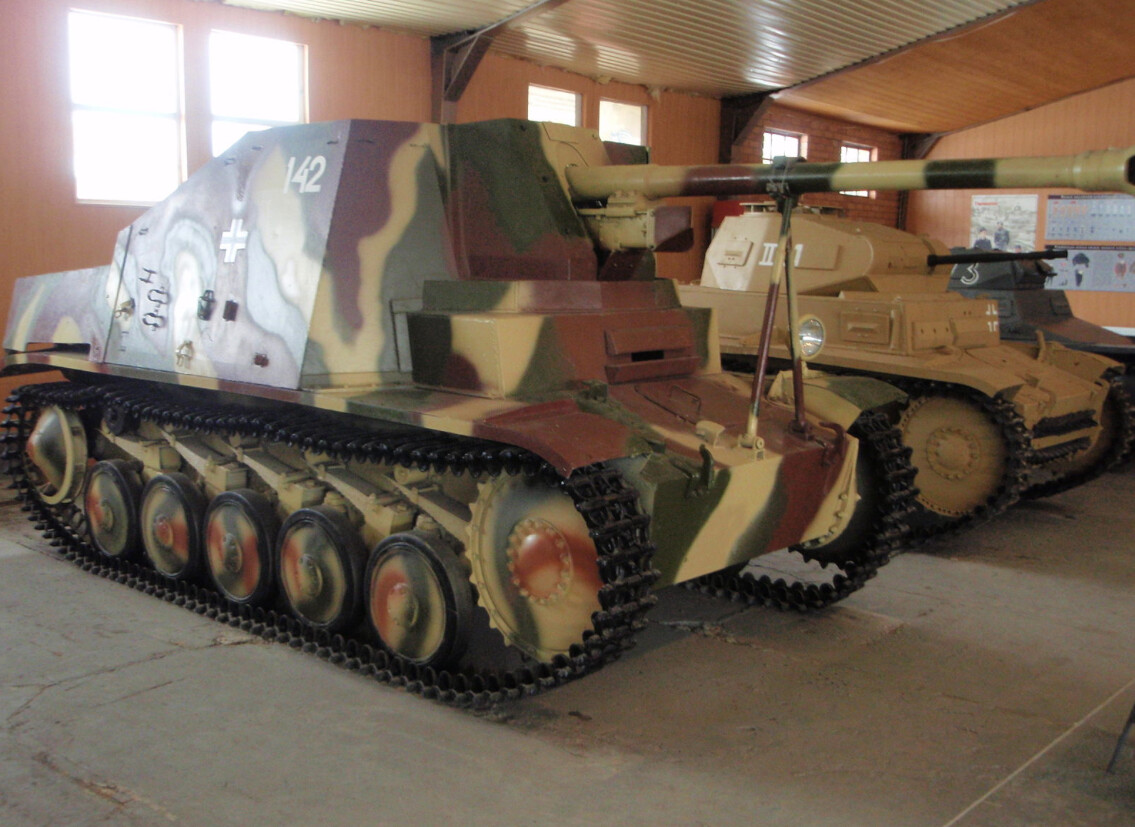
The development of the Marder II started in 1942, and came in two variants. The first variant, the Sd.Kfz.132, sought to use captured Soviet anti-tank guns, due to a shortage of powerful German anti-tank guns at the time. The guns were modified to fire German ammunition and were called the 7.62cm PaK 36(r). As for the chassis, the Sd.Kfz.132 used the Panzer II D/E, which gave the Marder II improved armor and mobility than its predecessor. However the Marder II’s armor was still subpar, being only 30mm thick and having an open crew compartment, and with the Panzer II D/E being discontinued soon after, a new chassis was chosen.
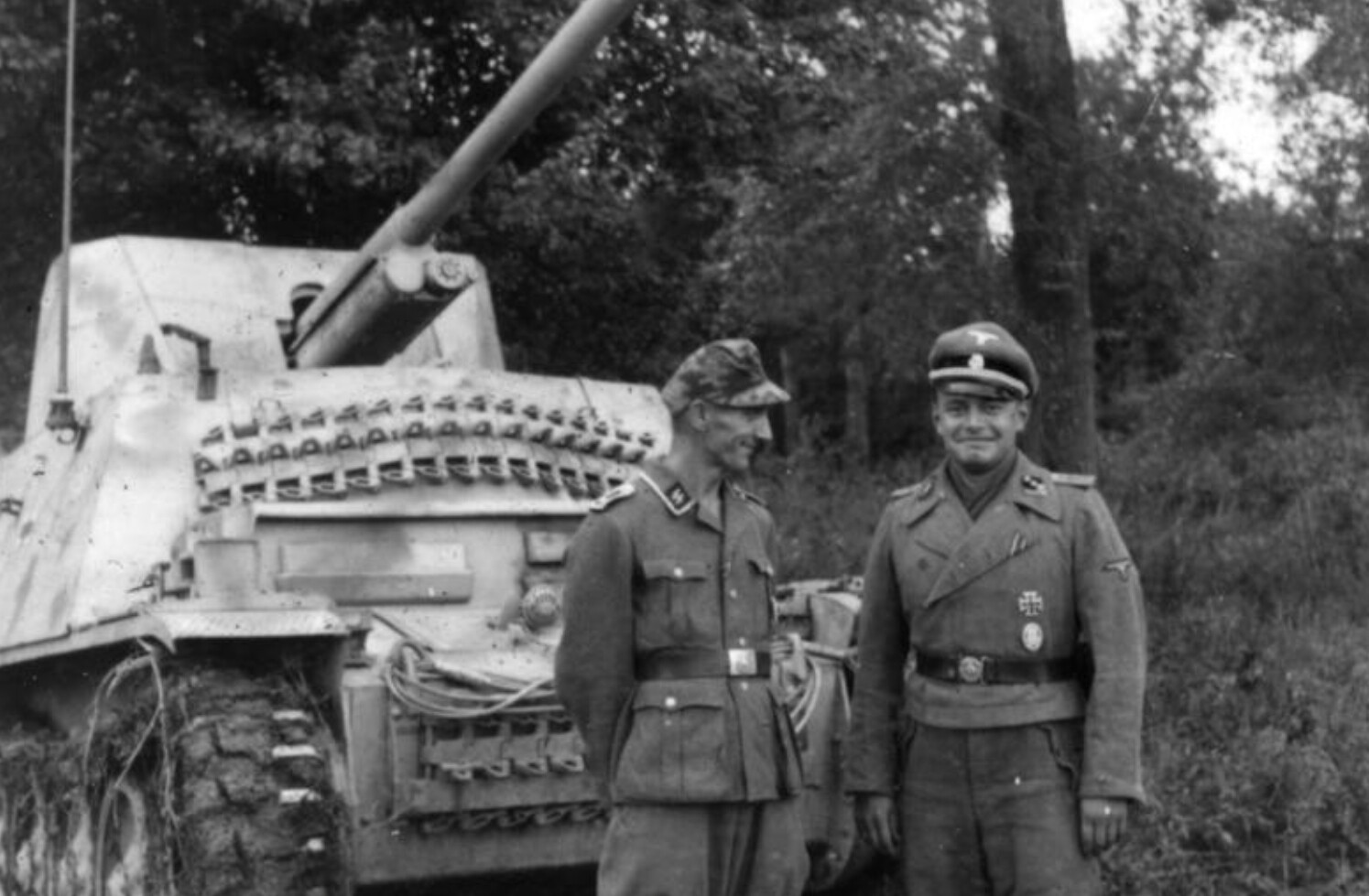
The next chassis chosen was that of the Panzer II C and was destinated the Sd.Kfz.131. The Sd.Kfz.131 had the PaK 40 and was slightly smaller than the Sd.Kfz.132. However its mobility was slightly worse, as it had the older leaf-spring suspension, whereas the Sd.Kfz. 132 had Torsion Bar suspension. And just like its descendants, the Sd.Kfz.131 suffered from lack of armor and an open crew compartment. Because of this a new chassis was selected to continue the Marder series.
Marder III
The Marder III’s life started in 1942, and mounted the PaK 36(r) on the Panzer 38(t) chassis. The first variant, Sd.Kfz.139, had better mobility than its predecessors, but the crew was almost completely exposed, with only a small gun shield for protection. However the hull armor was increased to 50mm, giving the driver better protection.
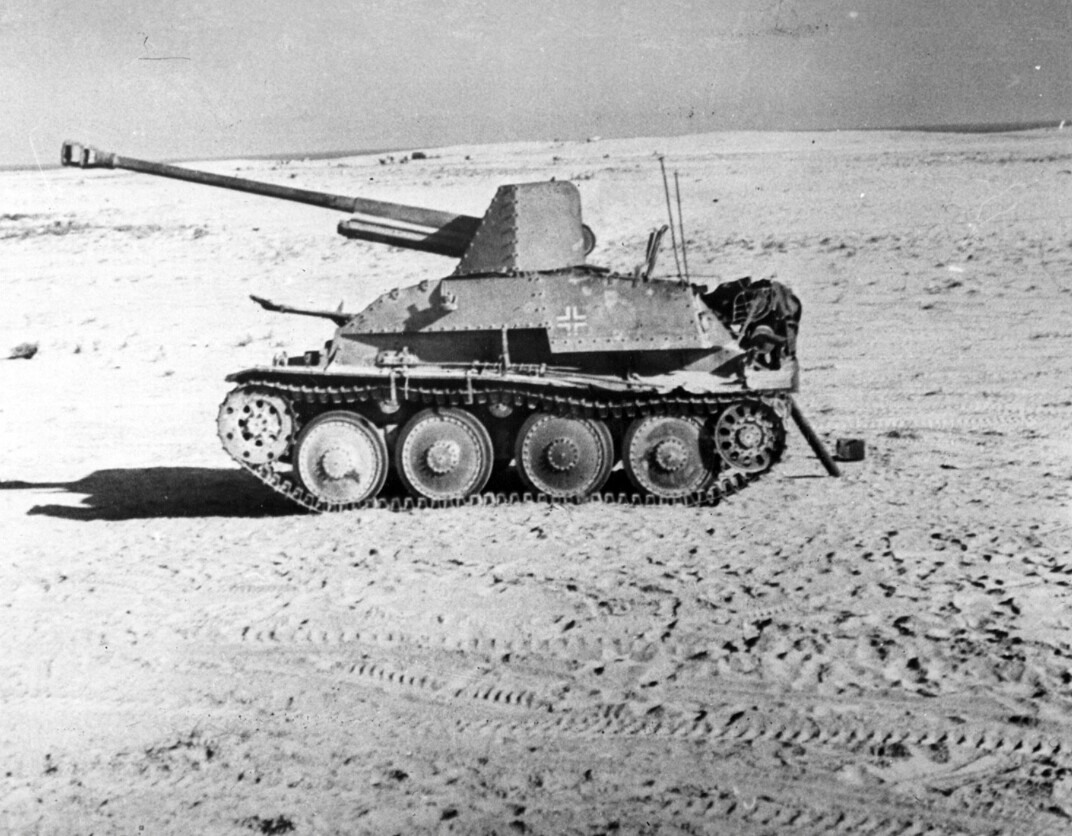
The next in line was the Marder III H (Sd.Kfz.138). The Marder III H had much better protection for the crew, as it had an almost fully enclosed fighting compartment, and was once again rearmed with the PaK 40. However armor protection was still modest at best, and efforts to increase crew protection led to another variant.
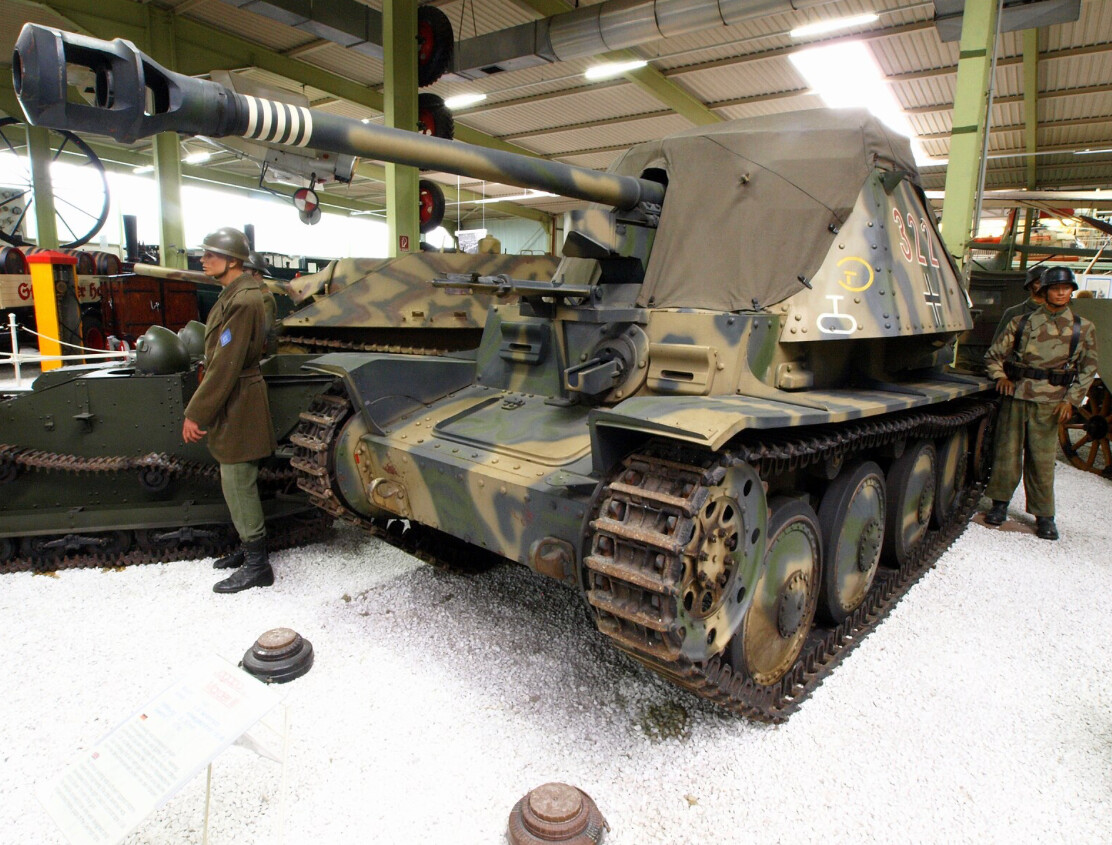
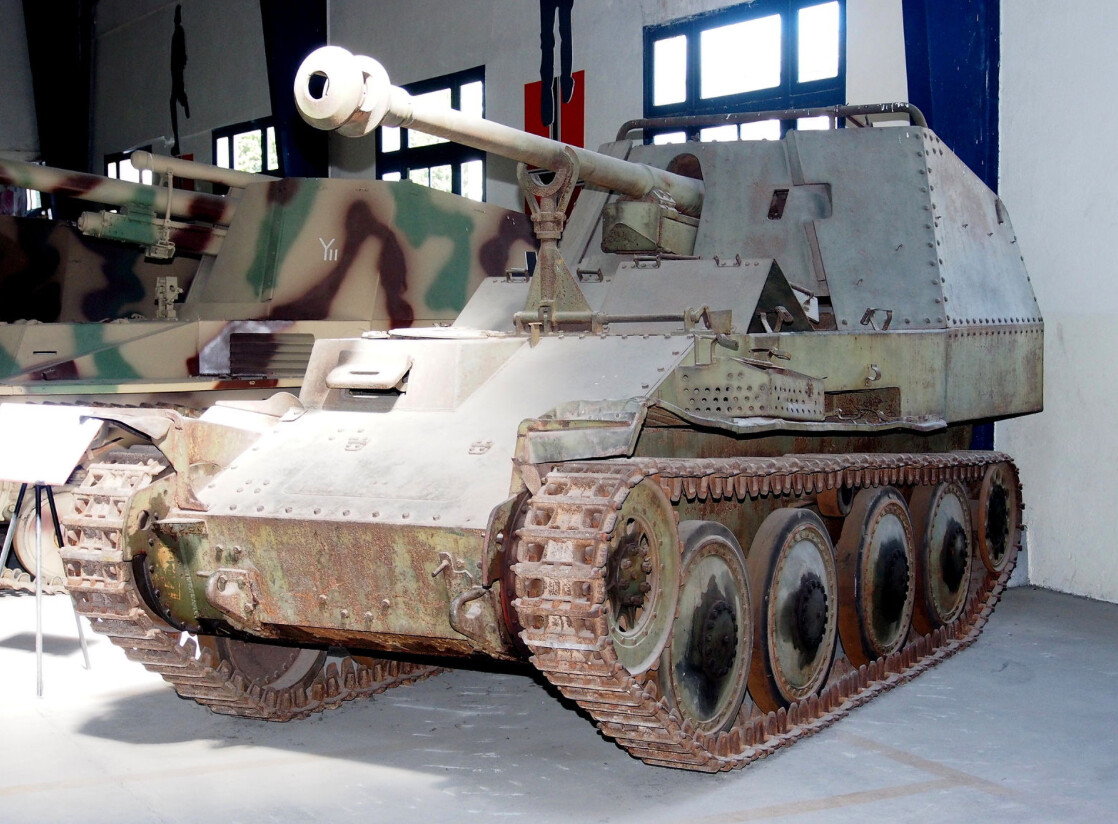
The last variant in the Marder series was the Marder III M (also Sd.Kfz.138). Unlike its predecessors, the Marder III M mounted the engine in the front and had sloped frontal hull armor, giving the crew much better protection. The Marder III M was once again armed with the powerful PaK 40. Even with the better protection, the armor of the Marder III was decent at best. And as Allied armor increased, the PaK 40, while still lethal, began to lose its punch. With all this, the Marder’s production came to an end in 1944.
| Type | Armor Thickness (Max) | Armament | Top Speed | Crew | Units Produced |
| Marder I Sd.Kfz.135 | 12mm (0.47 In.) | 7.5cm PaK 40 | 24mph (38km/h) | 4-5 | 170 |
| Total Units Produced | |||||
| 170 | |||||
| Marder II Sd.Kfz.132 | 30mm (1.18 In) | 7.62cm PaK 36(r) | 25mph (40km/h) | 4 | 202 |
| Marder II Sd.Kfz.131 | 30mm (1.18 In) | 7.5cm PaK 40 | 25mph (40km/h) | 4 | 863 |
| Total Units Produced | |||||
| 1,065 | |||||
| Marder III Sd.Kfz.139 | 50mm (1.97 In) | 7.62cm PaK 36(r) | 26mph (42km/h) | 4 | 344 |
| Marder III H | 50mm (1.97 In) | 7.5cm PaK 40 | 27mph (43km/h) | 4 | 450 |
| Marder III M | 50mm (1.97 In) | 7.5cm PaK 40 | 26mph (42km/h | 4 | 922 |
| Total Units Produced | |||||
| 1,736 | |||||
| Grand Total Produced | |||||
| 2,971 |
Deployment
Western Front
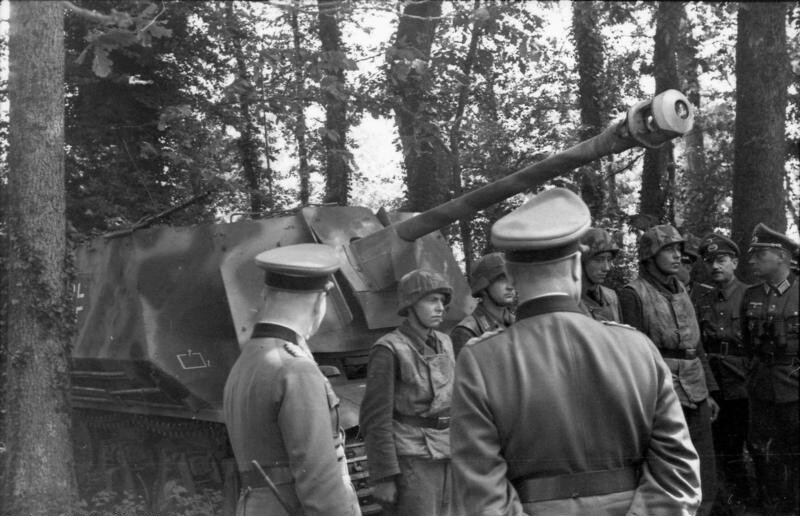
The Marder’s performance on the Western Front was mixed. Its long‑range firepower made it more than capable of destroying Allied tanks such as the Sherman and Cromwell when engaging from prepared positions. However, the Western Front exposed the Marder’s weaknesses more so than on other fronts. Urban fighting was especially punishing, as the Marder’s thin armor and open‑top design left its crew extremely vulnerable to infantry with small arms, grenades, and anti‑tank weapons. In addition, shrapnel from artillery and mortars posed an even bigger threat, as even near hits could disable the crew.
Allied air superiority further reduced the Marder’s survivability. Fighter‑bombers like the P‑47 Thunderbolt and Typhoon frequently hunted German vehicles, and the Marder’s high silhouette and open compartment made it an easy target. Even when not being attacked from the air, the constant threat of Allied air forced Marder crews to move cautiously, relocate often, and avoid staying exposed for long periods.
The Marder’s tall profile also made concealment difficult during ambushes. While its gun could deliver devastating first‑shot kills, the vehicle often had to withdraw or reposition before achieving significant results, as the excess of Allied tanks, heavy machine guns, and artillery proved to be devastating to Marders.
North Africa
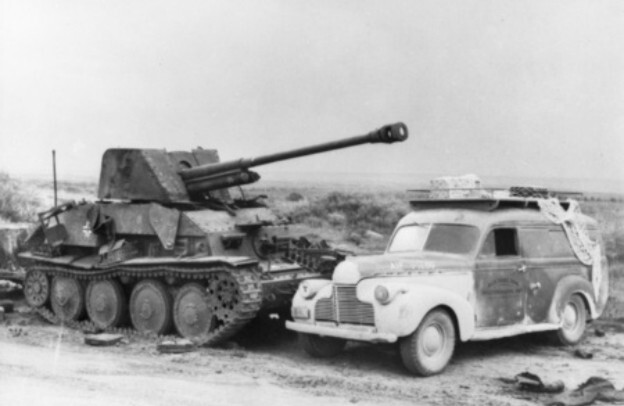
Fewer Marders were deployed to North Africa compared to the Eastern and Western Fronts, but the vehicles that did arrive generally performed better in the desert environment. The wide, open terrain played to the Marder’s strengths: long sightlines, dry weather, and relatively flat ground allowed crews to engage British and American armor at extended ranges, where the PaK 40 and PaK 36(r) were most effective. Against common Allied vehicles such as the M3 Lee and Crusader, the Marder’s firepower proved more than sufficient, often allowing German Panzerjäger units to score kills before enemy tanks could return fire.
However, the desert also highlighted the Marder’s vulnerabilities. Its thin armor and open‑top fighting compartment left crews exposed to shrapnel, strafing runs, and small‑arms fire from infantry riding on fast‑moving trucks or armored cars. Dust and sand frequently entered the open compartment, reducing visibility and interfering with gun operation. The Marder’s high silhouette also made concealment difficult, which hurt in the desert environment, which had little natural cover. Crews often relied on reverse‑slope positions, wadis, or the shadows of dunes to hide their location.
Despite these challenges, the Marder’s mobility and firepower made it a valuable asset for the Afrika Korps. Its ability to rapidly relocate and deliver accurate long‑range fire allowed it to support German and Italian armored formations during engagements. While survivability remained low, the Marder’s tactical impact in the desert was generally more favorable than in Europe, where dense terrain and overwhelming Allied firepower limited its effectiveness.
Eastern Front
The majority of Marder vehicles were deployed to the Eastern Front, and it was here that Marders performed the best. The vast open terrain of the steppes, long engagement distances, and the constant presence of Soviet armor made the Marder’s powerful guns especially valuable. Early in the war, the PaK 40 and PaK 36(r) easily penetrated all Soviet tanks, giving German units a much‑needed mobile anti‑tank capability. The Marder’s mobility and relatively light weight also proved useful in the harsh climate, allowing it to maneuver across muddy fields, forest edges, and snow‑covered roads more effectively than heavier vehicles.
However, the Marder’s inherent weaknesses remained. Its thin armor and open‑top fighting compartment left crews vulnerable to artillery fragments, small‑arms fire, and close‑range infantry attacks threats that were constant on the Eastern Front. Soviet infantry often operated in large numbers and were quick to exploit the Marder’s lack of protection, especially during close‑quarters fighting in forests, villages, and urban areas. The vehicle’s high silhouette also made concealment difficult, forcing crews to rely heavily on ambush tactics, reverse‑slope positions, and rapid relocation after firing.
As the war progressed, the Marder began to struggle against newer Soviet heavy tanks such as the IS‑1 and IS‑2, whose thick armor could withstand the PaK 40 at longer ranges. While the Marder could still destroy these tanks with well‑placed shots or at closer distances, doing so exposed the crew to significant danger.
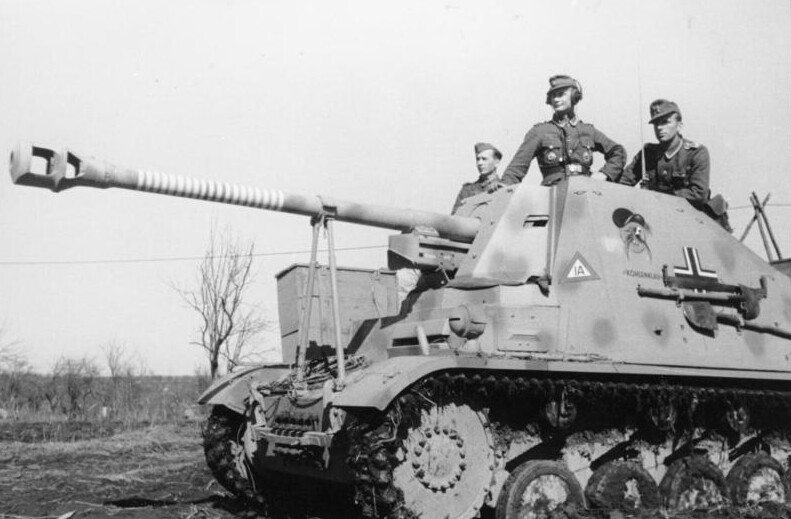
One of the most famous Marders was a Marder II (Sd.Kfz.131) named “Kohlenklau” (Coal Thief in English). Kohlenklau was named after a popular German wartime propaganda caricature and was commanded by Unteroffizier Helmut Kohlke. Unteroffizier Helmut Kohlke and his crew claimed an impressive 19 kills in Kohlenklau while serving on the Eastern Front in Panzerjäger-Abteilung 561. Because of his bravery and high kill count, he received the Iron Cross 1st and 2nd Class and the Honor Roll Clasp of the Army.
- [Wikipedia] Marder I
- [Wikipedia] Marder II
- [Wikipedia] Marder III
- [Tank Encyclopedia] 7.5cm PaK 40 auf Sfl. Lorraine Schlepper 'Marder I' (Sd.Kfz.135)
- [Tank Encyclopedia] 7.62 cm PaK 36(r) auf Fahrgestell Panzerkampfwagen II (F) (Sfl.) ‘Marder II’ (Sd.Kfz.132)
- [Tank Encyclopedia] Panzerjäger 38(t) für 7.5 cm PaK 40/3 ‘Marder 38T’ (Sd.Kfz.138)
- [Tank Encyclopedia] Panzerjäger 38(t) für 7.62 cm PaK 36(r) ‘Marder III’ (Sd.Kfz.139)
- [Tank Encyclopedia] Panzerkampfwagen II als Sfl. mit 7.5 cm PaK 40 ‘Marder II’ (Sd.Kfz.131)