The Gongchen tank would become the first tank in service with the People’s Liberation Army. It helped the army of the Chinese Communist Party in numerous battles, including the siege of Jinzhou. A symbol of the PLA’s humble beginnings and its triumphant, hard-fought revolutionary spirit, paving the way for a modern armored force.
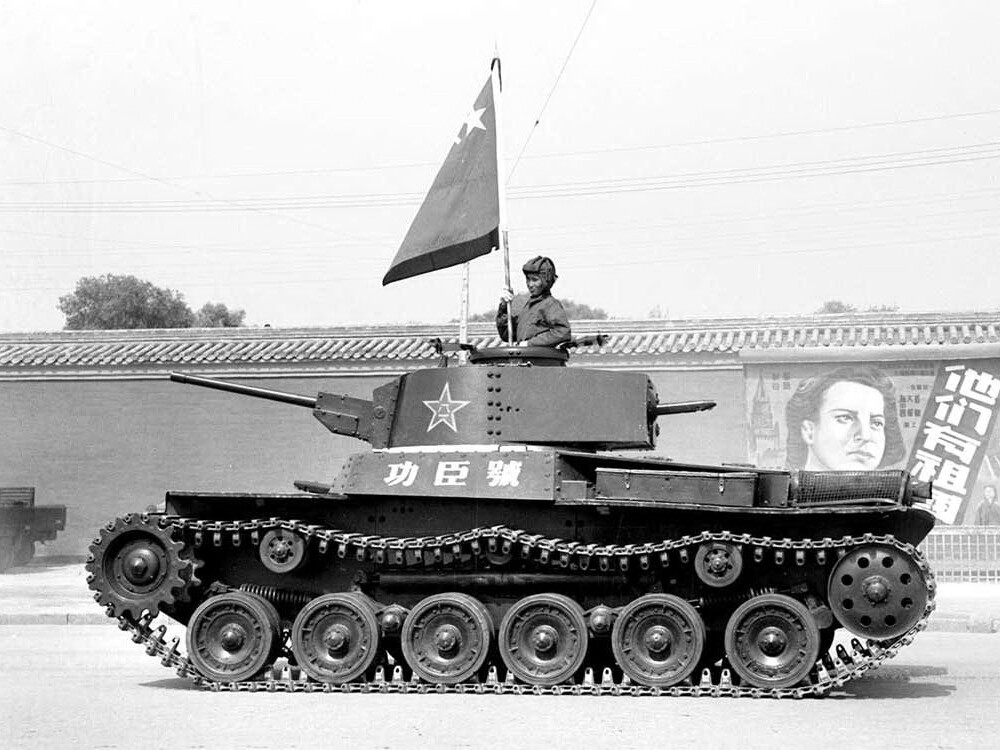
Although the Gongchen tank existed, some elements of its history may seem embellished and appear only in CCP sources. The overall historical reliability of this story should be taken with a grain of salt.
Contextualisation
The Chinese Civil War began in 1927 after tensions between the Nationalist Kuomintang (KMT) led by Chiang Kai-shek, and the Chinese Communist Party (CCP) led by Mao Zedong, erupted into open conflict. Initially, both groups had cooperated in the First United Front to end warlord rule and unify China, but ideological differences and Chiang’s purge of Communists in Shanghai triggered years of fighting. The Communists, forced into rural areas, built support among the peasants and waged guerrilla warfare, while the KMT controlled the central government. A major turning point came with the Long March (1934–1935), when the CCP retreated thousands of miles to Northwest China, solidifying Mao’s leadership and laying the foundations for a renewed revolutionary movement.
The outbreak of the Second Sino-Japanese War in 1937 temporarily united the KMT and CCP in a Second United Front against the Japanese invasion. Japan’s aggression, beginning with the Marco Polo Bridge Incident, led to the capture of key Chinese cities such as Beijing, Shanghai, and Nanjing. The Nationalist government retreated to Chongqing, continuing resistance with Allied support after 1941, while the CCP expanded its influence in Japanese-occupied territories through guerrilla warfare. The war drained both Chinese factions, but Japan’s defeat in August 1945—following atomic bombings and Soviet intervention—brought an end to its occupation of China. With Japanese troops withdrawing, the fragile alliance between the Communists and Nationalists collapsed, reigniting the Chinese Civil War shortly after.
Capture of the Gongchen tank
After the withdrawal of the Japanese troops from the Chinese territory, the 8th Route Army and the New 4th Army, the two military units of the CCP, were ordered to advance into Northeast China to join the Northeast Anti-Japanese United Army in order to form the Northeast Democratic Autonomous Army. On November 1945, Gao Ke and several other workers of the CCP went to the Shenyang 918th Factory (formerly the Japanese Kwantung Army Tank Repair Factory) to scout for enemy espionage and stumbled upon several Japanese tanks.
Gao Ke was ordered to drive two tanks, Japanese Type 97 Chi-Ha Kai, to the west of the Shenyang Railway and hide them in a damaged factory. After searching for spare parts, vehicles and equipment, he organized repairs that night. With the help of Japanese workers, after 10 days of work they managed to repair two tanks, two armored vehicles, two tractors and a car. These two tanks would be designated 101 and 102.
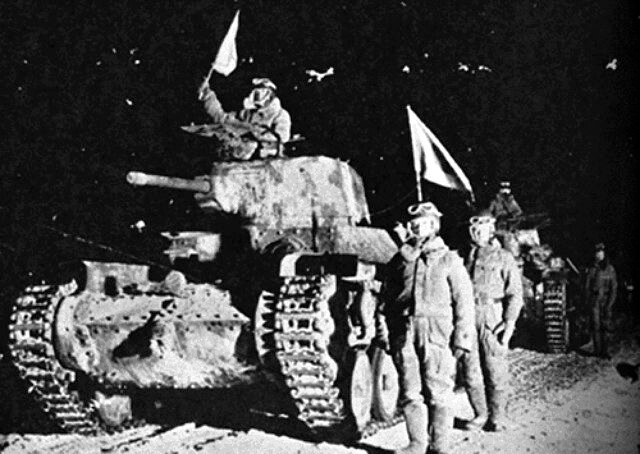
Source: Wikimedia Commons
In the meantime, the Kuomintang army was advancing massively into the Northeast with units already in Jinzhou. Gao Ke was ordered to drive the tanks and vehicles to Tonghua, in the East of Shenyang. However during their escape, the tanks and vehicles broke down, forcing them to stop in the northwest of Shenyang. While Gao Ke and his men went to explore the route, enemy agents who had infiltrated the group of workers took the opportunity and launched a riot, destroyed most of the tanks and vehicles and fled back to Shenyang. Only tank 102 survived, protected by the workers.
After the Democratic Autonomous Army Headquarters lost contact with Gao Ke and others, being concerned about their safety, they sent a platoon lead by Sun San who studied tank technology. After two days of research they eventually found them. The enemy situation near Shenyang would become dangerous and Gao Ke, Sun San and their team were ordered to quickly relocate. Unfortunately the tanks were still severely damaged. It was decided that Sun San would lead his platoon to go back to the 918th factory and gather resources while Gao Ke would lead the remaining personnel to repair the tank. After repairing the tank, they quickly moved with the tank and a truck loaded with equipment to Majiawanzi, the Headquarters of the Northeast Artillery Command.
After arriving at Majiawanzi the commander of the Northeast Artillery Command, Zhu Rui, shook the hand of Sun San and Gao Ke and said “You’ve brought us not just a tank, but an armored unit.” Later in the day they would announce the creation of the first tank battalion, the Northeast Tank Battalion, with Sun San as commander and Gao Ke as deputy commander. This Type 97 Chi-Ha Kai tank would officially become the first vehicle in history of the People’s Liberation Army’s armored forces.
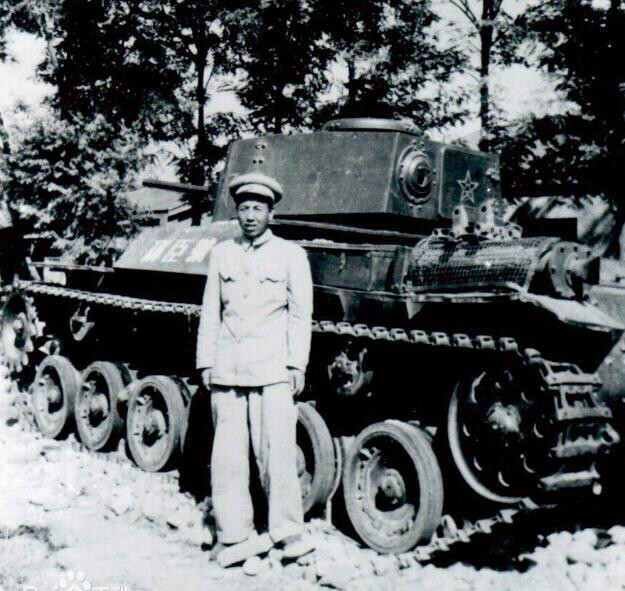
Source: Taihang Summit website
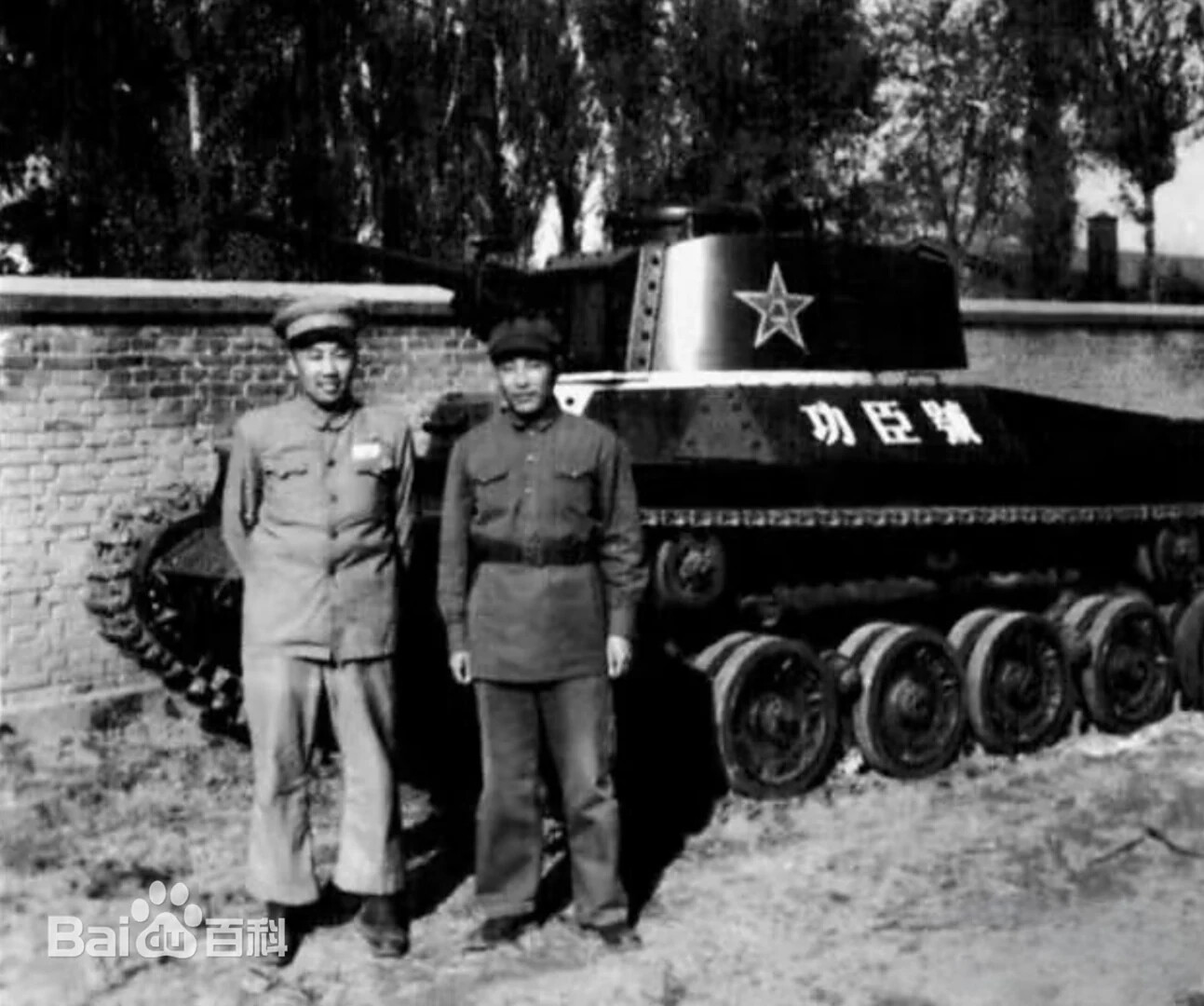
Source: Bai Du Sun San wiki article
Its history inside the PLA
After joining the PLA, the tank would participate in numerous campaigns such as the Suifenhe Bandit Suppression Campaign (1945-1947). Due to its age and outdated components, the tank would quickly be nicknamed “老头坦克” or “Old Man Tank”. The “Old Man Tank” would shine during the 1948 LiaoShen Campaign to capture Jinzhou. The Northeast Tank Battalion would participate in their first large-scale urban assault. Along with three other tanks, the “Old Man Tank” would provide cover for the infantry as they broke through the Kuomintang defence.
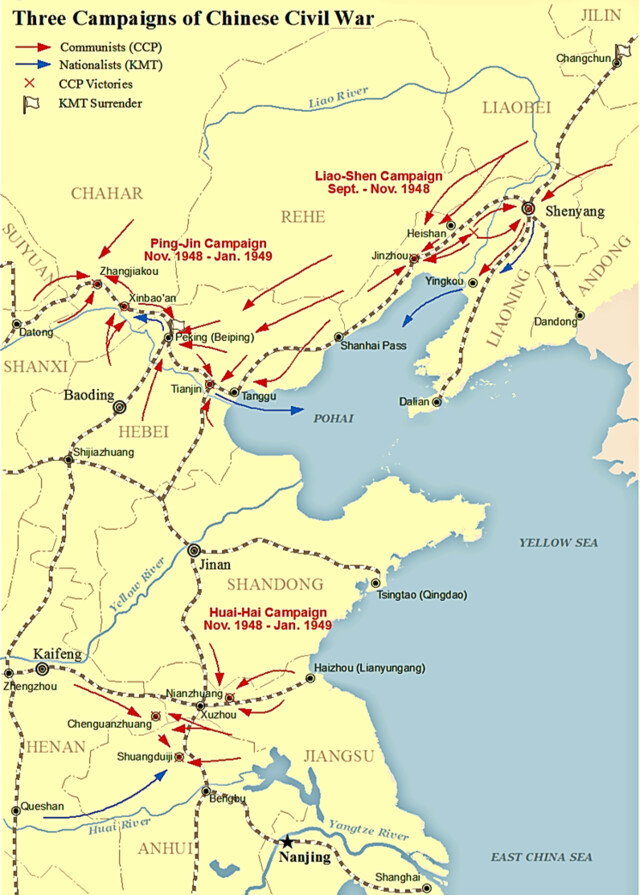
Source: Wikimedia Commons
During the battle, the three other tanks would fall into a ditch leaving the “Old Man Tank” alone. The tank crew would charge towards the enemy positions alone, piercing through their defenses. The tank would be damaged several times but the driver, Dong Laifu, would always repair the tank and continue the assault. By clearing the path for infantry and eliminating enemy fire points, they would charge all the way to the Kuomintang city defense headquarters, actively firing at them, forcing them to raise the white flag.
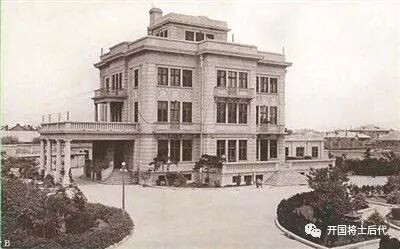
Source: Taihang Summit website
After the war, Fourth Field Army Headquarters and Political Department named the tank “功臣号” (Gongchen) or “Meritorious Warrior” and awarded it a third-class collective merit. Dong Laifu and machine gunner Wu Peilong were awarded first-class merit.
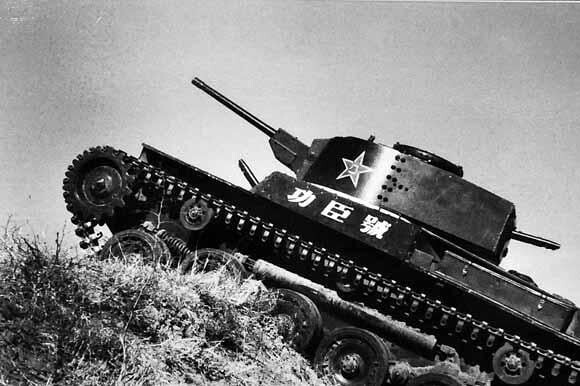
Source: The Online Tank Museum
After the Liaoshen Campaign, the “Gongchen” tank marched south with the Fourth Field Army and participated in the Pingjin Campaign. During the attack on Tianjin, the “Gongchen” tank again achieved remarkable success. Subsequently, the “Gongchen” tank and its tank regiment participated in the Beijing entry ceremony on the 3rd of September 1949.
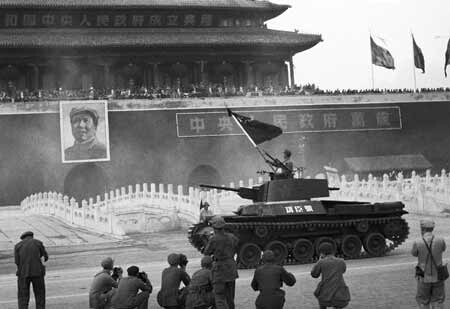
Source: China Military Online
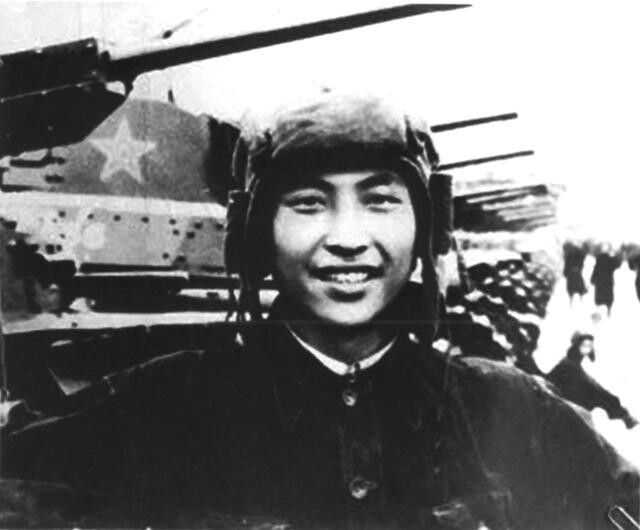
Source: China Military Online
The Gongchen tank today
The “Gongchen” tank would be officially retired in 1959 and would be placed at the Military Museum of the Chinese People’s Revolution in Beijing.
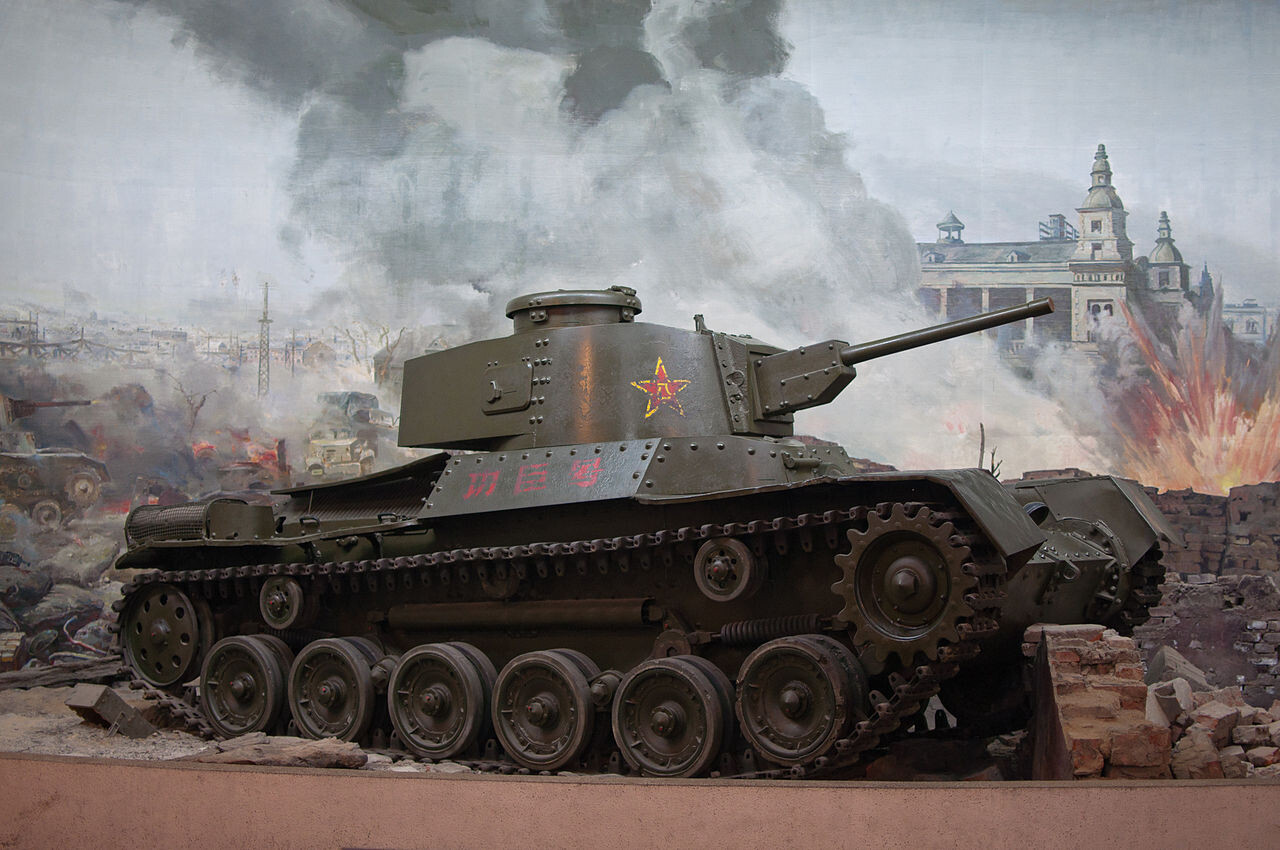
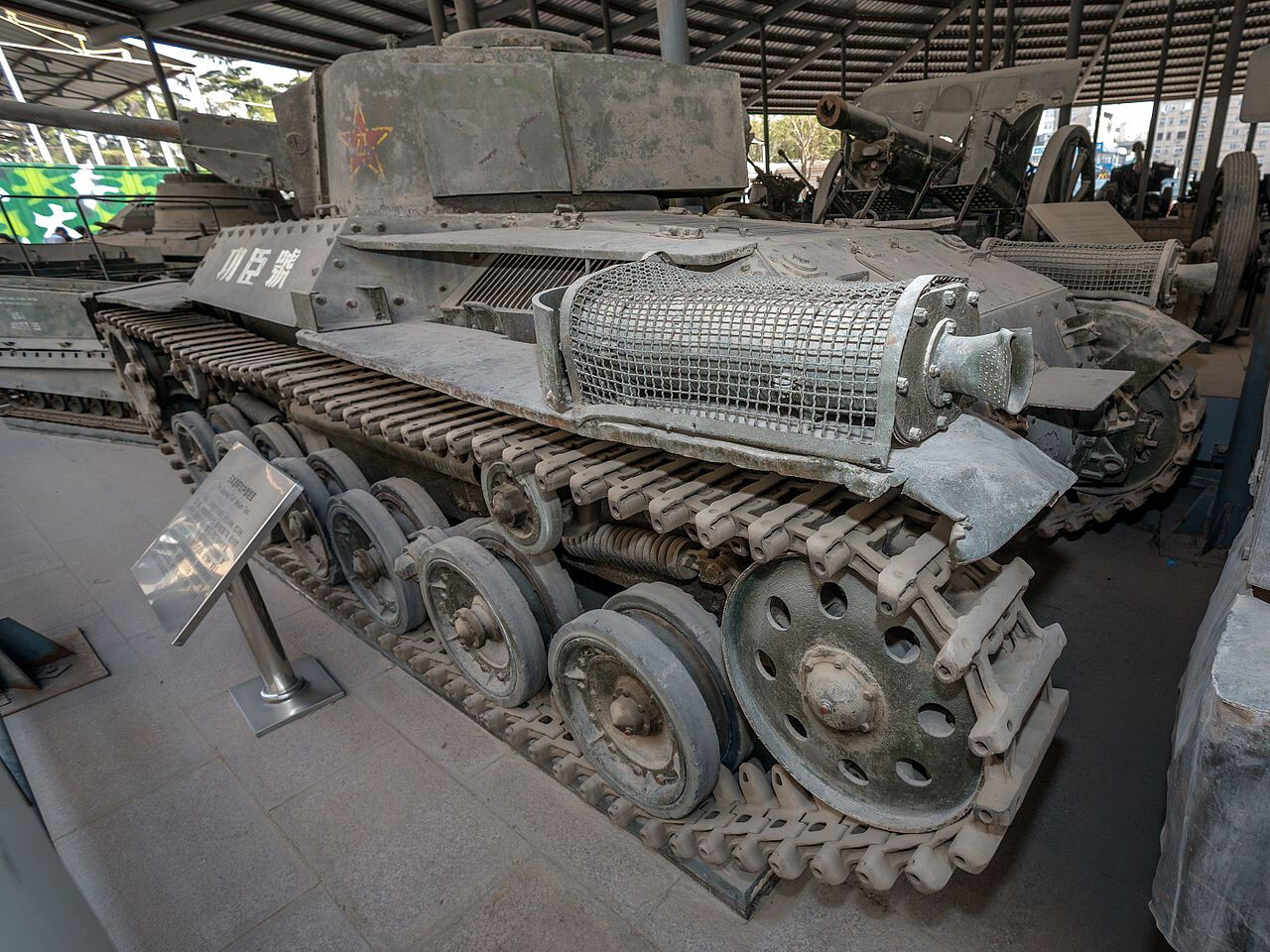
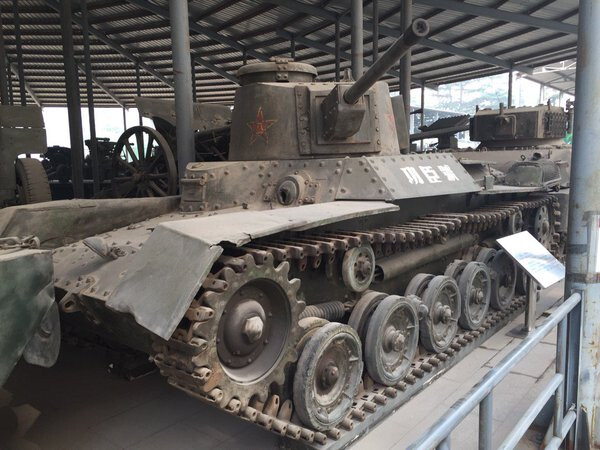
Source: Chinese Gongchen Wikipedia article and Wikimedia Commons
Numerous replicas of the “Gongchen” have been made for museums such as the Pingjin Campaign Memorial Hall and Liaoshen Campaign Memorial Hall.
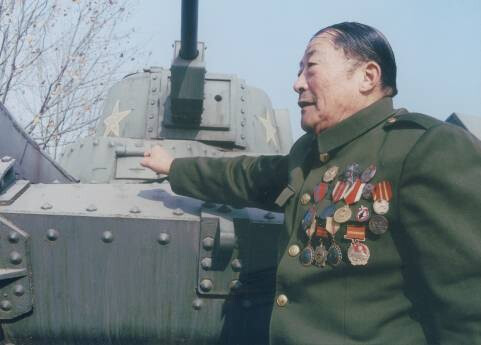
Source : Tianjin Industrial and Information Technology Bureau
In War Thunder, during the Monthly Decals of August 2025, the “Gongchen” marking was available as a decal.
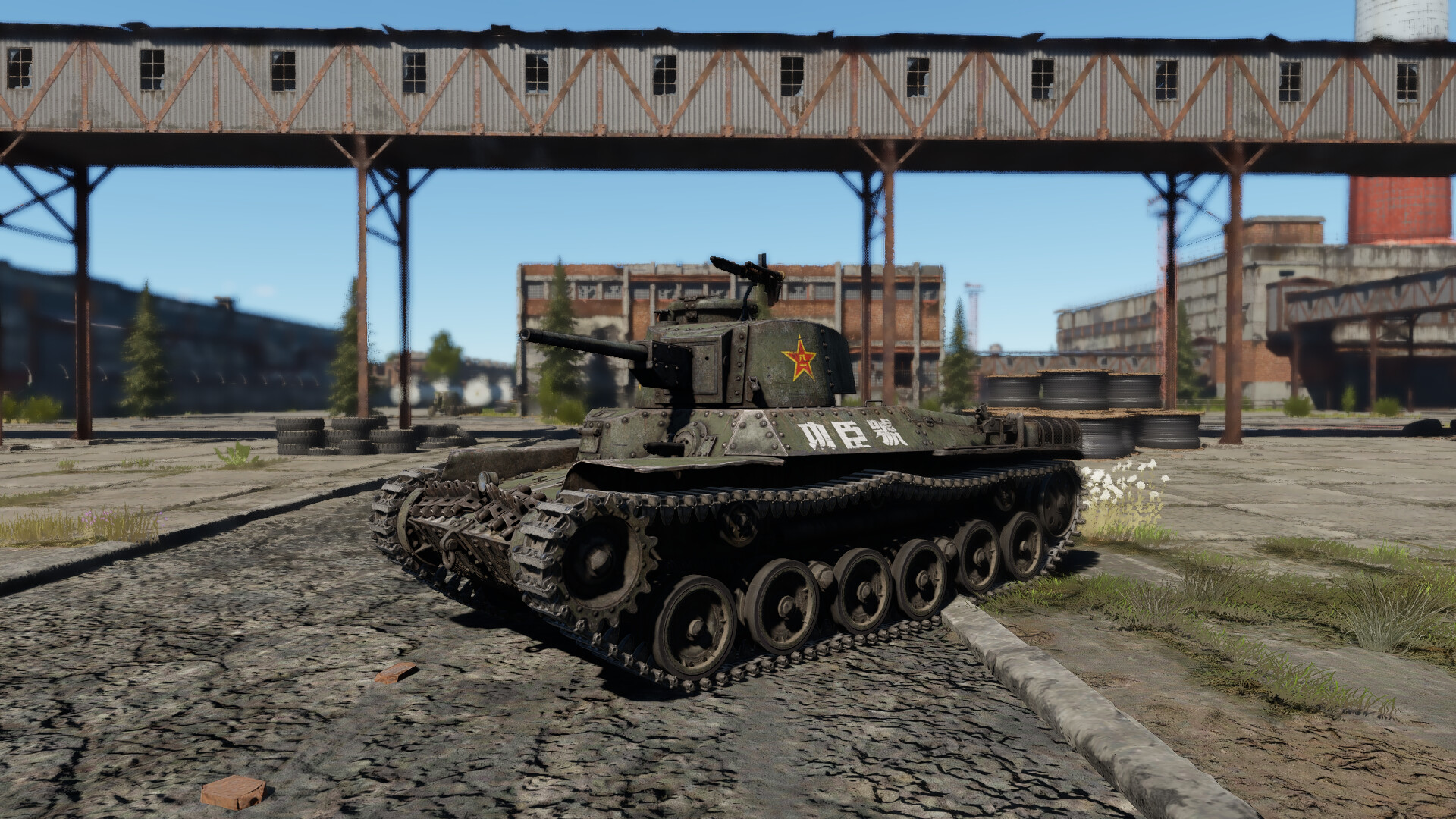
Sources
- Article from the Military Museum of the Chinese People’s Revolution on the Gongchen tank (the website can only be read through the WayBack Machine)
- 中国人民解放军历史图志 (下卷)(Illustrated History of the Chinese People’s Liberation Army (Volume 2))
- Article on the PLA actions in the Northeast from Taihang Summit
- Baidu article about the Northeast Tank Battalion
- https://gyxxh.tj.gov.cn/ZTZL7953/ZLHG6120/gxjqzjdbndsxxjy/202105/t20210528_5464306.html
- Chinese Wikipedia article on the Gongchen tank
- Online Tank Museum Gongchen tank article
- Official Gongchen article from China Military Online