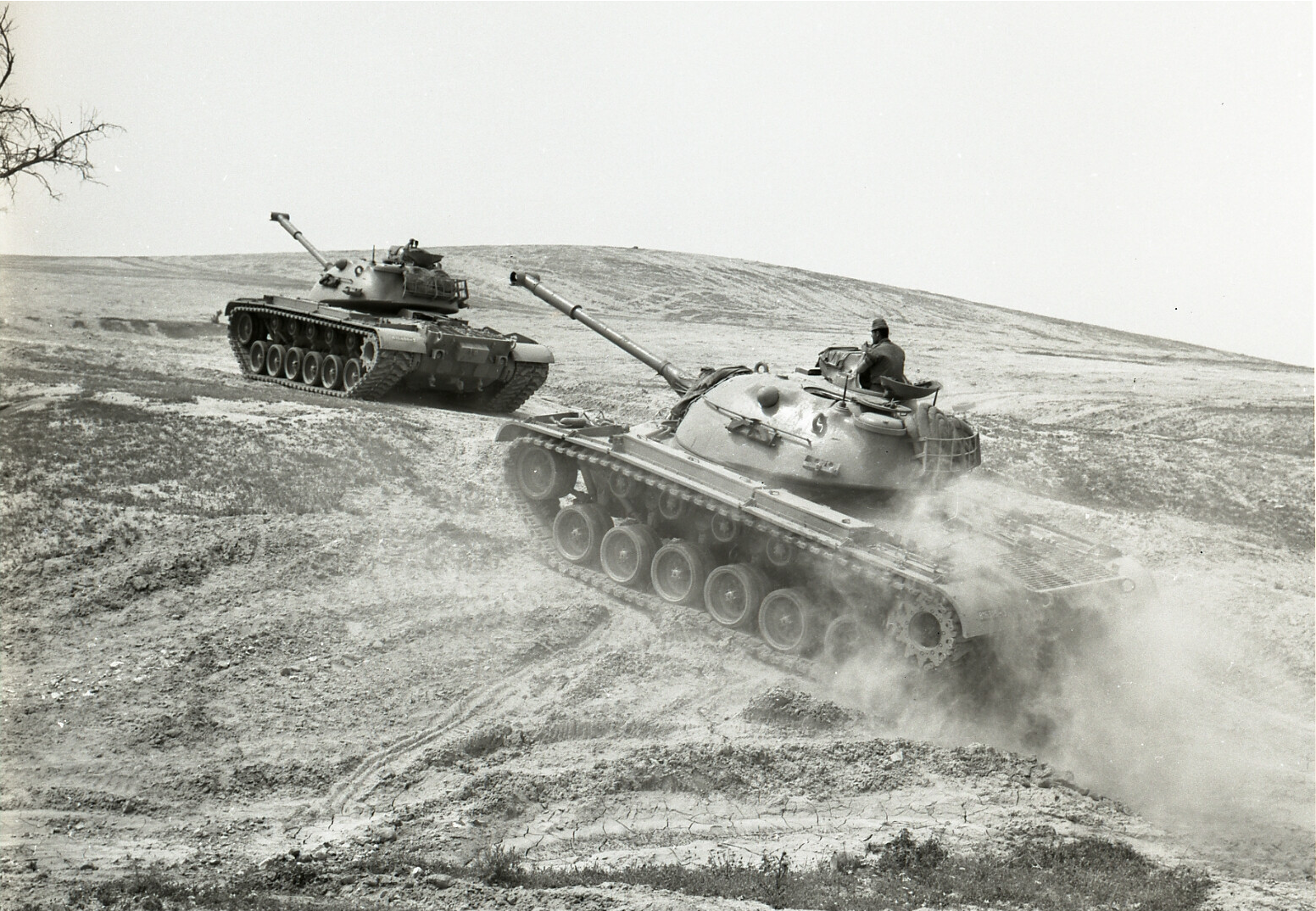
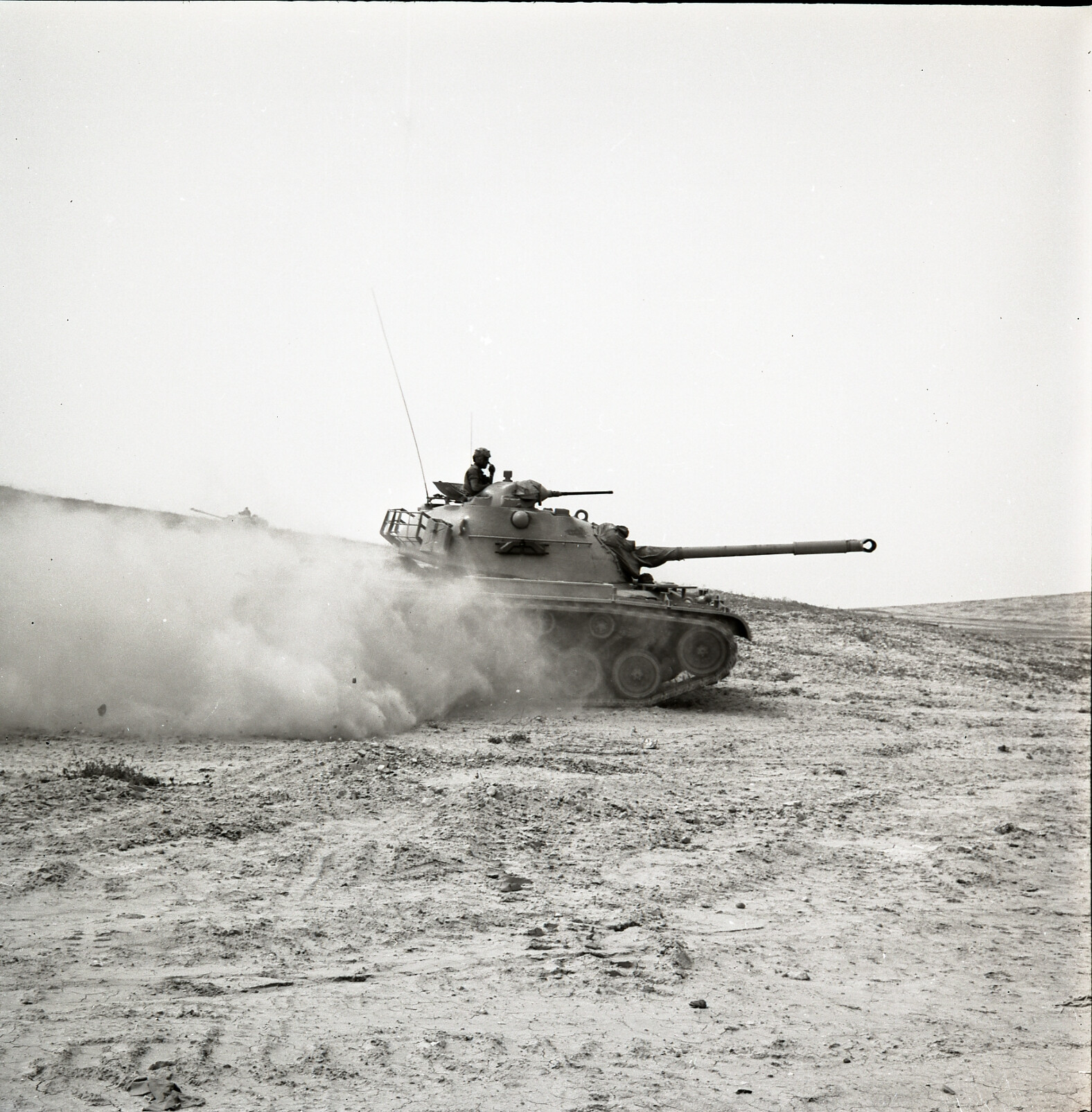
The Magach 1 was one of the first, modern, US-made main battle tanks to enter into the Israeli armored corps during the second half of the 1960s. Despite not taking part directly in the conflicts that occurred in those years, the Magach 1 was instrumental in bolstering the numbers and effectiveness of the IDF (Israeli Defense Force). This article aims to offer the reader a brief overview of its history before its retirement and conversion to the Magach 3.
The early days
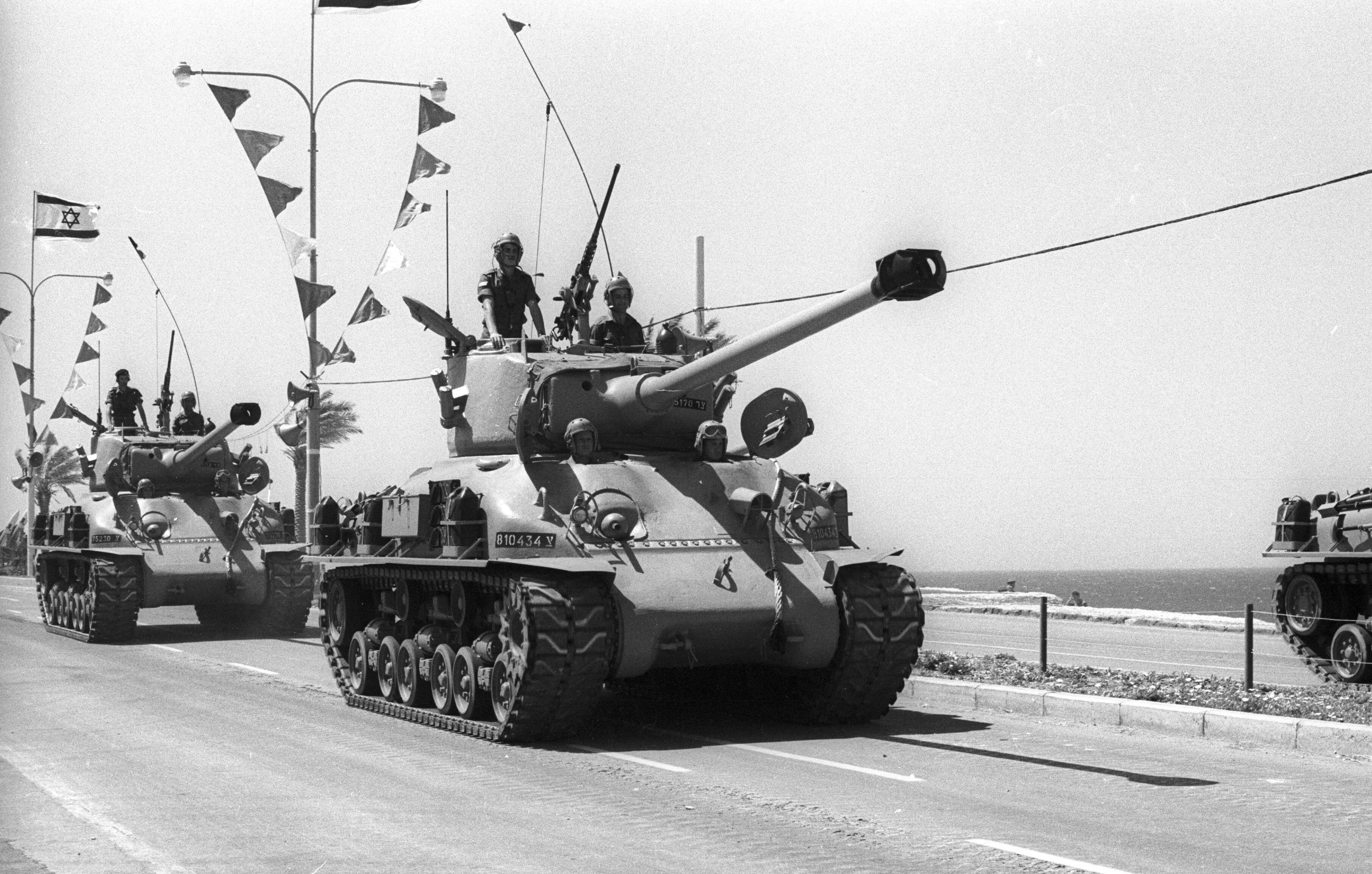
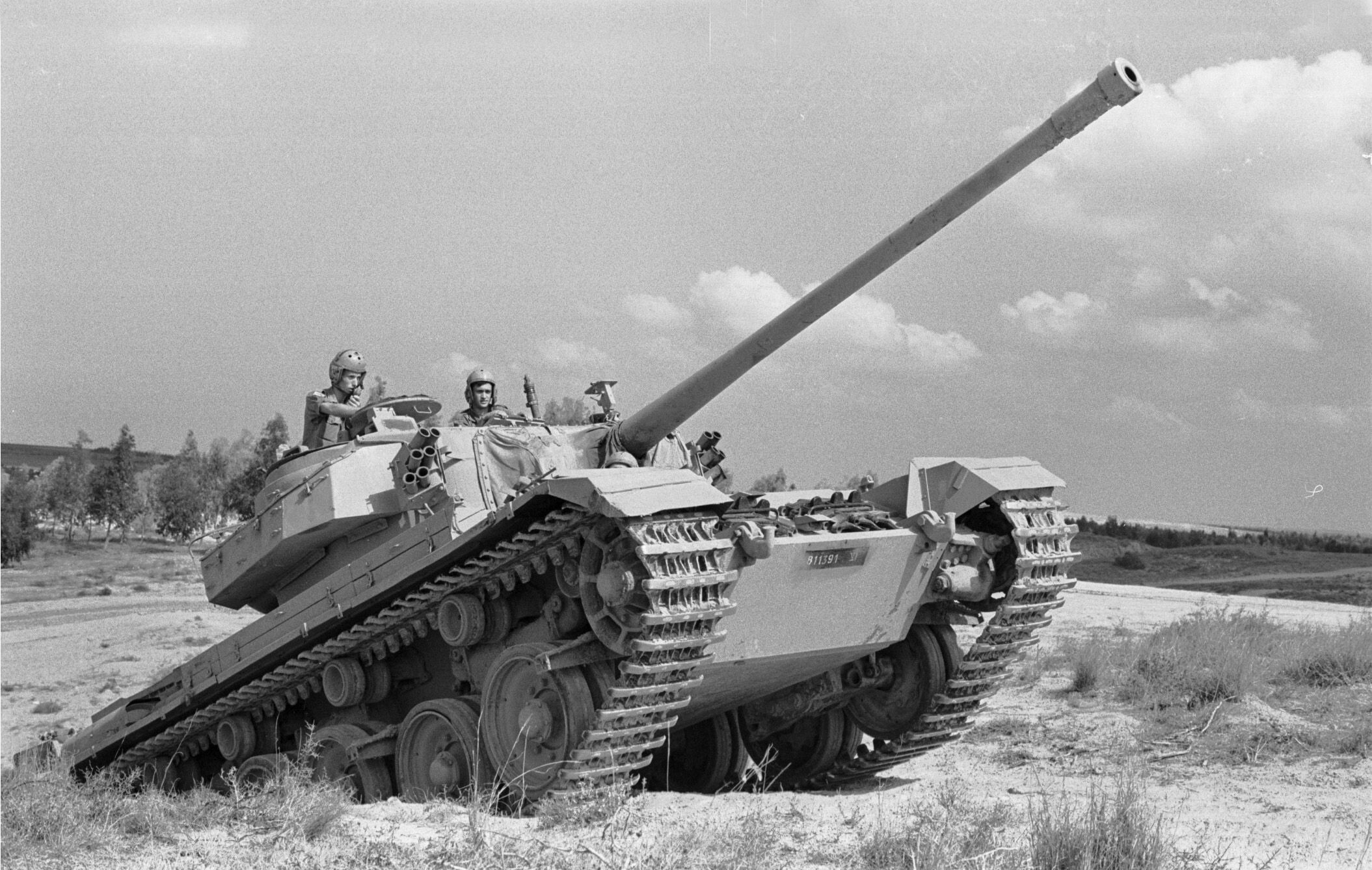
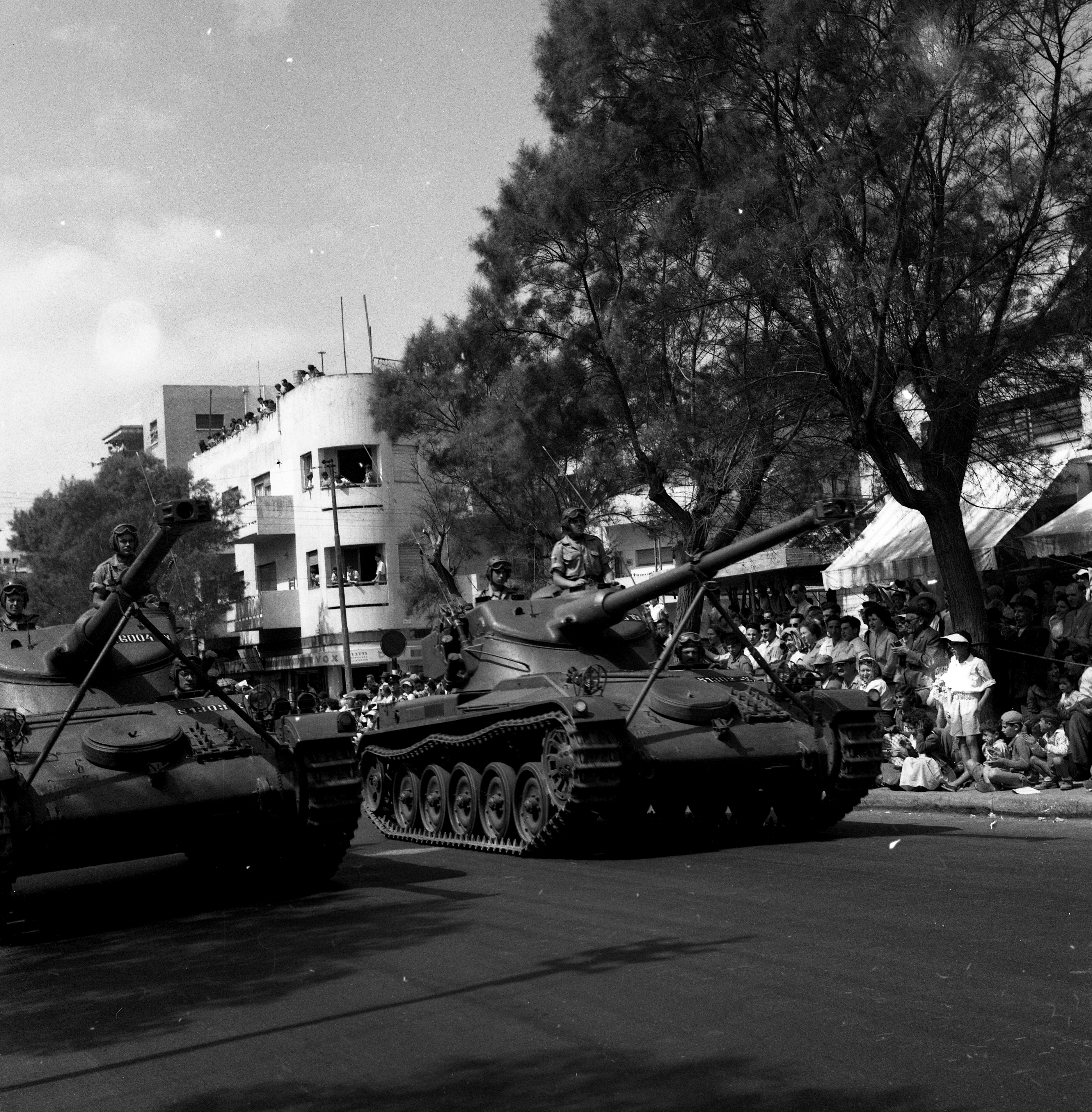
The Israeli armored corps was founded in 1948 during the Arab-Israeli War. It had evolved from the Haganah’s Armored Service, with just about fifteen tanks, never all active at the same time. The personnel was composed of people from different parts of society: new immigrants, foreign volunteers, and even British military personnel. Later in the war and after its conclusion, Israel was able to procure additional tanks from the UK, France, Germany, and Italy. These different sources of equipment caused Israel to operate quite a mixed assortment of tanks. In November 1964, the IDF operated 452 Shermans, many of which underwent either a superficial or deep process of domestic modification. Among these, there were 90 of the legendary M-51 Sherman tanks armed with 105 mm guns. The IDF also operated 184 French AMX-13 light tanks and 139 British Centurion tanks with a 20-pounder gun, known as “Sho’t” in IDF service.
Finding a new tank
Until 1964, Israeli prime ministers tried many times, and failed, to procure superior MBTs from the US. With the deployment of Soviet-made T-54/T-55 tanks by the neighboring Arab countries, it became imperative for Israel to find more modern and effective tanks to counter this new threat. At the time, at least half of the IDF tank fleet was not able to punch through the thick frontal armor of these new Eastern Bloc tanks due to the small caliber and weak penetration of their guns.
After a successful meeting between US President Lyndon B. Johnson and Israeli Prime Minister Levi Eshkol in 1964, the US agreed to supply Israel with 250 M48 MBTs, of which 140 were M48A1 and 110 were M48A2C variants. In order to conceal this supply of weapons to Israel from the Arab world, the tanks would be taken from the West German surplus inventory, refurbished, and moved by train to Italy to then be shipped to Israel.
Due to problems in the transfer of equipment between borders, the Arab countries were able to hear of this covert plan and subsequently threatened West Germany to cease their mutual agreements. Nevertheless, by 1967, all of the promised 250 M48 tanks had arrived in Israel, with the first M48A1 being unloaded into Haifa port in late 1964/early 1965.
The Magachs
Magach (מגח) is a Hebrew word meaning “battering ram”. It was first used by General Avraham “Bren” Adan in 1965 and has since been used to describe all the Patton and M60 series tanks used in IDF service, from the early M48 to the M60A3. In the early days of the M48 tanks in the IDF, some of the crews referred informally to them also as “frog”, due to their round shape, reminiscent of the animal.
The name Magach is followed by a number and, if necessary, a letter to distinguish between the many variants of M48 and M60 tanks and the subsequent upgrades made by the IDF. Therefore, Magach 1 is used to indicate the M48A1 model and, after the Six-Day War, also the M48 tanks captured by Israel from the Jordanian army.

Training the crews
Although the IDF already operated several US-made tanks, the M48A1 was a new machine, incorporating the technological and design advancements of the Cold War era main battle tanks. For this reason, learning how to operate this new tank was essential.
After a strenuous trip with stops in Rome and Paris, a delegation of 40 IDF military personnel arrived in late 1964 at the Armor School in Münster, Germany. The wounds of the events of World War 2 were still very much open, considering that the conflict had ended only 19 years prior to this training session. For this reason, the delegation’s identity was kept a secret from everyone, including the German instructors. The IDF soldiers trained very hard to get the most out of this experience: they learned all of the tank’s systems, drove in every available type of terrain, fought every possible combat scenario, and pushed the tanks to their limits.
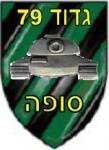
After this successful mission in Germany, the IDF soldiers returned to Israel. In January 1965, the 79th Battalion was established as the first tank battalion in the 7th Brigade, which was and still is the oldest armored brigade and was instituted with the founding of the IDF. The 79th Battalion headquarters was located at Camp Nathan, south of Beersheba. As part of a new idea, recently developed in the IDF, the battalion was stationed adjacent to its training area. In the early period, the battalion underwent a “vocational training”, with corps leaders selecting soldiers and even instituting courses for the role of tank commanders.
By August 1965, formal diplomatic relations had been established between Germany and Israel, which also led to an improvement in the diplomatic ties between Israel and the US. This change in the international scenario allowed IDF soldiers to go directly to the Armor School at Fort Knox in Kentucky to train in the usage of Patton tanks. Upon their return to Israel, these tankers were also integrated into Battalion 79.

Overview
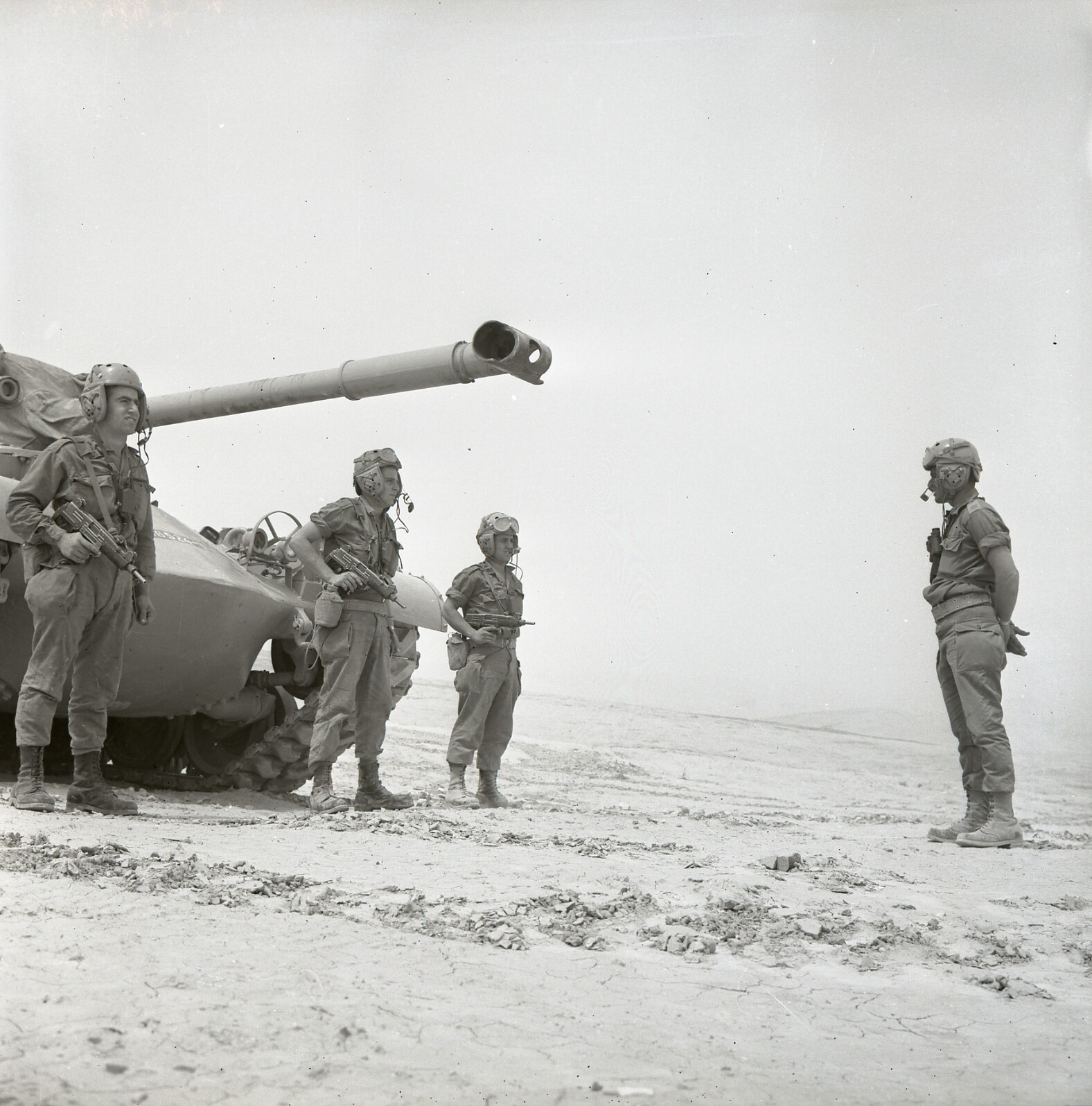
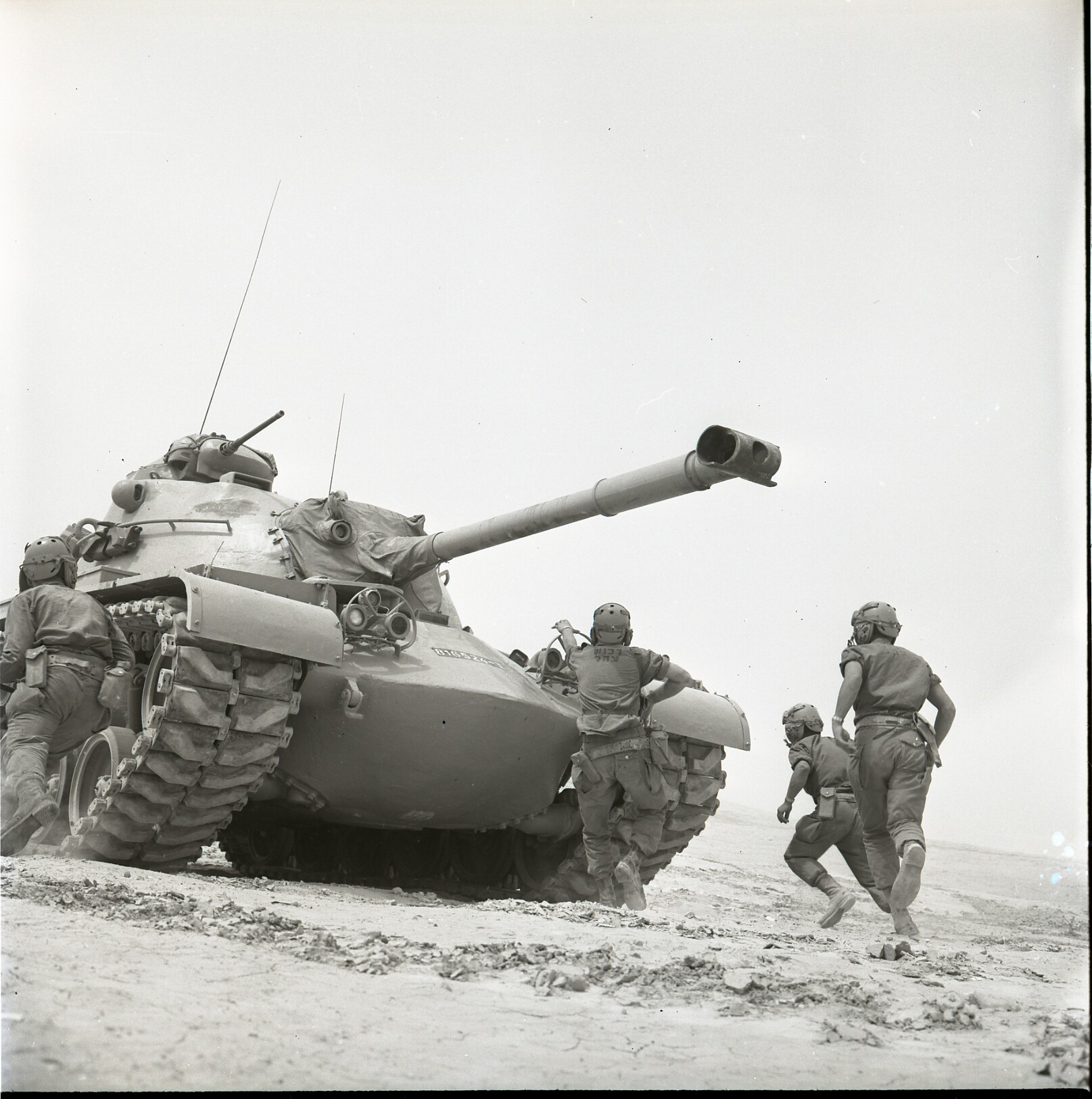
Magach 1s were based on either the 140 M48A1 tanks received from Germany or on the 106 M48 tanks captured from the Jordanian army during the Six-Day War. To be exact, 129 M48s were captured in total, but only the aforementioned 106 tanks entered into IDF service. In total, the IDF had 246 Magach 1 tanks.
These tanks were characterized by a 90mm gun, AV-1790-5B gasoline engine and five return rollers. The most distinctive trait that was common to all Magach 1 tanks were the round fenders, which can be reliably used to identify and distinguish such tanks from all the other M48-based Magach variants.
The M48A1 tanks were not mechanically altered, while the Jordanian M48s had their commander cupola’s M2 Browning machine gun removed.
All Magach 1 tanks were painted in the typical “Sinai Sand” color and were marked with IDF serial numbers. These serial numbers were composed of six numbers and, generally speaking, the initial three numbers are a way to identify a specific variant or origin of a tank. For Magach 1s, all M48A1 tanks coming from Germany had serial numbers starting with “816”, while all captured Jordanian M48 tanks were given numbers starting with “109”. These serial numbers would still be present decades after the tanks’ initial introduction into service, even after upgrades to different standards (such as Magach 3 and Magach 5).

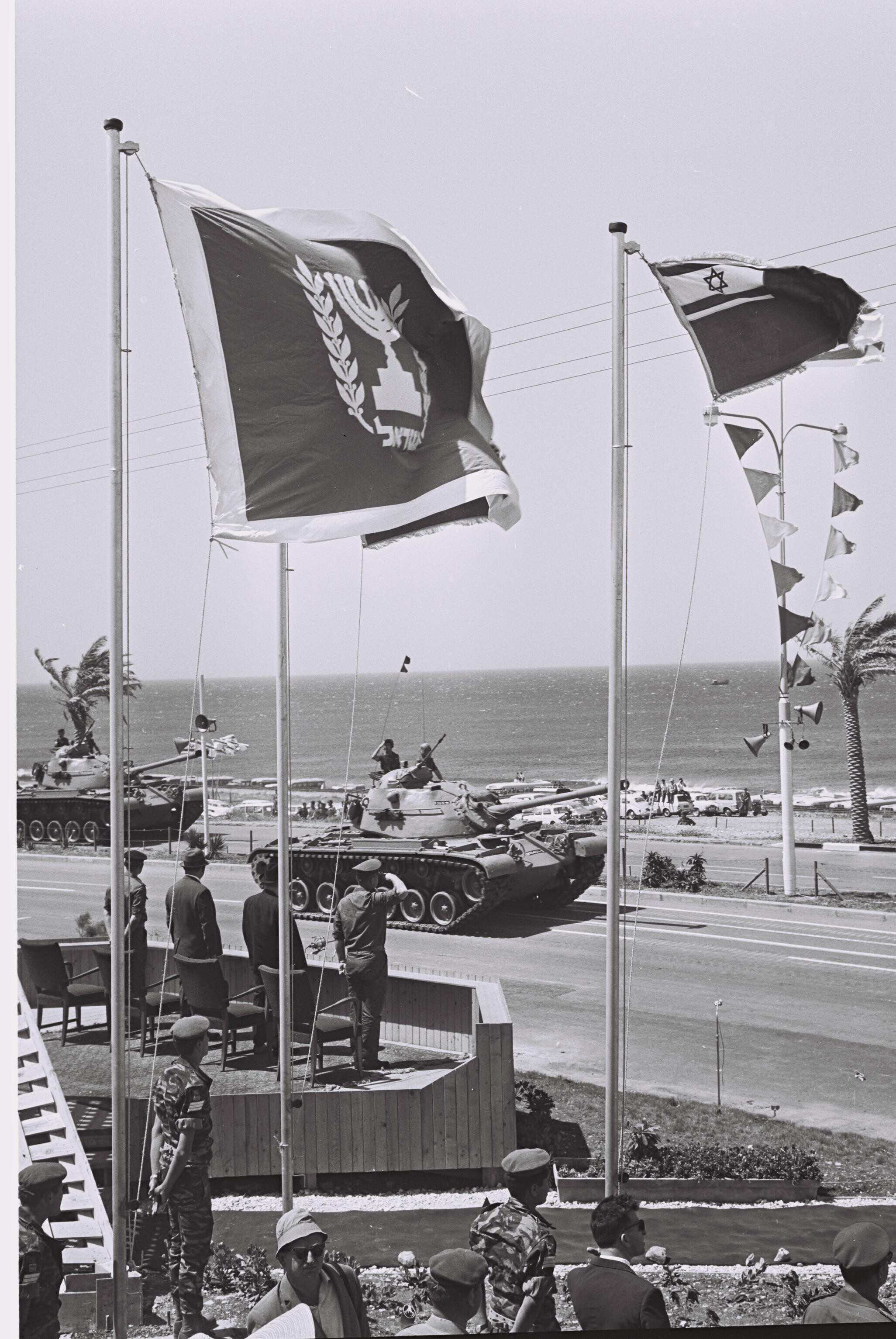
The M48A1 tanks from West Germany were plagued with mechanical issues, mostly connected to the engine, brake system, and fuel filters. These problems were so severe that, during the 1966 Independence Day parade in Haifa, the loader, who also served as the mechanic, had to stay inside the fighting compartment in order to be ready to operate the emergency brake system in case of a braking failure.
These mechanical problems would not be addressed until the whole fleet of Magach 1 tanks would be converted to the Magach 3 standard.
Operational History
The Magach 1 never played any role in the major conflict of its time, namely the Six-Day War. It was clear from the start that these tanks were in such poor mechanical conditions that actively sending them into the fight would have made them more of a burden than of an asset. Magach 1 tanks were only used as platforms for the role of indirect fire from 1965 to 1967 in the War over Water between Israel and the neighboring Arab countries for the control of water resources connected to the Jordan river. On one occasion, Magach 1 tanks were stationed near the city of Tiberias to fire indirectly at a distance of around 17km at Syrian artillery batteries, which were located near the city of Phick. High explosive and white phosphorous shells were used.
All Magach 1 tanks were scheduled to be upgraded to the Magach 3 standard, which consisted in upgrading the main gun from the 90mm M41 gun to the 105mm L7 model and replacing the gasoline AV-1790 engine and transmission with the diesel AVDS-1790-2A power pack coupled with the CD-850-6A automatic transmission.
Only 15 Magach 1s were converted in time to take part in the Six-Day War, the remaining Magach 1 tanks were used for training or left in storage until they were all upgraded.
Conclusion
Although the Magach 1 tanks never saw baptism by fire, they were still an instrumental part in the buildup of the IDF armored corps and in the assertion of its professionalism and strength. They arrived in the time of most need, when the neighboring countries already had at their disposal the fearsome T-54/55 series of tanks. Magach 1s were an important asset in the formation and training of the crews, and when converted to the Magach 3 standard, they became formidable machines to aid in the future fights that Israel had to face.
Sources
- Magach 3 in IDF Service — Part 1 by Michael Mass and Adam O’Brien
- A Fire Goeth Before Him, Development and changes in the Israeli Armor from the end of the Sinai War to the Six-Day War, by Amiad Brezner
- From the brink of the abyss to victory -Yad La Shiryon
- The Magach tank series in the IDF — Yad La Shiryon
- Table of captured equipment from the Six-Day War (Page 354) - Himush.co.il
- Magach Identification Guide — Shiryon Archive
- Wikimedia Commons