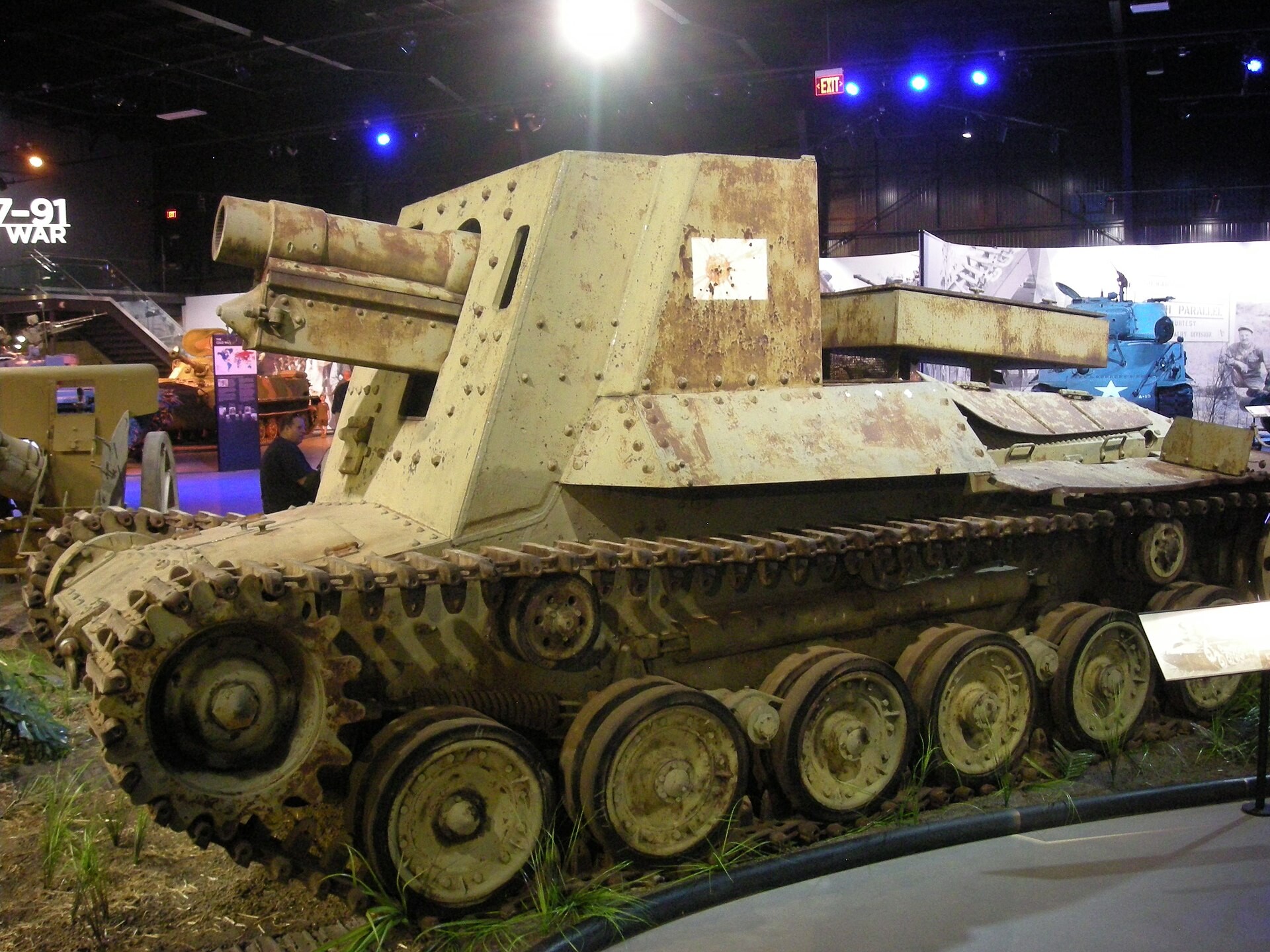
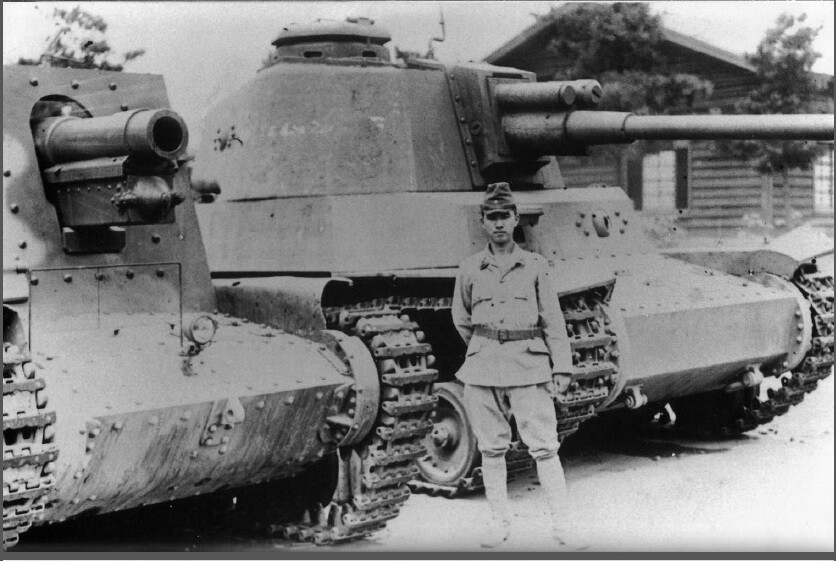
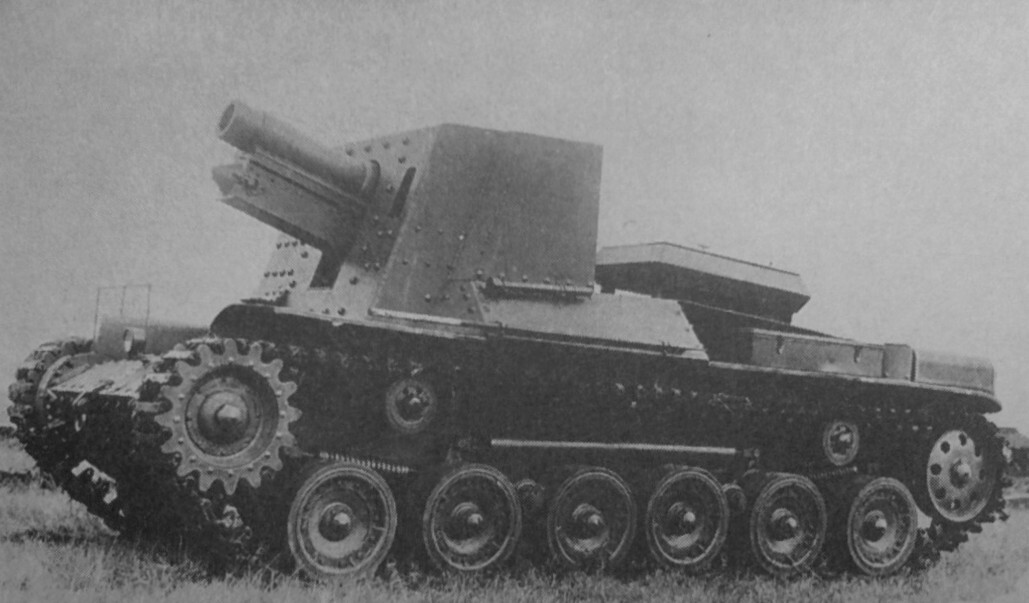
The Type 4 15 cm self-propelled gun Ho-Ro (日本語: 四式十五糎自走砲 ホロ, Imperial Japanese Army Type 4 15 cm self-propelled gun Ho-Ro) was a self-propelled gun (SPG) used by the Imperial Japanese Army during WW2. It was built on the existing chassis of the Chi-Ha medium tank. It was hurried into service, and arrived at the front lines too late to make any lasting impact on Japan’s war effort.
Design and Development
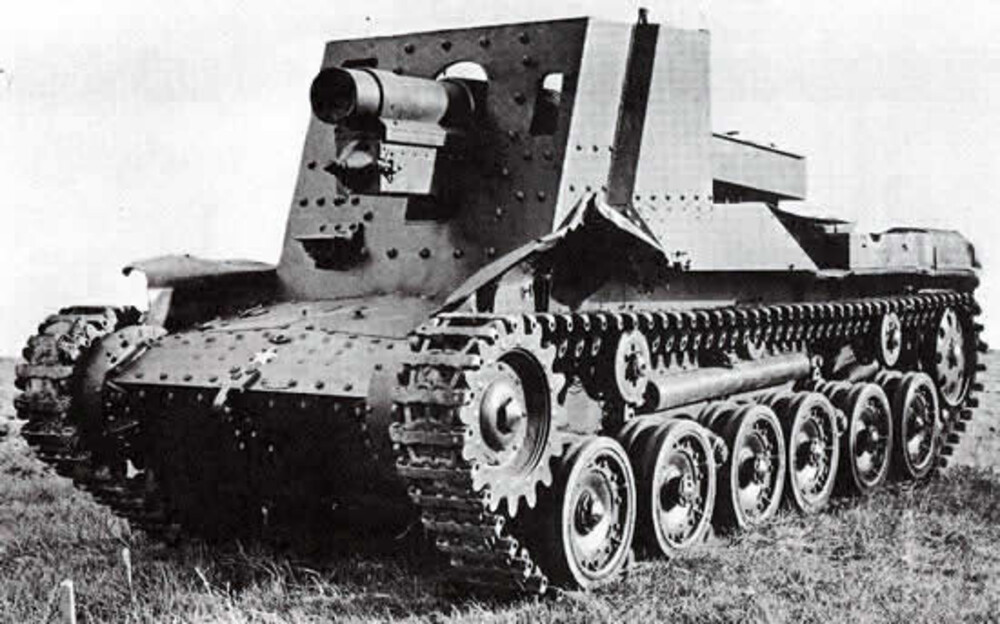
In the late 1940s, the Imperial Japanese Army was realizing a shortcoming in their battlefield arsenal: they didn’t have any reliable SPHs at their disposal. They asked the designers at the Imperial Japanese Army Technical Bureau to come up with a new tank destroyer/infantry support design, and thus, the Ho-Ro was born.
The Ho-Ro was built on a reinforced and upgraded Type 97 Chi-Ha chassis, and a 150 mm Type 38 howitzer was chosen for the main gun. The Ho-Ro was based heavily upon what the Germans had done with their s.I.G. 33 heavy assault guns, which was to mount an assault gun onto an existing tracked chassis. In the sIG 33's case, it was on the Panzer II chassis.
The Ho-Ro weighed 16.3 tons and was 5.5 meters (18.1 ft) long. It was 2.3 meters (7.7 ft) tall, and had no turret. It was powered by a rear-mounted Mitsubishi Type 100 air-cooled V-12 diesel engine, which had the same power output as the Chi-Ha, at 170 horsepower. Its maximum speed was 23 miles per hour (38 km/h).
Ammo was stored under the gunner and loader, and in storage cells above the engine.
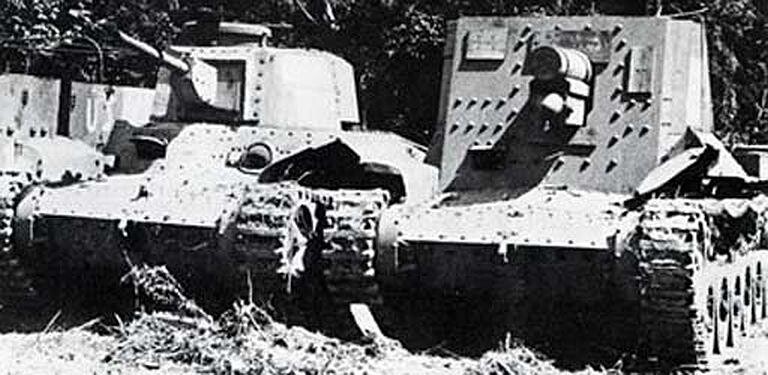
The Type 4 Ho-Ro was manufactured by Mitsubishi. Only around 12 were completed by the war’s end in 1945, and they saw very limited service.
Gun and Armor
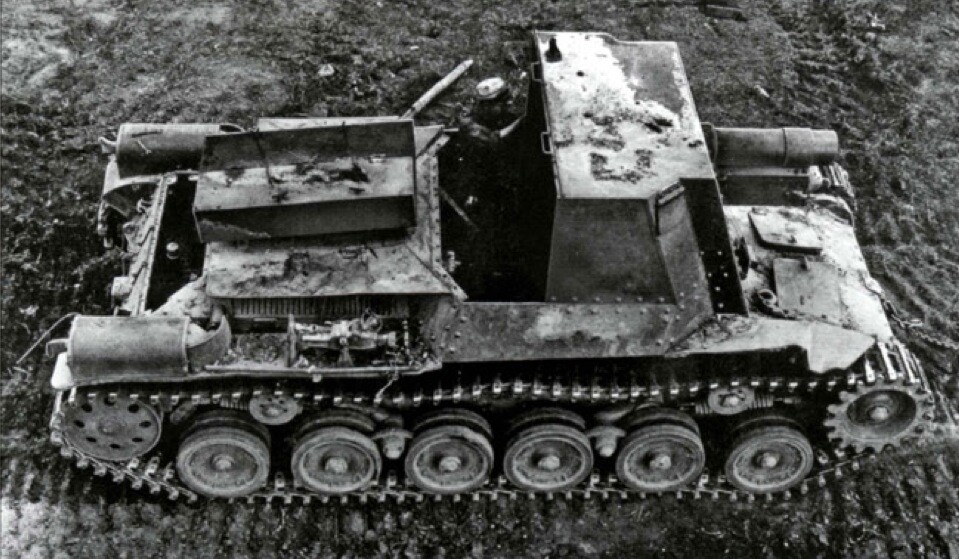
The gun equipped to the Ho-Ro was a 150 mm Type 38 heavy howitzer, which was devastating at close range. However, it couldn’t be used reliably at long range, due to its shells' low muzzle velocity. The gun also had poor traverse overall. The Type 38 could fire Type 88 APHE and HEAT rounds. It had a slow rate of fire, being only five rounds per minute. The Ho-Ro lacked any kind of machine gun to back up its howitzer, making it less than ideal to engage enemies at close range.
The Ho-Ro’s only armor for the crew was a 25 mm gun shield, along with two 12 mm armor sheets on the sides of the crew bay. The back of the crew bay was open, making attacks from behind lethal. The Chi-Ha-derived hull had subpar armor as well, at 25 mm in the front, and around 20 mm in the back and sides. Since the Ho-Ro was to engage enemies from long to medium ranges, armor would not have been a problem.
Operational History
The Type 4 had a short service life that ended with the war.
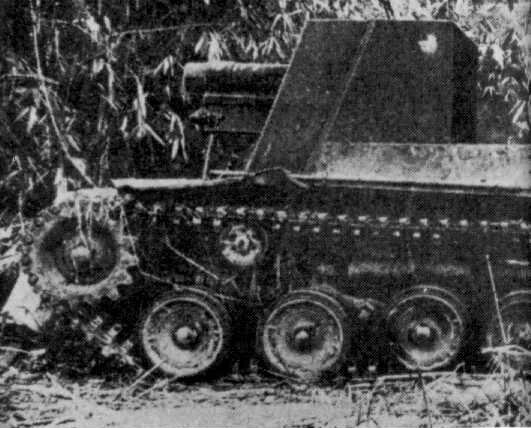
The Ho-Ro was thrown into service very shortly after it was developed, around mid-1944. The Japanese Fourteenth Area Army was equipped with some of the Ho-Ros, where they saw action against US Shermans in the Philippines toward the end of WW2. Due to the terrain of the Philippine islands, the Ho-Ro was forced to attack at close range, limiting its combat effectiveness and leaving it vulnerable. Others were deployed in Okinawa, to defend from the attacking Americans, but were easily outnumbered by the USA’s invasion. Overall, the Ho-Ro did not see much, if any success, in its service time.
Shortcomings of the design, due to its rushed acceptance into the front lines, became apparent. Some examples could be found in its inadequate mobility, poor gun traverse, and the howitzer itself. The howitzer (main gun), designed in 1905, was very much obsolete by the time the Ho-Ro was in service. The lack of armor also was a problem, as American APHE punched right through it. Some Ho-Ros were even attacked from behind by infantry, where the crew could easily be dealt with.
Surviving Examples
As of today, only one Type 4 survived the war. It was captured by the Marines on the Philippine island of Luzon after the end of WW2. It is in the collection of the American Heritage Museum in Stow, Massachusetts, but it is on loan from the National Museum of the Marine Corps. It is currently unrestored.