
A helicopter takes off thanks to the lift generated by its main rotor, the rotation of which creates a reactive torque. According to Newton’s third law, the fuselage tends to rotate in the direction opposite to the rotor. To maintain stability, this torque must be counteracted. There are two main ways to do this: generating an auxiliary force (in single-rotor configurations) or mutual compensation (in twin-rotor configurations).
Classic configuration (single-rotor with tail rotor)
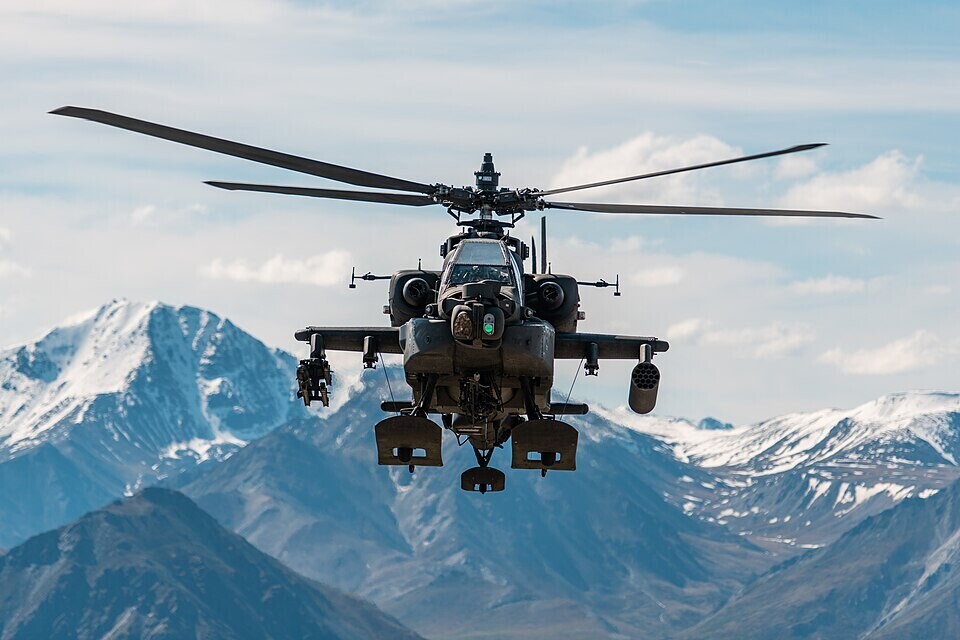
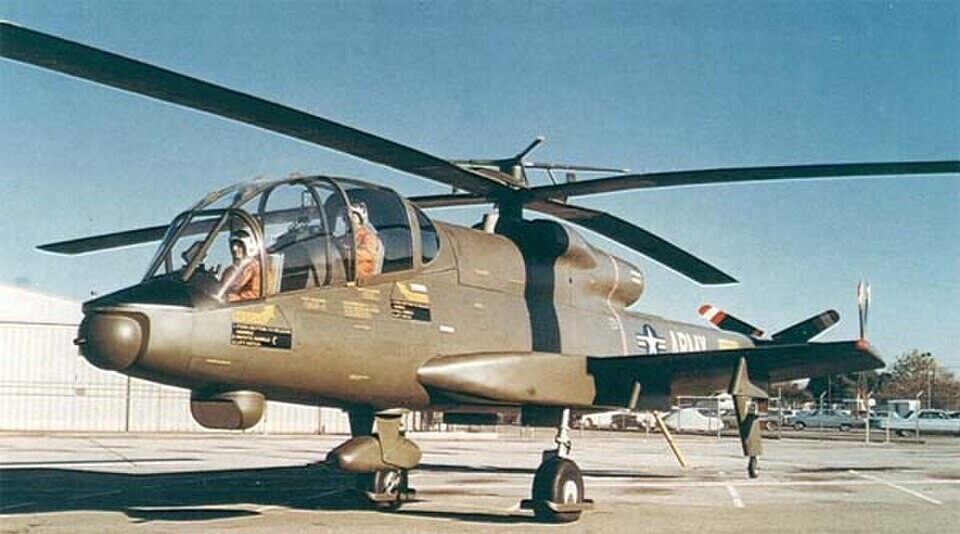
In 1911, Boris Yuryev first published the classic helicopter configuration, and nearly 30 years later, in 1939, Igor Ivanovich Sikorsky built the first prototype of a classically configured helicopter — the VS-300. This configuration went on to become the most widespread design in the world.
The classic configuration features one main rotor and one tail rotor. The main rotor provides lift, while the tail rotor, located at the tail, generates an additional force that counteracts the reactive torque. This design gained popularity due to its simplicity and reliability.
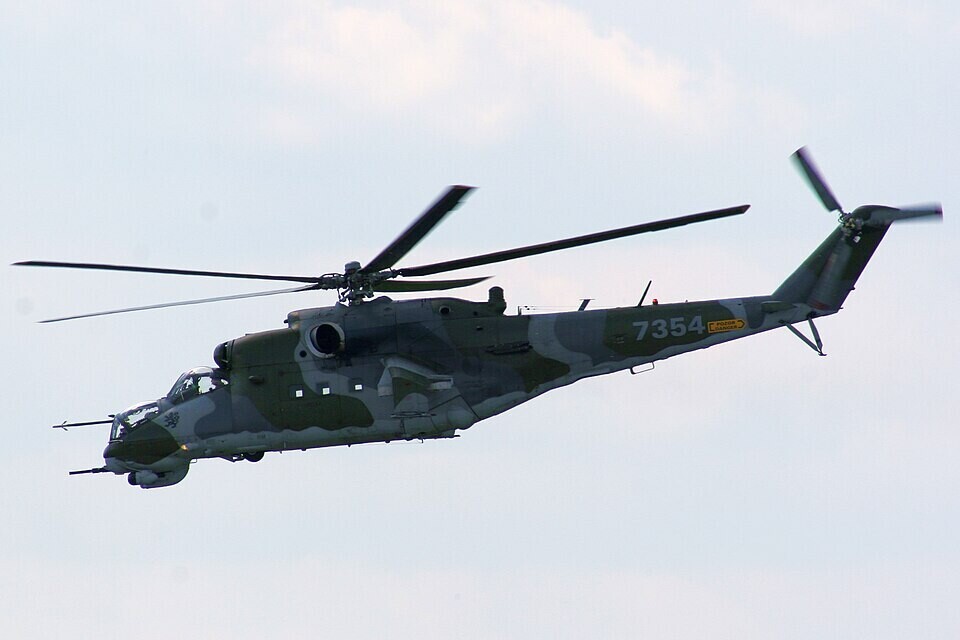
Helicopters of this configuration are produced by various companies and are widely used in both civil and military aviation. Among the advantages of this design are the simplicity of its control systems and high efficiency. However, its main advantage, which sets it apart from other configurations, is its wide scalability: this layout can be used to build both very small helicopters and fairly large ones.
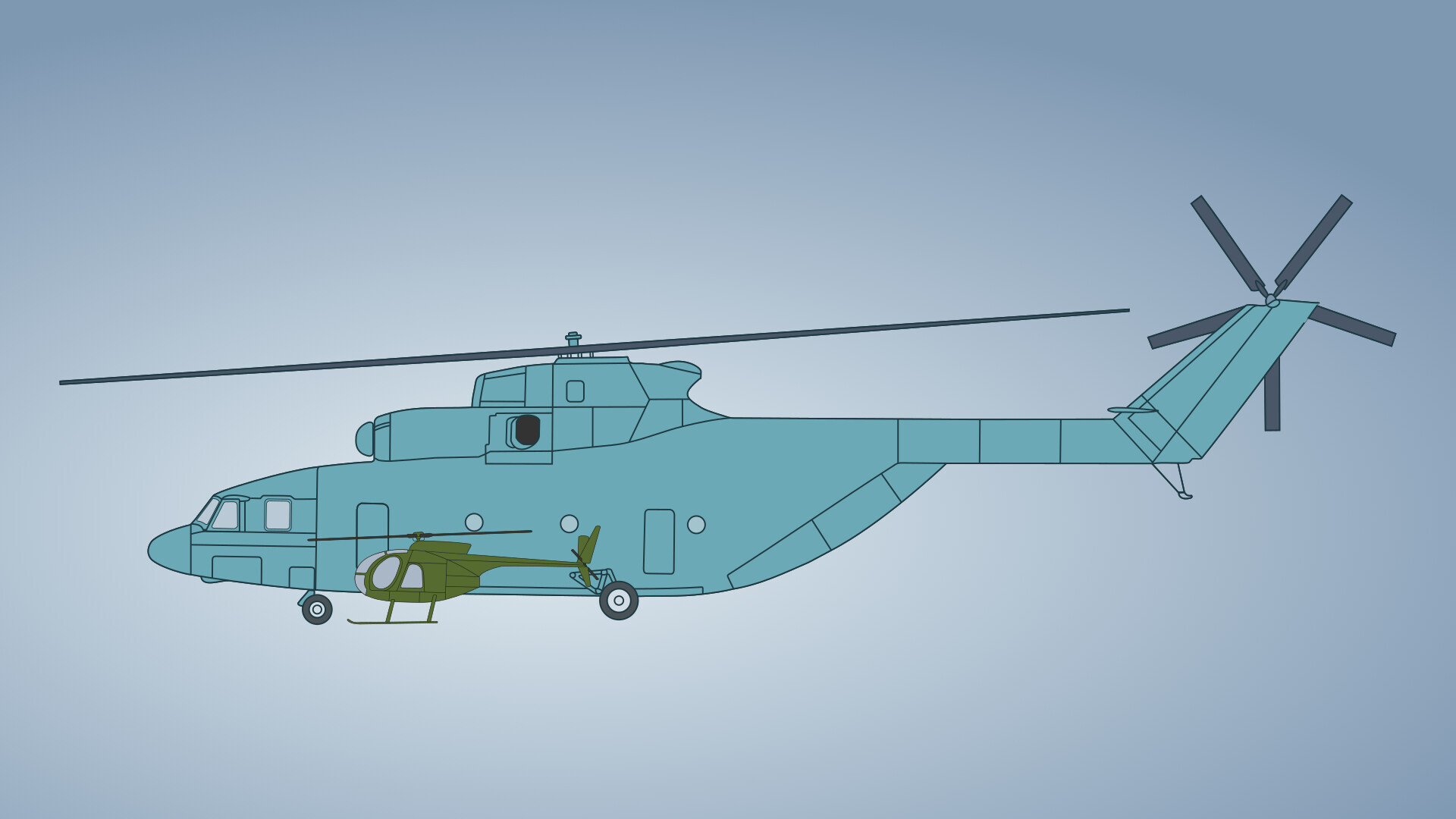
The disadvantages include the high risk of injury posed by the tail rotor (since the 1960s, over 50% of non-combat personnel losses have been linked to people coming into contact with the blades), as well as an increased risk of vortex ring state.
Vortex ring state occurs when the airflow passing down through the rotor curls outward, rises, gets drawn back inward, and descends again. This recirculation cancels out a large portion of the lift. If vortex ring state develops on the main rotor, it leads to a sudden sinking of the helicopter, and if it forms on the tail rotor — to a loss of directional control and uncontrolled spinning.
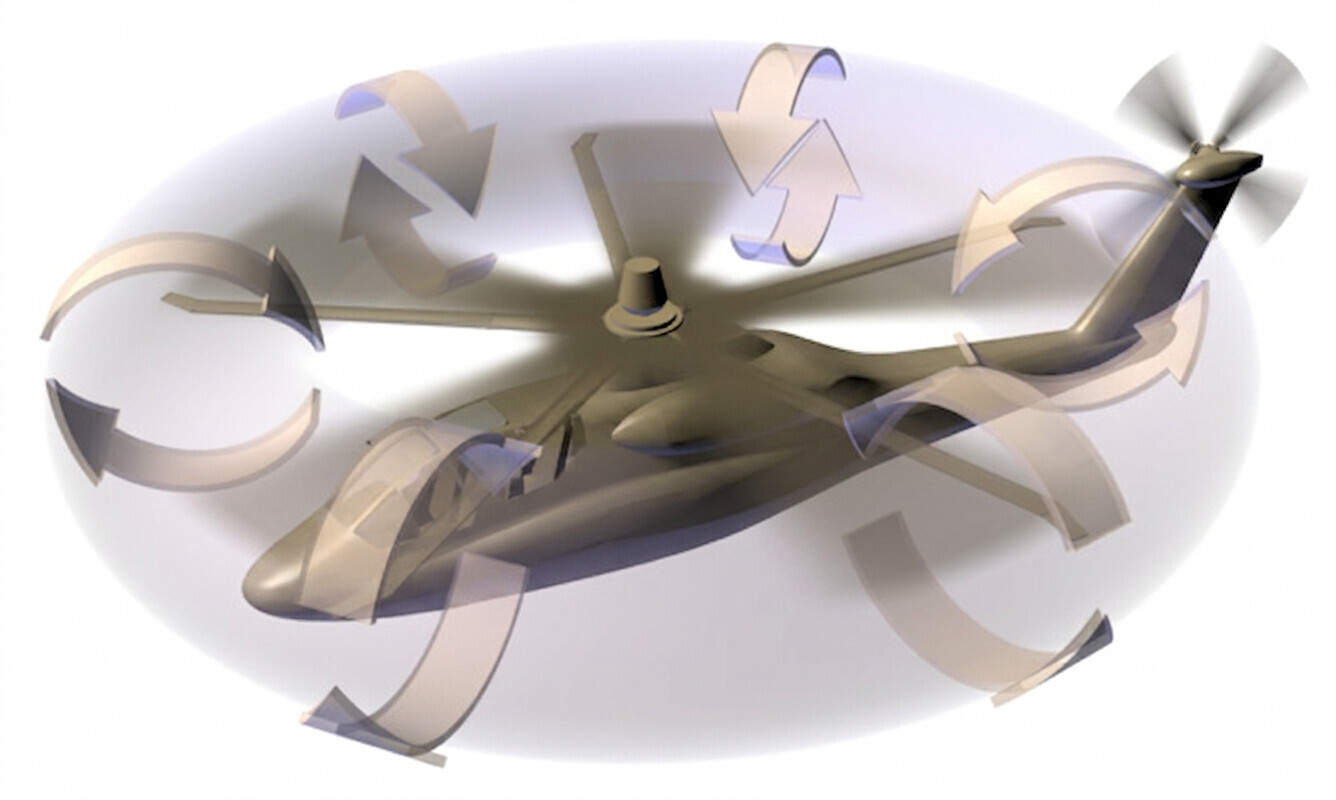
Vortex ring state of the tail rotor can only occur in a helicopter with a classic configuration. It is far more dangerous than vortex ring state of the main rotor, as the phenomenon arises suddenly, disorients the pilot, and is much harder to recover from.
From 2008 to 2021, main rotor vortex ring state caused 48 accidents, while tail rotor vortex ring state caused an estimated 60 to 70 accidents.
All other aerodynamic configurations see far less use, and their production is largely limited to one or a few companies.
Single-rotor with fantail
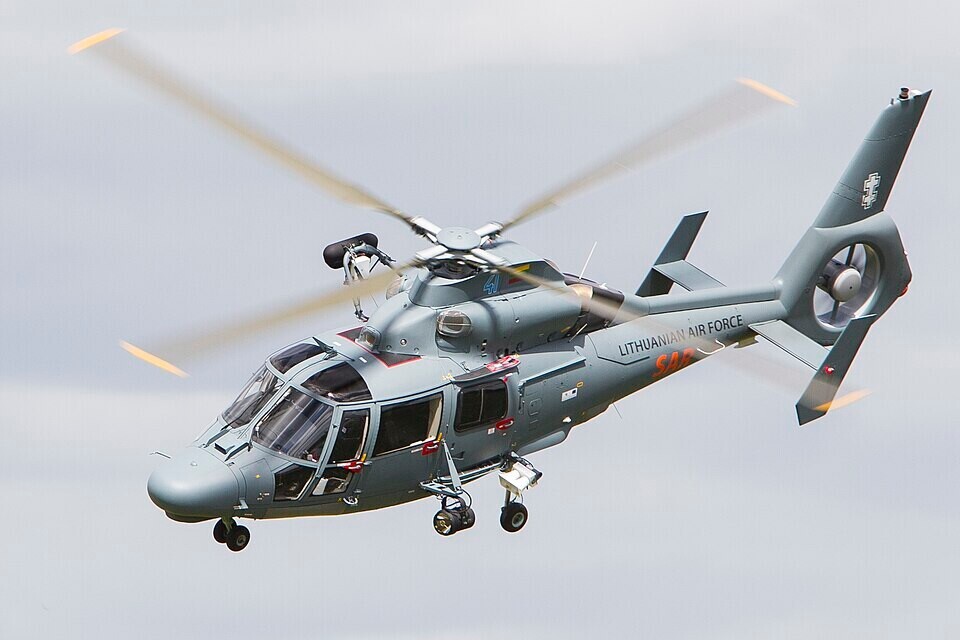
The second most popular configuration is a helicopter with a tail rotor enclosed in a ducted fan. This assembly is called a “fantail”. The principle of reactive torque compensation is the same as in the classic configuration: the tail rotor generates thrust to prevent the helicopter from spinning uncontrollably.
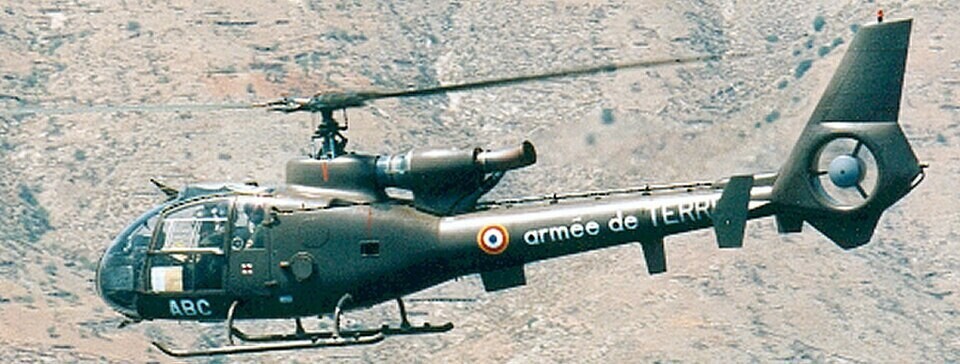
A helicopter with this configuration has lower aerodynamic drag and a lighter transmission. The fenestron solves two major problems inherent in the classic layout at once. First, the risk of vortex ring state occurring on the tail rotor is virtually eliminated; second, the probability of personnel being injured by the tail rotor blades is significantly reduced. This design makes helicopter operation safer; however, the price to pay is a more complex construction. Due to the specific placement of the rotor, the helicopter may exhibit a tendency to roll in hover and to sideslip in forward flight.
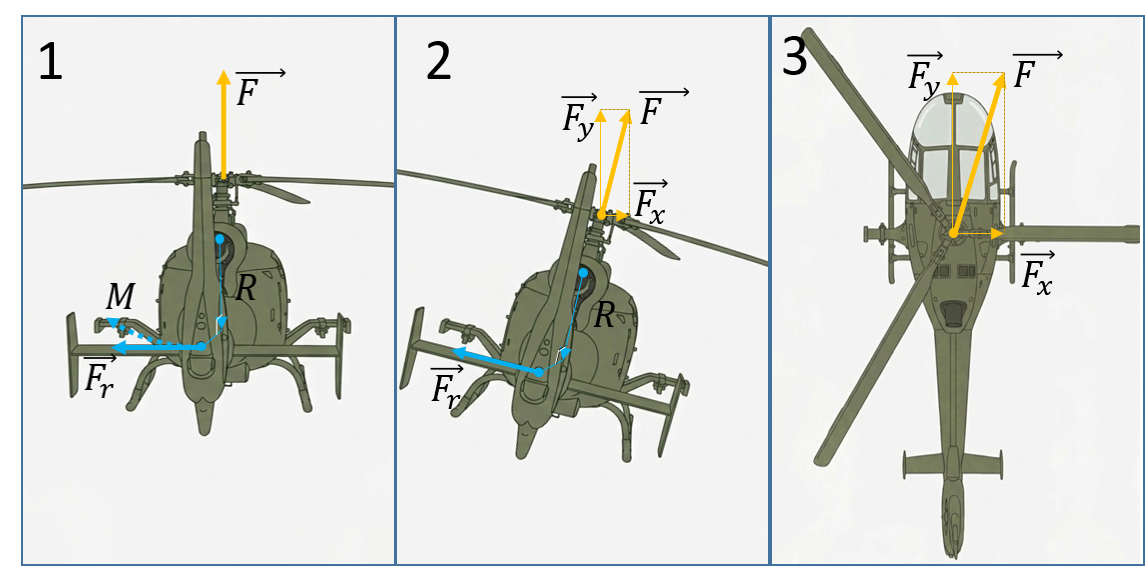
2. This torque causes the helicopter to roll, tilting the rotor’s thrust vector away from the vertical. The thrust vector can then be resolved into two components: one directed upward, providing lift, and the other directed sideways.
3. It is this sideways component that causes sideslip during forward flight, meaning the helicopter will not track straight ahead but will drift slightly to the side.
This effect has to be mitigated either through design modifications or by constant correction from the pilot or autopilot. Icing is also extremely dangerous for this system, as any ice that gets into the duct will inevitably damage the rotor.
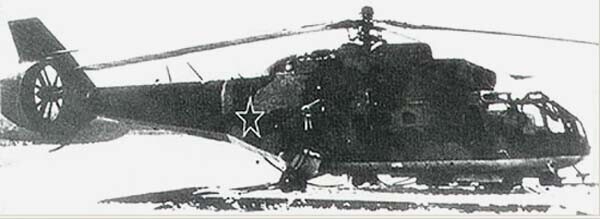
The first helicopter to feature a fantail was the French Gazelle SA340, built by the company Aérospatiale. Combat variants of this helicopter — the SA341 Gazelle — appeared later. Production of helicopters with this configuration has also been established in China: the Z-9 was developed from the French AS365 Dauphin, and the Z-19 attack helicopter was later derived from it. Additionally, the fantail was used on the American experimental stealth helicopter RAH-66. There was even an attempt to apply it to the Soviet attack helicopter Mi-24A (the Mi-24L project), but testing showed the low efficiency of such a solution for a heavy machine.
Single-rotor with jet reactive torque compensation (NOTAR)
The creators of the NOTAR system (No Tail Rotor), one of whose leading designers was Robert J. Huston, decided to eliminate the tail rotor altogether. In this configuration, the reactive torque is counteracted by an air jet exiting slots in the tail boom, while yaw control is achieved by a rotating nozzle at the end of the boom.
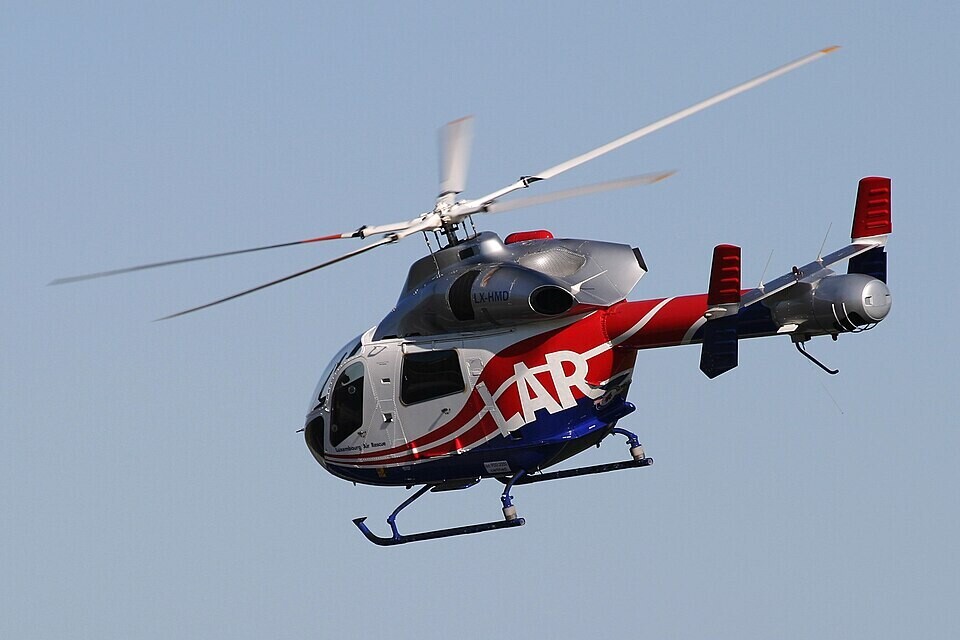
Thanks to the Coandă effect, the airflow clings to the tail boom, creating a low-pressure area on one side. The aerodynamic force generated by this pressure difference counteracts the main rotor’s reactive torque.
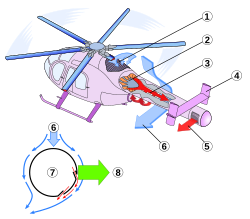
This configuration is considered the safest, as the number of external moving parts is kept to a minimum. It features low transmission weight and a very low noise level. However, its main drawback is its lower efficiency compared to other configurations: up to 30% of engine power can be consumed by the fan that generates the air jet.
Helicopters equipped with the NOTAR system were developed and produced by the American company McDonnell Douglas, which had previously acquired Hughes Helicopters.
Contra-rotating
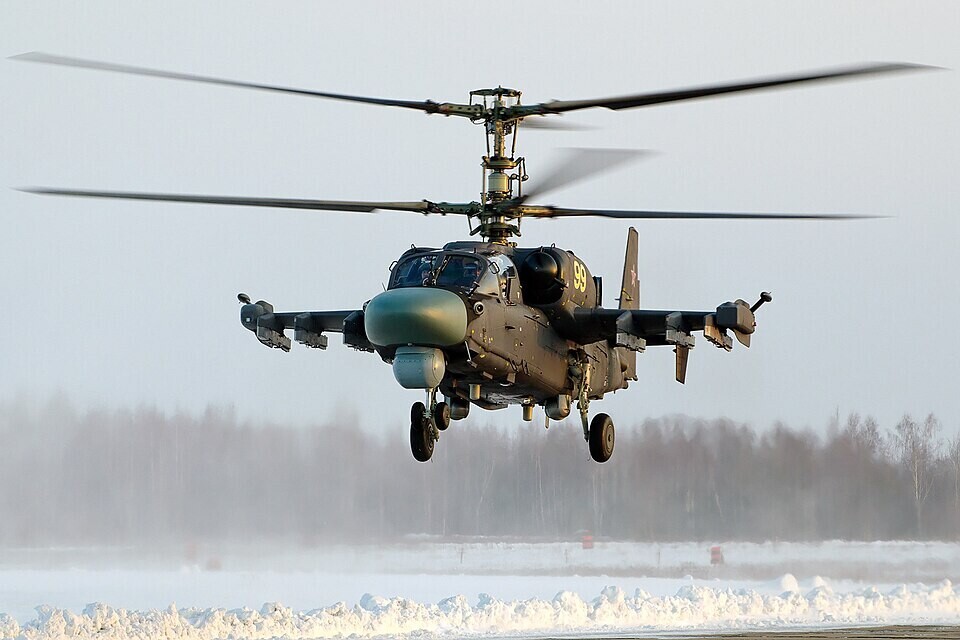
The reactive torque of the main rotor can be counteracted by a second main rotor rotating in the opposite direction, eliminating the need for a tail rotor or other compensation systems.
The first attempts to create a coaxial configuration were made by Igor Sikorsky in 1910–1911. However, at that time, the necessary scientific foundation and sufficiently powerful engines were lacking. A truly viable coaxial design was achieved by Nikolai Kamov. In 1948, the Ka-8 — the first fully functional helicopter of this configuration — made its debut.
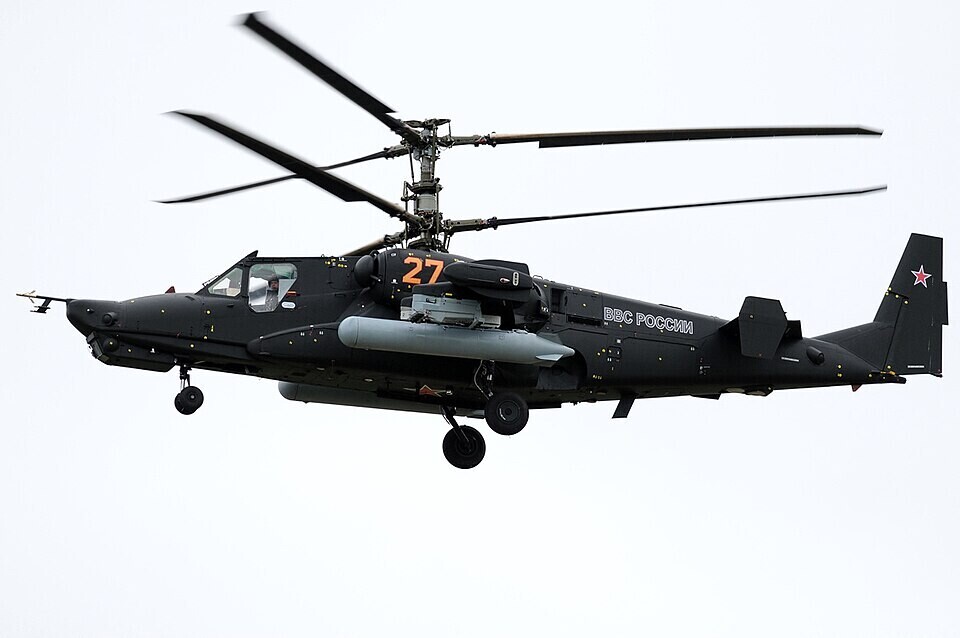
This configuration significantly increases the survivability of a combat helicopter. The weak point of any single-rotor helicopter is the tail boom: even minor damage can lead to structural failure and a crash. Helicopters with a coaxial rotor system are free of this drawback. Moreover, their transmission is more compact, and the tail boom is shortened, which reduces the likelihood of being hit by fragmentation. This layout reduces the helicopter’s overall dimensions and makes it more maneuverable. Helicopters of this configuration are insensitive to crosswinds and have a high weight efficiency (>50%), which has led to their widespread use in naval and army aviation.
However, the drag of the rotor column is equal to the drag of the helicopter itself; the design and manufacture of the transmission are extremely complex; and the blades of the upper and lower rotors can strike each other. Due to the risk of blade collision, this configuration cannot be used for heavy helicopters (the Ka-32 comes closest to the technological limit of this design). A further increase in mass would require an increase in the diameter of the main rotors, which would significantly raise the risk of their blades striking.
Such helicopters were serially produced in the USSR and Russia, including the Ka-29, Ka-50, and Ka-52, all developed by the Kamov Design Bureau.
Tandem twin-rotor
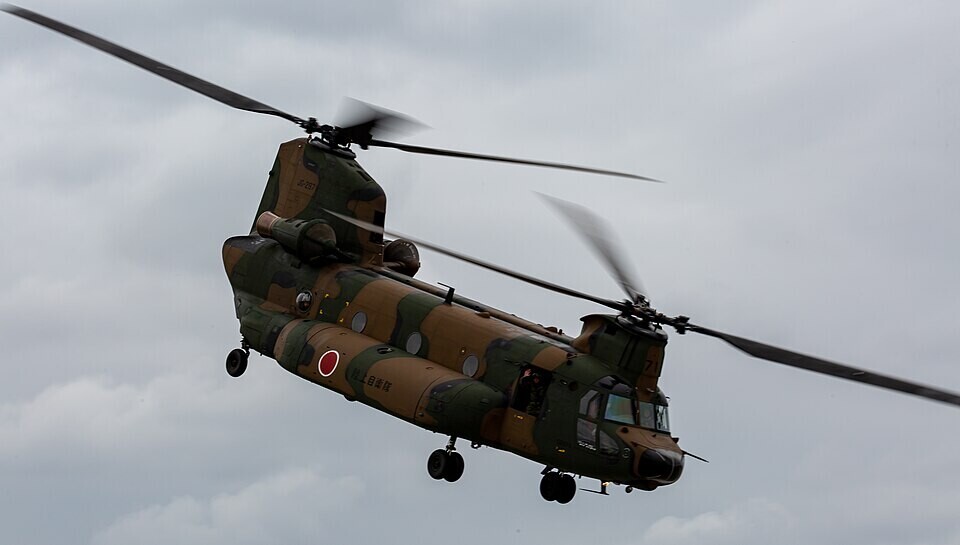
In this configuration, the main rotors are positioned one behind the other and, typically, at different heights.
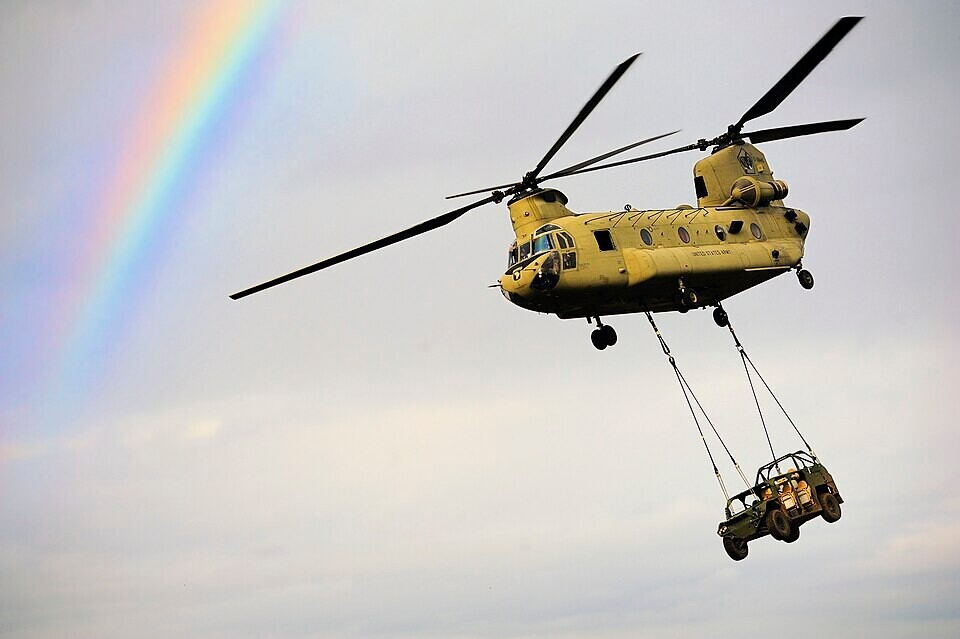
The main advantages of this configuration are a spacious cargo compartment and a very wide center-of-gravity range compared to other helicopters. It is no surprise that one of the most famous helicopters of this layout — the Boeing CH-47 Chinook — is a transport helicopter.
However, with this configuration, performing an autorotation landing is extremely difficult, and the fuselage is constantly subjected to bending stresses caused by the reactive torques of the two rotors.
Transverse twin-rotor
In this configuration, the main rotors are positioned on opposite sides of the fuselage, mounted at the ends of special wings or trusses.
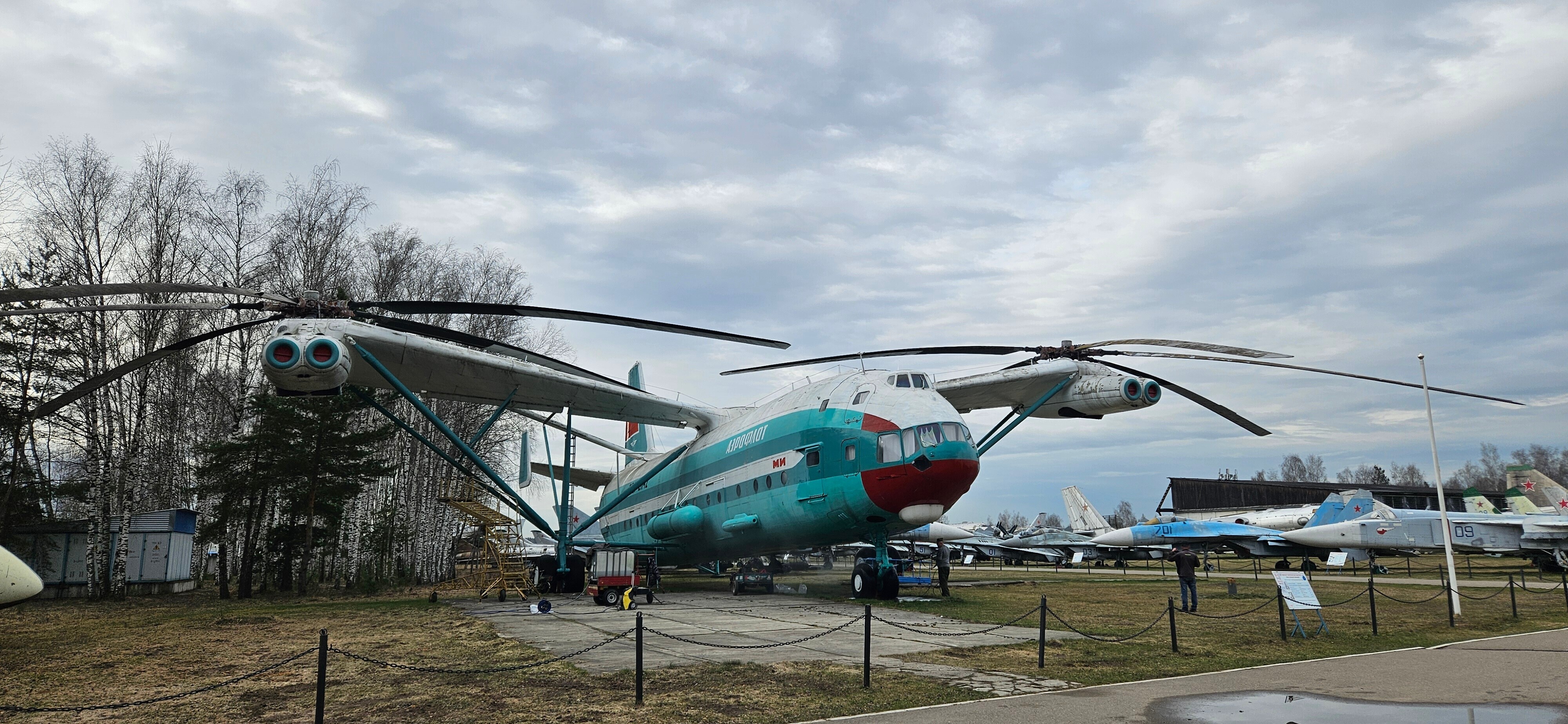
In this type of helicopter, almost the entire fuselage volume is usable, and roll control is highly effective. Because the main rotors are positioned away from the fuselage, vibrations inside the helicopter are significantly less noticeable. An additional advantage is the presence of a wing, which generates lift at high speeds, offloading the rotors.
However, a drawback of this configuration is considerable aerodynamic drag and a complex transmission and control system. Furthermore, the wings increase the helicopter’s overall dimensions, making basing and storage more difficult.
One notable example of this configuration is the Mi-12.
The Mi-12 was the largest helicopter ever built. In 1969, it lifted a load of over 40 tons to a height of 2,250 meters — a record that still stands today.
Synchropter
This configuration was invented by Anton Flettner in Germany in the late 1930s. The first mass-produced helicopter of this layout was the Flettner Fl 282 “Kolibri” (Hummingbird).
In this type of helicopter, the main rotor blades intermesh, and the rotor shafts are angled outward, resembling the Latin letter “V”. The rotation of the rotors is synchronized by the transmission, ensuring that the blades pass through the common zones at different times and do not collide.
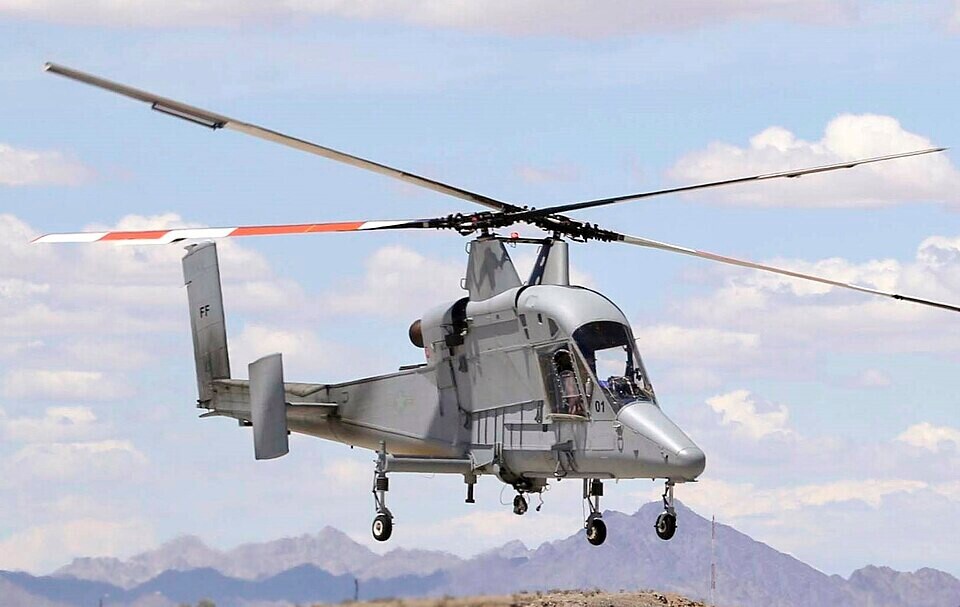
The advantages of this configuration include high hover stability and a large lifting capacity for its compact size. Control in hover and at low speeds is considered simpler than in other types of helicopters. However, this comes at the cost of a complex intermeshing shaft assembly.
Currently, the Kaman K-MAX helicopter is produced in this configuration and is widely used for transporting heavy loads on an external sling.
With an empty weight of 2,178 kg and a payload capacity of 2,720 kg, the K-MAX can lift a load heavier than its own weight.
Compound configuration
In some cases, additional propulsion systems are added to a helicopter to improve certain characteristics. One such example is the Lockheed AH-56A Cheyenne, which added a pusher propeller to the classic layout to increase its maximum speed, along with a larger wing.
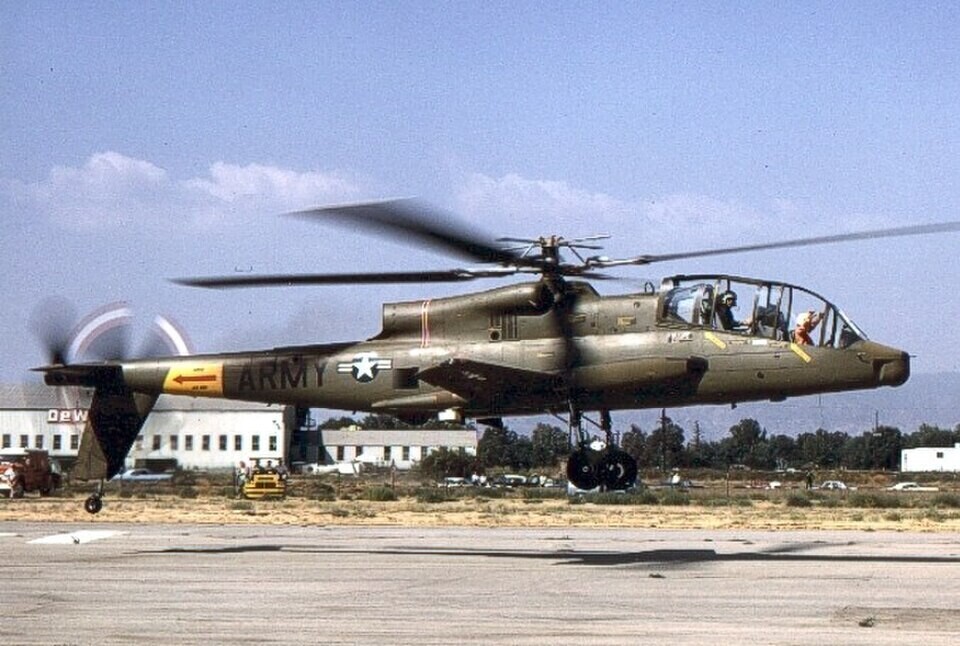
Thanks to this design, the main rotor is offloaded at high speeds — the wing generates the lift — while the pusher propeller ensures high horizontal velocity.
The AH-56A could accelerate to 405 km/h at an altitude of 1,000 m, but the world speed record belongs to the hybrid helicopter Eurocopter X3, which was able to reach 472 km/h in level flight.
Translation produced with the author’s permission: original article (RU).