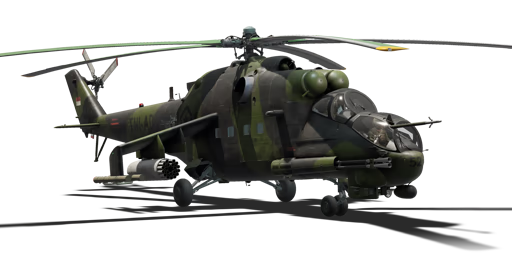
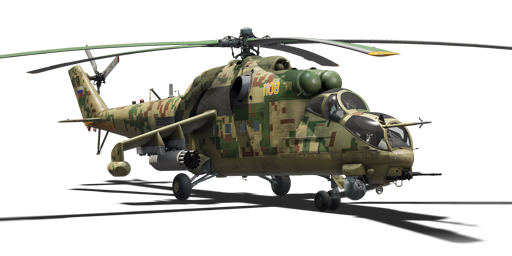
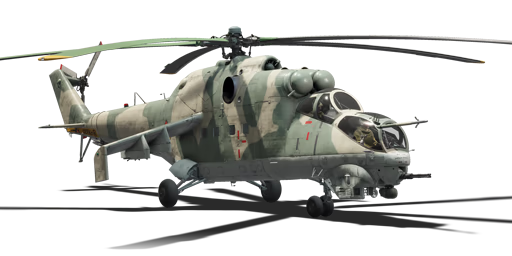
Mi-24 / Mi-35
The Mil Mi-24, nicknamed the Crocodile (Krokodil) within the Warsaw Pact, but more commonly known by its NATO reporting name, Hind, is an attack helicopter with the added capability of transporting troops. It was the Soviet Union's (and later Russia's) first dedicated attack helicopter and the second purpose-built attack helicopter in the world after the AH-1 "Cobra". Although designed during the late 1960s and entering production in 1969, the Mi-24 proved itself through decades of service. With numerous variants, upgrades, and export models, it remains the second most widely operated attack helicopter in the world after the AH-64 "Apache".
The first production model was the Mi-24A, introduced in 1969. It featured a side-by-side cockpit, a pintle-mounted 12.7 mm A-12.7 machine gun operated by the gunner, and the ability to fire the 9M17 Falanga ATGM. The Mi-24A also served as the basis for the Mi-24U training variant, while further development continued through the experimental Mi-24B prototype.
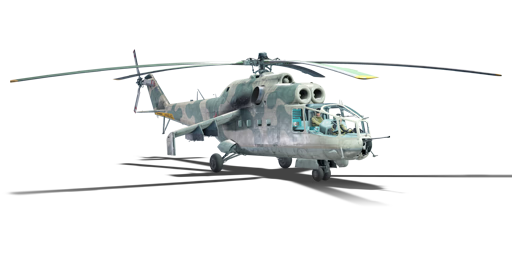
The first fully mature production model was the Mi-24D, which entered production in 1973. Incorporating lessons learned during the Mi-24B's development, it featured a completely redesigned tandem cockpit and nose section, improved armour protection, and a turret-mounted four-barrel YakB-12.7 rotary machine gun.
The Mi-24V, introduced in 1976, further improved the helicopter with the newer 9M114 Shturm ATGMs, enhanced missile guidance, more powerful engines, updated avionics, and improved survivability. It also became the most-produced variant of the Mi-24 family.
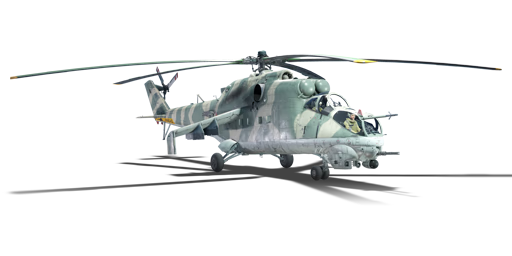
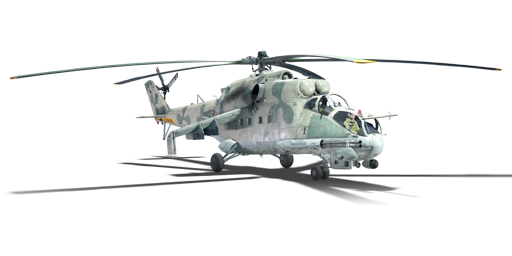
Following combat experience during the Soviet–Afghan War, the Mi-24P was introduced in 1981. Battlefield experience demonstrated that the YakB-12.7 lacked both accuracy and destructive power, leading to its replacement with a fixed, starboard-mounted GSh-30K twin-barrel 30 mm cannon. It also received an improved ballistic computer and served as the basis for improved countermeasures. Later developments, such as the Mi-24VP, reintroduced a chin-mounted turret armed with the GSh-23L twin-barrel 23 mm cannon. The Mi-24P represented the last major production variant developed before the dissolution of the Soviet Union.
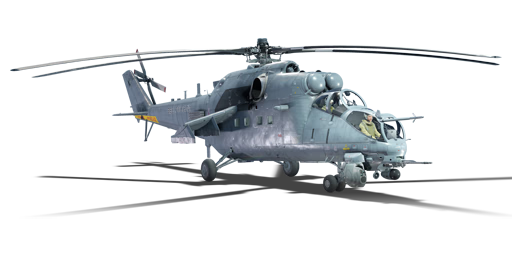
For export, the standard Soviet variants were typically redesignated and fitted with simplified avionics, communications equipment, and identification systems. The Mi-25 was the export version of the Mi-24D, the Mi-35 of the Mi-24V, and the Mi-35P of the Mi-24P. Additional export subvariants were produced to meet specific customer requirements, while several modernised Mi-24 and Mi-35 variants continue to be developed and operated today.

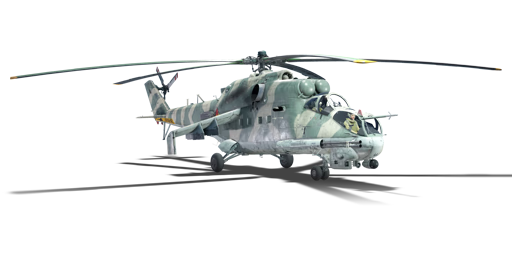


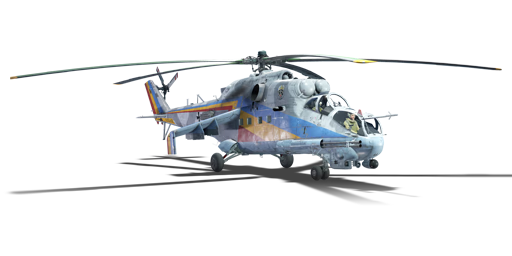
 ◄Mi-24P HFS 80

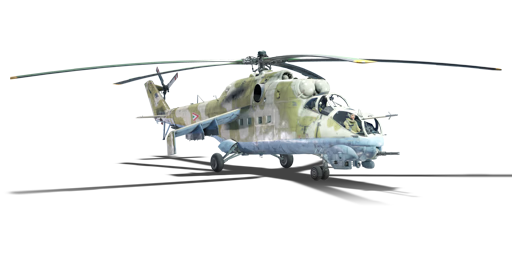

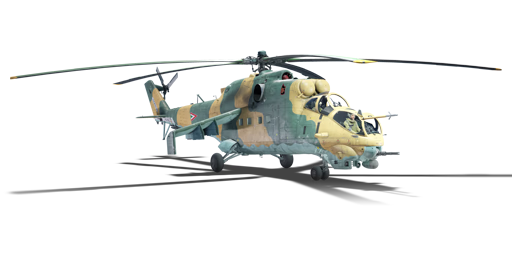
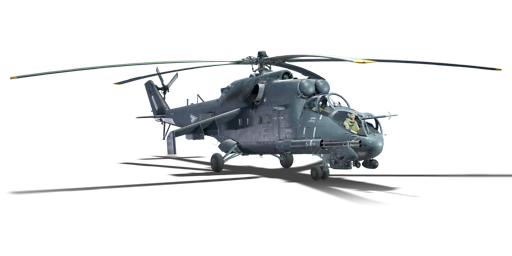 ◔Mi-24P




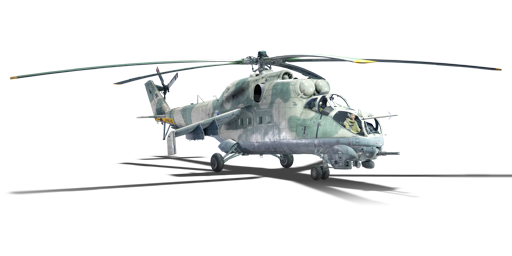 ▂Mi-24D

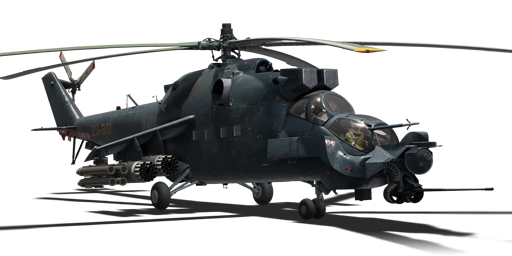


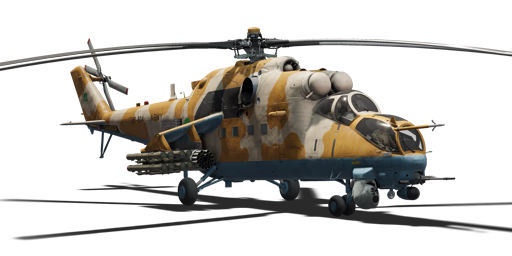 ▄Mi-35M