The Garford was a Russian armored car with a 76 mm cannon that saw service in World War I. It was very different from the armored cars of the era, which were typically light vehicles armed with machine guns. The Garford entered service a year before the British Mk. I, and despite its underpowered engine and poor weight distribution, it was popular with crews and effective in combat.
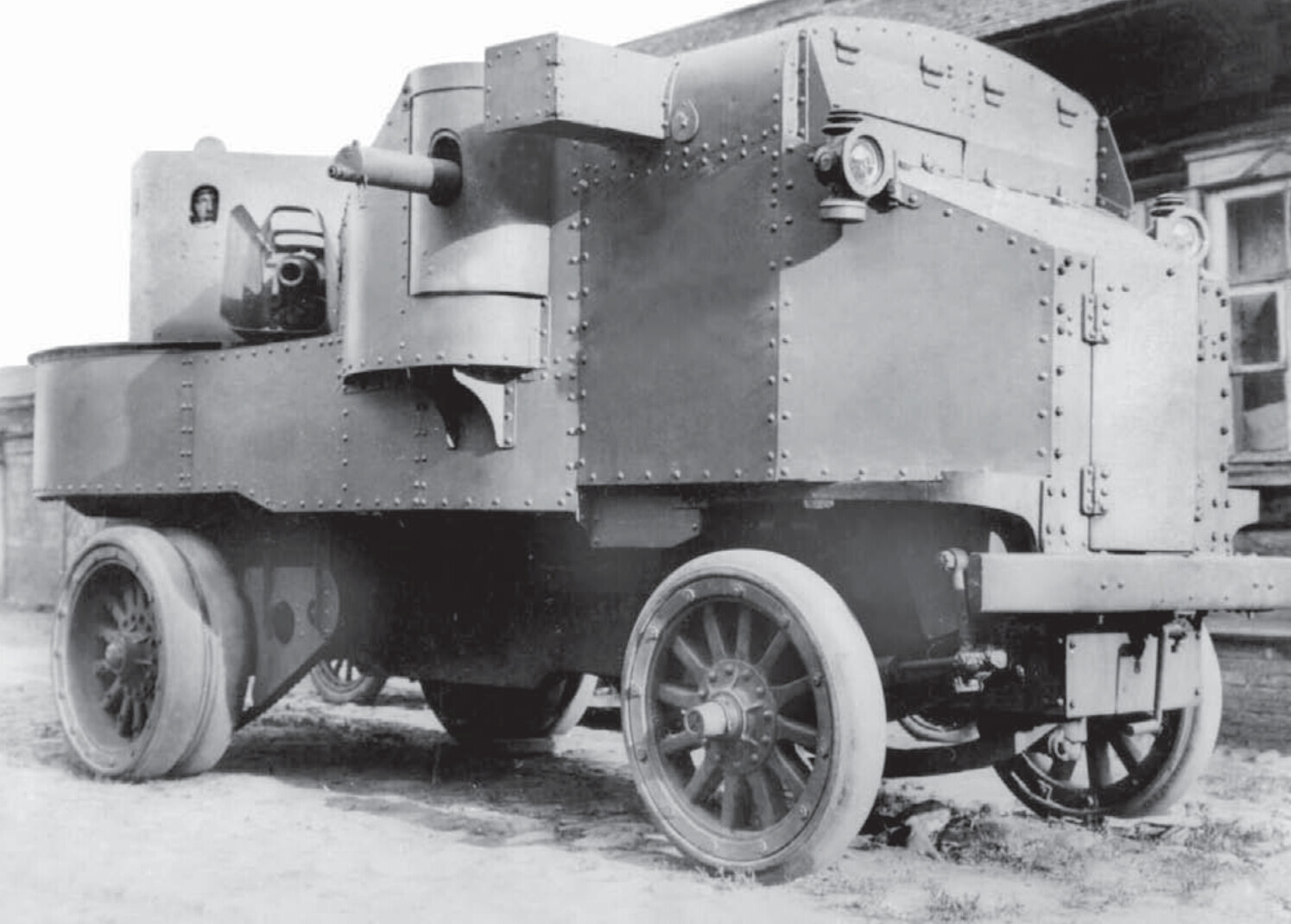
This article focuses on the Garford’s development and service in the Russian Army and Navy. Its service in the Russian Civil War and other countries will be covered in a separate article.
All dates are given in the Gregorian calendar, despite Russia using the Julian calendar at the time.
Birth of the idea
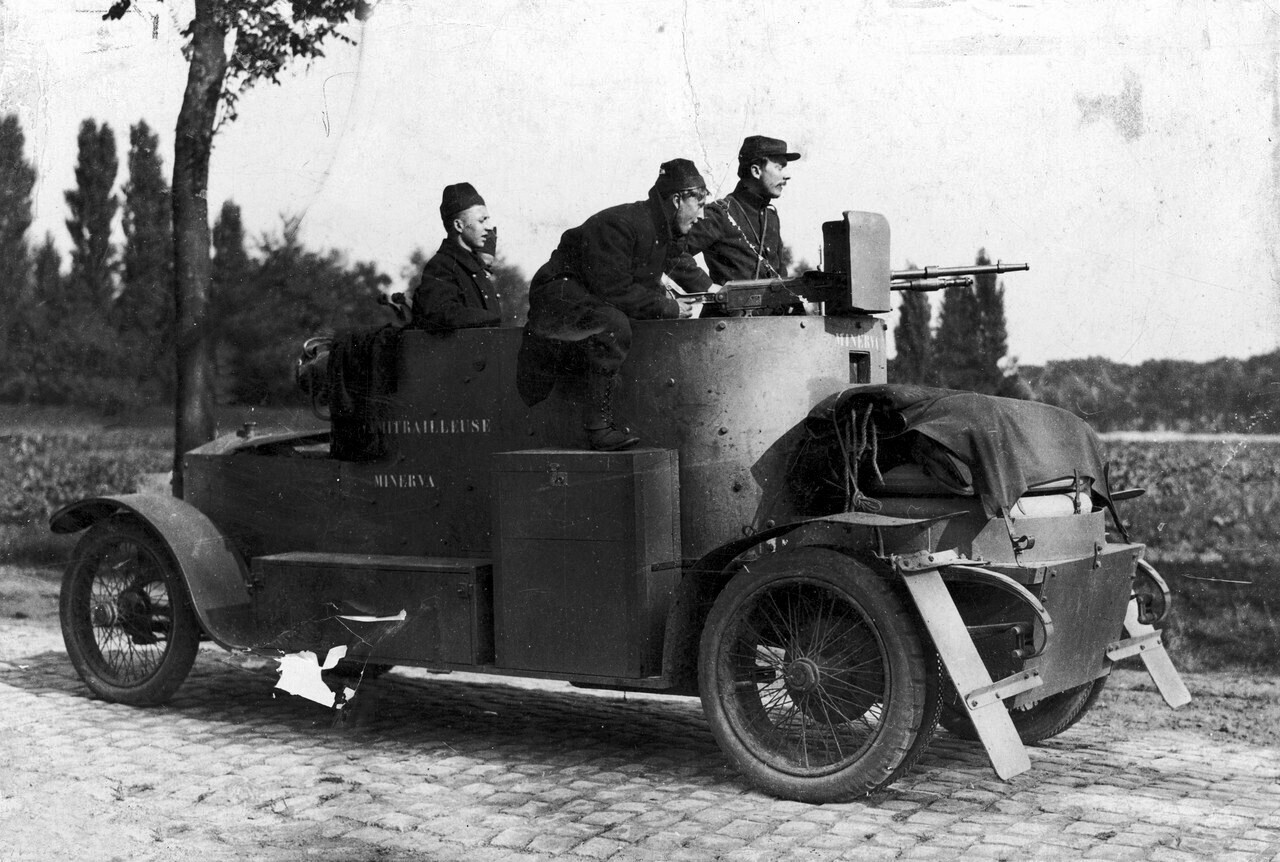
Despite the abundance of prototypes proposed even before the war, no army had armored vehicles in service at the outbreak of World War I. However, as the conflict intensified, the concept of a mobile vehicle armed with machine guns became highly appealing. In August 1914, the Belgians used Minerva armored cars with Hotchkiss machine guns in combat, becoming the first nation to do so. Following their successful deployment, the Belgian Army began mass-producing armored vehicles. These vehicles were initially armed with 8 mm machine guns, but much later in the war received 37 mm Puteaux cannons. Before Antwerp was captured by the Germans, the Belgians managed to produce and deploy 30 such vehicles.
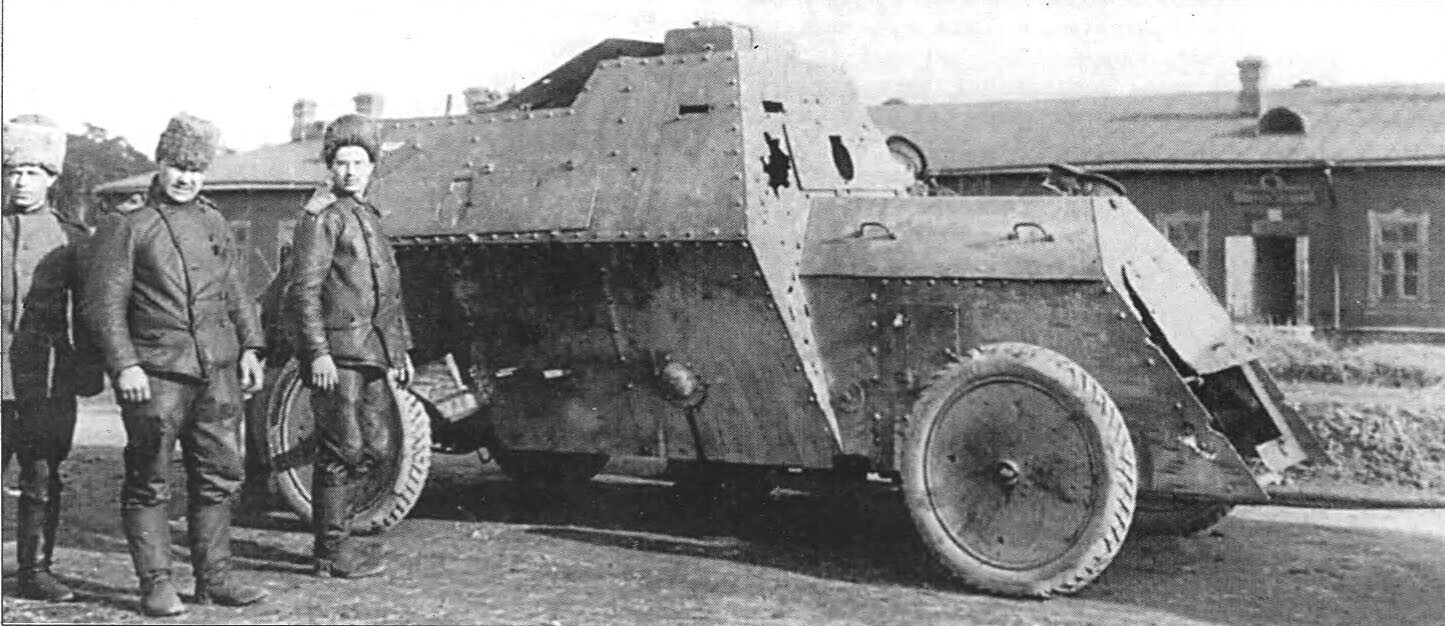
In addition to the Belgians, the Canadians and the French formed their own motorized machine gun brigades. On September 1, the Russians decided to follow suit by ordering the formation of a motorized mobile battery. By early October, the Izhora Plant had prepared eight Russo-Balt armored machine gun vehicles and produced the Mannesmann-Mulag armored vehicle, which was equipped with a 47 mm gun. Additionally, two unarmored trucks with 37 mm cannons were built. On November 2, a motorized machine gun company was sent to Warsaw. In addition to their own vehicles, the Russians purchased 48 British Austins, which they later used to equip eight motorized machine gun platoons.
In October, Major General Nikolai Mikhailovich Filatov was brought in to help equip the Russian Army with armored vehicles. He was tasked with designing an armored car equipped with a cannon.
Development of a new vehicle
Garford for the Army
The first major issue for Filatov was selecting the artillery to mount on the new vehicle. In November, various guns were tested at his suggestion: the 37 mm Maxim-Nordenfelt automatic gun, the 47 mm Hotchkiss naval gun, the 57 mm Nordenfelt fortress gun, and three 76 mm caliber guns, including two obr. 1904 mountain guns and one obr. 1910 anti-assault gun.
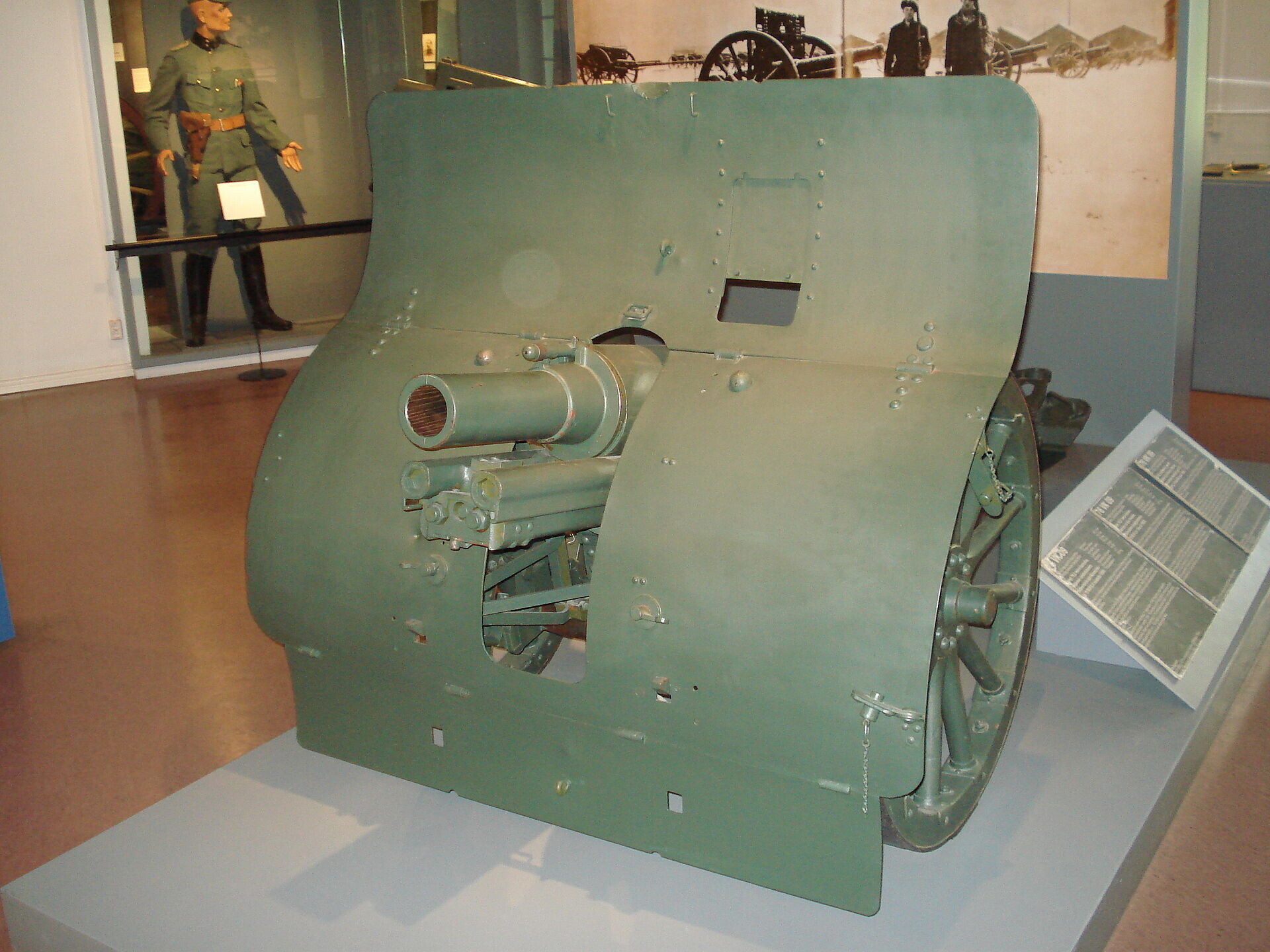
The 37 mm gun was deemed unsatisfactory due to its limited firepower, weight, and the large number of rounds required. The 47 mm gun was also deemed unsatisfactory due to its limited power. The 57 mm gun was not significantly more powerful than the 47 mm gun, and it was said to put too much strain on the chassis when fired. The 76 mm mountain guns overloaded the chassis and were more expensive than the lighter 76 mm anti-assault gun alternative. Consequently, the latter was chosen for installation on the future armored vehicle.
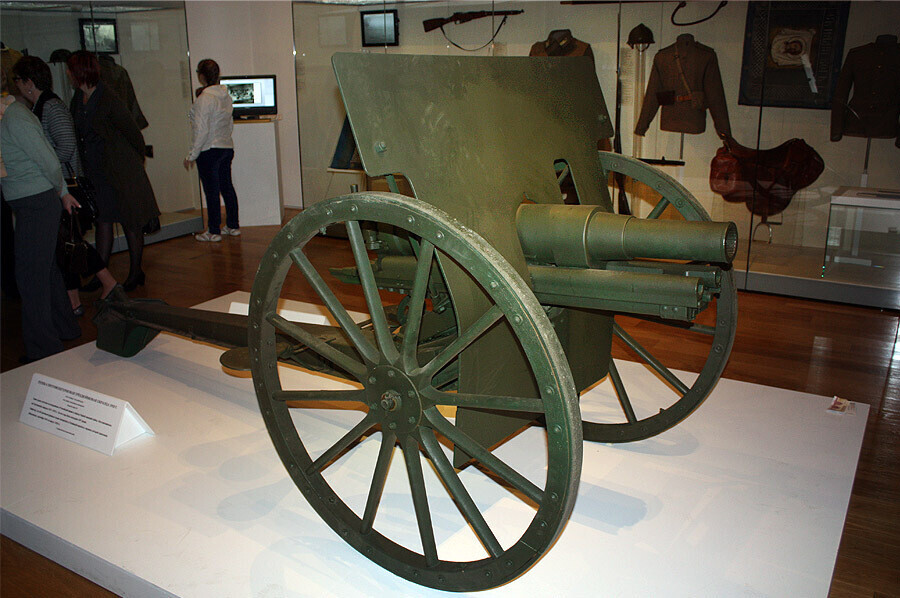
On December 8, the management of the Putilov Plant was asked to produce 30 armored vehicles equipped with 76 mm anti-assault guns. After Filatov provided further details about the vehicle during subsequent negotiations, it was decided that the 5-ton Garford truck chassis would be used. Installation on 2-3-ton trucks was deemed impossible due to the high weight. The plant had the design ready by the end of the month.
In addition to the primary 76 mm anti-assault gun, the armament was supplemented with two 7.62 mm Maxim machine guns. The gun itself was modified by shortening the recoil system to compensate for the use of more powerful 76 mm shells.
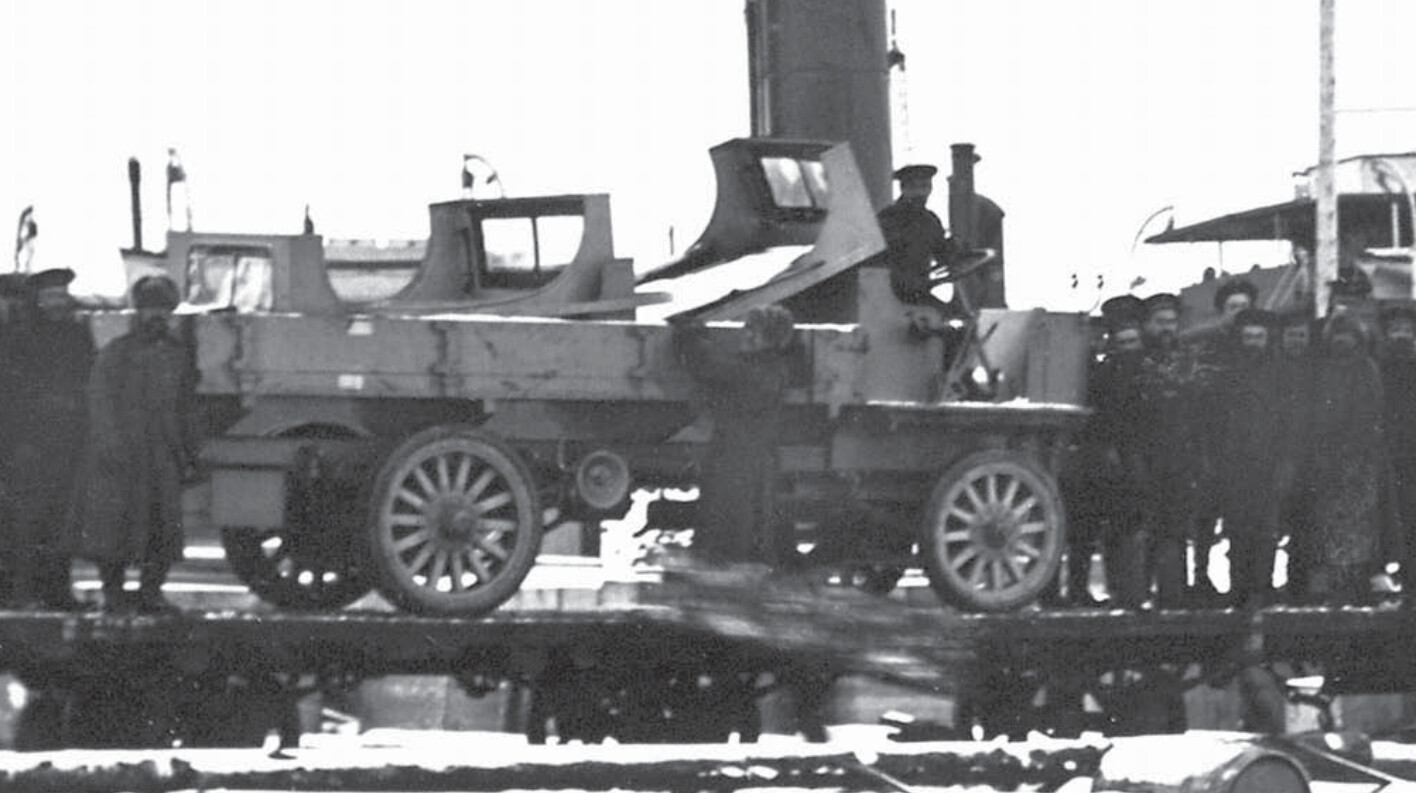
In early January 1915, the factory produced a full-scale model of the future armored car. The model was presented to an army commission at that time. The commission was generally pleased with the vehicle but requested several modifications. For example, a rear-view mirror was installed for the driver, and the anti-assault gun mount was reinforced.
After implementing these changes, the factory set a preliminary price of 9,950 rubles per vehicle, not including the gun, sights, or machine guns. The deadline for fulfilling the order was April 14, 1915. However, by the time the contract was signed in February, the costs had increased, and the price per unit was 19,800 rubles. This was due in part to certain modifications. For example, the hull design was altered, a third machine gun was added, and the number of observation hatches was reduced.
Additional improvements were made to the vehicle during production. For example, the truck chassis was not designed to support such a heavy load, so the designers reinforced the front and rear springs. A reverse clutch had to be developed to enable faster reverse movement due to the planned rear placement of the gun, for which specialists from the Military Automotive School were brought in.
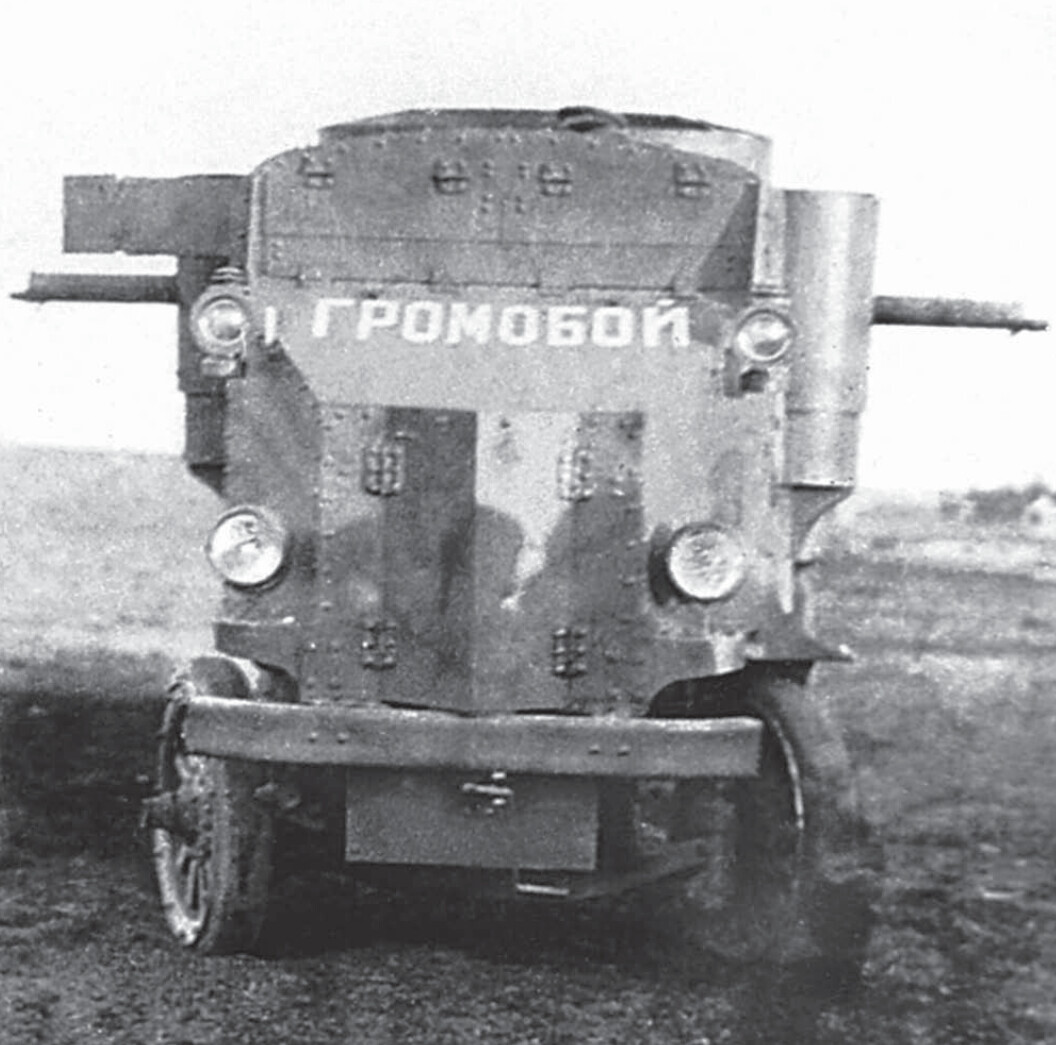
The development of the clutch was a difficult and lengthy process. The factory itself had difficulty receiving components on time from private contractors, who were often late and supplied substandard parts.
The first two Garfords were ready on May 6, which was half a month later than the planned completion date for the entire order. The last six vehicles were only finished in October. After the final armored car was built, a recalculation showed that the cost of each vehicle was 22,885 rubles.
Garford for the Navy
Initially, the Russian Imperial Navy did not consider adopting an armored car into its service. The Navy only wanted to install retractable turrets to defend the Fortress of Emperor Peter the Great. However, developing such turrets was always difficult and expensive, so by the deadline, no designs had been submitted. The decision was made to replace the 18 turrets with four 76 mm anti-assault guns and four field guns.
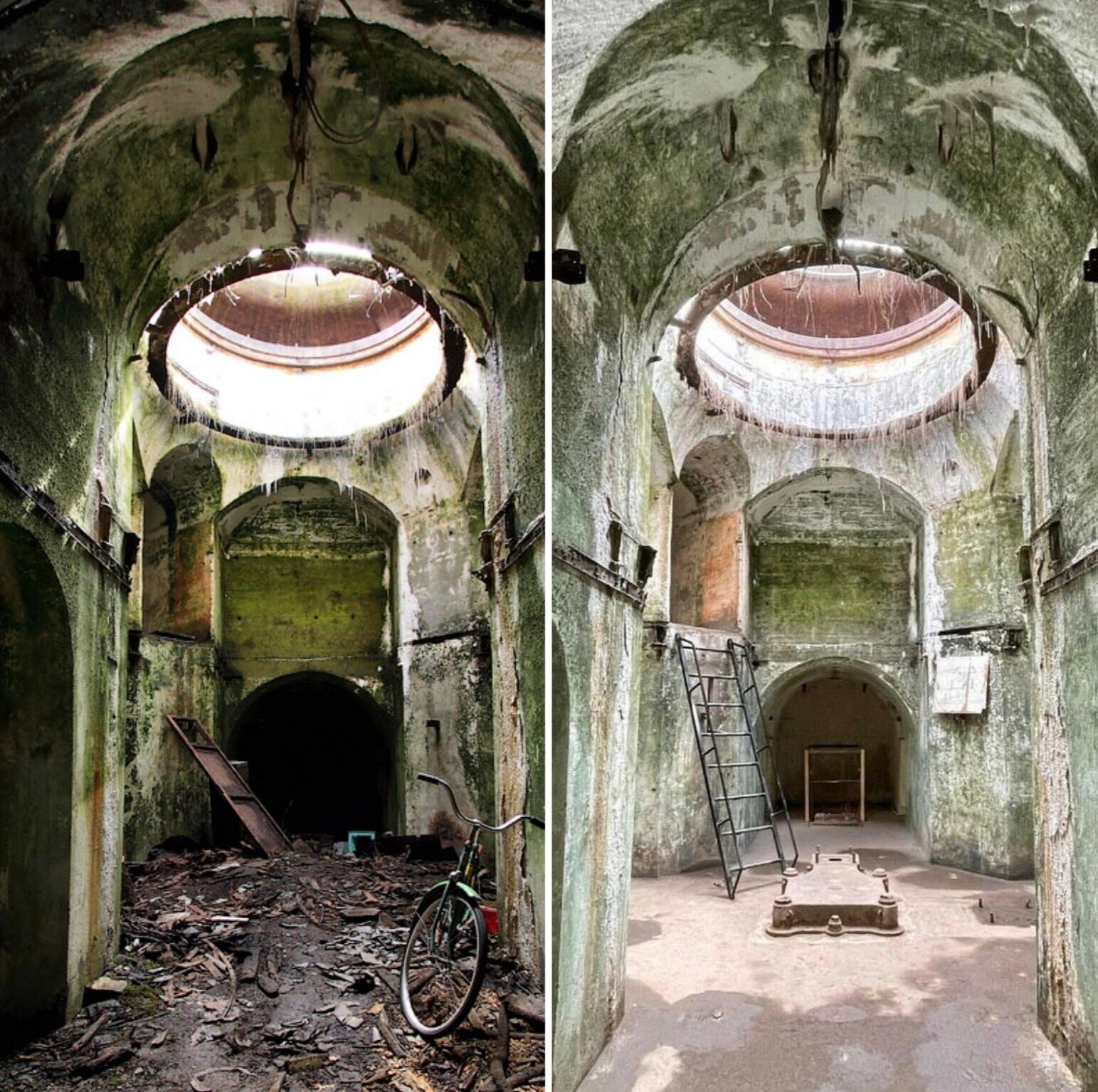
At a meeting of the Naval Commission on January 20, 1915, it was proposed that armored cars be used instead of turrets or stationary guns. This suggestion appealed to the navy. Plans were made to build an entire network of highways and garage shelters to support their use, while the vehicles themselves would be purchased abroad and modified as necessary. Two types of armored cars were planned: light ones armed with machine guns and heavy ones armed with cannons. However, it was soon decided to abandon the light vehicles.
On July 17, 1915, the Navy learned that they could purchase vehicles in Russia at the Putilov Plant, rather than from foreign suppliers, as the Ministry of War had already done. After purchasing trucks from the United States and Great Britain, the Navy signed a contract on September 17 for the production of 18 Garfords. The Navy requested that the trucks be modified by lightening the structure, which was not done on the Army vehicles, and that a special steering system be installed to allow the vehicle to be driven from the rear.
Unfortunately, the trucks arriving from the United States differed from those previously produced for the Ministry of War. The chassis frame of all 18 units was 5–10 mm wider. Additionally, eight trucks had an extended or shortened chassis. They were 6-ton models, not 5-ton models, even though they looked almost identical. An armored superstructure simply would not fit on the eight trucks. Consequently, the factory had to redesign the chassis platform specifically for them. During conversion into armored vehicles, some vehicles also received reinforced wheels distinguishable by the number of bolts (Army Garfords had 12-15 bolts, while Naval ones had 24-30).
The most significant difference was the gun. By that time, 76 mm anti-assault guns were no longer in production, so no one would manufacture them specifically for the fleet. Therefore, 76 mm barrels with lower mounts from anti-assault guns on field carriages were taken from the fortress’s warehouse. The carriages were removed and the remaining parts were mounted on a pedestal. There is no precise information about the machine guns, but they were most likely taken from land-based units, since the fortress itself only had 150 machine guns and refused to give up any of them.
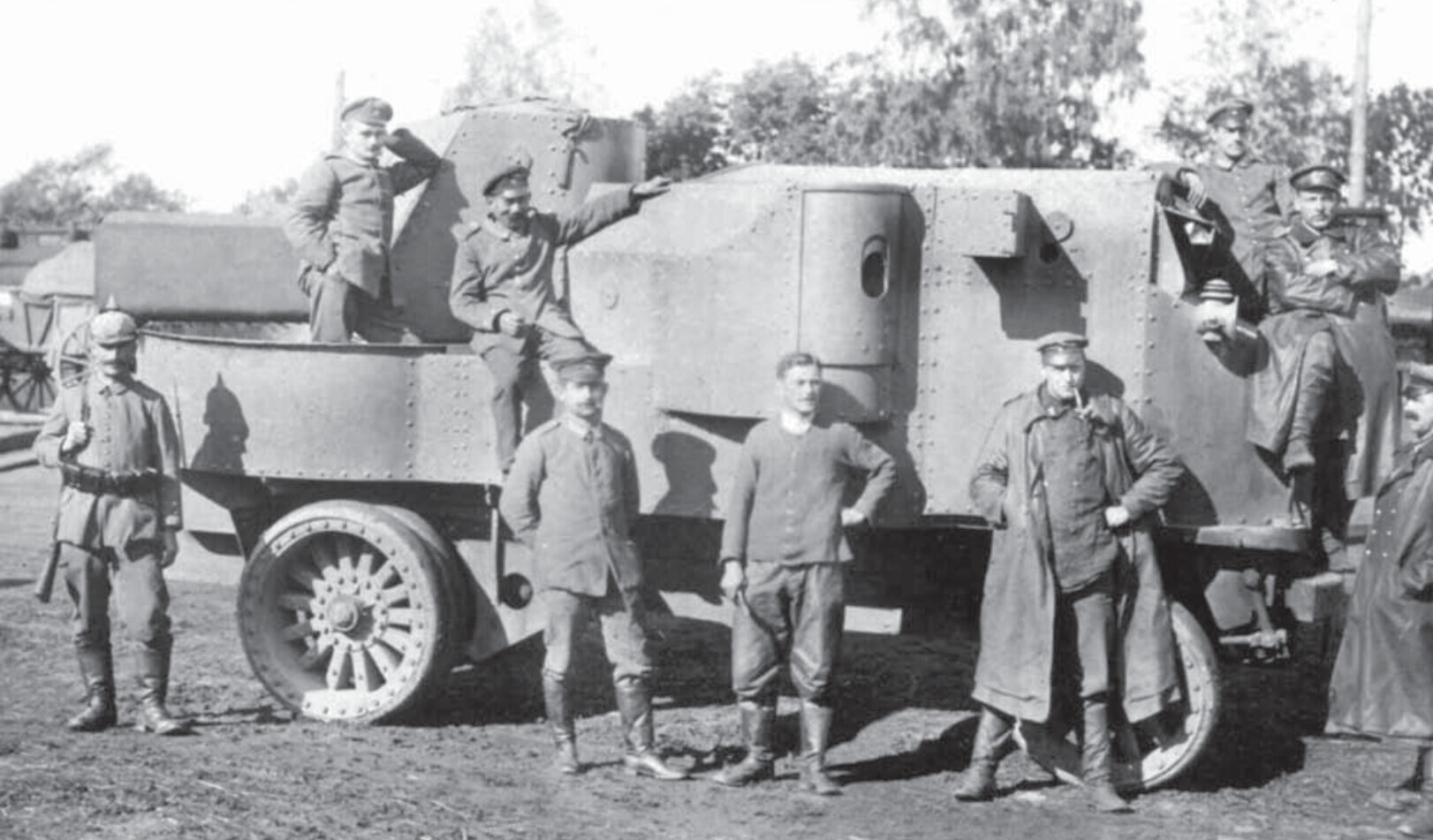
A naval commission conducted the first tests of the three Garfords on June 14, 1916. The commission identified issues with engine reliability and difficulties installing the rear armor plates on the driver’s side. Subsequently, the Putilov Factory modified these vehicles under the supervision of naval representatives. The vehicles were only equipped with rear-facing steering in July.
Production of all 18 armored cars was completed by November, and the last ones were sent to Reval, where the main fortress was located, in early 1917.
Army Garfords in the First World War
In the army, the Garfords became part of a new strategy for deploying armored vehicles. Based on experience from early battles involving machine-gun armored cars, the military increased the number of supply trucks and replaced one of the three machine-gun vehicles with a cannon one. However, the first machine gun platoons were ultimately deployed with only two machine gun vehicles, and the 21st Machine Gun Platoon became the first to have Garfords at the moment of its creation. Some Garfords were also sent to older platoons already on the frontline. By the time the 36th platoon was equipped with these vehicles, British Lancasters with 37 mm cannons were already in use.
The first Garford to see combat was “Dobrynya” from the 14th Machine Gun Platoon. It arrived at the front on July 8, 1915. By that time, the platoon had already lost both of its Austin machine gun armored cars. On July 29, when the German attack began near Krasnostav, the Garford was tasked with repelling the attack. It did so successfully, driving up to the front-line trenches and opening fire on the advancing German infantry, who then retreated. “Dobrynya” also retreated following a German artillery attack. During the retreat, it broke down due to a crew error but was later towed away and repaired. The battle lasted 20 minutes.
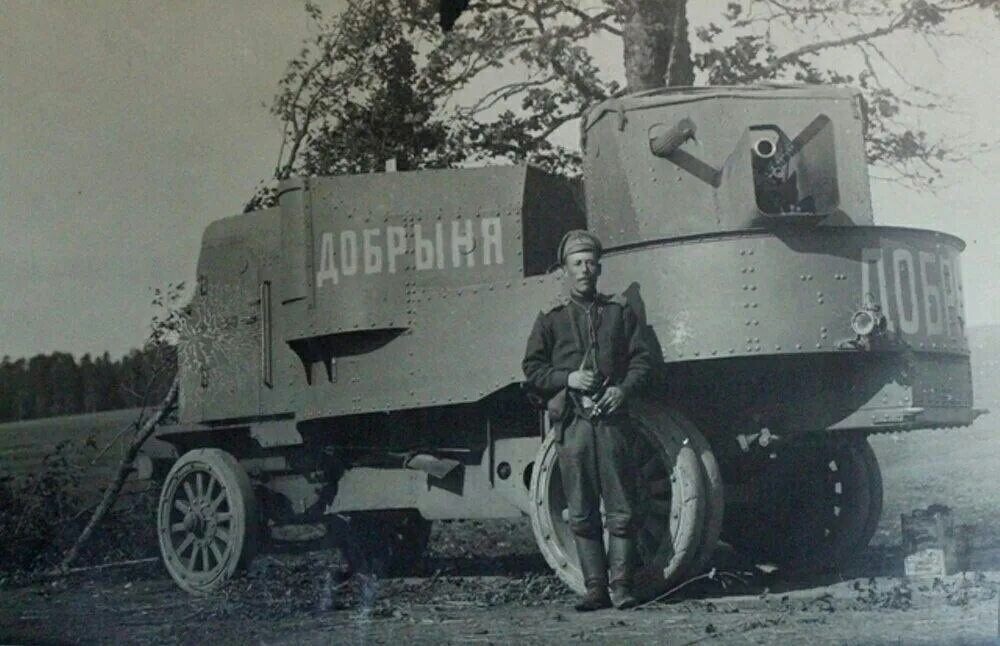
“Dobrynya” engaged in its next battle on August 17. By then, Russian units had begun withdrawing from the region. It was necessary to destroy a concentration of German artillery in a nearby village that night. Supported by two Cossack squadrons, the Garford approached the village at a distance of about 450 meters on a moonlit night and opened fire, forcing the German cavalry to retreat.
The Garford was effective on the battlefield not only because of the power of its 76 mm gun, but also because of its greater effective range and steeper trajectory. Machine-gun armored cars often had to cease fire due to the risk of hitting their own infantry. The Garford’s 76 mm gun did not have this problem.
In battles prior to early 1917, only seven vehicles were lost; some simply got stuck in the mud and were destroyed by enemy artillery. This could perhaps have been avoided if the vehicles had been modified according to their crews' requests, whose crews asked for weight improvements and an increase in engine power to 40 hp.
Nevertheless, the situation in the army began to deteriorate rapidly in 1917. The vehicles themselves were already “tired” of the war. As early as fall 1916, some armored cars were sent to Petrograd for major repairs. Furthermore, vehicles not participating in combat were often not maintained by their crews or the responsible personnel.
In any case, the February Revolution of 1917 overshadowed all these difficulties. Soldiers, many of whom didn’t even see combat, began to desert. They formed various soldiers' committees, robbed their own civilians, and attacked their own officers.
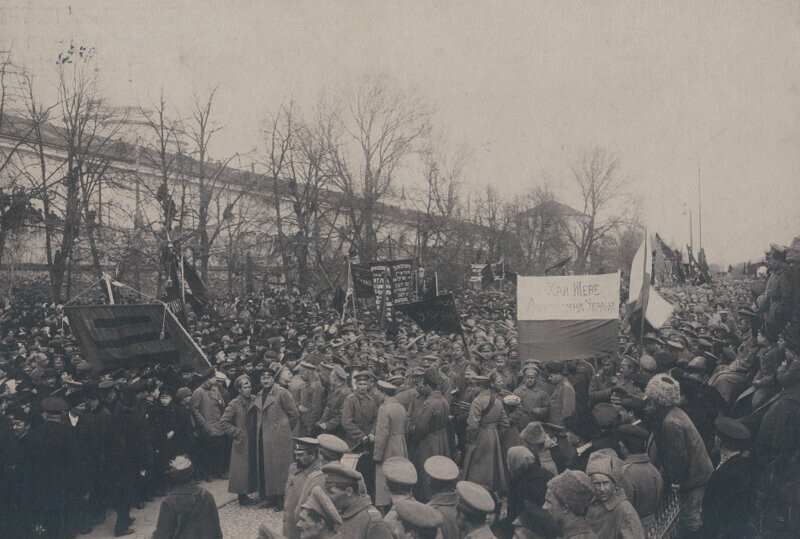
But most machine gun platoons were stationed at the front and maintained discipline. Conversely, many of these vehicles were used with great effectiveness to suppress soldier uprisings when not engaged in combat against the Germans or Austro-Hungarians.
For instance, from June 6 to 8, 1917, the armored vehicles of the 21st Detachment of the 4th divizion (not to be confused with a division) were used to quell unrest among the 163rd Division, whose soldiers had resorted to looting by that point. In this case, the armored cars were primarily used for psychological impact and to guard a river crossing.
That same June, “death units” began to be organized within the army, and, starting July 25, they were designated with the death’s head emblem. These units typically consisted of the most competent and combat-ready soldiers. Among them were three armored car divizions. They, along with some other divizions, had to fight in the summer of 1917. However, it was the vehicles from the ordinary units that proved to be the most effective.
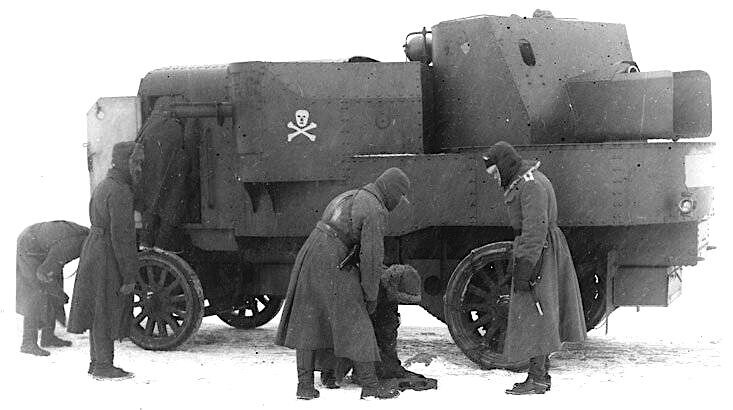
Thus, during the German counterattack on the Tarnopol front, the 11th Divizion and the Special Purpose Divizion were dispatched to support the Allied forces. Despite having only three Garfords and a couple dozen machine-gun armored cars, the armored vehicles held back the Germans for two days, even without infantry support or retreating artillery. The Garfords were particularly useful in the early days because these three 76 mm guns were the only artillery in a 20-kilometer sector. Throughout the entire Kerensky Offensive that summer, the 11th Divizion did not lose a single Garford, only three machine-gun armored cars.
In July-August 1917, the Garfords also saw action on the Romanian Front. Initially, they supported a successful Russian-Romanian attack. Then, from August 6 to 28, they held back the German-Bulgarian offensive, as they had previously done, covering the retreating Russian troops. This marked the last instance of the active use of these vehicles in World War I battles.
In the fall, all the vehicles were withdrawn for extensive maintenance. Later, in October, some of the armored cars in Petrograd were hidden in barns and similar places to keep them out of the hands of revolutionaries.
Naval Garfords in the First World War
The fate of the naval vehicles was less interesting and eventful. Those arriving in Reval were consolidated into a single motorized divizion of the Emperor Peter the Great Naval Fortress. Its organization proceeded slowly; it received almost no resources, and it is unclear whether the divizion was provided with the necessary number of officers.
By August 1917, the divizion had been broken up into several smaller units. Some of the armored cars were sent to fight near Riga, while the rest remained in Moscow and may have taken part in urban battles against revolutionaries.
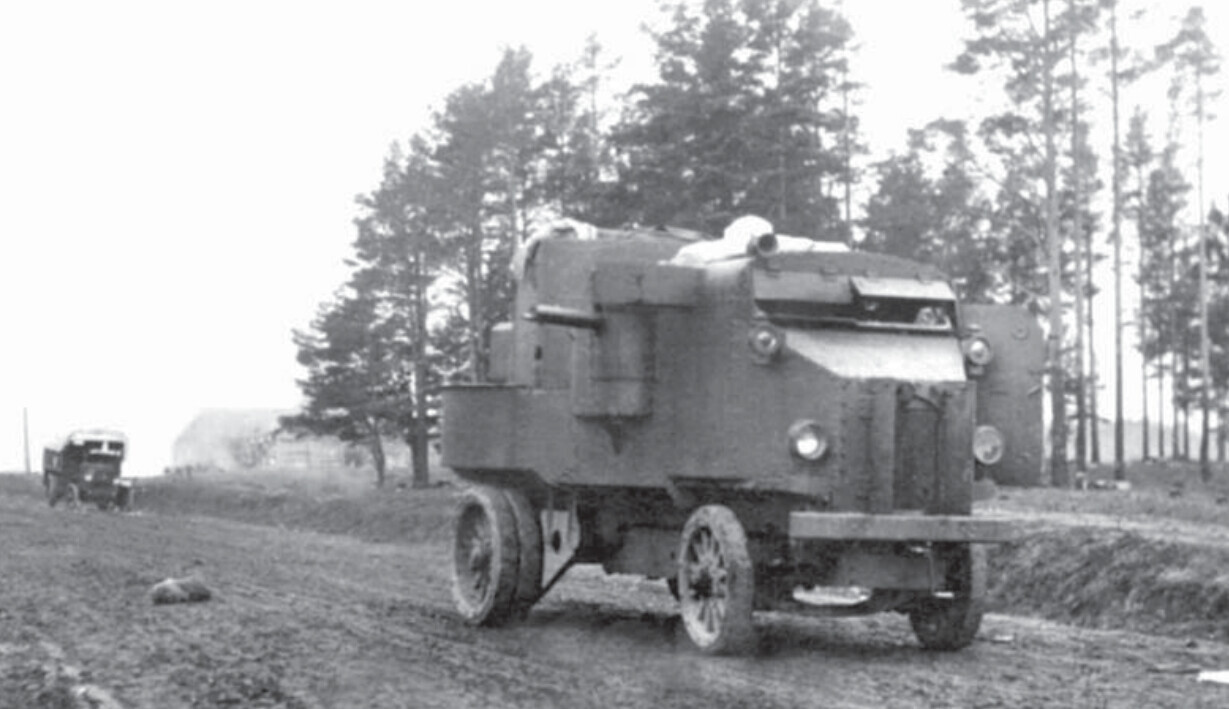
The Garfords performed poorly near Riga, though this was likely due more to the poor state of the army as a whole. When the German offensive began in September, the entire 12th Army stationed there started to retreat. Among them were the Garfords of the 2nd Siberian Corps, which covered the retreat while launching raids against German positions. Two of the divizion’s vehicles managed to tow away several abandoned Russian guns. Ultimately, however, both vehicles got stuck in the mud. After exhausting all their ammunition, they were abandoned. At least one more vehicle was lost during these battles, but no information about it is available.
Sources
- Osprey New Vanguard 83 — Armoured Units of the Russian Civil War, White and Allied, 2003
- Maksim Kolominets — Русский Гарфорд, 2019
- Putilov-Garford — tank-afv
- Mikhail Bagryatinsky, Maksim Kolominets — Бронеавтомобили русской армии 1906-1917 гг., 2000
- Images without sources listed are taken from these four above.