The King Tiger is one of the most famous tanks known today, which is very impressive considering its age, but there are many misinterpretations, myths, and misunderstood facts going around, as well as a few blurry lines here and there, which I will aim to dismiss.
Introduction
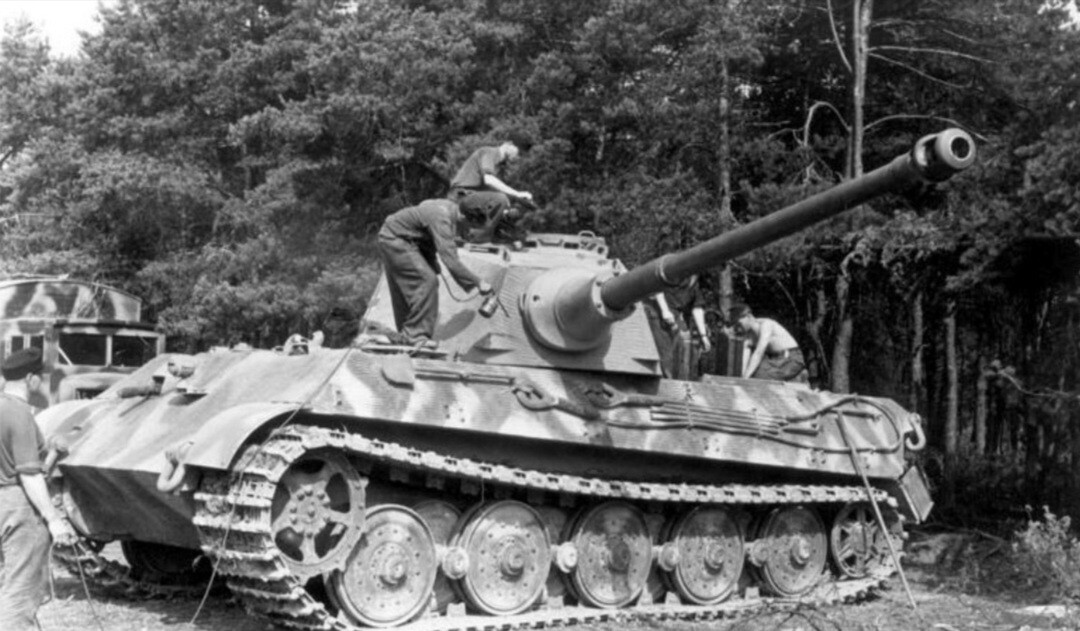
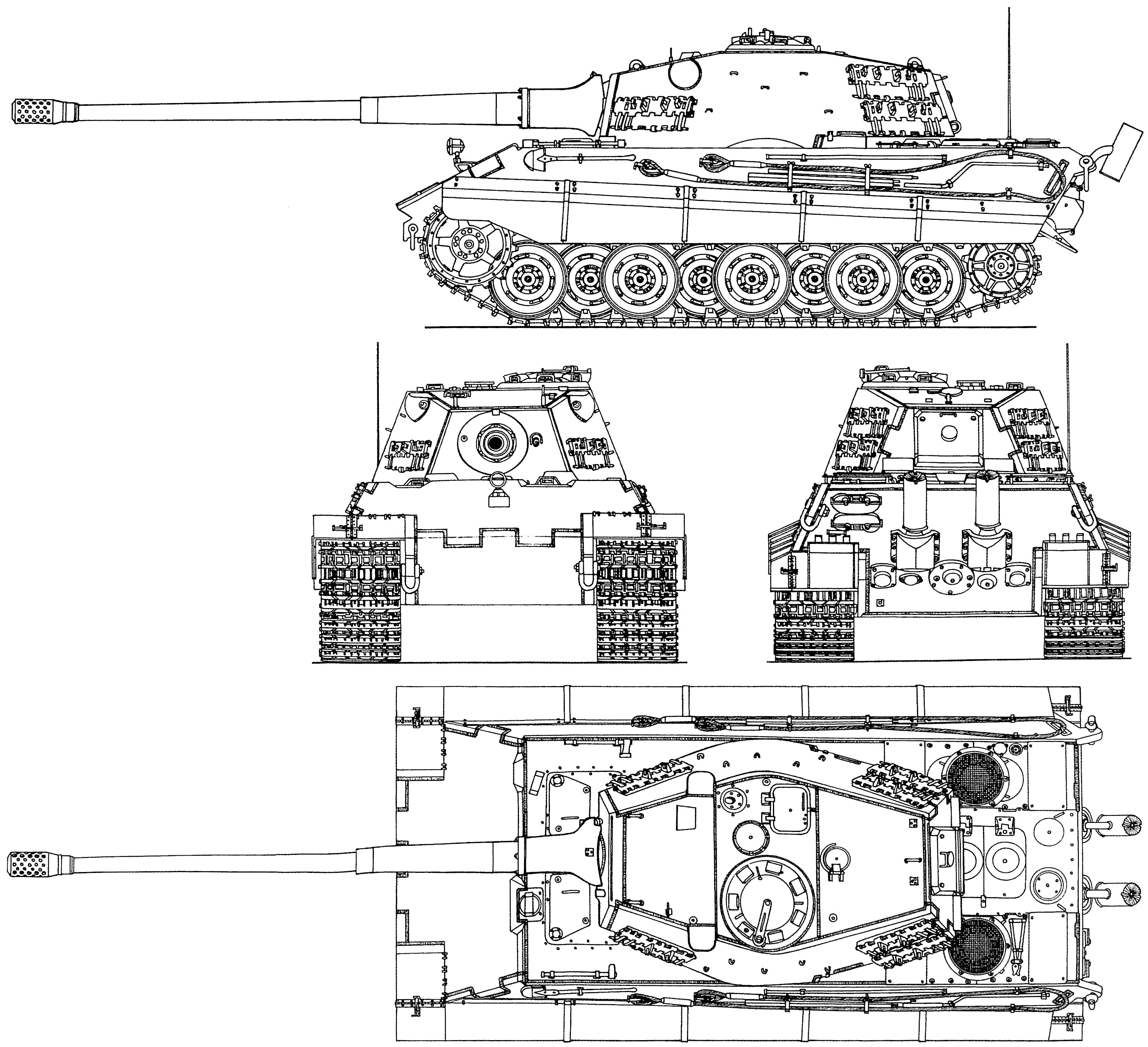
The Panzerkampfwagen Tiger Ausf. B, King Tiger, or Tiger II was one of WW2 Germany’s most famous heavy tanks and was thought to be the technological height of German heavy tank development. It combined the thick frontal armour of earlier German heavy tanks, such as the Tiger I, with the sloped armour design inspired by the Soviet T-34. Armed with the powerful long 8.8 cm Kw.K 43 L/71 gun, it was capable of destroying virtually any Allied tank at long range, such as the Sherman, later T-34s, IS-2, Cromwells, Pershings, and even casemate vehicles like the SU-100, while itself being difficult to penetrate from the front. Its first battle was in July 1944 during the Battle of Normandy, operated by the 503rd Heavy Panzer Battalion.
Why a New Tank Was Needed
By 1942–1943, Germany’s earlier heavy tank, the Tiger I, had proven highly effective in combat. Its thick armour and powerful 88 mm gun gave it a good advantage, particularly at range, over many Allied tanks at the time. However, the battlefield was rapidly evolving, with upgrades being made to the Shermans and T-34s that could put them close enough to the Tiger I, such as the Sherman 76 mm and T-34-85. It was decided that an upgrade was needed. Upgrades such as the later T-34s with 85 mm guns and heavy tanks like the IS-1s and IS-2s forced German planners back to the drawing board to create the next generation of tank. At the same time, encounters with increasingly capable Allied tanks and anti-tank weapons, such as bazookas that could cut through the Tiger I’s armour in an ambush, definitely highlighted limitations in the Tiger I’s design.
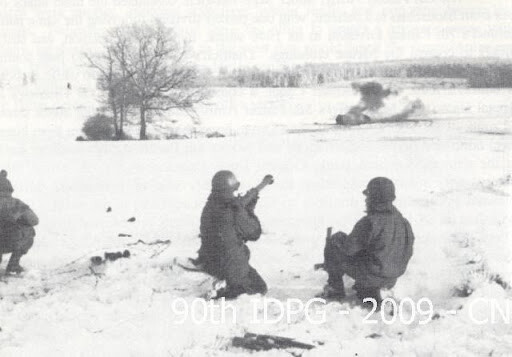
Its unsloped frontal armour, while thick, was far less efficient compared to sloped armour, and its mobility and mechanical reliability were ongoing concerns. German engineers and military leadership, under the direction of figures and departments such as the Waffenamt (Army Ordnance Office), wanted a new heavy tank that would improve protection through sloped armour, be able to mount an even more powerful gun capable of defeating future threats, and maintain battlefield dominance. This led to the concept of a successor that would combine the firepower of the Tiger I with the advanced sloped armour geometry of the Panther tank, with the result being the Tiger II.
Prototyping and Development
Development of the Tiger II began in early 1943. Two major German firms were involved in its early design: Henschel & Sohn and Porsche. Both companies were tasked with developing competing tank designs using the same early rounded turret made by Krupp and the Kw.K 43 88 mm gun provided by Krupp. Henschel’s design (the VK 45.03 (H)) had a more conventional mechanical layout. The Porsche design (the VK 45.02 (P)) offered a much more complex electric transmission system on a hull built by Nibelungenwerke, with the turret positioned near the rear of the tank, much like the Maus' turret. Testing focused on the tanks' mobility, ease of production, and mechanical reliability, beginning in and around January 1943. During testing, it was revealed that the Porsche design was more prone to transmission breakdowns and was much harder to maintain, so the VK 45.03 (H) was chosen to move forward in the trials in May.
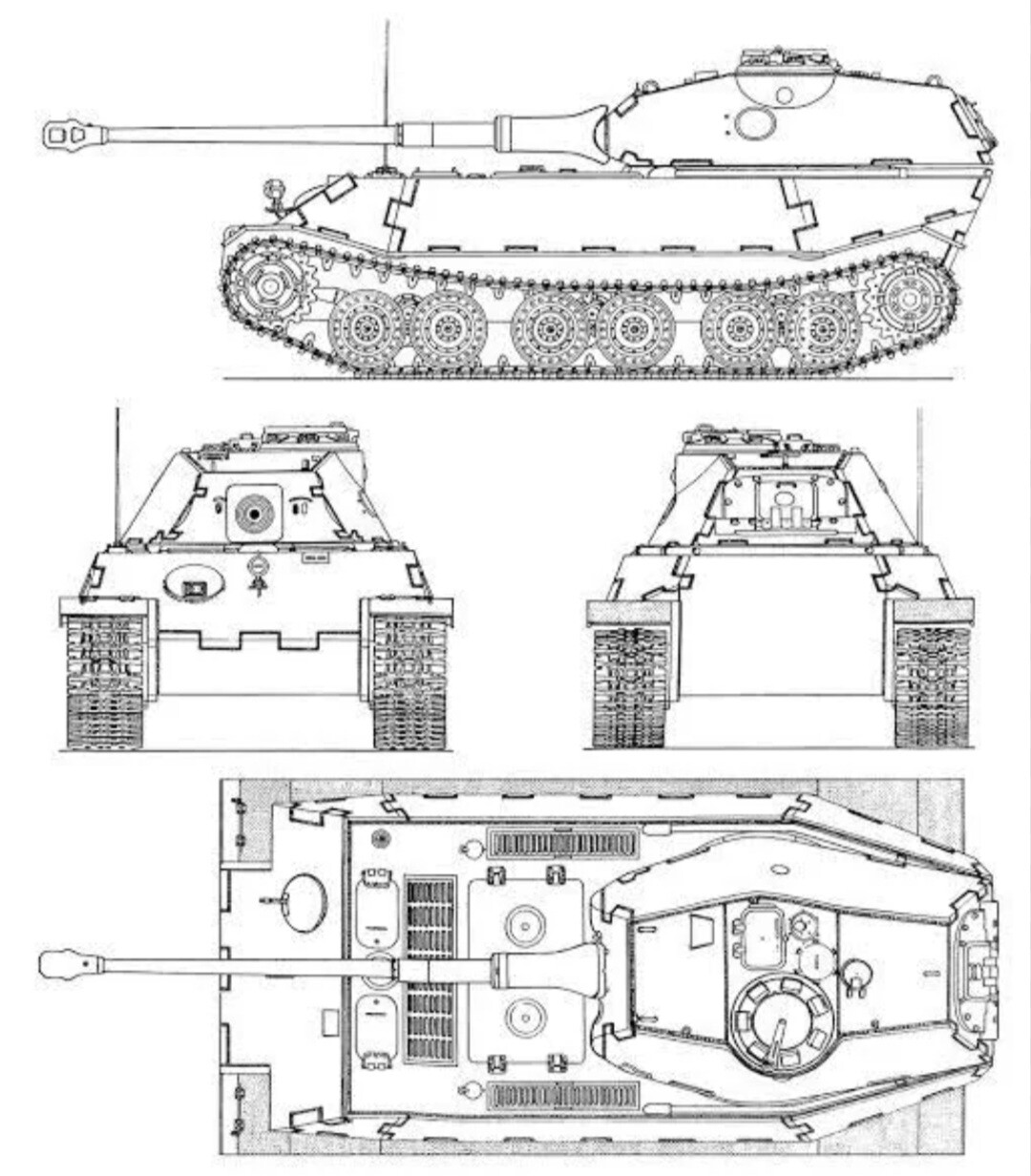
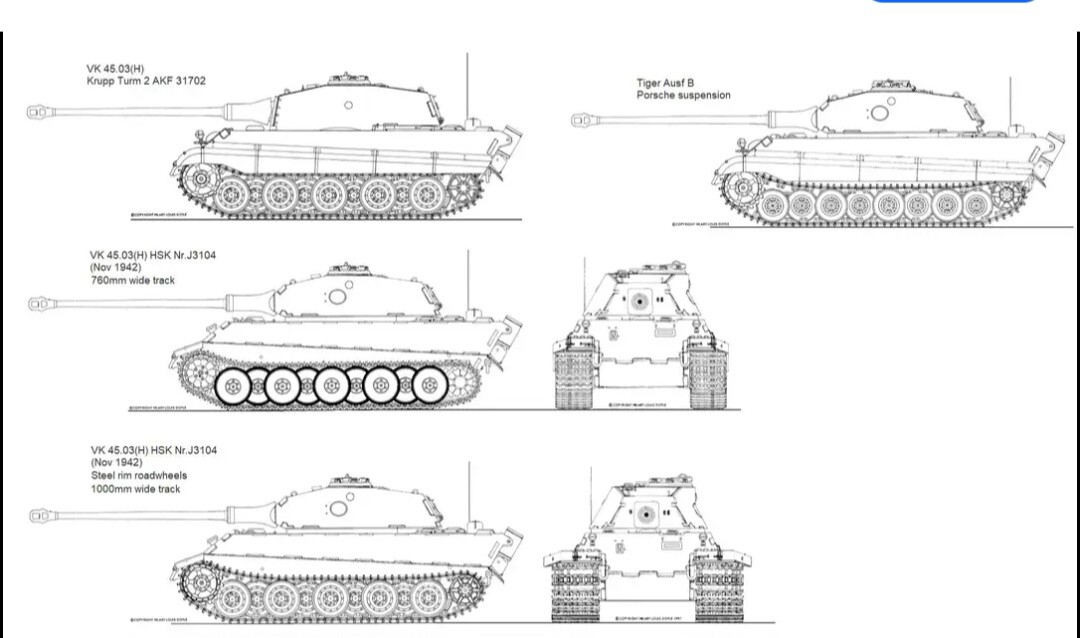
The design philosophy behind the Tiger II emphasised maximum protection and firepower, often at the expense of simplicity and reliability. The belief was that having a strong, high-quality breakthrough tank would be better than having many lower-quality ones, directly rivalling the Soviet belief. The thinking behind this was that German industry simply wouldn’t be able to hold up in a war of attrition against Soviet T-34s, which were cheap and easier to produce.
The tank featured heavily sloped frontal armour plates, significantly increasing their effective thickness. The frontal hull armour reached up to 150 mm, sloped at a 55-degree angle, making it extremely resistant to most Allied anti-tank weapons of the time. The main gun, the “long 88 (mm)”, or by its more technical name, the 8.8 cm Kw.K 43 L/71, was a significant improvement over the Tiger I’s gun. It had a higher muzzle velocity, improved accuracy, and superior penetration capabilities, allowing it to engage enemy armour at long distances with devastating effect, with shells weighing 7.3–10.4 kg depending on the round being fired.
However, the development process was not without issues, as the complexity of the design placed enormous strain on German industry, which was already suffering from Allied bombing campaigns and resource shortages. Additionally, the increasing weight of the tank, from the estimated 45 tonnes to 69.8 tonnes, introduced serious concerns regarding mobility and mechanical reliability, often resulting in complete transmission breakdowns after just 50–100 km. Although this figure is highly debated and does depend on how well trained the crew was, with some keeping it in running order indefinitely, drivetrain and transmission problems were still very difficult to fend off, especially on long road marches, and there were very few bridges that could support the weight of such a tank.
Selection and Production
Ultimately, the Henschel hull design was selected for production, largely due to its more practical and reliable hull and transmission configuration. Porsche’s involvement did not end, as although they were no longer involved in the project, their turrets, made by Krupp with rounded fronts, were used on an early batch of 50 Henschel-hulled Tiger IIs in October. These first 50 tanks were split into two groups of 3 and 47, with the first three being called Vs.-Fgst.Nr., followed by a number from 1–3, while the second batch were designated Fgst.Nr. 1–47. However, the Vs.-Fgst. tanks lacked proper armour and were made as soon as possible as simple test beds to test the tank’s weight. The turrets also lacked any true armour. The next batch of 47 were production- and combat-ready. Further testing of the turret revealed multiple flaws, so an improved version was made, with the turret still produced by Krupp. It was decided that a flat turret face would better protect the crew and prevent shot trapping. The design was tested and proved far better than the Porsche design.
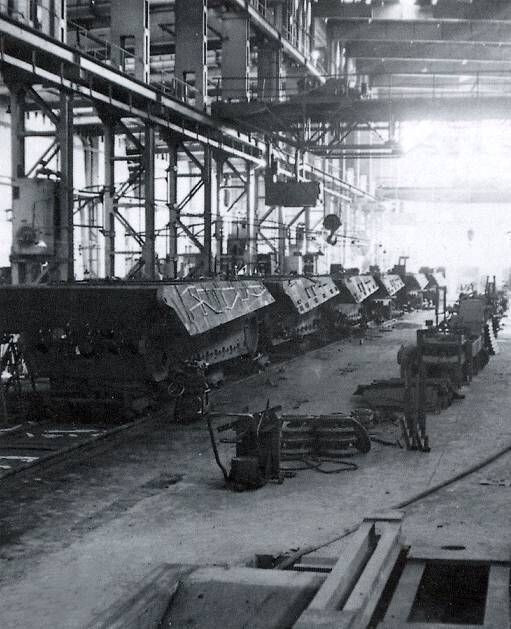
Both the new turret and hull were then finalised and entered production in December 1943. Despite the ambitious design, manufacturing the Tiger II proved difficult, as the tank required significant amounts of high-quality steel, precision engineering, and skilled labour, all of which were increasingly scarce in Germany due to a multitude of factors. Production numbers remained relatively low compared to other tanks of the war. Approximately 492 Tiger II tanks were built between 1944 and 1945, only a fraction of the 1,000 that had been hoped for.
This limited output demonstrated the deteriorating industrial capacity of Germany, with later Tiger IIs having armour of varying quality, some being brittle due to shortages of molybdenum, which was used to harden the metal in the plates and prevent shattering. This resulted in internal spalling from rounds that did not even penetrate, which was horrible for crew survivability, though this really only affected late-war plates. From a design standpoint, the decision to prioritise heavy armour and firepower was both a strength and a weakness. While it created a formidable tank on paper, respected by many of its crews and presenting a challenge for the Allies, there was no real industry that could support such a tank. This was a lesson that Germany had to learn the hard way.
First Combat Introduction
The Tiger II saw its first combat use in mid-1944 during the Battle of Normandy and on the Eastern Front, where it provided heavily armoured cover and fought British, Canadian, and Soviet forces. Its introduction came at a time when Germany was already on the defensive, facing overwhelming Allied forces. In combat, the Tiger II quickly demonstrated its strengths, particularly in terms of firepower. Its gun could destroy Allied tanks such as the Sherman, Cromwell, and T-34 at ranges where their inferior optics and guns struggled to see and knock out the Tiger II. This resulted in kills often being achieved before they could effectively respond or penetrate the Tiger II. Its frontal armour was highly resistant, forcing Allied tank crews to flank and aim for the weaker side or rear armour, or rely on artillery and air support.
Many of its crews also held the tank in high regard. German crews respected the Tiger II for its firepower and protection, as when functioning properly, it provided great armour, survivability, and firepower, along with top-class optics. However, this confidence was often spoiled by frustration with its mechanical reliability, as breakdowns were common, and the tank’s weight, around 70 tonnes, made recovery difficult, while trying to move it was a nightmare.
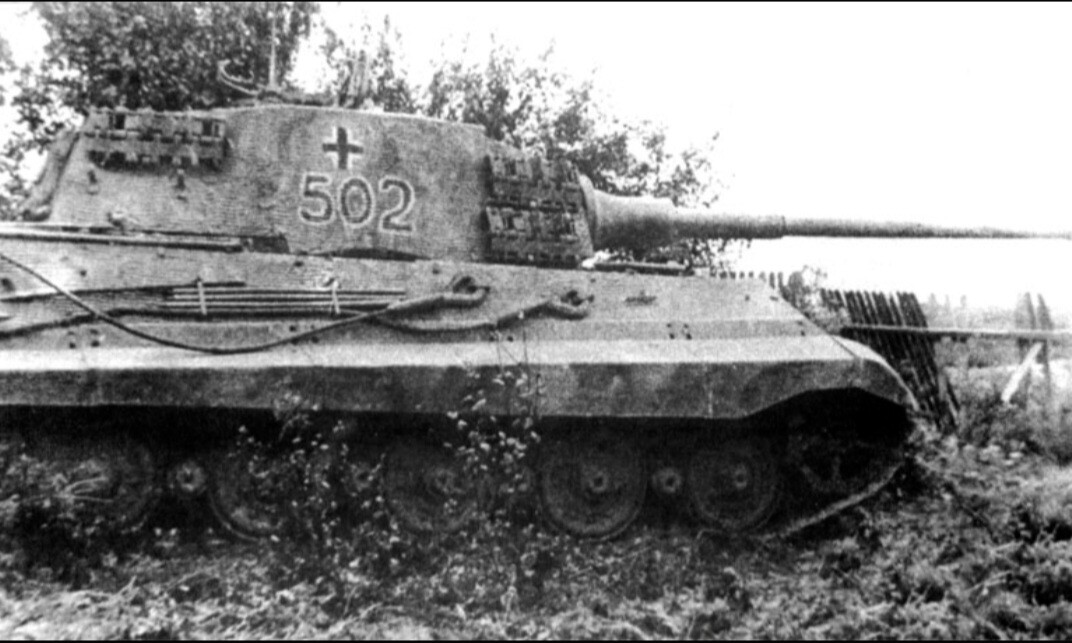
Fuel, which faced extreme scarcity, was also consumed very quickly, further limiting operational effectiveness. Still, with these fatal flaws in mind, its ability to engage at long range, around 2.5 km depending on visibility, and resist frontal attacks made it a serious threat. Encounters often required careful coordination, flanking manoeuvres, or simply overwhelming force. However, Allied crews also learned to exploit its weaknesses, as its slow speed, limited manoeuvrability, and frequent mechanical failures meant that there often weren’t many of them in one place at one time.
Its slow turret rotation speed made flanking by light tank destroyers like M18s particularly potent, though this wasn’t routine. Sherman crews would also attempt to flank in groups to get around the sides of the tank and exploit its weak side armour. Air superiority and artillery also played a major role in countering the Tiger II, as the Germans had lost air superiority, which made bombing runs much more feasible and close air support much easier for the Allies to carry out. The arrival of more powerful tanks for the Soviets and Americans, such as the Pershings, which were better at resisting frontal hits, though not reliably, and the IS-2 with its massive 122 mm gun, could also put pressure on Tiger II crews.
Variants and Development
The Tiger II wasn’t just one tank; there were a few variants in which it existed, some better and others worse.
- Tiger II (Porsche Turret): Present in-game as Tiger II Nr. 1-50, these were the early production models fitted with the so-called “Porsche turret”. Despite the name, these turrets were not actually designed entirely by Porsche but were associated with Porsche’s earlier involvement in the project, being made by Krupp for Porsche’s prototype. The design featured a rounded turret front, which could create a deadly shot-trap vulnerability, as deflected shells could hit the hull roof, immediately knocking out the tank. The turret was also far more complex to manufacture than the improved designs because the front part of the turret had to be rolled and rounded. Although functional, this turret design was ultimately considered inferior, being far more complex for less reward, and was replaced after just 50 tanks due to its multitude of problems and weaknesses.
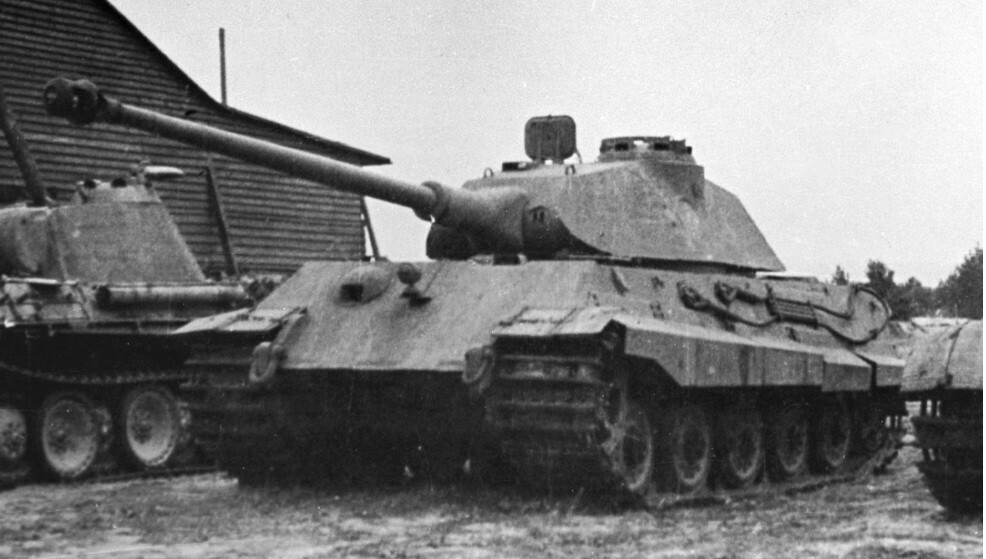
- Tiger II Production Turret (Henschel Turret / Serien-Turm): The later, mass-produced version featured the Henschel-designed turret. This turret was flat and featured the same sloped frontal armour. It also had an improved internal layout and better ballistic protection due to the removal of the shot trap. With these improvements, it became much easier to produce because the turret no longer required extensive rolling and angling. Instead, its frontal face was replaced with one approximately 180 mm plate angled at about 9 degrees. Due to the simplification, improvements, and the fact that it was much superior to the Porsche turret, it is no surprise that this became the standard production turret and represented a clear improvement over the earlier design, being present on the 51st Tiger II and onwards.
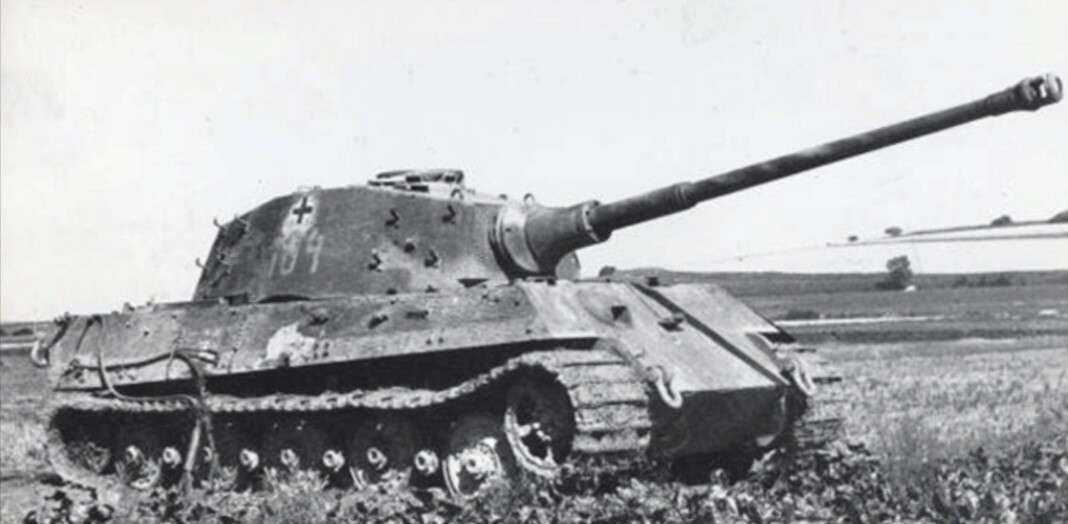
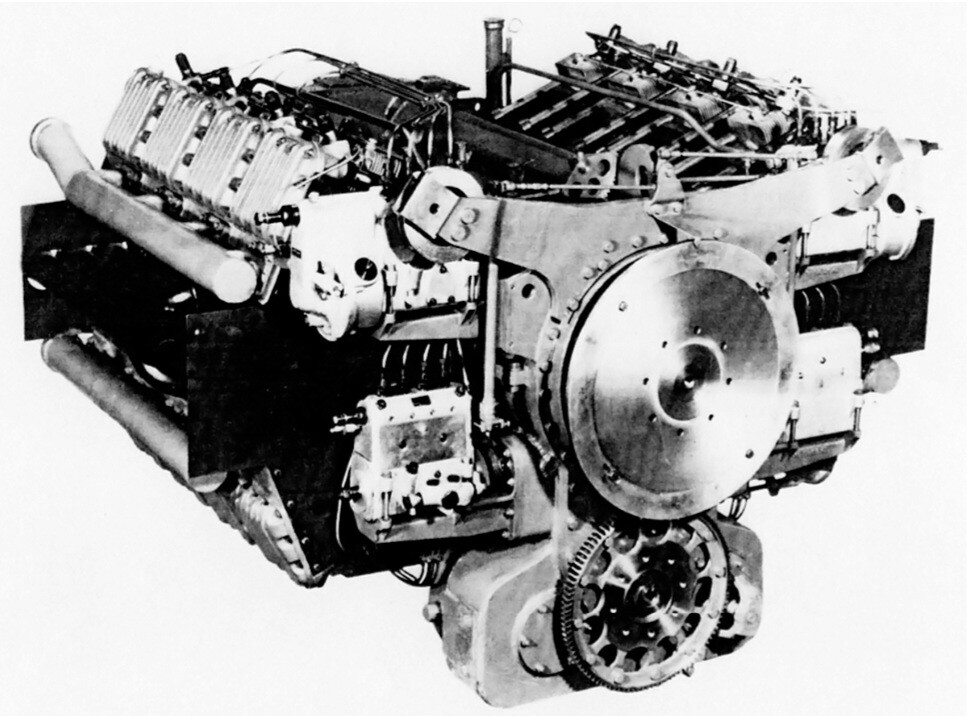
- Tiger II Sla.16 with Maybach HL230 Engine: Most Tiger II tanks were powered by the Maybach HL230 P30 engine. This engine had a multitude of problems, including the fact that it simply couldn’t provide enough power to move a 70-tonne beast, creating underpowering issues for the Tiger II that were horrible for the transmission. Frequent overheating and mechanical strain were also present, drastically reducing the Tiger II’s mobility and range. Due to these issues, it was decided to improve the engine and try it out on a new experimental prototype. The Tiger II with the Sla.16 engine, or simply the Tiger II Sla.16, did improve fuel efficiency as well as provide better torque, but unfortunately, development started too late to have an impact. Production was slated to begin in June 1945, but the surrender occurred in May, so the design never entered production. Germany was running out of money, materials, and industry to fund and support such a project and produce more Tiger IIs, and it had been pushed onto the defensive. Due to its late production date, too far in the future, it could never be widely deployed. While promising improvements to arguably the King Tiger’s greatest flaw, this variant did not significantly affect the overall performance of the Tiger II in the war, as it did not address other fatal flaws, and its production date prevented any from seeing action during the war.
Downfall in Combat and Production Flaws
Despite its impressive design, the Tiger II suffered from a range of problems that capped its effectiveness in battle. For example, its mechanical reliability, armour, drivetrain, and suspension were pushed to their limits by its immense weight. With amateur crews possessing little experience, breakdowns were frequent, leading to tanks being lost not to enemy fire but to abandonment by their own crews, taking a large financial toll on the Wehrmacht.
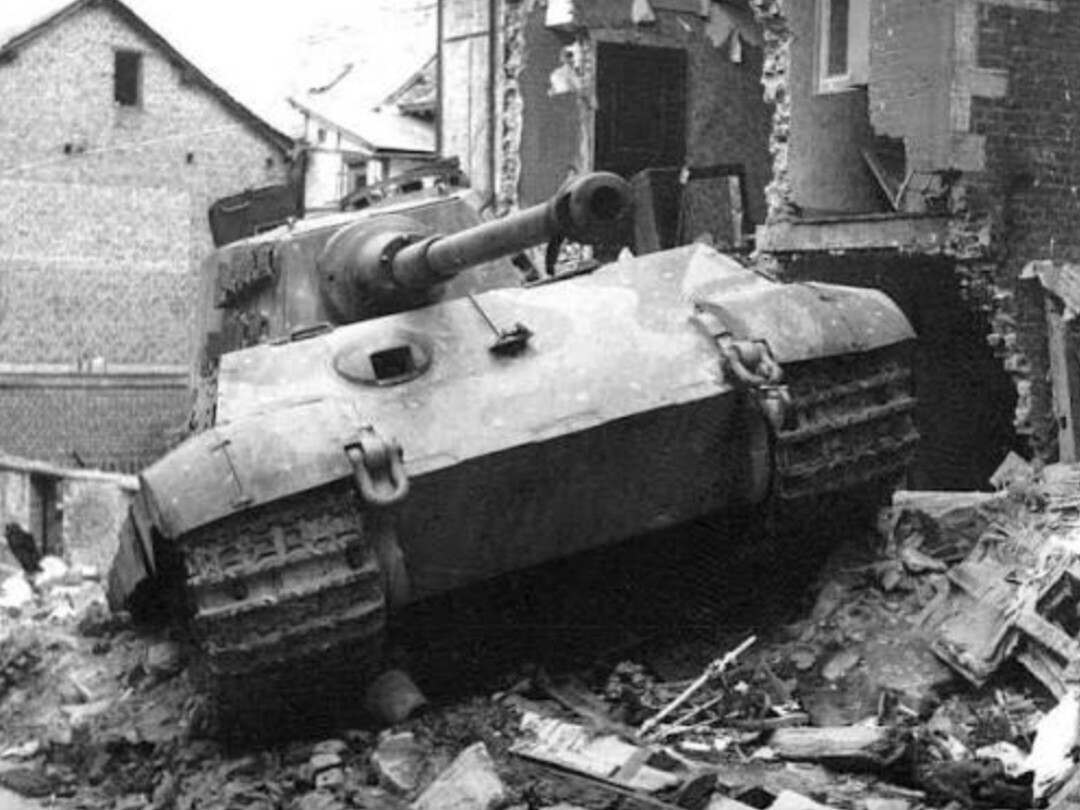
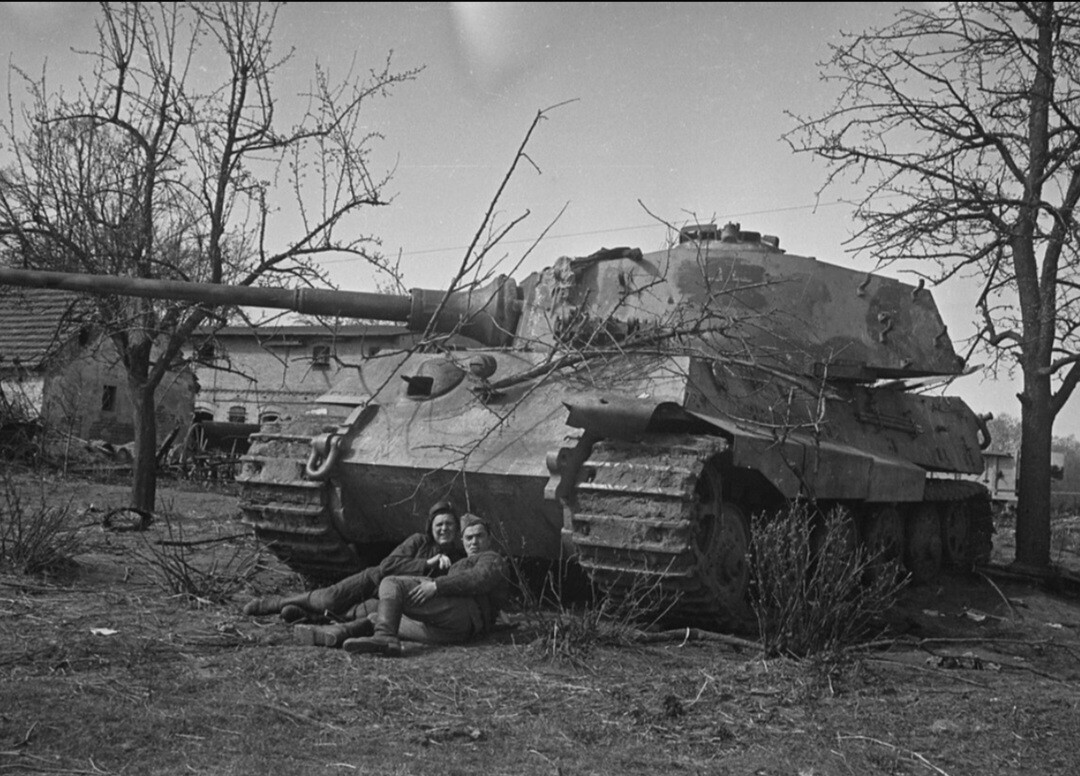
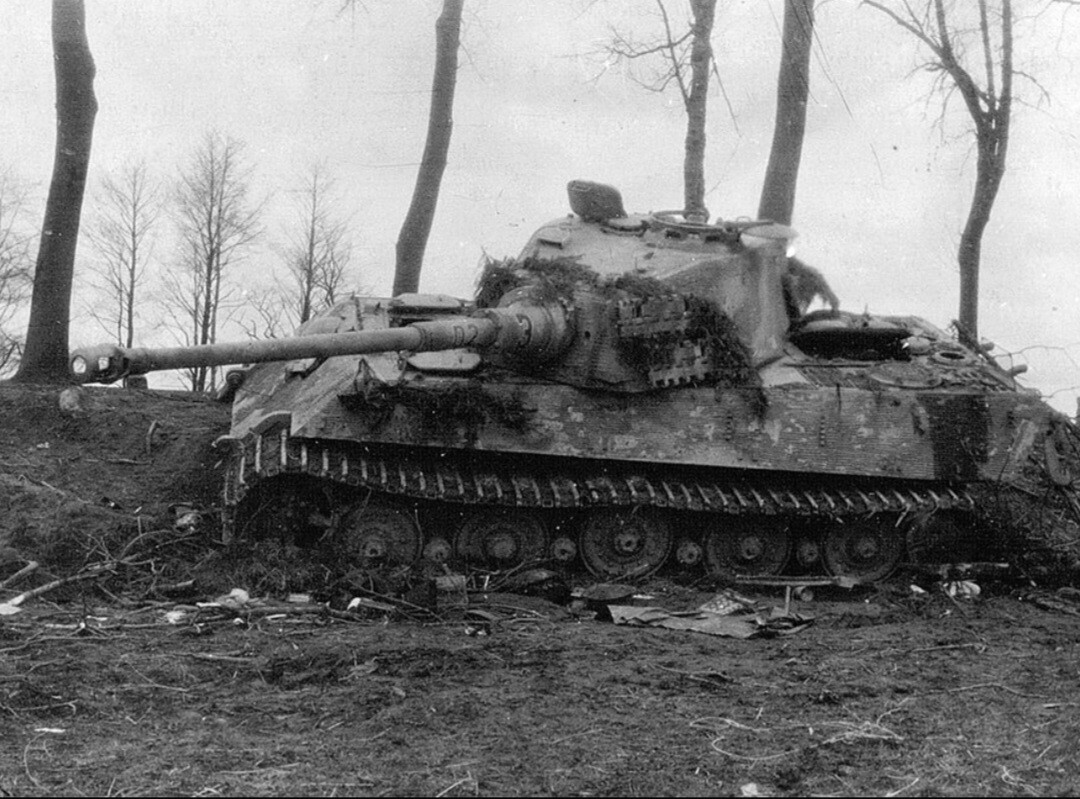
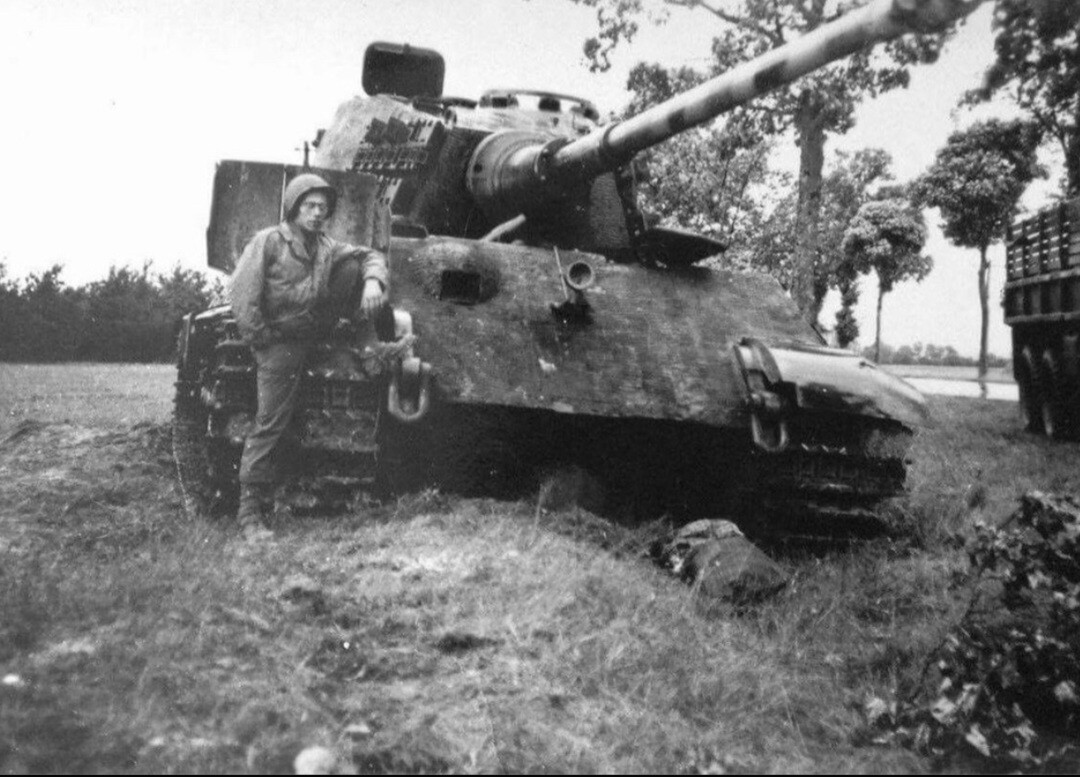
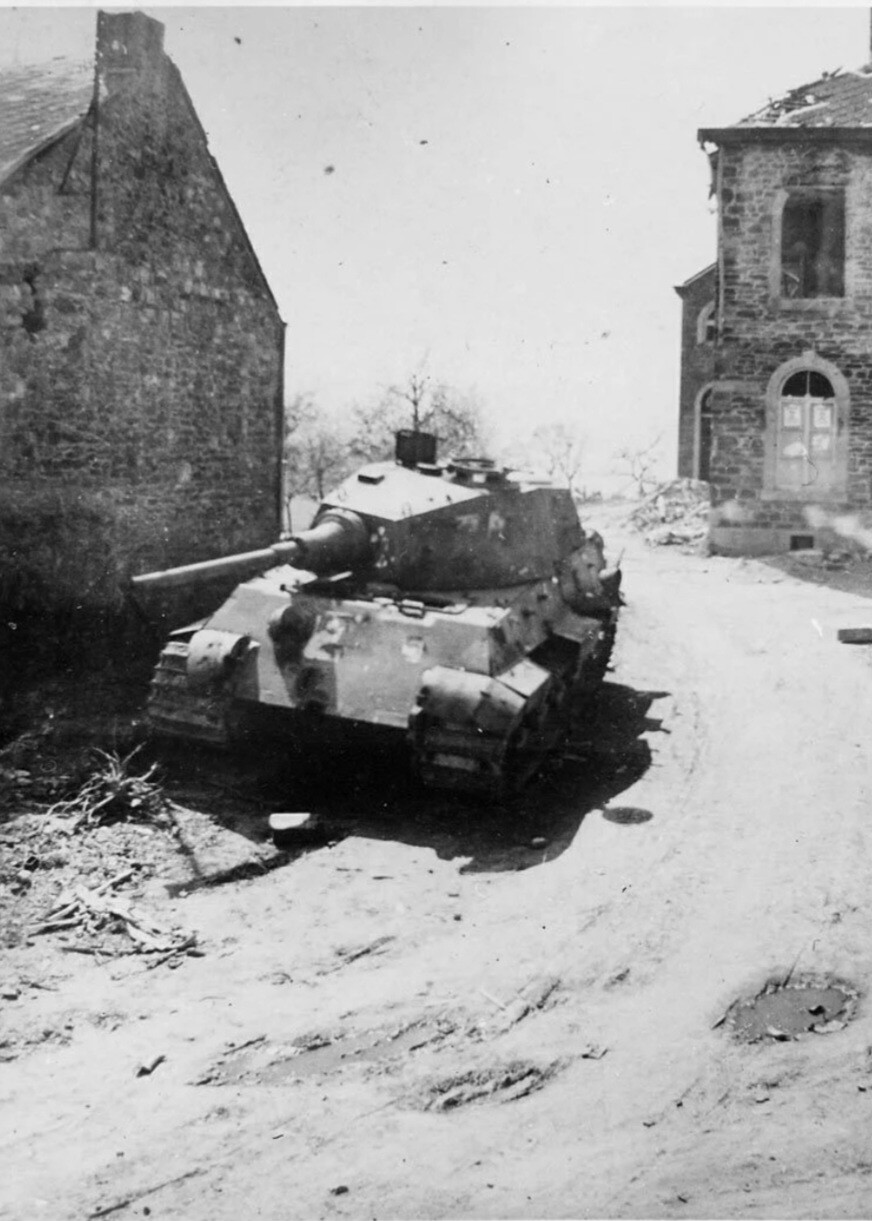
Its weight further restricted its mobility, particularly in difficult terrain such as mud or narrow roads, but the Tiger II wouldn’t simply sink into the dirt, as its wide tracks and overlapping wheels created low ground pressure. Still, bridges often could not support its immense weight, limiting flexibility, particularly during transport.
Another problem was that the Germans simply couldn’t act on such a great tank. Other nations, such as the USA and particularly the Soviet Union, built upon their already successful platforms, such as the T-34, allowing them to remain up to date. Unfortunately, due to poor logistics and coordination, it was almost impossible for Germany to implement variants that could tackle key problems.
The fact that it was a heavy tank also didn’t help. Normally, when using a heavy tank, it needs to be covered by infantry, AA, reconnaissance, and lighter vehicles that can react faster to a threat than a slow, cumbersome heavy tank and collect intelligence. Late in the war, tanks often had to go out on their own or with very little support, making them highly vulnerable to being swarmed or ambushed.
The Tiger II also consumed large amounts of fuel, which was increasingly scarce for Germany in the later stages of the war. Supplying and maintaining it was extremely expensive, as the Tigers would guzzle down huge amounts of fuel, placing a heavy strain on logistics. Complex manufacturing requirements slowed production even further, and the use of forced labour and shortages of materials further reduced quality, as in some cases workers chose to sabotage the tanks they were working on.
Late-war examples often suffered from inconsistent construction and armour standards, with armour prone to shattering or sending shrapnel into the crew compartment, as the force of a shell hitting was enough to cause internal shattering. But perhaps the most significant issue was timing. The Tiger II entered service when Germany was already on the defensive. Even a technically superior tank could not compensate for overwhelming Allied numerical superiority, air dominance, and industrial capacity, especially when production facilities kept getting bombed. Their limited numbers also didn’t help, especially when compared to the overwhelming numbers of T-34s and Shermans.
Attempts to Upgun
Throughout the war, there were many attempts to upgun the King Tiger, but many fell through due to a lack of resources, time, or manpower, or a combination of all three. There was a proposal from Krupp to upgrade the 8.8 cm to a 10.5 cm, significantly increasing firepower, but that fell through because the increase in calibre would mean a much heavier shell, thought to require two loaders, making crewing the tank even more unfeasible. The larger cannon would also make the turret more cramped, and the cannon was not certified for army use. Krupp’s designs were rejected, completely preventing its use.
There was also a late-war attempt to standardise the King Tiger, as well as the Panther, Maus, and Jagdpanzer IV, into one tank series called the Entwicklung, in English “development”, or E for short, comprising five main tanks: the E 10, E 25, E 50, E 75, and E 100. The E series aimed to standardise tank production and hopefully make production easier and cheaper by sharing as many parts between the designs as possible. The number following the E denotes the weight; for example, the E 10 was to weigh 10 tonnes, the E 25 25 tonnes, etc., though it should be noted that very few, if any, of the E-series tanks were finalised before the end of the war.
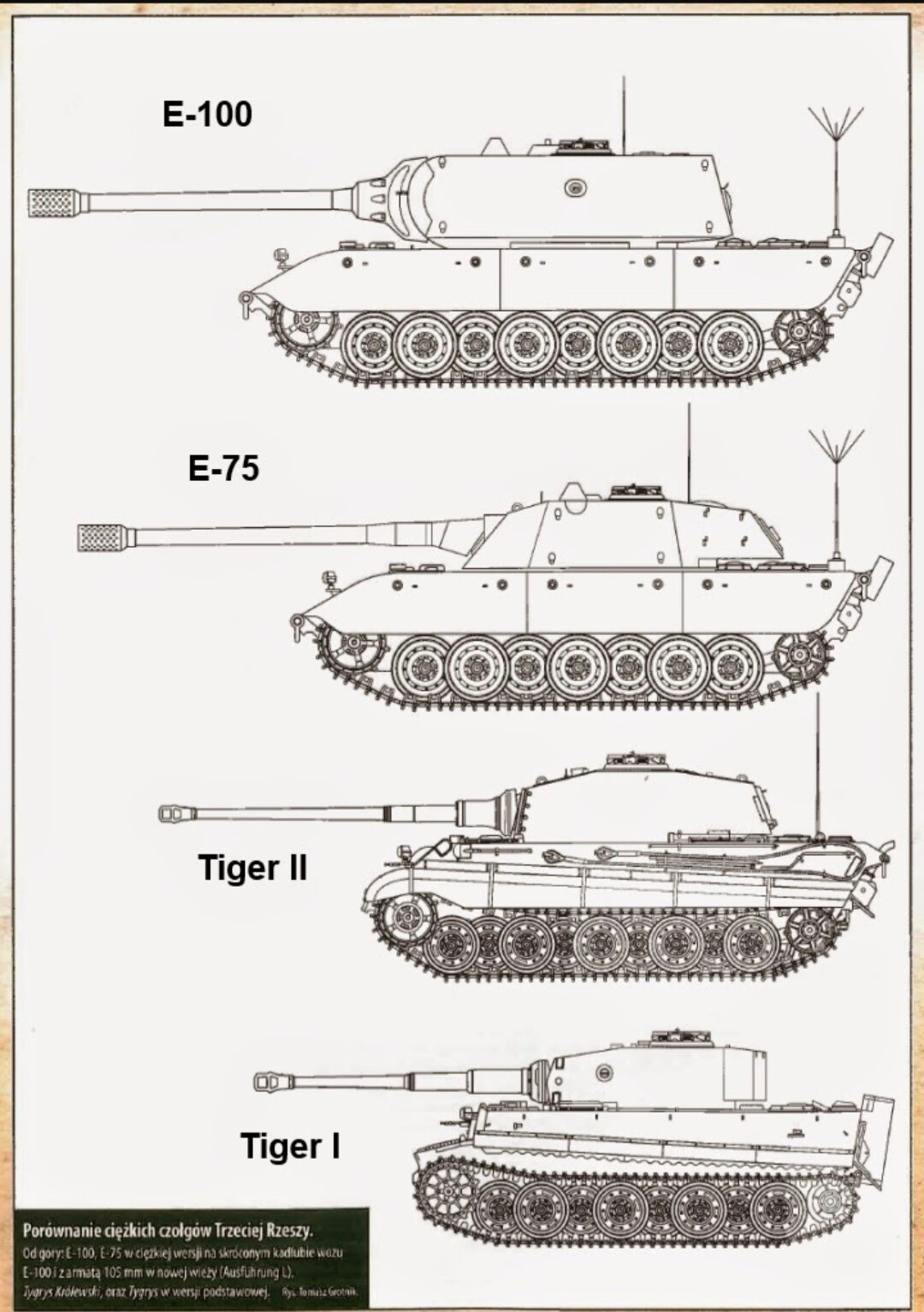
For ease of production, the E 50, which was the improved Panther, and the E 75 were placed on the same production lines, using the same hull design that differed only in thickness. The E 50's would be 100 mm and the E 75's 150 mm. The angles would also be improved, being angled at 60 degrees instead of the usual 55. The turret on the E 75 was also slightly flatter and longer to make room for the bigger 10.5 cm gun. The side armour would be improved, and the hull machine-gun port would be removed for better protection. Paired with a lower profile and more powerful engine, this would make the tank much better in terms of mobility. But this plan also fell through due to its cost, complexity, and how late in the war it was proposed, not to mention the fact that the economy was in shambles and most likely wouldn’t have been able to support such a grand idea.
Post-War Fate
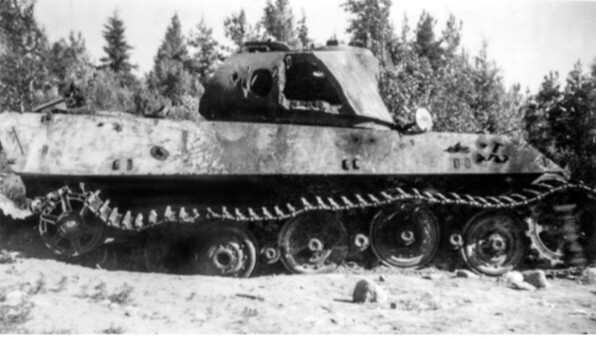
Following the end of WWII and the surrender of Fascist Germany, most remaining Tiger IIs were in such poor condition that many Allied countries chose to scrap them or put them on a gun range after a short period of studying German armour, rather than try to salvage any tank. Most didn’t want to keep a reminder of WW2 Germany around, and trying to maintain or repair a tank like the King Tiger would undoubtedly have been very expensive. Many countries chose to rebuild infrastructure rather than repair tanks from the age of fascism in Germany. That was assuming they hadn’t already been destroyed by the crews that abandoned them. But there were a few oddballs that still remained, an estimated 8–10.
Sweden actually had its own King Tiger after the war, or at least for a few years. The Swedish military was interested in heavy armour like the Tiger II and wanted to test how a modern heavy tank held up. In August 1947, with permission from the French government, they found and were able to retrieve a badly damaged King Tiger from Gien in southern France. It wasn’t until 2019 that it was identified as Fgst.Nr. 6, hull number 280 006, making it the ninth Tiger II produced in total including the three experimental Vs.-Fgst. vehicles, and part of the original 50 Tiger IIs. The original tank was operated for testing in Kummersdorf until it found its way to France through combat service.
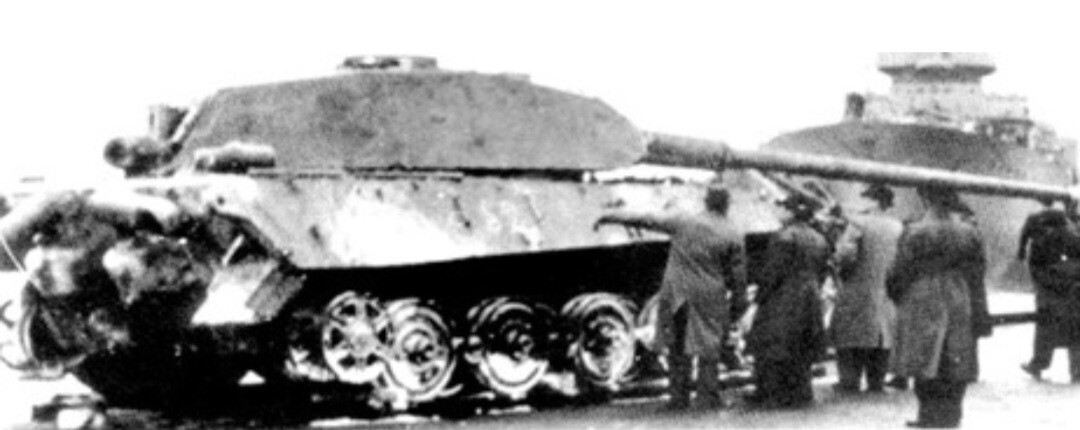
It was deemed suitable for trials and began to be repaired, during which a German grenade was found, so it is suspected that the crew who abandoned it intended to destroy it. After it was repaired, the Swedish Army tested the 88 mm gun on multiple targets at a firing range. From 1949 to 1951, the “Kungstiger” was subjected to an onslaught of projectiles, including recoilless rifles, mines, HESH, and armour-piercing sub-calibre rounds, most of which the heavy frontal armour resisted. Unfortunately, all the shells had taken a toll on the Tiger, and in 1951 the turret was removed and sent to a firing range to test the Strv 81 gun. The hull was unfortunately scrapped, but the 88 mm gun was kept until the 1980s, when the last of the Kungstiger was finally scrapped as well.
Conclusion
The Tiger II stands as a powerful symbol of both quality German engineering and the limitations of over-engineered designs, which lead to frequent breakdowns and complex workings that make repairs difficult. It combined exceptional firepower through the 88 mm gun and great protection through a thick, steeply angled hull into a single platform, making it one of the most feared tanks of the Second World War. However, its flaws, particularly in reliability, mobility, and production feasibility, prevented it from having a major impact.
Crews also had little training near the end of the war, with some receiving only a few weeks, down from the four-month programme near the start, which undoubtedly led to many tank losses because crews weren’t trained in the correct procedures for certain situations. In many ways, the Tiger II showed that although you can make a vehicle that excels in all the areas a tank can, if you don’t have the reliability, numbers, and mobility that other, much cheaper tanks provide, then you simply won’t win. This doctrine simply couldn’t match that of the Allies. The Allies had large industries capable of producing large quantities of tanks in a short time. Although technologically inferior in several aspects, at least they were more reliable than the overcomplicated and over-engineered King Tiger. Even late-war American designs were quite capable of rivalling the King Tiger, for example the T26E5, though they never actually fought each other. In conclusion, although the Tiger II certainly was a great tank, its production couldn’t be sustained, its costs in both production and upkeep were enormous, and late-war production was plagued by issues.
Sources
- Tank Encyclopaedia — Swedish Köngstiger: source
- The Swedish King Tiger: source
- King Tiger V2: source
- King Tiger Engine Secrets: The Porsche-SGP Sla 16 X-16 Diesel Prototype of WWII: source
- Wikipedia — Entwicklung series: source
- The Entwicklung series: source
- King Tigers at Ogledow: source
- What Made the Tiger Tank Such a Feared Weapon During WWII: source
- Wikipedia — Tiger II: source
- Tiger II D-Day history: source
- Tank Encyclopaedia — Panzerkampfwagen Tiger Ausf.B (Sd.Kfz.182) Tiger II: source