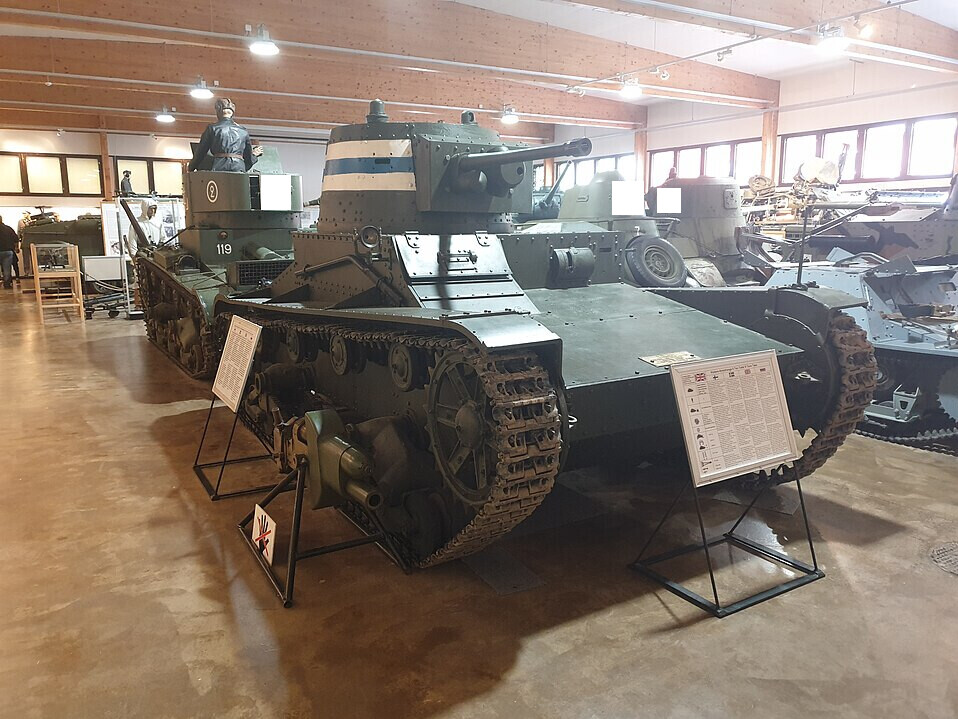
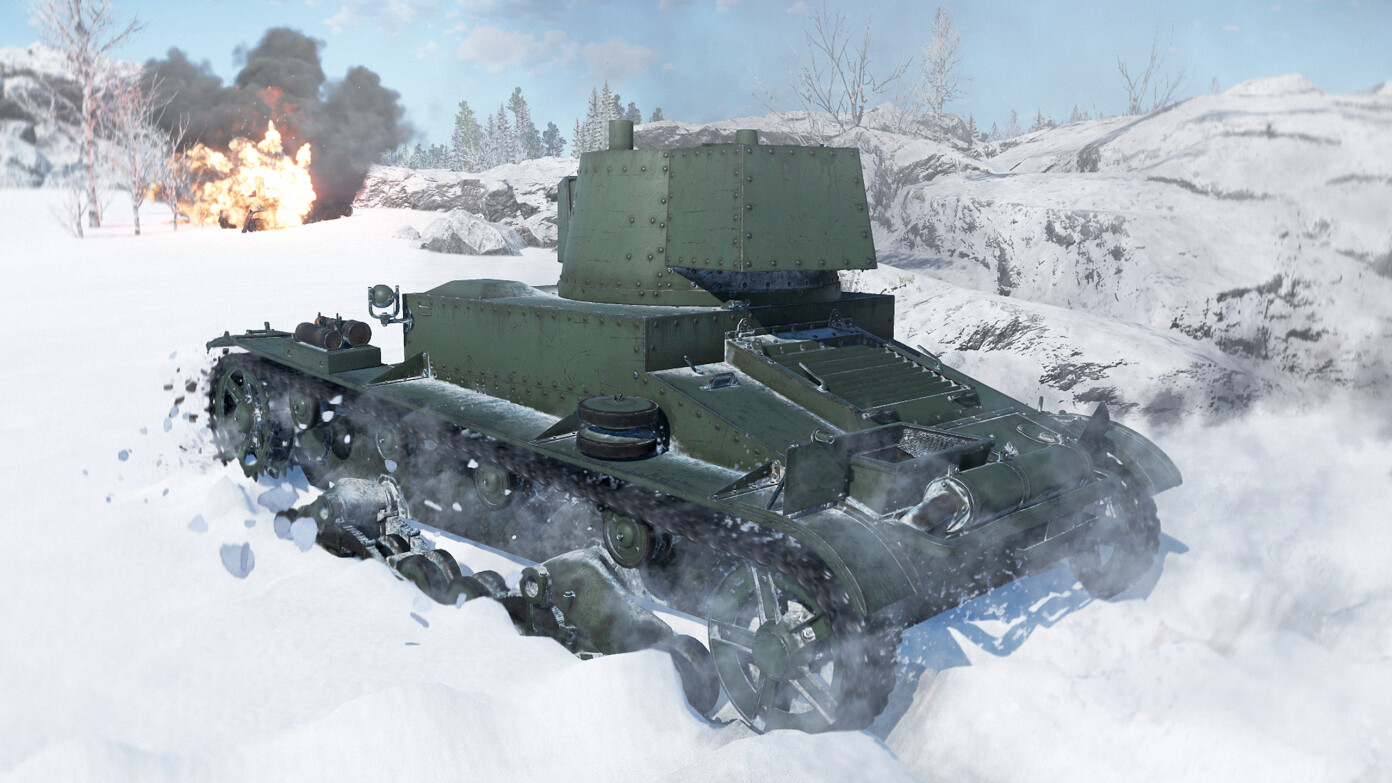
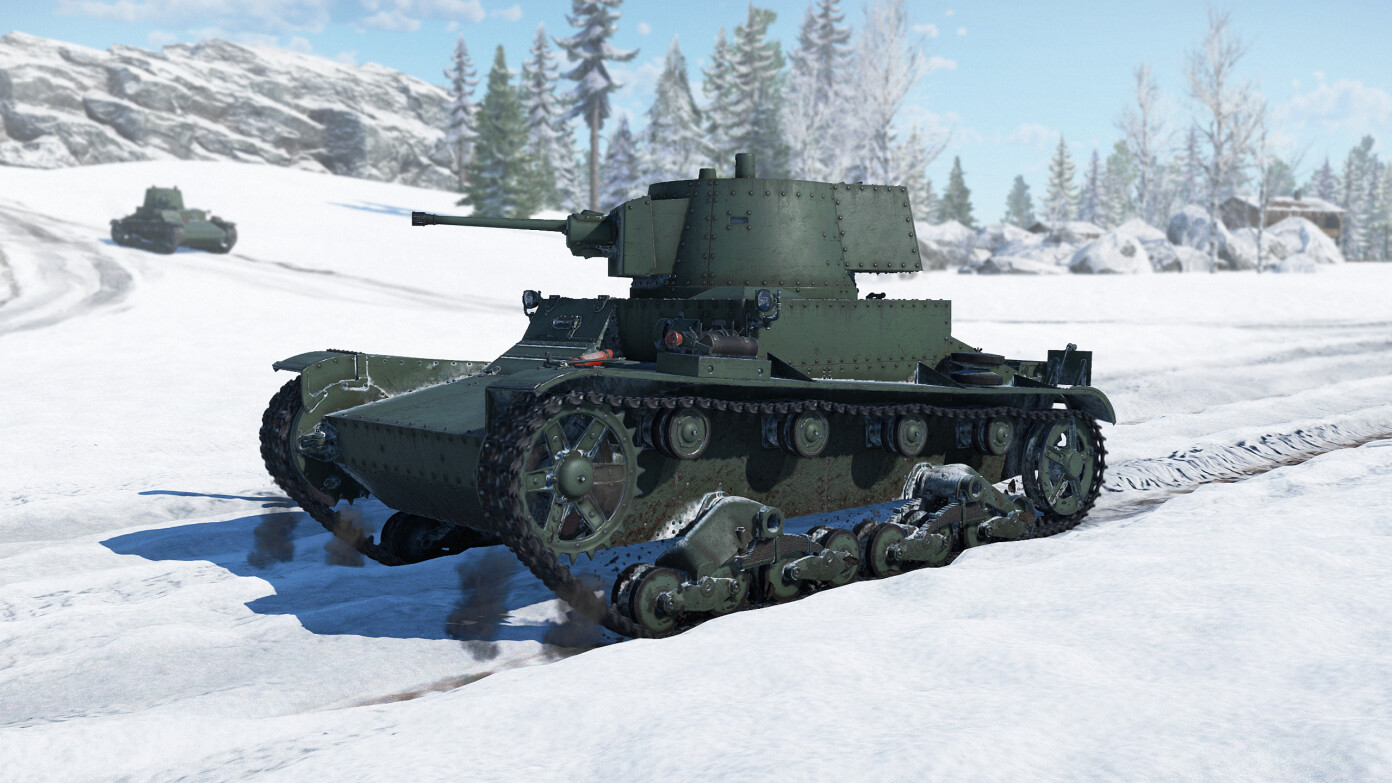
The Vickers Mk. E, also known as the Vickers 6-ton, was a tank developed in Britain during the Interwar period. Although it did not enter service in the UK, it was used by numerous countries, including Finland, Poland, and the USSR (where it became the T-26). In War Thunder, this tank can be found in the Finnish sub-tree. It is in many ways similar to the T-26, but it also has several differences, such as an extra crew member and a different gun.
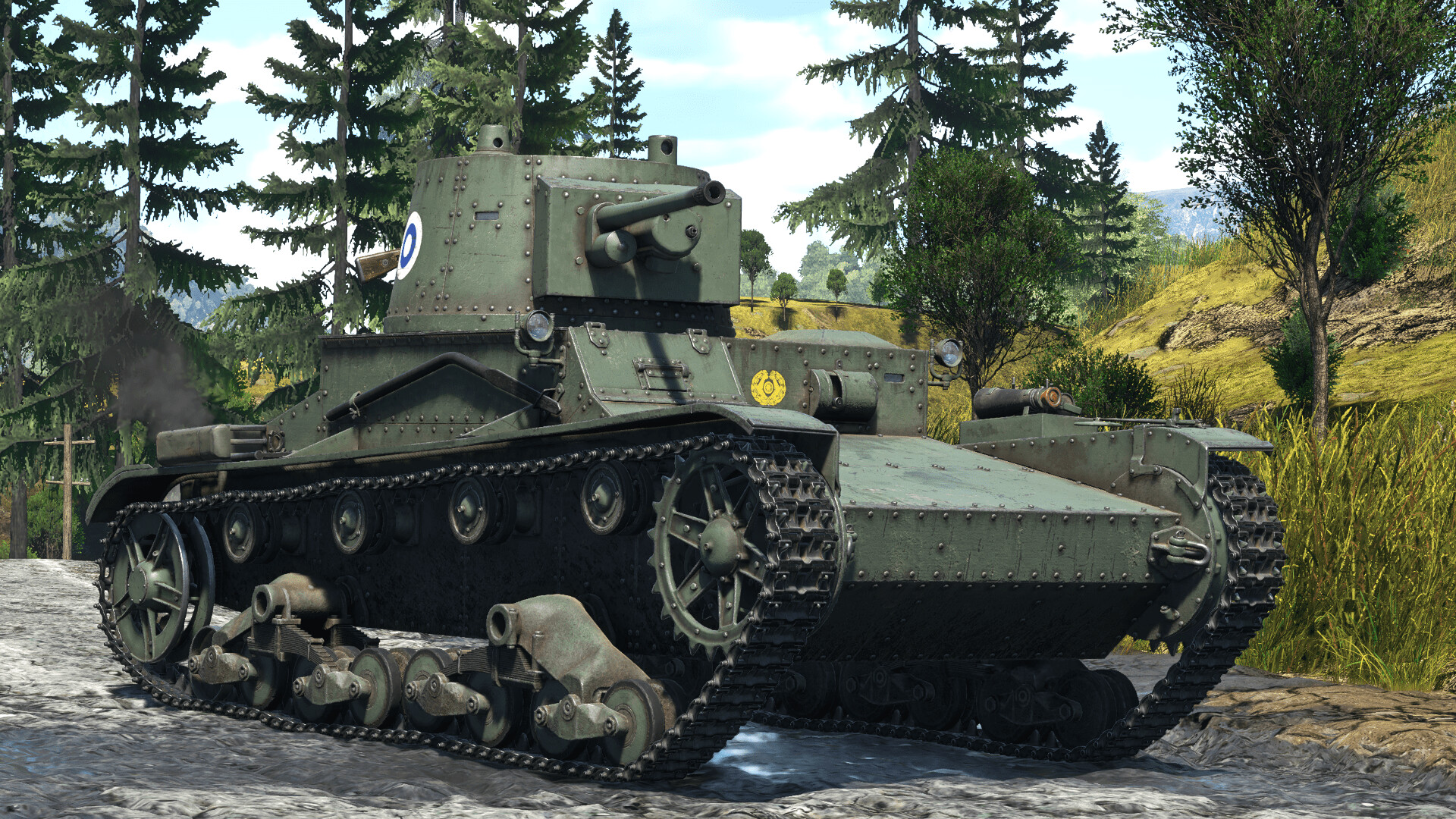
| Pros | Cons |
| The 37 mm gun has decent penetration to deal with its opponents. | While the armor is decent, it can still be easily penetrated by any tank gun. |
| The mobility is decent, reaching a top speed of 35 km/h. | The tank accelerates slowly, even though it has a decent top speed, and it does not perform well on rough terrain. |
| The Vickers Mk. E has four crew members, which helps its survivability. | The turret crew members are tightly packed, making them vulnerable to side shots. |
Mobility
The mobility of this tank is average, with a top speed of 35 km/h. However, on rough terrain such as dirt, it usually drives at 20–30 km/h while its reverse speed reaches up to 4 km/h. Overall, these figures are pretty solid compared to other vehicles based on the same chassis, such as the T-26 series, which are generally slower.
With a weight of 8.6 t and an engine producing 92 HP, this vehicle has a power-to-weight ratio of around 10.7 HP per ton. The engine is placed at the back, next to the other components vital for its functioning. It features a large frontal transmission, with four gears for forward movement and one for reverse. Overall, the mobility of this tank is average to slightly below average for its rank.
Armor and Survivability
Armor
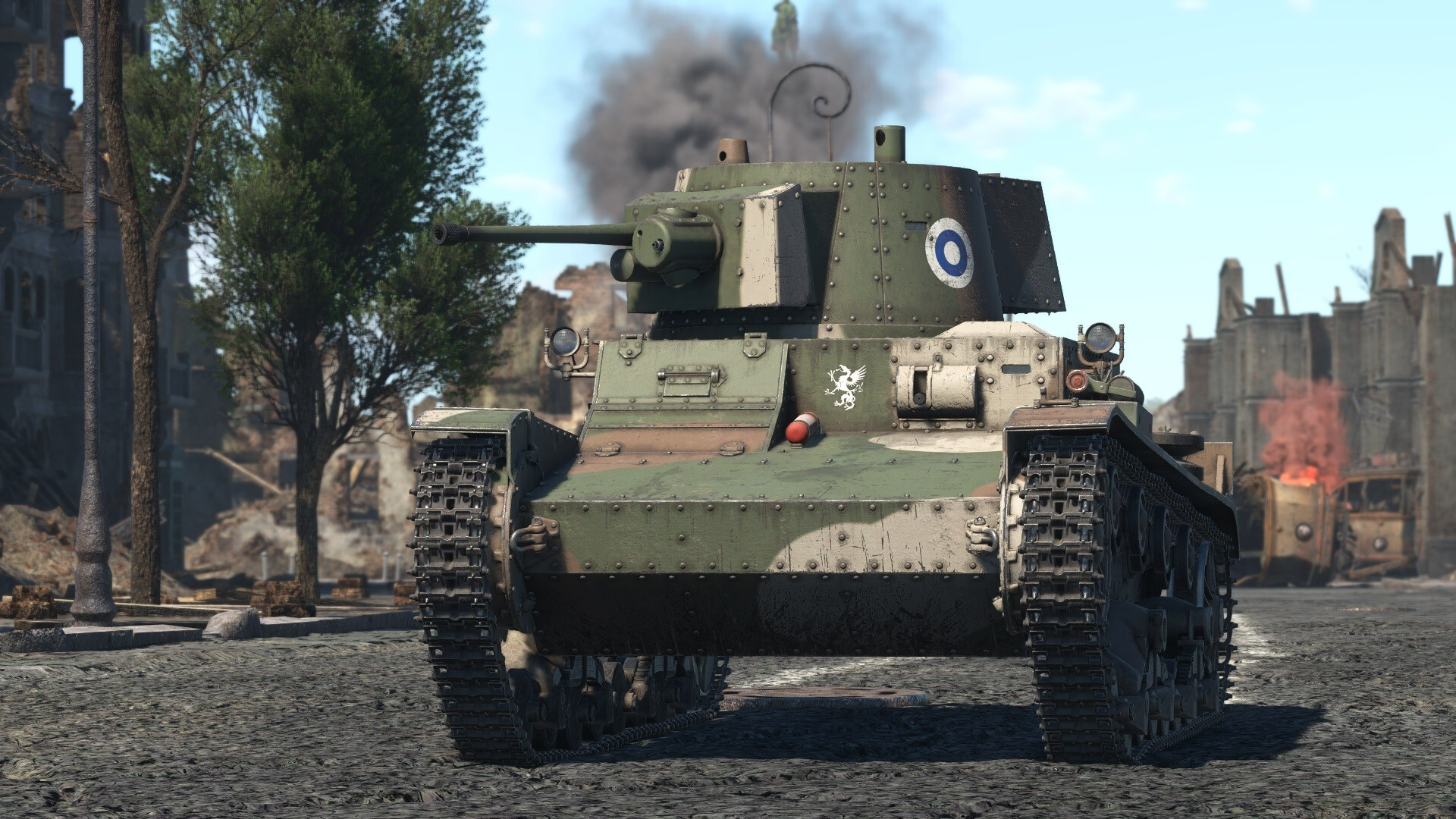
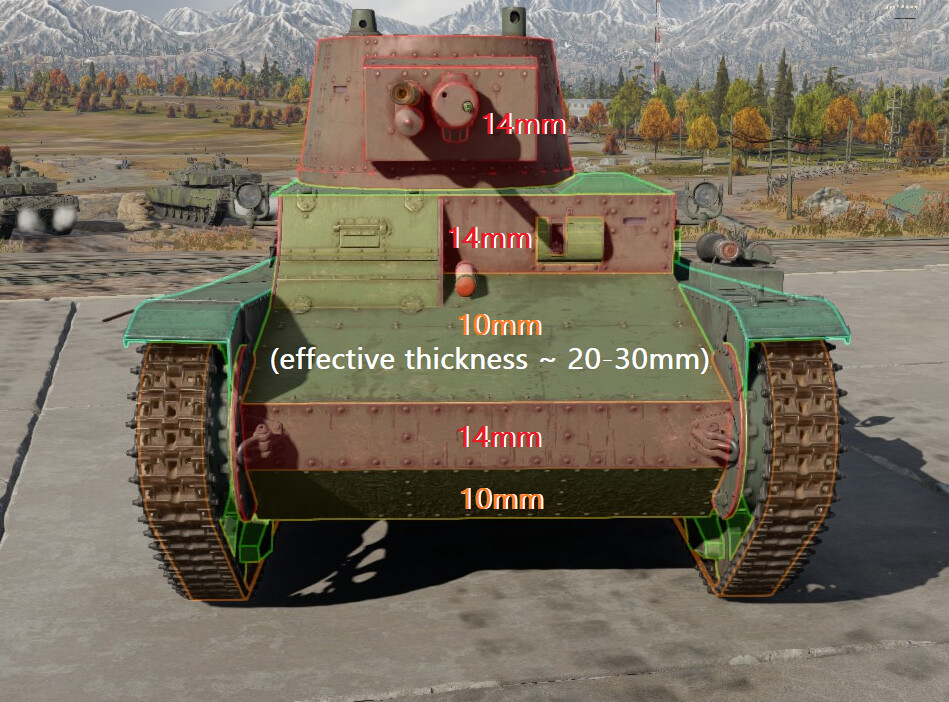
The armor of this tank is fairly poor, and although it has some thicker plates, it can usually be penetrated by most tank guns. The front is made of multiple plates with different angles and thicknesses. The turret has 14 mm of armor all around, making it vulnerable even to machine guns at close range, especially on flat surfaces, and hits there will often wound the two crew members inside. Below the turret, a 14 mm plate protects the reserve crew member, but it includes a weak MG port that can be penetrated by lighter weapons. Beneath that, a 10 mm plate protects the driver; thanks to its angle, it offers better effective protection, though the nearly vertical section around the driver’s head is still a clear weak spot. At the lower front, two plates of 14 mm and 10 mm protect the transmission; shots hitting this area will likely immobilize the tank, but can also be absorbed, helping shield more critical components.
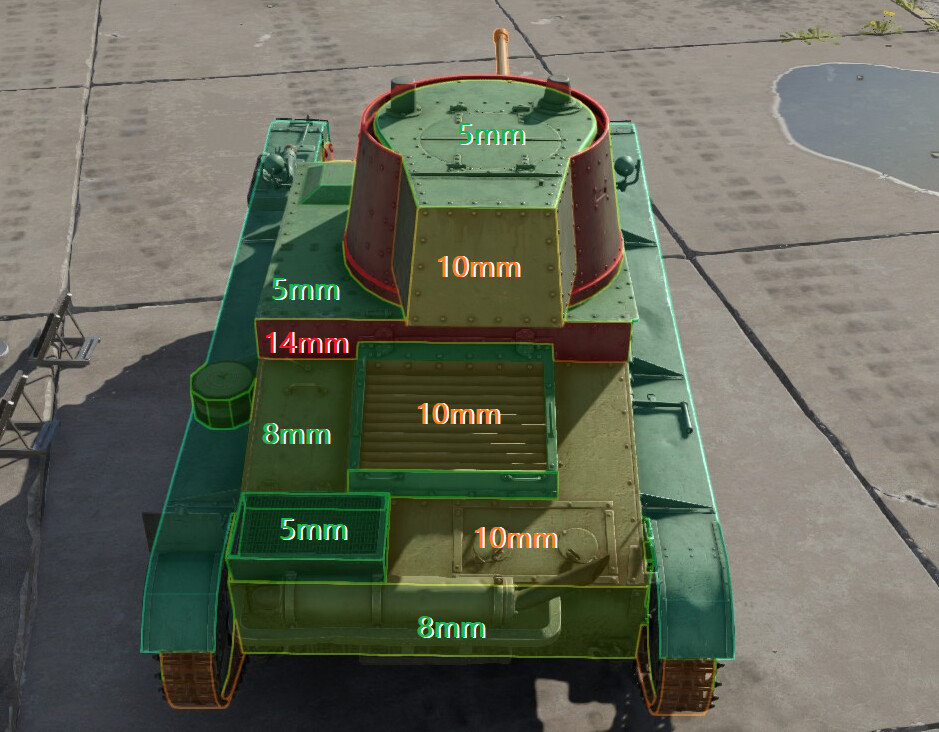
The back and top of this vehicle are not very well protected. The roof is only 5 mm thick, which can stop light armaments from aircraft from longer ranges but heavier weapons such as the 12.7 mm M2 Browning machine gun used on American planes can easily penetrate it, often wounding or even killing the gunner and loader. The plate supporting the turret is also thin (5 mm), but fortunately there are no critical components underneath. At the rear, most plates are 10 mm thick, providing adequate protection against light armament. However, on the left side there is a plate only 8 mm thick, which makes engine protection even worse. The vertical plate protecting the rear from ground fire is also 8 mm thick, meaning it can be easily penetrated.
Survivability
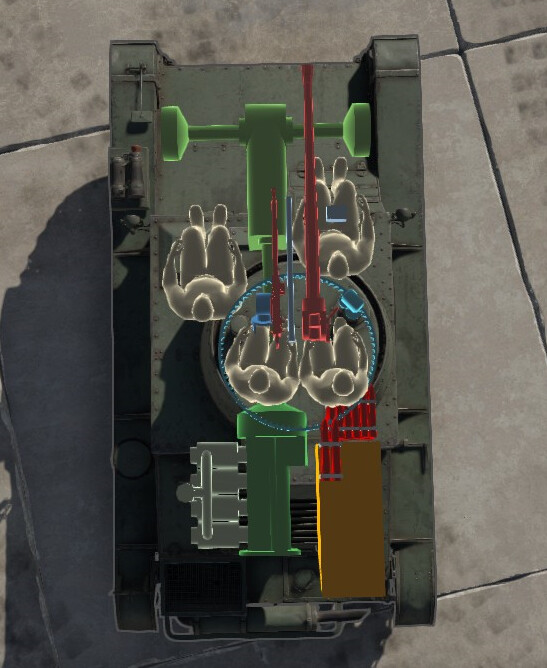
The survivability of this tank can be considered average due to its good crew layout. In the turret there are two crew members handling the gun. On the right (from this point of view) sits the loader, and on the left the gunner. Compared to the T-26 tanks, which only have three crew members, the extra member sitting next to the driver (marked as the “commander”) means that a hit to the turret will not necessarily disable the tank, since the minimum crew needed for basic operation can still remain functional. This is important because even if the turret is hit from the side and its crew is knocked out, the tank can still keep operating. In the front, the driver and commander are exposed to direct frontal hits. However, if a shot strikes the transmission, this component can absorb the impact, reducing further damage as mentioned earlier.
At the rear of the tank are the components responsible for mobility. The engine is in the middle, with the radiator on the left and the fuel tank on the right. Because of this layout, a strong side hit can potentially destroy them in a row. However, the radiator and engine are relatively “thin”, which lowers the chance of a fatal hit. Most of the ammunition is stored in front of the fuel tank, while a smaller amount is kept in the turret. Overall, the tank is vulnerable to any tank gun due to its thin armor, but the crew layout can still provide some advantage.
Firepower
Main Armament / Secondary Armament
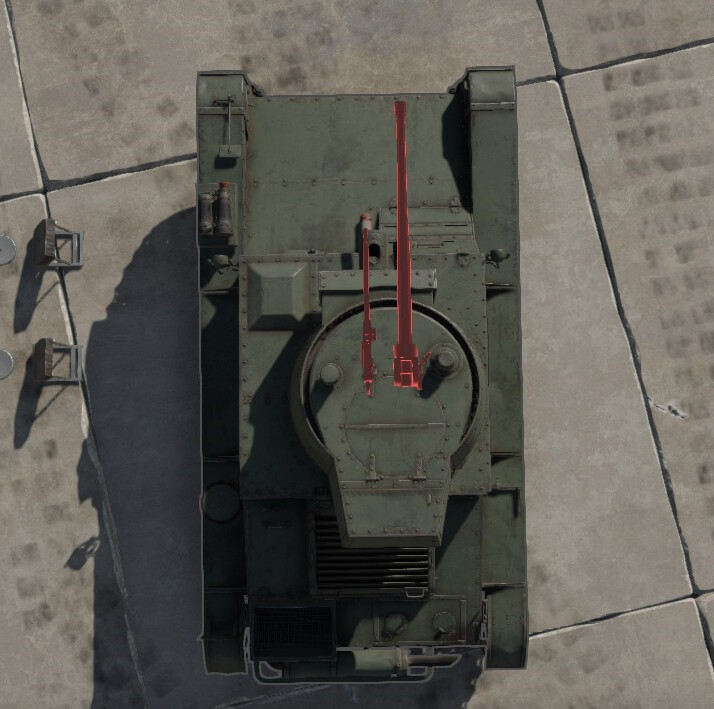
This vehicle’s main weapon is a 37 mm Psv.K/36 cannon, which provides decent firepower against its usual opponents if weak spots are targeted. However, there are sloped sections on some tanks that cannot be penetrated, so careful aiming is essential. To begin with, the turret rotation speed is 9.8°/s for a basic crew and 14°/s for an experienced crew. This is quite slow, but still acceptable considering its development period. The gun’s vertical guidance ranges from -10° to 20°, with elevation speeds of 2.8°/s for a basic crew and 4°/s for an aced crew, meaning it has good gun depression and can engage enemies from a hull-down position. Finally, its reload speed is 4 seconds for a basic crew and 3.1 seconds for an expert crew. This is average, although noticeably longer than on other similar tanks.
For secondary armament, this vehicle features an 8 mm ksp m/36 machine gun mounted to the left of the main gun. It has a reload time of 10.4 seconds for a basic crew and 8 seconds for an experienced crew, with a rate of fire of 648 rounds per minute. It also has a belt capacity of 250 rounds and a total ammunition load of 4,000 rounds. This machine gun can be used as usual to clear obstacles that would otherwise slow down the Vickers Mk. E, or to engage enemy vehicles with exposed crew.
Main Gun’s Ammunition
The 37 mm gun on this tank has access to the following types of ammunition:
- psav Vj4 (Armor-piercing shell) — This is the default shell found on this tank. The psav Vj4 has a muzzle velocity of 810 m/s, which is a good value for its era, making it suitable for hitting targets at longer ranges if fired with a proper arc. As for penetration, this shell can penetrate 58 mm of armor, making it the best choice if the player is aiming for maximum penetration, although it has no post-penetration explosive effect.
- pstkr 27-34 (Armor-piercing high explosive shell) — This shell has slightly lower penetration than the first one, but it has a post-penetration explosive effect, making it better against contemporary targets. It has a muzzle velocity of 800 m/s and 51 mm of penetration. Overall, it is a good choice and very effective against most tanks it will encounter. Avoid shooting sloped plates and always try to aim for vertical ones, which will ensure a successful hit.
The Vickers Mk. E can carry a total of 50 rounds, giving the player a wide variety of loadouts. However, to avoid taking more than necessary, you should usually equip around 10-15 of each type, which is usually enough.
Usage in Battles
Overall, this vehicle should be used carefully due to its thin armor and generally poor mobility, but it is still quite powerful on the battlefield.
One way this tank can be used is sniping from a safe position. On the Karelia map, the player can climb the slightly higher hill on the right side. From there, the tank has a good view of the canyon and its surroundings and can eliminate any enemy trying to cross the road around it. Also, if the player is on the other team and chooses to snipe, the higher hill on that side of the map offers the same advantage. Karelia is a notable map, but other maps also have good sniping positions. On Ash River, if the player is on the left team, the spot next to the steep slope provides sniping opportunities on point B and the bridge leading to it. From the elevated side of the map, the player can still snipe, but the tank will be exposed to enemy fire. On Kuban, the elevated area next to the lake offers sniping opportunities on point A and its surroundings. Compared to other zones, this area is available to both teams equally, and control depends on who dominates it. Other maps, such as Attica and Poland, also provide sniping opportunities because they are open and large.
If the player decides to advance in an open map, they should choose a path that is less exposed to enemy sightlines. The player should also carefully check for enemies before leaving cover. This can be dangerous because the tank is still weak and a single good hit can knock it out. However, it is often necessary in open maps.
If the player encounters an urban environment, such as Abandoned Factory or Advance to the Rhine, the strategy of this vehicle changes significantly. One way to use it is to block a road or defend a point. The player should position the tank in a concealed area and expose it as little as possible. From there, the player can engage anything that tries to pass. However, while this is safe, it is a slow and not always rewarding playstyle, although it is very useful for the team. If the player decides to attack, which happens often, they should advance with caution and avoid exposing themselves to enemy fire. The player should also check carefully if any opponents are doing the same before advancing. Compared to the T-26, however, this tank is less vulnerable due to its larger crew.
Overall, this tank excels at defending a zone or road from a safe position thanks to its decent gun, but it also performs the other roles quite well.
History
Development in Britain
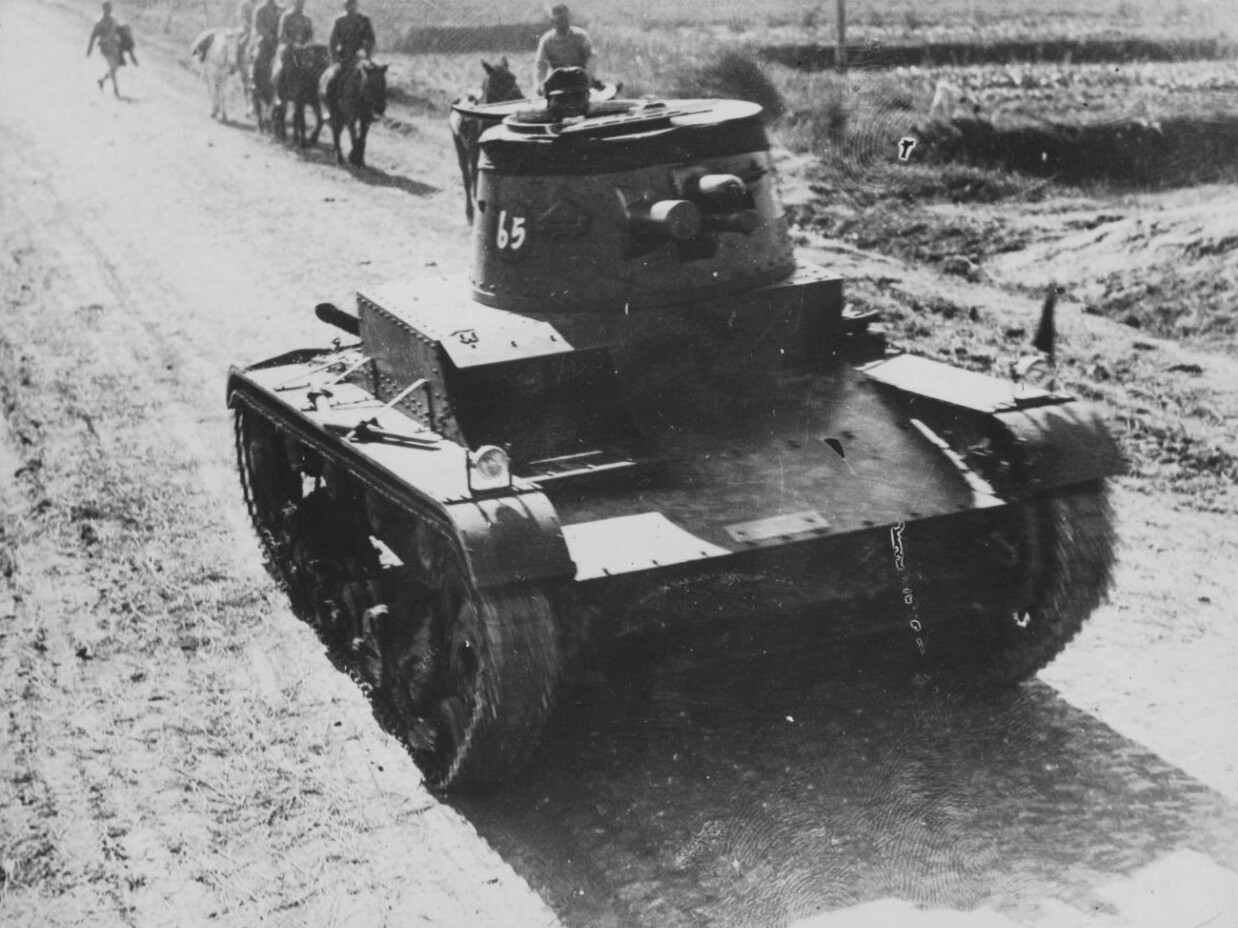
The development of the Vickers-Armstrongs 6-Ton began in 1928, when the British Vickers-Armstrongs Ltd factory built such a prototype as a private venture, designed by John Carden and Vivian Loyd. This tank came in two variants: Type A and Type B. The Type A was armed with two Vickers machine guns, mounted in two small turrets. The Type B had a single turret equipped with a short-barrel 47 mm cannon, along with a coaxial machine gun. This layout was unusual for its time, because most tanks in that period had independent armaments placed on different parts of the turret or hull. This, however, allowed a single person to operate both weapons more easily at the same time, making the tank more efficient.
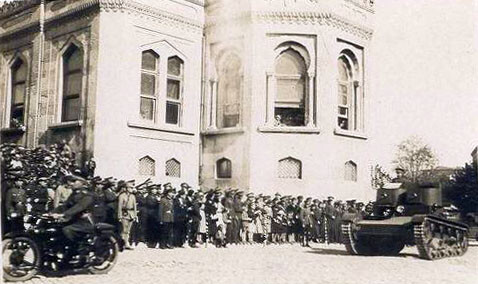
In 1929, it was patented by John Carden. The tank was presented to the British Army but was rejected mainly because the new suspension was considered unsuitable and the tank did not fit their tactics. Nevertheless, a small number of artillery tractors based on this chassis were purchased. After the rejection, it was decided to market it under the name “Mark E”, and surprisingly, it found a large number of buyers. The list of operators includes, in chronological order: the Soviet Union, Greece, Poland, Bolivia, Siam, Finland, Portugal, China, and Bulgaria. While most customers preferred the single-turret version, the Type A was licensed by Poland and the Soviet Union, and small numbers were also purchased by other countries for testing. The Vickers works in Elswick produced 153 Mark E tanks, of which 142 were sold.
This design became the ancestor of the legendary T-26 and the Polish 7TP, both of which were produced in large numbers before the Second World War. In addition, the “duplex mounting” system, which placed the main gun and a coaxial machine gun aligned in the same direction, allowed more effective fire on targets and was later adopted on most tanks. Thus, by the beginning of World War II, a gun and coaxial machine gun combination was present on almost every tank.
Finnish Service
Before 1933, the Finnish tank forces only had the aging Renault FT-17 in service. These tanks were ordered from France, and Finland bought 34 of them between 1919 and 1920. However, by the early 1930s they had become obsolete in terms of mobility and firepower, which was a major issue. As a result, the Finnish Army considered buying three tanks from Vickers for testing in 1933, one of which was the Vickers 6-Ton Type B. The Type B stood out for its good mobility in deep snow and over obstacles created by the terrain. Despite this advantage, it also had drawbacks, especially the gun. The main armament, the short 47 mm gun, had low muzzle velocity and was not effective against other tanks, so it was not considered adequate. Still, the Finns could make their own improvements, so the tank was not completely abandoned.
On 20 July 1936, Finland placed an order for 32 Vickers 6-Ton Type B tanks. To reduce costs, they ordered the basic chassis without optics, turret mechanisms, armament, or even the driver’s seat and other equipment. Besides lowering the cost, this also allowed the Finnish Army to install their own weapons, solving the firepower problem. Vickers produced a slightly modified hull for the Finns, which was a bit longer, with the turret placed on the right side. Delivery was scheduled between July 1937 and January 1939; however, Vickers failed to meet this schedule, with 26 tanks arriving before the Winter War and 6 arriving during or after it. The Finns decided to equip the tanks with 37 mm Psv.K/36 guns provided by the State Artillery Factory.
These tanks were used against the Soviets in the Winter War. Most notably, they fought enemy tanks during the Battle of Honkaniemi, which was the only time they engaged enemy armor directly. Six tanks were sent to attack the Soviets, but one of them was stopped by a wide trench that it could not cross, while the others continued the advance. They managed to destroy a few enemy tanks, but were then quickly knocked out themselves. After this, the Finns lost two more tanks. One major problem that contributed to these losses, as well as the small number of operational vehicles, was that many of them were not yet equipped with guns. In 1941, the tanks were rearmed with Soviet 45 mm guns, and they were used again in the following war, remaining in service for training until 1959.