
By the mid-2000s, Venezuela was looking for a new multirole platform to modernize its Fighter Air Groups. It was at this time that the Sukhoi Su-30MK2 (NATO reporting name: Flanker-G) was acquired, an aircraft that would make the Caribbean nation the sole Latin American operator of the legendary Flanker fighter family and which, for nearly two decades, has remained the country’s primary frontline air combat asset.
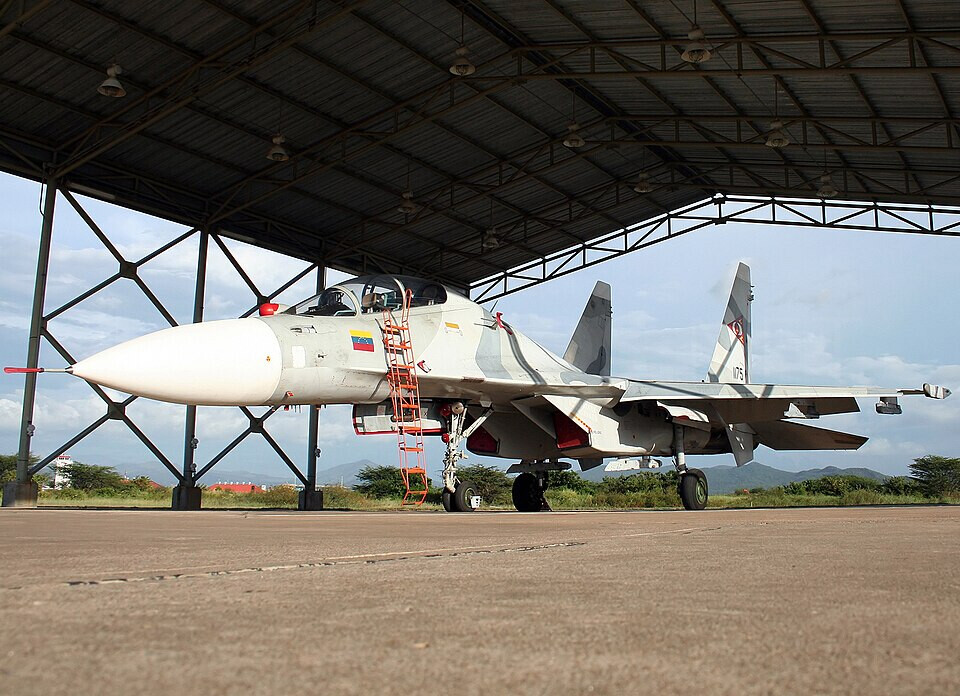
The history of the Su-30MK2 in Venezuela began in 2006, following the breakdown of military-technical relations between the Venezuelan government and the United States. Coupled with the U.S. embargo on arms and spare parts sales to Venezuela’s armed forces, the Bolivarian Military Aviation of Venezuela (AMBV) faced serious challenges in keeping its Western-made aircraft operational, particularly the F-16A-15OCU fighters, which had been Venezuela frontline air combat assets since 1983. Against this backdrop, on July 2, 2006, two Russian Sukhoi Su-30 fighters entered the Maiquetía air traffic control zone, the Su-30MK “Blue 501” and the Su-30MK2 “White 502”. They were escorted by four Venezuelan fighters, two F-16s and two Mirage 50s.
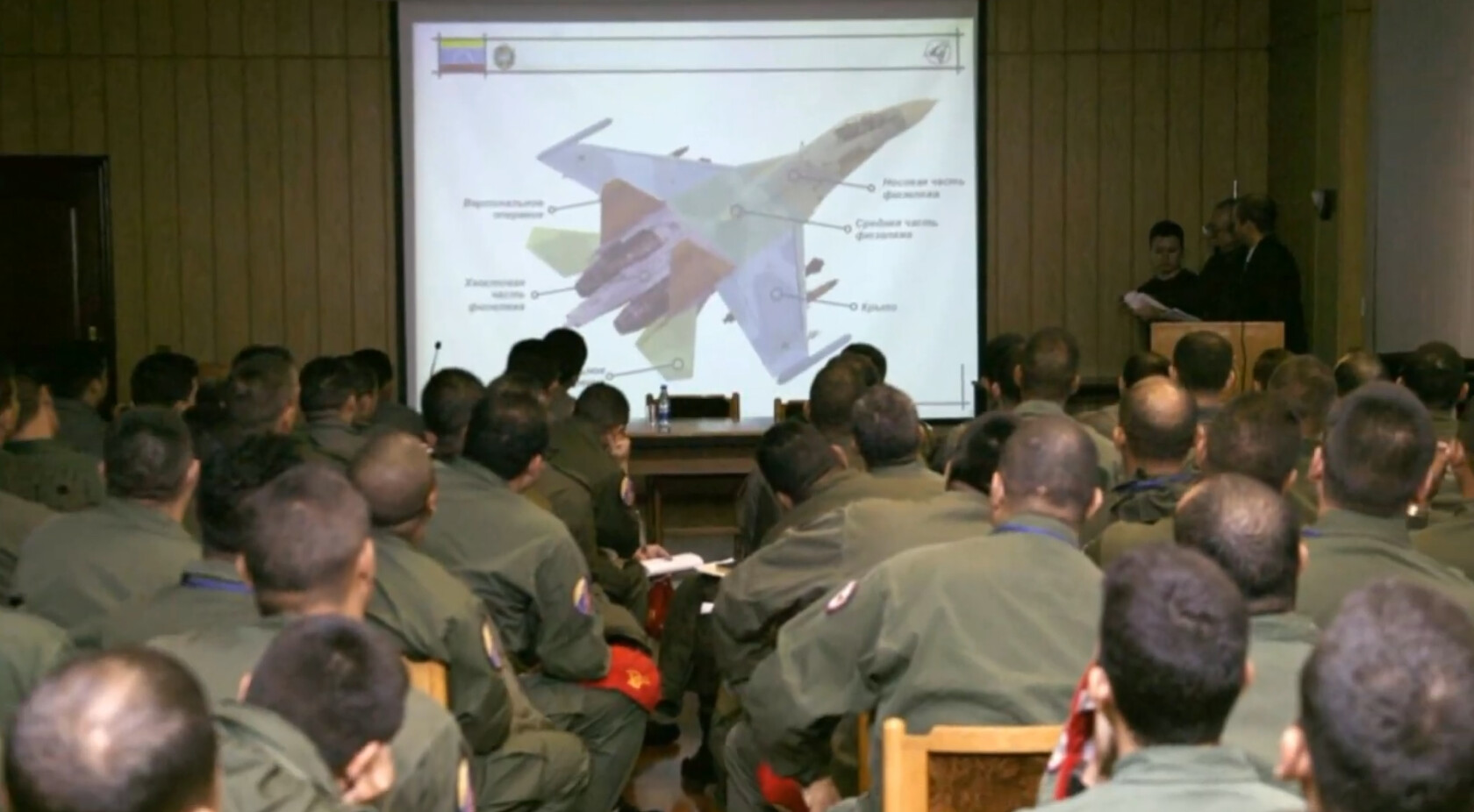
Both Su-30s took part in the parade marking the 195th anniversary of Venezuela’s Declaration of Independence and were closely studied by Venezuelan military officers, who already had experience with Russian aircraft from evaluating the MiG-29M2 and the MiG-29UB in 2001. After a thorough assessment of both models, the decision was made to select the Su-30MK2. Its N001VEP radar provided naval strike capabilities, a feature the Bolivarian Military Aviation valued highly, as their Mirage 50EV fighters (equipped with Exocet anti-ship missiles) were approaching the end of their operational life. Consequently, a contract was signed to purchase 24 units, with the first two scheduled for delivery in December 2006.
On December 10, the anniversary of the Bolivarian Military Aviation (now celebrated on November 27 to mark the second 1992 coup attempt, in which the former Venezuelan Air Force played a prominent role on both the rebel and loyalist sides), Venezuela officially unveiled its first two Su-30MK2s, “AMBV-0460” and “AMBV-1259” (the latter featured tail art of the Venezuelan flag, which is also available in-game). Both aircraft performed public demonstration flights, though these were piloted by Russians, since formal training for Venezuelan pilots and technicians had only begun in January 2007. A group of Venezuelan officers had traveled to Russia and the KnAAPO plant to learn aircraft operation and maintenance.
A little-known detail about these first two Sukhois is the speculation that they came from a surplus of the Chinese Su-30MK2 batch, which explains the unusually fast delivery. The contract was signed in July, and the planes were delivered by December of the same year.
The remaining aircraft of the 24-unit fleet were delivered in batches, with the final planes arriving by July 2008.
List of aircraft and delivery dates:
| AMBV REG | Serial Number | Delivery Dates | Additional Notes |
| 1259 | 798103-86001 | Dec 2006 | Tail Art of the Venezuelan flag |
| 0460 | 798103-86002 | Dec 2006 | Crashed 17 September 2015 |
| 8963 | 798103-86003 | Dec 2006 | |
| 1265 | 798103-86104 | Dec 2006 | |
| 0167 | 798103-86105 | Apr 2007 | |
| 0962 | 798103-86106 | Apr 2007 | |
| 1075 | 798103-86207 | Apr 2007 | |
| 1175 | 798103-86208 | Apr 2007 | |
| 0457 | 798103-86309 | Jun 2007 | Crashed 16 October 2019 |
| 2711 | 798103-86310 | Jun 2007 | |
| 9959 | 798103-86411 | Oct 2007 | |
| 0462 | 798103-86412 | Oct 2007 | Tail Art commemorating the 10th anniversary of the Su-30MK2 in Venezuela |
| 0564 | 798103-86413 | Nov 2007 | Tail Art commemorating the 200th anniversary of Venezuela independence and the 5th anniversary of Fighter Air Group No. 13 |
| 3564 | 798103-86514 | Nov 2007 | |
| 1168 | 798103-86515 | Dec 2007 | |
| 1169 | 798103-86516 | Dec 2007 | |
| 1161 | 798103-86618 | Apr 2008 | |
| 9463 | 798103-86617 | May 2008 | |
| 5965 | 798103-86619 | May 2008 | |
| 5790 | 798103-86620 | May 2008 | |
| 3363 | 798103-86721 | Jul 2008 | Crashed 2 July 2023 |
| 1157 | 798103-86722 | Jul 2008 | |
| 5812 | 798103-86723 | Jul 2008 | Tail Art commemorating the 102 anniversary of AMBV |
| 1783 | 798103-86724 | Jul 2008 | Tail Art featuring the Venezuelan flag alongside a portrait of Simón Bolívar |
Early Years
The Sukhois currently operate with two separate air groups. The first is Fighter Air Group No. 11 “Devils” which comprises Fighter Squadrons No. 33 “Falcons” and No. 34 “Caciques”. The second is Fighter Air Group No. 13 “Simón Bolívar” (also known as Lions), which includes Fighter Squadrons No. 131 “Cayaurima,” No. 132 “Yavire,” and No. 133 “Urimare.”
The Su-30MK2 set several records both within Venezuelan aviation and across Latin America. One of the most notable achievements was reaching an altitude of 67,000 ft at a speed of Mach 2.3. It was also Venezuela first fighter with beyond visual range capability, thanks to its integration of long-range missiles such as the R-27ER and R-77. Additionally, it pioneered the use of electronic warfare systems, being capable of carrying two KNIRTI L-005S Sorbtsiya-S pods mounted on the wingtips.
Modifications requested by Venezuela
From WW2 until the arrival of the 2000s, the Venezuelan Air Force operated under Western standards, this led to the adoption of the same system of measures used by NATO. This created a problem when resorting to Russian platforms after the American veto on arms sales in 2005.
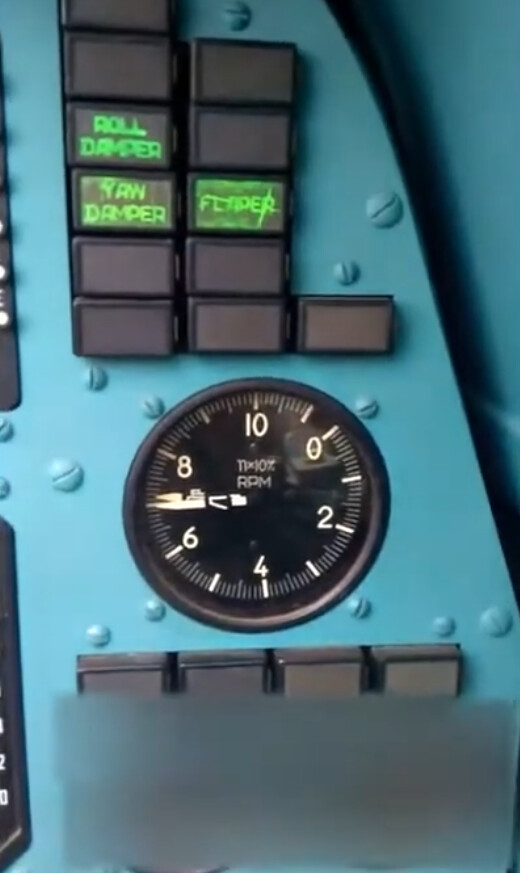
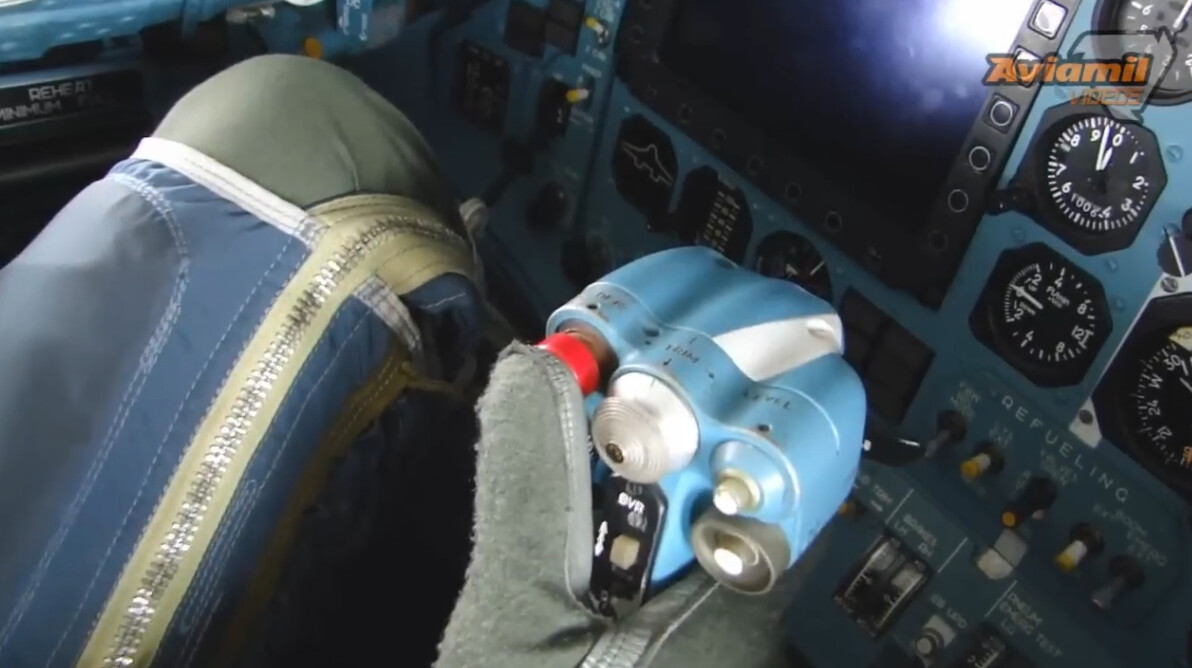
When Venezuelan pilots examined the Russian fighters, they encountered the enormous barrier that they used the metric system and the entire cockpit was in the Cyrillic alphabet. It is because of these that a series of specific modifications were requested for the entire batch of Flankers.
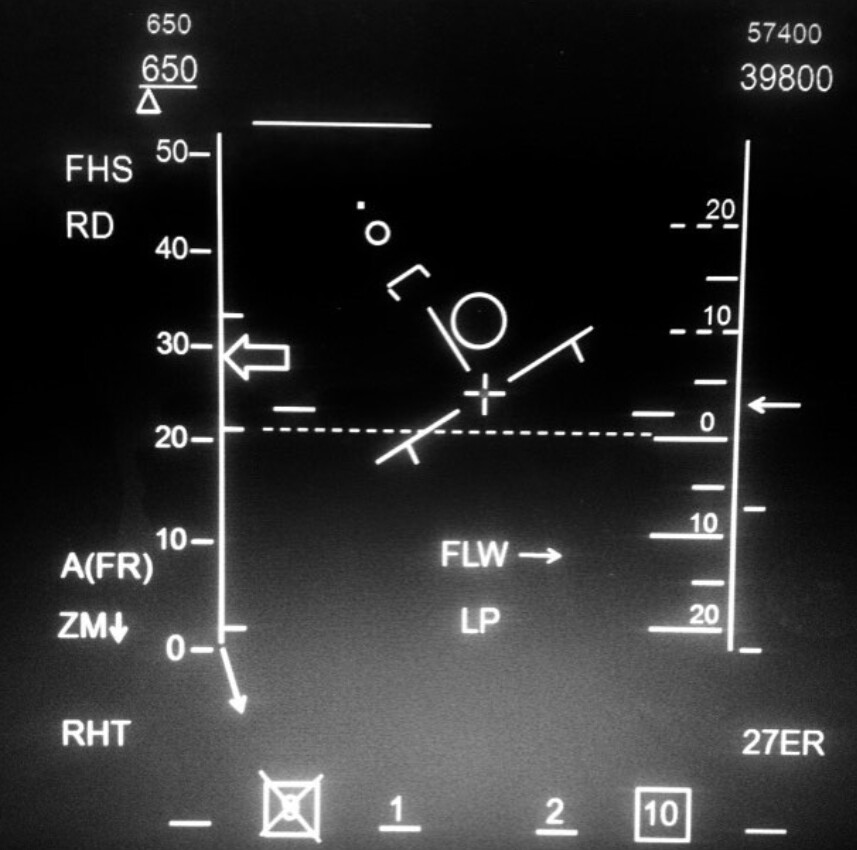
- Elimination of the metric system: Unlike the Russian fighters, the Venezuelans do not use the metric system, their HUDs, MFD screens, analog indicators and tables use measurements such as knots, feet, and nautical miles.
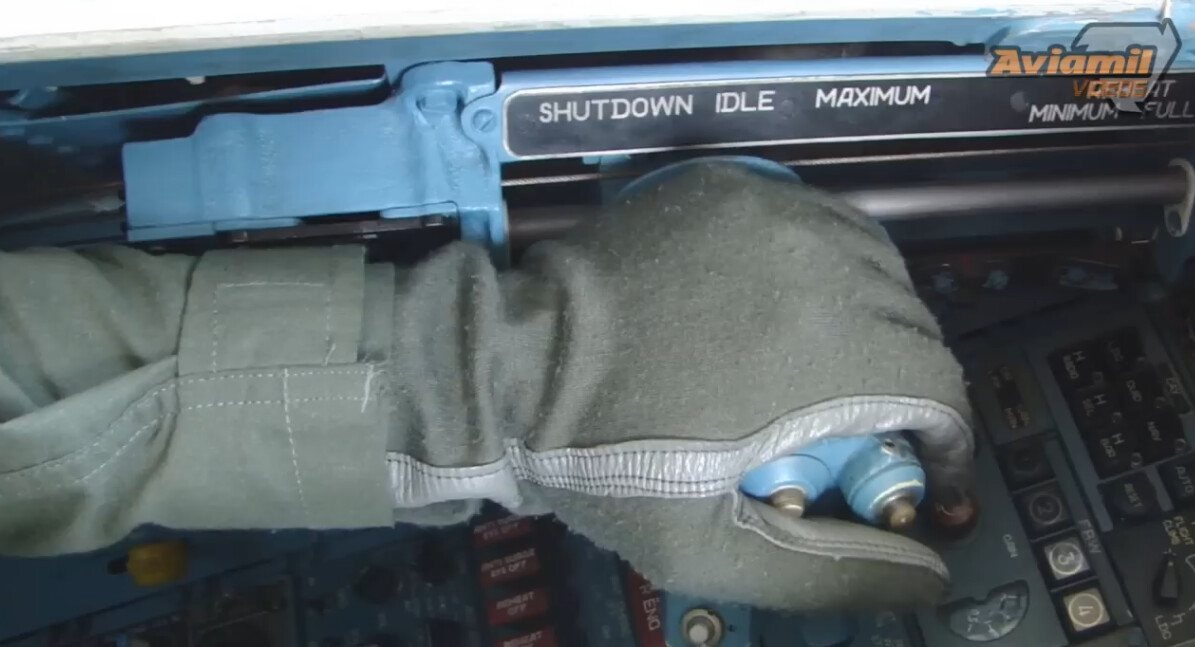
- Cockpit and systems in English instead of Russian: Following the previous measure, it was requested that the entire cockpit and onboard systems be in English, to reduce the learning curve of the Venezuelan pilots who had been using English for decades as the standard language in the cockpit of all their aircraft, even more so since the pilots who were going to fly the new Sukhoi came from flying F-16A/B and Mirage 50EV/DV.
Power Plant — Saturn AL-31F
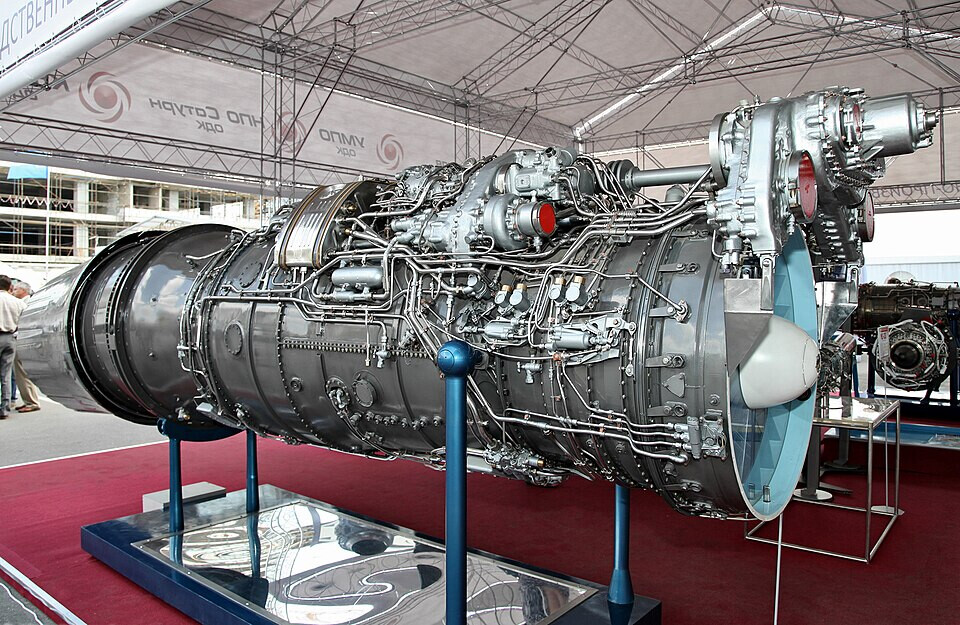
The development of the AL-31 turbofan began in the 1970s at the Lyulka design bureau (later known as Lyulka-Saturn) under the internal designation izdeliye 99. Designed to offer greater fuel efficiency and longer range than existing turbojets.
Arkhip M. Lyulka served as the chief designer, a role later assumed by Victor M. Chepkin following Lyulka death.
Following the collapse of the Soviet Union, the traditional distinctions between design bureaus and production plants gradually blurred. Lyulka-Saturn merged with Rybinsk Motors to form NPO Saturn, aligning closely with UMPO, while Salyut emerged as an independent entity. Ultimately, both Saturn and Salyut went on to independently develop their own advanced variants of the AL-31 family.
The Su-30MK2 is powered by two AL-31Fs, each producing 123 kN of thrust.
Avionics
In terms of avionics, the fighter is equipped with the NIIP N001VEP radar, OEPS-27 Infrared search and track (IRST) system, L-150 Pastyel radar warning receiver (RWR), Sura-K helmet-mounted sight (HMS) and the L-005S Sorbtsiya-S electronic warfare (EW) pods.
The aircraft has two LCD multifunction displays (MFD) for both the pilot and the weapons systems officer (WSO).
Radar — NIIP N001VEP
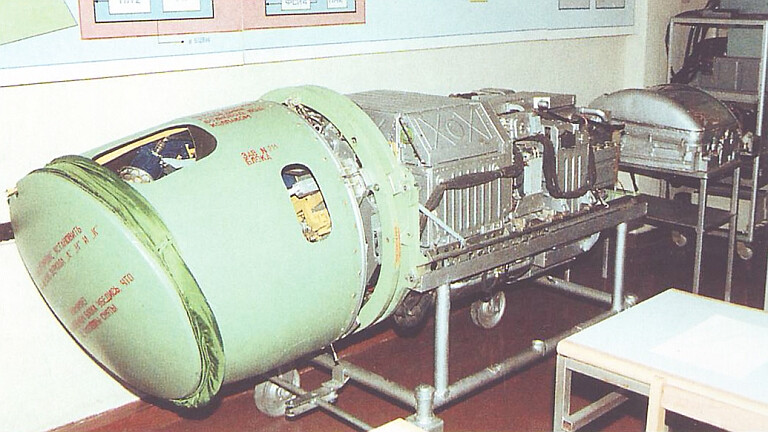
Engineered by the Tikhomirov NIIP, the N001VEP is a Monopulse Pulse-Doppler radar operating in the I/J bands, featuring an inverted Cassegrain antenna. It serves as a comprehensive hardware and software modernization of the legacy N001 Myech , originally fielded on the 1985 airframe.
Development wrapped up in 2003 under the “Pandade” program. Building on a multi-stage upgrade path—specifically evolving from the N001VE model found in the Su-30MKK—the VEP variant introduces a significant design overhaul. The objective was twofold: to sharpen air-to-air combat performance and, crucially, to implement air-to-ground capabilities. Key modifications include:
- The integration of a new radar data computer, OAO Elara’s BTsVM-486-6. Built on a processing architecture utilizing Intel 486DX2-50, AMD 486DX4-100, and AMX5X86-133 CPUs alongside Intel 80860-25 graphics processors, this unit enables a dual-target engagement mode for the R-77 missile. Crucially, it retains full backwards compatibility with the legacy software stacks from the original STsV-1 and STsV-2 computers.
- Implementation of the N001-04 data bus controller to manage interface logic between the radar’s computing units and peripheral subsystems. This device ensures seamless interoperability between differing coding standards—bridging the modern C++ used in the new computer with the legacy POISK architecture assembler—thereby streamlining system integration.
- The adoption of the Baget 55.04.02, a programmable digital signal processor developed by NIISI RAN, paired with a new N001-03VP-2 low-frequency digital receiver. This combination allows for direct signal digitization at the receiver level, unlocking a suite of advanced air-to-ground modes including SAR, DBS, GMTI, RBM, and SEA.
These upgrades grant the radar newfound air-to-ground lethality, enabling the deployment of radar-guided anti-ship missiles—a capability notably absent in the previous Su-30MKK. Furthermore, air-to-air performance sees a significant boost with the introduction of the R-77 active-homing missile. It should be noted, however, that the modernization effort was primarily tailored toward ground attack; the improvements to the radar’s air-to-air envelope, while present, are relatively incremental.
To leverage its air-to-air performance, the pilot has access to four BVR combat modes: PPS (Head-on), ZPS (Tail-on), Avt (Automatic), and 2×1—alongside two dogfight modes, Optika and Vertikal.
At high altitudes, the radar can detect a target with a 3 m² RCS on an intercept course at ranges between 90 and 110 km. The cockpit displays provide an intuitive, high-fidelity readout of the contact’s velocity vector, altitude, heading, and threat priority. In pursuit courses, the system maintains tracking at 40-50 km with similar data resolution.
Engagement envelopes are rated at 75-90 km for the forward hemisphere and 35-40 km for the rear hemisphere against comparable targets under Instrument Meteorological Conditions. While a hard lock is mandatory for deploying the R-27R/ER missiles, the N001VEP 2×1 mode allows the pilot to engage two separate targets simultaneously with R-77 missiles. This multi-target capability functions within the radar angular and elevation field of view without requiring a dedicated Single Target Track (STT) lock.
In BVR modes, the radar automatically tracks up to 10 targets, prioritizing them based on their closing speed—or distance, depending on the active mode—while simultaneously identifying them via the Identification Friend or Foe (IFF) system. Should a new contact appear once the 10 target memory limit is reached, the system triggers a re-evaluation sequence; it automatically drops the lowest-priority contact to classify and integrate the new threat into the tracking matrix.
The radar search pattern consists of a 4-bar elevation scan with a fixed ±25° azimuth coverage. The pilot can shift this search area across three sectors (left, center, or right) to optimize airspace surveillance. Mechanically, the system supports a maximum field of regard of ±60° in azimuth and ±55° in elevation. To maintain tracking efficiency across different profiles, the radar dynamically utilizes both High and Medium Pulse Repetition Frequencies (PRF).
For air-to-surface operations—encompassing search, tracking, and engagement—the radar utilizes two high-resolution modes: synthetic aperture and doppler beam sharpening. While the latter is technologically analogous to the system found in the AMBV F-16A-15OCU (AN/APG-66(V)2), specific resolution data for the Russian hardware remains classified.
To track moving land-based targets, such as convoys or individual vehicles, the system employs ground moving target indication (GMTI). Conversely, for navigational updates and cartographic referencing, the radar can revert to a real beam mapping mode, which provides planimetric data without the need for complex signal processing.
When engaging maritime targets, the N001VEP features dedicated air-to-sea modes. These are specifically optimized for sea clutter suppression, effectively filtering out wave-generated echoes while dynamically adjusting receiver sensitivity to compensate for atmospheric conditions and random background noise.
The radar operates with a mean power output of 1 kW, reaching a peak power of 6.5 kW. To ensure survivability in contested environments, the system integrates a suite of electronic counter-countermeasures (ECCM), utilizing both hardware-level circuitry and software algorithms to mitigate enemy electronic interference.
Beyond standalone operation, the radar is designed for seamless sensor fusion. It can be slaved to the IRST system and the helmet-mounted sight (HMS), allowing for rapid target acquisition. Furthermore, it can act as a node within a broader tactical network, receiving external data-links and vectoring information from various command-and-control communication suites.
Infrared Search and Track (IRST) — OEPS-27
The system features an IRST sensor integrated with a laser rangefinder/designator, capable of both distance measurement and target illumination for aerial and ground threats. The laser designator has an effective range of 10 km, enabling the deployment of laser-guided air-to-surface missiles and providing high-precision ballistics for unguided bombing runs.
In air-to-air combat, the system enhances the GSh-301 autocannon lethality. By operating in passive modes that remain undetectable to enemy Radar Warning Receivers, it delivers extraordinary accuracy, effectively compensating for the aircraft’s limited 150 round ammunition load.
The infrared sensor itself achieves detection ranges exceeding 90 km in the rear hemisphere against targets at military power. When paired with the radar in a Low probability of intercept (LPI) mode, it can acquire precise range data with high immunity to electronic countermeasures, thanks to the system’s superior angular resolution.
For airspace surveillance and engagement, the sensor utilizes four distinct Fields of View:
- Search: Wide (60° x 10°) and Narrow (20° x 5°).
- Close Combat: Vertical Scan (3° x 75°) and Tracking/Engagement (3° x 3°).
The total gimbal limits for the optical head are ±60° in azimuth and +60° / -15° in elevation.
Electronic Warfare (EW) — KNIRTI L-005S Sorbtsiya-S
The Sorbtsiya-S is a piece of equipment developed by KNIRTI in Kaluga, being the equipment used by the Sukhoi Flanker family of aircraft of the Russian Air Force, and unlike most Western jamming pods, it is designed to operate in pairs located on the wingtips performing radar jamming from the H band to the J band.
Each pod has two electronically scanned phased array antennas, one forward and one rearward, as well as a perturbation generator, transmitters, and receivers in its central section. Known perturbation techniques for the system include Doppler noise, ground bounce, and cross-polarization from multiple sources.
Phased array antennas allow a wide range of detected frequencies as well as interference with narrow, electronically directed beams against more than 10 airborne or surface emissions.
Installing the pods with a large separation allows for a better signal coverage environment as well as the ability for one to serve as a receiver and the other as a transmitter, so that enemy radar signals can be continuously analyzed, manipulated and retransmitted with distortions, even if the radar frequency or heading changes.
The system utilizes Luneberg lens technology for proper beam formation. Each pod weighs 190 kg and is 4.2 m long. The L-005S Sorbtsiya-S is part of the equipment of Venezuelan fighters.
Helmet Mounted Sight (HMS) — Sura-K
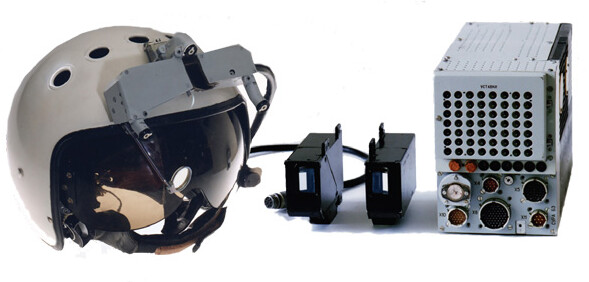
Venezuelan pilots of the Su-30MK2 are equipped with the Sura-K Helmet Mounted Target Designation System (HMTDS), developed by the Ukrainian company ARSENAL Special Device Production State Enterprise. This device is mounted on the pilots' helmets using the same bracket as night vision goggles and connects to the aircraft via a cable. The helmet-mounted unit weighs a total of 0.39 kg.
The Sura-K system allows the fighter pilot to obtain missile firing solutions simply by looking at and locking onto the target. The system is capable of connecting to the aircraft’s radar and IRST system for target acquisition.
The system has maximum designation angles of +70° to -70° in azimuth, and +65° to -35° in elevation.
Armament
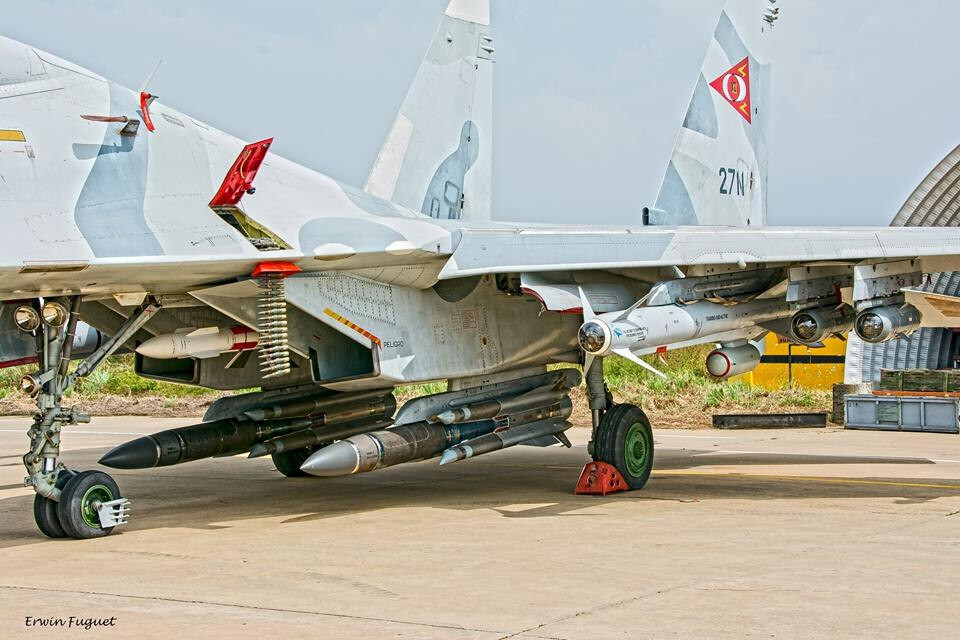
Venezuelan fighters were equipped with an extensive and modern arsenal tailored for various mission types. For air-to-air combat, they carry infrared guided Vympel R-73E and R-27ET missiles, semi-active radar homing (SARH) R-27R and extended range R-27ER missiles, and active radar homing (ARH) Vympel R-77 missiles. For air-to-ground missions, Venezuelan Sukhois carry a wide array of both guided and unguided weapons, including Western-made Mk 82 bombs. The aircraft is equipped with a 30×165mm GSh-301 automatic cannon, which has a high rate of fire of between 1500 and 1800 rounds per minute, using a reserve of 150 projectiles of different types.
Note: Within the AMBV it is not common to refer to the R-77 as RVV-AE.
Air-to-Air Weapons
Vympel R-73E
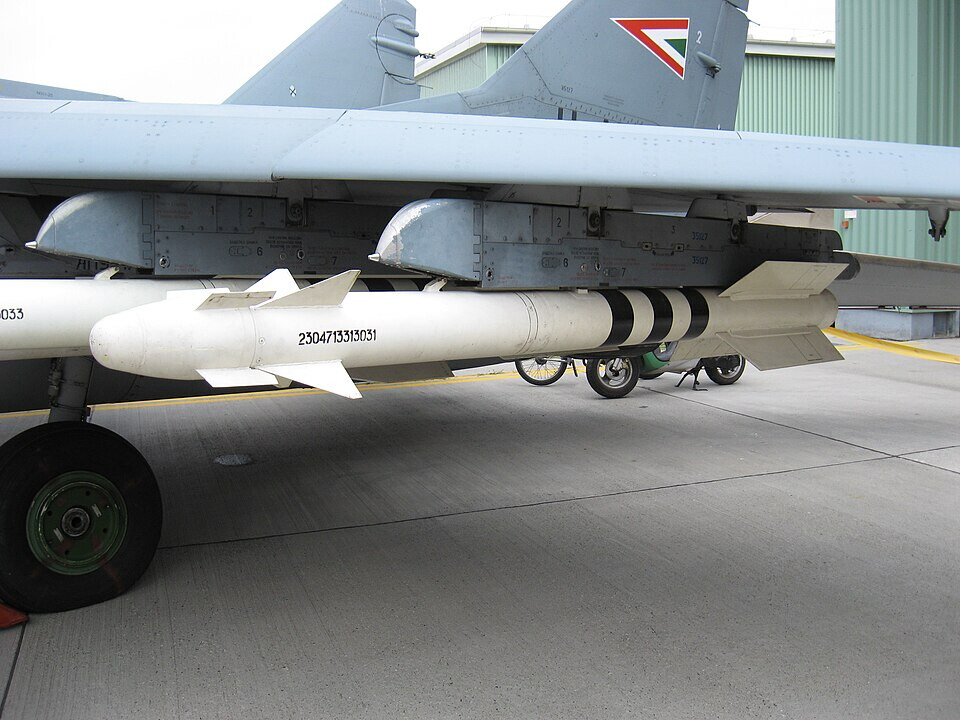
The Vympel R-73E (NATO code AA-11 Archer) is a short-range missile that was the first fourth-generation missile to enter service worldwide. Its features include thrust vectoring and a high-power solid-fuel motor, which allows for exceptional maneuverability. It can track targets while maneuvering at over 12G and fly at angles of attack of up to 40°, with the ability to execute 180° turns within a 200 m radius. It has all-aspect capability and excellent discrimination against flares and infrared background noise.
On Venezuelan Su-30MK2, the system is coupled to a helmet-mounted Arsenal Sura-K designator, which allows the pilot to aim the weapon simply by looking at the target within the designated range.
Vympel R-27ER/ET
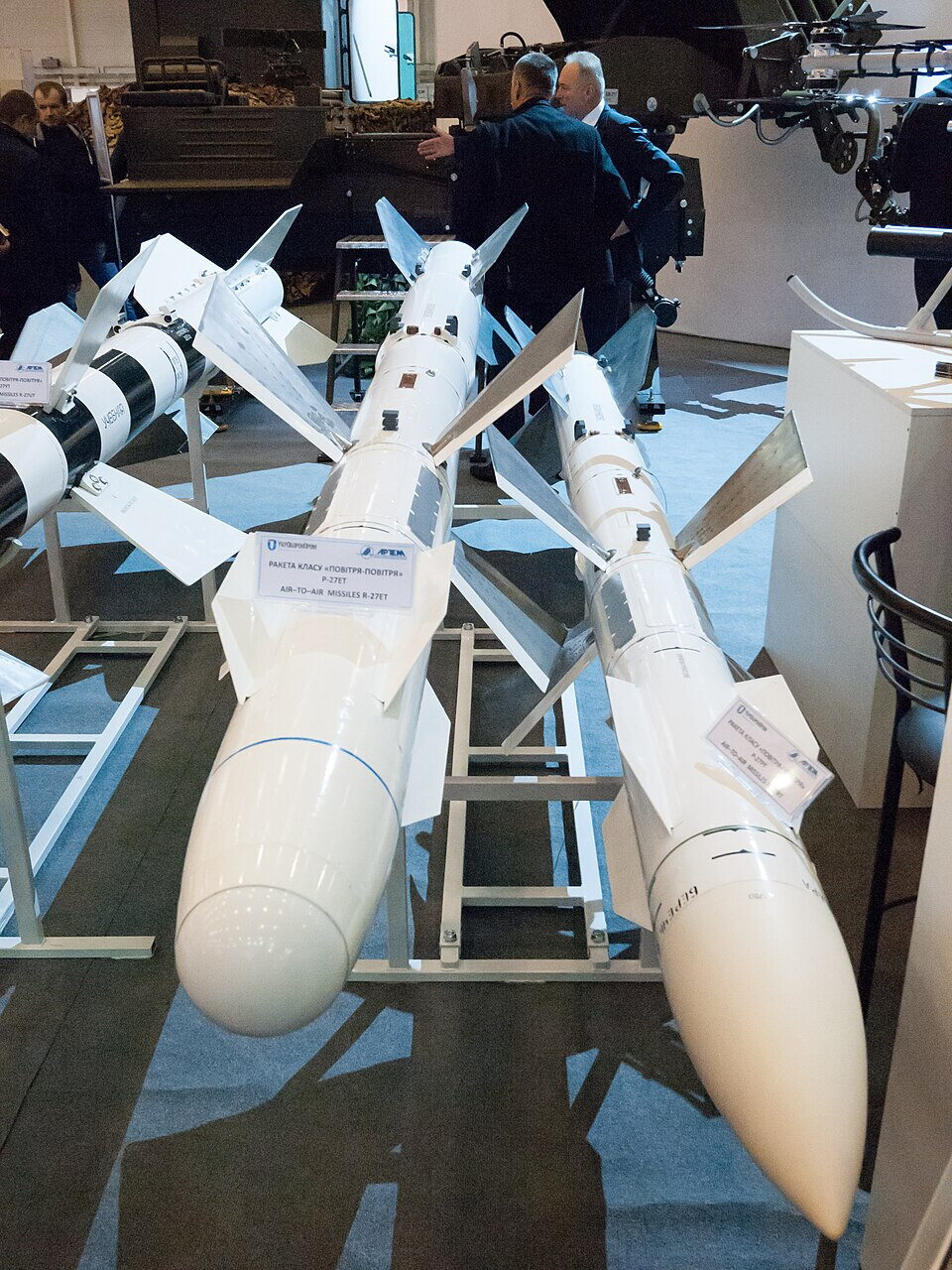
The Vympel R-27 (AA-10 Alamo) is a medium-range missile whose history dates back to 1972. The R-27 missile family is modular in its construction, allowing the use of multiple guidance systems for different roles with the same aerodynamic design and two propulsion solutions.
It features a canard aerodynamic configuration with an axially symmetric, cruciform arrangement of the aerodynamic surfaces. The control surfaces allow for a unique configuration (called a “butterfly”), using the same surfaces for missile guidance, pitch control, and stabilization.
The missiles available in this family include the SARH guided version with a monopulse seeker, designated R-27R, and the R-27T with a dual-band infrared seeker, cooled by liquid nitrogen. For aircrew training in simulated combat, the inert R-27UT is typically used, which can be fitted with interchangeable training modules to simulate firing conditions for semi-active radar homing or infrared missiles.
All basic versions of the R-27 have received upgrades, such as a new seeker head and increased range. In Venezuela, these upgraded versions, the R-27ER (Alamo-C) and R-27ET (Alamo-D), with extended ranges of 130 and 120 km respectively, are known to be present.
Vympel R-77
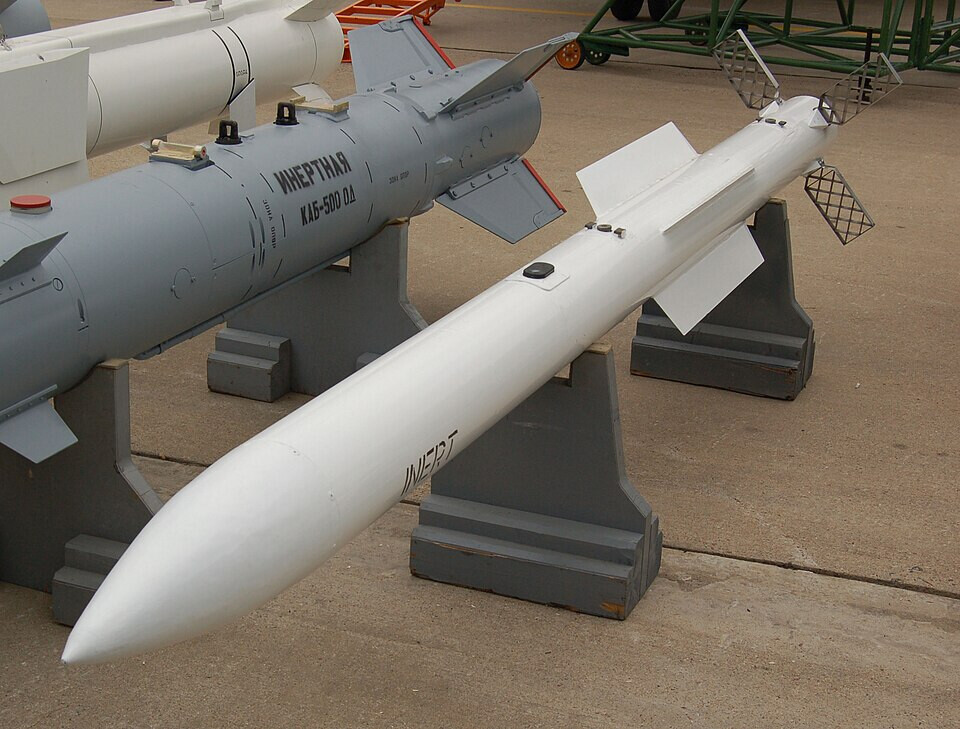
Finally, the third air-to-air missile that arrived with the Venezuelan Su-30MK2 was the Vympel R-77 (NATO reporting name: AA-12 Adder), also known by its export designation RVV-AE.
Entering service in 1994, it is an active, medium-range, all-aspect missile designed to engage aerial targets day or night, in adverse weather, and under heavy electronic countermeasures, including multi-channel frequency interference. It was initially known in the West as the “AMRAAMski,” as it was the Russian counterpart to the AIM-120 AMRAAM. Weighing approximately 175 kg and structurally divided into five functional compartments, the missile features an active terminal radar seeker, giving it fire-and-forget capabilities and high resistance to countermeasures. After launch, the R-77 is inertially guided with radio-correction updates received from the launch platform’s computers.
When the missile approaches within approximately 20 km of its target, it activates its own active radar for automatic terminal guidance, allowing the pilot to initiate evasive maneuvers immediately after launch. Powered by a single-regime solid-fuel rocket motor that provides thrust for 6 to 7 seconds before continuing by inertia, the missile can reach maximum speeds of Mach 4 to Mach 4.5.
The R-77 makes use of an aerodynamic solution based on the principle of louvered fins controlled by differential electro-commands, which gives it excellent maneuverability, allowing the weapon to maneuver against aerial targets with overloads of more than 12G, although its specified maximum target G-load is 9G. Its 22 kg warhead is pre-fragmented with 3,000 fragments, contains multi-cumulative elements, and can be activated by an impact fuze or a proximity laser sensor effective up to 10m.
Capable of engaging targets flying at altitudes between 200 and 75,000 ft, the missile has a theoretical maximum range of 100 km, with practical launch distances reaching up to 81.5 km against targets with a 30 m² cross-section or large wingspan aircraft, 61.1 km against non-reacting fighters, and 50 km (with effective engagement at 20.4 km) against maneuvering fighters. Boasting a 0.6 to 0.7 probability of hit, the Su-30MK2 can carry a maximum payload of six of these highly lethal missiles simultaneously on hardpoints 4-10-1-2-9-3.
Air-to-Ground Weapons
Unguided
OFAB-250-270
The OFAB-250-270 bombs are designed to destroy light armored materiel, fuel stocks and other targets by a combined HE, fragmentation, and thermal effect. The Su-30MK2 has a maximum capacity to transport up to 28 pumps of this model.
Mk 82
The 227 kg (500 lb) Mk 82 bomb is a low-drag, general-purpose (LDGP), high-explosive (HE-Frag) unguided bomb belonging to the Mk 80 series. It can be equipped with a standard tail unit or a Snakeye unit with a high-drag tail delay device (TRD) for low-altitude attacks.
Although the Mk 82 nominal weight is 227 kg (500lb), its actual weight varies considerably depending on the configuration, from 232 kg (510 lb) to 259 kg (570 lb), and it is one of the most common air-launched weapons in the world.
Guided
KAB-500Kr
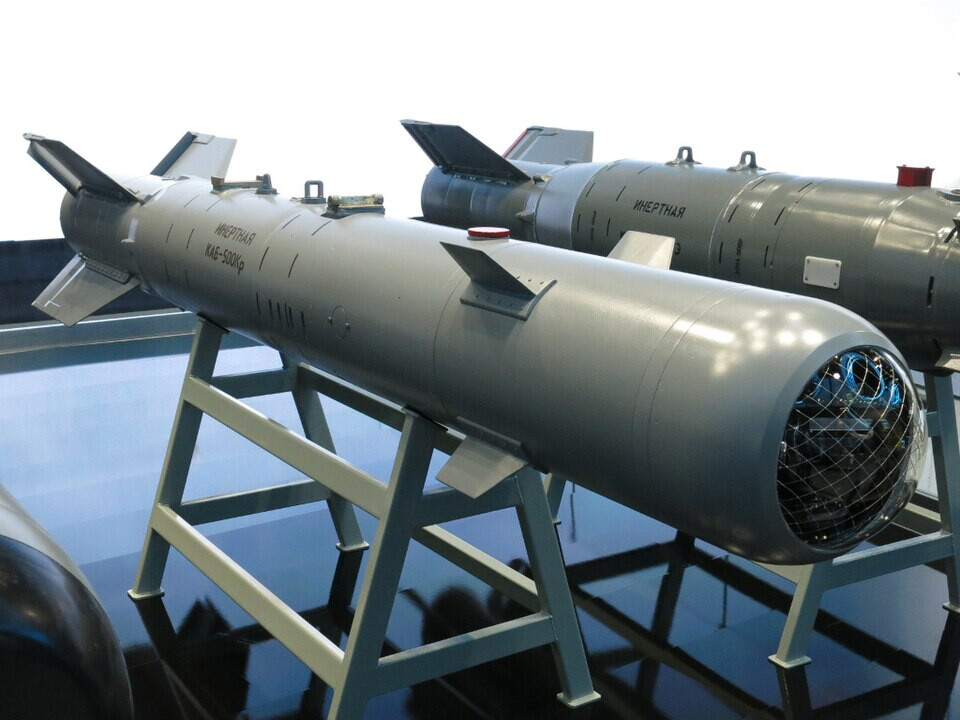
The KAB-500Kr is an electro-optical guided bomb that uses a fire-and-forget seeker, with a maximum range of 15 to 17 km depending on visibility. It has a lighter warhead of 380 kg, containing only 100 kg of a more powerful armor-piercing high explosive. The fuze can be either impact or delayed. The KAB-500Kr is used against hardened targets such as concrete shelters, runways, bridges, military industrial facilities, ships, and transport vessels under normal weather conditions. The KAB-500-OD bomb, on the other hand, weighs 370 kg, has a 250 kg warhead with 140 kg of high explosive, and features an impact fuze. It is used against weapons emplacements and troops in the field.
Both versions are used by Venezuelan Sukhoi Su-30MK2, which can carry up to six of them. For pilot training, the 85 kg KAB-500Kr-U pod is also available, which simulates bomb acquisition and targeting, and has a service life of up to 100 takeoffs/landings or eight years of storage.
KAB-1500Kr
The KAB-1500Kr series comprises electro-optical guided bombs. The seeker employs a gimbal-mounted daytime television image sensor under a wide-angle glass dome. The Kr series guidance system utilizes scene-matching area correlation technology, enabling engagement of low-contrast targets by exploiting the contrast of terrain features or nearby objects.
The mesh screen behind the optical window was introduced for EMC purposes and to prevent RF interference from the seeker.
Vympel Kh-29L/TE
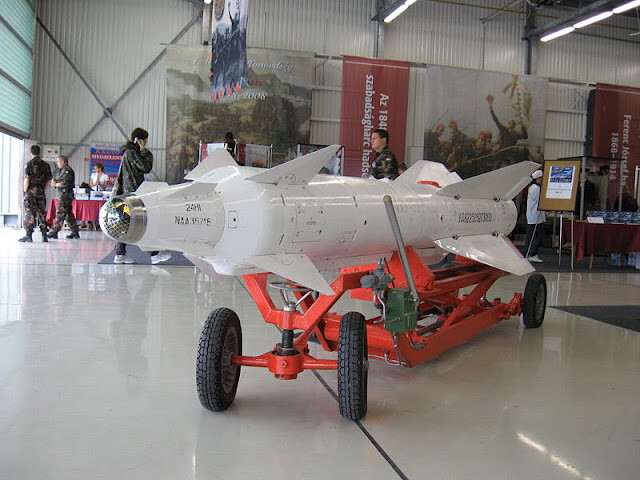
The Kh-29 missile (Russian: Х-29, NATO: AS-14 Kedge; GRAU: 9M721) is a Russian air-to-surface missile designed to be used against battlefield and larger targets such as infrastructure, industrial buildings, depots, bridges, but it can also be used against naval targets, armored aircraft shelters and concrete runways.
It is basically composed of five compartments: guidance unit, control unit, warhead, engine, and tail unit. The warhead is a 317 kg concrete penetrator type; the fuze system allows for contact or delayed detonation, selectable by the pilot. The warhead’s detonation can produce a crater 12-15 meters in diameter and up to 6 meters deep in a concrete runway.
The Kh-29T version is a missile with an electro-optical guidance unit featuring two fields of view: one for target acquisition and an automatic tracking mode. The seeker can be guided and enslaved by an aircraft sensor or can operate autonomously and is of the fire-and-forget type. The circular error probability is 2.2 meters.
The Kh-29L is a laser-guided missile that uses a 24N1 semi-active laser seeker developed by NPO Impuls. The 24N1 can intercept a reflected laser signal at a range of up to 8 km under 10 km visibility conditions. The system has a Circular error probable (CEP) of 3.5-4 meters and can be guided by various types of laser designators, including those of Western origin with appropriate laser programming.
The Venezuelan Su-30MK2 are capable of carrying both the Kh-29TE (extended range version up to 30 km), and the Kh-29L, which were fired for the first time at the La Orchila island firing range.
Zvezda Kh-31A/P
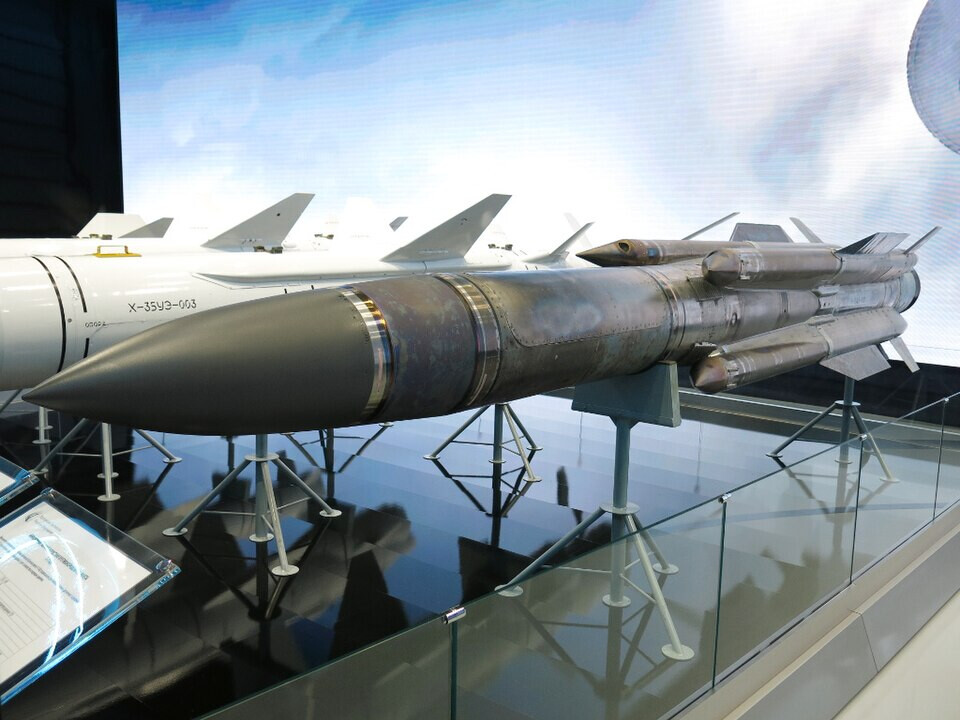
The Kh-31P and Kh-31A (NATO Code: AS-17 Krypton) were developed by the former OKB Zvezda-Strela and follow the line of modular armaments developed under a common base with different guidance units for varied roles. Structurally, both variants are divided into three main compartments: the guidance system, the warhead, and the fuel tank with the motor. In Venezuela, both the Kh-31P and the Kh-31A are part of the weapons system of the Su-30MK2.
Both missile variants share a highly capable propulsion system:
- Launch Conditions: They can be launched at aircraft speeds between Mach 0.65 and Mach 1.5.
- Dual-Phase Propulsion: The system utilizes a booster motor that operates for up to 3 seconds, followed by a cruise motor that engages when the missile reaches speeds between Mach 1.8 and 3.5.
- Flight time and speed: The cruise engine maintains flight for up to 120 seconds, allowing the weapon to reach its maximum speed.
Kh-31P: Anti-Radiation Variant
The Kh-31P is a specialized anti-radiation missile designed to target ground-based fire control and surveillance radars, as well as those installed on naval vessels. It uses passive radar guidance and works in conjunction with the aircraft’s Radar Warning Receiver (RWR) to detect enemy signals. It features up to three interchangeable seeker heads to cover different frequency bands:
- PRGS-4VP (L-111): Optimized for medium-range air defense systems (e.g., MIM-23 HAWK) and anti-aircraft artillery (AAA) radars operating in continuous wave (CW) mode.
- PRGS-5VP (L-112): Designed for advanced variants of medium-range radars and AAA systems that operate under pulse emission regimes.
- PRGS-6VP (L-113): Specialized in the detection and neutralization of high-capacity multifunction radars (e.g., MIM-104 Patriot) and AAA fire control radars that operate in pulse mode.
The seekers can continue their attack even if the target radar stops transmitting, thanks to their target memory capability.
Kh-31A: Anti-Ship Variant
The Kh-31A is an active radar-guided anti-ship missile designed to penetrate highly resistant maritime surfaces. It features an active radar seeker and an auto-pilot coupled to a radio-altimeter that corrects its flight path after the aircraft’s radar passes the target signal to the missile. The system possesses advanced capabilities against enemy electronic jamming.
It can be launched from altitudes between 0.1 km and 15 km at aircraft speeds up to 1,250 km/h. It has a minimum launch range between 14.8 km and 16.7 km. Its maximum range reaches 109.3 km at high altitude and 59.3 km at lower altitudes.
It is capable of aeroballistic attack trajectories at altitudes ranging from 0.3 to 10 km.
Raduga Kh-59ME
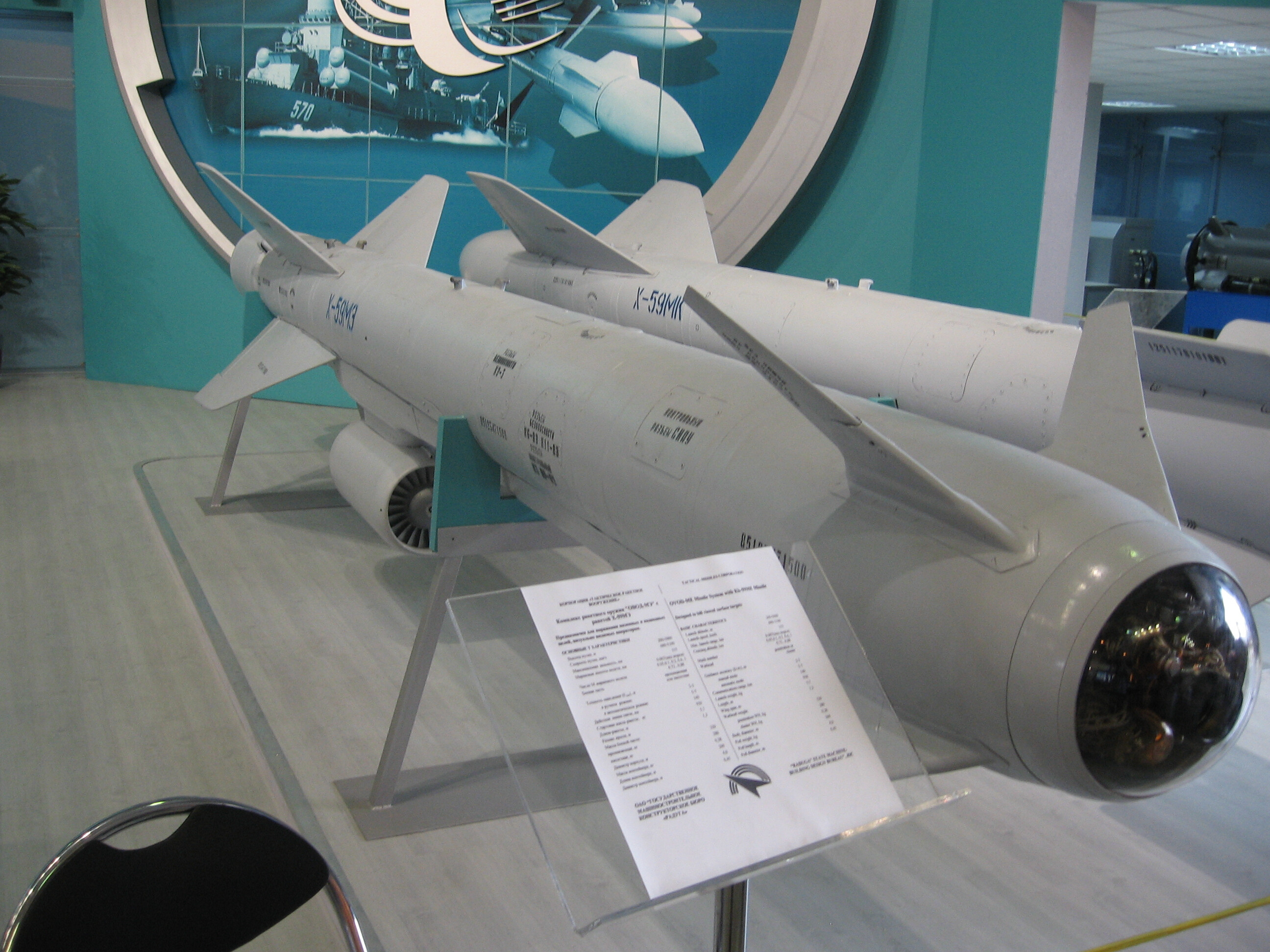
The Raduga Kh-59M missile (NATO code: AS-18 Kazoo) is a high-speed subsonic cruise missile that uses an electro-optical seeker capable of transmitting information to the launching aircraft via a two-way data link. It has a maximum range of 115 km.
Data is received via a pod called the APK-9E, carried by the aircraft. During mission planning, the target coordinates are either entered into the system or obtained directly using the Su-30MK2 N001VEP radar.
The coordinates are downloaded to the missile’s guidance unit, and it is launched at the appropriate distance. One of four cruising altitudes is selected beforehand: 100, 200, 600, or 1,000 meters. If launched over water, it automatically flies 50 meters above the waves, thanks to a radio altimeter. At 5-10 km from the target, the missile begins transmitting its seeker image to the carrier aircraft, which may be moving away from the danger zone.
The APK-9E pod includes front and rear antennas, and its command radio has a range of 140 km. The weapon systems operator in the Su-30MK2 uses the missile’s seeker’s search and lock options to precisely select and engage the target, guiding it until the last moment with the aid of a gunsight, or can allow for a traditional automatic attack. It can use two warheads: a 320 kg high-explosive penetrator or a 280 kg cluster warhead. The missile is powered by an R-95TM-300 turbofan engine with 350 kg of thrust.
Accidents
Since entering service to this day, a total of 3 Su-30MK2s have been lost in accidents, with a total of 5 deaths.
“AMBV-0460”
The first accident involving an AMBV Flanker occurred on September 17, 2015. The aircraft was conducting a nighttime aerial surveillance flight in Apure state, in southern Venezuela, when it crashed during a maneuver. The accident resulted in the total loss of the aircraft, registration AMBV-0460, and caused the deaths of its two crew members, Captains Ronald Ramírez and Jackson García.
“AMBV-0457”
The accident occurred on October 16, 2019. The plane crashed to the ground after taking off from the Captain Manuel Ríos AB in Guarico state, suffering the total loss of the aircraft. In the accident, its two crew members, Brigadier General Virgilio Márquez Morillo and Captain Nesmar Salazar, died.
“AMBV-3363”
The last accident involving a Su-30MK2 occurred on July 2, 2023. The aircraft was practicing for the Venezuelan Independence Day military parade scheduled for July 5. During a low-level flight over Caracas, a vulture entered the right engine, severely damaging it. The aircraft attempted to return to El Libertador AB, but the damage caused a fire that also spread to the left engine.
After successfully maneuvering the aircraft out of the urban area of Caracas, the crew had to eject. The fighter crashed in a mountainous area of Miranda state, 18 km from the city of Caracas. Although initially no fatalities were reported, a few hours after the accident it was confirmed that one of the crew members, Colonel Paulino Millán, call sign “Obelisco,” died upon impact, while the second crew member, Lieutenant Colonel Sergio Gómez, was injured and received medical attention upon the arrival of paramedics and an AS-532AC helicopter.
Operational use
Venezuelan Flankers have participated in various operations and conflicts over the years, although in smaller numbers than the F-16, which saw real combat, achieving 3 air-to-air kills during the second coup attempt in 1992.
Border clashes with Colombia
Since their incorporation in 2006, the Flankers have been involved in several border clashes between Venezuela and Colombia.
- March 2008 “Operation Phoenix”: Following the bombing of a FARC camp in Ecuadorian territory by the Colombian Armed Forces (where the leader known as “Raúl Reyes” was killed), the Venezuelan government ordered the mobilization of 10 army battalions to the border and placed its combat units on high alert. Flankers conducted multiple air superiority patrols along the western border to deter any Colombian Air Force (FAC) aircraft from approaching Venezuelan airspace. Despite the tension, no shots were fired and no direct violations of sovereignty were recorded, but it served as the first real large-scale operational deployment of the Flankers in a pre-war scenario. Tensions eased weeks later following diplomatic agreements at the Rio Group Summit.
- October 21, 2016 “Interception of Avianca Commercial Flight AVA011”: A Boeing 787-8 Dreamliner operated by the Colombian airline Avianca, carrying 248 passengers from Madrid to Bogotá, entered the Maiquetía Flight Information Region (FIR). A Su-30MK2 approached at close range, performing uncoordinated tactical tracking maneuvers. This triggered the emergency activation of the commercial airliner Traffic Collision Avoidance System (TCAS), forcing the pilot to deviate from the planned route. The incident also prompted the Colombian Air Force (FAC) to place four IAI Kfir C10 fighters on alert in case of any hostile action by the Flanker.
- September 18, 2019 “Scramble Alert in La Guajira Regarding FAC-5764”: Radars of the Venezuelan Integrated Aerospace Defense Command detected a Colombian Air Force (FAC) electronic intelligence and reconnaissance aircraft, a Cessna SR-560 Horus (registration FAC5764), flying a few kilometers from the La Guajira border. In immediate response, the Venezuelan Air Force (AMBV) ordered the emergency takeoff of three Su-30s from El Libertador AB in Maracay. The Venezuelan fighters maintained combat patrol orbits along the border to assert sovereignty, while the Colombian aircraft carried out its mission strictly within its airspace. The incident was used by Venezuelan official media to demonstrate defensive response times within the framework of the “Sovereignty and Peace 2019” military exercises.
- January 22, 2025: “Deployment in Catatumbo”: As part of the Venezuelan military exercises “Bolivarian Shield 2025,” ordered following political tensions in Caracas, the AMBV deployed fighters to patrol the perimeter of Zulia state and the border with Catatumbo. Residents on the Colombian side reported the characteristic roar of Saturn AL-31F engines flying at very low altitude over the border. The fighter jets also made tight turns right at the border, prompting the temporary precautionary closure of the Atanasio Girardot and La Unión international bridges. The Colombian armed forces kept their early warning systems activated at Palanquero due to the proximity of the Venezuelan fighters.
- July 8, 2025: “Urban Incident over Cúcuta”: Two Su-30MK2s crossed the border and flew directly over the urban area of the Colombian city of Cúcuta, affecting the neighborhoods of Lleras Restrepo, Ciudad Jardín, Guaimaral, and La Ceiba. The aircraft remained in Colombian airspace for approximately 20 to 30 seconds before making a sharp turn toward the mountains of Ureña, in Venezuelan territory.
Chasing Aries
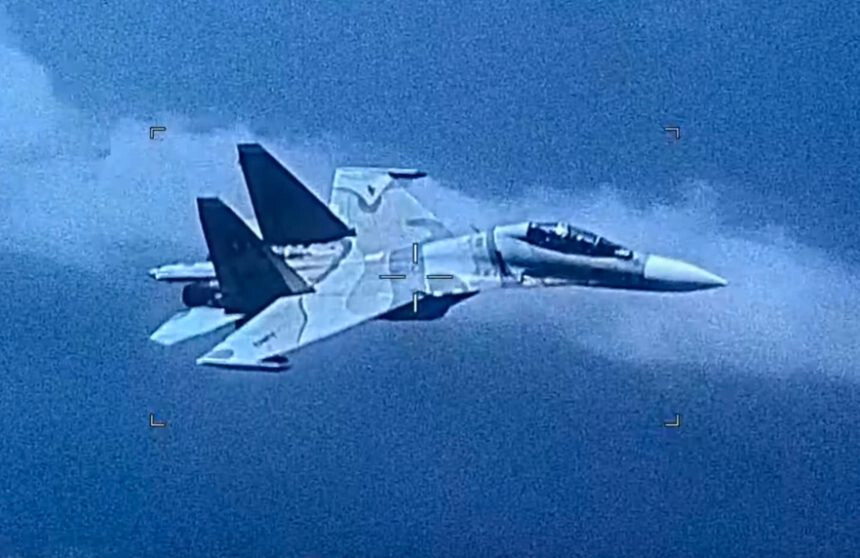
On July 19, 2019, a radar of the Integrated Aerospace Defense Command detected an EP-3E Aries II aircraft belonging to the United States Navy. According to the Venezuelan government, the aircraft had entered the Venezuelan FIR of Maiquetía, which led to the deployment of fighter jets to intercept the intruder.
At 11:33 a.m. local time in Venezuela, the Aries II was intercepted over the ocean by a Su-30MK2 that had taken off from Teniente Luis del Valle Garcia AB. The encounter, described as irresponsible by the United States, lasted several minutes, with the withdrawal of the American aircraft from the area.
The US Navy later released a video showing the interception of the EP-3E by the Venezuelan Flanker.
Eteringbang flyby
On March 2, 2021 around 1:20 p.m. two Flankers crossed the Cuyuni River and entered Guyana-administered airspace over the border town of Eteringbang. The fighters performed a very low-altitude flyover directly over the Guyana Defense Forces (GDF) military post and the civilian landing strip in the area, and then turned sharply back into Venezuelan territory.
The low-level overflight of the two planes caused extreme alarm among the local civilian population and the immediate quartering of the GDF contingent. Lacking interception vectors, Guyanese forces could only record the event visually and through radio reports.
From air superiority to Air Police and COIN
In the early morning hours of February 6, 2023, a CETEC JYL-1 radar of the Integrated Aerospace Defense Command detected an aircraft suspected of transporting drugs. From the Captain Manuel Ríos AB in El Sombrero, Guárico State, two Su-30s were then deployed, which identified the aircraft as a Dassault Falcon 200 executive jet, forcing it to land in an open area in the rural state of Barinas. In addition to the interception of this Falcon 200, there was the destruction on the ground of a twin-engine aircraft in the state of Apure the previous day by two other Flankers of the Fighter Air Group No. 11 “Devils”.
At the end of 2025, official media outlets of the Bolivarian Military Aviation published a video on social media showing a Su-30MK2 using its 30mm automatic cannon over a drug trafficker’s camp in Venezuela.
The use of a Flanker for this purpose is truly atypical, since missions of this type are almost exclusively carried out by other aircraft such as the Chinese-made K-8W light attack and trainer aircraft.
Operation Southern Spear and Absolute Resolve

During the military tensions between the United States and Venezuela that led to the execution of Operation Absolute Resolve on January 3, 2026, the Flankers played a primarily propaganda role.
In the months prior to the night assault on Caracas, US Navy and USAF planes constantly carried out flights within the Venezuelan FIR of Maiquetia and even approached Venezuelan airspace. In this situation and as a kind of “demonstration”, a pair of Su-30MK2s appeared reflected in the FlightRadar24 tracking application in the north of the country.
In addition, the AMBV placed special emphasis on social networks on the anti-ship capacity of the aircraft thanks to the Kh-31A missiles, this as a form of deterrence against US Navy ships positioned near the Venezuelan Caribbean.
It was not until the early hours of January 3, 2026 that the tensions of the previous months manifested themselves in the bombing and air assault on Caracas. Explosions were reported in various locations around the Venezuelan capital. These attacks were intended to destroy the TETRA communication network used by the air defense units, and above all the threat posed by the Buk-M2E medium-range systems that were both within the city of Caracas itself and in cities near it.
During the attacks and until dawn, there were several reports of bombings of Venezuelan air bases that could not yet be confirmed reliably. Reports of possible bombings of the Teniente Luis del Valle Garcia AB, headquarters of the Fighter Air Group No. 13 “Simon Bolivar”, indicated the probable destruction of the Su-30 fleet on the ground. However, in the morning hours, this paradigm changed, it was confirmed that the air base was not attacked and within hours the presence of Flankers was reported heading to various sites around the country in a process of decentralization.
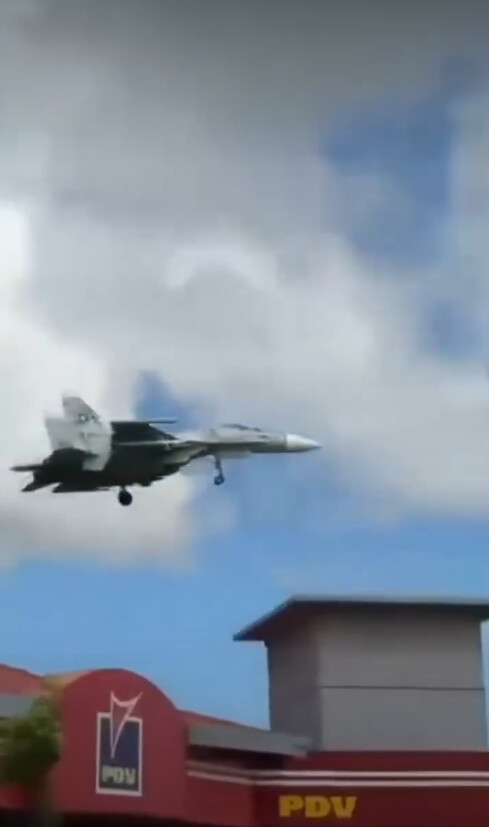
As the days go by, it can be seen that no Su-30MK2 was destroyed on the ground, as well as that during the American assault none of these even took off. According to the Venezuelan Minister of Defense at that time, General Vladimir Padrino, the pilots already “had their flight suits on” but due to orders to keep the flight assets intact, the decision was made not to take any aircraft into the air.
Present and Future
Today, the Su-30 fleet has a much lower availability than in previous years, due to Venezuela’s economic crisis and budget cuts. Of the 21 existing units, it is estimated that only 10 to 14 are currently airworthy. This is compounded by the reduction in annual flight hours due to the high cost of major maintenance, which can only be performed with specialized Russian equipment. In 2015, $480 million USD was allocated for the purchase of 12 additional units; this procurement was ultimately cancelled, like many of the military acquisition projects of those years.
The future of the Venezuelan Su-30MK2 fleet is currently shrouded in uncertainty. With the current political turmoil and Venezuela’s likely return to Western doctrine and sphere of influence, it is probable that the operational readiness of the Su-30s will gradually decrease, and over the years they will be decommissioned and replaced with more advanced Western aircraft.
Sources
- FAV-CLUB: History of Air-to-Air Missiles in Venezuela
- FAV-CLUB: KAB-500Kr
- FAV-CLUB: Raduga Kh-59M
- FAV-CLUB: Vympel Kh-29 missile
- FAV-CLUB: KNIRTI L005S SORBTSIYA-S electronic disturbance pod
- Adolfo Alfonzo, Technical Desk of the AMBV
- Fuerza Aérea Venezolana — NIIP Tijomirov RLPK-27VEP o N-001VEP
- Mariusz Wojciechowski — Su-30MK2 Venezuela
- ARMAS DE AVIACION AVION SU-30
- El Nacional — Aviones Sukhoi venezolanos alarmaron a habitantes de Cúcuta
- Infobae — Guyana denunció el sobrevuelo de aviones militares de Venezuela sobre la zona en disputa entre ambos países
- Control Ciudadano — Informe-Accidentes-aeronaves-militares
- DEFENSA — Two Su-30Mk2 fighter jets from the Venezuelan Air Force intercept and force a Falcon 20 linked to drug trafficking to make an emergency landing
- Voz de America — Aviones de combate Sukhoi de Venezuela tendrían menos horas de vuelo que el promedio