
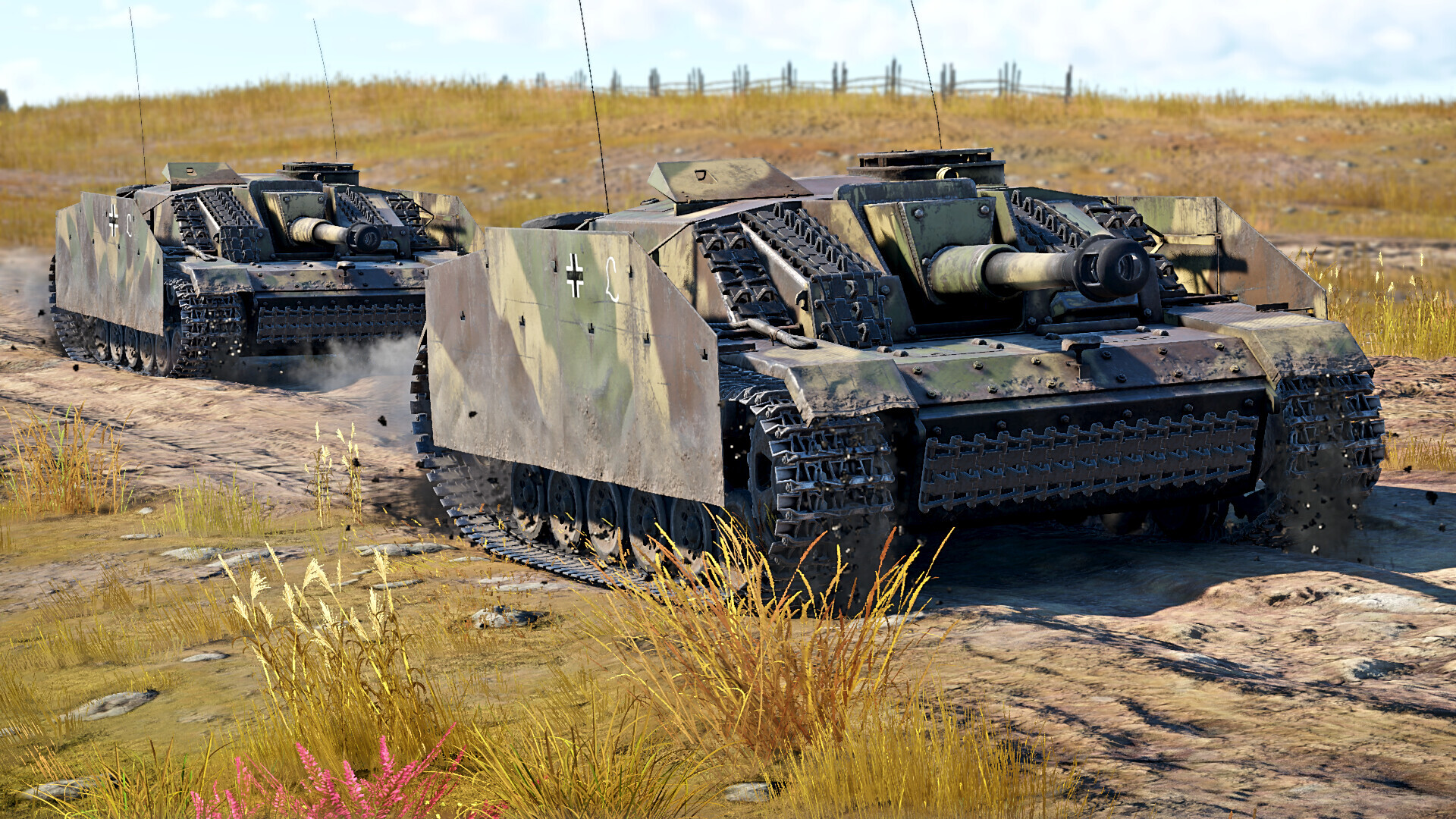
StuG III, or Sturmgeschütz III, was the most-produced self-propelled gun (SPG) of the Wehrmacht, with over 9,000 units built. This legendary SPG, built on the chassis of the Panzer III medium tank, was produced by the German industry from 1940 to 1945, undergoing numerous upgrades and improvements. In addition to Germany, the StuG was used by Italy, Bulgaria, Romania, Hungary, Finland, and the Soviet Union. In the game, four StuG III modifications are available.
Historical Background
The history of the Sturmgeschütz III began in 1935 with a proposal by Field Marshal Erich von Manstein to create “assault artillery” — self-propelled guns specialized in providing direct support to advancing friendly troops. The Wehrmacht generals readily supported Manstein’s idea, which led the Army Weapons Office (Heereswaffenamt) to issue a request in 1936 to the firm Daimler-Benz for the development of a new type of armored vehicle armed with a 75 mm gun, capable of supporting infantry by destroying firing positions and armored vehicles.
The five prototypes of the “Sturmgeschütz 0-series”, built between 1937 and 1939, were based on the Pz.Kpfw. III chassis and suffered from a number of significant shortcomings. The weak powerplant, producing only 230 horsepower, clearly did not meet the demands placed on the vehicle, limiting its mobility on the battlefield. The leaf-spring suspension of the first prototypes also proved unreliable and required substantial improvement.
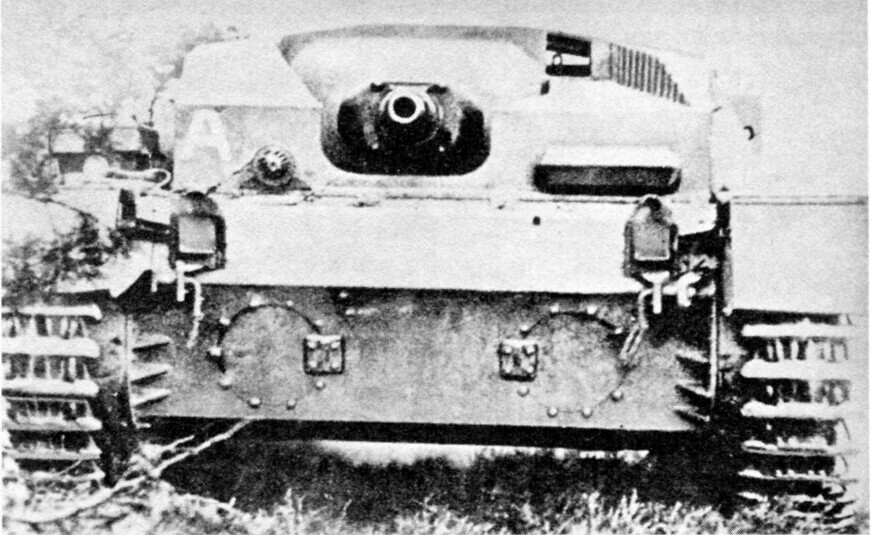
Work on improving the design of the StuG dragged on for several years due to disagreements among the designers regarding various aspects of the future vehicle: from questions concerning the installation of a superstructure with or without a roof, to the choice between transmissions of different designs. Additional difficulties were caused by disruptions in the supply of key components for the “assault artillery” by various firms.
By the beginning of 1940, the first series-production modification of the StuG, designated Ausf. A, had been developed, with the Heereswaffenamt ordering a batch of 30 units. However, due to the aforementioned problems, these were only produced by Daimler-Benz at Plant No. 40 in Berlin by the first days of May. By June, the production line had already been reoriented toward the manufacture of the Ausf. B modification, which received wider tracks that significantly improved the vehicle’s cross-country mobility.
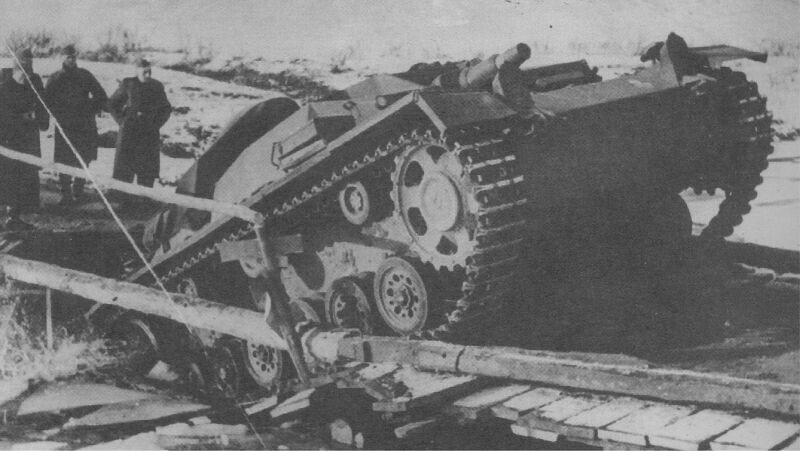
The StuG III received its baptism of fire during the French Campaign of 1940, where these self-propelled guns performed well against field fortifications and enemy infantry. The StuG also took part in the Balkan Campaign of 1941, where it once again proved itself. However, with the start of Operation Barbarossa, the main shortcoming of the short-barreled 75 mm gun quickly became apparent — its complete ineffectiveness against the armor of the Soviet KV-1 and T-34 tanks. This glaring issue forced German designers to urgently modernize the vehicle, resulting in the appearance of the Ausf. F modification in 1942, featuring the long-barreled StuK 40 gun and reinforced armor. The StuG thus transitioned from an assault self-propelled gun to a tank destroyer.
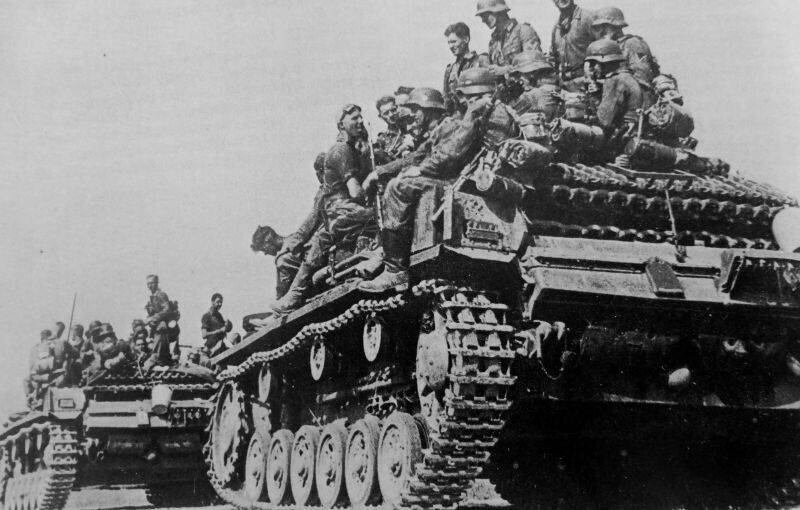
The combat path of the StuG III spanned all theaters of war. In North Africa, StuG III F/8s specially adapted for desert conditions took part in the battles of El Alamein and the Tunisian Campaign, where the majority of them were destroyed or captured by the Allies.
StuG III assault guns were used by German forces on all major sectors of the Eastern Front in 1942, participating in the crucial battles of Stalingrad, Leningrad, Rzhev, and Sevastopol. According to data from November 26 of that year, 347 combat-ready StuGs remained in service, while a further 101 vehicles were under repair. Total irrecoverable losses for the year reached 332 assault guns.
During the Battle of Kursk, the Germans deployed 455 StuGs of various modifications, accounting for more than half of all combat vehicles of this type present in that theater of operations. Nevertheless, in the course of the fierce fighting, the Wehrmacht suffered heavy losses, including among the Sturmgeschütze: a total of 311 vehicles were destroyed or irrecoverably lost during July and August of 1943.
Interesting fact: surviving captured Pz. III and StuG III tanks were converted by Soviet forces into the SU-76i, which served them until early 1944. Subsequently, these self-propelled guns were transferred to training units, where they remained in operation until the end of 1945.
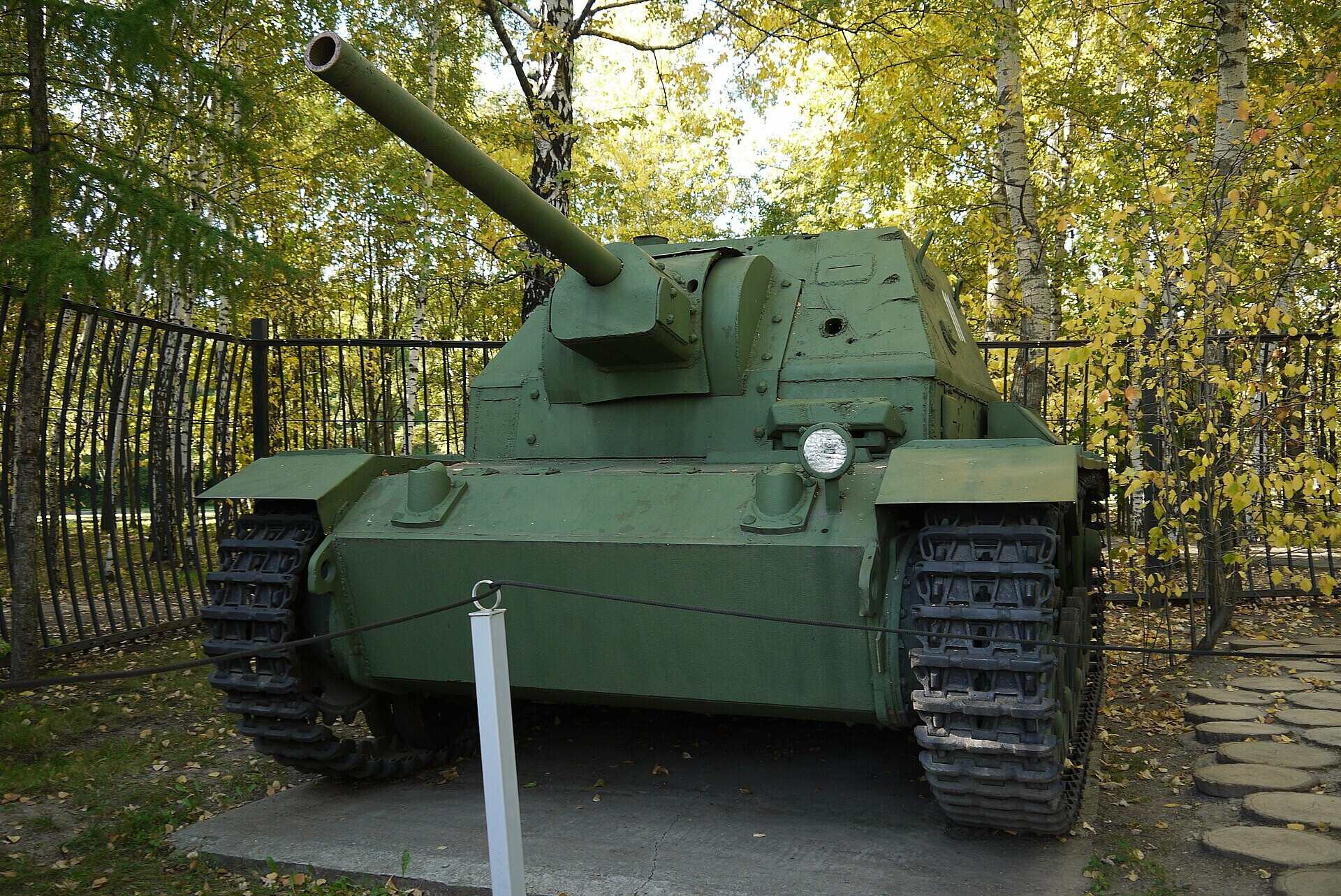
The year 1944 proved difficult both for the Third Reich as a whole and for assault artillery units in particular. The StuGs suffered catastrophic losses during the Belarusian offensive Operation Bagration — in the summer battles, the Wehrmacht lost 878 assault guns out of the 1,300 in service at the start of the engagement, amounting to approximately 67 percent of the total vehicles committed. The situation on the Western Front was no less dire: by September 1944, German forces had irrecoverably lost 356 such armored vehicles in the fighting for France. Total losses for the year reached staggering proportions — 3,756 StuG IIIs and 464 StuH 42s.
In the final stage of the war, as of April 28, 1945, the Wehrmacht, Waffen-SS, and Luftwaffe still had approximately 1,178 Sturmgeschütze of various modifications on strength, though the actual combat readiness of these vehicles was highly uneven. According to German documents, only 1,022 units from this total were considered fully combat-ready and capable of being employed in the defense. The remainder were under repair, awaiting spare parts, or being used as static firing positions. At the same time, precise loss figures are difficult to establish due to the loss of most statistical data.
By 1943, the StuG III had become the most numerous self-propelled gun of the Wehrmacht, and by the time of Germany’s surrender, it accounted for roughly 60 percent of the entire German self-propelled gun fleet. According to German data, these self-propelled guns were credited with the destruction of over 20,000 enemy armored vehicles, making the StuG III the most successful tank destroyer in Wehrmacht service.
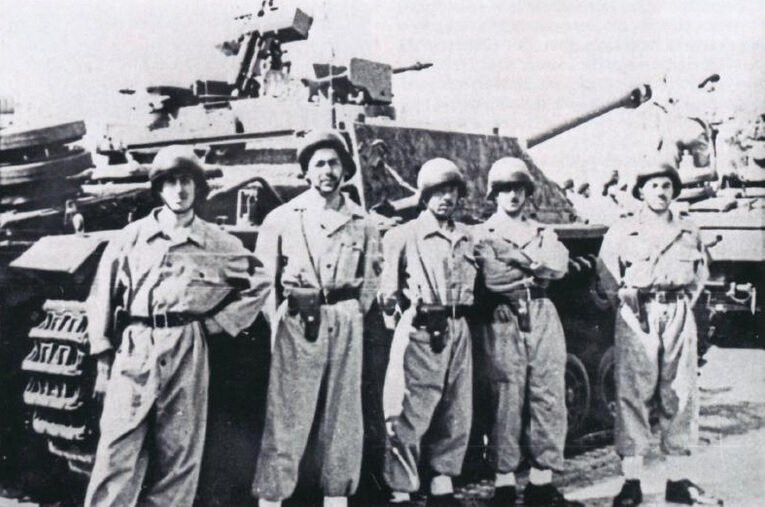
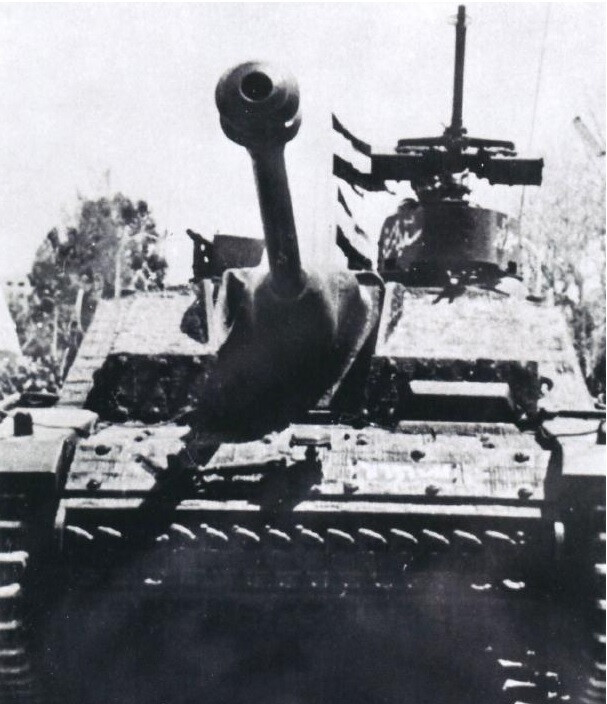
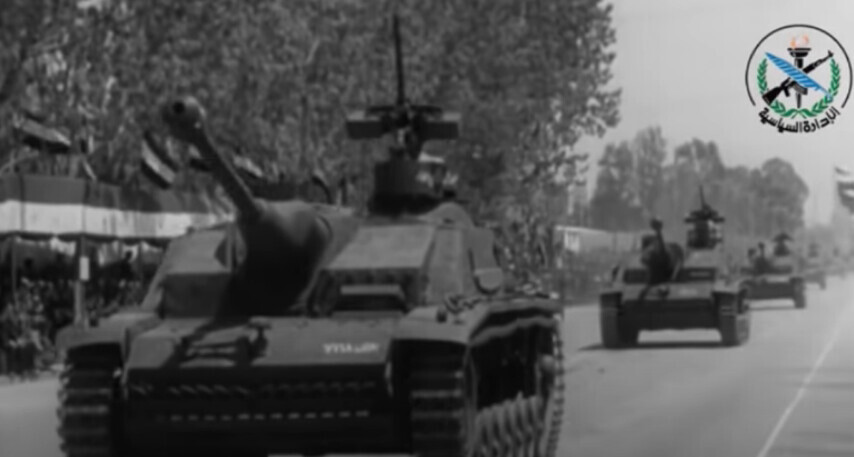
After the war, the combat career of these vehicles did not end: they served in the armies of Finland, Hungary, Romania, Bulgaria, and even Egypt. The StuG III saw combat for the last time during the Six-Day War of 1967, when Syrian self-propelled guns engaged Israeli forces, thus concluding the nearly thirty-year combat history of this legendary vehicle.
StuG Modifications Featured in War Thunder
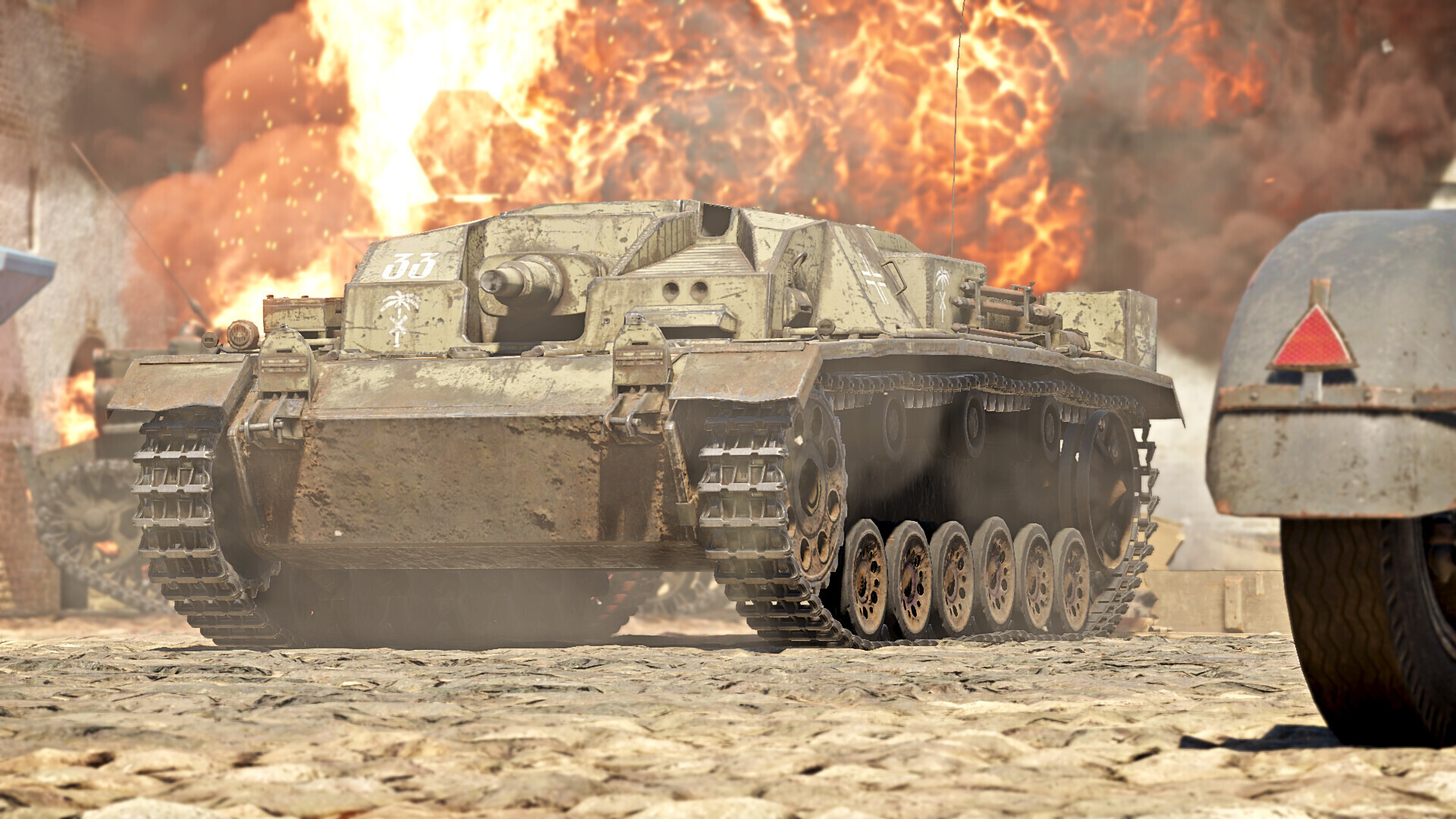
The StuG III Ausf. A was the first series production modification of the StuG III family, manufactured from early 1940 onward. It was equipped with the short-barreled 75 mm Stu.G. 7.5 cm K gun, intended for engaging bunkers and enemy personnel. With relatively modest 50 mm frontal armor and a crew of four, the StuG III Ausf. A proved to be a reasonably reliable armored vehicle, although its entire production run was limited to just 30 units. The self-propelled gun received its baptism of fire in France in 1940, where it demonstrated its effectiveness. However, by the start of Operation Barbarossa in 1941, these vehicles had become hopelessly obsolete due to their insufficiently powerful armament. By 1942, nearly all had been lost or converted into training vehicles.
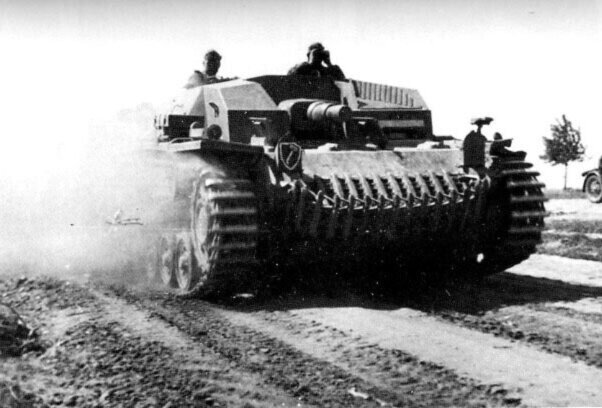
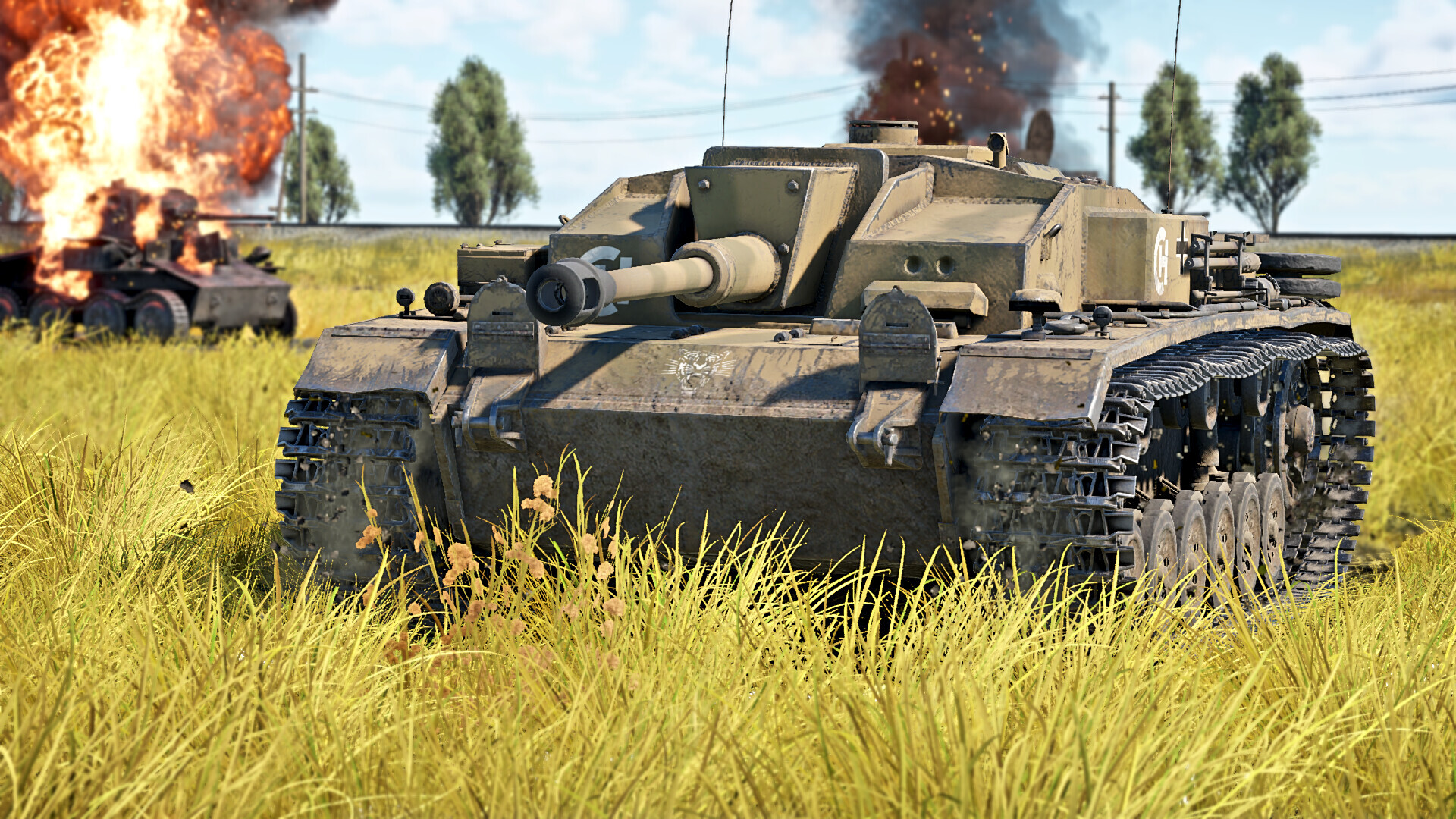
The StuG III Ausf. F appeared in 1942 as a result of the installation of the 75 mm StuK 40 L/43 gun and reinforced armor. Nevertheless, problems arose: the up-gunned armament and additional armor increased the vehicle’s weight by nearly 2 tons, which led to overloading of the running gear originally designed for a lower tonnage, while the lack of a machine gun made the vehicle vulnerable to infantry armed with anti-tank weapons. Despite its increased firepower, the StuG III Ausf. F was soon supplanted by newer self-propelled guns, and as a result, only 359 vehicles of this modification were produced.
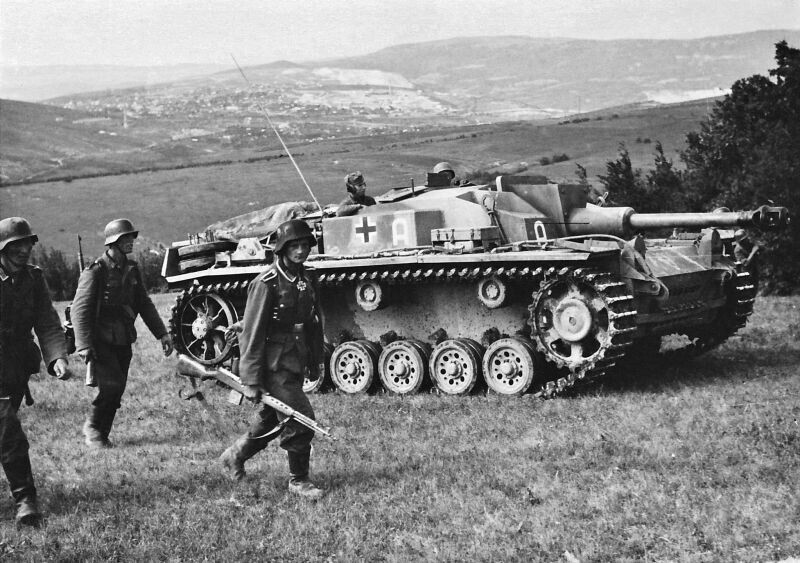
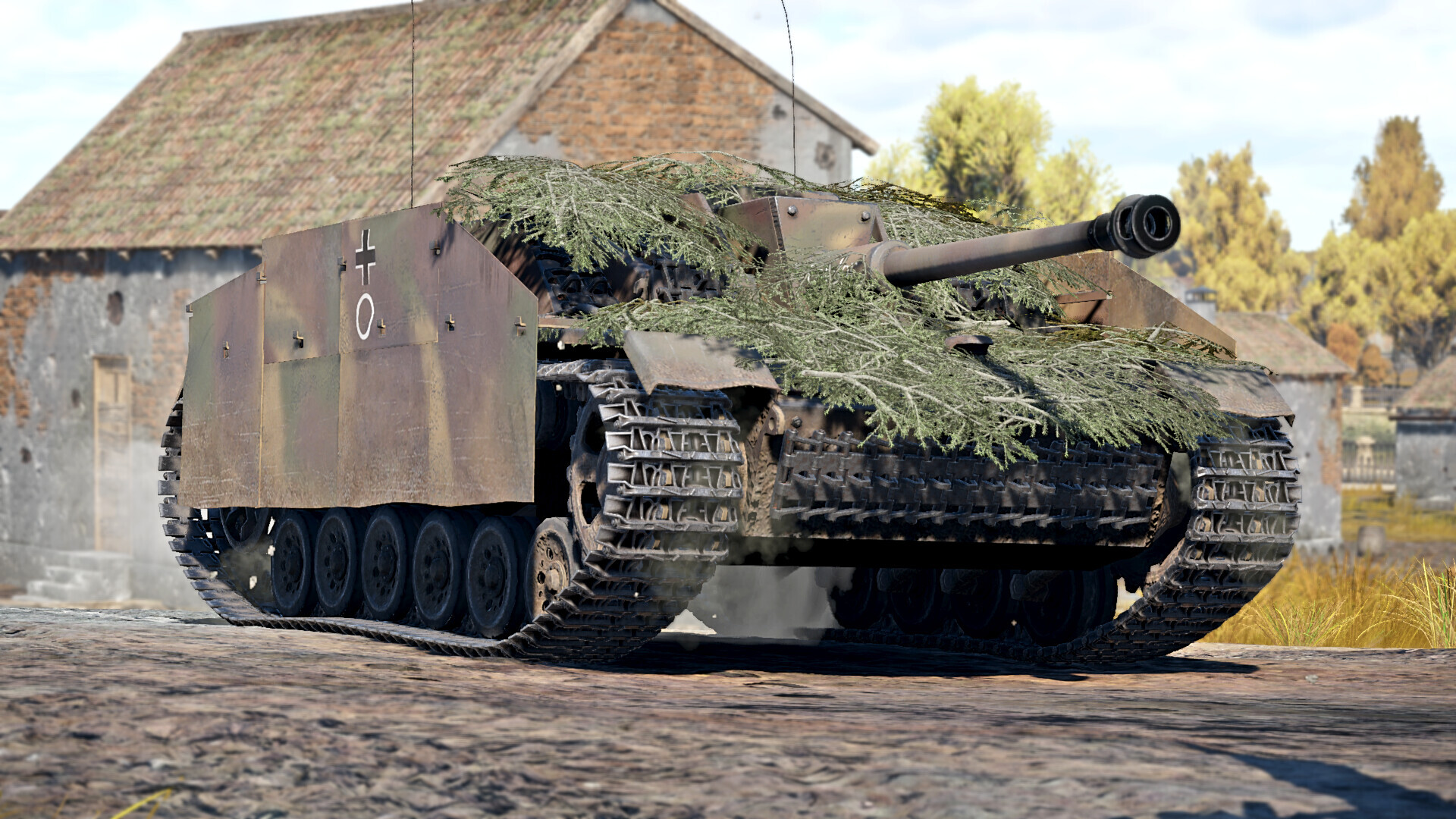
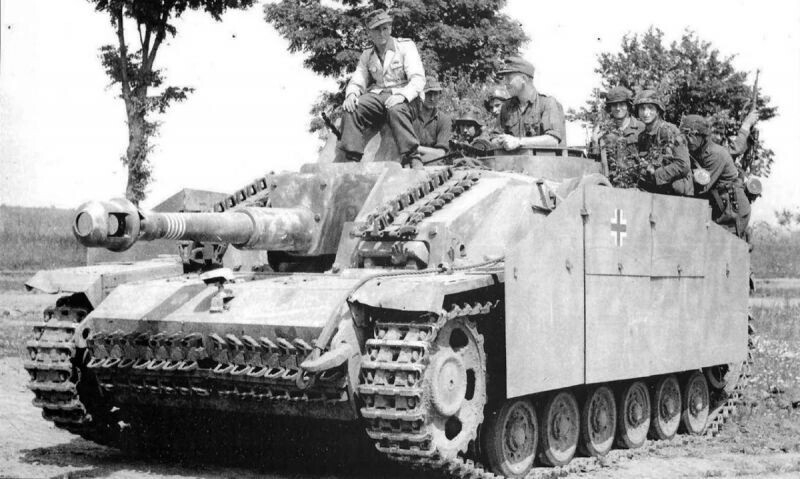
The StuG III Ausf. G began production in December 1942. This was the final and most numerous modification: approximately 7,850 units were produced, accounting for 80 percent of all StuGs built. The self-propelled gun was equipped with the 75 mm StuK 40 L/48 gun and a commander’s cupola with seven periscopes, while frontal armor was increased to 80 mm. By 1944, with the widespread use of shaped-charge ammunition, the StuG III G was fitted with side skirts (Schürzen) for protection against HEAT projectiles.
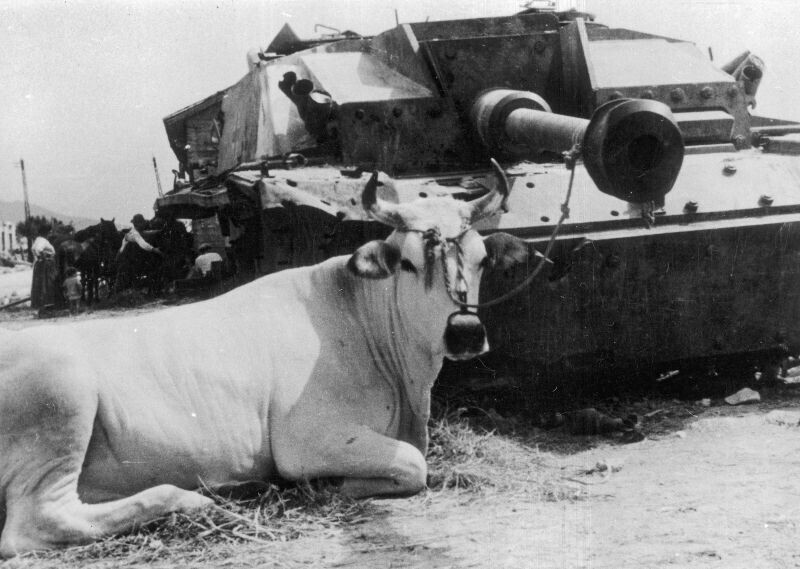
The StuH 42 Ausf. G was an assault howitzer based on the chassis of the preceding vehicle. It was armed with the 105 mm StuH 42 L/28 howitzer, which was intended to replace the 75 mm StuK 40 gun, whose high-explosive shells proved inadequate for destroying field fortifications. The StuH 42 made its debut at the Battle of Kursk, after which it saw service on all fronts. Serial production began in March 1943, and approximately 1,300 units were built.
StuG III A
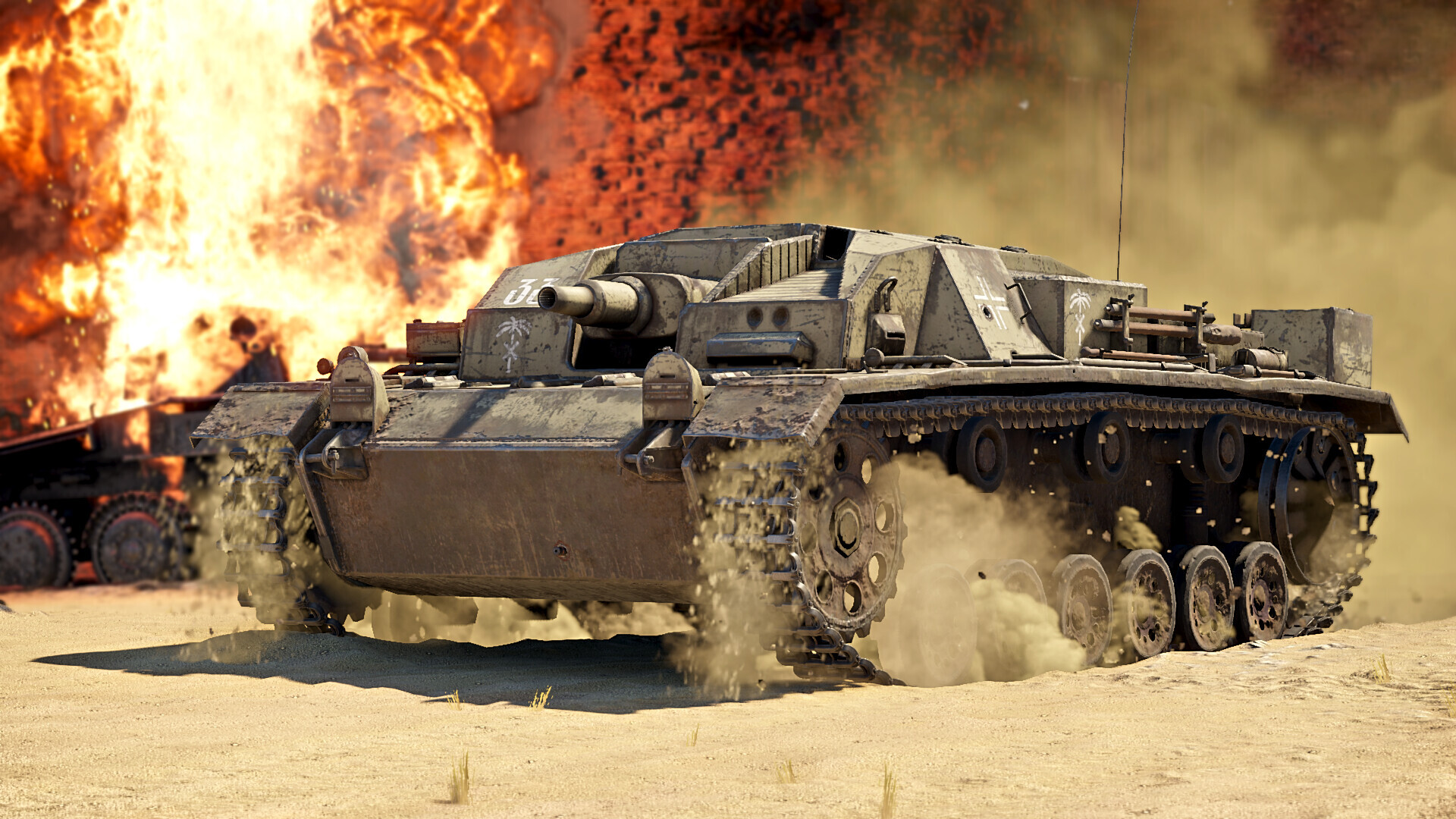
The StuG III A, the first representative of the Sturmgeschütz family, is a contradictory armored vehicle. Its 50 mm frontal armor does not provide reliable protection even against the guns of light tanks such as the BT-7M or M3 Stuart, making the self-propelled gun extremely vulnerable in direct combat engagements. However, this is offset by the Hl.Gr. 38C HEAT shells with 115 mm of penetration at any range, which enable it to engage even well-protected T-34s.
It is also worth noting that the StuG boasts a fairly decent reload time of 4.3 seconds (3.3 seconds when aced), which favorably distinguishes it from competitors such as the SU-76M or M3 GMC. Another advantage of the self-propelled gun is its good mobility, provided by the use of the Pz.III chassis and a 300 hp engine, allowing it to reach speeds of up to 42 km/h. Nevertheless, the StuG III A and other variants share one significant drawback — the cramped layout of the fighting compartment. In the enclosed superstructure, the four crew members — driver, gunner, commander, and loader — are positioned extremely tightly, with the first three seated one behind the other on the left side of the vehicle. This arrangement often results in the loss of the vehicle following any successful penetration of the armor.
The most effective tactic for the StuG III Ausf. A is flanking. Thanks to its good mobility, the self-propelled gun can be among the first to occupy advantageous positions on the flanks of various maps, from where it can destroy opponents from the side or rear. That said, it is important to bear in mind the less-than-ideal shell ballistics, which can seriously complicate long-range shooting. An alternative option is a defensive tactic, which involves taking up a concealed position along the main direction of enemy vehicle movement.
Pros
- Access to HEAT shells;
- Decent mobility;
- Fast reload.
Cons
- Weak armor;
- Cramped layout;
- Mediocre shell ballistics.
StuG III F
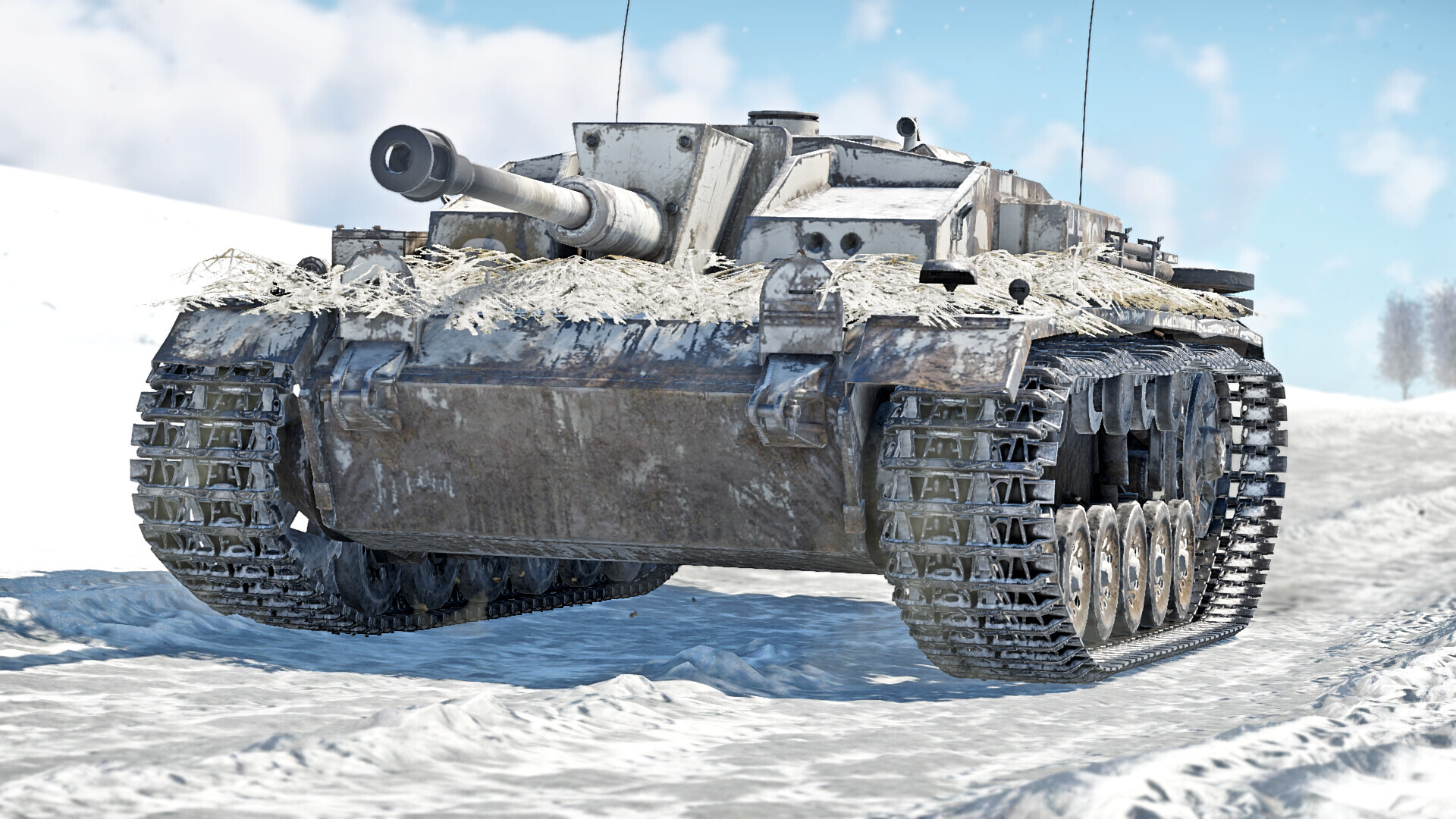
The StuG III F differs from its predecessor by featuring the long-barreled 75 mm StuK 40 L/43 gun, whose arsenal is bolstered by the versatile PzGr 39 APCBC shell with 135 mm of penetration at 100 meters. At the same time, the reload time has increased to 7.6 seconds (5.9 seconds when aced).
It is also worth noting the increased armor thickness of the upper part of the superstructure, from 15 mm to 30 mm. However, most opponents have likewise acquired more powerful guns, meaning the vehicle’s protection still leaves much to be desired. The engine remains the same, while the weight has increased by 3.1 tons, leading to a slight, albeit noticeable, reduction in speed.
Due to the largely unchanged characteristics, the battle tactics have not undergone significant changes and still consist of choosing between flanking the enemy or lying in wait at a preselected position.
Pros
- Good gun;
- Decent mobility.
Cons
- Weak armor;
- Cramped layout.
StuG III G
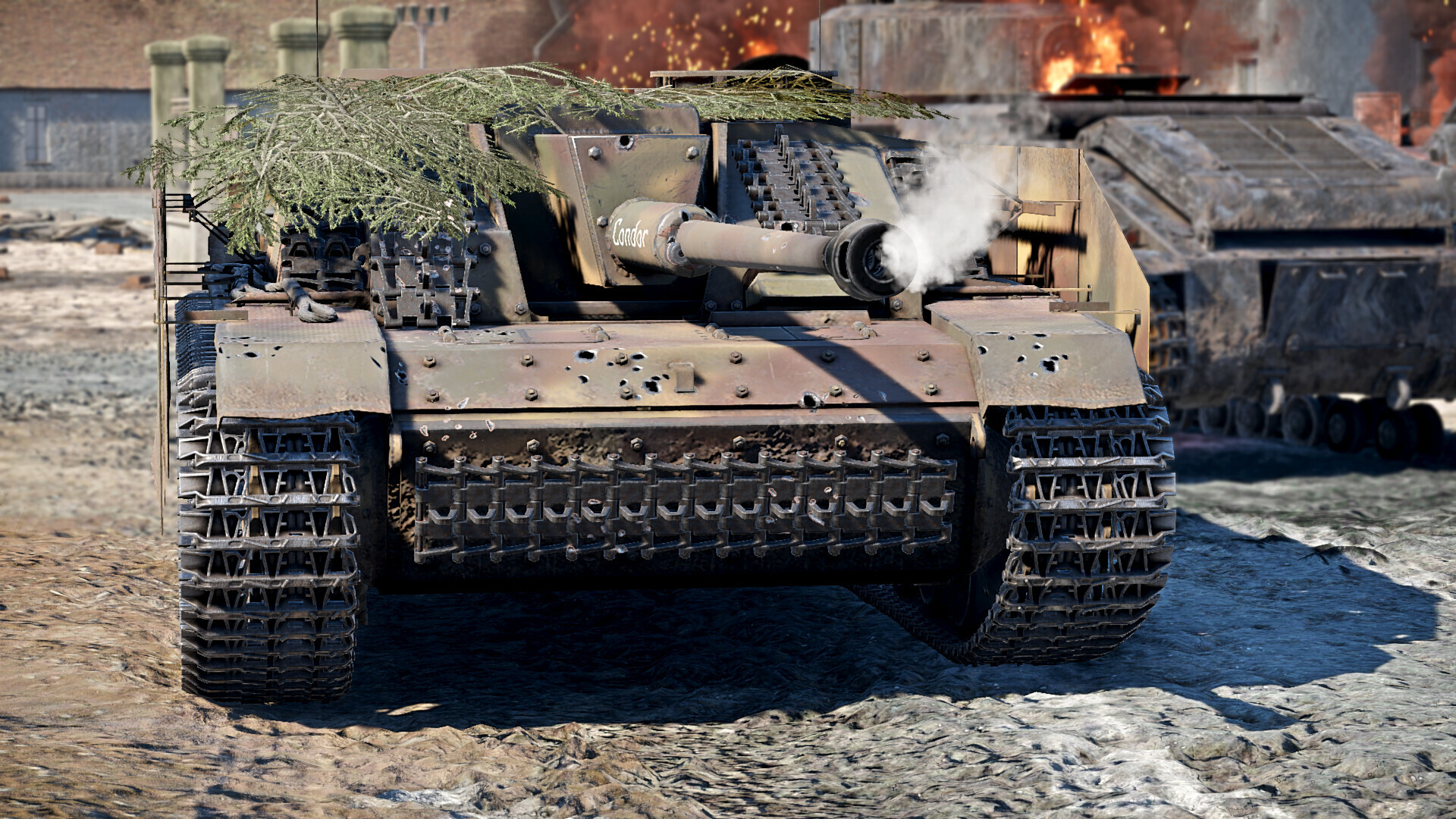
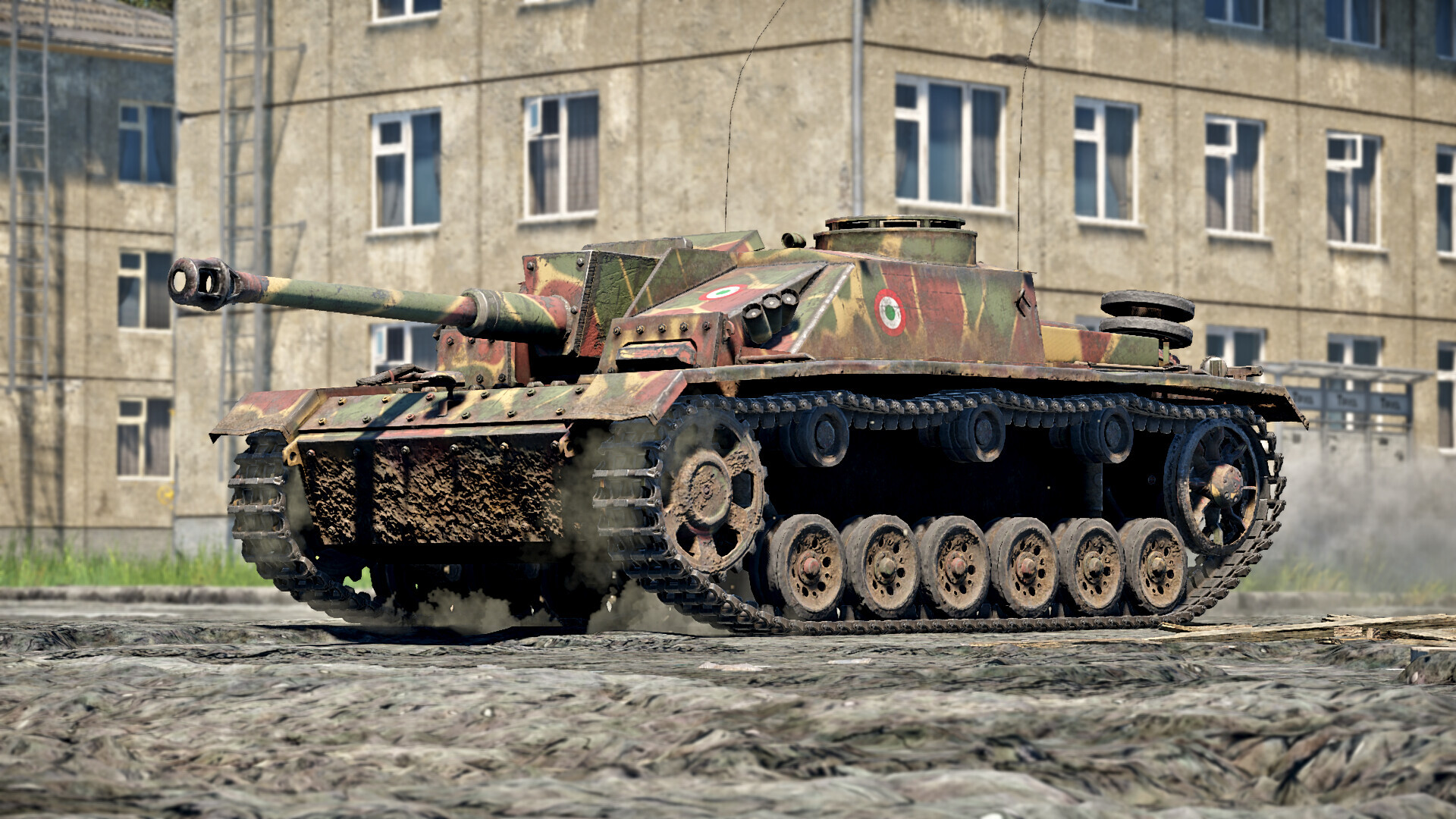
The StuG III G was the most advanced and effective variant of the entire StuG family. It is armed with the 75 mm StuK 40 L/48 gun, which fires the PzGr 39 armor-piercing shell capable of penetrating up to 143 mm at a range of 100 meters. A significant improvement is the increased frontal armor protection of up to 80 mm, which affords the self-propelled gun protection against fire from tanks such as the M4A2, KV-1, and Churchill NA75. The Italian StuG III G differs from the original only in the absence of side skirts along the hull. Despite the vehicle’s increased weight of 24.4 tons, its mobility remains satisfactory.
Thanks to its improved armor, the StuG has gained access to new tactical possibilities, allowing a shift from purely defensive or ambush tactics toward more aggressive actions. That said, one should not forget the weakly protected sides and rear, which still demand measured decision-making. The most effective tactic for this vehicle is cooperation with allies, who can cover the flanks and rear or provide supporting fire when needed.
Pros
- Decent armor;
- Good mobility;
- Excellent gun.
Cons
- Cramped layout.
StuH 42 G
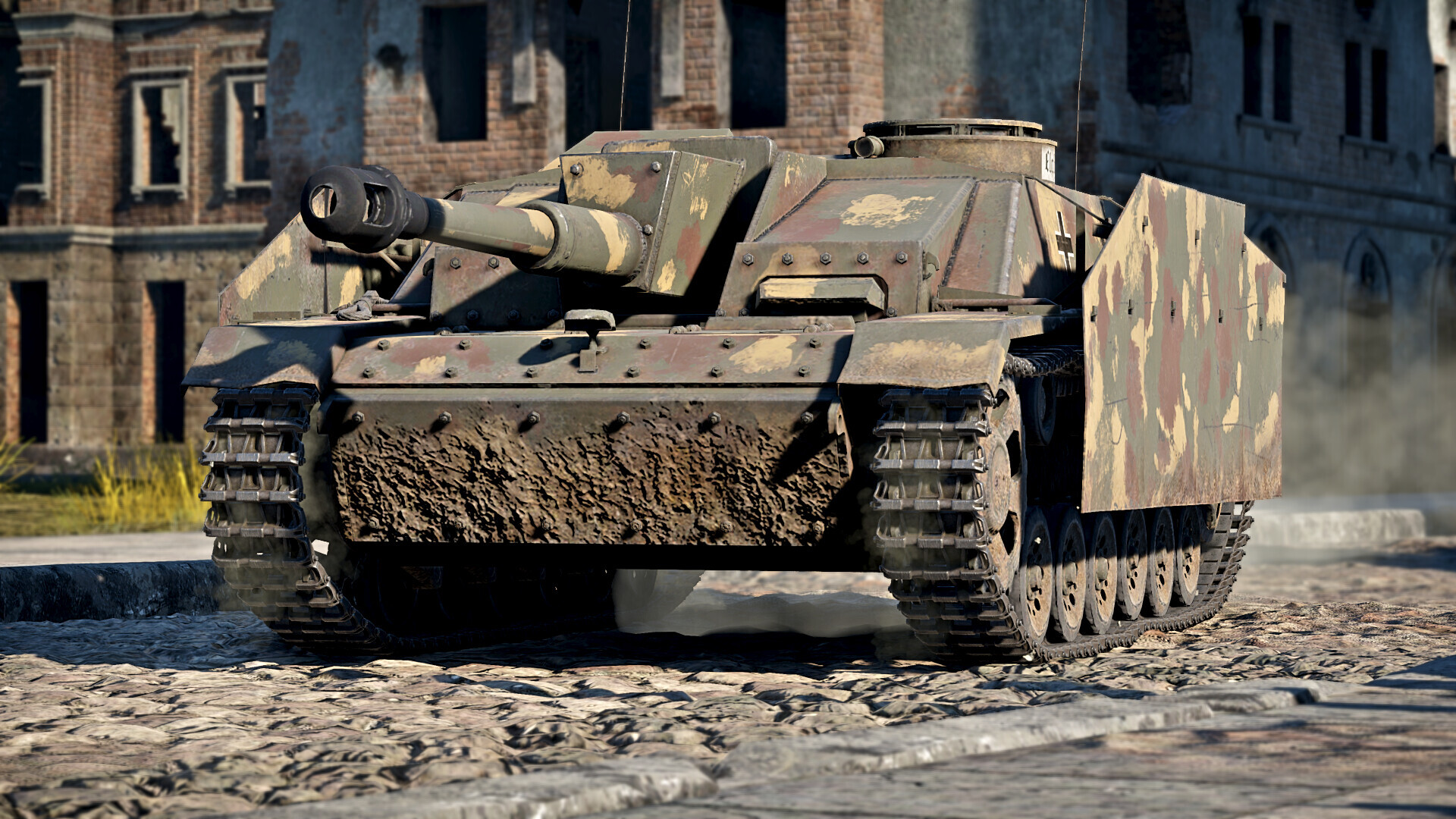
The StuH 42 G is armed with the 105 mm StuH 42 howitzer, which poses a serious threat to opponents thanks to the Gr.39 rot Hl/C HEAT shell. Penetration of 115 mm, combined with an impressive TNT equivalent of 2.6 kg, ensures the near-certain destruction of an enemy upon penetration. The presence of add-on armor in the form of track links adds an additional 20 mm to the frontal protection and allows the vehicle to withstand shots from tanks such as the T-34, Valentine IX, and M4A1. Among the advantages, one should also mention the familiar good mobility, which enables the vehicle to keep pace with most teammates.
Despite all the aforementioned positive aspects of this German vehicle, there are also drawbacks — for instance, a comparatively long reload time of 13 seconds (10 seconds when aced). As a result, engaging multiple opponents simultaneously will, in most cases, lead to unfortunate consequences for the StuH. Compounding the issue is the cramped crew layout characteristic of the StuGs, which continues to negatively affect the vehicle’s survivability.
The increased reload time considerably limits the StuH’s effectiveness in an aggressive playstyle, making defensive tactics the preferred approach. However, the implementation of such tactics may be hindered by the mediocre shell ballistics, which noticeably complicates firing at range.
Pros
- Good gun;
- Decent armor;
- Excellent mobility.
Cons
- Cramped layout;
- Long reload time;
- Mediocre shell ballistics.
- Wikipedia article
- Article about the StuH 42 G at “Patriot Park”
- Article about the StuG III Ausf. G at “Patriot Park”
- Article about the StuG III at the “Museum of Victory”
- Article from “Tanki tut”
- Thread about the Syrian StuG III G on forum.warthunder.ru
- Барятинский М. Б. Штурмовые орудия Гитлера. “Штурмгешютц” в бою. — М.: Яуза; Эксмо, 2009