Controls
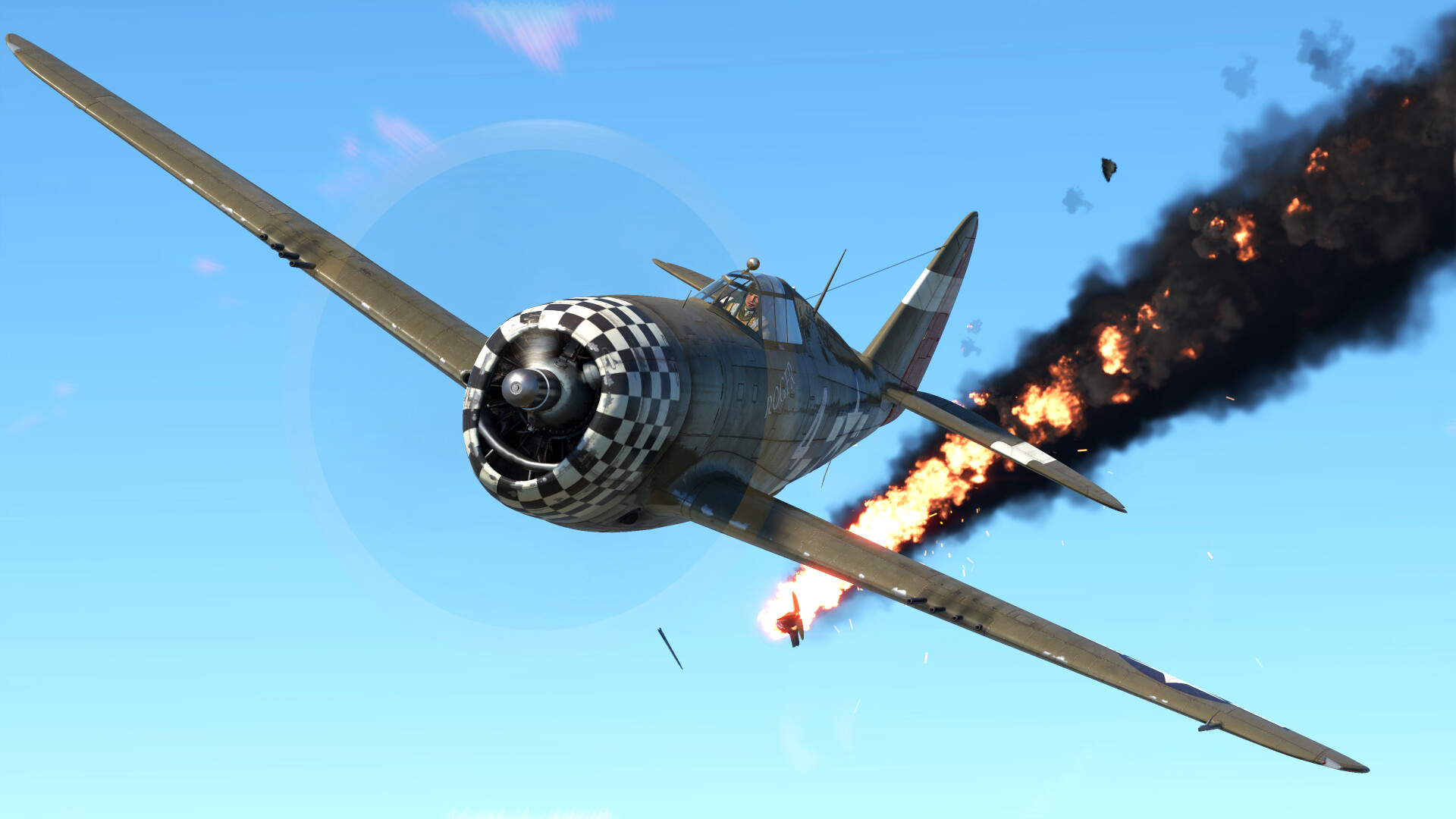
Boom and Zoom, also commonly referred to as Boom and Run, is a term used to describe an aviation tactic that can be used in War Thunder. Its primary focus is coming from a point of advantage, attacking the enemy, and then extending away. In today’s post, I’m going to teach you how to BnZ, when to use it, and what planes are best suited for it.

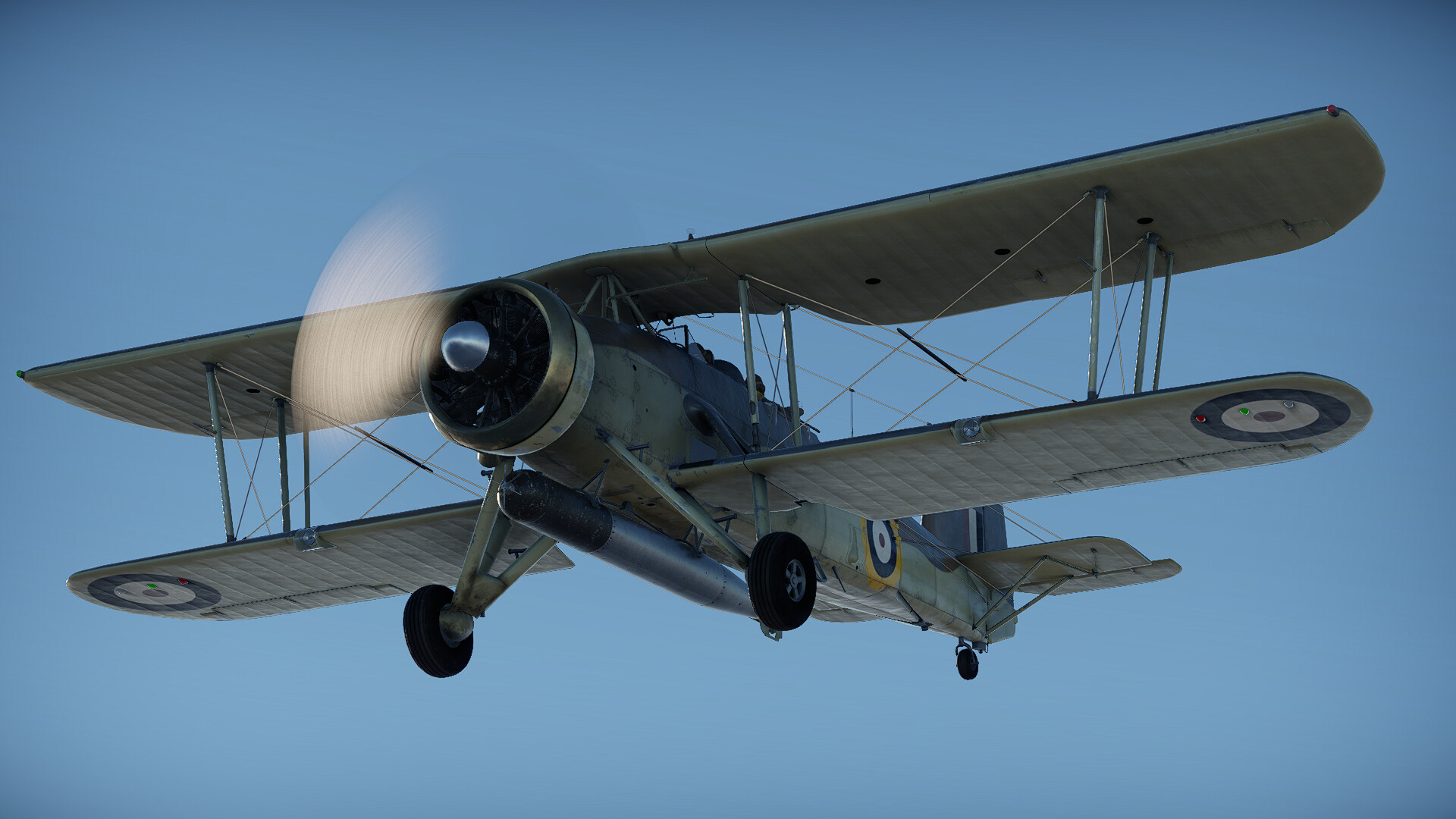
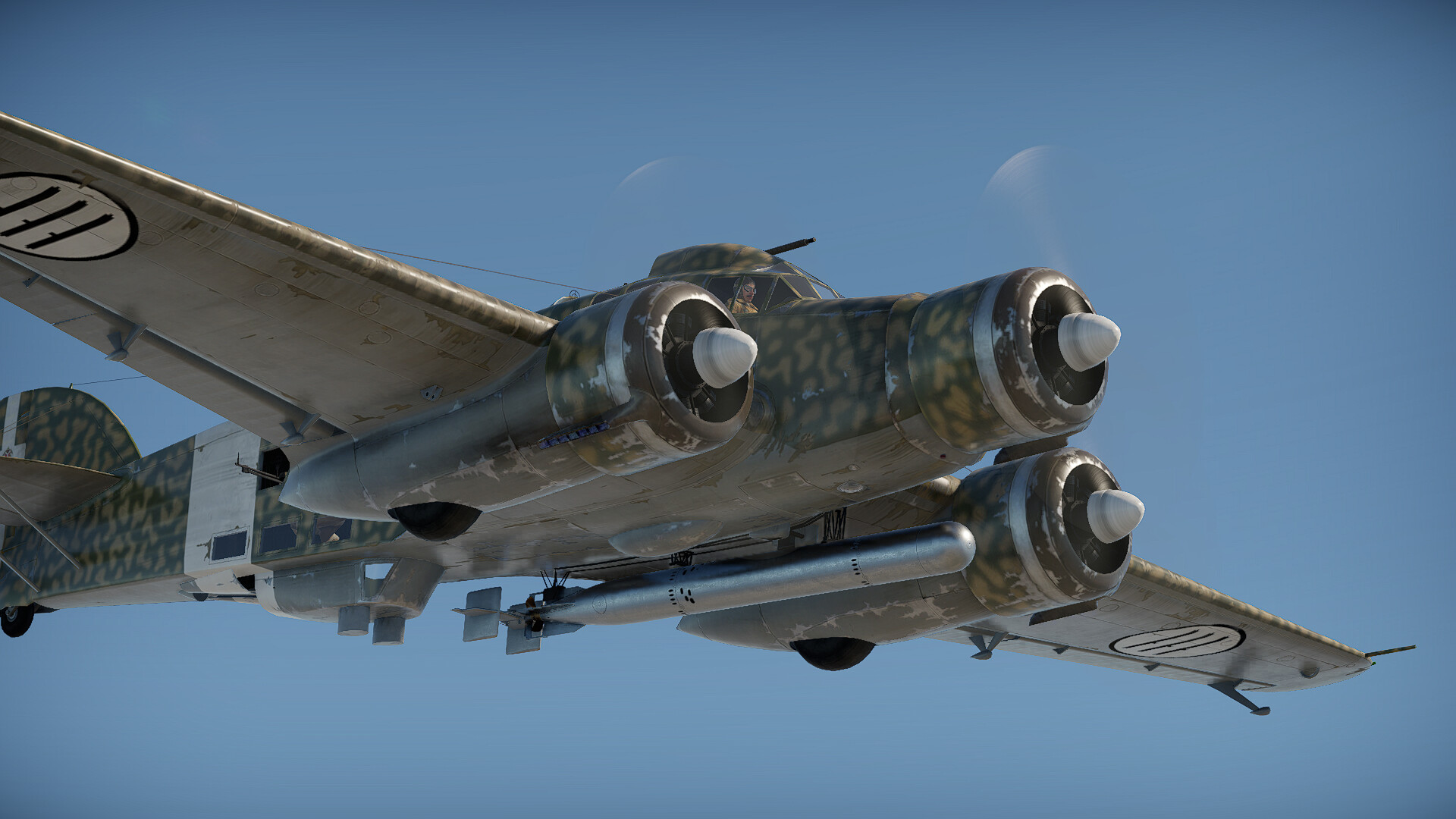
In naval battles, torpedo bombers are the silent predators of the skies. They may lack the raw speed of fighters or the reliable bombs dropped by dive bombers, but what they bring to the battlefield is unmatched striking power against ships. Sometimes, a single well-placed torpedo can cripple even the mightiest vessel, but using these planes effectively requires more than just flying low and dropping a torpedo at random. Success depends on understanding your plane, the torpedo and the correct approach. This guide will teach you how to wield torpedo bombers with precision, making every run count.

Hydropneumatic suspension, or controlled suspension, is a wheel suspension system that allows a vehicle’s ground clearance to be adjusted. With these types of systems, vibrations are dampened by specially designed hydropneumatic shock absorbers, while the compression force is transmitted by fluid to each shock absorber’s pneumatic receiver chamber.


The Ballistic Computer is a system found on some modern aircraft and helicopters used to aid the player in the delivery of unguided air-to-ground munitions. There are two key functions of the ballistic computer: Constantly Computed Impact Point (CCIP) and Constantly Computed Release Point (CCRP). CCIP continually calculates where munitions will land and gives the pilot an accurate impact point to aim with. CCRP allows the player to specify an impact point, the ballistic computer will then continually calculate at which point along the player’s flight path munitions will need to be released in order to hit the player’s designated impact point, and will only allow munitions to be released when that point is reached.
Update 1.87 “Locked On” introduced mechanics for radars and other sensors. The new mechanics replaced an “arcade-style” lead indicator previously present, and a number of aircraft and SPAA vehicles which were historically equipped with radars gained access to the new features allowing for a more in-depth, realistic, and a historic feel when playing them.

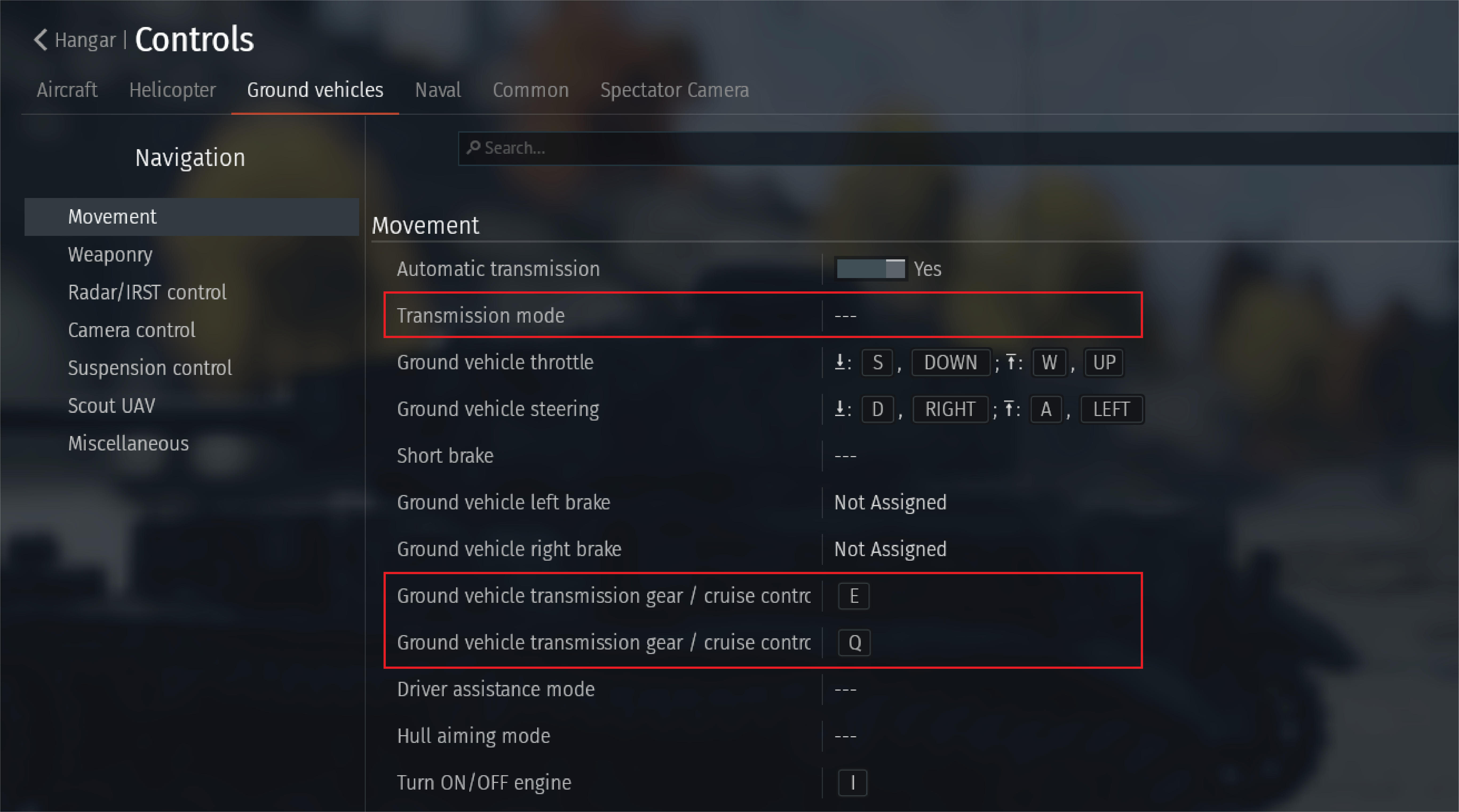
Did you know that you can make your tanks have a manual transmission? By default your tank will use an automatic transmission, however you can make your tank have a manual transmission. Automatic manages shifting for ease of play, while Manual mode provides precise control over engine RPMs, gear selection, and neutral steering—ideal for steep climbs and stabilized combat. It’s one more thing to do during the heat of a battle, but can be worth the reward.

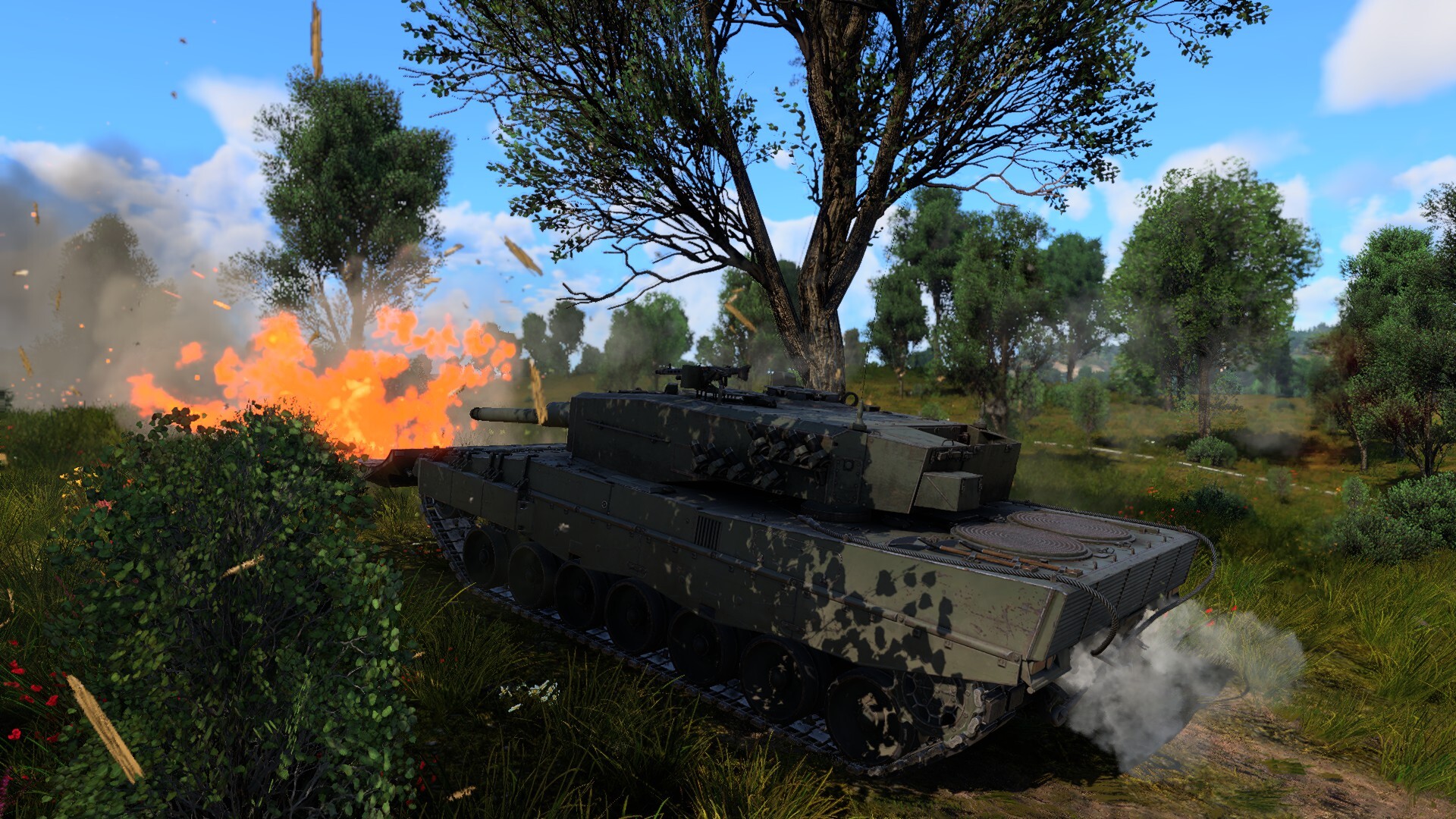
The “Iron Triangle” describes the three most important aspects of a tank’s design: Mobility, Protection, and Firepower. Like most things in this world, you can’t have the best of all worlds, so tradeoffs have to be made in each vehicle. For a tank to be more mobile, the protection of the crew and essential components may have to be sacrificed. This mobility, though it makes direct engagement riskier, can make long-range and guerilla combat easier…
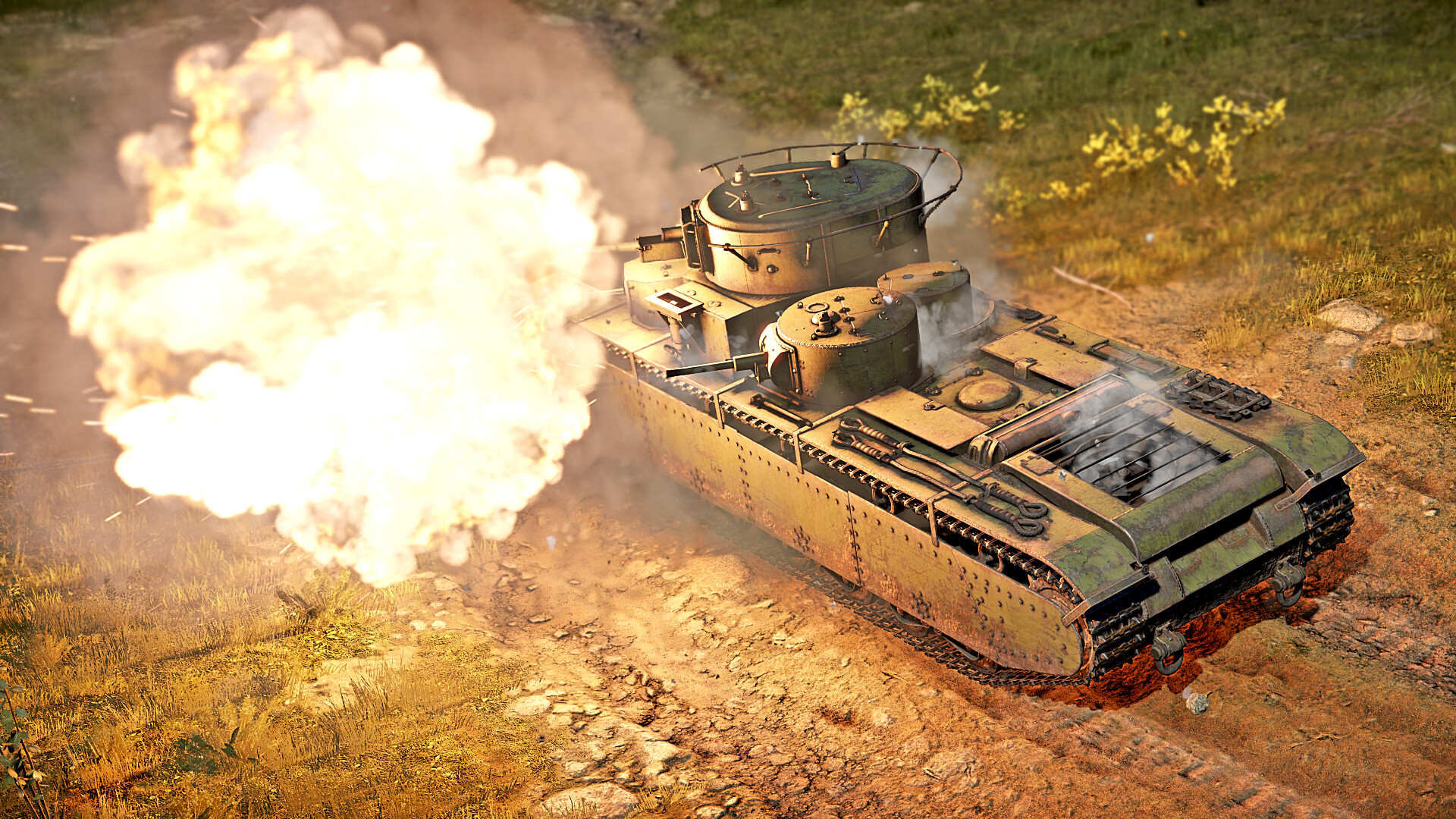
In Update 1.43, the first multi-turreted tank was added into the War Thunder, namely the T-35. With its introduction, a system allowing independent tank turret control was added. By default, the turrets follow the main turret direction and when firing, all turrets that can fire in the direction of the mouse cursor will fire.
"Manual Engine Controls" (often abbreviated as MEC) are the ability for a player to manually control multiple components of an engine. Used properly, these allow for greater speed, fuel efficiency, engine cooling and management of a damaged engine. These take a bit to learn, being left by default to the game to handle automatically, but are worth learning to gain an advantage.