Throughout the Second World War, the Wehrmacht captured large numbers of Soviet T-34s on the Eastern front, many of which were repaired and returned to service, under the designation Panzerkampfwagen 747(r). While most of these examples remained largely unchanged apart from the addition of German radios and paint schemes, etc, a fair number were converted into various vehicles capable of fulfilling roles far beyond that of a medium tank.
German Capture of T-34s
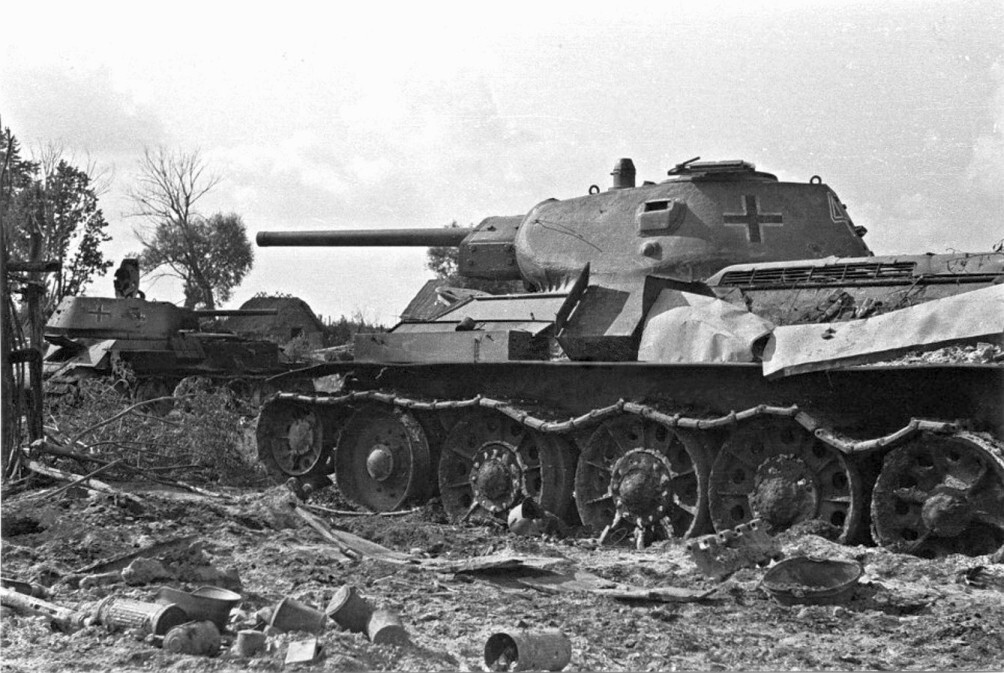
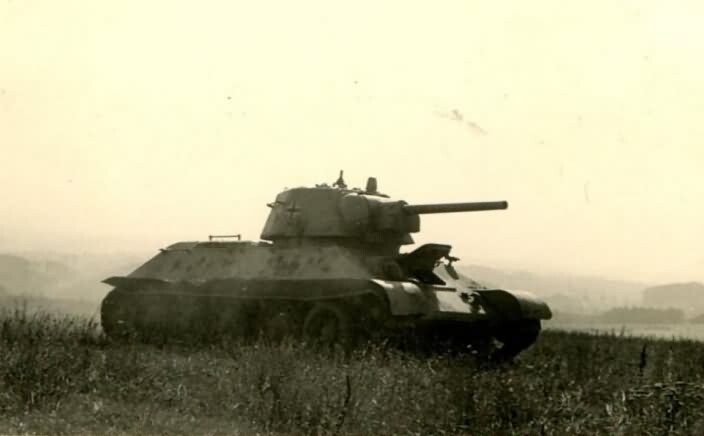
The Wehrmacht first encountered the T-34 during the Operation Barbarossa, 1941. And while it didn’t achieve the same psychological effect of the more heavily armored KV tanks, the T-34 quickly proved itself to be a formidable opponent. Its strong sloped armor, powerful L-11/F-34 cannon, and good mobility surpassed that of any German tank at the time, particularly the Pz. 38(t) and early Pz. IIIs. Despite these advantages, however, large numbers of T-34s were captured throughout the campaign, many due to being abandoned due to fuel shortages and mechanical failures.
One of the largest instances of this happened after the German recapture of Kharkov in March 1943, when roughly 50 disabled T-34s awaiting repair fell into German hands at once. Using the facilities of the Kharkov Tractor Plant, the SS Division “Das Reich” restored a number of these tanks, forming a dedicated company that put 25 into combat service, while a further 12 were sent to an SS Panzergrenadier training school for anti-tank instruction. This unit’s T-34s subsequently saw action at the Battle of Kursk that summer, employed defensively from concealed positions rather than in offensive roles.
T-34s in German Service
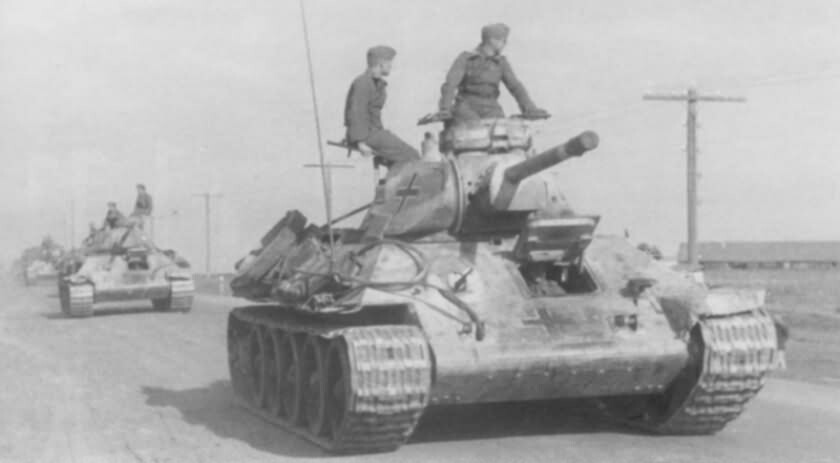
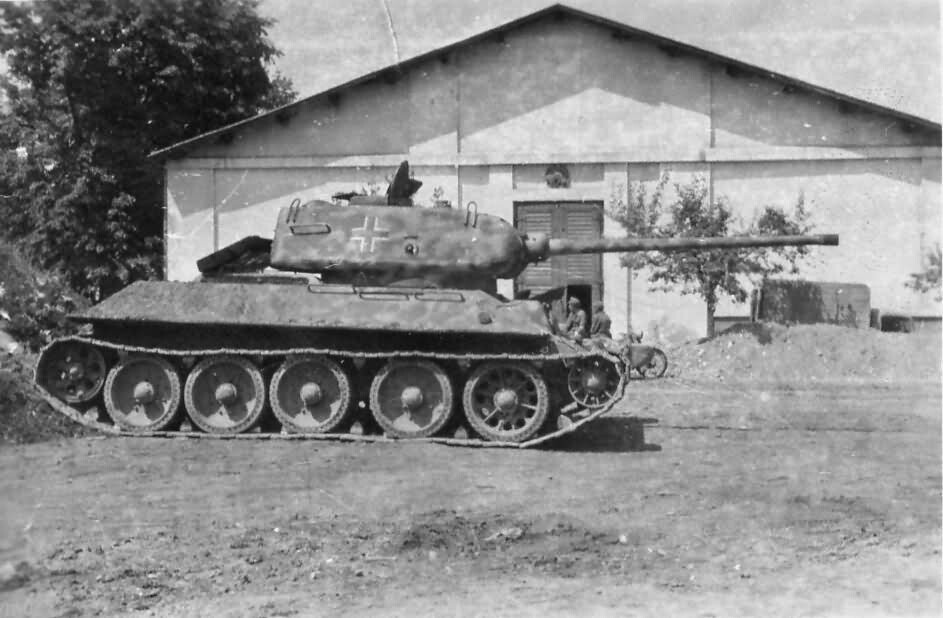
Repairable examples were recovered by German maintenance units and overhauled before being assigned the designation Panzerkampfwagen 747(r). To improve compatibility with other German equipment, numerous modifications of various complexity were added. This overhaul was necessary since German doctrine had trained troops to treat any unmarked T-34 as a threat, captured tanks needed prominent German markings before they could be safely returned to frontline service without being fired on by their own side. While the majority continued to serve as medium tanks, others were selected for extensive modifications, resulting in a number of peculiar designs.
Early captured examples entered frontline service with the 1st, 8th, and 11th Panzer Divisions during the summer of 1941. Beyond the radio and lighting changes already mentioned, crews sometimes fitted armor skirts (Schürzen) to protect the tracks and running gear, in addition to the commander’s cupolas noted above.
Conversions
The following section covers most of the known and well documented conversions of captured T-34s. I also include one which is disputed, namely the T 34/88. (more here: Panzerkampfwagen T 34/88 747 (r) There are also numerous references online about other variants including Flammpanzer (flamethrower) and Munitionschlepper (ammunition hauler) variants, but these have little to no verifiable documentation and thus have not been included here.
Panzerkampfwagen 747(r)
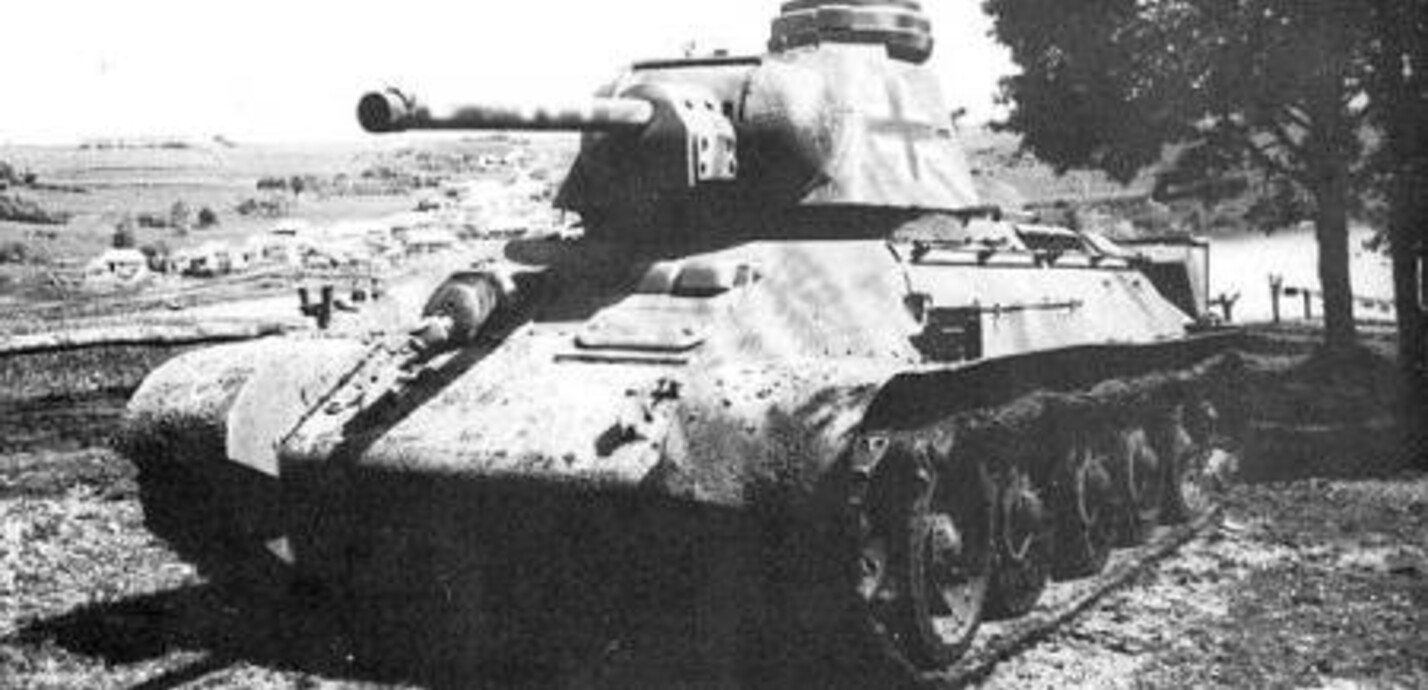
Following their refurbishment, most captured T 34s underwent a series of standard modifications, to improve compatibility with other German equipment. FuG 5 radios and Notek blackout lights were installed, and the typical Balkenkreuz and other German army markings were painted on to avoid friendly fire; many tank crews also draped bright red flags over the turret roof to prevent them from being targeted by friendly CAS. Some units added Commander’s cupolas taken from Pz. IIIs and IVs, although this wasn’t common, and was only installed when the tank underwent a full overhaul, not as a field modification. Despite all of these modifications, the original Soviet cannon, engine, and drivetrain were usually retained. Despite the fact that spare parts for these were somewhat rare, the fitting of German equivalents would have been far too complex and time consuming to justify.
Bergepanzer 747(r)
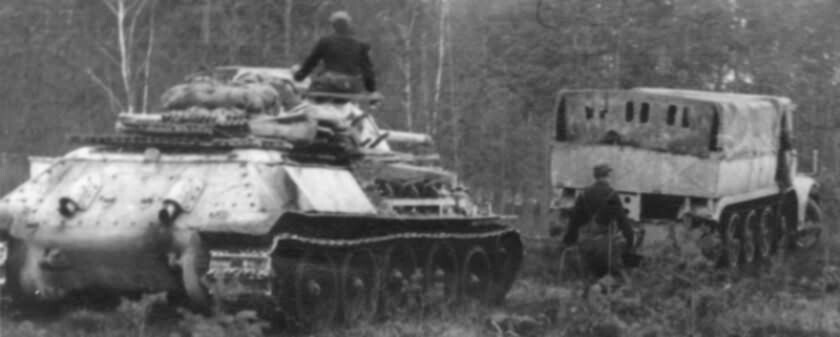
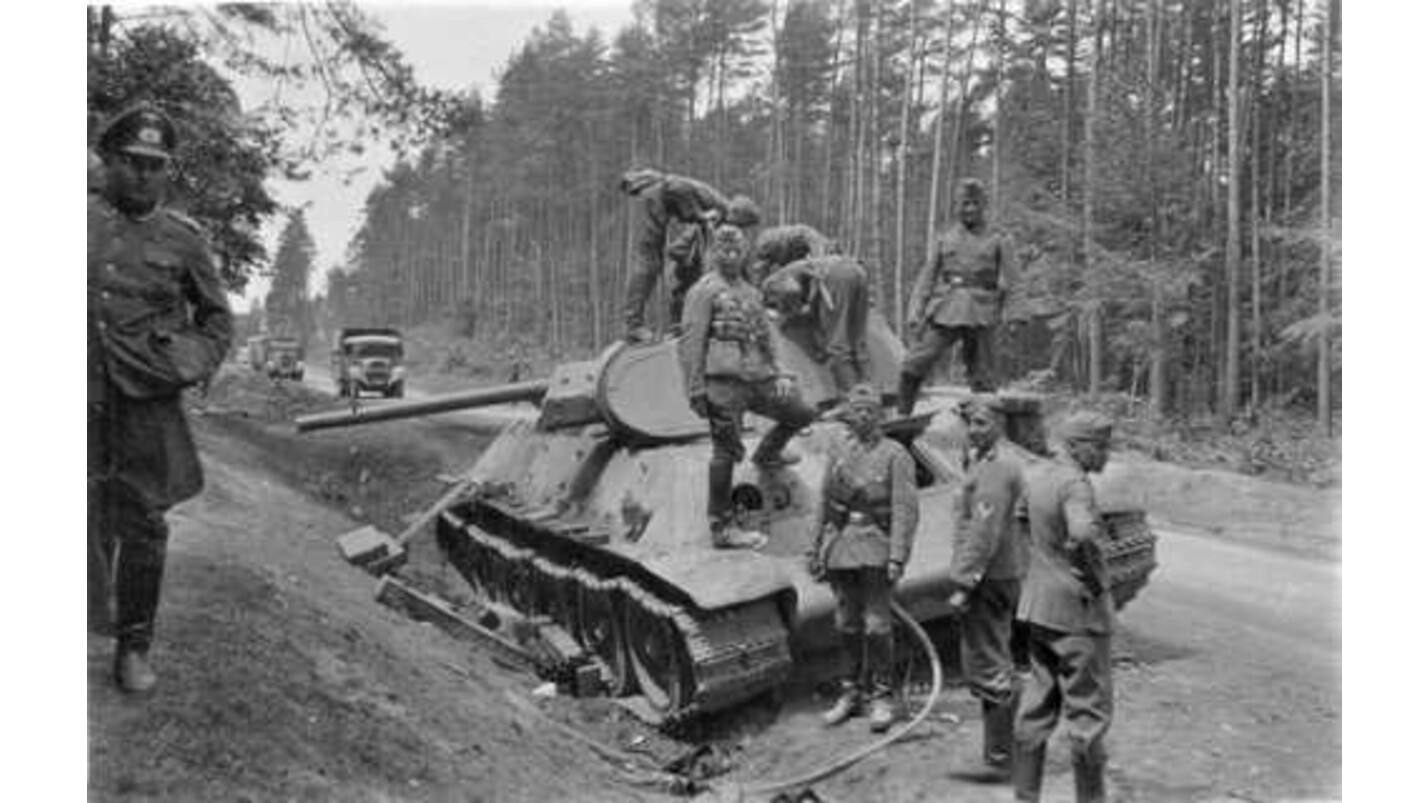
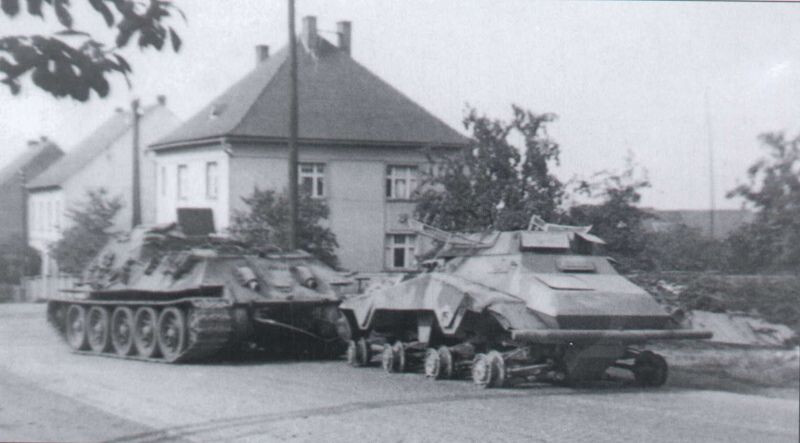
The Bergepanzer 747(r) was an improvised armoured recovery vehicle produced in small numbers by German field workshops, based on captured T-34 chassis. Owing to a chronic shortage of dedicated recovery vehicles on the Eastern Front, a number of T-34s had their turrets removed and were repurposed for towing disabled vehicles and recovering damaged equipment. The conversion itself was relatively simple, with them keeping the original engine, transmission, and running gear. Although only a handful are known to have existed, photographs prove that these vehicles were operational during the later stages of the war.
This was not an isolated solution; facing the same shortage of dedicated recovery vehicles, German workshops also produced turretless recovery conversions of their own Panzer III, Panzer IV, and Panther chassis around the same period, with the T-34-based version filling the same role using already-available captured hulls.
Flakpanzer 747(r) (2 cm Flakvierling 38)
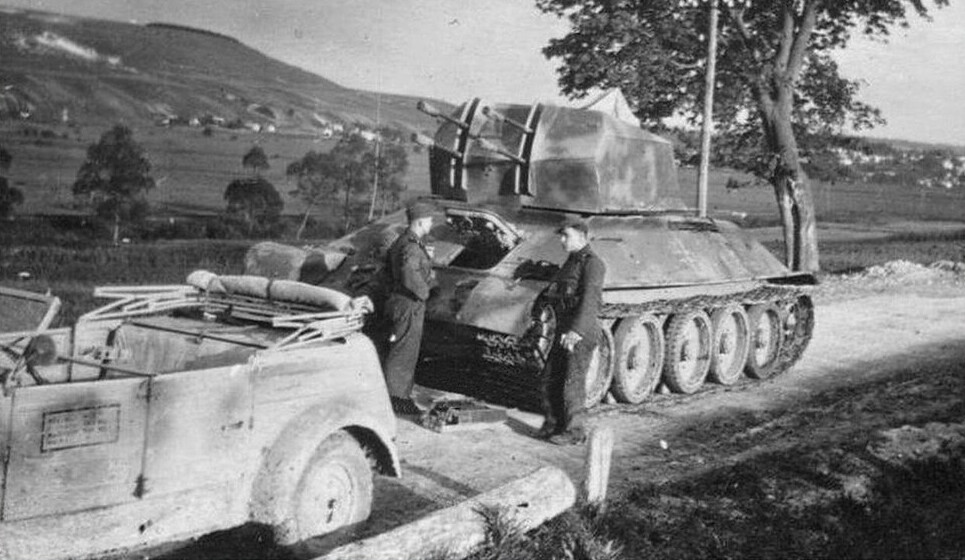
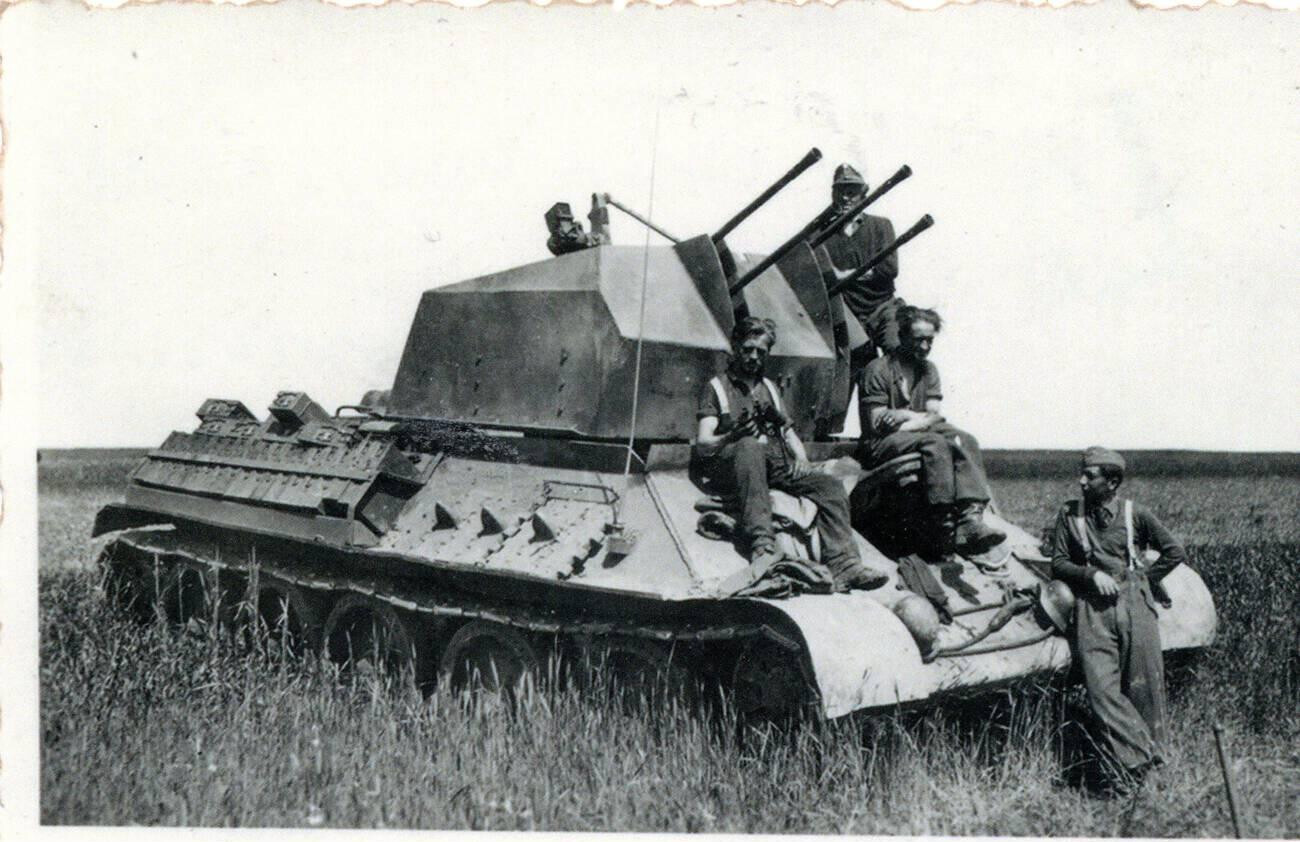
The Flakpanzer 747(r) was an improvised SPAA vehicle modified by schwere Panzerjäger-Abteilung 653 during the summer of 1944. It was built to provide mobile air defence for the battalion’s heavy tank destroyers; the original T-34 turret was removed and replaced with an open-topped fighting compartment mounting a 2 cm Flakvierling 38 quadruple anti-aircraft gun, encased by armor plates taken from damaged Sd. Kfz. 251 halftracks. The vehicle retained the T-34's original engine and running gear, which provided good mobility, while the Flakvierling 38 offered a high volume of fire capable of engaging both low-flying aircraft and lightly armoured ground targets. Only a single example is known to have been completed, serving with s.Pz.Jg.Abt. 653 during the latter stages of the war.
There is some speculation that this particular vehicle may have started out as one of the battalion’s own Bergepanzer 747(r) recovery vehicles, with its turret already removed, before the battalion’s maintenance company is reported to have adapted it into the Flakvierling mount around May or June 1944, though this isn’t fully confirmed. The same unit is also said to have produced a similar Flakvierling conversion on a captured Bergepanther hull that summer, though no photographs of that vehicle are known to survive.
Panzerkampfwagen 747(r) T 34/88
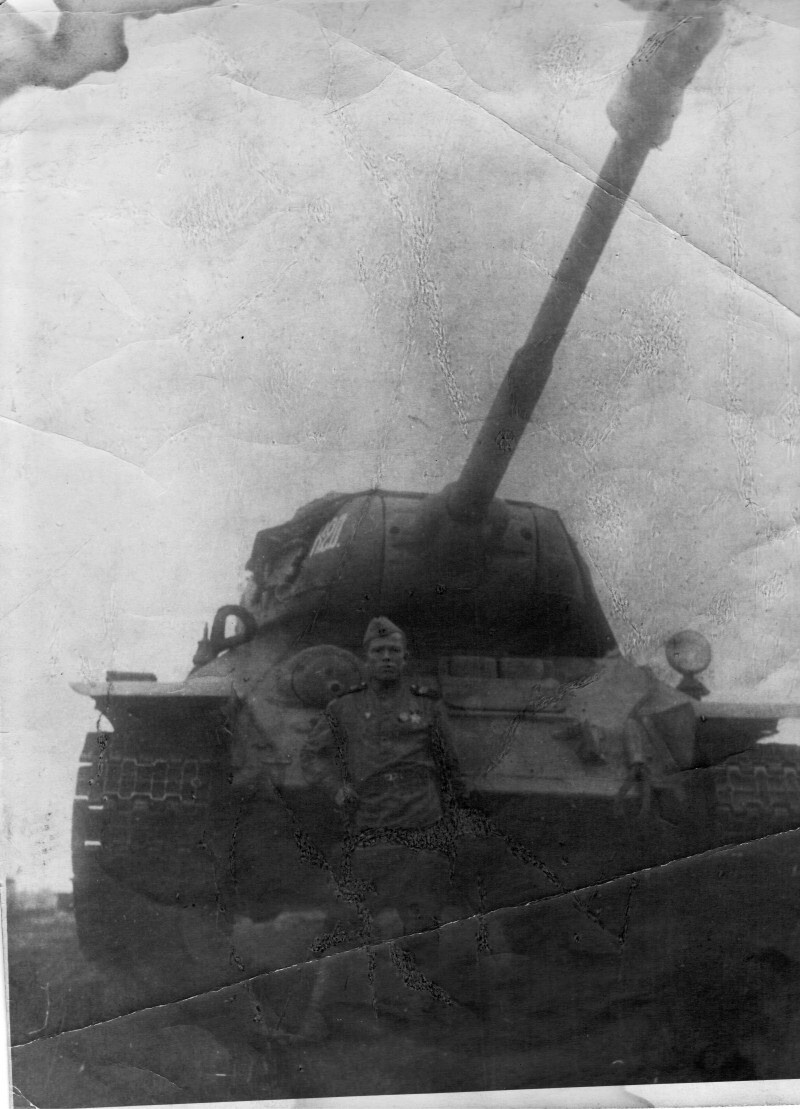
The T 34/88 was a supposed late-war conversion based on a captured T-34-85 armed with the Soviet 85 mm S-53 gun. The vehicle can be identified as a Factory No. 183 T-34-85 produced before July 1944, and the available photographs show that the original barrel was cut down and a new 8.8 cm gun tube inserted into the existing gun assembly. Because only the tube was altered and the gun shield remained unchanged, the conversion likely retained the original S-53 recoil system, while the breech was bored out to accept German 88 mm ammunition. The evidence also suggests that the inserted tube was most likely an 8.8 cm Fla.K 18-type barrel, giving the vehicle performance comparable to the German Kw.K. 36, found on the Tiger I. The vehicle was discovered in Courland after the German surrender in May 1945, where it was among the captured AFVs found by Soviet forces.
Conclusion
Although only a small number of specialized conversions were produced, the German use of captured T-34s showed the Wehrmacht’s reliance on improvisation during the later stages of the Second World War. Rather than being discarded of, serviceable vehicles were repaired and modified to fulfil a variety of roles ranging from frontline medium tanks to ARVs and SPAAs. While many of these conversions remained rare, they demonstrated the T-34's reliable design and adaptable chassis, which lent itself well to a wide range of German modifications.
References and Links
Jochen Vollert — Panzerkampfwagen T 34 — 747(r): The Soviet T-34 Tank as Beutepanzer and Panzerattrappe in German Wehrmacht Service 1941-45.
Steven J. Zaloga — Beutepanzers of World War II: Captured Tanks and AFVs in German Service.
O5M6 — Captured Armour: Early T-34-76: Engines of the Red Army in WW2
O5M6 — Captured Armour: Late T-34-76 & T-34-85: Engines of the Wehrmacht in WW2
Tankograd Publishing — Panzerkampfwagen T 34 — 747(r): Panzerkampfwagen T 34 — 747(r)<br>The Soviet T-34 Tank as Beutepanzer and Panzerattrappe in German Wehrmacht Service 1941-45 — TANKOGRAD Publishing — Verlag Jochen Vollert — Militärfahrzeug
Tank Encyclopedia — Flakpanzer T-34(r): Flakpanzer T-34(r) — Tank Encyclopedia
Beutepanzer (Facebook): Beutepanzer | Facebook
Museum Alkmaar — Bildheft 104-179: Alkmaar '40-'45 — Bildheft
Museum Alkmaar — Bildheft 146a: Bildheft 146a.pdf — Google Drive
War Thunder Forum — “Panzerkampfwagen T-34-88 747(r)”: Panzerkampfwagen T-34/88 747 (r) — Suggestions / Ground — War Thunder — official forum
Wikipedia — T-34: T-34 — Wikipedia