
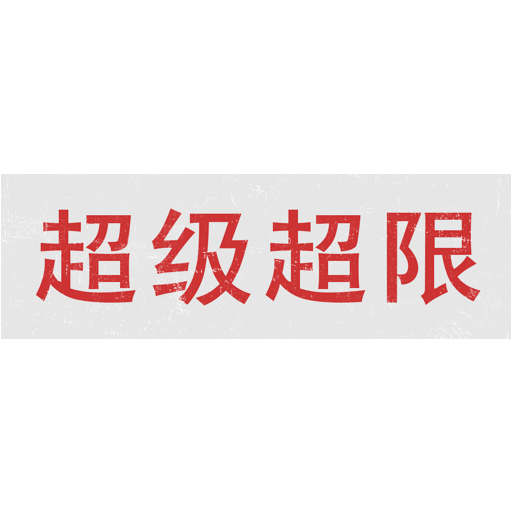
April 2026's Monthly Decal collection included one from China: the “Super Over-Limit” (CN: 超级超限) sign. This article will introduce some relevant knowledge about this decal to all the readers. The content of the article includes the decal’s meaning, function, common situations, and so on. I will also show some methods and wagons used for transporting the vehicles through the whole of China.
Note: Due to the applicable scope of the decal in real life, this article mainly focuses on discussing the usage scenarios of this decal in the civilian railway transportation field.
Prequel: How to Transport Vehicles by Train
Before we proceed, let’s take a moment to briefly explore how vehicles are transported by railway. In China, the railway system typically uses a series of special freight wagons or flat wagons to transport these wheeled or tracked cargoes.
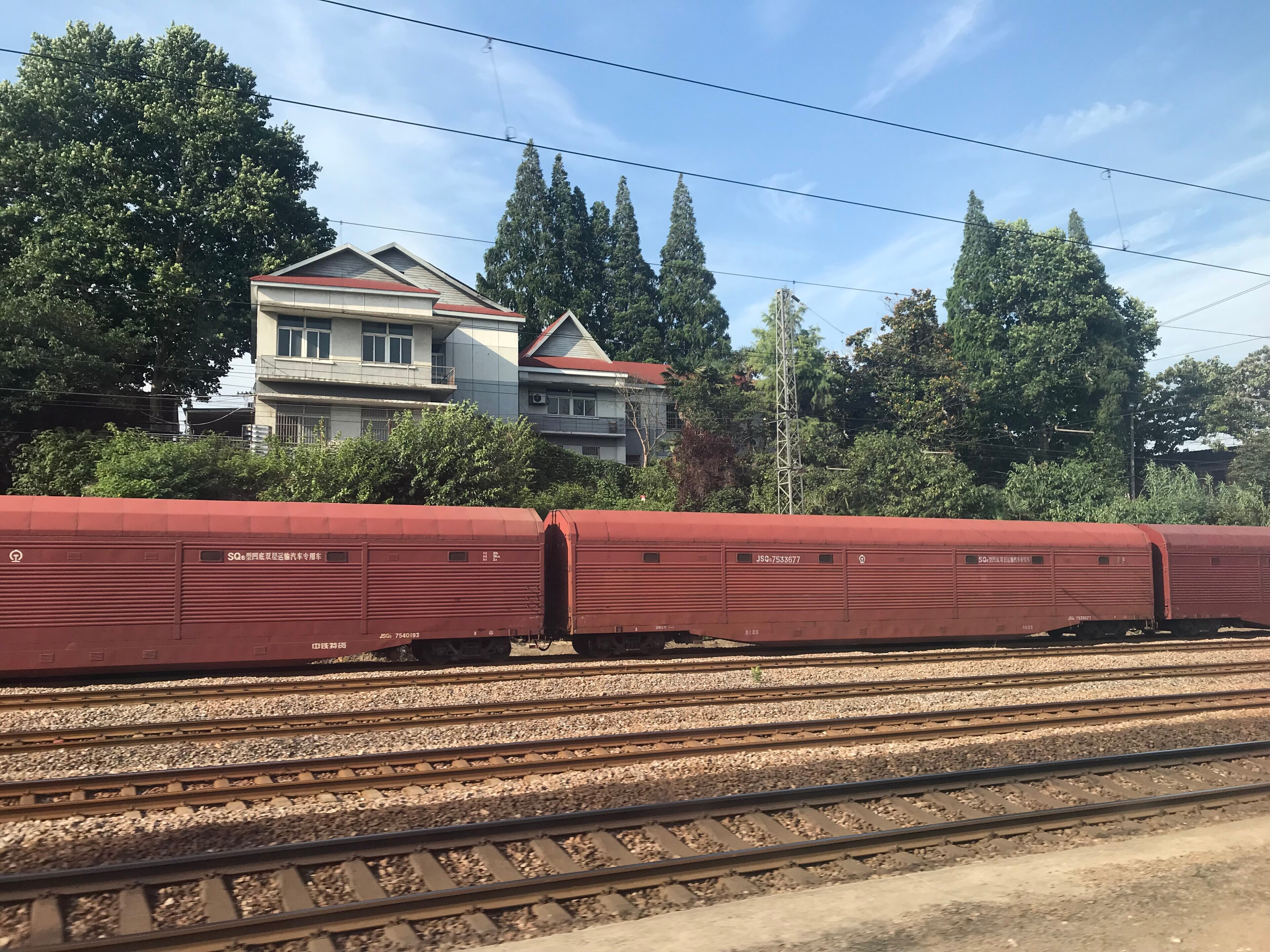
The special freight wagons mentioned here are called “商品汽车运输车(SQ)” in Chinese, meaning “railway freight wagons used for transporting common types of vehicles, especially those for sale”, and most of their full model names are “JSQ + single digit”, such as the type JSQ2 railway freight wagon. Therefore, they are often referred to as “JSQ series railway freight wagons”. They look like painted boxcars, but the interior usually only has one or two layers of flat floors and wheel blockers. By lowering the end board between two freight wagons, the vehicles can be driven through multiple freight wagons during loading and unloading. These wagons are usually used to transport newly manufactured cars from the factory to the designated sales areas. In some cases, the JSQ series railway freight wagons are also used to transport delivered vehicles from region A to region B.
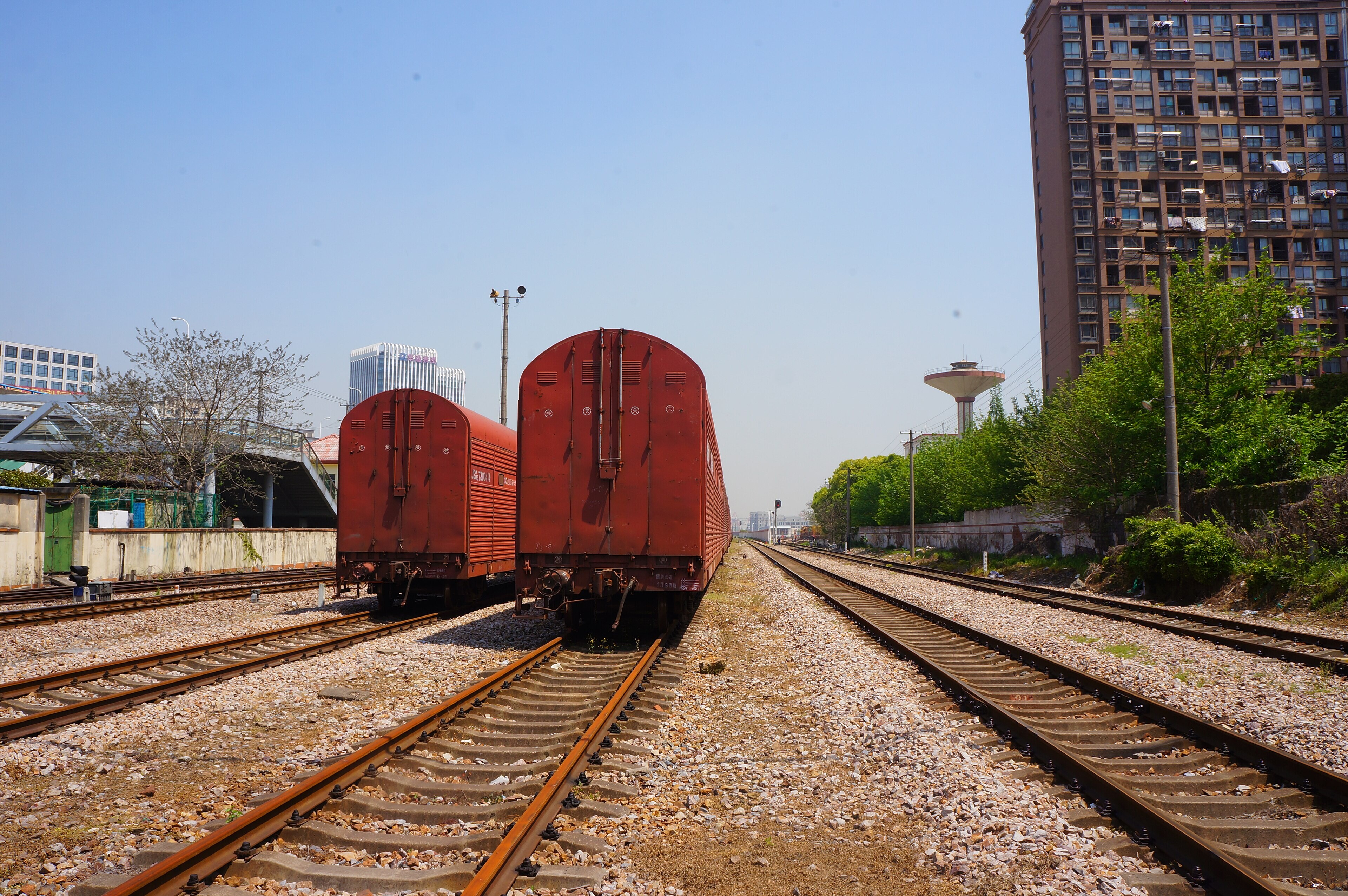
The JSQ series does not have the function of allowing vehicles to directly enter or exit the train through a common high platform. If the JSQ series wagon needs to load or unload the ordered vehicles, it needs to stop at the end of the track with a ramp-based stop buffer, allowing the vehicles to enter or exit the train with the ramp. The use of this type of freight wagon by the Chinese military force for transporting military vehicles is not common. This is possibly due to confidentiality reasons or because military vehicles are too large to be transported by using this type of wagon.
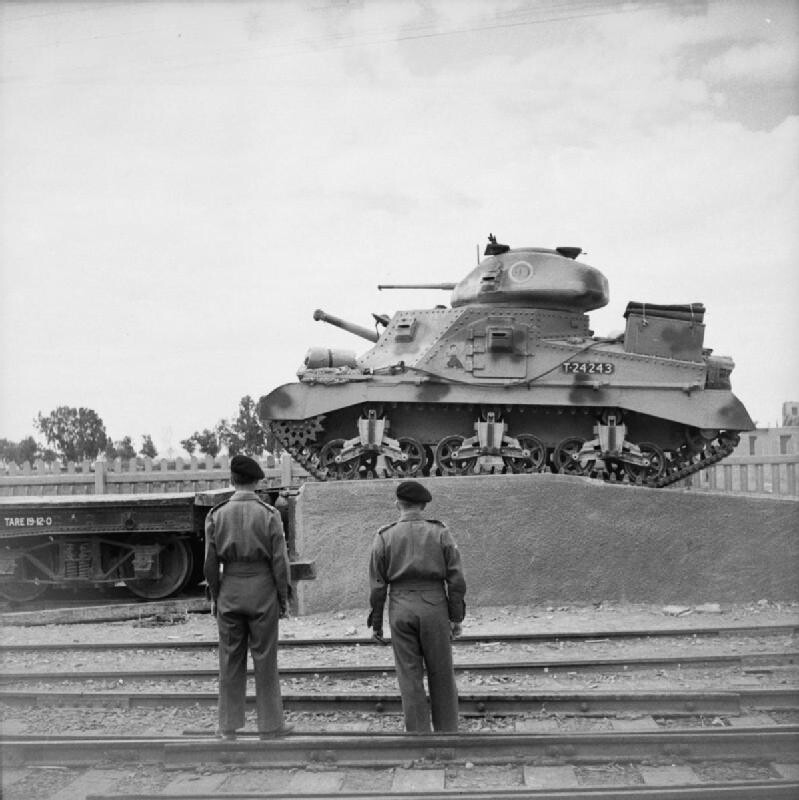
On the other hand, flat wagons, as the “平车” in Chinese, specifically refer to the common flat freight wagons commonly seen on railways. In China, flat wagons can be roughly divided into three categories: common flat wagon (N), dual-purpose flat wagon (NX/NJ), and container flat wagon (X).
Vehicles can be transported using common flat wagons or dual-purpose flat wagons, but not container flat wagons. Most container flat wagons feature protruding securing latches designed to hold containers in place, which become obstacles when loading and unloading vehicles. Additionally, to accommodate more and heavier containers, some container flat wagons have even had parts of their undercarriage removed, making them suitable exclusively for container transport.
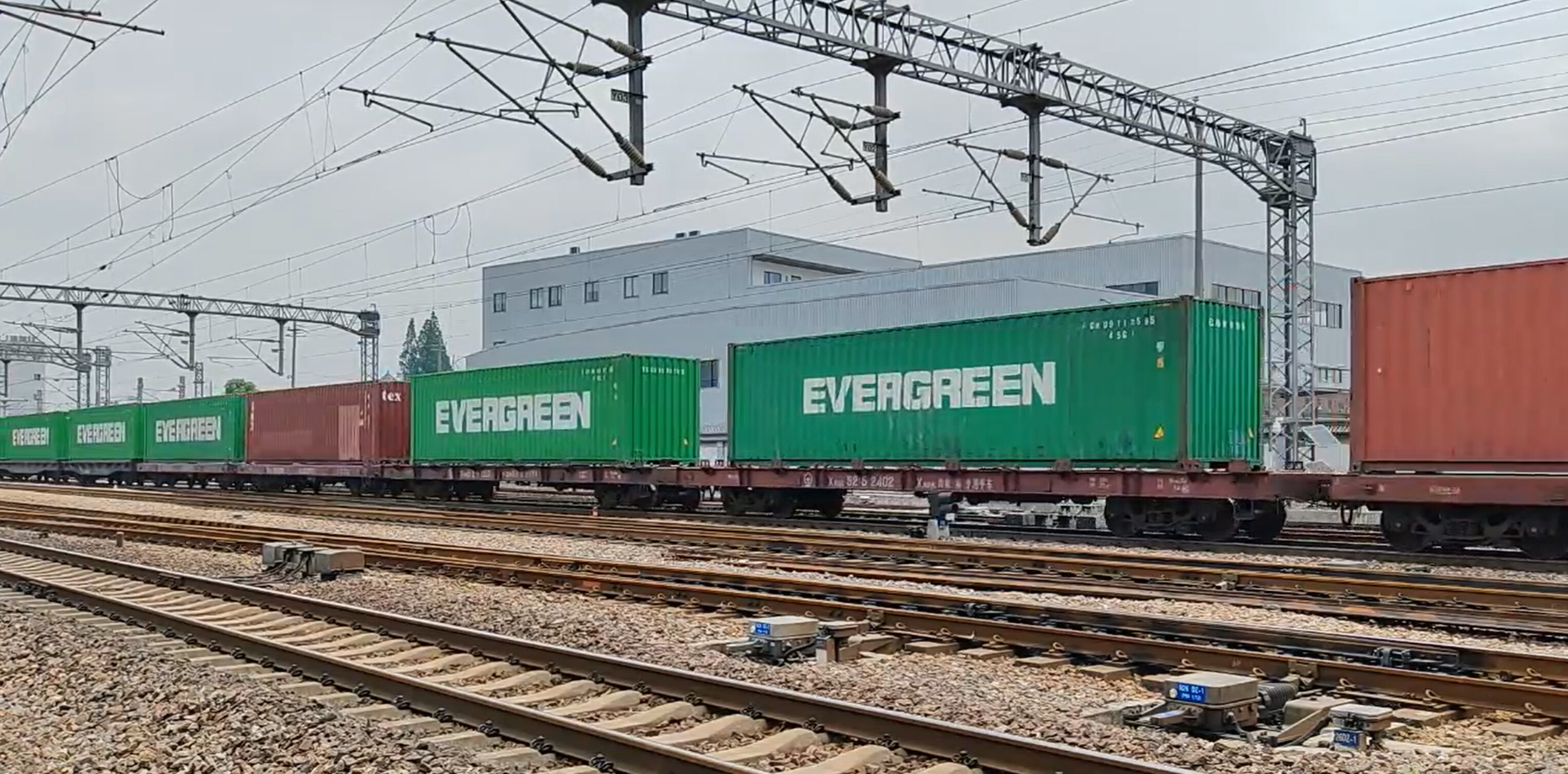
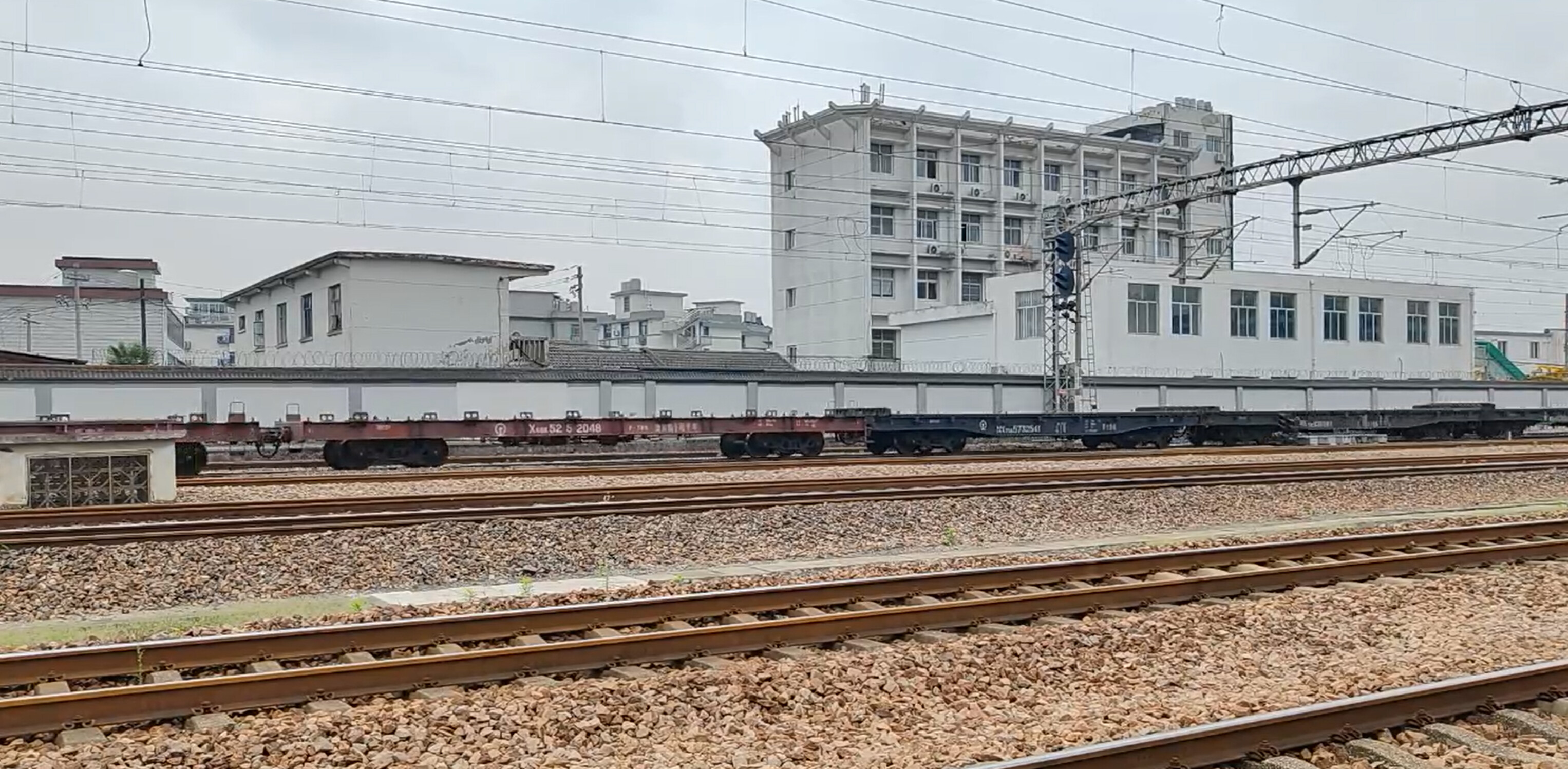
In contrast, common flat wagons and dual-purpose flat wagons can carry a variety of cargoes, including vehicles. Some types are equipped with low (20-30 cm) movable end walls that can be lowered during loading and unloading, shaping a temporary bridge allowing vehicles to pass through between the wagons. Although dual-purpose flat wagons also have container-securing latches, these are typically retractable and can be folded down flush, thus not obstructing the vehicle’s movement during loading and unloading.
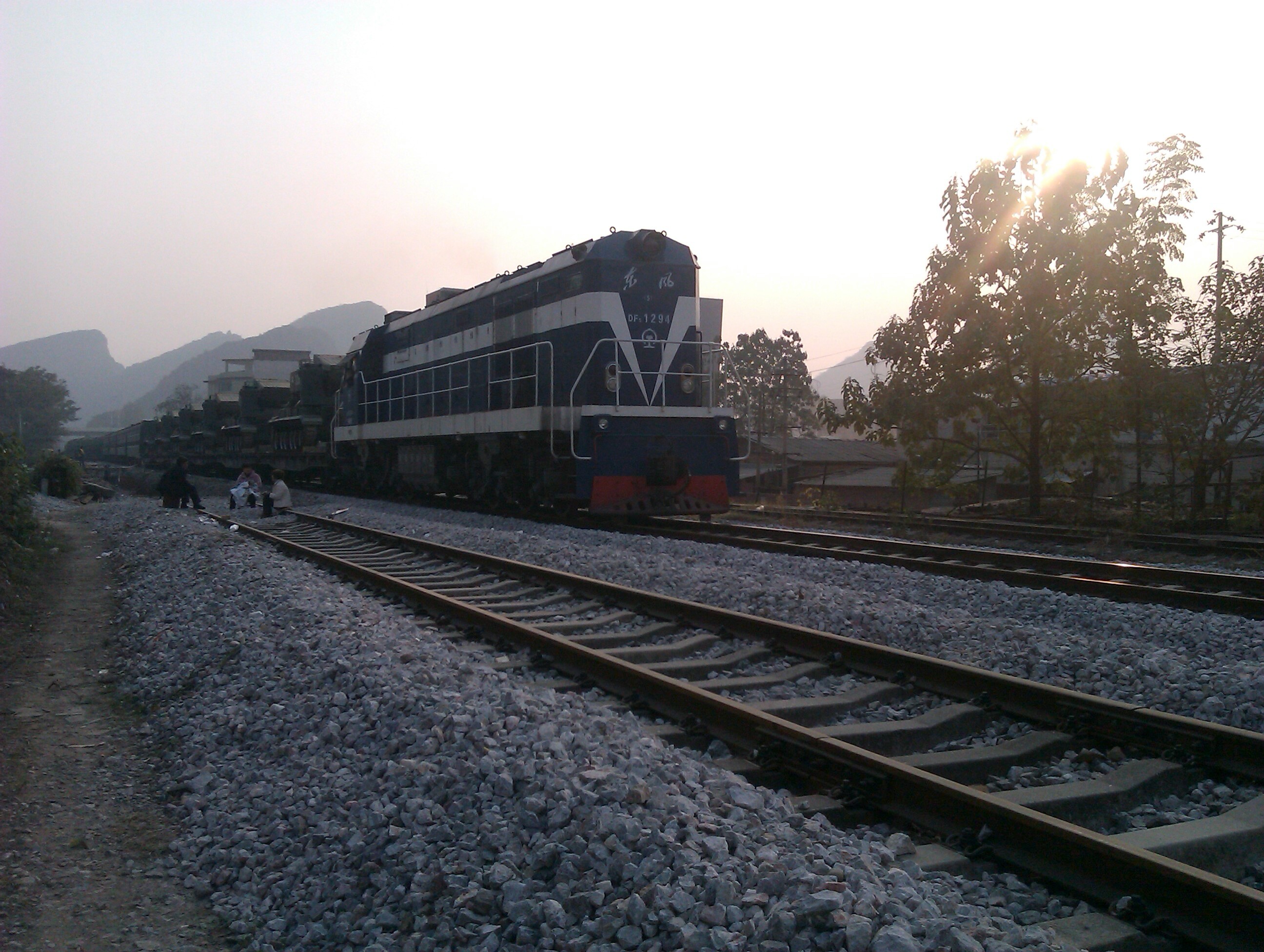
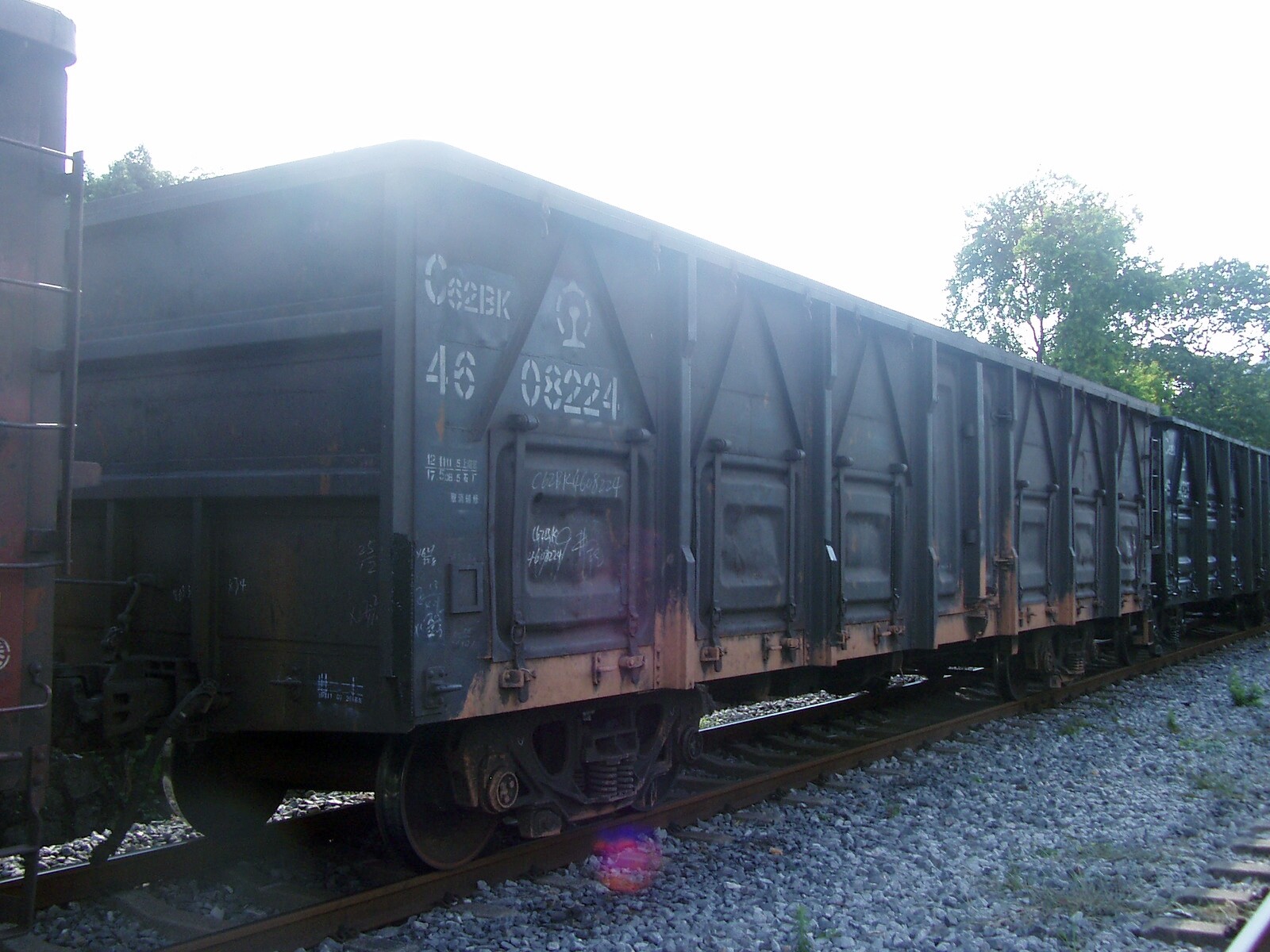
When vehicles are loaded on flat wagons, some staff must ride inside the transported vehicles to respond promptly in case of any emergency. These staff members are known as supercargos (CN: 押运员).
Apart from the container flat wagons equipped with built-in securing latches, other flat wagons usually also have many fixing devices to secure the cargoes from accidentally sliding off… Or even causing an invasion of clearance limits.
Railway Clearance: Invisible Safety Standards
Under ideal conditions, the controllers of railway systems always hope to design and manufacture larger railway wagons in order to accommodate more cargo. However, the dimensions of railway wagons and cargoes, especially their width and height, cannot be arbitrarily increased. Instead, they are subject to strict constraints set by regulations. Such regulations often contain specific numerical values and are called “Railway Clearance” (CN: 铁路限界). The establishment of this concept is beneficial for avoiding unnecessary safety risks and hazards in daily railway transportation and maintaining the daily traffic safety of railway lines.
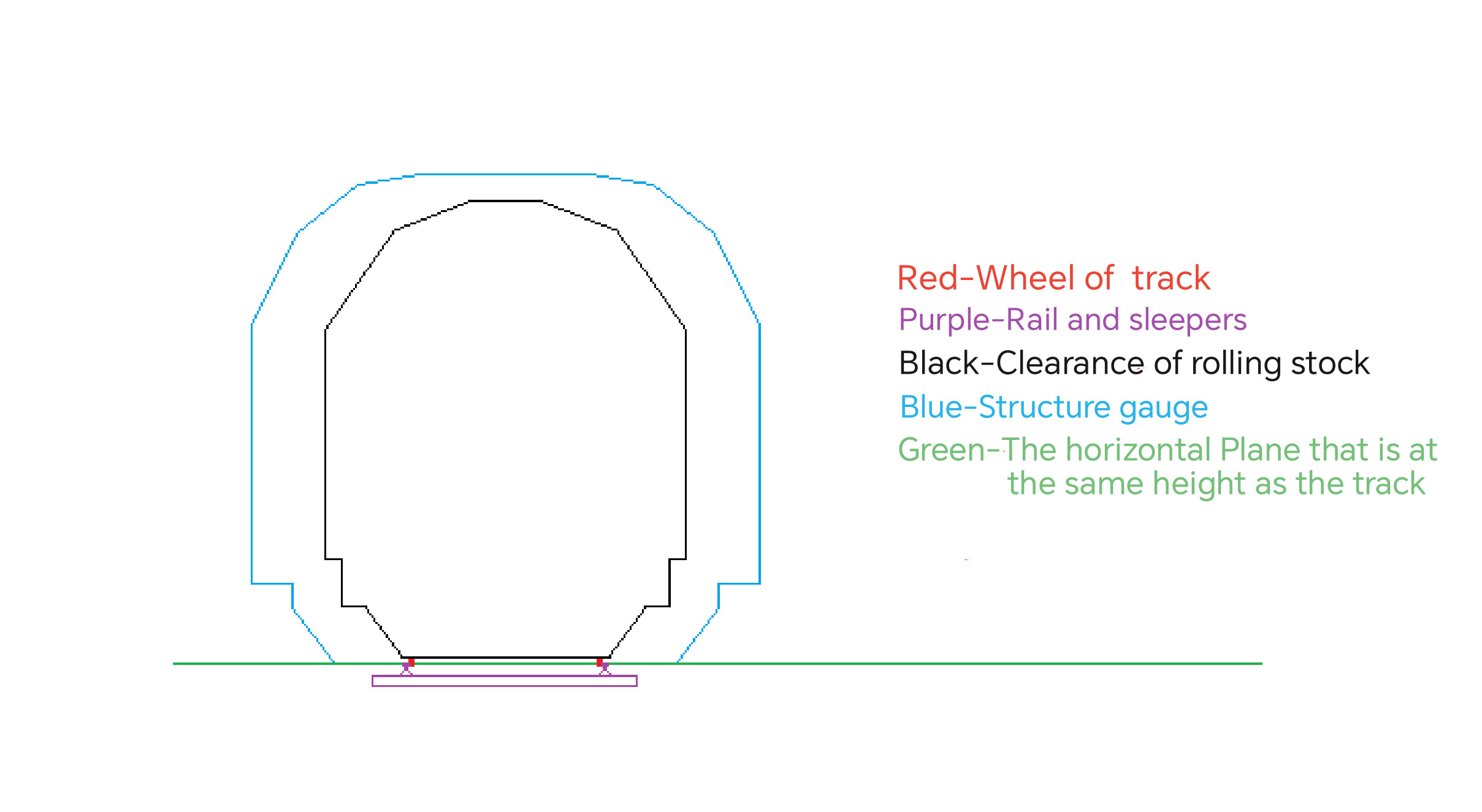
In China, railway clearance can be simply divided into two group:
First is the external “Structure Gauge” (CN: 建筑限界), which is used to prevent buildings and facilities used by the outside world and the railway department from getting too close to the railway tracks, thereby affecting the safety of train operations. For example, it requires that the tunnel be at least a certain height;
Second is the inner “Clearance of Rolling Stock” (CN: 机车车辆限界), which is used to limit the maximum size of trains. This can prevent trains from colliding with other buildings or railway-related facilities and objects along the track due to excessive height or width. When a regular train is parked on a horizontal and straight track, the relevant values (mainly width and height) of this train should not exceed the clearance specified in the regulations, and all the components of the train need to be within the clearance limits for rolling stock, except for a few exceptional components.
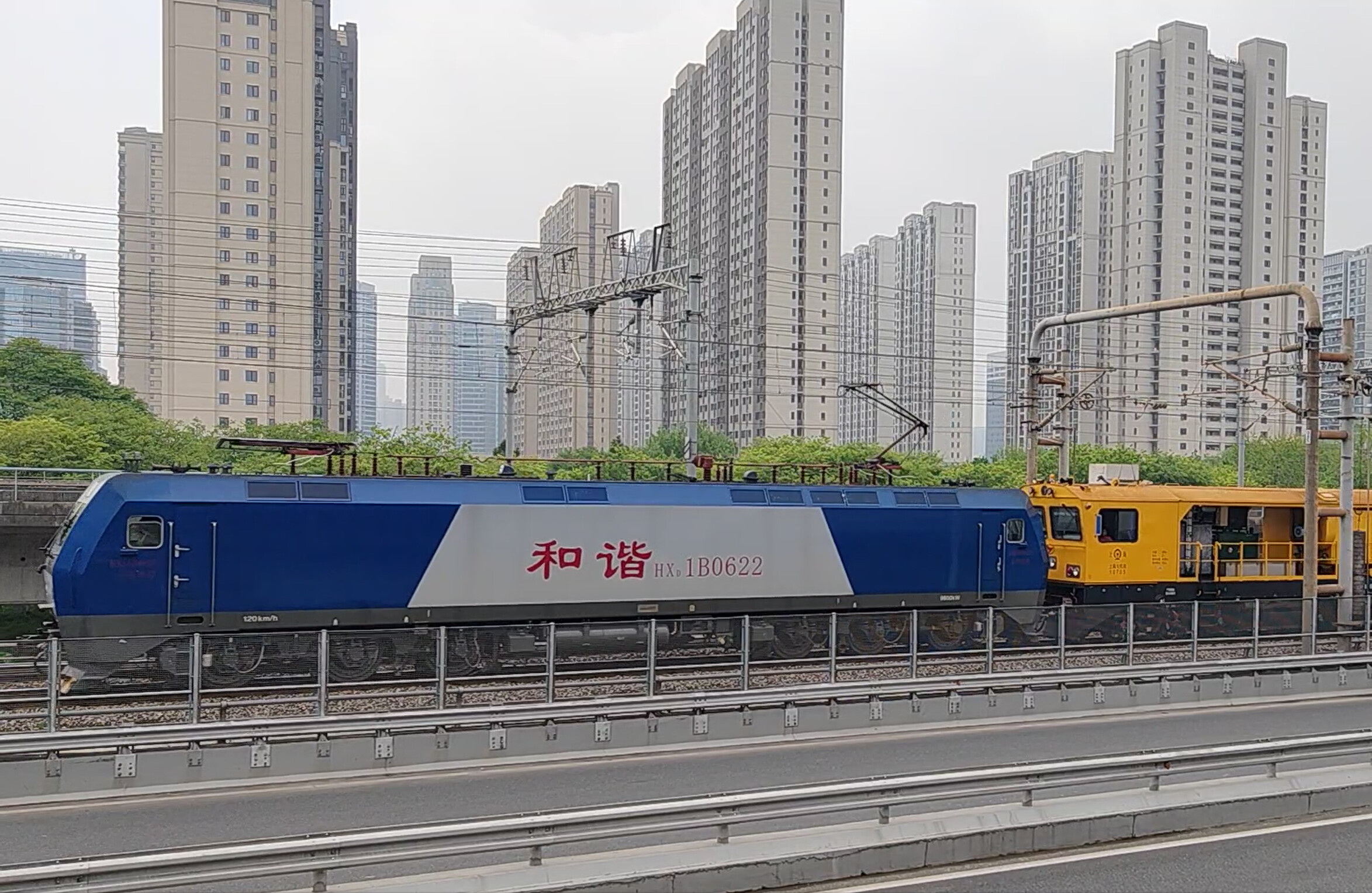
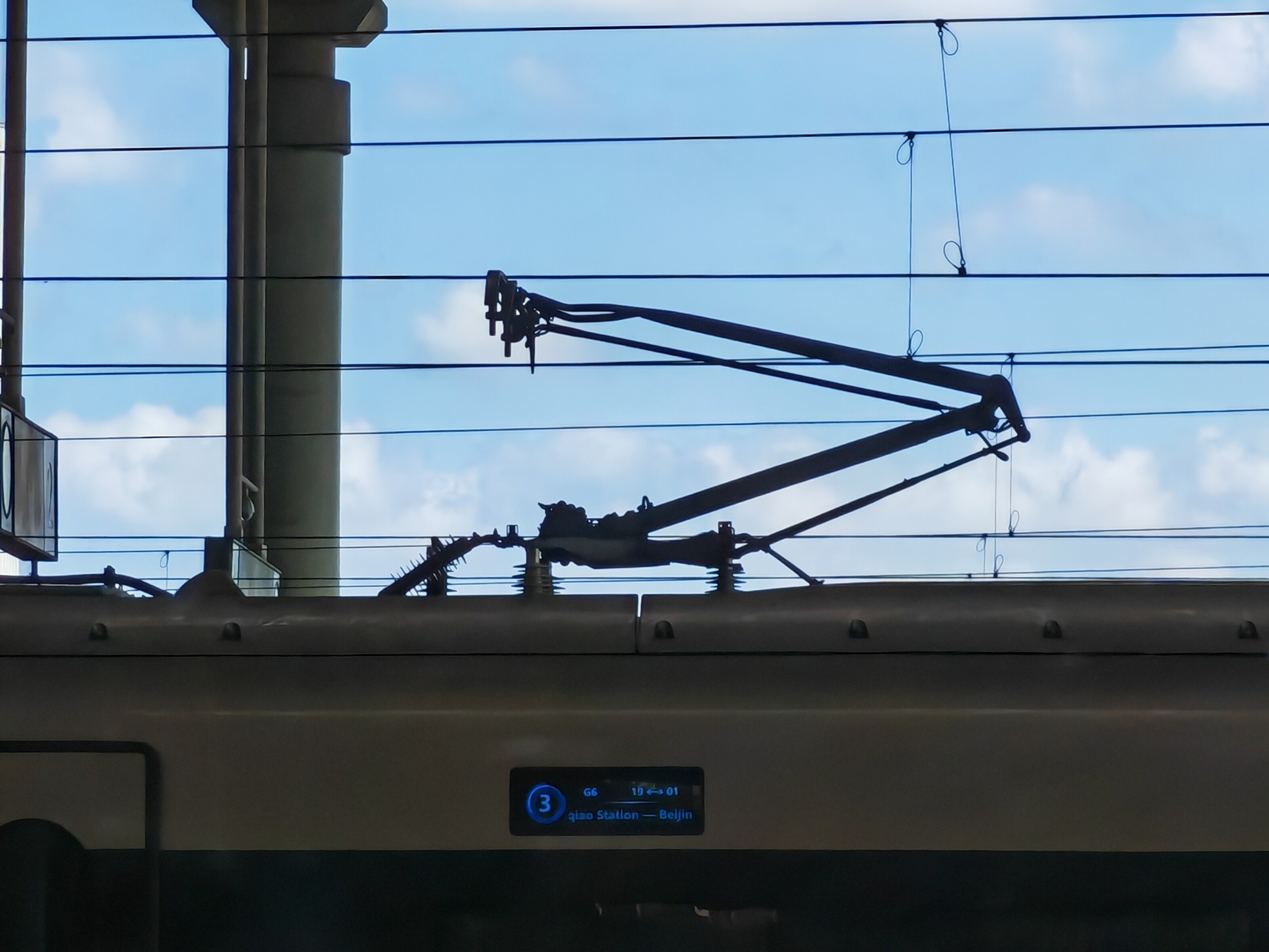
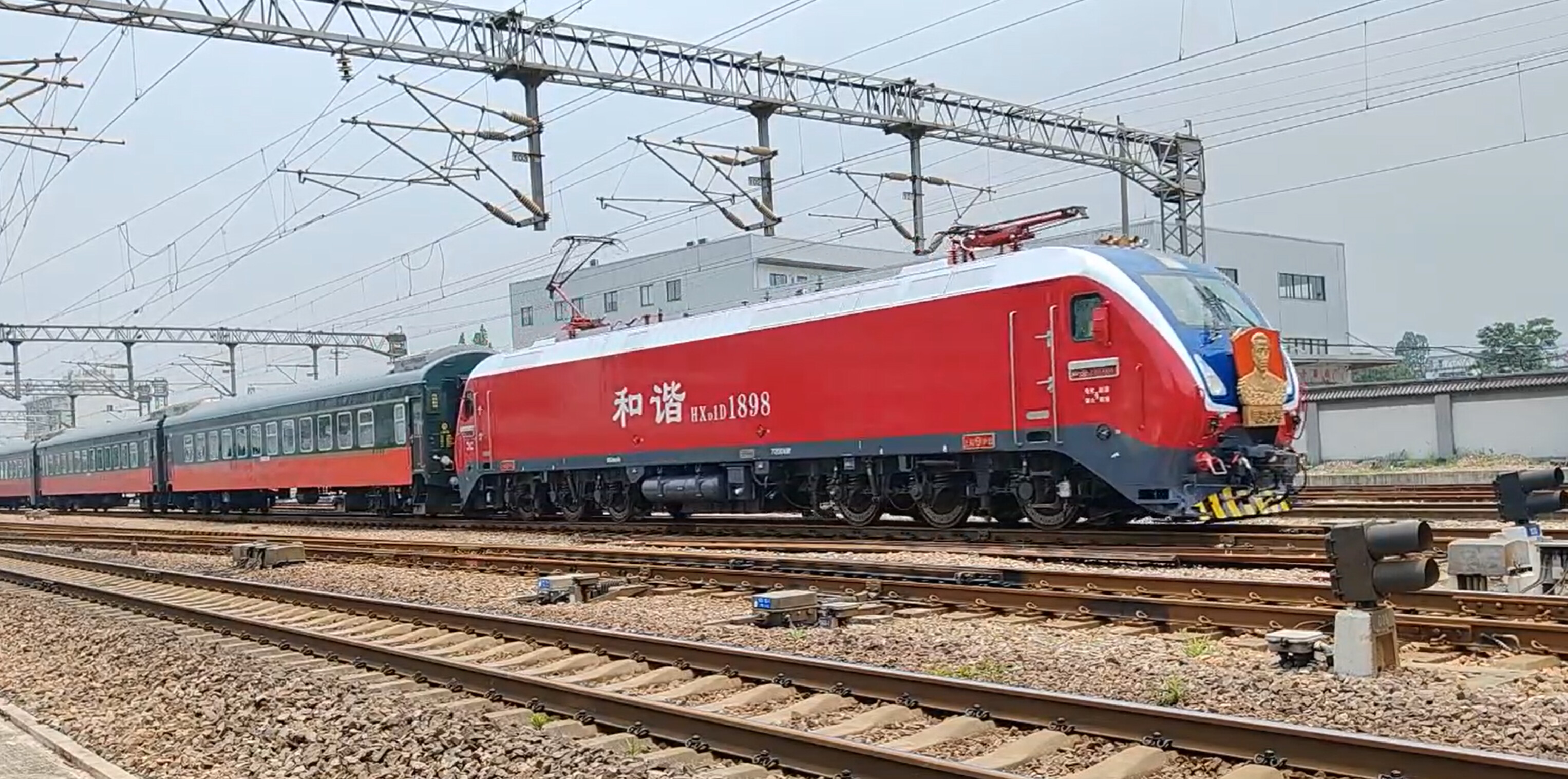
Among these exceptional components, a typical example is the pantographs of electric trains. Most of the electric trains need the pantograph on their roof to obtain electrical energy from the metal wire located above the track, which is called “the overhead line.” During the train’s whole ride, the overhead line and the pantograph on the train always maintain sliding contact. This means that the pantograph always needs to exceed the clearance of rolling stock. However, when we discuss the limits, we generally do not consider components such as the pantograph. The combination of third rail (conductor rail) and conductor shoes used in some railway power supply systems is similar.
The railway clearance regulations for Chinese railways generally stipulate that the width of trains should not exceed 3.4 meters and the height should not exceed 4.8 meters. In some specific railway sections, the clearance for rolling stock may change according to the actual situation.
You may have already noticed that the space between the clearance of rolling stock and the structure gauge is the safety redundancy space reserved for railway transportation safety. It can prevent collisions between the train and external buildings or equipment caused by the normal swaying of the train during operation or the abnormal conditions of the track. For trains, the clearance of rolling stock is obviously an unbreakable and literal “deadline”.
After the cargoes are loaded onto the wagons, when the wagons are parked on a horizontal and straight track, if any part of the goods exceeds the basic outline of the rolling stock clearance, it constitutes the situation of over-limit (CN: “超限”), and such cargoes are called over-limit cargoes. Additionally, after the cargoes are loaded onto the freight train, if any part of the cargoes exceeds the clearance of the rolling stock when the train passes through a curve with a radius of 300 meters, it is also considered as over-limit cargo.
The over-limit situations of freight trains that have already loaded cargoes can be classified into three categories:
- The first category is upper over-limit. If any part of the cargo on the upper part of the train exceeds the limit (higher than 3600 mm from the plane where the track is located), it will be classified as level 1, level 2, or level super based on the degree of over-limit of the cargo.
- The second category is middle over-limit. If any part of the cargo on the middle part of the train exceeds the limit (height is from 1250 mm to 3600 mm from the plane where the track is located), it will also be classified as level 1, level 2, or level super based on the degree of over-limit of the cargo.
- The third category is lower over-limit. If any part of the cargo on the lower part of the train exceeds the limit (height is from 150 mm to 1250 mm from the plane where the track is located), it will be directly classified as level 2 or level super based on the degree of over-limit of the cargo.
Under normal circumstances, even if freight trains are carrying over-limit cargoes, as long as there is proper monitoring and careful train operation scheduling, it will not affect the safety of the train or the overall order of railway transportation. Trains carrying over-limit cargoes or those that themselves are over-limit may operate under special requirements, which means safety and reliability are ensured.
However, when the passengers’ bodies on the passenger train or the cargoes carried by the freight train move accidentally and protrude beyond the clearance of the rolling stock or the structure gauge from the inside to the outside, it constitutes a “limit invasion”; if there are foreign objects or outsiders entering the structure gauge or the clearance of the rolling stock from the outside to the inside, “limit invasion” will be constituted too. Unlike over-limit (CN: 超限), limit invasion (CN: 侵限) should be prevented as much as possible. If it cannot be prevented, measures including notifying the railway department and stopping specific sections of trains should be taken to minimize the possible losses, because a limit invasion often implies a significant accident.
At 20:12 on May 19, 1994, while a freight train passed over the Ganjiang Bridge (CN: 赣江大桥) in Jiangxi province, China, the rotating platform and digging arm of an excavator loaded on the 16th wagon suddenly rotated, crashing and damaging part of the bridge’s load-bearing beams. As a result, the Ganjiang Bridge collapsed, causing 7 wagons (17th-23rd) to derail. What’s worse, 5 wagons (18th-22nd), along with four other excavators, containers, and other cargoes, plunged into the Ganjiang River (CN: 赣江). In addition, sections of the bridge structure were destroyed, several wagons were damaged or written off, parts of signaling equipment and tracks were severely damaged, and two stowaways riding on the freight train died in the accident. Emergency repairs were carried out afterward, but it took 17 hours and 46 minutes from the time of the accident until the line was reopened, resulting in widespread train delays and immeasurable economic losses. The cause of the accident was the unexpected breakage of the cable securing the excavator’s rotating platform, which led to uncontrolled rotation of the rotating platform on the excavator and caused an invasion into the structural gauge, ultimately striking the bridge’s load-bearing structure and triggering its collapse. Furthermore, the excavators were not equipped with appropriate supercargos, so the issue of cable wear went undetected in time. This incident clearly demonstrates the critical importance of maintaining railway clearance and preventing limit intrusions in rail transportation.
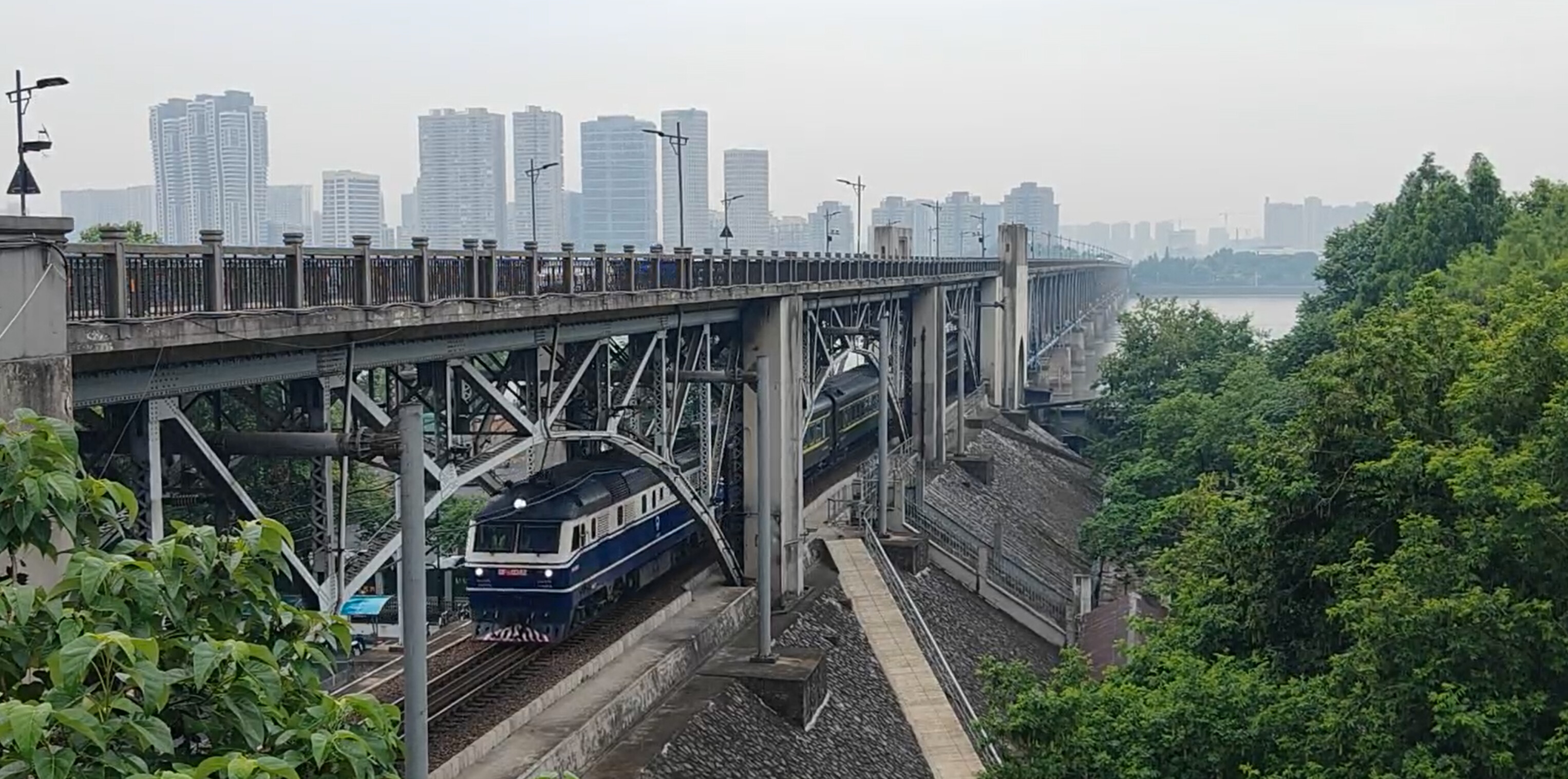
Oversize Commodity Wagon: Super Big Cup
Super over-limit cargo refers to cargoes whose external dimensions — such as height and width — exceed the maximum allowable limits set for rail transport, often reaching the absolute capacity limits in terms of length, width, and height.
In most cases, to ensure the safety of train operation, oversized cargo is typically disassembled or modified before being loaded onto trains in order to minimize the extent of over-limit dimensions. For example, during World War II, due to the clearance of rolling stock in most of the European countries having the width limit as 3137 mm, certain German tanks (such as the Tiger II) exhibited slight over-limit when equipped with their standard 800 mm wide tracks. To solve this problem, when time permitted and combat conditions were not urgent, these tanks would be fitted with narrower transport tracks prior to loading, with the width of transport tracks being 660 mm. In some cases, the outer road wheels were also removed, while the original tracks were rolled up and transported alongside the detached wheels on standard flat wagons. Upon arrival at their destination, the tanks would then be reequipped with their regular tracks and have the outer road wheels reinstalled. The track change process could take anywhere from 25 minutes to several hours, and the Tiger II equipped with transport tracks could only operate on paved roads or relatively firm ground.
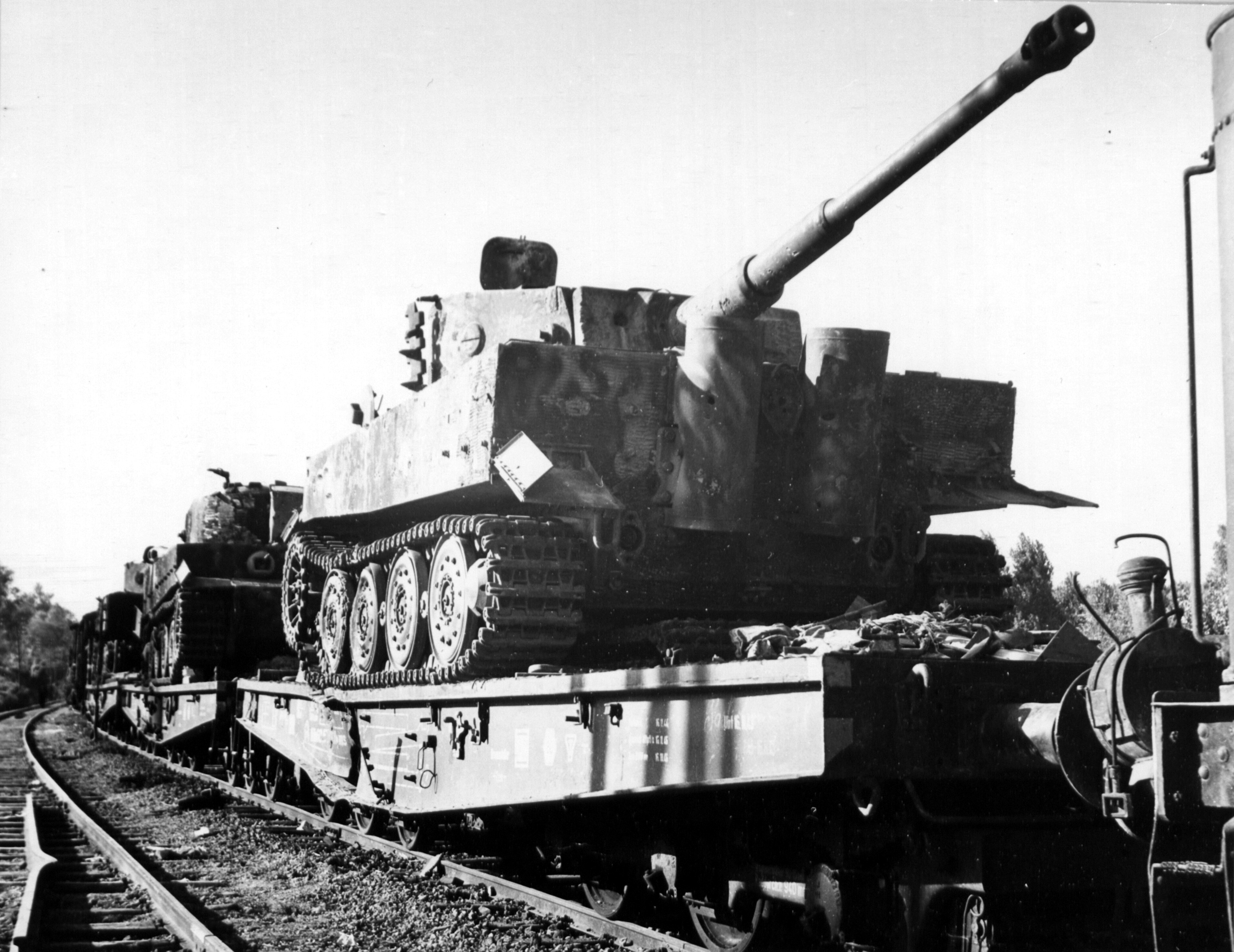
This method is applicable only to a very small portion of “super over-limit cargoes.” Many over-limit cargoes (especially those super over-limit cargoes) that are difficult to disassemble and extremely large cannot be transported using conventional wagons and need to be transported using special railway wagons. For example, the Germans specially developed a kind of special wagon called “Verladewagen” just for transporting the Maus.
Although China does not possess such terrifying weapons, in order to transport other extremely large and heavy cargoes, the Chinese have still developed a series of special wagons. These railway wagons are called “oversize commodity wagons” and are commonly referred to as “长大货物车(D)” in Chinese. The translation means “wagons (for transporting) cargoes with particularly large volume.” Currently, there are at least 30 different forms of oversized commodity wagons on China’s railway lines, which can cover the transportation needs of the vast majority of over-limit cargoes.
The vast majority of oversized commodity wagons belong to Special Cargo Logistics Co. Ltd. (CRSCL, CN: 中铁特货分公司), which was established by China Railway Corporation (CR, CN: 中国铁路总公司) in 2003. The full name of CR’s oversize commodity wagons generally consists of “ D (+ the letter indicating the type) + two digits (+ the letter indicating the type)”, such as DK36, D25A, and DQ45. They are generally painted with red iron oxide alkyd primer directly on the body. As a result, their bodies appear in a reddish-brown color, which is consistent with the JSQ series wagons.
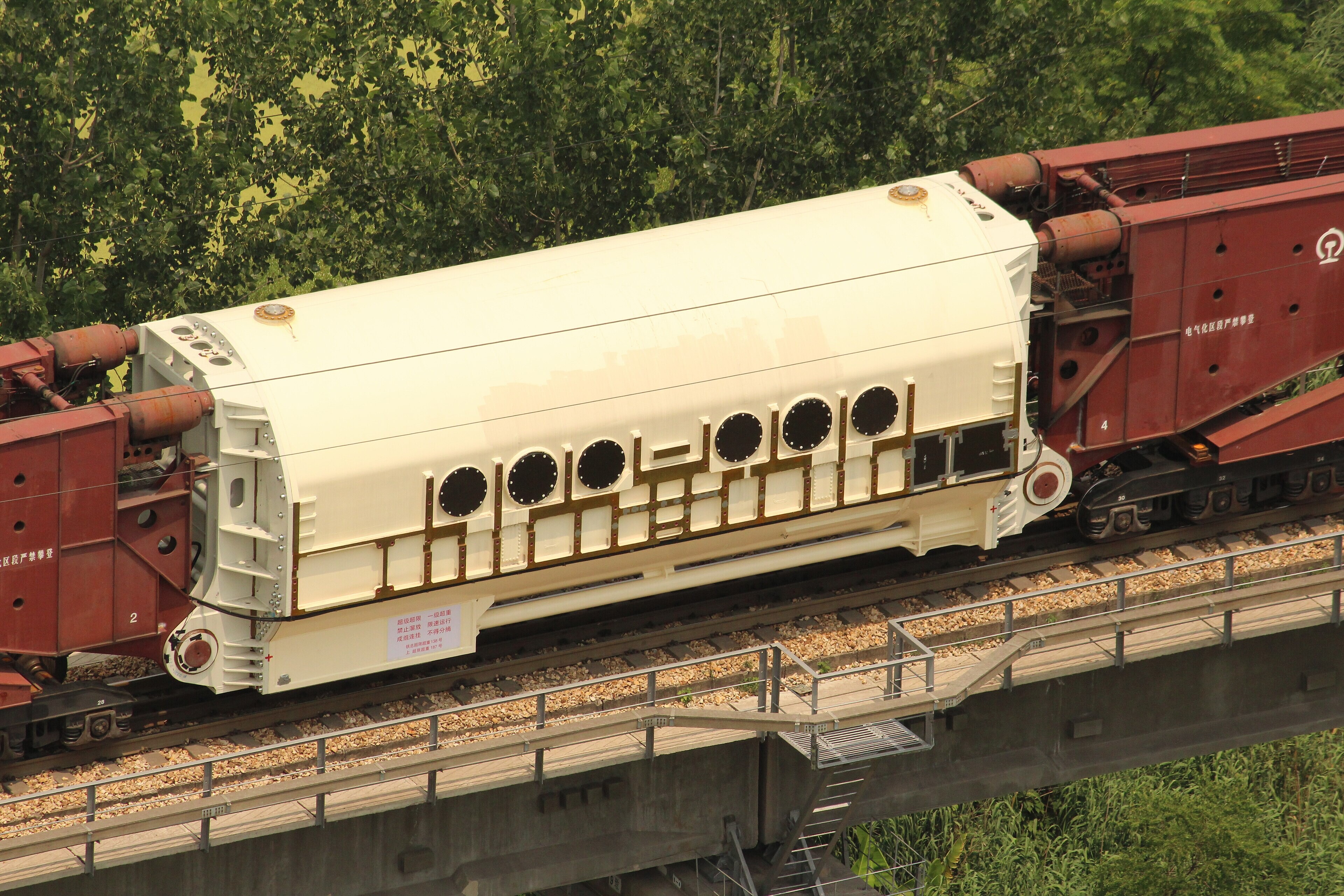
Usually, the structure of oversize commodity wagons is more complex than that of ordinary wagons, and the regulations for them are stricter. Besides, some irregularly shaped cargoes, when transported using oversize commodity wagons, to ensure the safety of the transportation and to prevent the goods from deforming during the journey, need to be wrapped with specially made white or blue metal shells. Then, the goods wrapped with the shells are loaded onto the oversized commodity wagons. These metal shells are called “Tray (CN: 托盘)” by China’s railway workers and enthusiasts.
The oversize commodity wagons in China are generally classified into the following five types: long flat wagons (CN: 长大平车), depressed center flat wagons (CN: 凹底平车), well-hole wagons (CN: 落下孔车), twinned flat wagons (CN: 双联平车), and schnabel wagons (CN: 钳夹车).
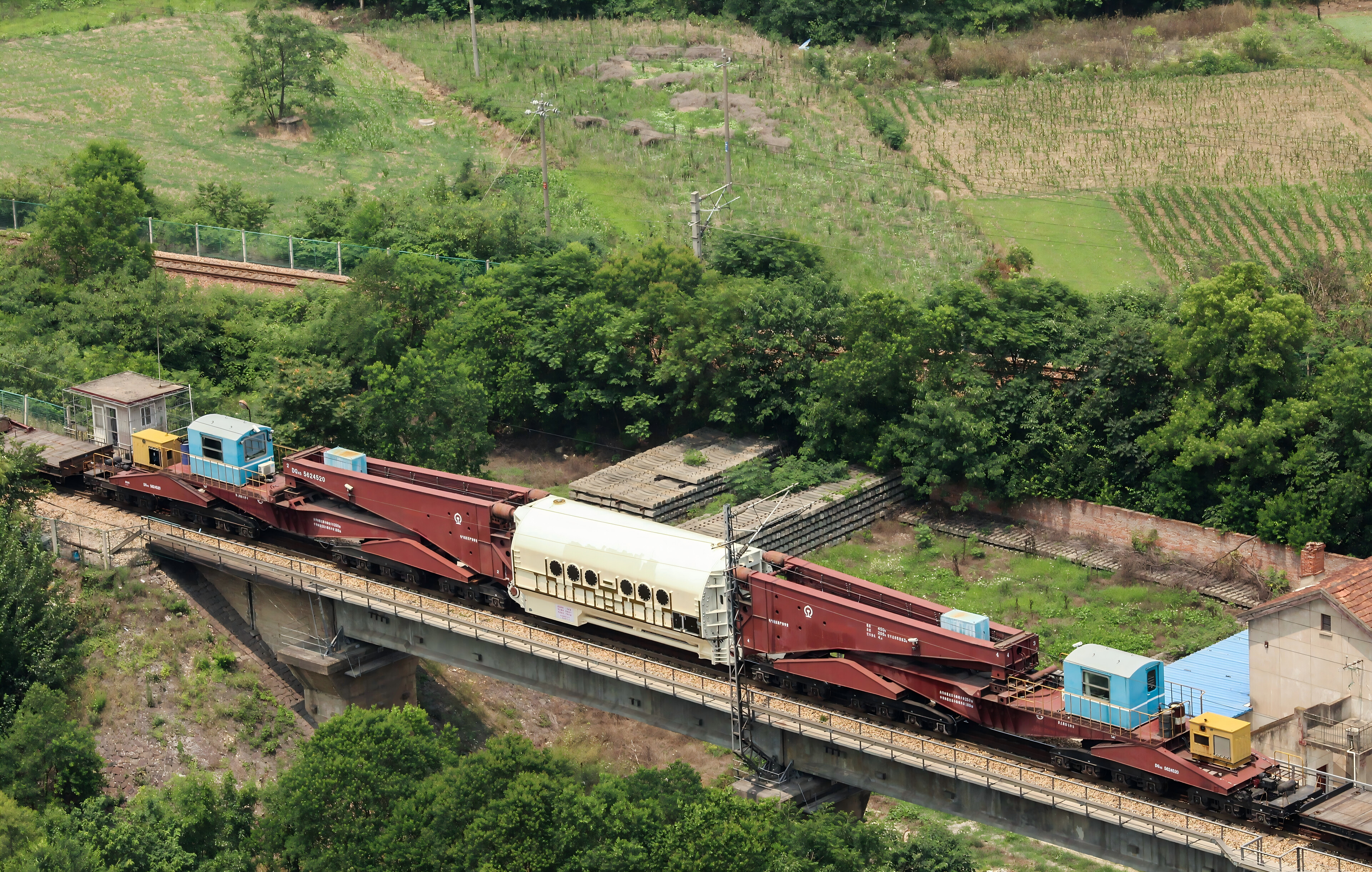
After loading the super over-limit cargoes onto the oversize commodity wagons, it is necessary to check whether the loading and reinforcement of the cargoes comply with the regulations, confirm the position of the cargoes, the condition of the materials and devices used for reinforcement, and make line-shaped marks on the bodies of the wagons with brightly colored paint, so that railway workers can determine whether the cargoes have shifted or deformed during transportation by comparing the marks with the relative positions between the cargoes and the wagons. Additionally, at obvious positions on both sides of the cargoes (or “Tray”), the following words should be written, printed, or pasted with paint: “X级超限,X级超重” or the decal “Super Over-Limit” sign.
Operation Start: Transportation of Super Over-Limit Cargo
“Super Over-Limit” is the highest level among the three over-limit grades. Therefore, cargoes that require transportation under the “Super Over-Limit” condition are usually given high priority by the railway department.
For any railway operator, the technical conditions for transporting super over-limit cargoes are extremely complex. It requires high standards in aspects such as cargo loading, the conditions and circumstances of railway lines and equipment, and the organization of transportation dispatching. The transportation is extremely difficult, and the safety risks are extremely high.
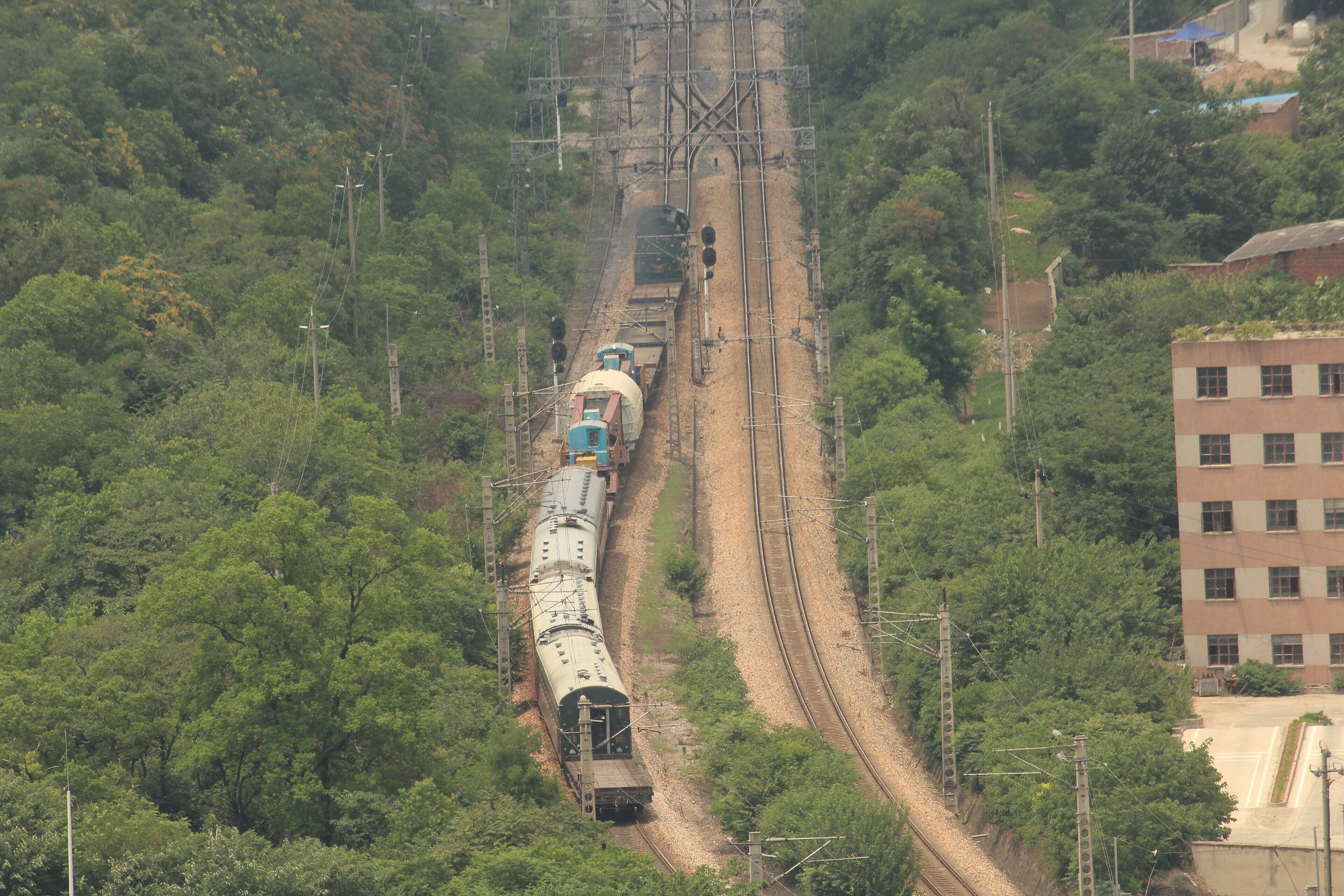
Usually, if the transported cargos only slightly exceed the clearance of the rolling stock within a limited range, the oversize commodity wagons for transportation can be grouped together with other wagons and then combined with the locomotive to form a complete freight train. However, if the size of the super over-limit cargoes significantly exceeds the clearance of the rolling stock, the oversized commodity wagons responsible for transportation will be formed into a special train with isolation wagons and the locomotives responsible for traction and run on the railway, rather than being grouped with other ordinary wagons. If a freight train is used to transport super over-limit goods, it usually uses a special train number, which is usually a five-digit number starting with “7”.
Freight trains specifically grouped for transporting super over-limit cargoes are called “Super Over-Limit Trains (CN: 超级超限列车)”.
Except for some dedicated passenger railway lines and dedicated freight railway lines, all the ordinary railways in the Chinese mainland adopt a mixed operation mode for passenger and freight trains, and the density of train operations is very high. If one train breaks down or is delayed, it will affect the punctuality of dozens or even hundreds of trains traveling in the same direction. Therefore, super over-limit trains often require precise and agile command from the railway dispatching department during operation. They must follow special train operation plans to avoid interfering with the normal operation of other trains. If it is inevitable to affect the operation of other trains, efforts should be made to minimize such impact as much as possible.
Compared to the transportation process for regular over-limit cargo, transporting super over-limit cargo imposes higher requirements on the railway lines and trains involved and also places greater demands on the operational capabilities of train crews, dispatchers, and other relevant personnel. Generally, railway authorities develop a comprehensive transport plan to ensure safety before the shipment begins.
Unlike regular freight trains, super over-limit trains place greater emphasis on stability and safety. Their operation has several distinctive features, mainly including the restrictions and special requirements regarding operation speed and the train.
When transporting super over-limit cargoes using oversize commodity wagons, signs as shown in the figure must be affixed to the wagon bodies to inform railway workers of the transportation details.
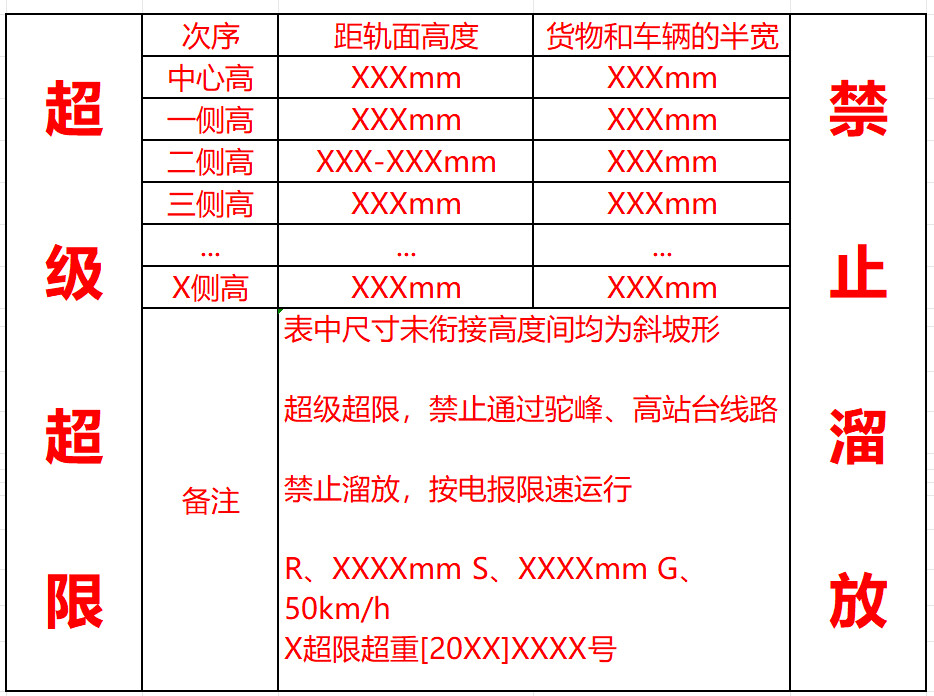
In order to prevent unexpected accidents from occurring during the operation of super over-limit trains, in addition to arranging super cargos, the railway department will also monitor the trains through external monitoring means. China’s main trunk railways generally have safety door detection systems, which can detect the dimensions of freight trains and cargoes using laser scanning technology and automatically conduct full-section detection of the loading dimensions of freight wagons, generating three-dimensional coordinates and the most severely oversized sections of cargoes or freight trains’ scanning images. If necessary, it can also automatically take photos and videos of the freight trains and upload them to the railway department’s internal network for archiving.
Last but not Least: The Importance of This Type of Transportation
Some readers might ask, “Wait, besides trains, cargo can also be transported by trucks, airplanes, and ships. In that case, why is it so rare to use these modes of transportation for super over-limit cargoes?”
The reason is actually quite simple: super over-limit cargoes have extremely large volume and weight, making transportation by other means subject to too many restrictions.
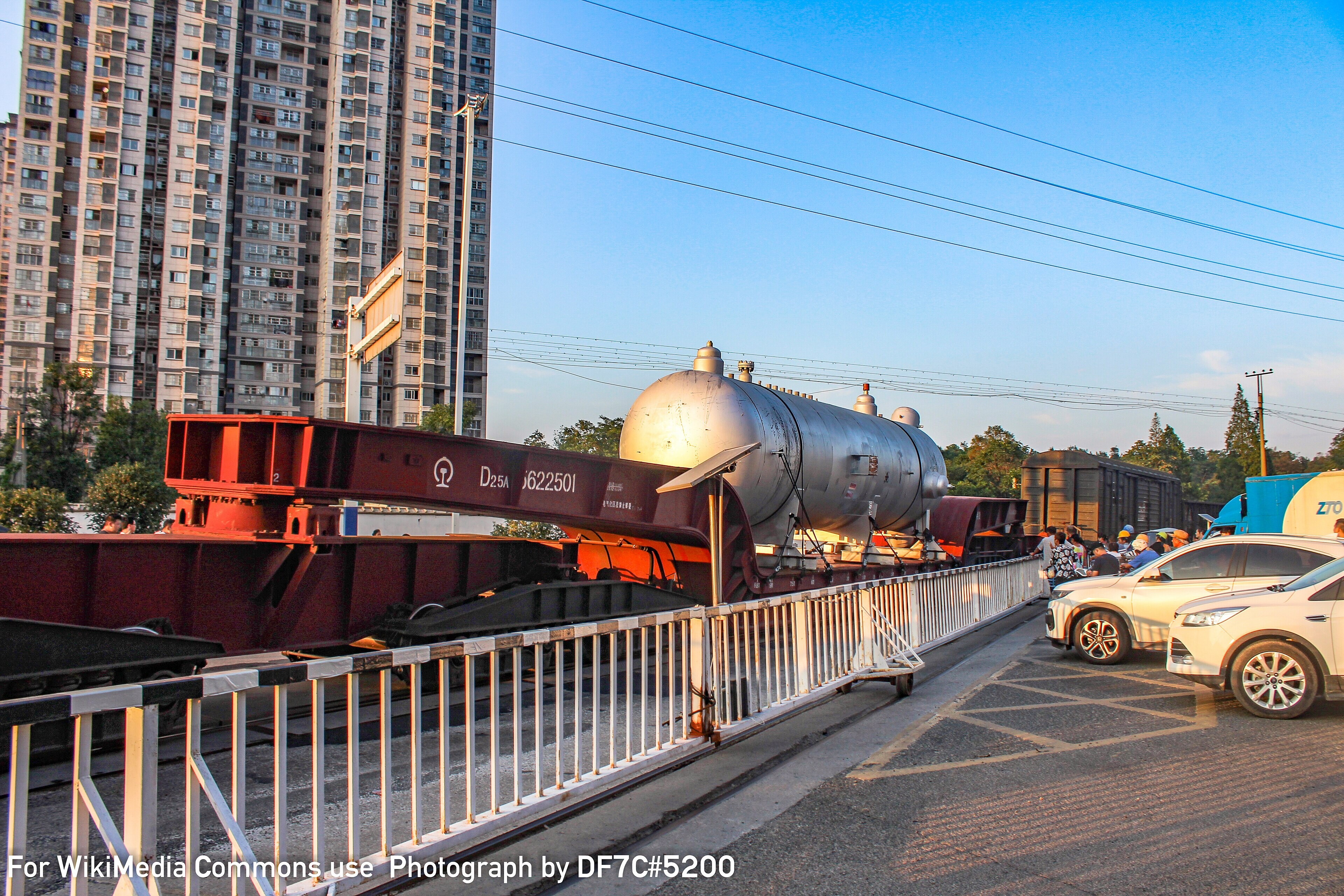
The use of trucks for transportation is subject to multiple restrictions: the roads that the trucks pass through must be wide enough; the cross-section of the tunnels must be large enough; the radius of the curves along the roads cannot be too small to prevent trucks carrying super over-limit cargoes from being unable to turn around. In reality, roads do not always meet the conditions for using trucks to transport super over-limit goods.
How about the planes? Among the super over-limit cargoes, there are many oddly shaped and extremely large cargoes that even transport aircraft like the An-124 and C-5 find it difficult to accommodate. Moreover, the process of air transportation is also a battle against gravity, which makes air freight more sensitive to the weight of the cargoes, resulting in astonishing costs.
Ships can indeed carry these super over-limit cargoes indeed, and the transportation cost is relatively low. However, water transportation requires deep waterways, ports with corresponding loading and unloading facilities, and a dense network of waterways. Structures such as low bridges, dams, and canals can also affect the transportation of super over-limit cargoes by ships. The locks of the Panama Canal are an example.
Generally speaking, in order to ensure the high speed and safety of train operation, the radius of many railway curves is often measured in hundreds of meters, which is conducive to the travel of special trains transporting super over-limit cargoes. At the same time, most main railway lines have taken into account the needs of transporting super over-limit cargoes and operating super over-limit trains during the design and planning stages and have left sufficient space for clearance during construction.
At the same time, railway systems can use oversized commodity wagons to transport super over-limit cargoes, and the power output of freight trains can be flexibly adjusted by changing the number of locomotives pulling the train. These two points are unmatched by road transportation and air transportation. At the same time, railway transportation also has the advantage of greater safety, unlike water transportation and air transportation, which are full of uncertainties.
Furthermore, the super over-limit cargoes transported by railways often become an integral part of important engineering and infrastructure projects in various fields in the future. They hold significant importance for the development of society. Railways and trains deliver these super over-limit cargoes to their destinations, ensuring that these goods play a crucial role in the right places and become a solid foundation for social development. This is precisely the meaning of “Super Over-Limit”.
- 漫话安全 — ISBN 9787113096199, 2009
- 漫话线路 — ISBN 9787113095444, 2009
- 漫话车辆 — ISBN 9787113109400, 2009
- 漫话机车 — ISBN 9787113109394, 2009
- 漫话隧道 — ISBN 9787113095765, 2009