The T-28 is a Soviet medium tank from the USSR tech tree. It has several notable features, including two machine-gun turrets, a potent main cannon, and surprising mobility for a tank of its size. While it does have its limitations, with the right tactics and knowledge of its weaknesses, the T-28 can be a very strong weapon indeed. In this article, I will go over the tank’s best and worst features as well as the best way to play it.
| Pros | Cons |
|---|---|
| Strong cannon with good post-pen damage | Weak armour |
| Good mobility | Poor on-the-spot turning rate |
| Excellent survivability | Big target |
| Three 7.62mm machine guns | Poor gun depression |
| Spaced out armour layout | Slow reverse speed |
Armour/Survivability
Layout
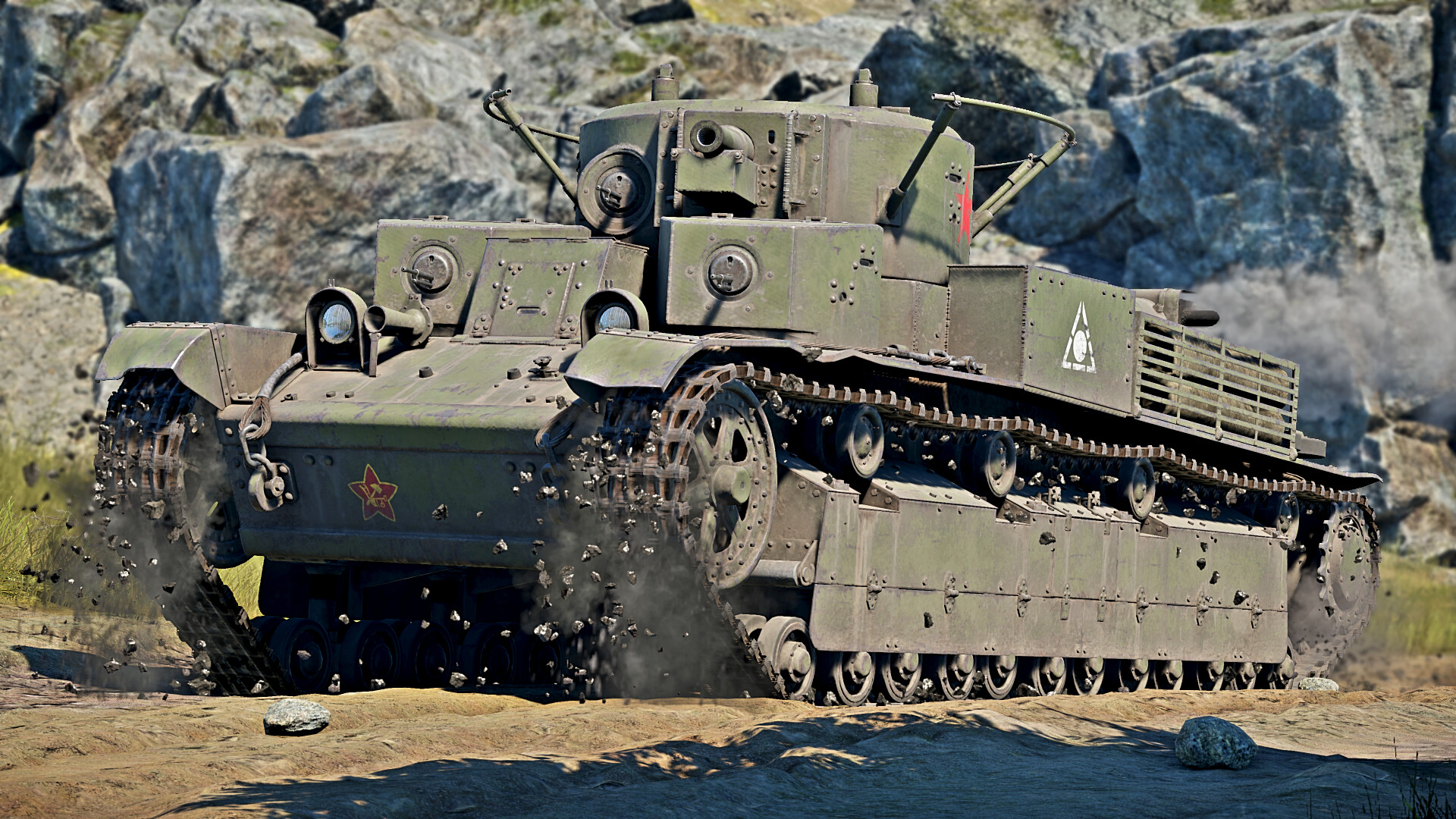
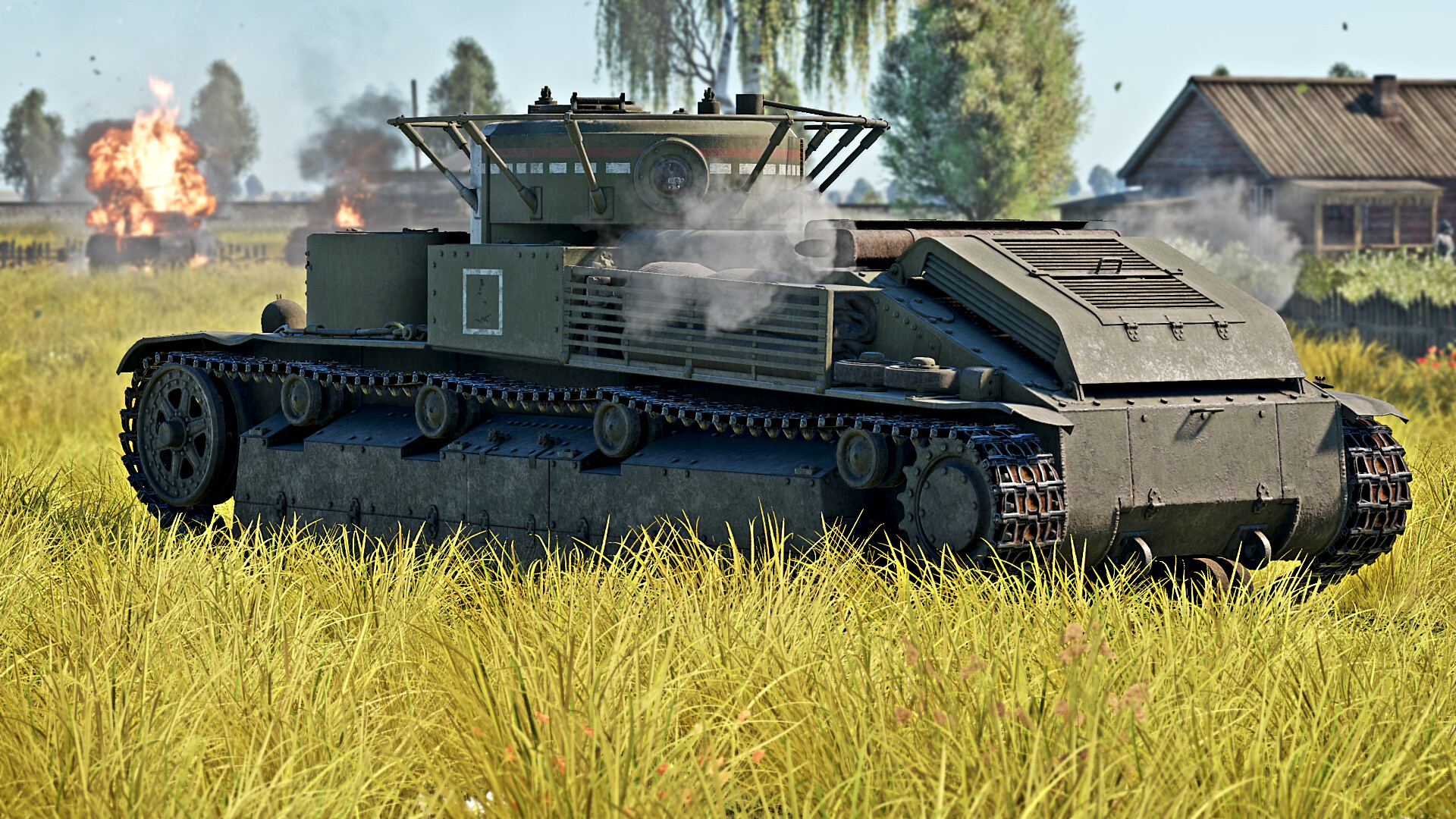
The T-28 is a capable, if unconventional, medium tank. The most noticeable parts of its design include two machine gun turrets, a centrally mounted main turret, and the fact that the tank is 7.4 meters long and almost 3 meters tall. The T-28 has a crew of six: two dedicated machine gunners, a driver, gunner, loader, and commander. The driver and machine gunners are located near the front of the tank, and the gunner, commander, and loader are located in the turret in the middle of the tank. The ammo is stored under the turret on the floor of the tank, and finally, the engine and transmission are located in the rear of the tank, behind the turret.
Protection/Survivability
Like many tanks at its BR, the T-28 is pretty lacking when it comes to protection. With a maximum of 30mm of frontal armour and 20mm on the sides, you shouldn’t expect it to save you from much besides light machine gun fire, although proper angling (20-30º) may save you from some frontal shots that would otherwise have spelled your doom. The two machine gun turrets are also fairly good at blocking most of the shots that hit them (at the expense of one crewmember). In the survivability department, however, the T-28 really stands out. With six total crewmembers split between two different sections of the tank, it’s not at all uncommon to survive a stray shot or two, especially in a hull-down position.
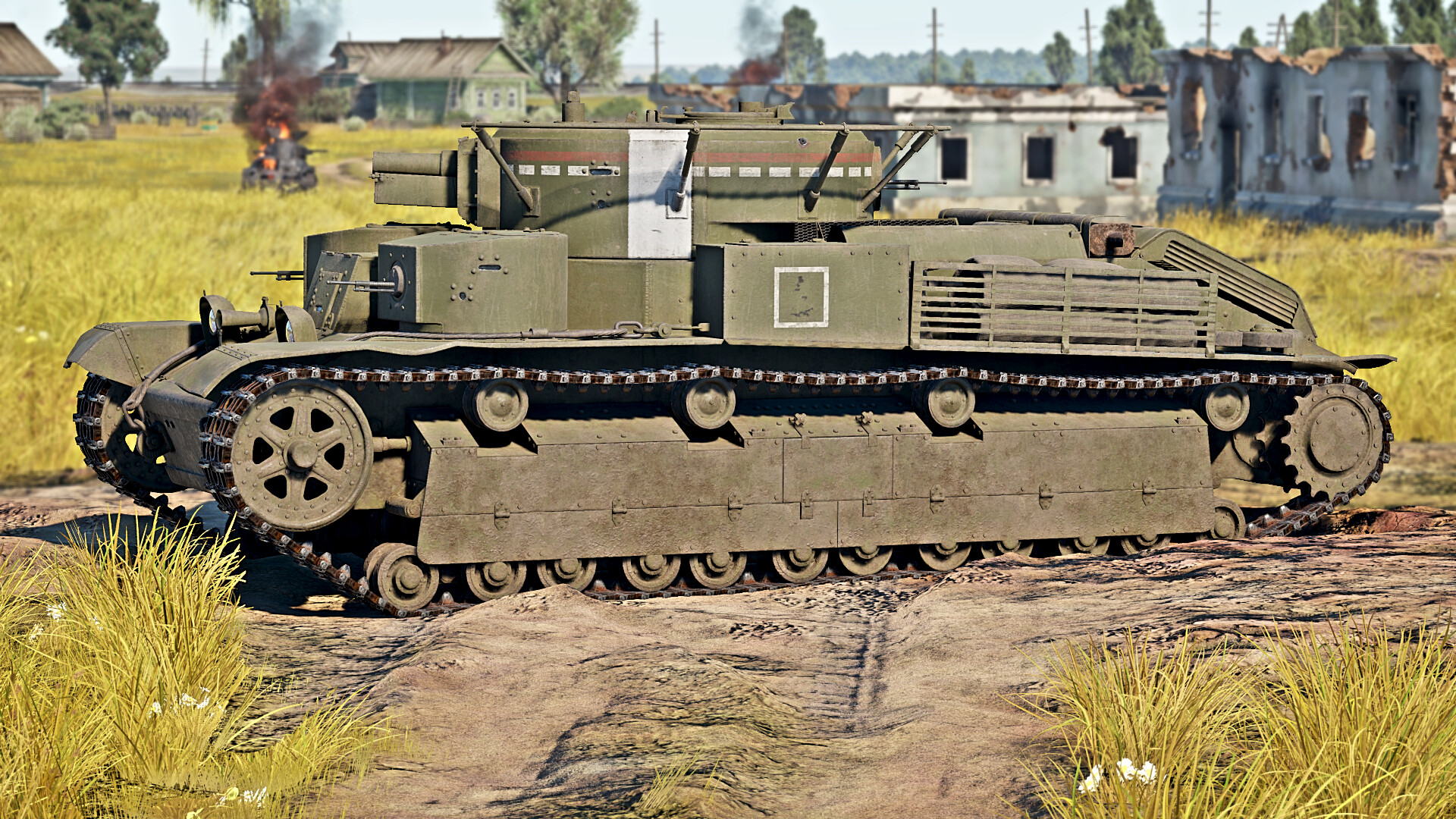
Of course, this isn’t to say that you should count on this: it still only takes one well-aimed shot to send you right back to spawn. A shot to your ammo rack or the middle of your frontal plate will easily kill the entire tank, so special care should be taken to hide these areas wherever possible to avoid this.
Mobility
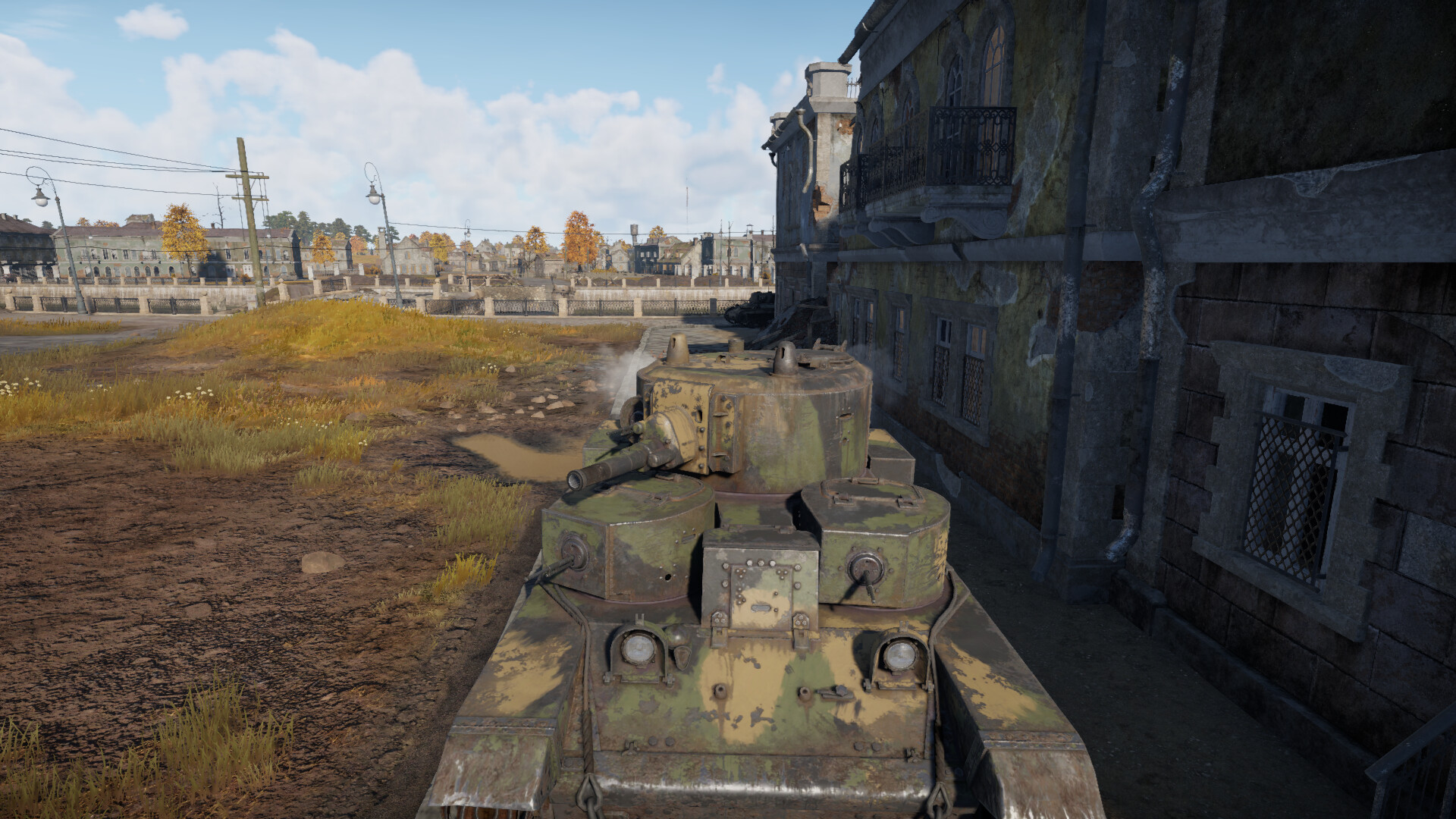
The T-28 is a bit variable when it comes to mobility: it’s very good in some areas, and pretty bad in others. Let’s get the bad out of the way first: the on-the-spot turning rate of this tank is painfully slow. Its length makes it extremely slow to reposition at a standstill, which can be bad news when urgent movement is required, such as in the situation pictured below.
The other aspect of mobility that this tank lacks in, like so many other Soviet vehicles, is the reverse speed. Coming in at a measly 7km/h, you can forget about making a quick backwards escape if you whiff a shot, so you had better make your first one count.
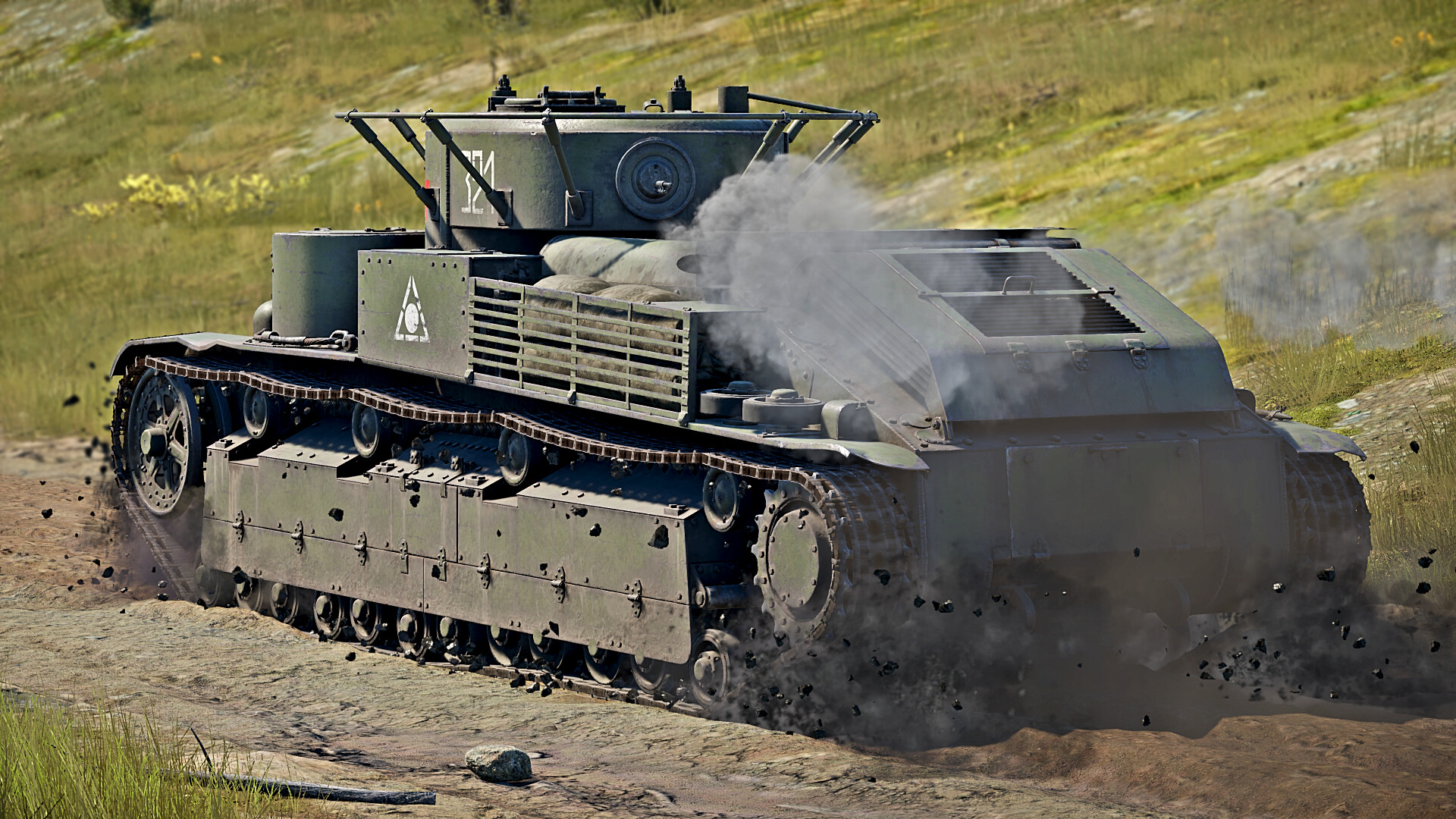
Apart from the reverse speed and on-the-spot turning rate, however, the T-28 is actually a surprisingly mobile vehicle for a tank of its size. It has a top speed of 40km/h on level ground and acceleration good enough to get it there in about 7 seconds, which allows for fairly brisk movement to and throughout the battlefield. It also turns easily enough while on the move, but will lose speed fairly quickly while doing so. On hillier terrain or terrain where more turning is required, a more typical speed is around 30km/h. Nevertheless, with proper handling and minimal turns, you should have no problem repositioning and travelling around the map.
Armament
Main cannon
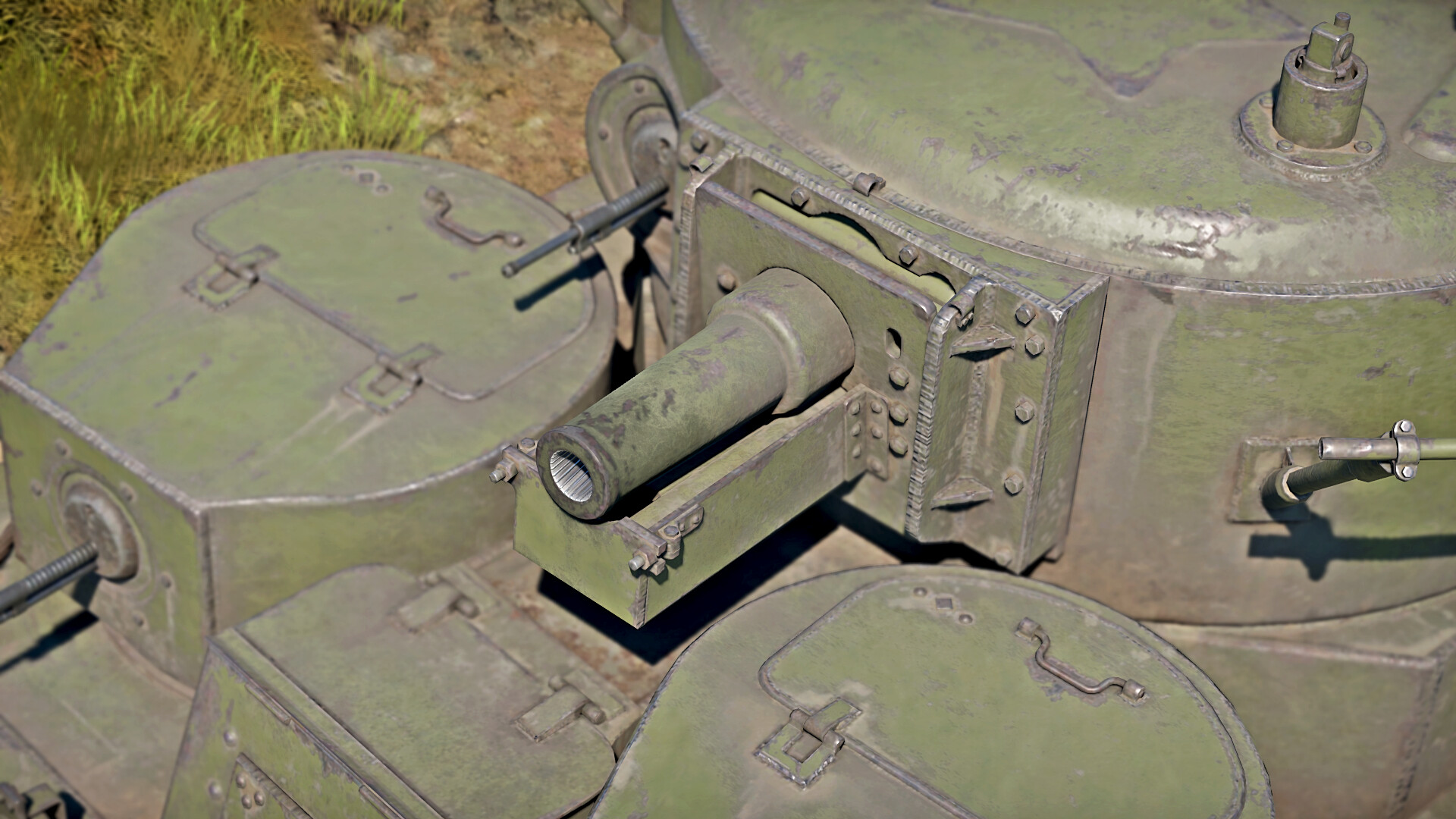
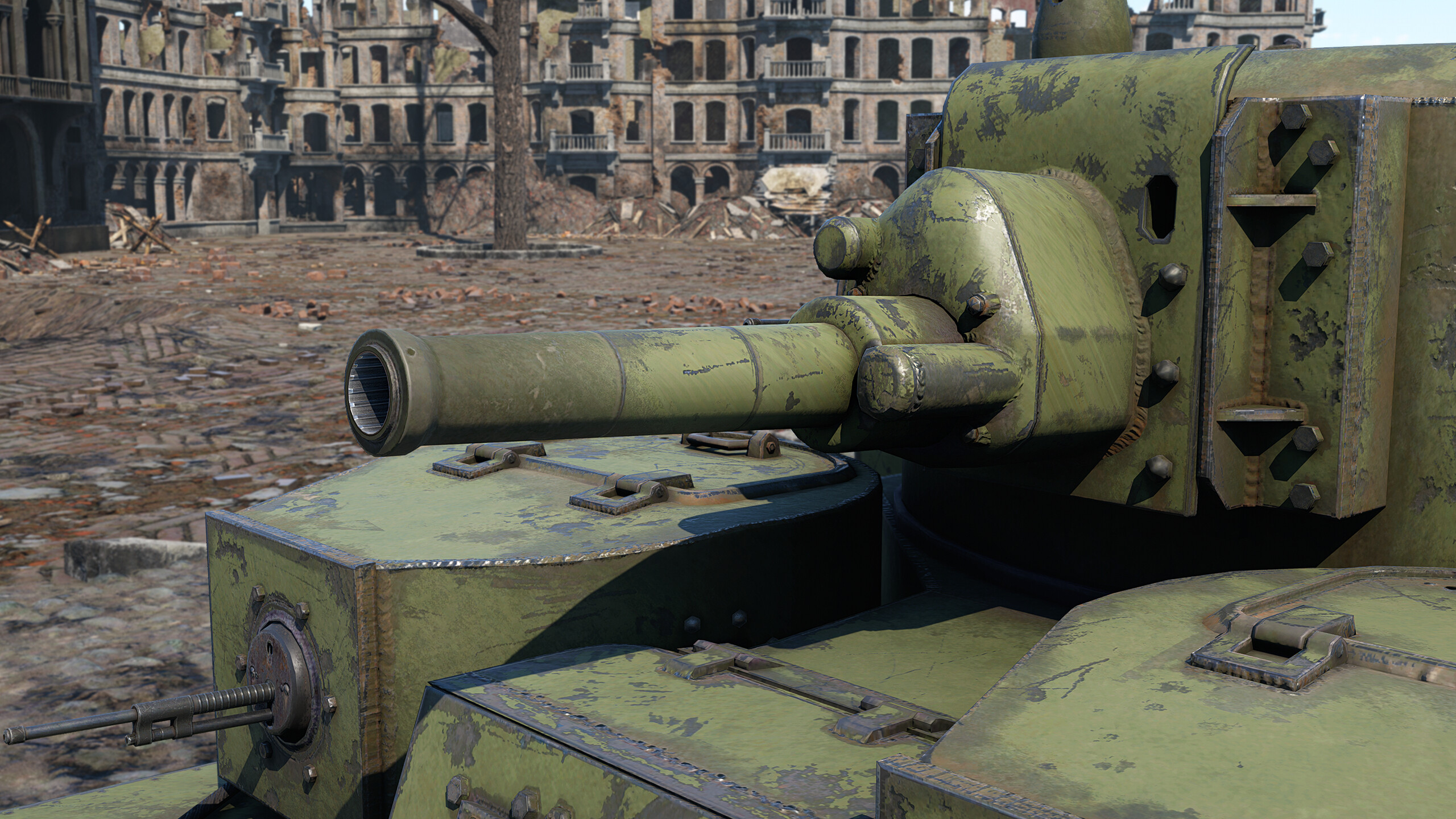
The T-28's main armament is a 76mm cannon, which is a pretty respectable caliber compared to many other tanks it faces in battle. While its 6.5 second reload isn’t terrible, it’s slower than most of the enemies you’ll be facing, so don’t count on winning any reload races. The turret traverses at a maximum of 24º/sec with an aced crew, which is adequate in most scenarios. The gun can traverse 25º upwards, but in typical Russian fashion, only an appalling -5º downwards. This makes peeking over hills tactically impossible in most cases, as you will be unable to tilt the tank far forward enough to get your gun on target before your enemy. The three available shells are as follows:
- BR-350A (APHEBC). This should be the main shell you use, having 67mm of penetration with 150g of explosive mass. It can easily penetrate most enemy tanks from the front, and almost all of the rest from the sides or rear. The explosive filler gives it satisfactory post-pen damage as well, enabling you to knock out most tanks with one shot.
- OF-350M (HE). A high-explosive shell with 621g of explosive filler, this should be used on unarmoured vehicles when the APHEBC goes right through without doing anything. Its explosive power is not sufficient to do much of anything to anything with armour, though. You should only need to bring a few of these in most battles.
- Sh-354T (Shrapnel). This is the tank’s pathetic starter shell with a measly 30mm of penetration. There is no reason to bring any of these into a battle if the BR-350A is available.
Machine guns
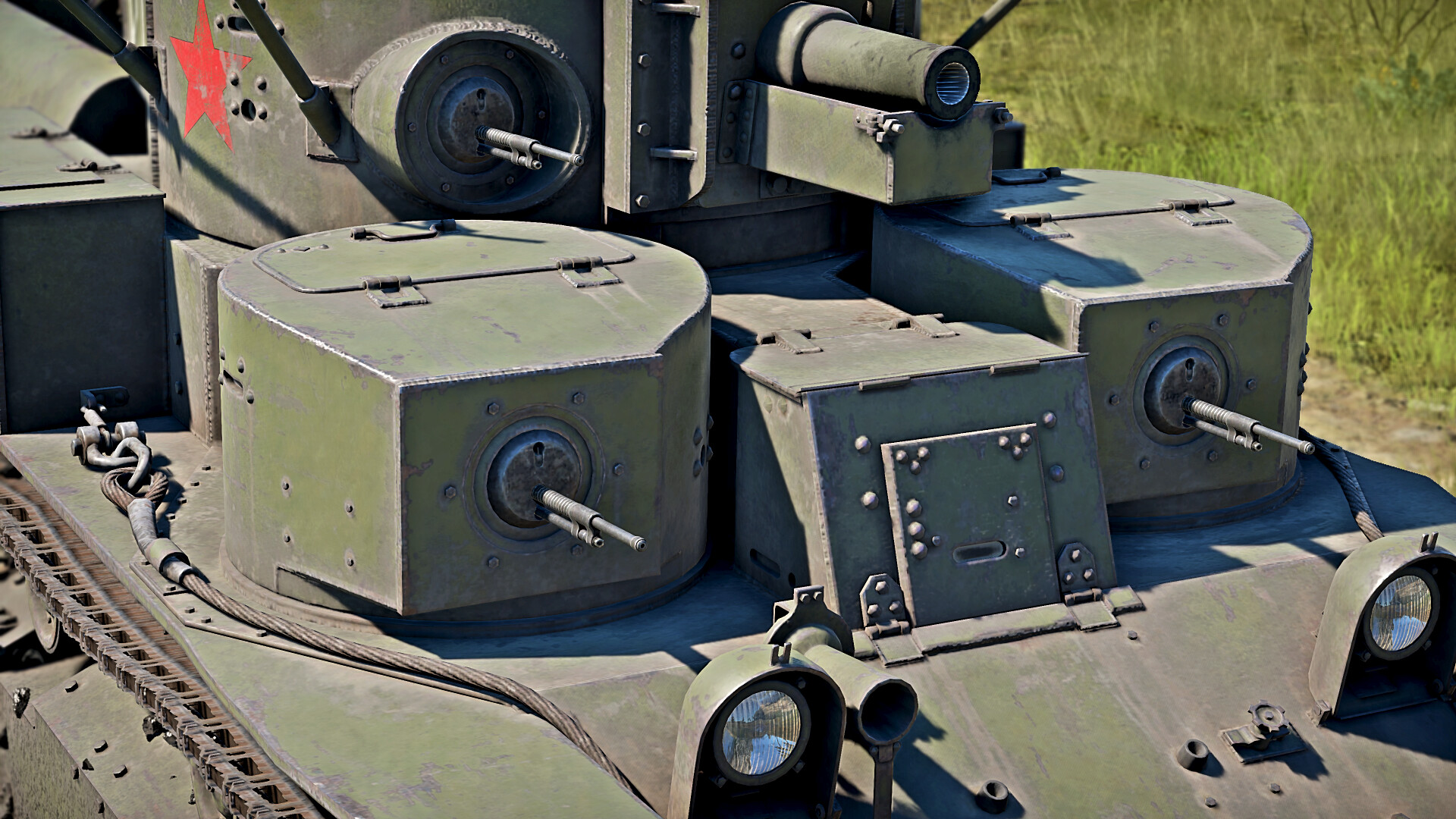
Some more nice features of the T-28 are its three 7.62mm machine guns, which come in handy for clearing props or dealing with unarmoured vehicles. The placement of two dedicated machine gun turrets on the front of the tank also means your machine gunners will sometimes take one for the team to stop a round that would otherwise have eliminated your whole tank.
Strategy
Now let’s get into strategy. What’s the best way to play the tank? For starters, I’ll tell you what it’s not: a sniper. With its large profile, poor gun depression, and slow shell velocity, this tank is much more suited for close-quarters combat than long-range engagements. If you really want to, you can try picking off stationary tanks from far away, but make sure they don’t know you’re there because you’re a pretty big target even at long distances.
As touched on earlier, the T-28, while lacking in armour, has very good survivability. You can use this to your advantage on some maps by finding a good hull-down position, exposing only your turret to enemy fire. even if your turret crew gets taken out, you have two extra crewmembers to replace your gunner and loader and continue fighting. If you can’t shelter your hull and find yourself in a frontal engagement, angling your hull by 20-30 degrees can greatly improve your chances of stopping a frontal shot.
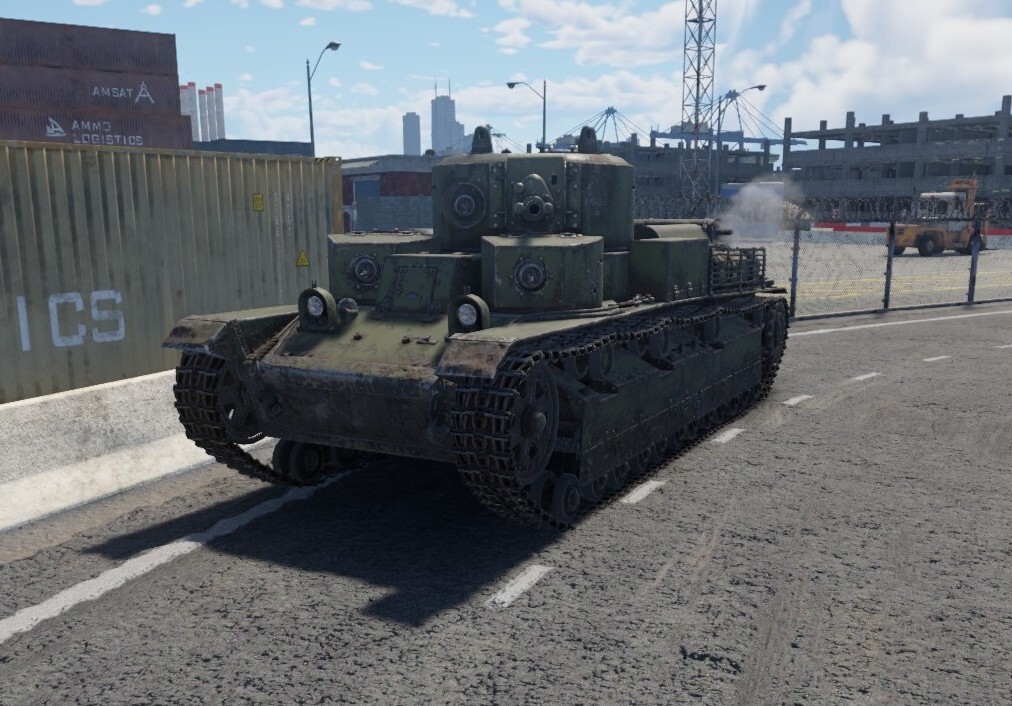
You should also really avoid peeking around corners as much as possible, due to how much of your tank is exposed when you do so. Any enemies watching your cover when you peek will have much more time to shoot you than you will them. I’ve found that the best battle strategy is to find a good spot to camp, ideally somewhere near a capture point that provides a decent amount of cover for your tank. It helps that most players at this BR aren’t too experienced, which means you get lots of oblivious tanks wandering right into your gun sights.
With the right spot and some oblivious enemies, you can really wreak havoc on the battlefield. One tip, though: be patient. It seems that every time I scope out and start moving to another spot, a tank drives right across the field I had my gun sight on 2 seconds ago.
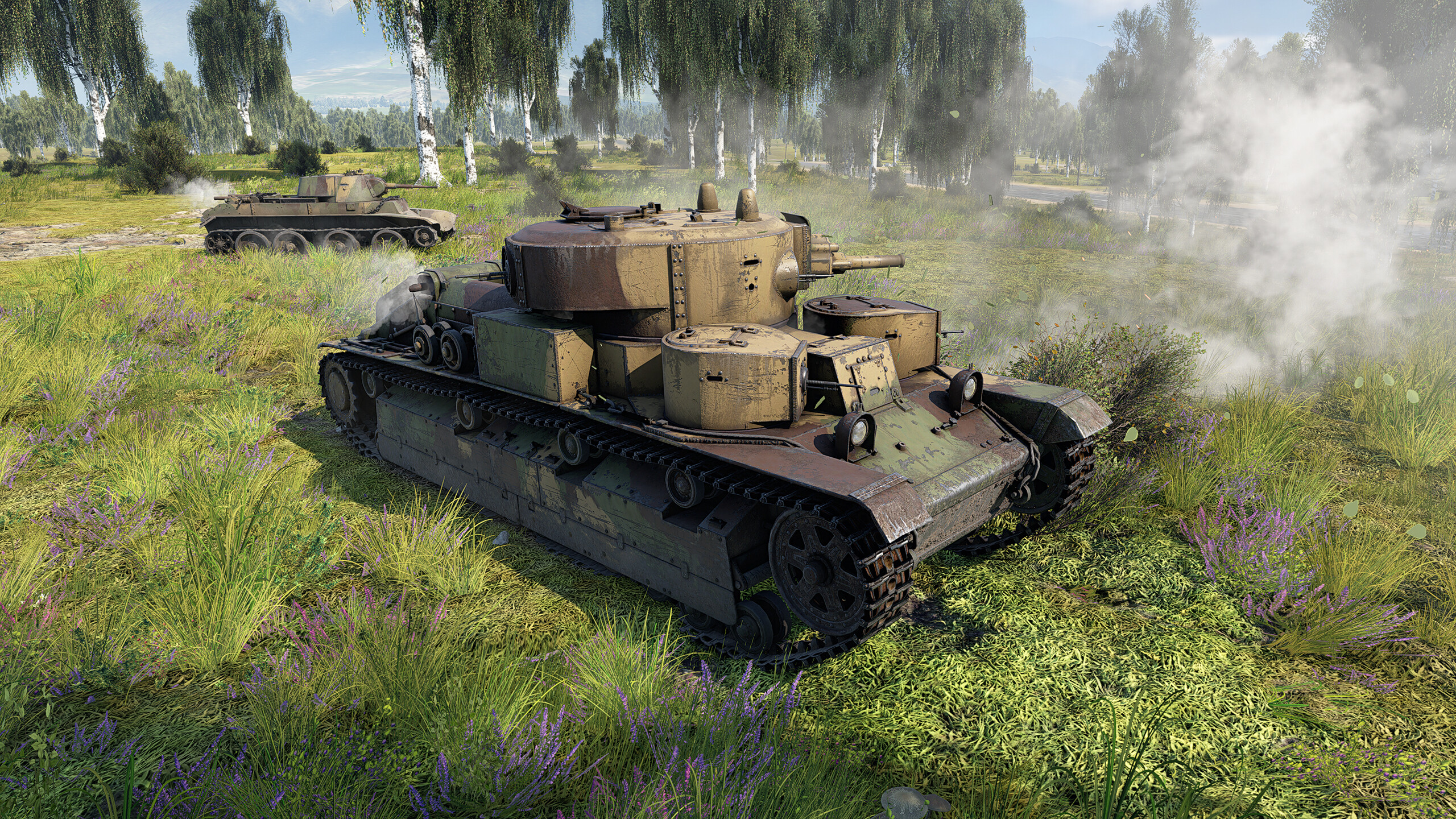
If there’s no good spot to camp near you, or all the enemies are too far away, I’d recommend trying to capture one of the points to help out your team. It’s also good to stick with a teammate or two so they can watch your flanks and help you repair if needed.
Variants
Like many tanks, the T-28 has a couple variants, those being the T-28E and T-28 (1938). All three tanks are almost identical to one another, with each variant having only one notable physical difference from the original T-28. However, these changes are enough to require fairly significant changes to playstyle and strategy for each tank.
T-28E
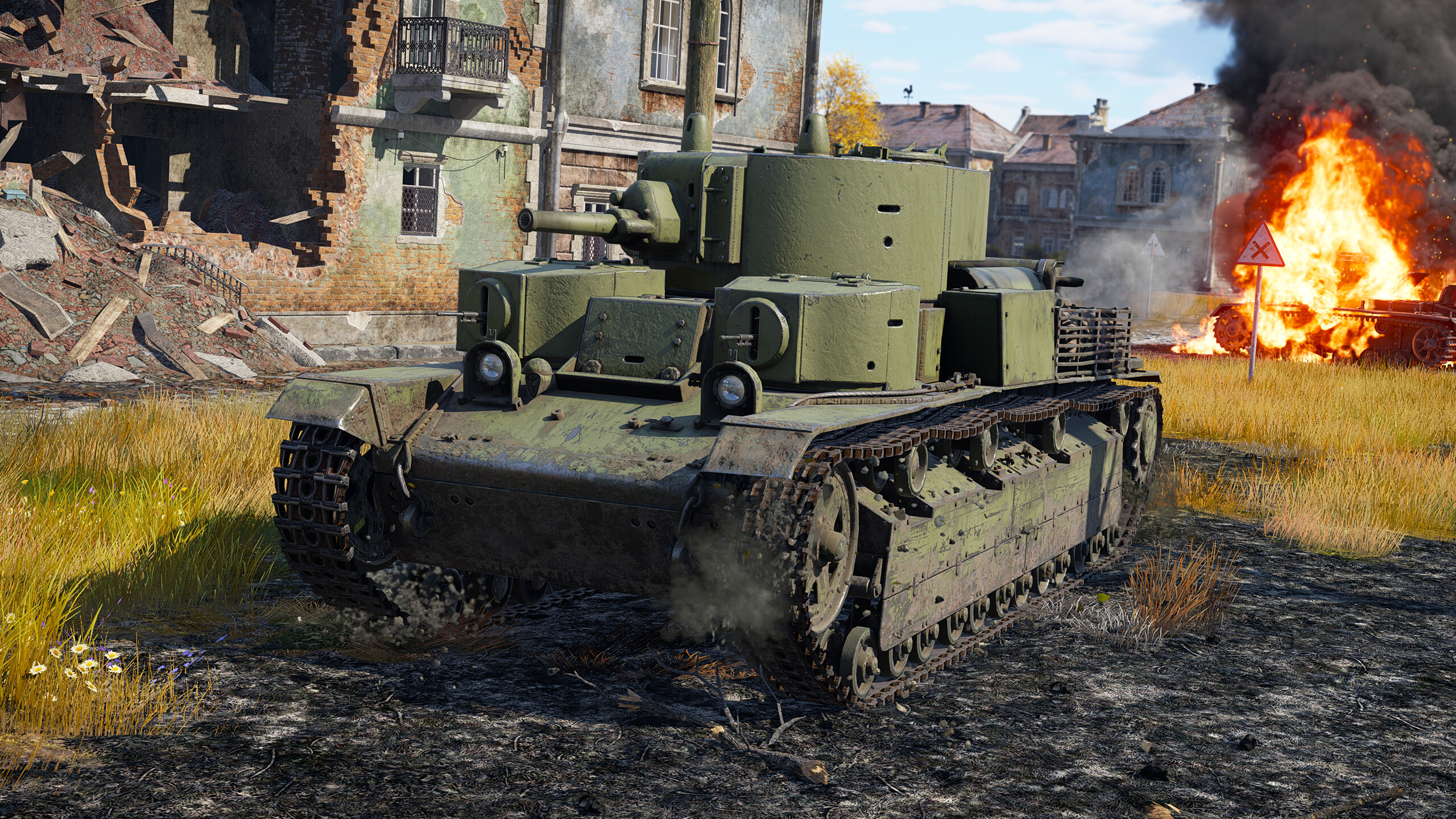
The best of the T-28's three variants on paper is definitely the T-28E, which is exactly the same as the T-28 in all respects aside from its slightly improved armour. However, it also faces stronger opponents, so a different battle strategy than the base T-28 will be required.
Armour/Survivability
The layout of all the modules on the T-28E is exactly the same as the T-28, but the T-28E comes with several 20mm armour plates welded on the front and sides of the tank. While the extra protection is nice, it is unfortunately not enough to protect the tank from most of the stronger enemy shells it will face, and you remain vulnerable to many SPAAs as well. While the T-28E also still has much better survivability than many other tanks on the battlefield, it is still not something that should be counted on, especially with the increase in firepower of many of your enemies. Angling is also no longer as effective, but can still be worth doing in a downtier.
Armament
The T-28E has the exact same armament as the base T-28, which means it still has good post-pen damage on the main cannon and three machine guns. However, the higher battle rating means that while you can still penetrate most enemies easily from the side, it’s much harder to do the same from the front in many cases. In a full uptier, you may even face several tanks that your gun is completely unable to kill, even from the side.
Mobility
The T-28E’s mobility is basically identical to the T-28, with no noticeable differences in battle. It remains possible to traverse the battlefield at an appreciable maximum speed of 40km/h, or around 30km/h over hilly terrain.
Strategy
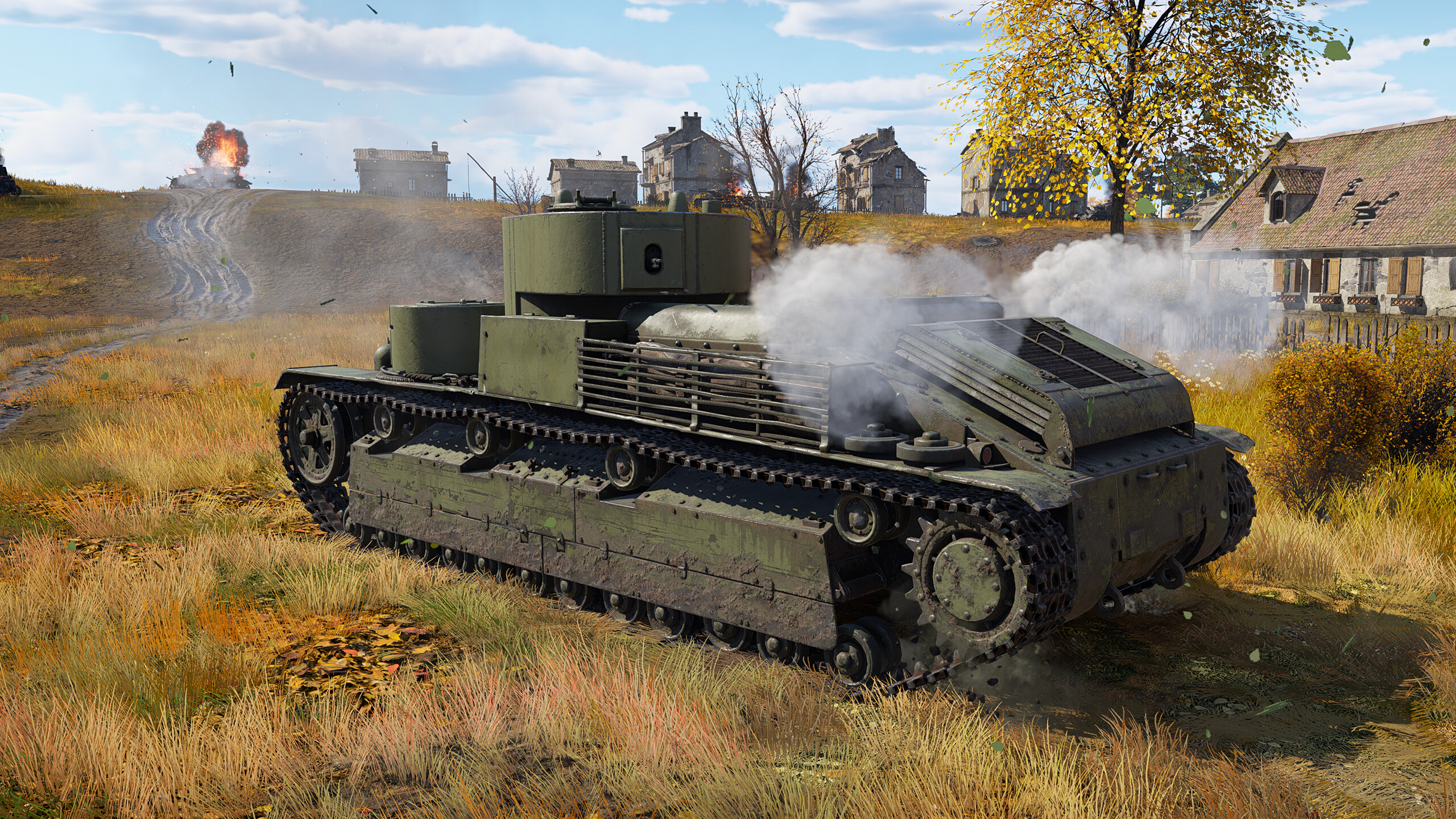
While the T-28E is identical to the T-28 in many respects, you will find little success employing the T-28's signature strategies in battle, in particular any strategy that involves a frontal engagement. Due to the fact that the T-28E’s cannon is often found lacking against enemy armour, it is best to flank your enemies and shoot them in the sides rather than in a head-on brawl. It’s also good to steer clear of heavily armoured enemies wherever possible, as your gun is incapable of killing some of them even from the side. The T-28E’s mobility should also allow you to move around the map with relative ease, which will be necessary for relocation after a successful flanking attack.
T-28 (1938)
On the flip side, the worst T-28 variant would have to be the T-28 (1938). It’s a carbon copy of the main variant, but with a gun that has only 37mm of maximum penetration. While you will face accordingly weaker enemies, this downgrade often means you will struggle to penetrate most medium tanks frontally, just like the T-28E.
Armour/Survivability
The T-28 (1938) has a completely identical armour and module layout to the stock T-28, but actually has slightly higher survivability due to the slightly weaker enemies it tends to face. While it’s still not something to rely on, it can get you out of some sticky situations if you’re lucky. The armour will still only protect you from light machine gun fire if unangled, but there’s no reason not to angle when you can to block a few low-calibre shots.
Armament
The only difference between the T-28 (1938) and its later counterpart is in the main cannon. While they both have the same calibre, the cannon on the 1938 version has a much slower shell velocity. The 76mm KT-28 cannon also has an exceptionally slow velocity of only 370m/s, which will require you to aim quite a fair distance above any tank you’re trying to hit at range. While this tank can be effective in the right hands, you can’t really shoot through the front of any medium or heavy tanks, so the focus for this tank should be on flanking and close-quarters combat, just like the T-28E.