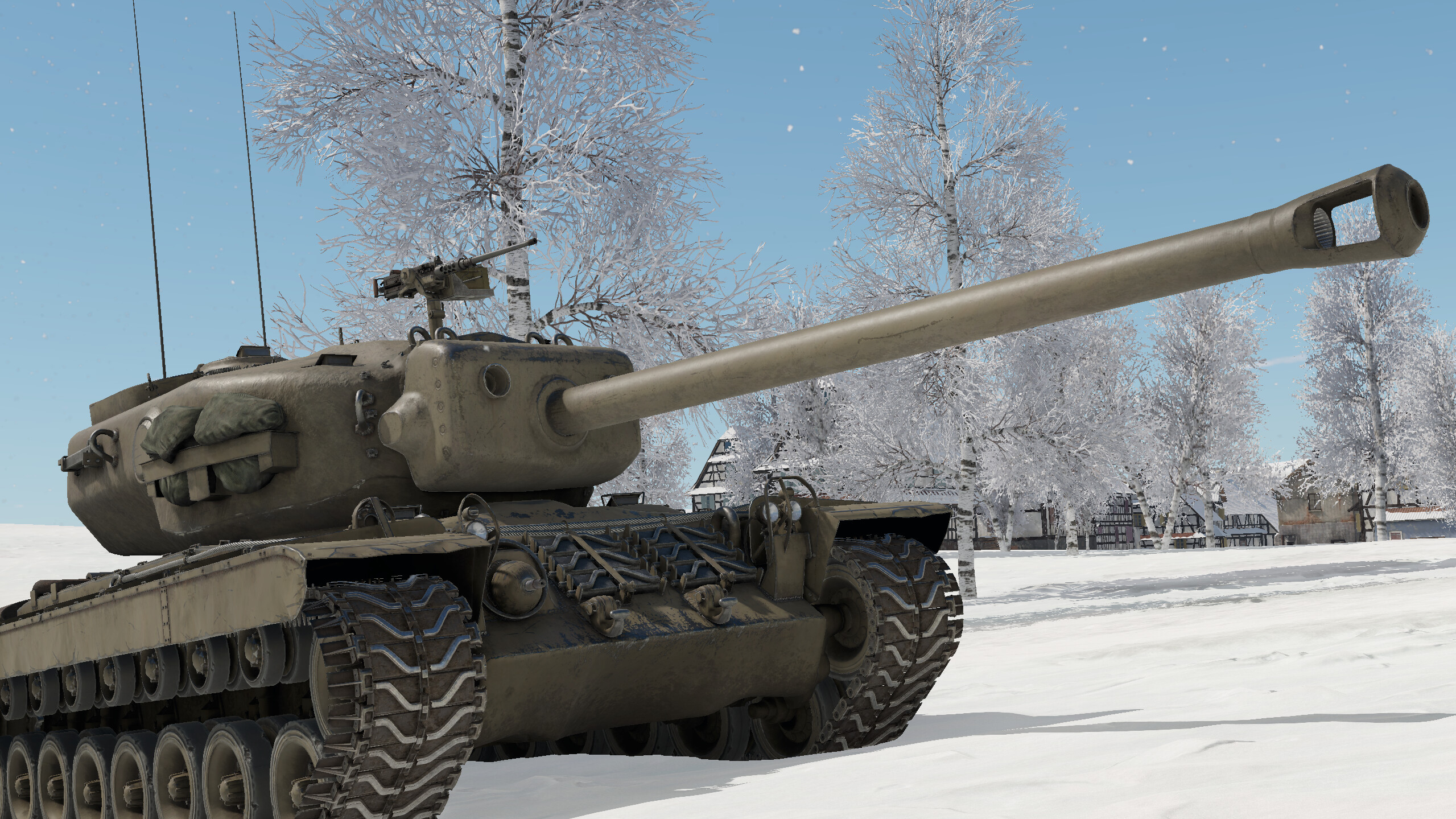
The T30 is an American heavy tank designed in World War Two equipped with a very powerful 155mm cannon which is capable of knocking out even the best armored vehicles in the game with a single shot. This vehicle features surprisingly good mobility for its size as well as a decent armor profile that will make surviving the long reload a relatively easy task.
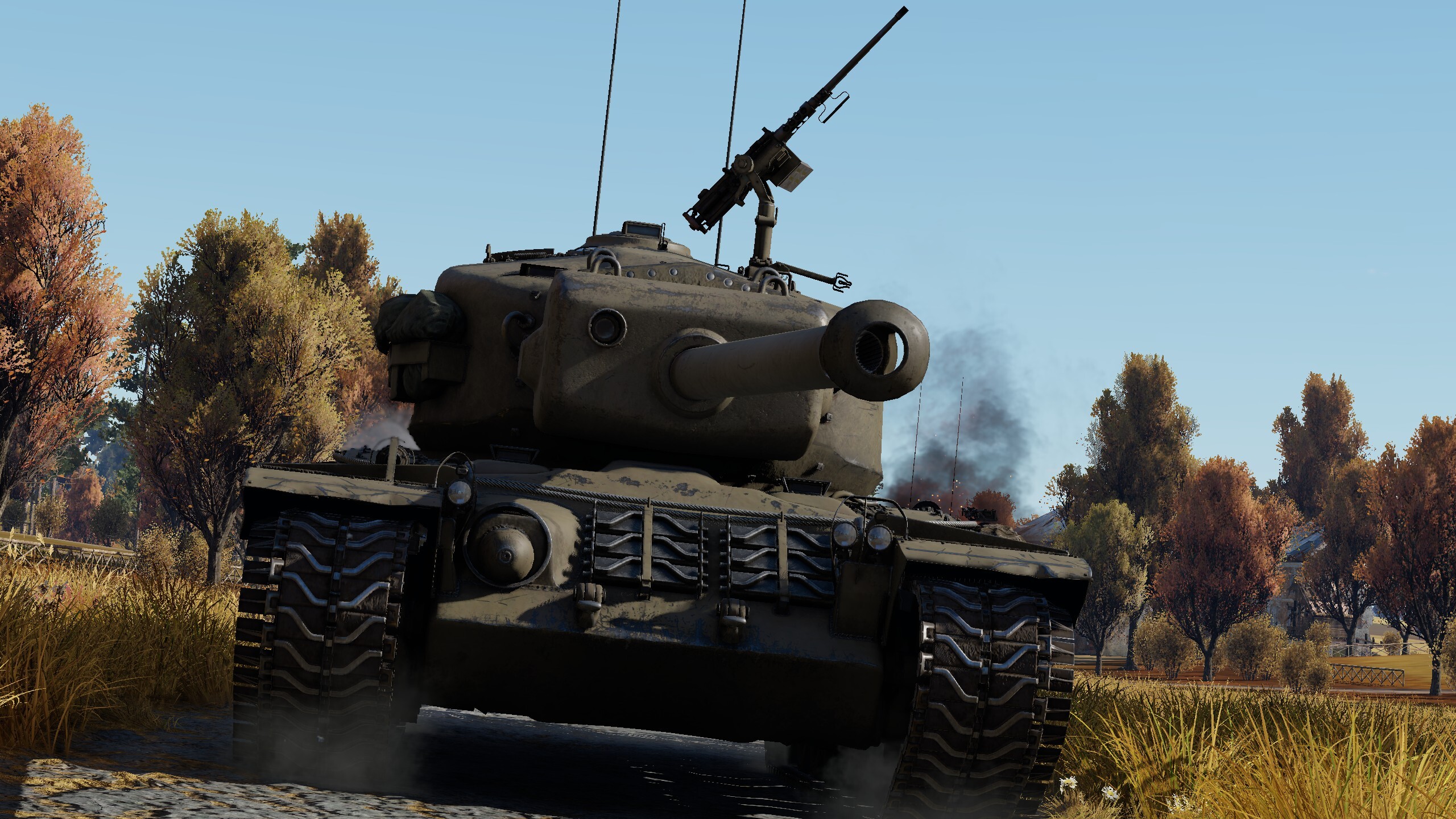
| Pros: | Cons: |
| Good horizontal and vertical traverse speeds | Massive barrel is extremely easy to destroy |
| Very powerful APHE and HE shells | Extremely long reload rate |
| Good acceleration and reverse rate | Relatively low top speed |
| Decent frontal hull and turret armor | Thin side hull and turret armor |
Main Armament
The main armament of the T30 is the 155mm T7 cannon. Featuring a much longer reload than other vehicles with similar caliber cannons, this vehicle trades rate of fire for survivability. Despite its size, the horizontal and vertical speeds are on par with many medium tanks at this tier while it can achieve an impressive -10 degrees of depression which is unheard of for cannons of this caliber. This cannon has access to three types of shells, each having its advantages and disadvantages.
- T29E1 — A very powerful APCBC-HE shell with over half a kilogram of TNT equivalent explosive filler. This shell is the best all-rounder being able to knock out any enemy vehicle it manages to penetrate with a single hit however it suffers due to its mediocre penetration.
- M107 — An HE shell with over 9 kilograms of TNT equivalent explosive filler. This shell is capable of causing overpressure to even the heaviest armored tanks you can face. With over 60mm of penetration it is possible to destroy some medium tanks by just shooting their upper front plate.
- M110 — The most powerful smoke shell in the game. It can create a smokescreen with a radius of 21 meters that lasts 30 seconds. This shell can block off a large area and allow for concealment of large amounts of vehicles.
Armor and Survivability
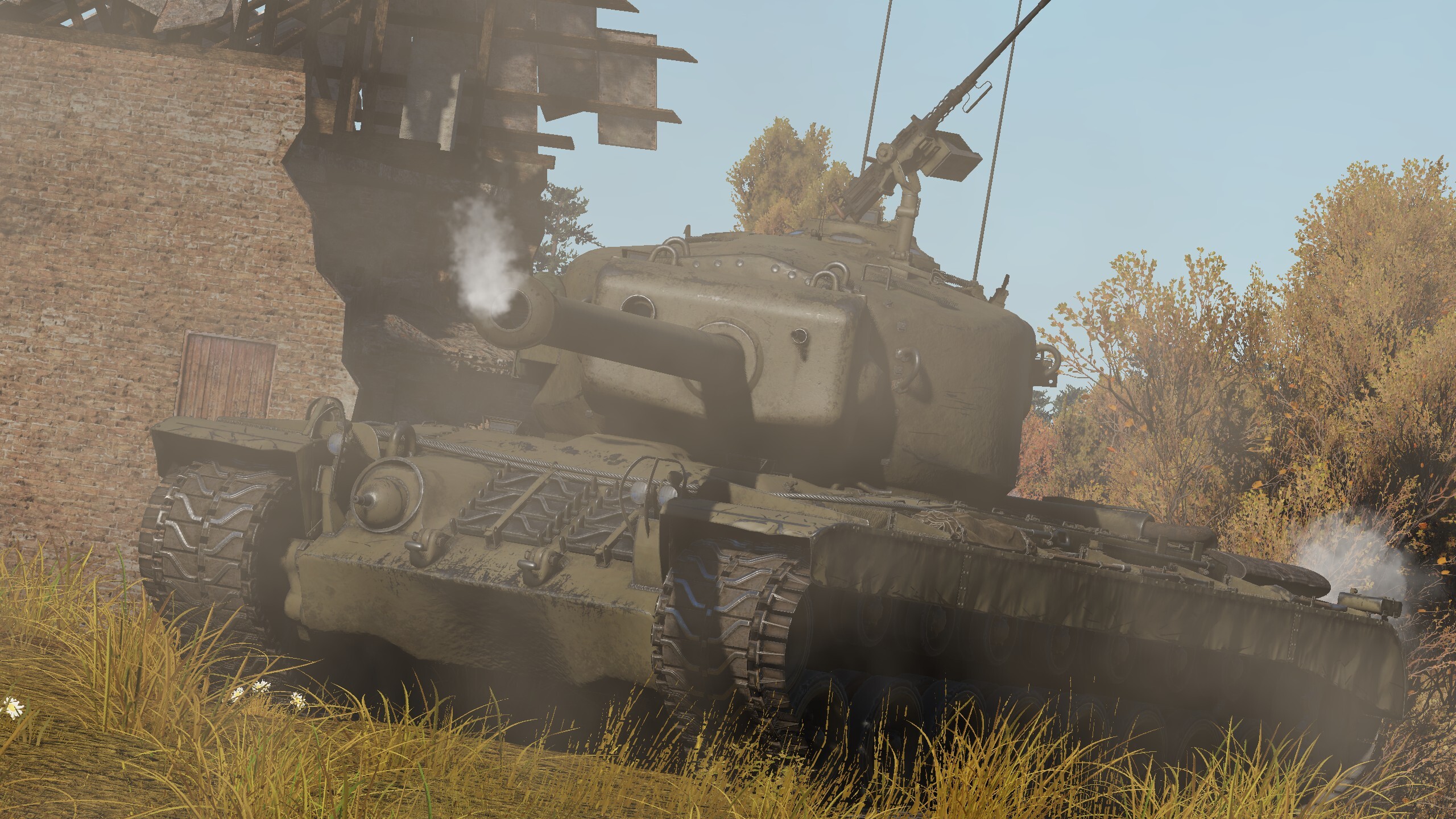
While the hull armor of the T30 can be considered sub-par compared to its most common opponents, it still manages to provide a notable degree of survivability to the vehicle, being especially noticeable in downtiers. While the upper front plate is just 100mm and angled at 55 degrees, when paired with the 76mm of side armor, it is possible to significantly boost its effectiveness by angling the entire hull at ~20 degrees which causes most rounds to simply bounce off.
It should be noted however that the machine gun port is a rather large weakspot on the upper front plate which can be easily exploited. In addition, the side armor of the hull at the engine compartment is only 51mm thick which is not enough to protect against autocannons, making the engine easier to knock out than the crew.
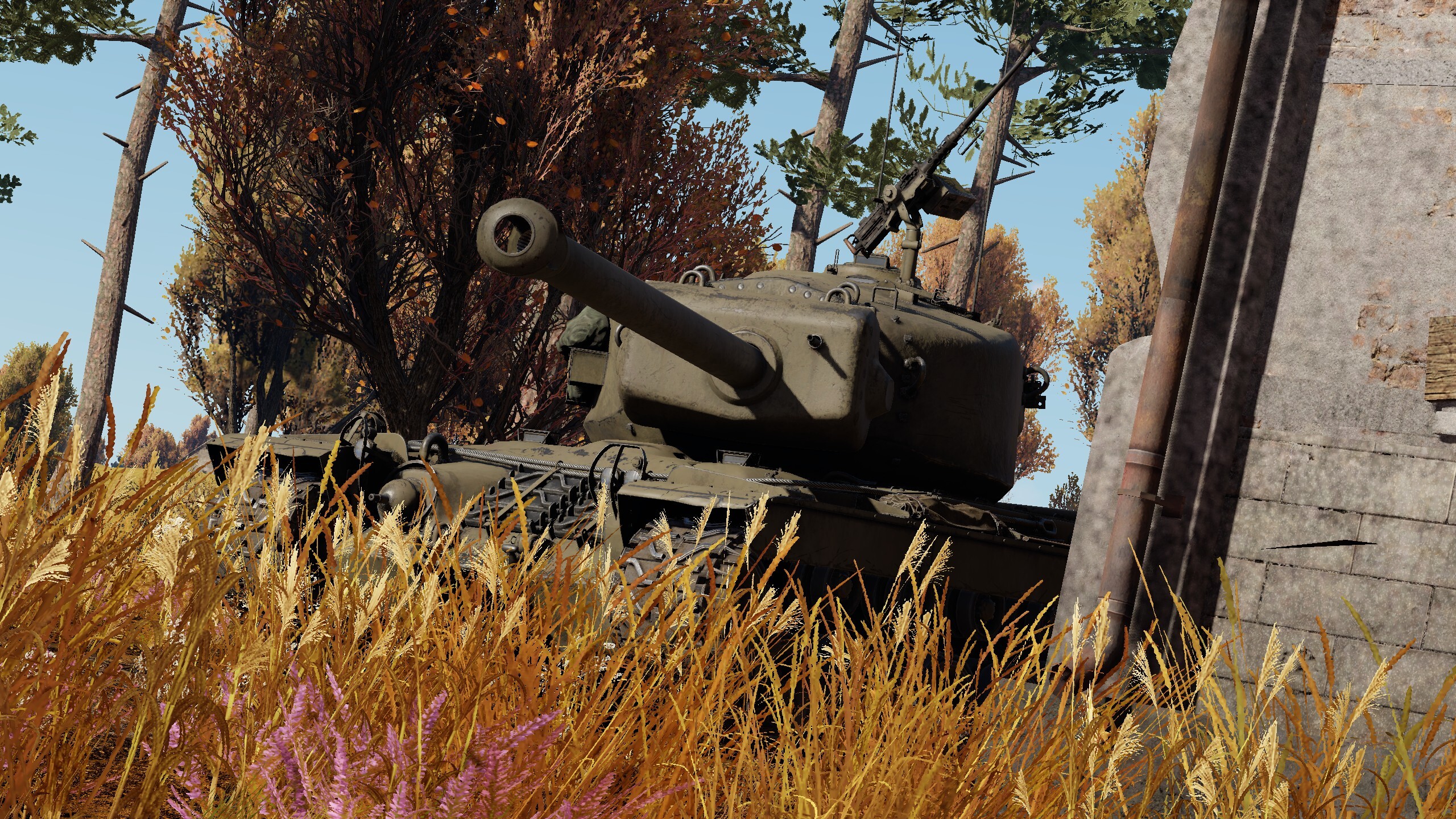
The turret armor on the other hand is very effective in a head on engagement, offering upwards of 200mm of effective protection. Unlike the hull however, angling the turret exposes the turret cheeks and reduces the effectiveness of their already angled armor this it is generally recommended to avoid angling the turret in any way that could leave one of the cheeks exposed.
Mobility
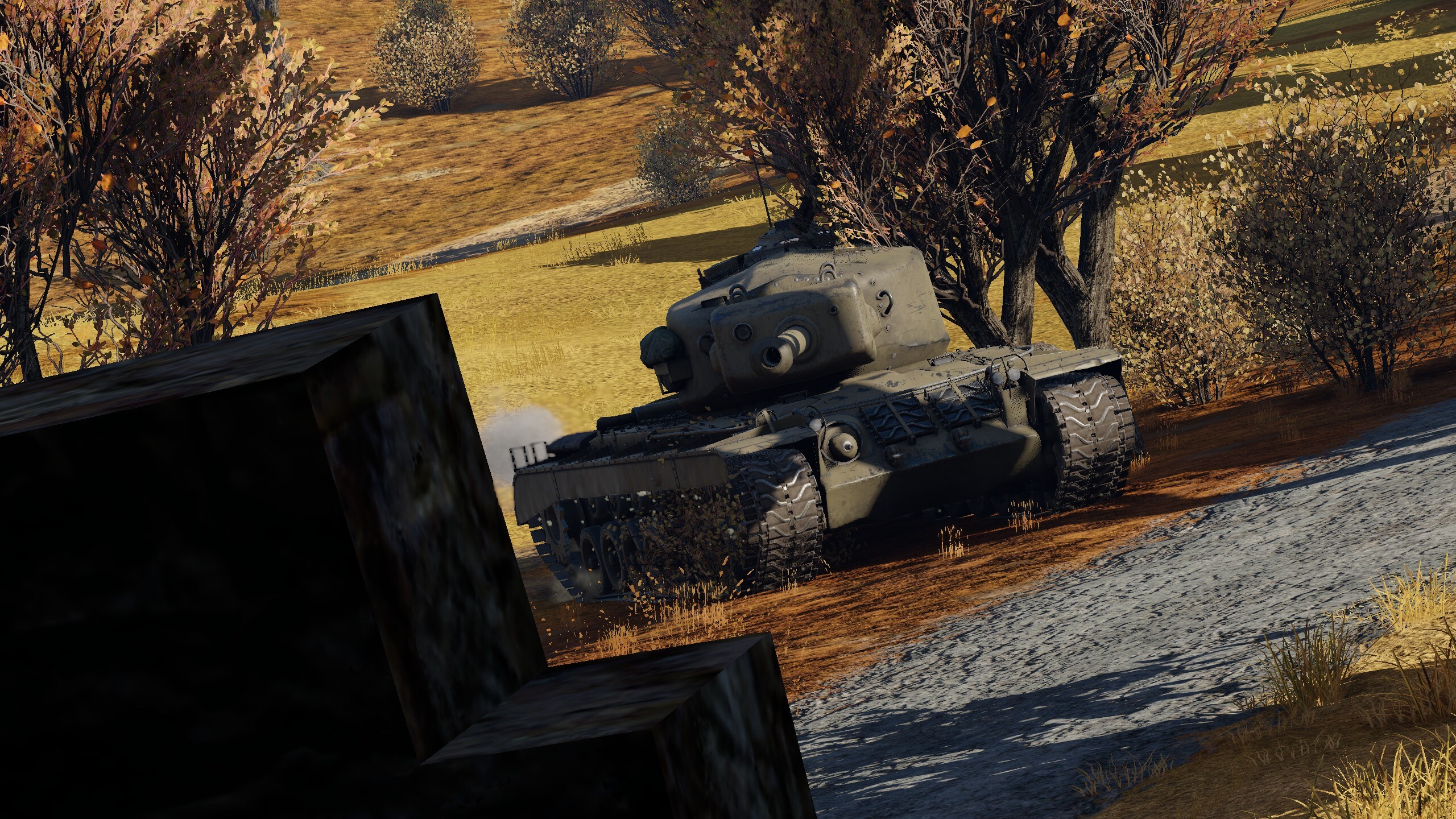
Despite being a heavy tank, the T30 features a formidable forward top speed of 35kph with a reverse speed in excess of 13kph. Because of the 810hp engine and well spaced transmission gears, getting to the top speed on flat ground is very easy, being often on par with some medium tanks. This level of mobility is often enough to allow access to advantageous positions in the early parts of the game. Additionally, due to its powerful engine, the T30 has no trouble traversing harsh terrain, being able to reach its top speed even in sand or snow while being able to sit at a very comfortable 20–25kph in mud.
The reverse speed is also good enough to allow for retreating into cover after firing. In addition, the vehicle features neutral steering at a respectable rate in all terrain types however it is often faster to brake-pivot.
Usage In Battle
The T30 plays more like a glass cannon than a heavy tank due to its long reload. While landing a hit on an enemy is almost always a guaranteed kill, it is important to take into consideration what will happen after firing. It is recommended to not rely on the vehicle’s armor as all that’s needed to take this vehicle out is for one of its tracks to be destroyed and it will end up stationary, without a shell loaded, making it significantly easier to be knocked out.
In an urban setting, it is recommended to stay near teammates for protection from enemies trying to capitalize on the vehicle’s long reload. It is also good practice to have an area which will provide cover during the long reloads.
While longer range engagements are not ideal for this type of vehicle, against vehicles with conventional ammunition (AP/APDS), this vehicle favors a hull-down playstyle, relying on the turret’s armor to withstand enemy hits while returning fire. When facing an opponent with HEAT ammunition, extra care is needed as these shells do not have any penetration loss over distance and can easily go through the turret’s armor.