The M1A1 AIM is an export version of the M1A1 AIM for the Royal Australian Armored Corps (RAAC), receiving an upgraded armor array and improvements in the FCS that the previous M1A1 in the US tech tree doesn’t have; said improvements include the addition of enhanced protection in both the turret and LFP that the M1A1 lacked in, and Gen 2 thermals for the gunner and the commander’s .50 cal machine gun. The KE-W round it possesses is also a potent round, being able to penetrate the enemies that the AIM faces at its BR. While this MBT lacks further upgrades to protection that the M1A2s possess, it’s a generally reliable brawler-sniper that can hold its own on the battlefield.
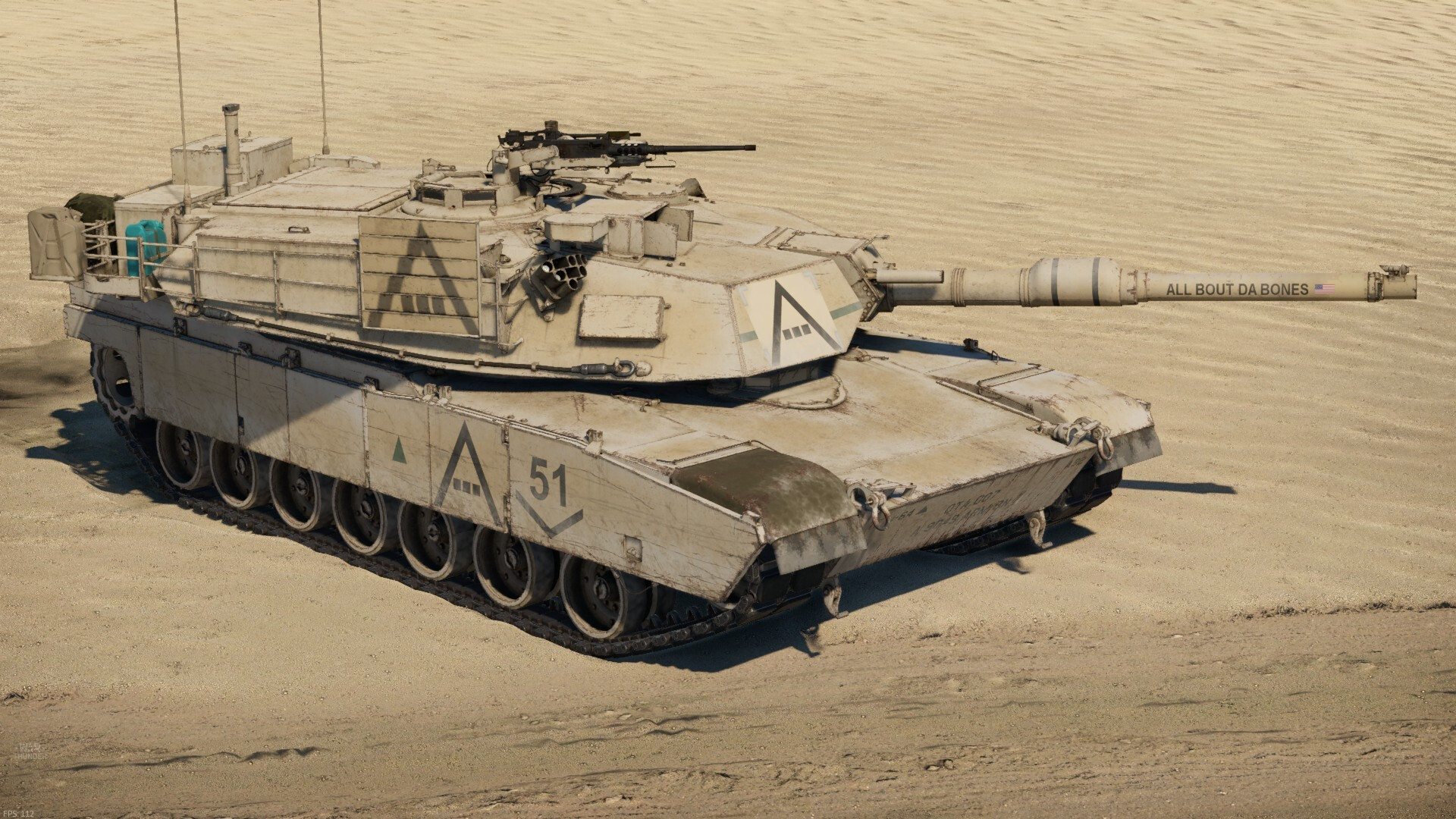
As new threat profiles emerged from the Cold War, the Australians recognized that their existing fleet of Centurions and Leopards for the RAAC was becoming obsolete in being able to protect the crew against these threats. To provide the Australian Army with the best protection capabilities against these threats and continue fighting in a combined arms fashion, the Australian government sought to replace its existing tank fleet with 59 M1A1 AIM tanks from the United States.
| Pros: | Cons: |
| Access to LRF and thermals | Lacks CITV |
| Enhanced turret armor | Raised engine deck prevents firing at targets behind |
| Good gun handling and reload speed | Stock grind with HEATFS is subpar, considering the common sight of composite armor and ERA in-game |
| M380A1 is useful against helis as a HEAT-MP thanks to its proximity fuse |
Armor and Survivability:
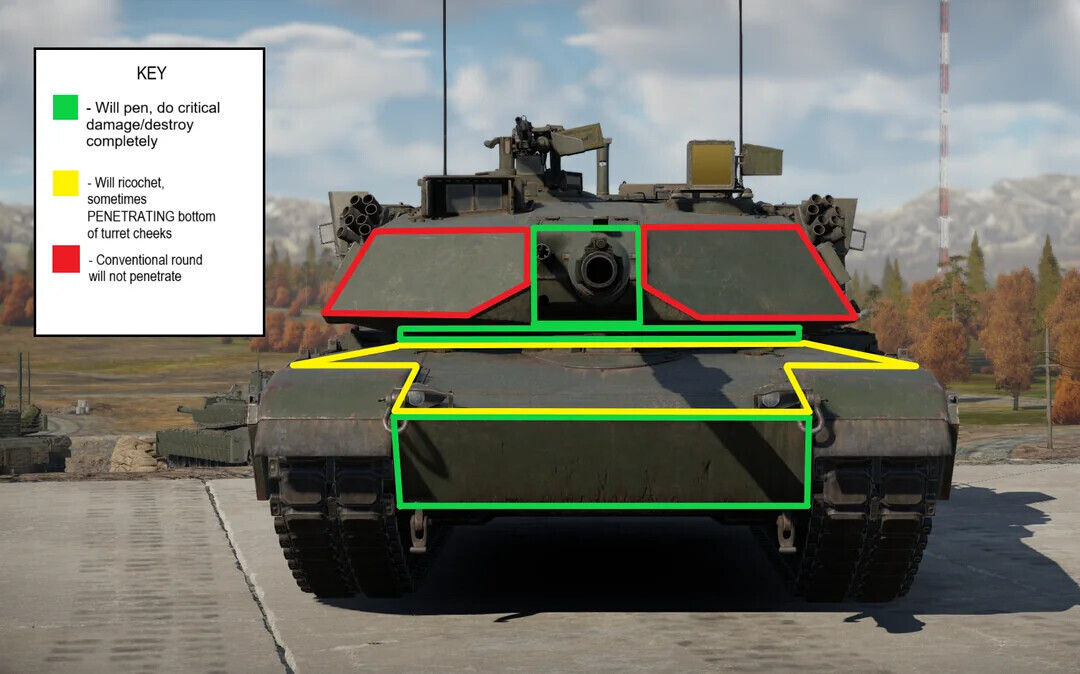
The M1A1 AIM, just like every modern MBT encountered on the field, sports composite armor, providing enhanced protection against chemical rounds and certain kinetic rounds; for the Abrams series, the composites are located mainly in the turret and the LFP of the Abrams. The turret, like the M1A1 HC, has enhanced protection, which heavily enhances the turret protection since the original M1A1 itself can be penetrated at the turret front regardless of the composites it has.
Despite the presence of composite armor, this MBT has poor hull armor protection, since it doesn’t have any ERA protection that the M1A2s possess to defeat side attacks from chemical rounds, and the LFP composites can be penetrated easily by APFSDS rounds with a 300-400mm penetration value.
The M1A1 AIM consists of 4 crewmembers: The driver, gunner, loader, and commander. If the loader is knocked out but the commander isn’t, reloading is temporarily slowed until the commander assumes the spot. If both the loader and commander are killed, then reload is permanently slowed until the loader is returned to the ranks with Crew Replenishment.
Mobility:
The M1A1 AIM boasts an impressive forward speed, allowing players to deploy brawler tactics and arrive at both capture and choke points on the map with relative ease. Reverse speed is equally impressive, allowing the AIM to retreat effectively and reposition in another spot to engage the enemy or repair in safety (assuming the engine hasn’t been crippled in the process).
Firepower and Ammunition:
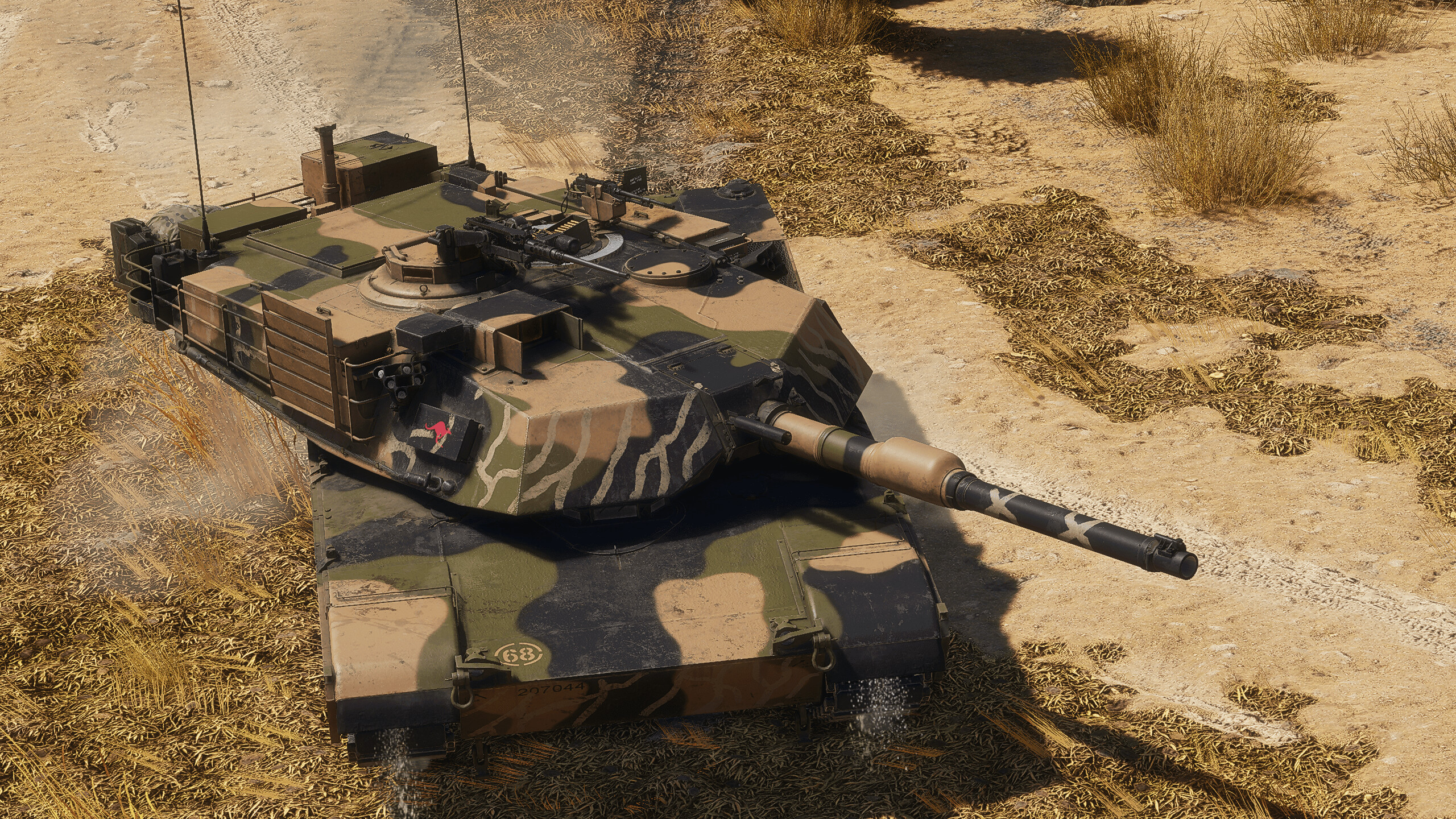
The entire ammo count is up to 40 rounds, with 35 in the turret rack behind the loader and commander and 5 underneath the commander. Thanks to this MBT having a first-stage ready rack, players can reload quickly after firing their shot and re-engage their target immediately.
The M1A1 AIM starts with the stock HEAT-FS round M830, which boasts about 480mm of armor penetration and 1.6kg of explosive mass. It is rather mediocre against the majority of the vehicles you will encounter in the game, considering that the tanks players will encounter have composite armor that easily defeats it, but it is generally reliable against the side armor of certain MBTs without ERA protection, light vehicles, and SPAA.

The next round is also a HEAT-FS round, M830A1, which performs similarly to the M830 but boasts slightly less armor penetration. This is because it is fitted with a proximity fuse that detonates whenever it detects an aircraft close to it; while it is a highly ignored round for the vast majority of Abrams players who wish to only take APFSDS, those who take a few (5-8 rounds) will find that it is very reliable if the enemy aircraft happens to be an attack helicopter abusing your team with rockets.
Finally, the last round of the M1A1 AIM, KE-W, is the round every player of this vehicle seeks out. Being the ultimate round in the game, an APFSDS round, it can penetrate almost anything and everything, given the right aim and adjustment of fire at the weaknesses of enemy MBTs. However, the biggest enemy of this round is spall liners and the Kontakt and Relikt ERA of Russian MBTs, as the spall liners will minimize the damage caused by the fin-stabilized shot, and the Russian ERA will cause significant reduction in penetration to the penetrating round.

The M1A1 AIM benefits from 2nd gen thermals (which may look like 3rd gen thermals to most players), which clarifies the thermal vision a good amount for players to aim and fire at enemy vehicles with ease, without the blur familiarized from the gen 1 thermals. It also benefits from a two-plane stabilizer, which allows it to fire on the move without diversion from its target, and paired with the LRF (Laser Rangefinder) on this vehicle, makes it the perfect hunter for unsuspecting MBTs.
The concealment modifications the AIM possesses are Smoke Grenades and ESS: Smoke grenades for retreat, and ESS for supporting cover. Note that ESS can be seen through by thermals from both allies and enemies alike.
Playstyle:
With the superb mobility and the impressive fire-control system of the M1A1 AIM, the playstyles this tank is used in are many, but this article shall focus on the two main playstyles: Sniper and Flanker.
Sniper: With a zoom magnification of 13.0x, Gen II thermals to find players easily, LRF to automatically adjust the gun for longer distances and -10° of gun depression for shooting over hills, this MBT, like any NATO tank, dominates the field of long-range, especially in cover. The to-go round for these cases is always the APFSDS round, which in this case is KE-W, thanks to the sleek pencil-like design of the round allowing for better flight performance and its high penetration value. One thing to keep in mind is that on slightly sloping hills, the gun depression fails there and forces players to either reposition or make the poor choice of revealing themselves to enemy vehicles by going above the hill. Another note is that, likewise, there may be other players utilizing their vehicle for sniping purposes, and similarly may use the environment to conceal themselves, utilizing it to their advantage.
Flanker: This playstyle is suitable for those used to more aggressive tactics and know how to weave around urban maps without giving away attention to their locations. With the two-plane stabilizer and superb speed on the M1A1 AIM’s side, players can easily reach not only a capture point, but also a choke point where they can attack unsuspecting enemy vehicles and retreat into cover as they reload, then rinse and repeat. The downside of this playstyle is that enemies who use russian MBTs, specifically ranging from the T-72s to the T-90s, specialize in ambushing and flanking combat, which makes them dangerous in any field, whether it be in environmental maps or urban maps, so it’s important to check corners before driving around.
Enemies Worth Noting:
At Rank VII, where MBTs with composite armor become prominent every match, tons pose a immediate threat, considering that APFSDS is now more common, as well as more modern chemical weapons like AGMs and ATGMs having higher penetration and destructive capabilities; even with composites, the M1A1 AIM still suffers against enemies with autoloaders and faster mobility, and against the infamous spall liners and add-on protections that some MBTs may boast.
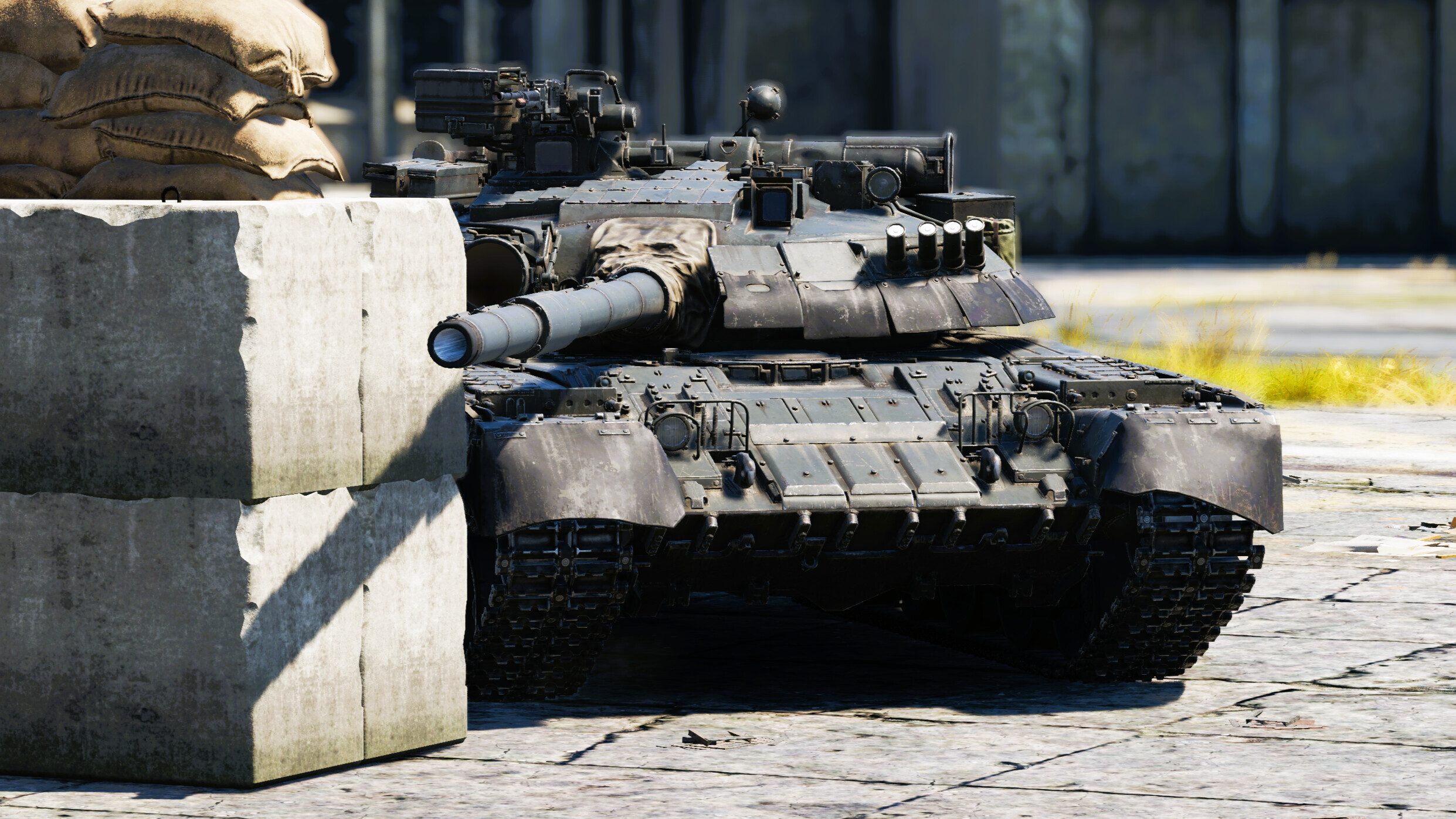
T-80s, for example, are one of the notable and most common enemies you’ll encounter, like their T-72 and T-90 brothers, possessing composite armor (with later variants possessing ERA to deflect both chemical and, later on, kinetic rounds) to survive shots, an autoloader to load powerful rounds with quick movement, access to thermals for easier pinpoint of targets, and possession of high foward mobility of 70km/h to flank and destroy enemies like the M1A1 AIM.
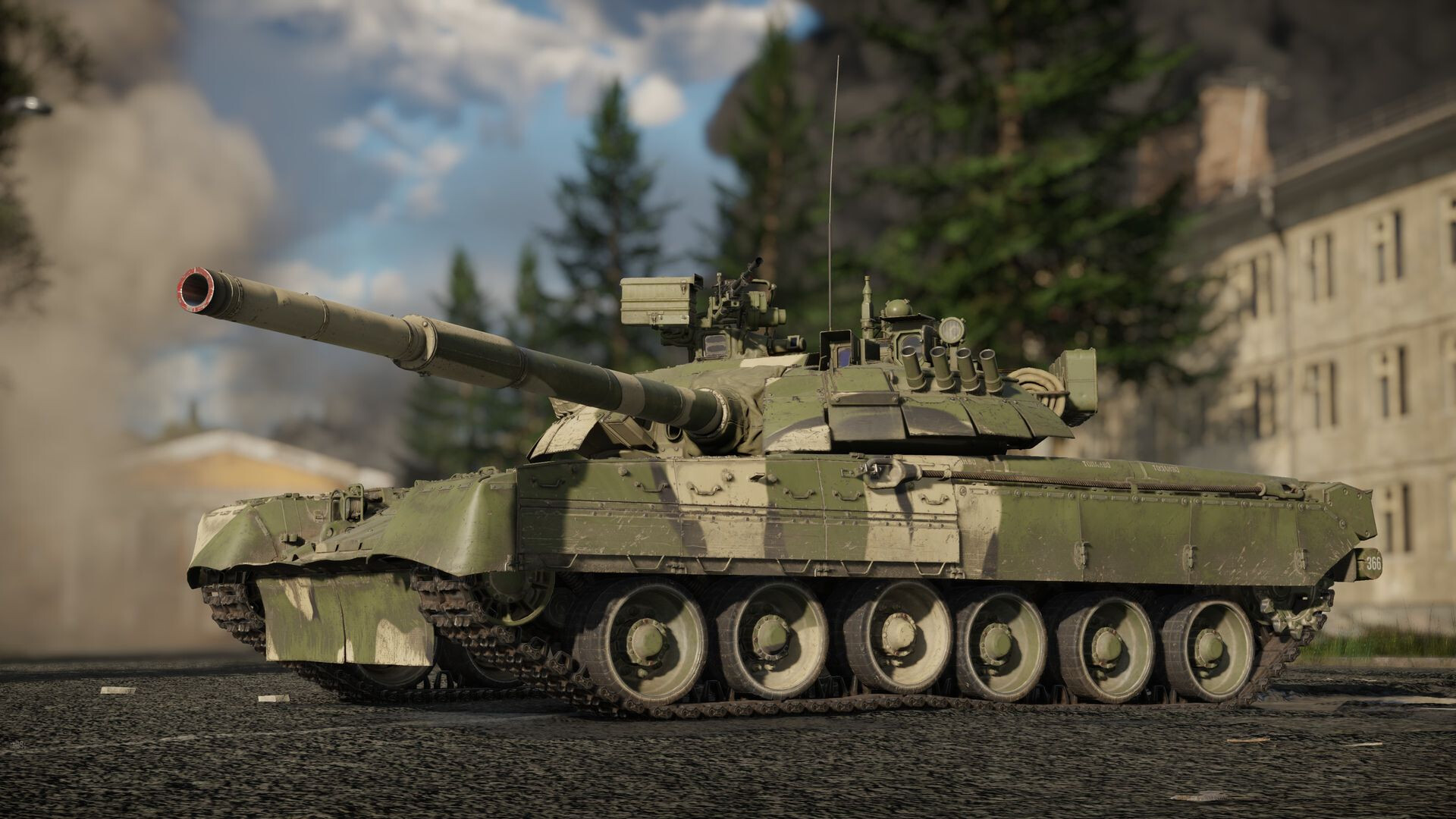
But like its T-72 and T-90 counterparts, it possesses the same weaknesses as them: reverse speed and the autoloader. Although it boasts an improved reverse speed of -11km/h, which is a rather impressive improvement over the -4km/h reverse speed of the T-72s and T-90s, it’s still rather slow and can allow enemy players to pop their shot off on this tank, assuming it isn’t behind cover. The main weakness of this tank, like its brothers, is the autoloader and the ammo carousel, where a single shot to it can end the interior and cause a jack-in-the-box effect that gives the turret a one-way ticket to the International Space Station. Note that compared to the T-72s and T-90s, which have their ammo stored horizontally to increase the survivability of their ammo, the T-80s have theirs stored vertically, so that any penetrating shot is guaranteed to penetrate and ignite the ammo within.
Type 10s are also notable enemies encountered on the field, as these Japanese MBTs possess a furiously swift autoloader that reloads shots at a rate of 4 seconds. Considering how long it takes for attacking MBTs to move and strike after dodging a shot, this is a huge advantage for the Type 10s, since they possess impressive mobility, powerful rounds, and Gen 2 thermals to boot.
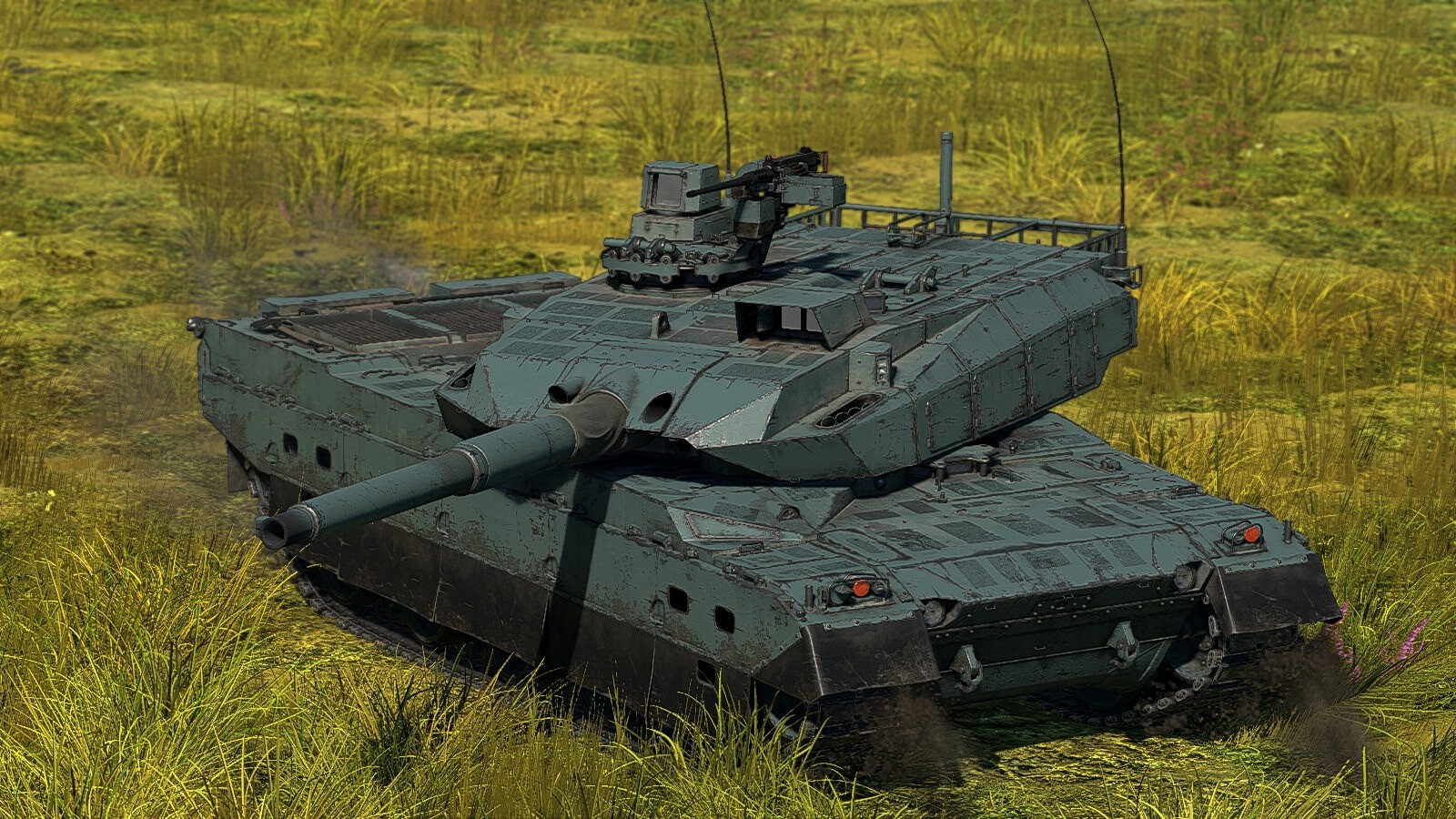
What are the main downsides of this tank? Virtually no armor, which would explain its high mobility. While the Type 10 has improved turret protection, the composite armor is as thick as a cold stick of butter, and on top of having a measly composite block for hull composite armor, it won’t protect this tank against high-penetration rounds like the KE-W fired from the M1A1 AIM.
The last tanks particularly worth noting are the Leopard 2s, ranging from the 2A4s to the 2A7s, and certain exports. These MBTs, possessing powerful guns from the renowned and familiar Rheinmetall L/44 to the newer and more powerful L/55 120mm guns, can wipe out a vast amount of MBTs, including the M1A1 AIM, thanks to their superb mobility, possession of powerful firepower and quick reload comparable to the AIM, and the progression of later variants with stronger KE and CHE protection against kinetic and chemical rounds.
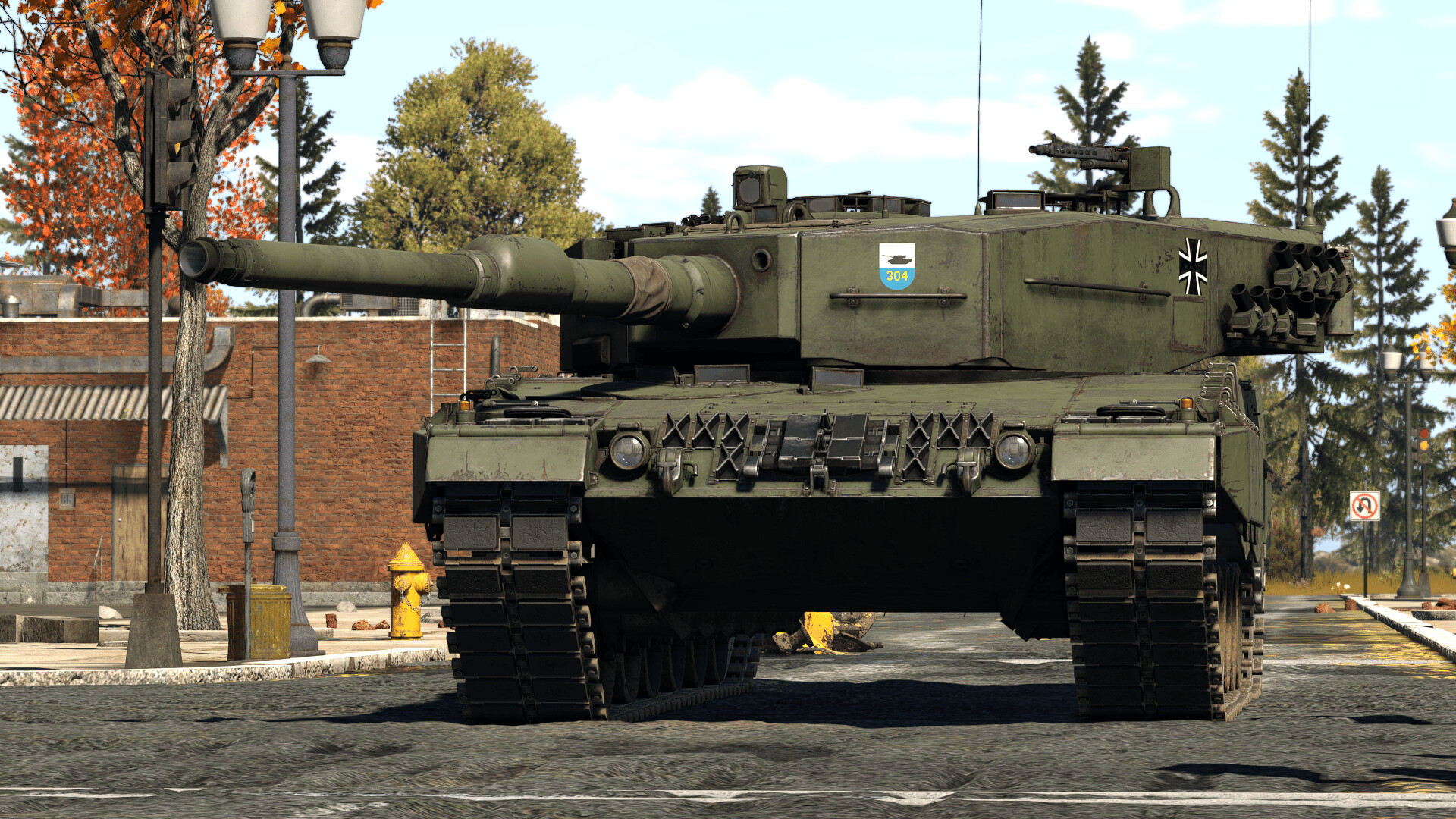
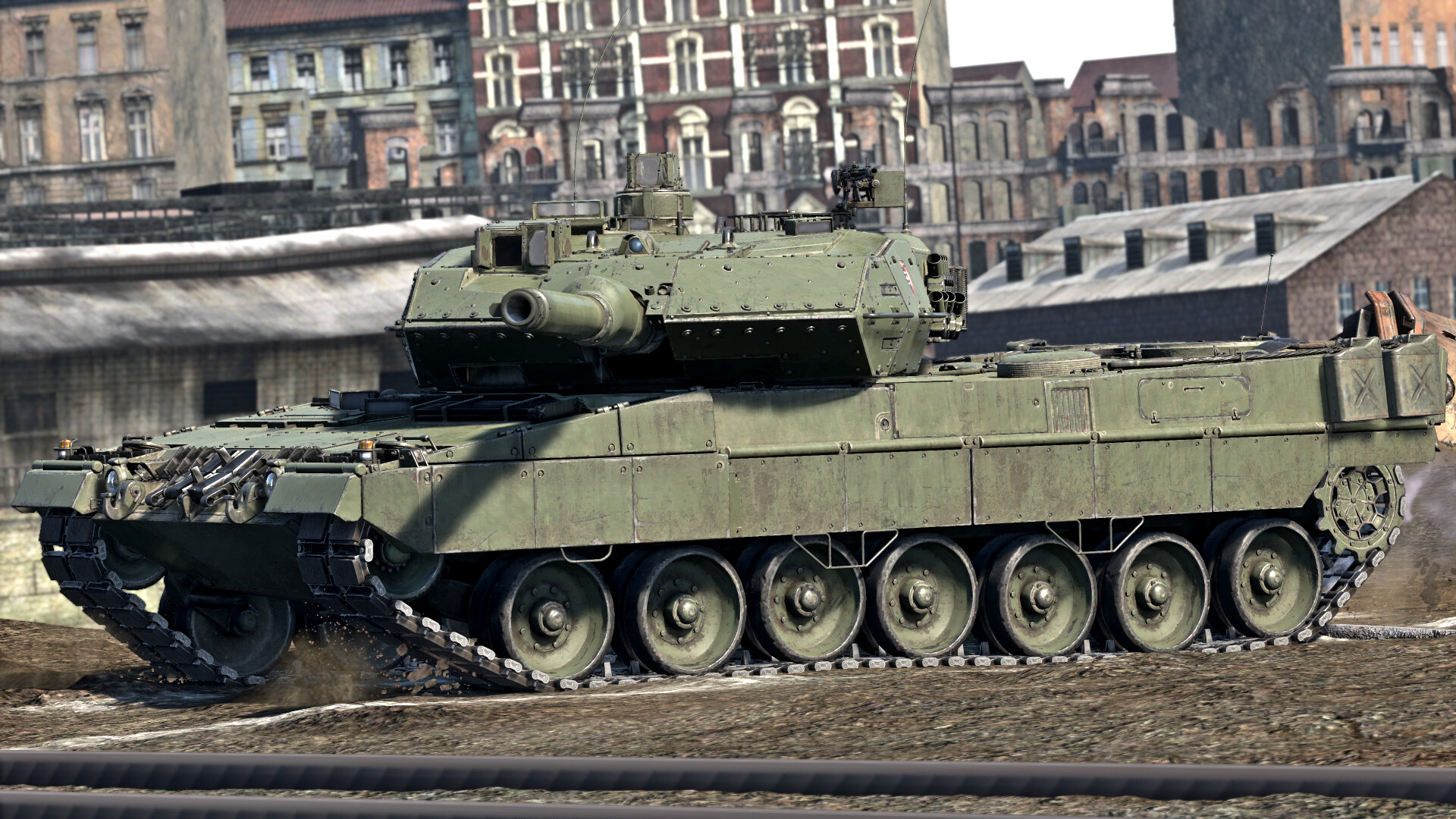
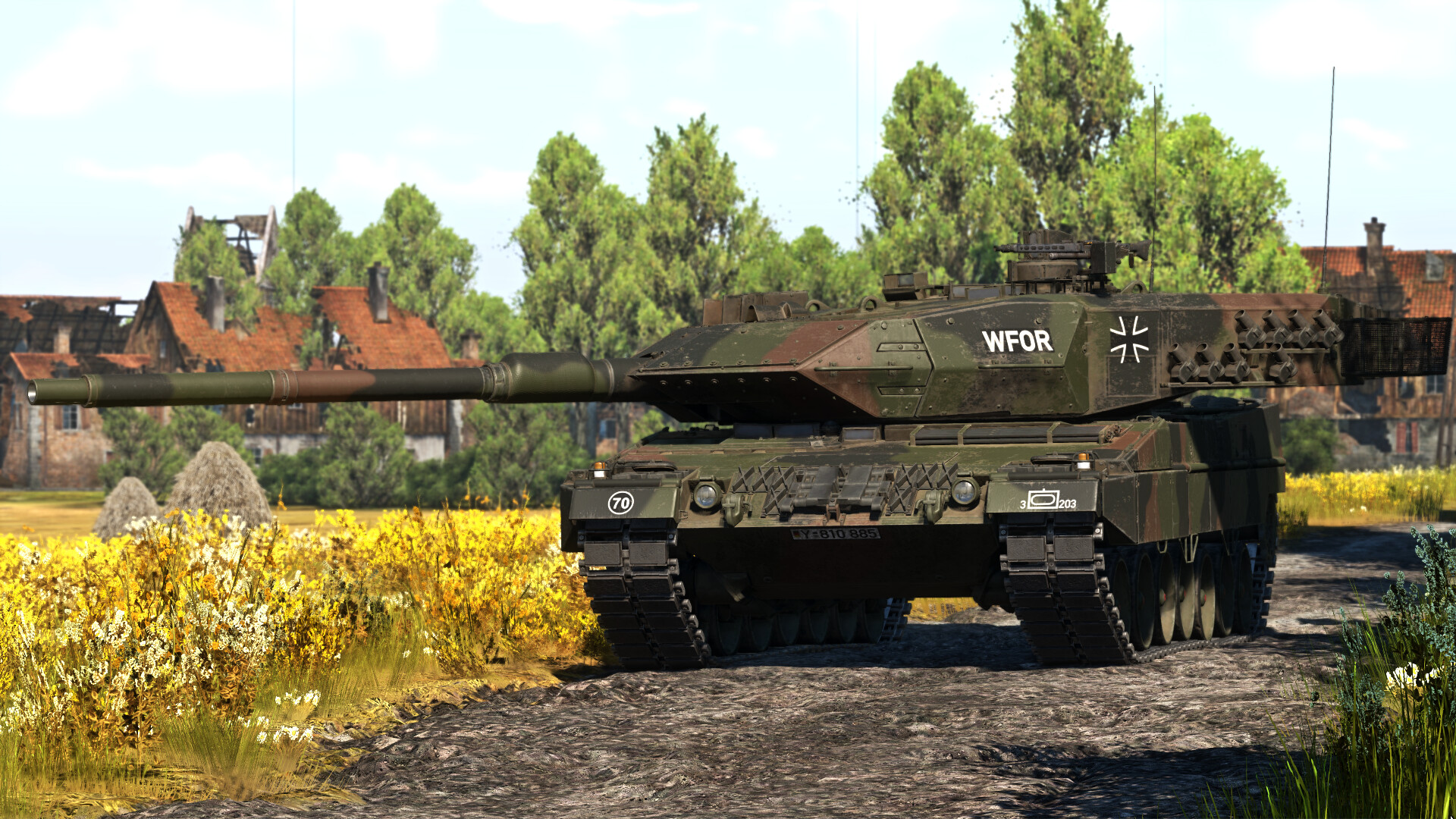
Similar to the M1A1 AIM, these powerful cats can be knocked out by the familiar kill spots: The gun mantlet and the LFP. The Leopard 2A4s are one example of this, as their LFPs and gun mantlets, as well as their gunner sight area being a common spot to kill the commander and gunner. The later variants eliminate these problems with new wedge-shaped spaced armor that deflects or destroys kinetic or chemical projectiles, and the front of the hulls is also improved with extra composite layering, though the LFP and gun mantlet remain as familiar weakspots for APFSDS rounds like KE-W.