
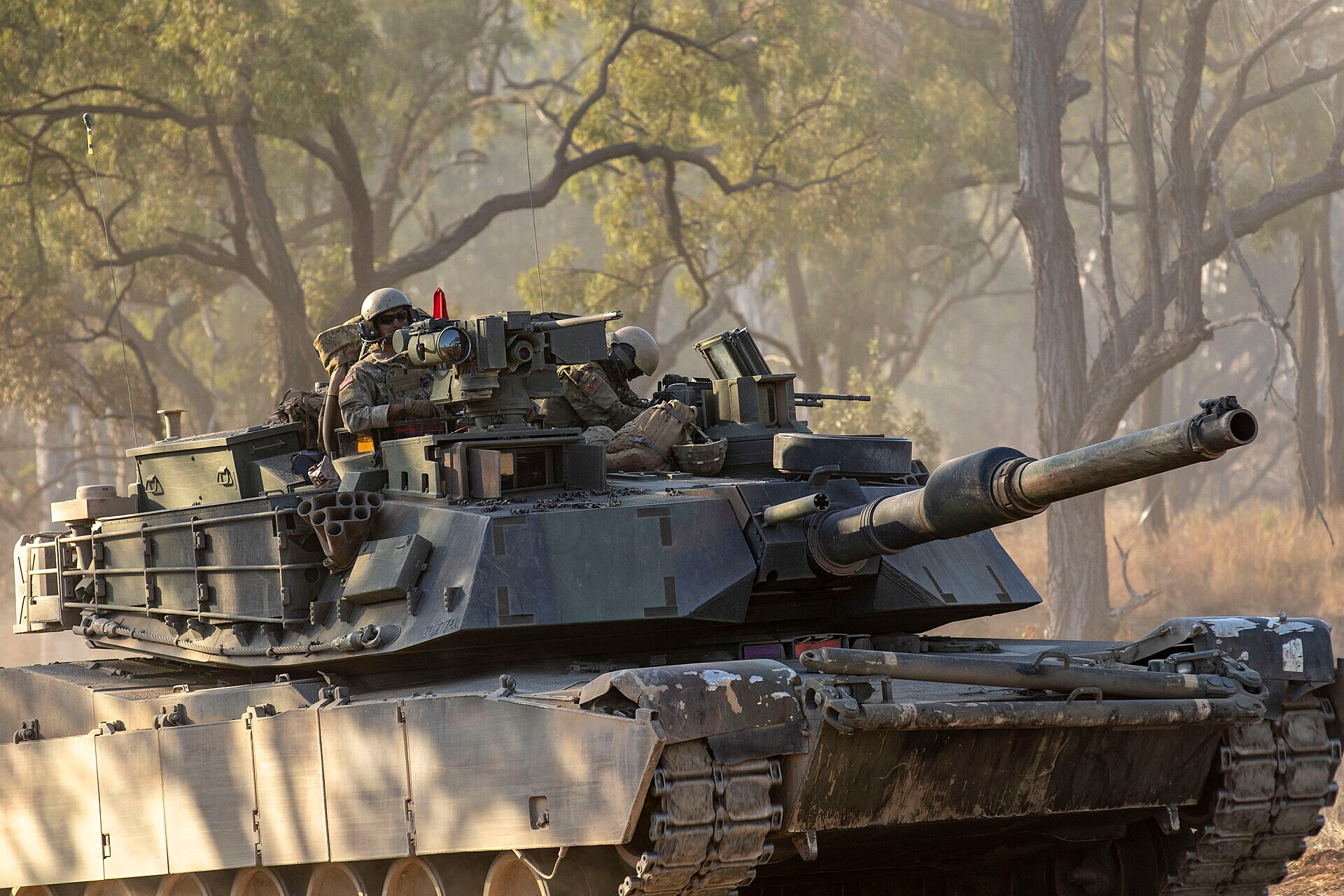
Australia’s use of tanks has generally been shaped by practicality rather than large-scale industrial ambition. The country never developed a major domestic tank industry, instead relying on allied designs and adapting them to suit their unique local conditions. However, Australia’s history with tanks is still extremely interesting, as Australia’s combat terrain is vastly different from that of its allies.
Early Development
After World War I, Australia showed some interest in armoured warfare but did not prioritise tank development. Its strategic situation, geographically isolated with no immediate land threats, meant there was little need for a large armoured force.
In the interwar years, the Australian Army operated a small number of British tanks for training and familiarisation, including the Vickers Medium Tank Mk. II and the Vickers Light Tank Mk. VI. These vehicles played a limited role but helped establish an early armoured capability.
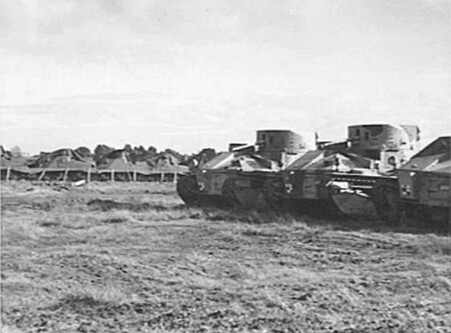
At the outbreak of the Second World War, Australia possessed just fourteen tanks in total: ten Light Tank Mk. VIa and four Vickers Medium Mk. IIs. This extraordinarily small number would prove a serious vulnerability once Japan entered the war, and it directly accelerated Australia’s push toward both domestic tank production and closer military ties with the United States.
The Second World War
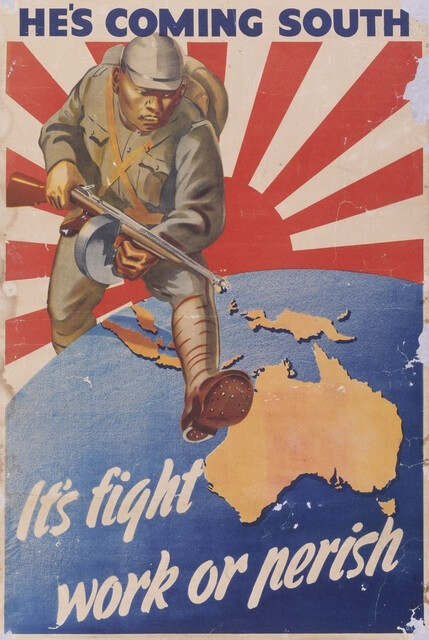
The outbreak of World War II, particularly the threat posed by Japan, forced Australia to rapidly expand its armoured forces. However, Britain, the country Australia had relied upon, prioritised what was known as the “Germany first” policy, meaning Australia wasn’t able to receive as much British support as it had hoped. As a result, Australia not only modified British vehicles for the Pacific theatre but also developed its own tank, the Australian Cruiser Tank Mk. I, or A.C.I Sentinel, the only Australian-designed tank of the war.
The war also saw the development of a closer relationship between Australia and the United States. This was mutually beneficial: Australia provided a strategically vital base for defending against Japanese attacks, while the US supplied large quantities of modern armoured vehicles. This relationship led to Australia operating many American tanks both late in the war and in the decades that followed.
Notable Tank: A.C.I Sentinel
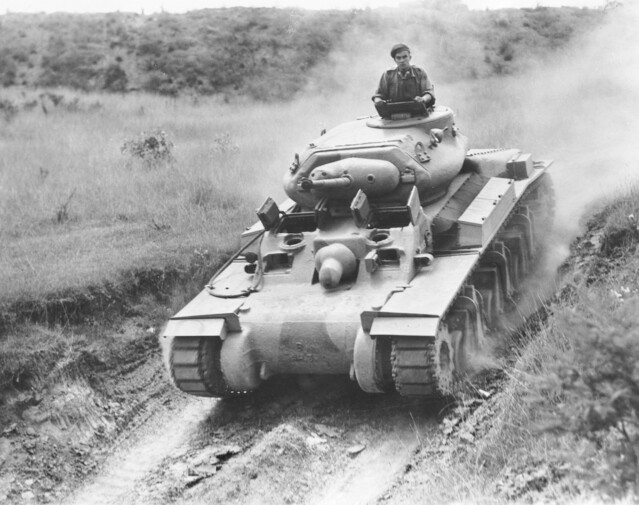
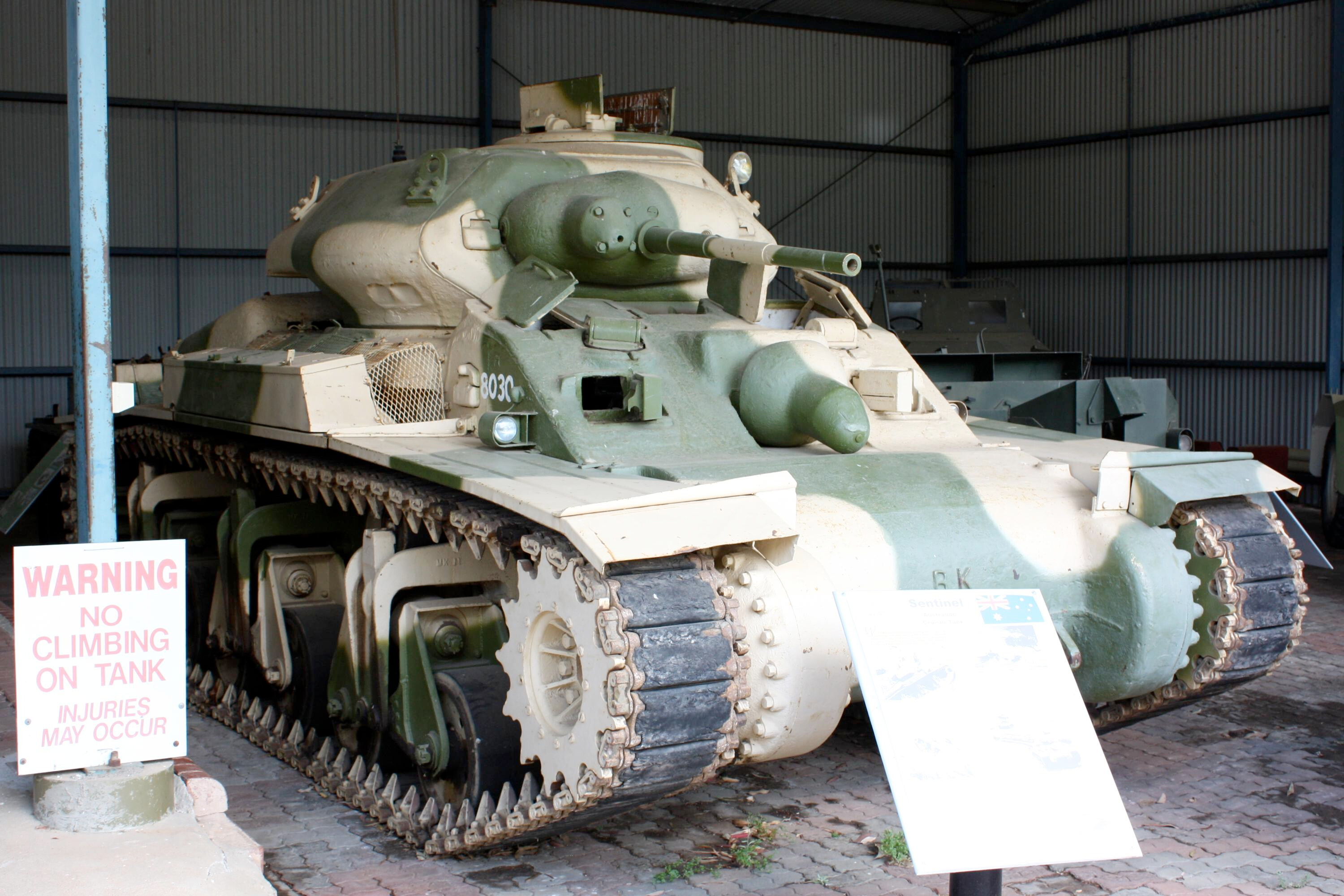
The Australian Cruiser Tank Mk. I, or A.C.I Sentinel was one of the few indigenous Australian tank designs developed during World War II. Design work began in November 1940, and the tank was manufactured by the New South Wales Railway Company at the Chullora Tank Assembly Shops in Sydney. It incorporated several practical design solutions, most notably a hull cast as a single piece, a technique not used on the hull of any other tank of the era. Because no suitable single engine was available in Australia, the Sentinel was powered by three Cadillac V8 engines arranged in a “cloverleaf” configuration, all feeding into a common gearbox.
Only 65 production vehicles were completed by June 1943, and the Sentinel never entered combat. By the time it was ready, Allied tanks, particularly the American M4 Sherman, were available in sufficient numbers through Lend-Lease, making further production unnecessary. The programme was terminated in July 1943, and it was decided that the New South Wales Railway Company’s resources were better spent building locomotives. The Sentinels were placed in storage for the remainder of the war.
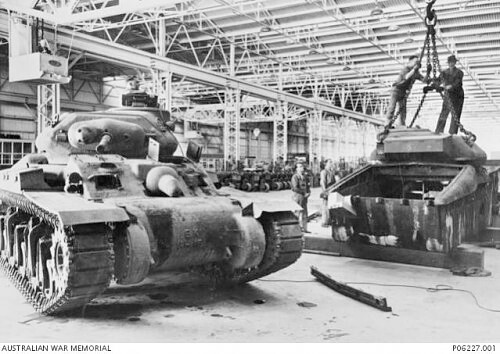
Interestingly, the only time a squadron of Sentinels was ever used together was when a group of A.C.I tanks from the 3rd Army Tank Battalion were modified to resemble German vehicles for use in the filming of the 1944 film The Rats of Tobruk. After the war, all but three surviving examples were scrapped; the remaining vehicles are preserved at the Tank Museum in Bovington, England, the Australian Armour and Artillery Museum in Cairns, the Australian War Memorial in Canberra, and the RAAC Tank Museum, Australia.
Notable Tank: A.C.III Thunderbolt
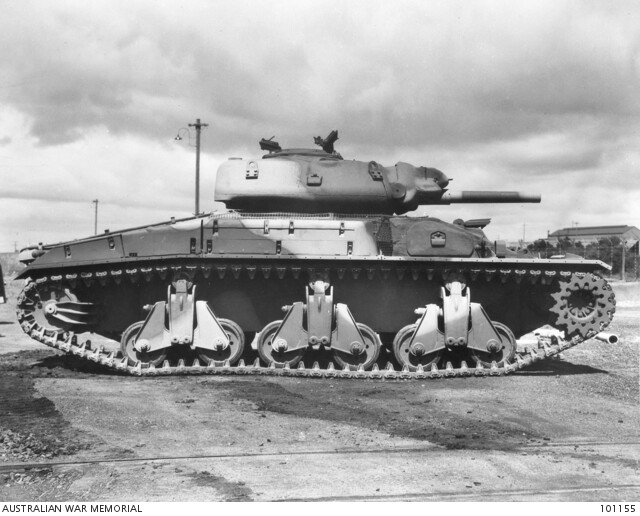
The A.C.I was an impressive technical achievement, but by the time it entered production its 2-pounder gun was largely obsolete, and widely derided by Australian officers at the time as a ‘pea-shooter’ and ‘popgun’. The A.C.III Thunderbolt was essentially an upgunned version of the A.C.I and represented one of the most advanced Australian tank projects of the war. Unlike the earlier A.C.I, the Thunderbolt was designed to mount the powerful Q.F. 25-pounder gun-howitzer in its turret, giving it both anti-tank and high-explosive capability. To fit such a large weapon into the turret, Australian engineers developed an innovative recoil system that shortened the gun’s recoil distance, allowing the weapon to be mounted without requiring a substantially larger turret ring. The A.C.III also replaced the original Cadillac engine arrangement with the more powerful “Perrier-Cadillac” system, which integrated the Cadillac V8 engines into a more compact common crankcase design. Although the tank performed successfully during trials, the project was ultimately terminated due to a combination of practical, industrial, and political factors, including an ongoing rivalry between the Ministry of Munitions and the Army.
Notable Tank: A.C.IV
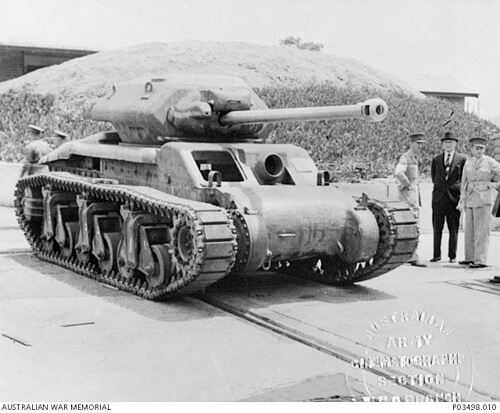
This tank was designed as a significantly improved successor to the A.C.I Sentinel, following a similar philosophy to the Canadian Ram tank, which had used the M3 as a basis and built upon it. The final intended version of this tank was to be armed with the Q.F. 17-pounder gun, an extremely capable British anti-tank gun that could destroy even the best German tanks of the period. Since the war ended earlier than anticipated, the A.C.IV never progressed beyond the prototype stage. However, it sent an important message: had the war intensified and supply lines been threatened, Australia was prepared to design and manufacture its own tanks rather than remain entirely dependent on Britain.
Notable Tank: Matilda Hedgehog
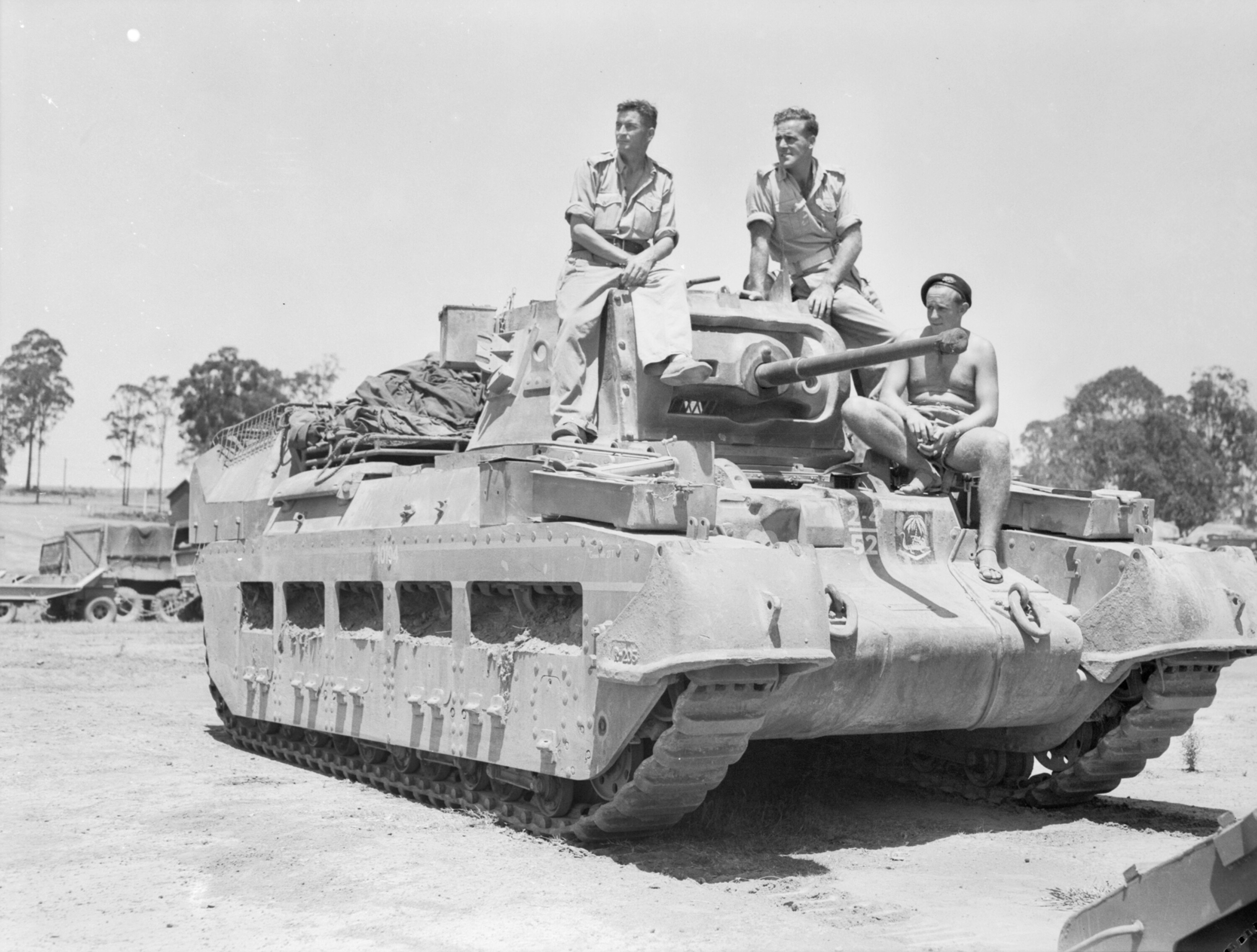
In combat, Australian armoured units primarily used imported tanks such as the Matilda II, which were deployed in the Pacific theatre. Dense jungle terrain limited mobility and reduced the likelihood of tank-versus-tank engagements. Instead, tanks were used to support infantry, destroy fortified positions, and operate in close coordination with ground forces.
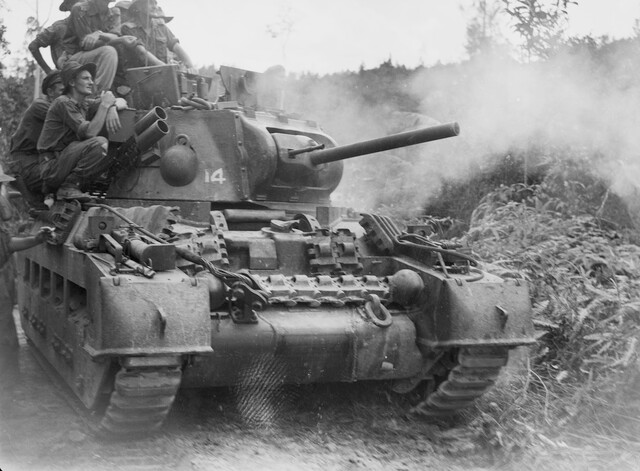
Australia received a total of 409 Matilda Mk. IIs from Britain between 1942 and 1944, along with a further 33 close-support variants transferred from New Zealand. The 4th Armoured Brigade first used them against Japanese forces during the Huon Peninsula campaign in October 1943, and Matilda Mk. II tanks remained in action until the very last day of the war across the Wewak, Bougainville, and Borneo campaigns, making the Matilda the only British tank to serve throughout the entire war.
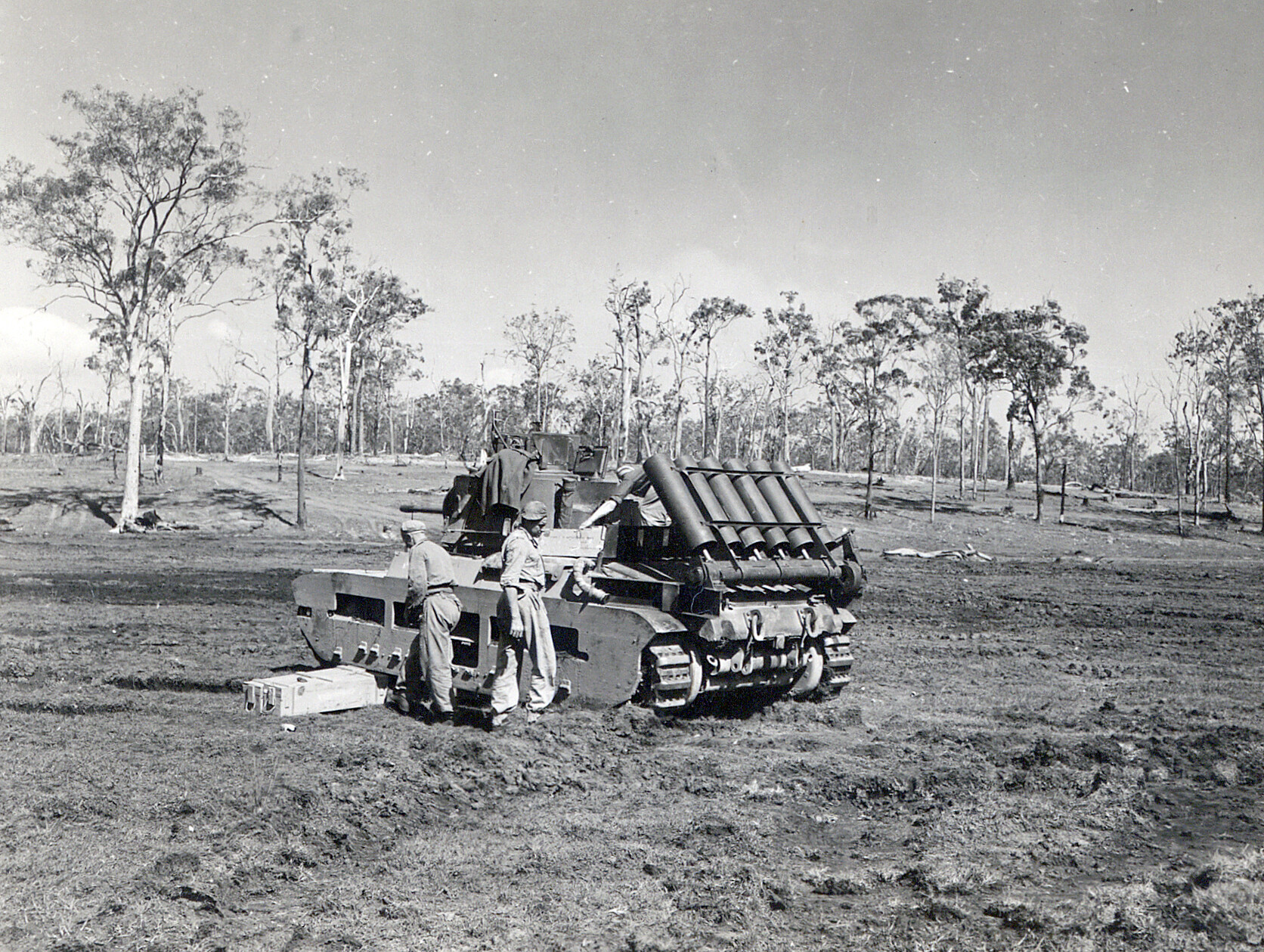
Late in the war, Australia developed the Matilda Hedgehog, fitted with a Hedgehog anti-submarine spigot mortar. This vehicle was designed to deal with heavily fortified Japanese bunkers, which were typically fighting pits reinforced with interlocked palm logs and covered with a thick layer of earth. The mortar fired seven 65-pound bombs with a range of up to 400 metres and was aimed by pointing the entire tank, as the mounting had no independent traverse. The Matilda Mk. II was chosen as the base because of its proven effectiveness and heavy armour, which allowed it to approach Japanese defensive positions with minimal risk from enemy fire. Only six Hedgehogs were built and issued to the 2/4th Armoured Regiment for trials, but the war ended before they could be used operationally, and the programme was discontinued in 1945.
Post-War Service
After the war, Australia did not continue domestic tank production, instead relying on foreign designs, reflecting both economic and strategic considerations.
The Australian Army operated the Centurion tank during the early Cold War period, which saw active service in the Vietnam War, where it was again adapted for jungle conditions. It was later replaced by the Leopard AS1, a modified German Leopard 1, which served for several decades.
Notable Tank: Centurion Mk. 5/1
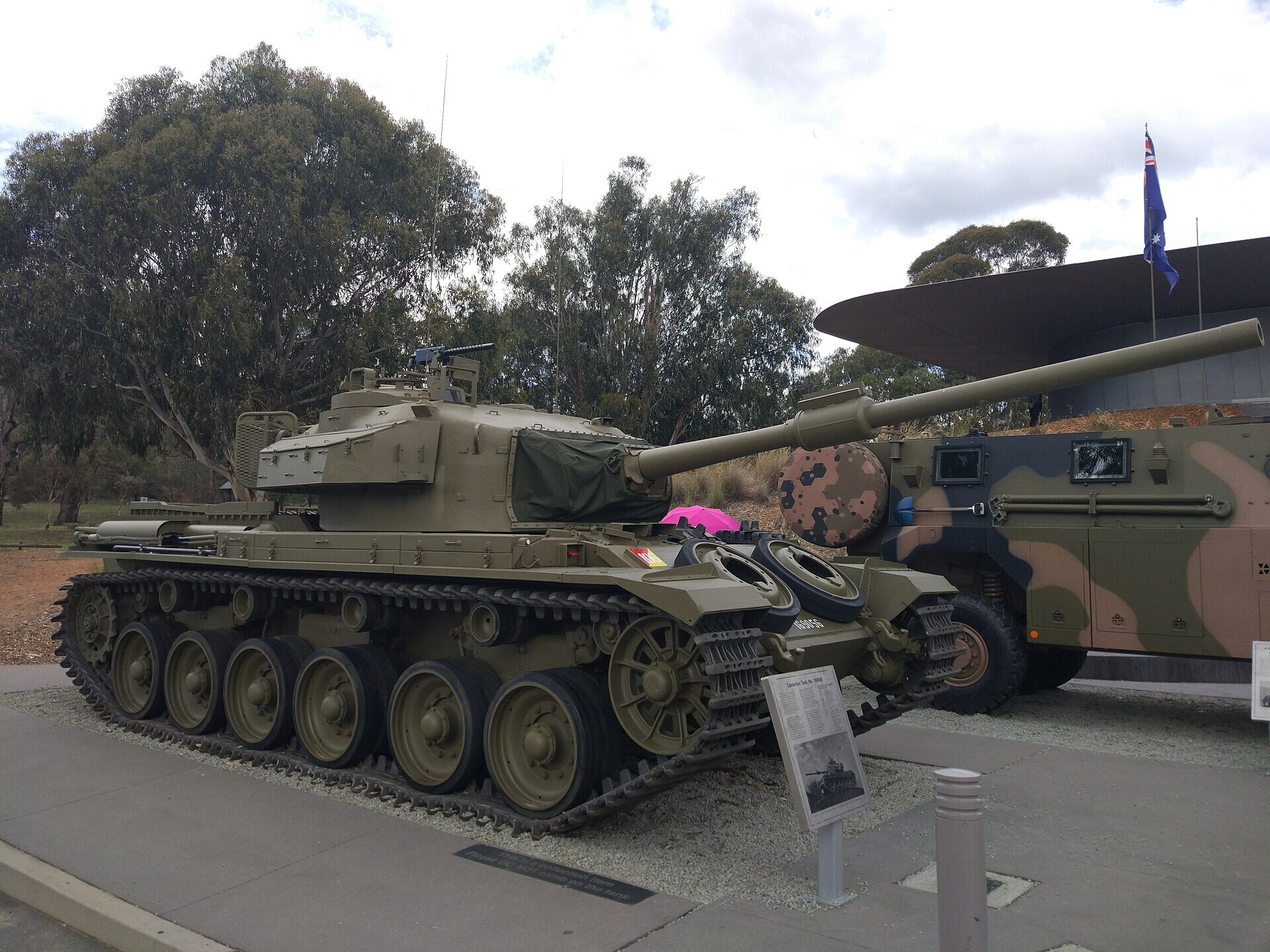
The Centurion Mk. 5/1 was a locally modified version of the British Centurion tank, developed to meet the operational needs of the Australian Army during the Cold War.
Australia acquired Centurion tanks in the early 1950s, and they became the Army’s primary armoured vehicle. The Mk. 5/1 variant incorporated additional armour protection, particularly on the glacis plate, improving survivability against anti-tank weapons.
The Centurion Mk. 5/1 is most notable for its service during the Vietnam War, where it proved surprisingly effective in jungle conditions despite initial scepticism about deploying heavy tanks in such an environment. A total of 58 Centurions served in Vietnam; 42 suffered battle damage, and two crewmen were killed in action. The tanks were used primarily for infantry support, including engaging fortified positions, clearing obstacles, and providing direct firepower.
One of the most significant actions involving the Centurion in Vietnam was the Battle of Bình Ba in June 1969. After an Australian Centurion was struck by an RPG while moving through the village, a ready reaction force, comprising infantry from 5th Battalion, Royal Australian Regiment (5RAR), a troop of Centurion tanks and armoured personnel carriers, was sent in to clear it. What followed was two days of intense house-to-house fighting against a combined North Vietnamese Army and Viet Cong force. The Centurions proved decisive, and the After Action Report described them as a “battle winning factor.” The Australians suffered one killed and ten wounded, while enemy losses totalled at least 107 killed.
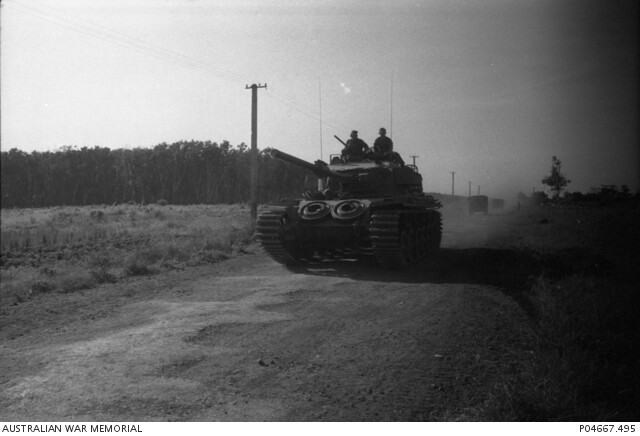
The Centurion remained in Australian service until it was replaced by the Leopard 1, marking the transition to a new generation of armoured vehicles.
Notable Tank: Leopard AS1
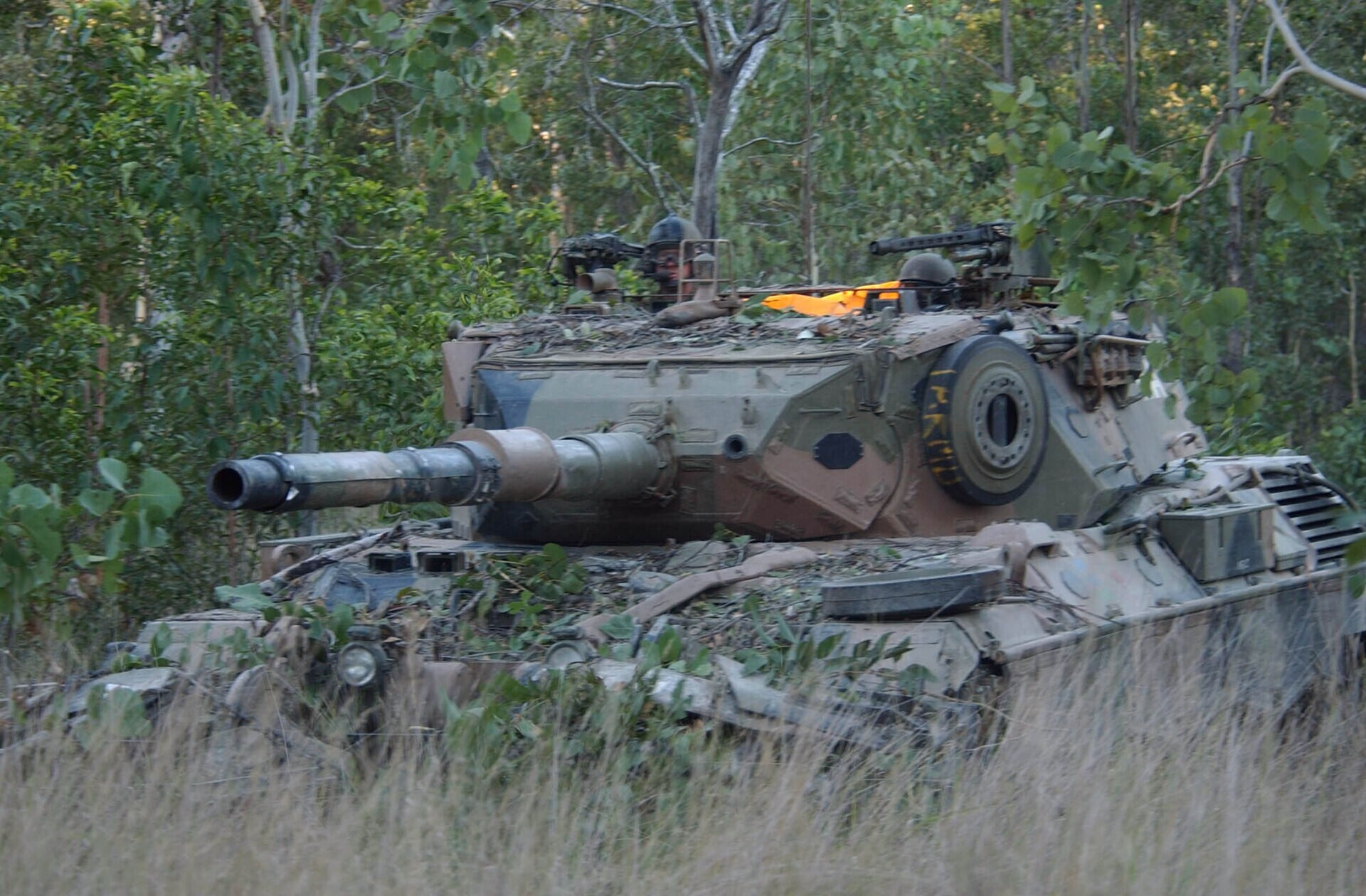
The Leopard AS1 was introduced into Australian service in the late Cold War period as a replacement for the Centurion tank. Based on the German Leopard 1, the AS1 variant included modifications for Australian service conditions, particularly improvements to communications and survivability in tropical environments.
The Leopard AS1 marked a shift in Australian armoured doctrine towards more NATO-standard equipment. However, it saw relatively limited operational use and was eventually replaced by the M1A1 Abrams AIM in the early 21st century.
Modern Use
Australia currently operates tanks that reflect a shift toward modern, highly capable systems designed for use in joint operations rather than large-scale independent warfare. Unlike countries that rely solely on domestically produced vehicles, Australia benefits from access to effective designs from its more powerful allies. While it no longer produces domestic tanks, it is still able to field a powerful armoured force suitable for both homeland defence and combined operations with allied partners.
Notable Tank: M1A1 AIM
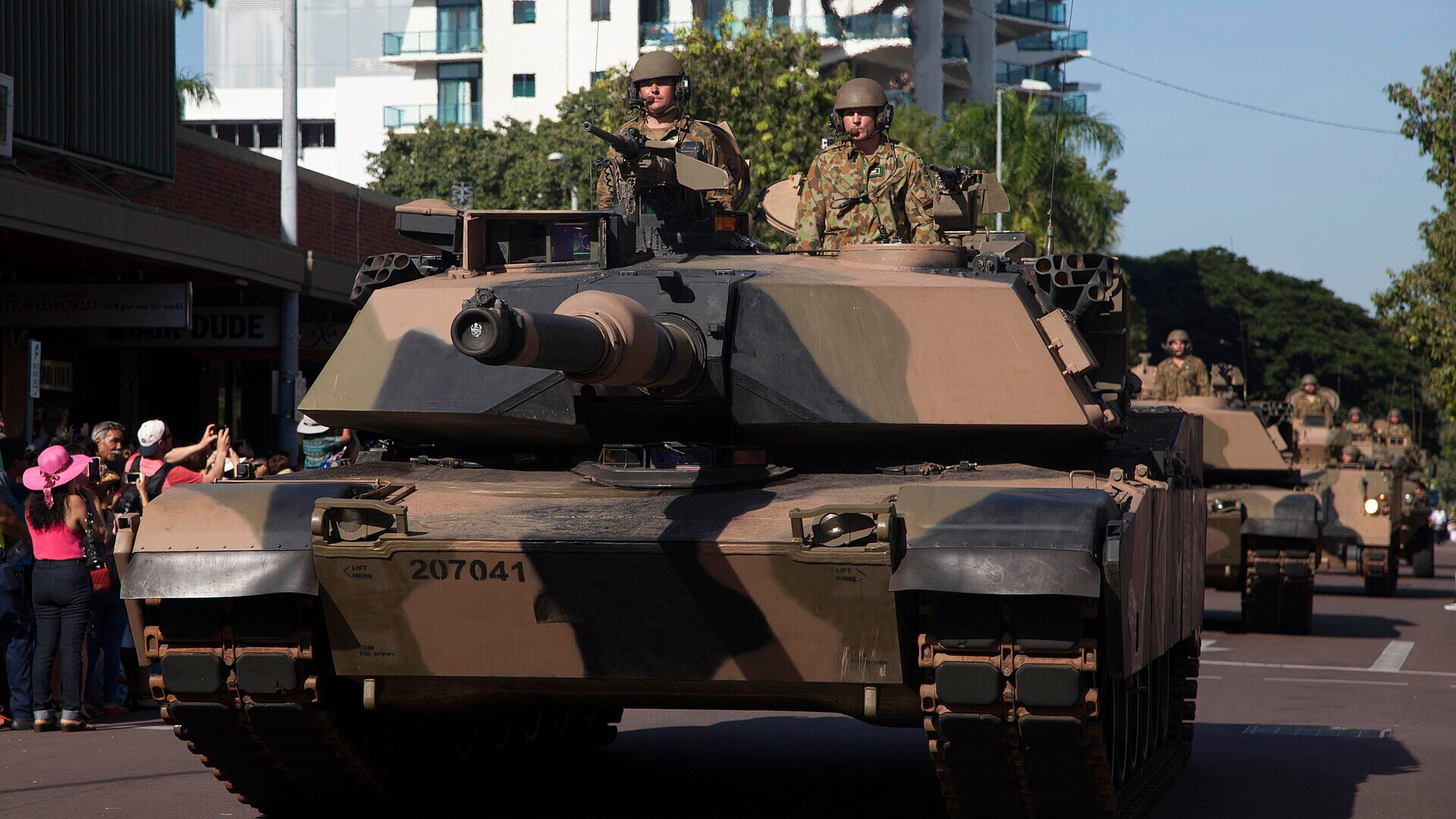
The M1A1 Abrams AIM is Australia’s upgraded version of America’s iconic main battle tank, the M1A1 Abrams. The AIM (Abrams Integrated Management) standard includes improvements in electronics, thermal imaging, and overall system reliability.
Australian M1A1 AIM tanks were later upgraded with the Situational Awareness (SA) package, which added features such as improved thermal sights, enhanced communications equipment, and external cameras to improve crew awareness of the surrounding battlefield, particularly in urban environments.
Australia acquired the M1A1 AIM to replace the ageing Leopard 1. The tank, like the M1A1, is equipped with a 120 mm smoothbore gun, advanced fire control systems, and composite armour, providing a high level of protection and firepower.
In Australian service, the M1A1 AIM is intended for use in high-intensity conflict as part of combined operations with allied forces. It represents a move toward interoperability with partners such as the United States, as well as a focus on expeditionary capabilities rather than purely domestic defence.
Notable Tank: Boxer CRV
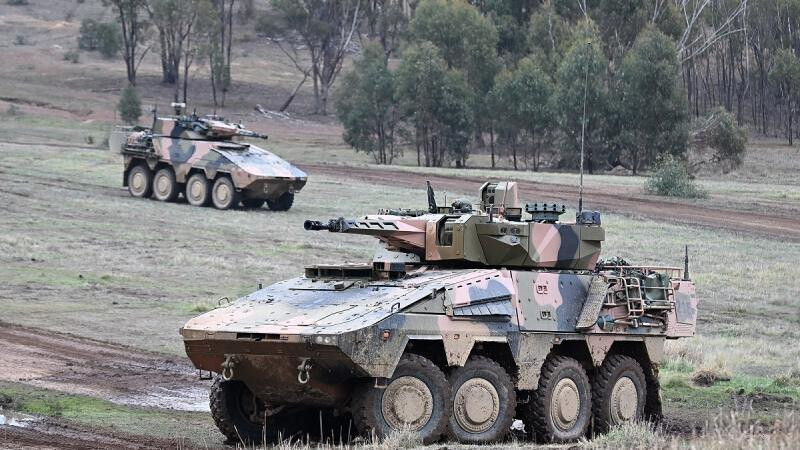
The Boxer CRV is a modern wheeled armoured vehicle introduced to replace older reconnaissance platforms in Australian service. It is being delivered in multiple batches, commonly referred to as Block 1 and Block 2, which together form the core of Australia’s wheeled reconnaissance and combat capability.
Under Block 1, the Australian Armed Forces received the first 25 vehicles, including reconnaissance and multipurpose variants. As of writing, Rheinmetall Defence Australia (RDA) is currently manufacturing and assembling the remaining 186 Boxer CRV Block 2 vehicles in Australia.
My Experience With Australian Tanks
As of right now, Australia uses a lot of tanks borrowed from multiple countries, such as American and Germany
Last year, I went to the Avalon Airshow, which not only featured multiple American aircraft such as the F-22 and the F-16, but also gave me the chance to see multiple Australian tanks up close. Not just the M1A2 SEPv3 Abrams, Austalia’s newest version the M1 Abrams, but also many other vehicles operated by Australia. Below is a gallery containing the highlights of my trip.
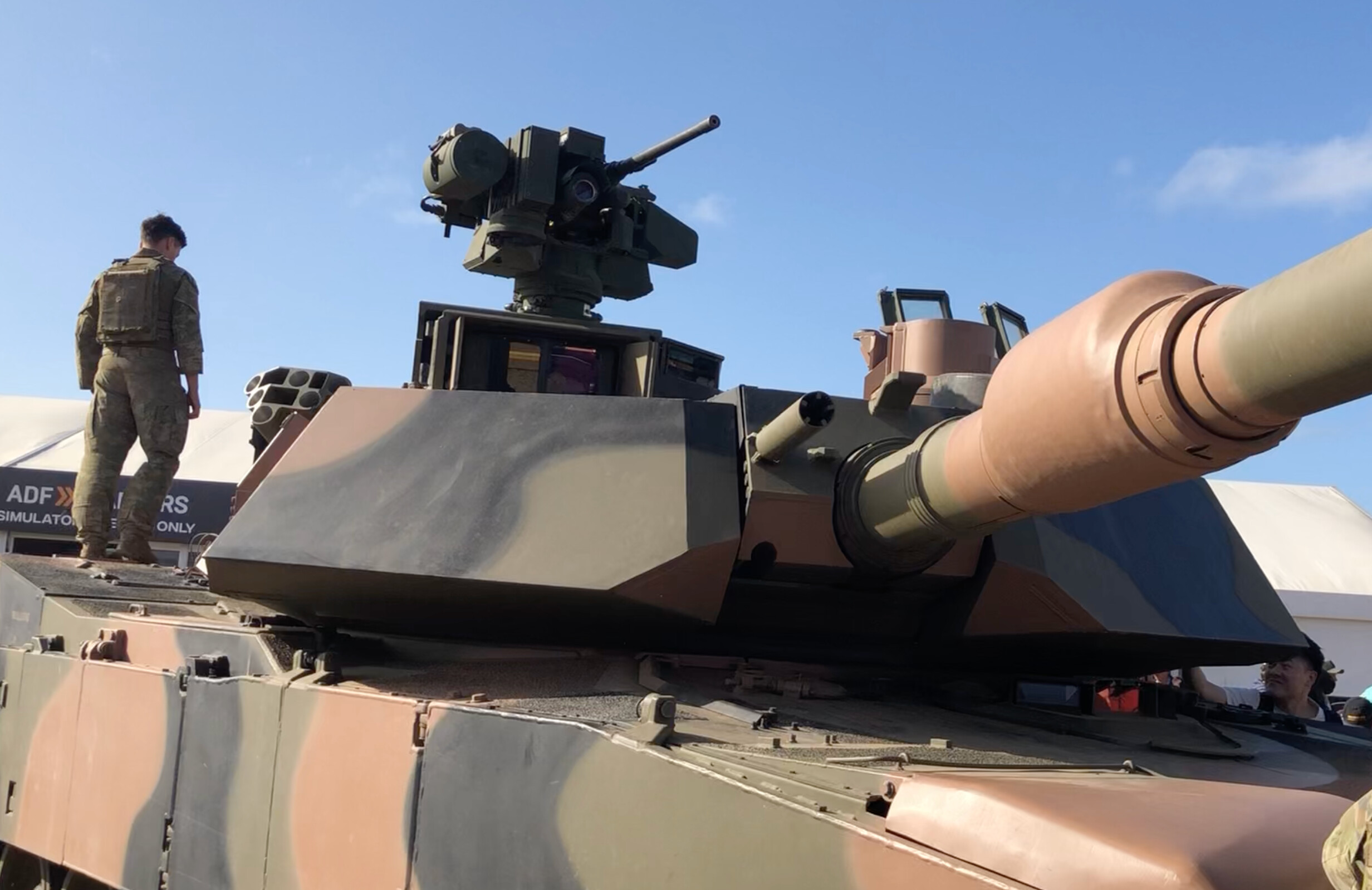
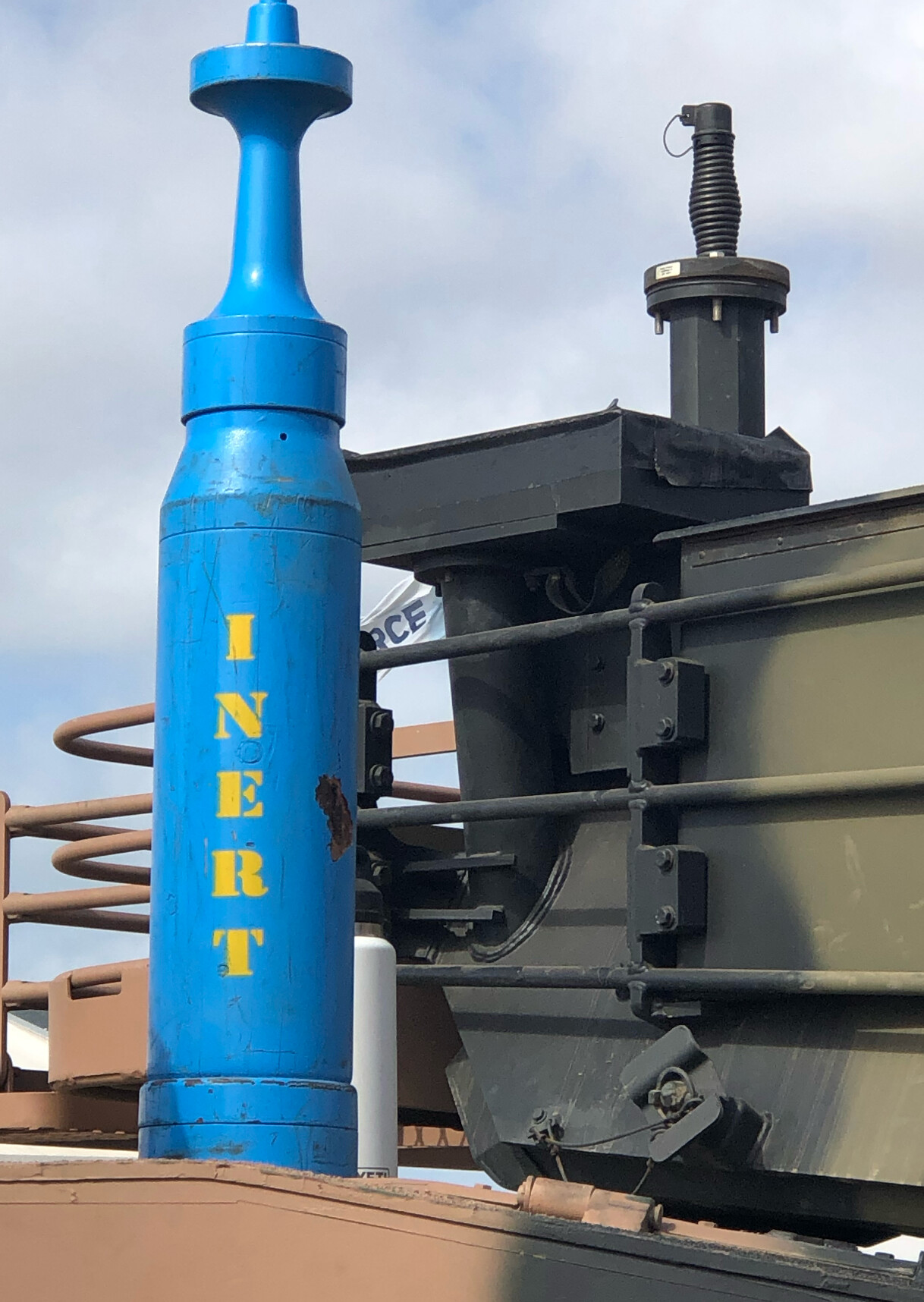
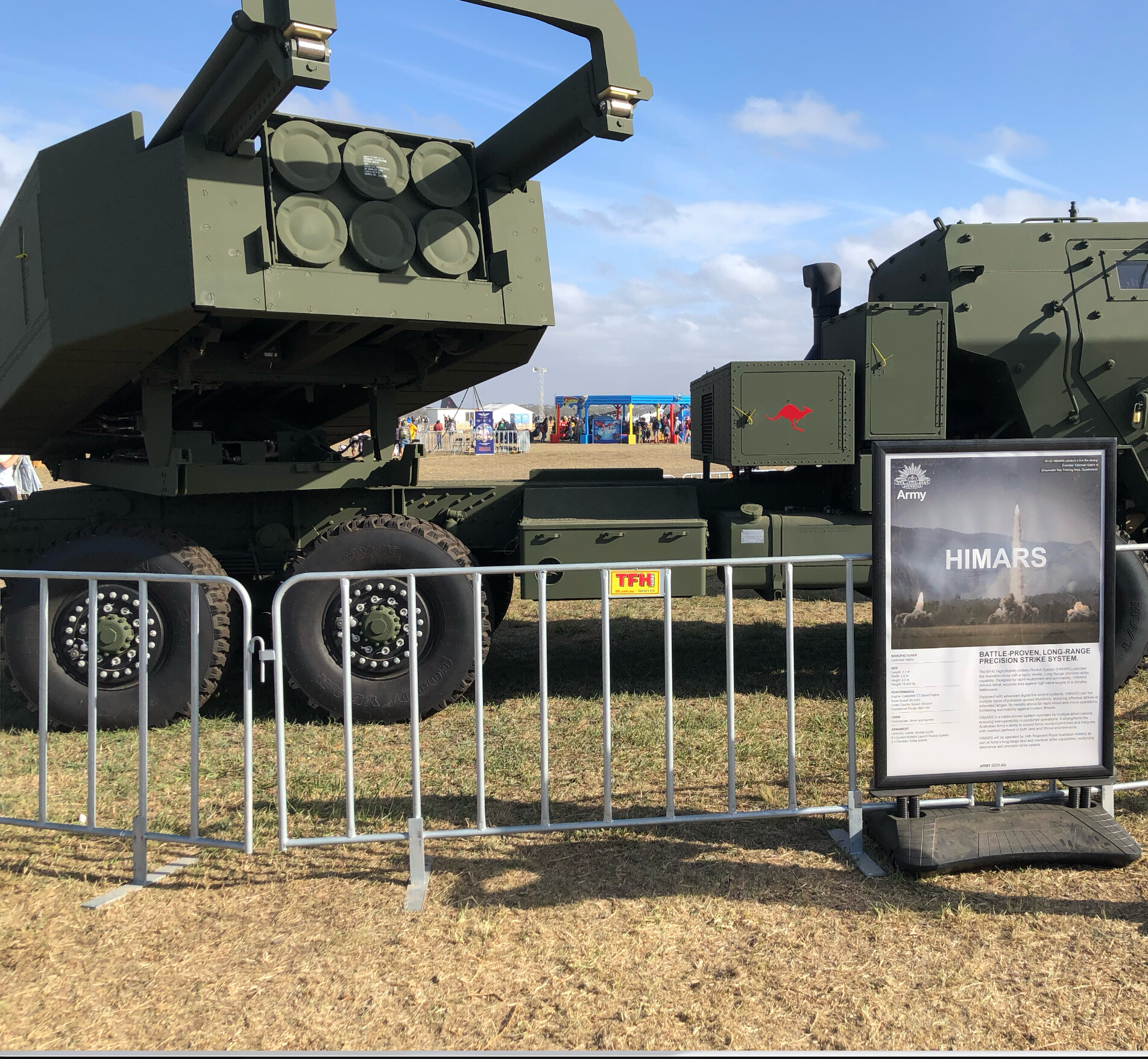
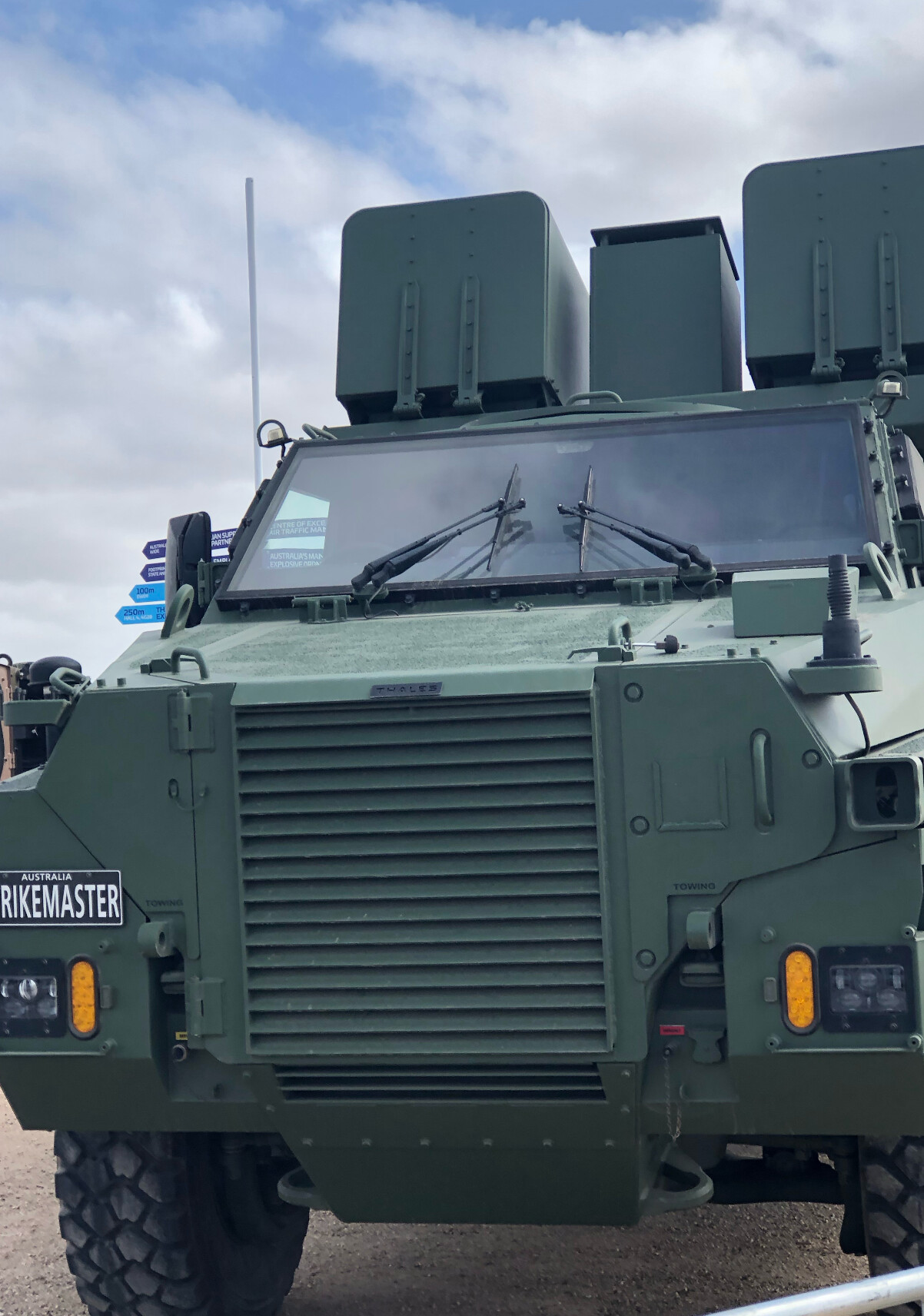
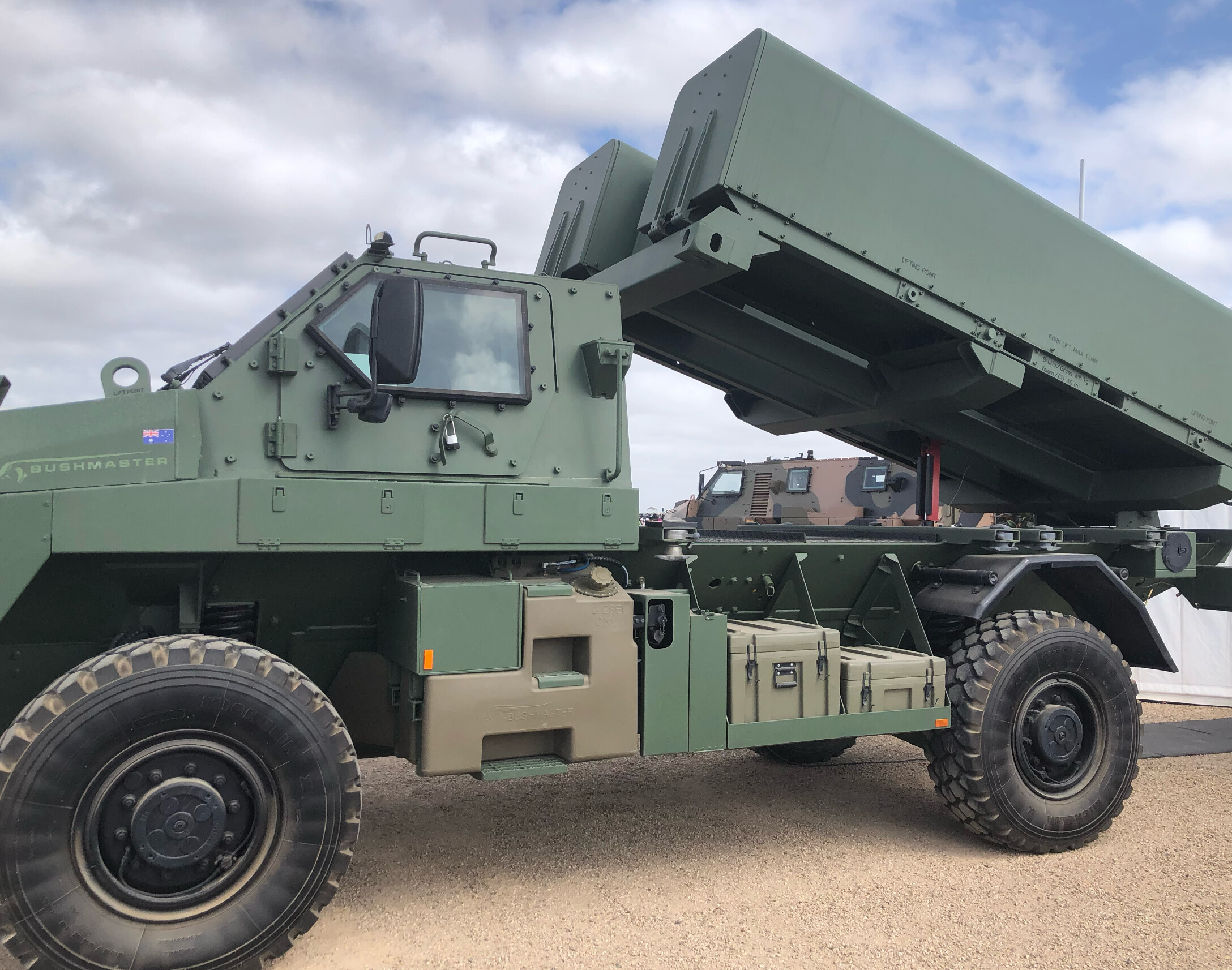
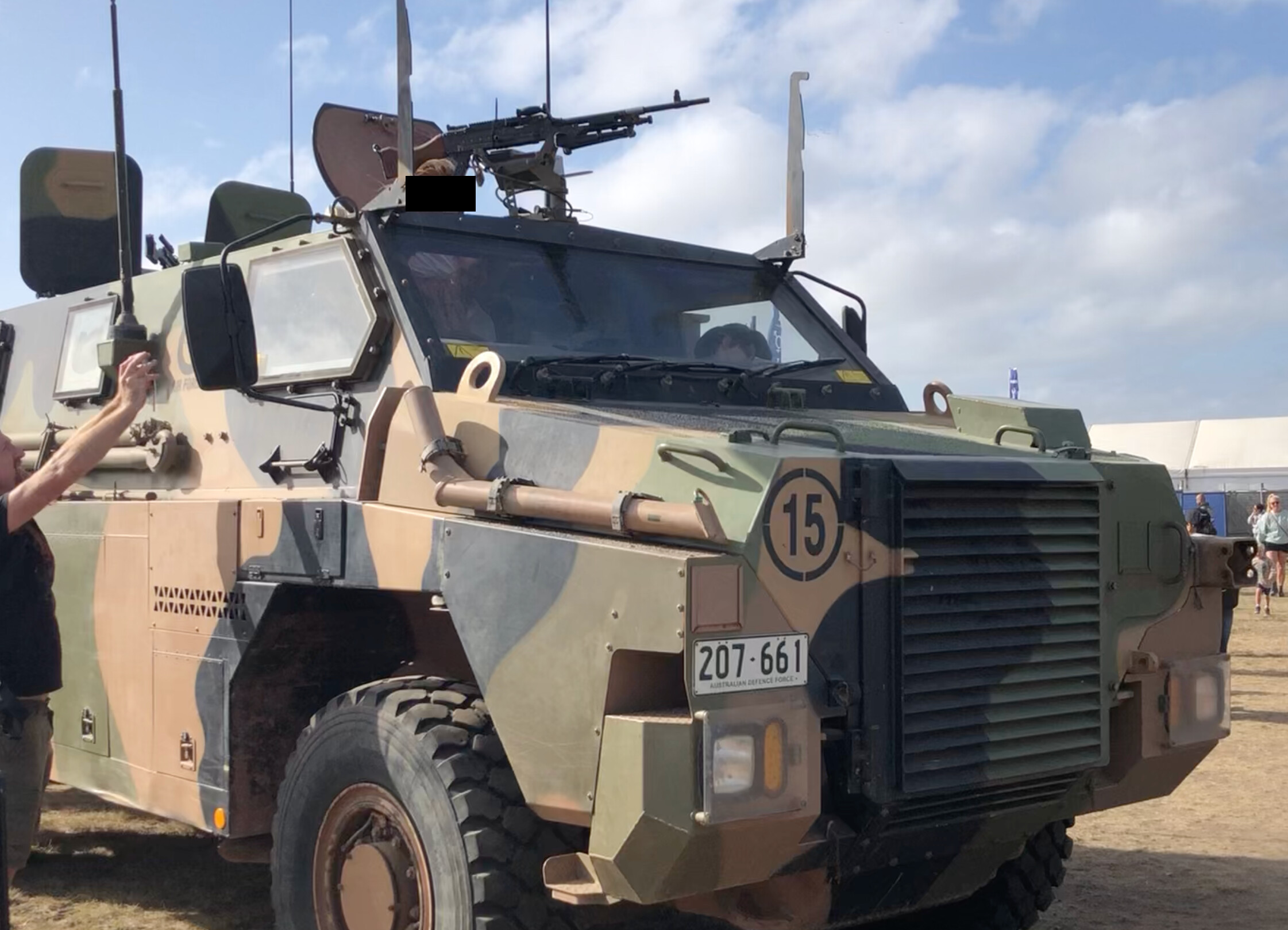
Photo 2: An inert APFSDS shell of the Abrams.
Photo 3: The HIMARS MLRS (Multiple Launch Rocket System) vehicle.
Photo 4 and 5: The Australian StrikeMaster missile system, capable of shooting missiles for coastal defence.
Photo 6: An Australian Bushmaster armoured vehicle, used for carring personnel.
A.C.I
National Archives Australia (Item Number 663589)
A.C.III
National Archives Australia (Item Number 442932)
National Archives Australia (Item Number 376030)
A.C.IV
National Archives Australia (Item Number 442932)
National Archives Australia (Item Number 376030)
Matilda Hedgehog
Battle of Bình Ba
Oxford HASS (Humanities and Social Science) Year 10 textbook (physical copy).
Centurion Mk. 5/1
Leopard AS1
M1A1 AIM
Boxer CRV
Other
And last, but not least, my own personal experiences!