
The Wiesel is a small armored weapons carrier (AWC) that can boast a wide variety of armaments capable of accomplishing many tasks. Since its development in 1969, the Wiesel still serves the German Bundeswehr to this day. With its small size and quick agility, the name “Wiesel” was very fitting.
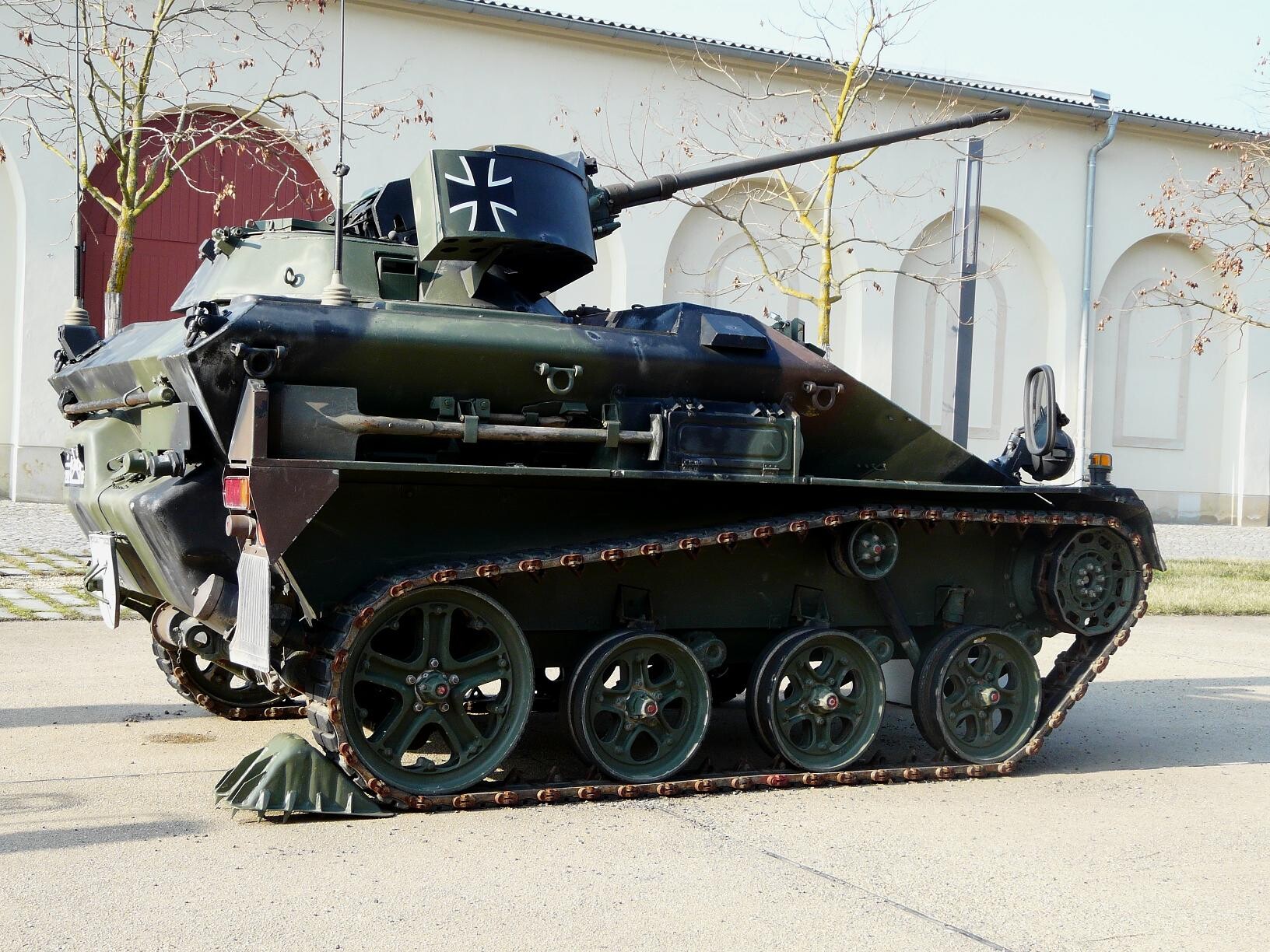
Development
Wiesel 1
After World War II, Germany had been split into two: the West and the East. Out on the West, the German Bundeswehr was in need of a lightly armored vehicle to replace the Kraftkarren.
Requirements for the vehicle were that it could be airdropped by large cargo aircraft such as the C-130 and be lightly armored to protect the crew against small-arms fire and shrapnel. The new vehicle would also need to be versatile in terms of armament to deal with many threats, such as a missile carrier or a 20 mm autocannon. Requirements for weight, however, would change over the years, going from 7.5 tonnes to 6 tonnes max.
Porsche was the one to produce prototypes. Two rounds of prototypes were made, resulting in the Wiesel weapons carrier. By late 1973, several companies had submitted their proposals. By 1975, Porsche had been contracted for the program. For three years, Porsche designed prototypes, with the Wiesel 1 weighing 2.75 tonnes, until budget issues in 1979 halted the program. Despite the project abandonment, the vehicle was still worked on by Porsche due to foreign interests.
Pressure from the Fallschirmjäger would eventually force the Bundeswehr to revisit the idea in 1983. Design requirements were changed once more, having the Wiesel 1 be able to be transported on a CH-53G. Porsche’s tracked design had won, with more testing underway. During additional testing, Porsche saw about improving mobility in the Wiesel 1, giving it new engines and an automatic transmission. This added weight, however, required the use of high-hardness steel plates. This overall weakened the Wiesel 1 due to its high brittleness.
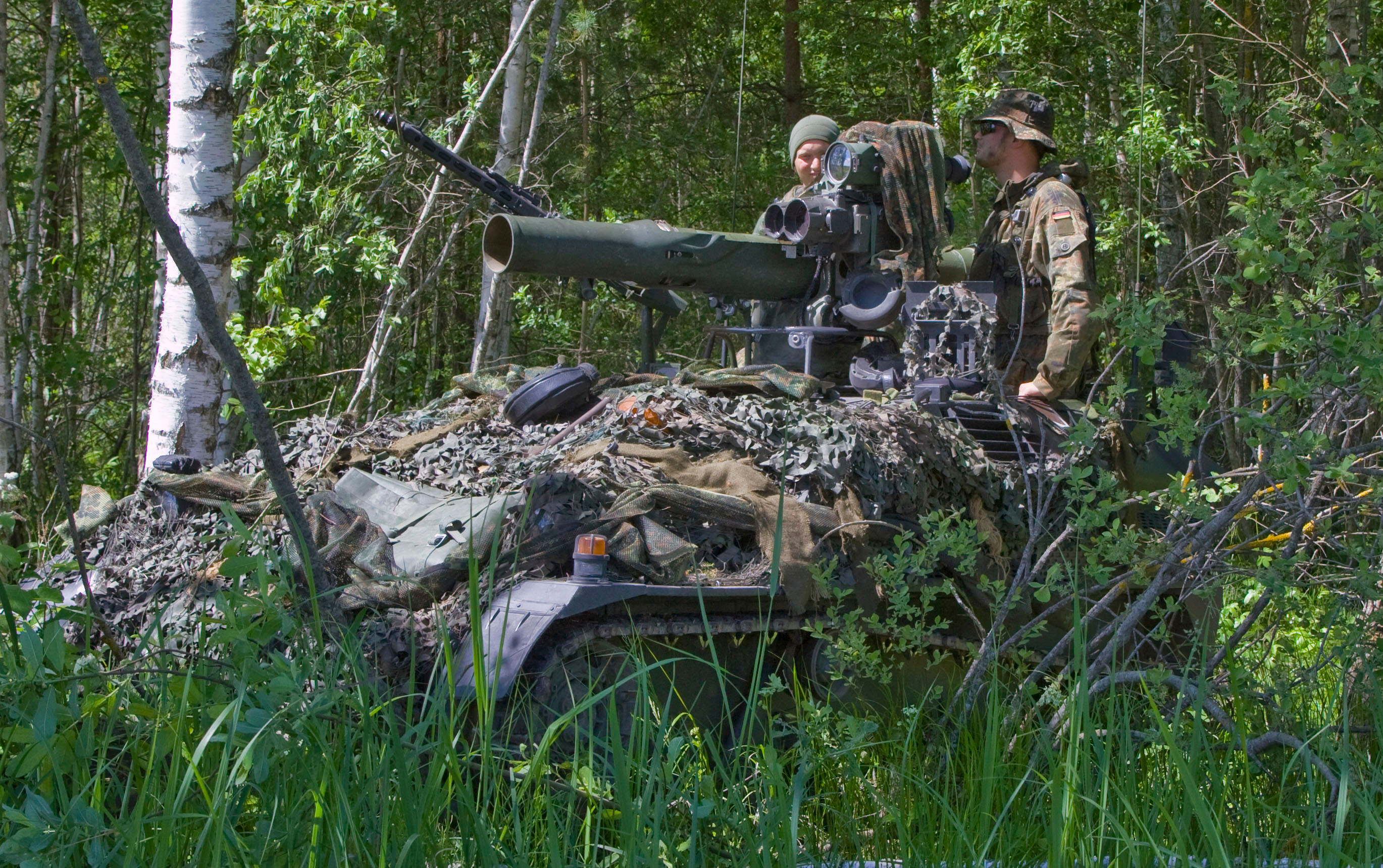
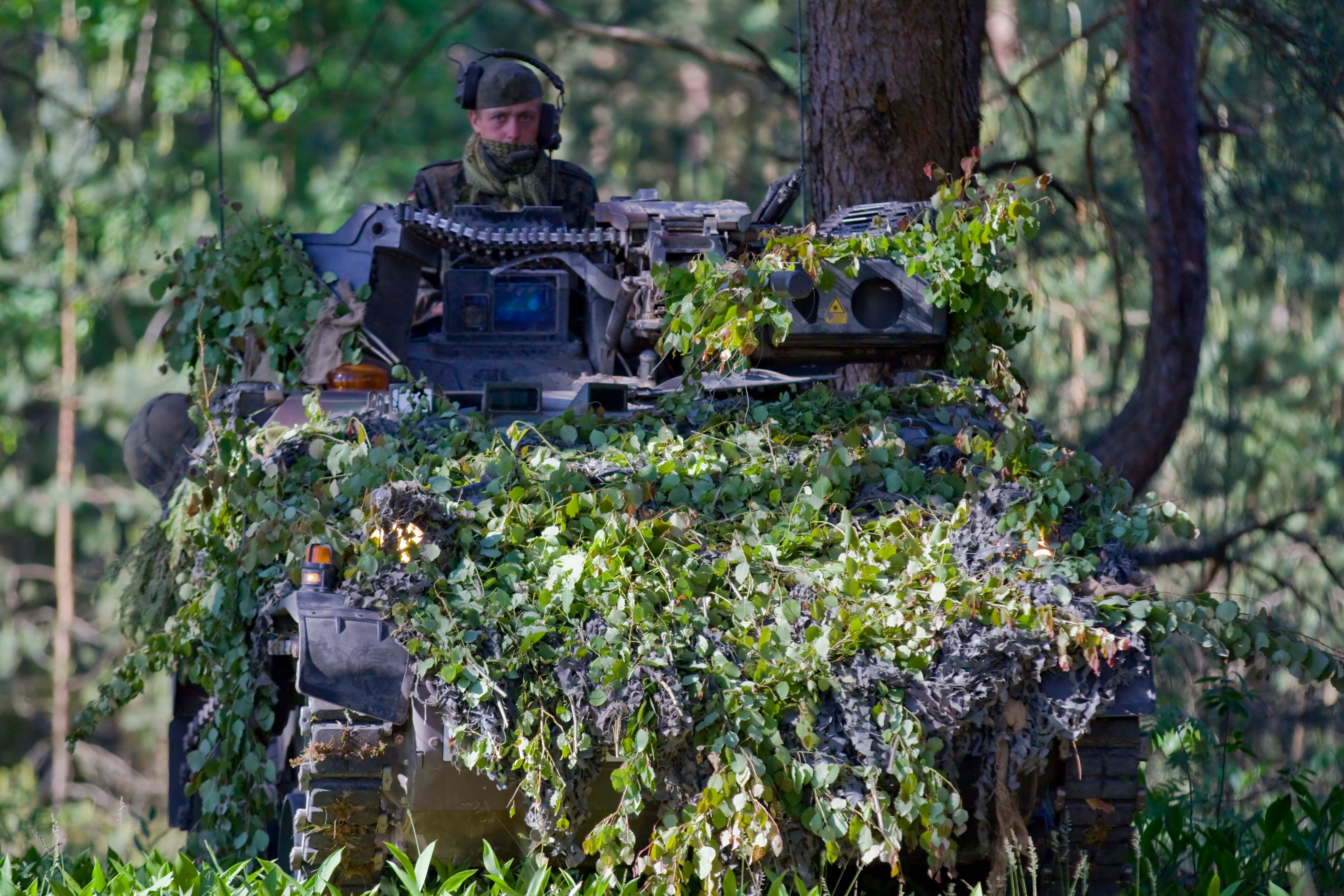
Porsche was to finish development in June of 1985 and be able to deliver the Wiesel 1 before the retirement of the Kraftkarren. In June of 1987, the Wiesel 1 had finally entered service for the Bundeswehr. They ordered 343 Wiesel vehicles, 210 of which were equipped with the Raytheon TOW system, with the remaining 133 equipped with the dual-feed Rheinmetall Mk 20 DM 6 A1 20 mm autocannon.
Wiesel 2
In June 1994, another prototype would be finished. This time, Rheinmetall was the one to lead. This would end up being the Wiesel 2. The Wiesel 2 follows the same requirements as the Wiesel 1, being able to be airdropped, versatile, and lightly armored. In 1995, the Bundeswehr ordered the Wiesel 2 and started testing its effectiveness in 1997. Testing would prove the Wiesel 2's capabilities, and in 2001, it entered service for the Bundeswehr.
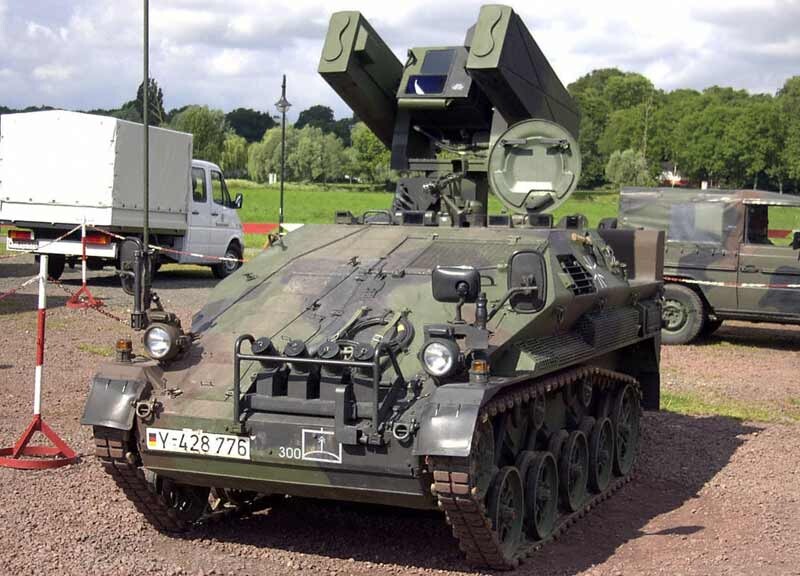
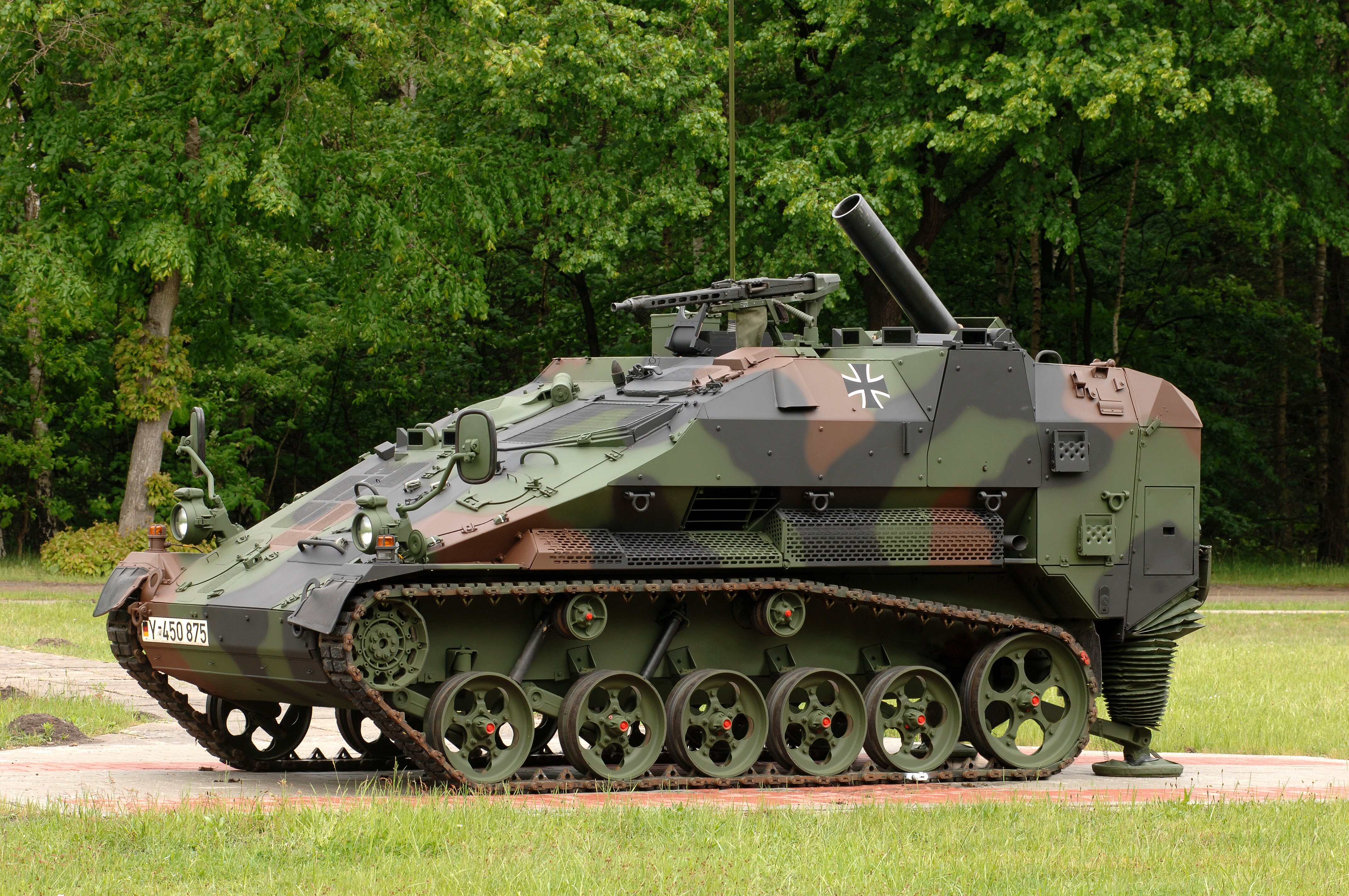
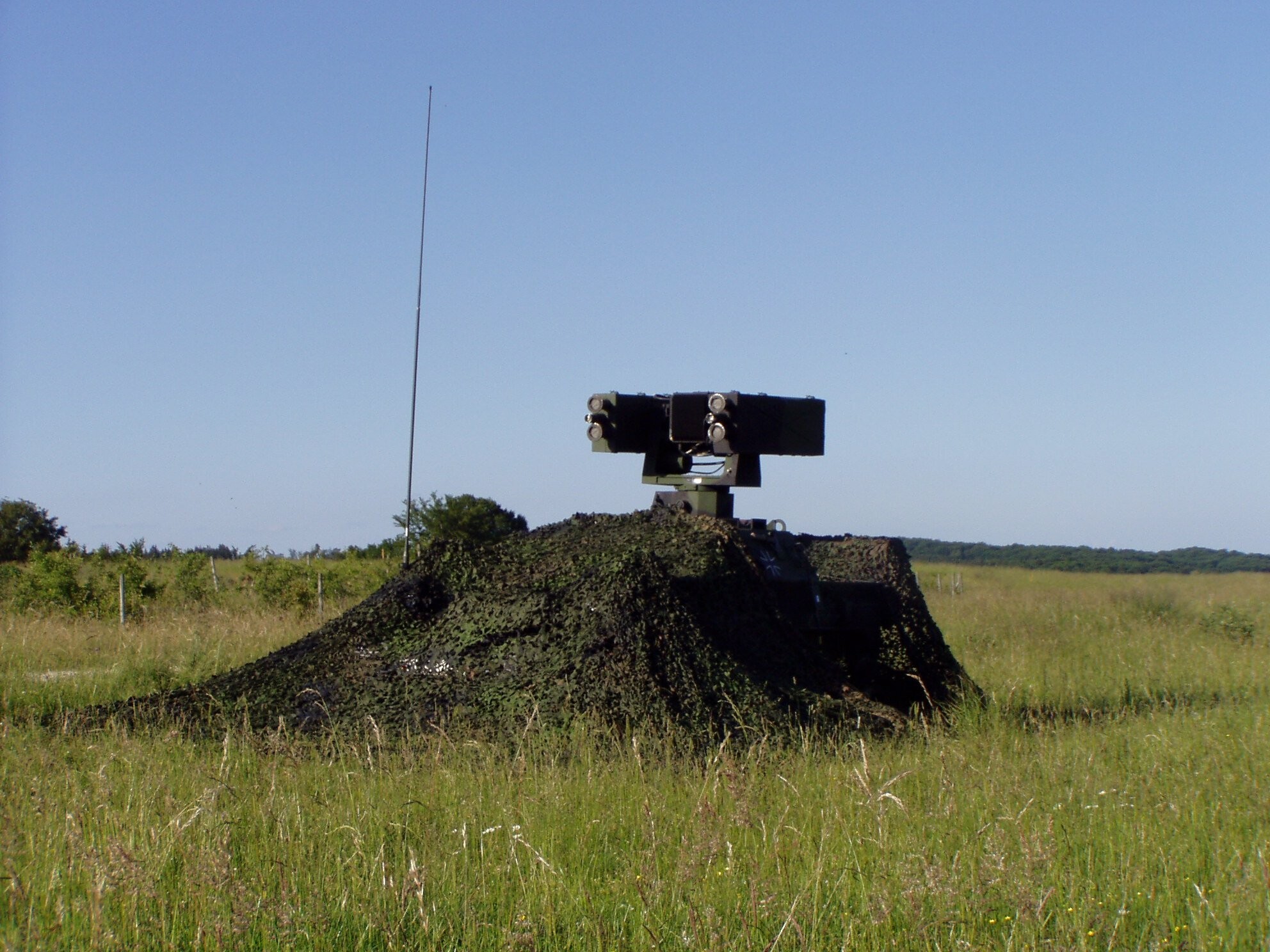
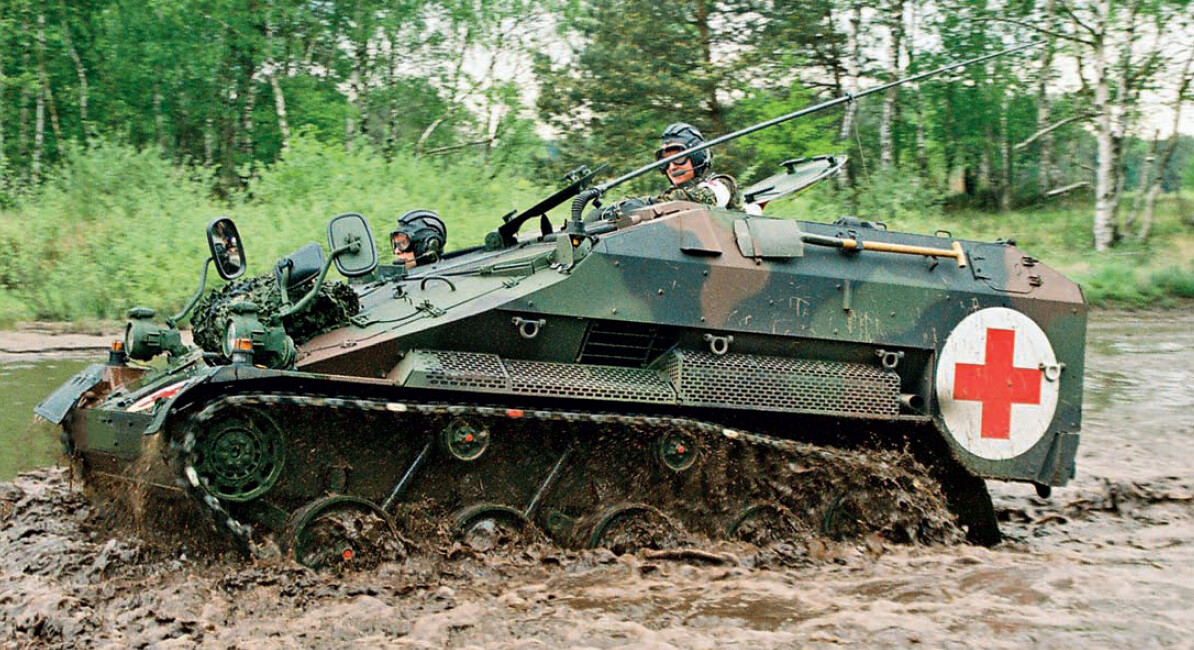
179 Wiesel 2s have been ordered, with 148 already delivered. Many of these Wiesel 2s have been equipped with the ASRAD air defense system (better known as the Ozelot), a 120 mm mortar, or as an ambulance or combat-support vehicle.
The Wiesel 2 was a larger version of the Wiesel 1, being approximately 1.5x heavier at 4.1 tonnes with an additional road wheel. The Wiesel 2 is overall better than the Wiesel 1, having better armor, mobility, and comfort.
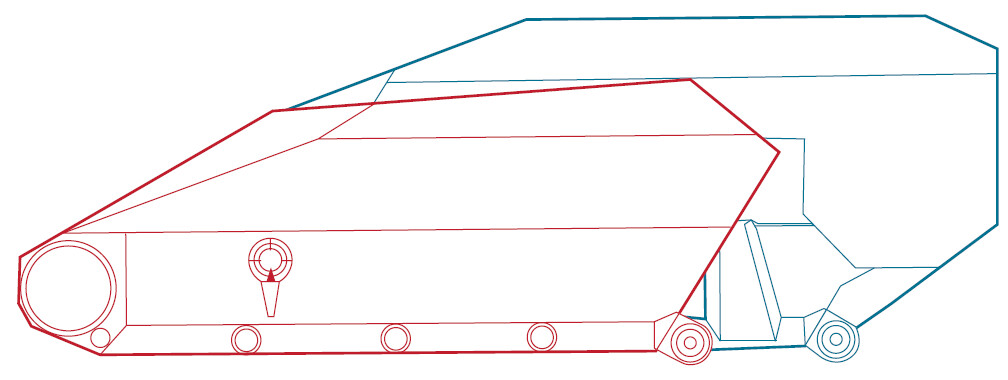
Prototypes
During the Wiesel 1's development, many prototypes were procured but never made it past development. Many of these prototypes would be scrapped and never put into production.
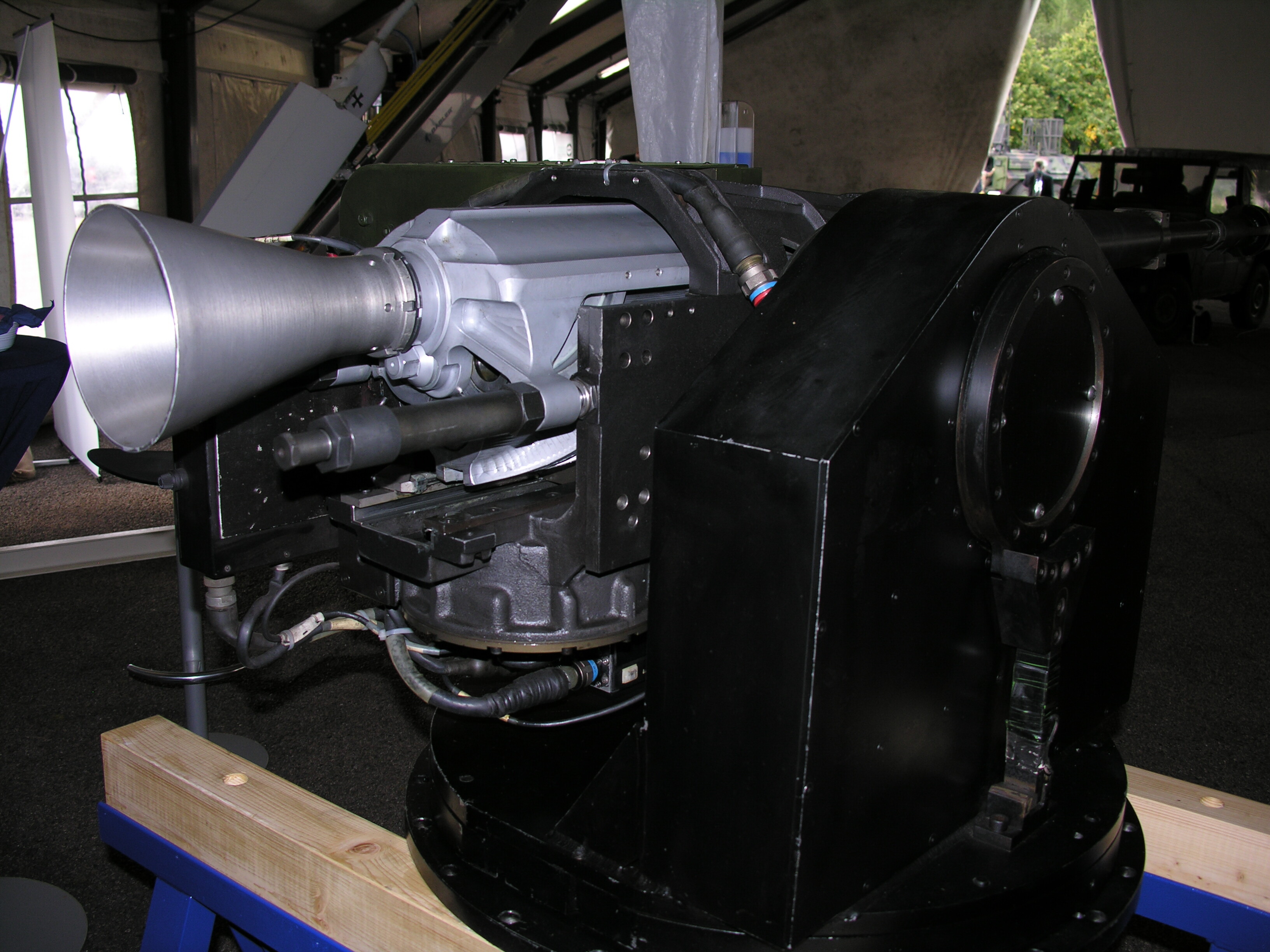
The Wiesel 1 RMK 30 used a recoilless revolver cannon. It fired 30mm rounds, which were fed constantly into a 3-chamber revolver. Rounds would be pushed upward, then back into the 3-round chamber. After every shot, the chamber would rotate, allowing the next round to fire while the last chamber would reload. Gas would escape through the funnel in the back of the barrel, making it recoilless.
The Wiesel 1 HOT would compete with the TOW system for the French/West German Haut subsonique Optiquement Téléguidé Tiré d’un Tube (HOT). The HOT is a second-generation, wire-guided anti-tank guided missile. However, the TOW ATGM would be chosen, leaving the HOT ATGM behind.
The Wiesel 1 BTM-208 used the SAMM BTM-208 turret. It is an enclosed turret equipped with the M2 Browning. Additionally, the prototype would also be equipped with the MG3. This prototype never made it past prototype construction, as the Wiesel 1 MK 20 would prove to be better than the Wiesel 1 BTM-208.
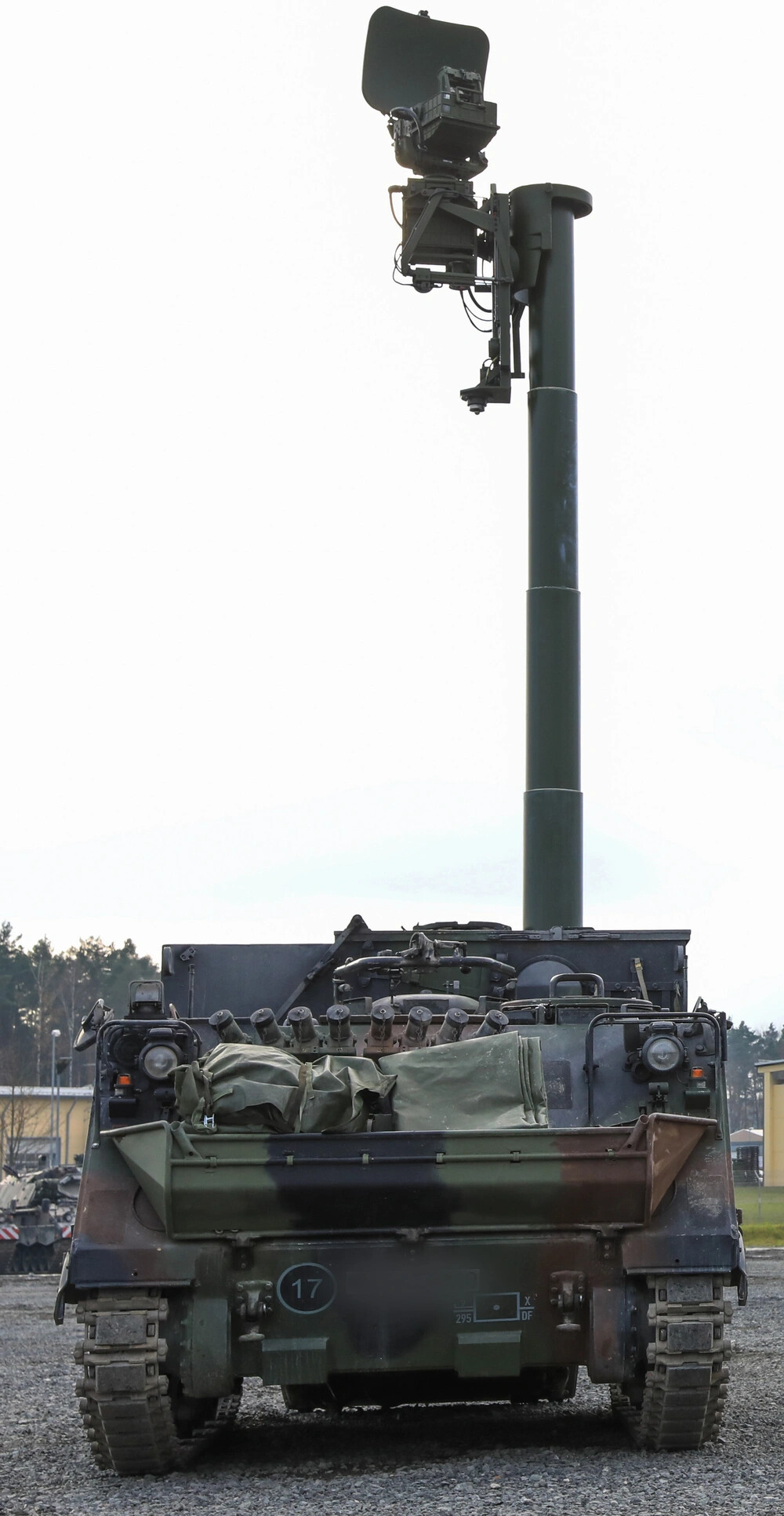
The Wiesel 1 RATAC-S had the Wiesel 1 equipped with the RATAC-S surveillance and acquisition radar. The radar operates on the X-band and is pulse-Doppler, scanning and tracking targets on the ground.
The Wiesel DIOK was an experimental Wiesel 1 MK 20 with hydropneumatic suspension and additional road wheels. These upgrades were to increase mobility across rougher terrain.
Service
Wiesel 1 Service
The Wiesel 1 would be used in several conflicts around the world for peacekeeping purposes. The Wiesel 1 may have had some use during the UNOSOM II in Somalia, as the Bundeswehr sent the 261st Parachute Infantry Battalion from the Fallschirmjäger. During the Bosnia-Herzegovina peace enforcement forces, the Wiesel 1 would be present from 1995 to 2004 in the region for peacekeeping purposes. The Wiesel 1 has also had some reports of use during the early years of the Kosovo Force. The Wiesel 1 may have also been sent to the Republic of Northern Macedonia as part of Operation Essential Harvest to disarm Albanian insurgents. Wiesel 1 is also speculated to have been involved from 2001 to 2014 in the International Security Assistance Force in Afghanistan. The most current reported use of the Wiesel 1 is during Operation Raus aus Khartum (Out of Khartoum) in 2023 to defend the Wadi Seidna Air Base in Khartoum, Sudan, while evacuating civilians.
Wiesel 2 Service
The Wiesel 2 officially entered service with the Bundeswehr in 2001. Rheinmetall produces the Wiesel 2. Since its debut, the Wiesel 2 has not seen combat or use in or outside of Germany.
Specifications
Comparison
| Wiesel 1 | Wiesel 2 | |
General | Combat Weight: 2.8 tonnes Speed: 75 km/h Crew: 2-3 (driver, commander, gunner) Length: 3.55 m Width: 1.82 m Height: 1.83 m Range: 300 km Engine: Audi 2.0 L Five-Cylinder Inline Turbo Diesel 85 Horse Power | Combat Weight: 4.1 tonnes Speed: 70 km/h Crew: 2≤ (driver, commander, infantry) Length: 4.18 m Width: 1.87 m Height: 2.17 m Range: 550 km Engine: Volkswagen 1.9 L Straight-Four Cylinder Turbo Diesel 109 Horse Power |
Versions | - TOW ATGM System - Spike/MELLS ATGM - Rheinmetall MK20 RH 202 - Mine Clearance System - Reconnaissance | - Leichtes Flugabwehrsystem - Engineering Scout - Command Post - Ambulance - 120 mm Mortar - Minelayer Trailer - Air Defense Radar |
Weaponry
Rheinmetall MG 3 — Source
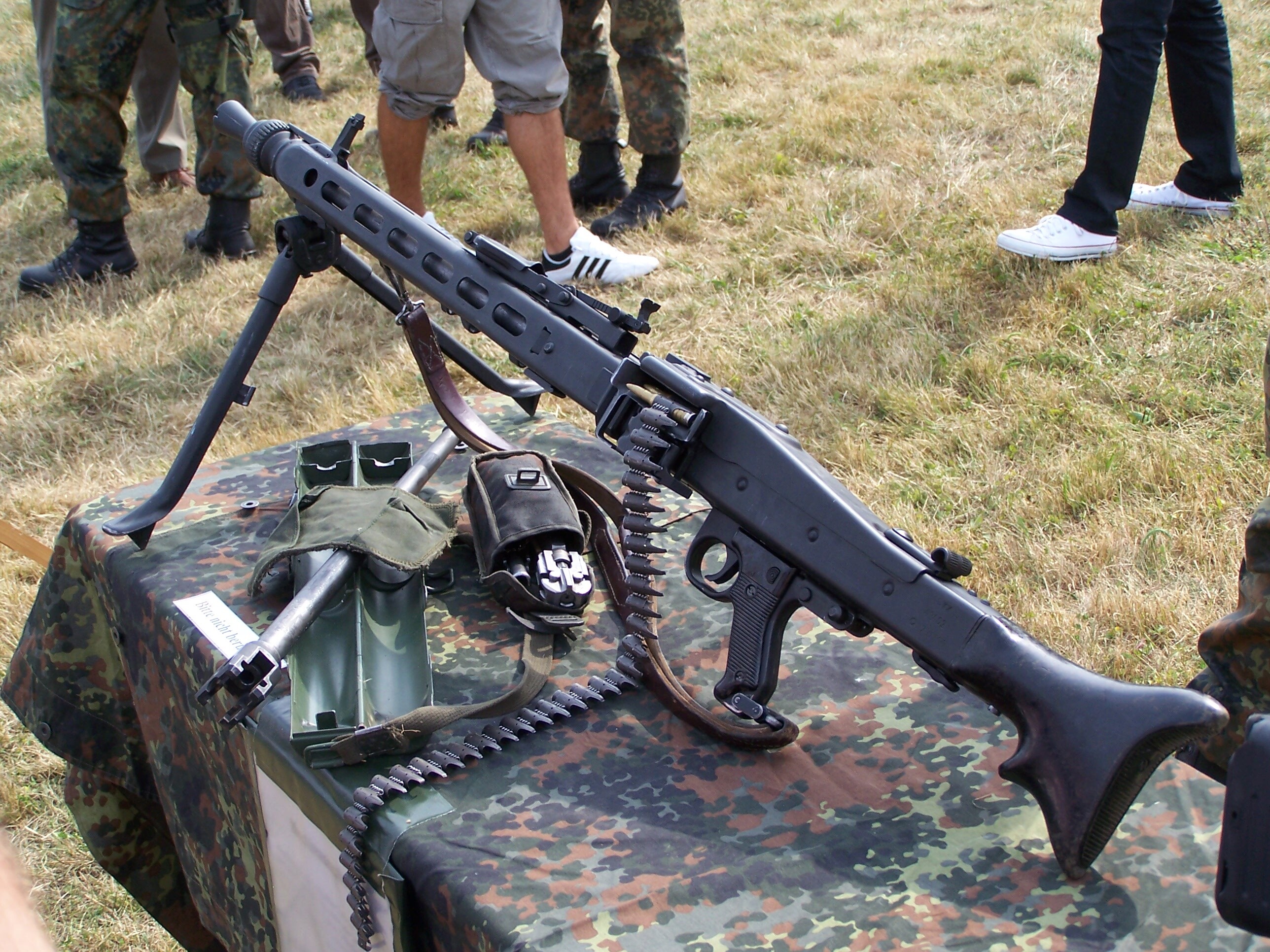
Wiesel 1
TOW ATGM System — Source
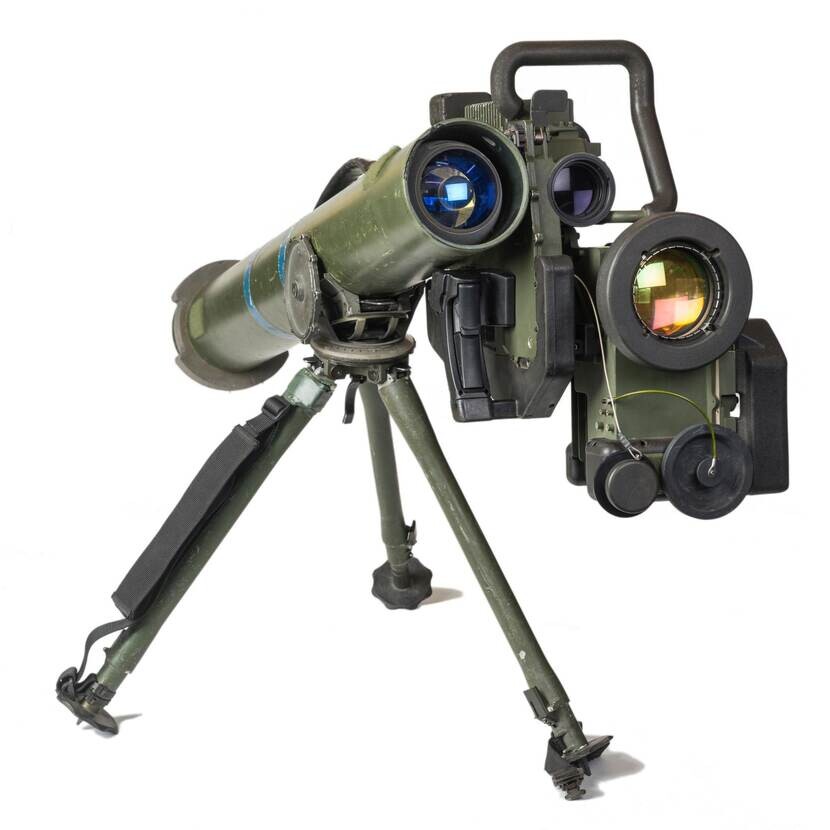
Spike(MELLS) AGTM — Source
Rheinmetall MK20 DM 6 A1 — Source
Wiesel 2
Leichtes Flugabwehrsystem — Thomas Hartwig Source CC BY 2.0 de
The 120 mm Mortar — Rheinmetall AG Source CC BY-SA 3.0 Unported
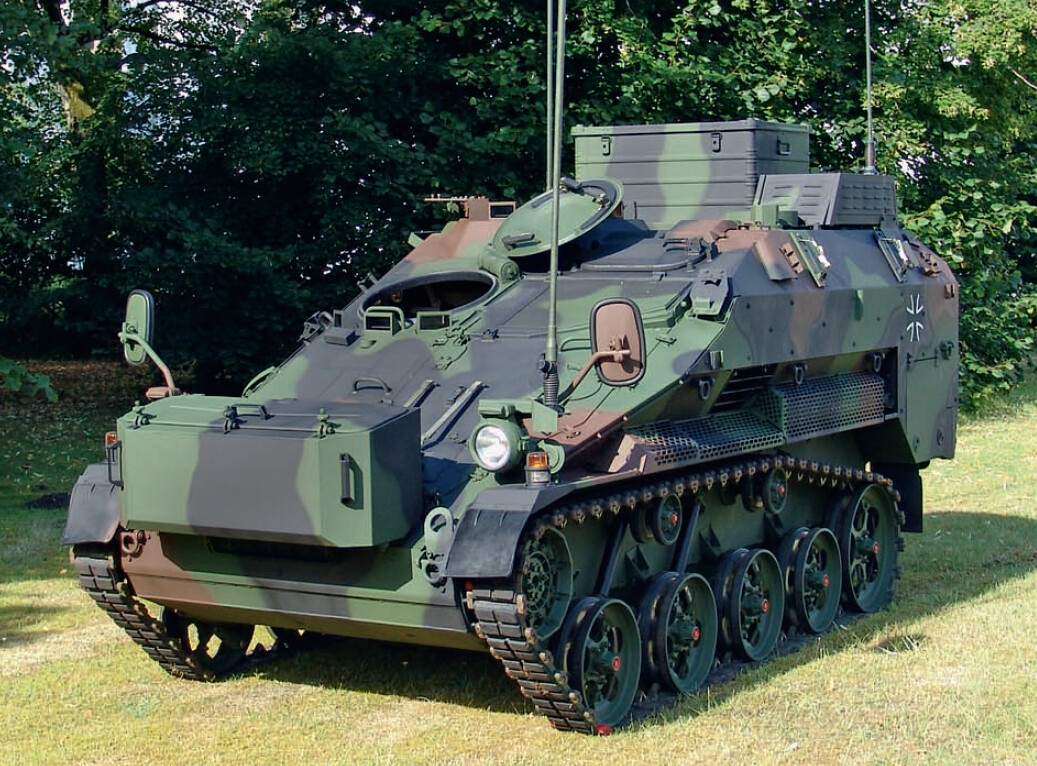
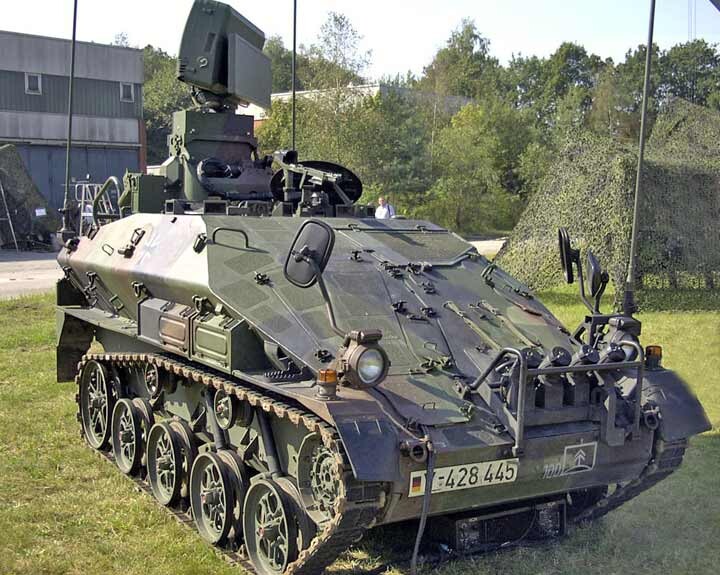
(MechInf — Source: CC BY-SA 3.0 Unported; Thomas Hartwig — Source: CC BY-SA 3.0 Unported; Charly Whisky — Source: CC BY 2.0 de; Rheinmetall AG — Source: CC BY-SA 3.0 Unported)
Sources
- https://www.army-technology.com/projects/wiesel2/?cf-view
- https://en.wikipedia.org/wiki/Wiesel_(weapons_carrier)#
- https://web.archive.org/web/20070311202500/http://www.rheinmetall-defence.com/index.php?fid=1398&lang=3&pdb=1
- https://web.archive.org/web/20070927190230/http://www.rheinmetall-defence.com/index.php?fid=1401&lang=3&pdb=1
- https://defensearchives.com/editorials/wiesel-1-the-last-tankette/
- https://www.slashgear.com/1479748/germanys-tiny-powerful-tank-wiesel-awc/
- https://www.army-guide.com/eng/product1847.html
- https://armoredwarfare.com/en/news/general/vehicles-focus-wiesel-1-tow
- https://www.wikiwand.com/en/Wiesel_(weapons_carrier)
- https://www.forecastinternational.com/archive/disp_pdf.cfm?DACH_RECNO=1584
- https://en.wikipedia.org/wiki/J%C3%A4ger_(infantry)#After_Second_World_War
- https://www.armyrecognition.com/archives/archives-land-defense/land-defense-2022/germany-deploys-ozelot-mobile-short-tange-air-defense-missile-system-in-lithuania
- https://www.army-guide.com/eng/article/article.php?forumID=1329