
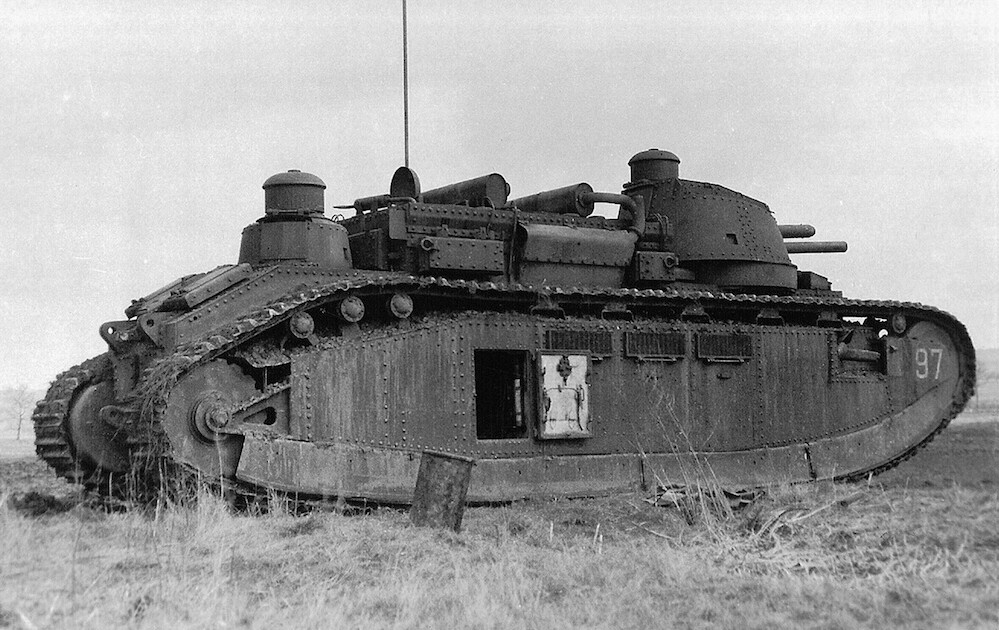
Have you ever wondered what those spinning things are on the gunner’s or commander’s hatch of the French Char 2C or 2C Bis? In this article, you’ll discover what they are, how they work, and why they were used.
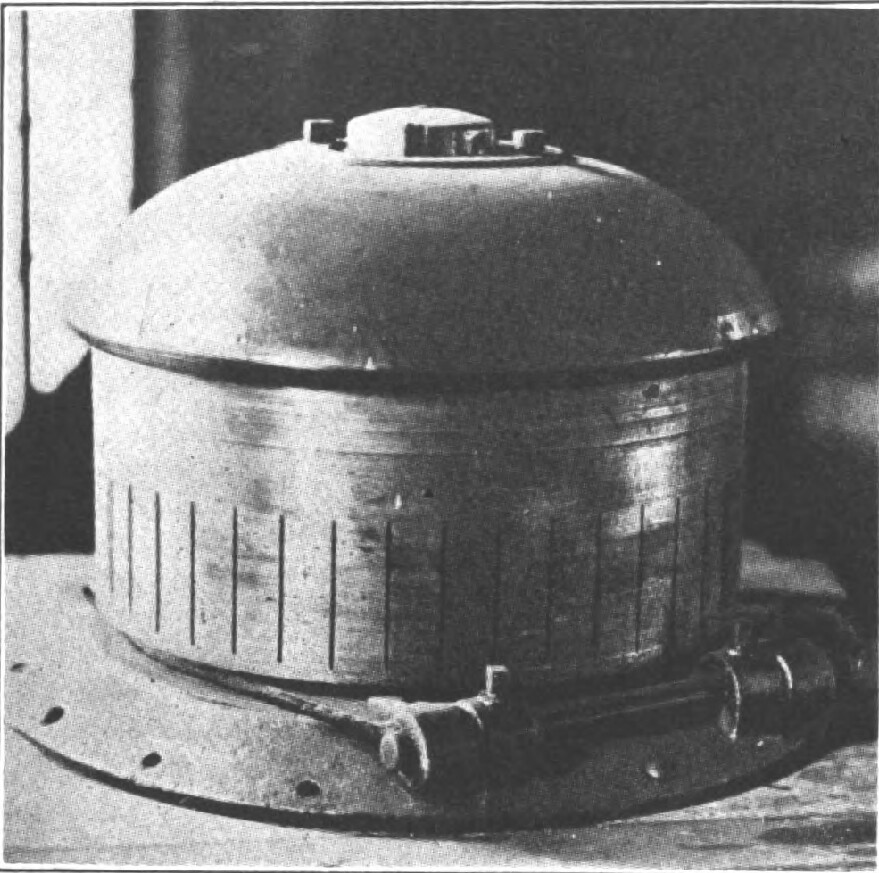
What are Stroboscopic Cupolas?
Stroboscopic cupolas were a special type of rotating observation dome designed to give tank commanders a 360-degree view of the battlefield while remaining protected by armor. As the cupola rotated, the aligned slits created the illusion of an open hatch. This improved situational awareness, helping the crew detect threats and coordinate maneuvers more effectively.
French Stroboscopic Cupola
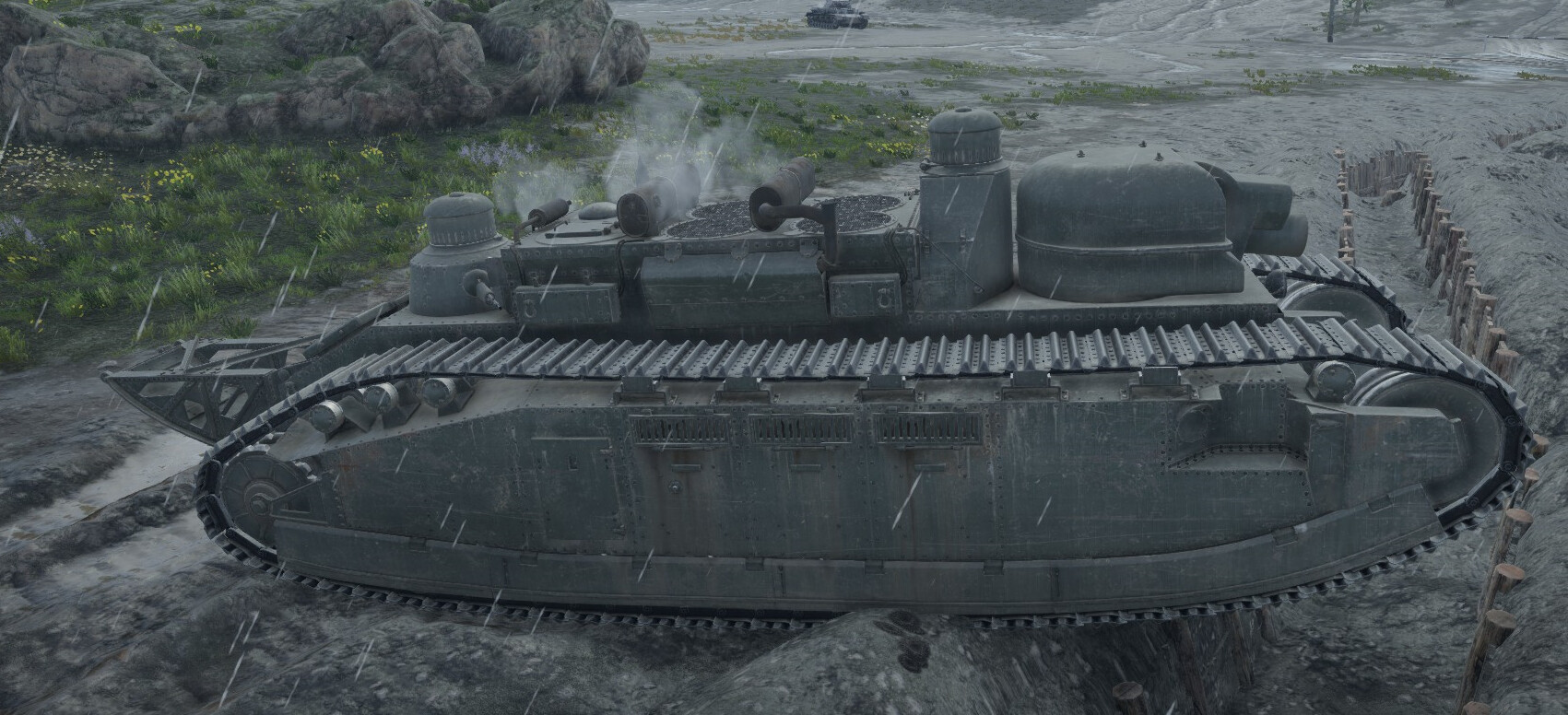
The first stroboscopic cupola was invented in France during the interwar period. These cupolas were installed on some super-heavy tanks such as the Char 2C and 2C Bis starting in 1919. The system consisted of two cylinders—outer and inner—each with several viewing slits. Only the outer cylinder rotated, while the inner one remained stationary. When the openings of both cylinders aligned, a small space allowed the commander to see through. The Char 2C’s cupola rotated at about 300 rpm, creating the visual illusion of transparency. This concept was innovative, but it remained limited to prototypes and a few operational tanks because the mechanism was complex, prone to failure, and expensive.
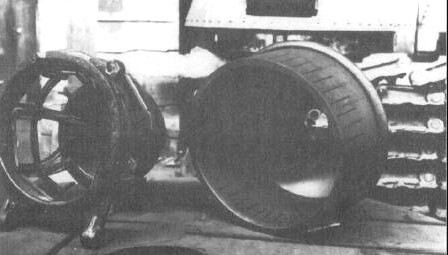
American Stroboscopic Cupola
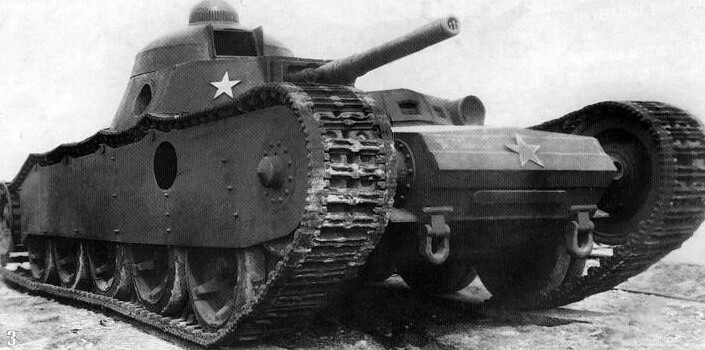
Between 1920 and 1925, the U.S. Army Ordnance Department also experimented with stroboscopic cupolas. Because this cupola had only a single slotted cylinder, it was vulnerable to bullets. For this reason, the project was abandoned in 1926. Only one Mark VIII tank was fitted with the experimental cupola for testing.
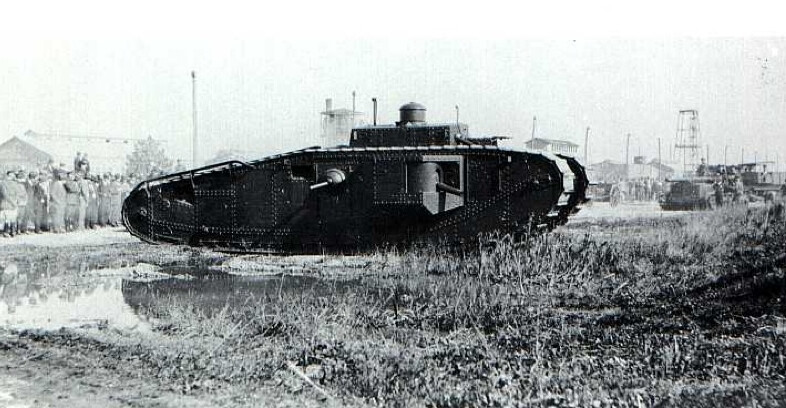
Soviet Stroboscopic Cupola
In the late 1920s, the German tank designer Edward Grotte was employed by the Soviet government to design advanced tanks for the Red Army. This resulted in a medium tank called the T-22, which was equipped with a stroboscopic cupola, and only one prototype was built in 1931. However, the Soviet government decided that the tank was too expensive for the limited Russian production facilities. Unfortunately, no information about the cupola’s characteristics or performance has been found.
War Thunder
Sources & Image Credits
Sources
Image Credits
All images (except the last one) are from Charlie Clelland / Landships, licensed under CC BY-NC-SA 3.0. Images have been modified (cropped) for this article.
The original link to Landships uses HTTP, but browsers may automatically convert it to HTTPS, which leads to a ‘Page not found’ error. To fix this, use the HTTP version of the link.