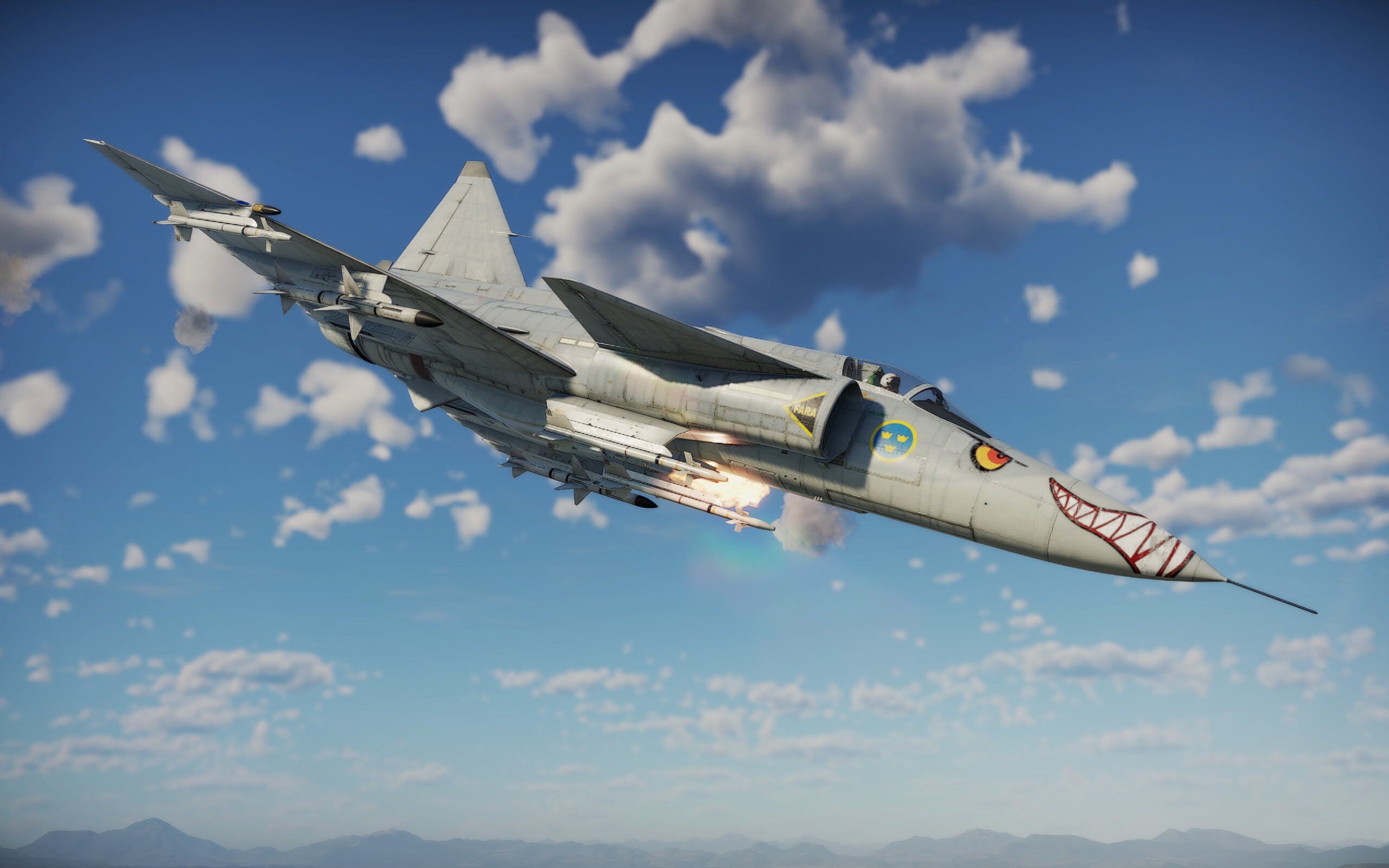
The JA37C “Viggen” is a Swedish indigenous fighter developed from the successful AJ37, first seeing operational service in 1980. Designed to replace the J35 Draken as Sweden’s primary air defense fighter, the Viggen was capable of many unique things, such as being able to operate from extremely short runways with its short takeoff run and thrust reversers for landing. A unique canard design, the Viggen served the Swedish Air Force well, being retired in 2007 after handing over its job to the JAS 39 Gripen.
| Pros | Cons |
| Great PD radar for its tier | Middling flight performance in many areas |
| High turn rate at speed | Limited to only 2 SARH missiles |
| Effective gun with good damage | Slightly subpar CM count of 48 |
| Large caliber CMs available | Gun belts lack tracers; hard to gauge shots |
| Radar missiles are lethal to enemies at the BR | Lacks guided ordnance for Ground Battles |
| RWR provides launch warning | Poor RWR with limited coverage |
Combat Capabilities
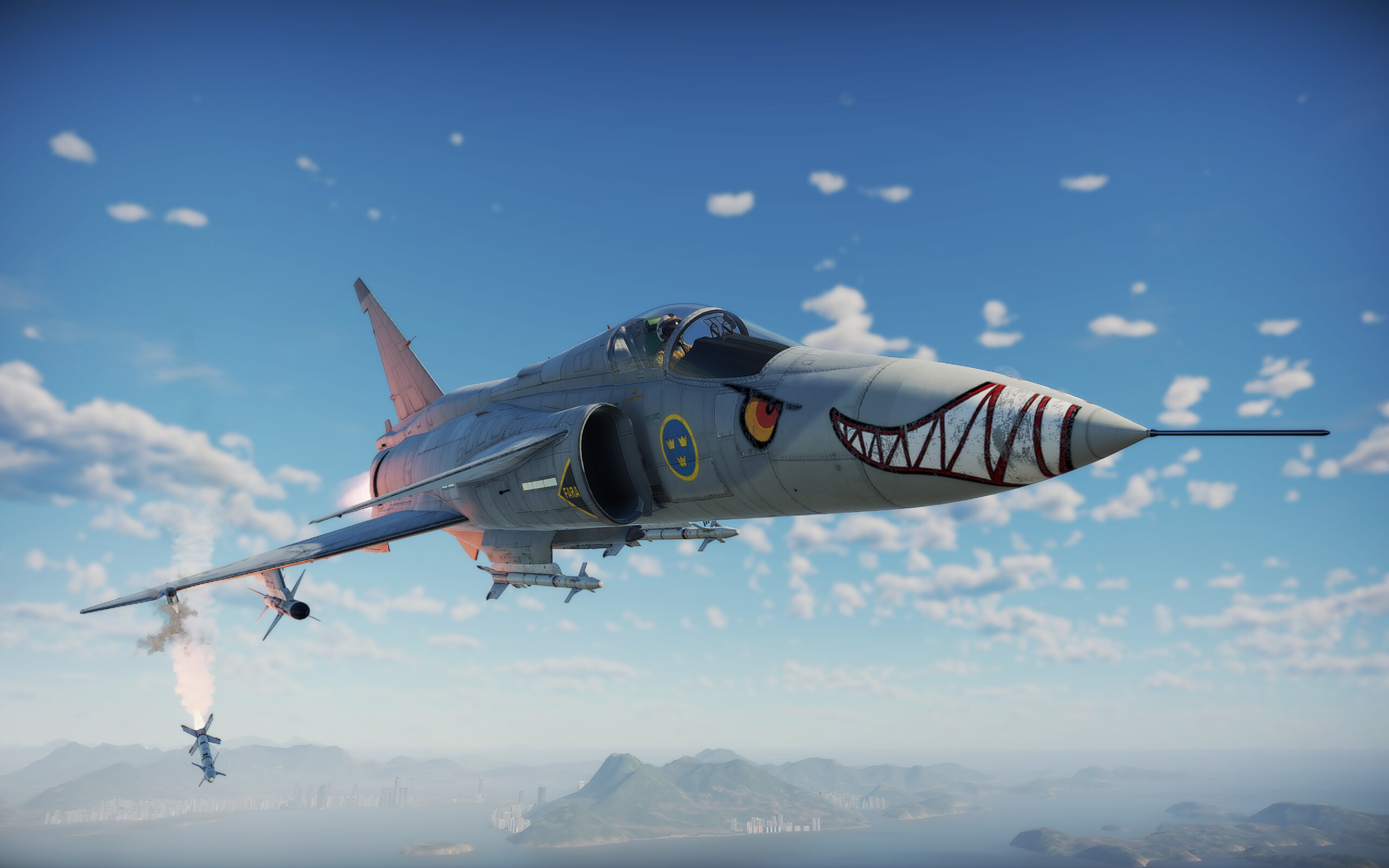
The JA37C has an excellent radar in the form of the PS-46/A. This radar is capable of scanning targets in Pulse Doppler (PD) mode, which filters out ground clutter, and can hold a lock very well. This strong radar enables the RB71 (DF) missiles on the JA37C to hit their targets with devastating accuracy, although the vehicle is only able to carry at most 2 SARH missiles at a time.
Speaking of SARH missiles, the RB71 (DF) is a great radar missile at the JA37C's current battle rating. It has similar performance to the AIM-7E-2 (DF), sharing the same engine properties and g-overload. However, it is slightly lighter and has better tracking, making it marginally better than its American counterpart, placing it between the AIM-7E-2 (DF) and the R-24R in terms of performance. This does mean that the RB71 (DF) falls short of the later AIM-7F/M Sparrow in performance, but at its Battle Rating only a select few aircraft are equipped with them to begin with.
For closer range engagements you are also equipped with the RB24J, the Swedish export AIM-9P-3* variant, which has good range and pull for its BR. The JA37C’s main gun is the Akan M/75, which is a very powerful gun due to its large caliber and high firerate. The JA37C can fire two shells, HEI and SAPHEI, and while the gun lacks any tracers this can be somewhat mitigated with the Viggen’s EEGS system.
Finally, the Viggen can also carry 24×135mm HEAT rockets for ground attack, but as the Viggen lacks any guided ordnance using these rockets means getting too close for comfort to enemy air defense systems in Ground Battles. The rockets also take up space normally taken up by your air-to-air missiles, which further eats into your interception capabilities — meaning unless you’re in a pinch, carrying these rockets is not recommended both in Air and Ground battles.
On the defensive side, the JA37C carries only 48 CMs, which while not plentiful is still manageable for the most part. Do note, however, that as large caliber countermeasures, the countermeasures have a greater effectiveness than normal, smaller countermeasures, so spamming these flares isn’t always necessary. For your RWR you carry the indigenous APP-73, which has 4 detection 'sectors'. This RWR is quite lacking, with archaic threat detection that can only differentiate between Pulse, MPRF and HPRF. The APP-73 also comes with launch detection, alerting you to missile launches, although as it lacks IFF false positives from friendly missiles will also be a constant.
*The RB24J currently has similar performance to the AIM-9P ingame.
Flight Performance
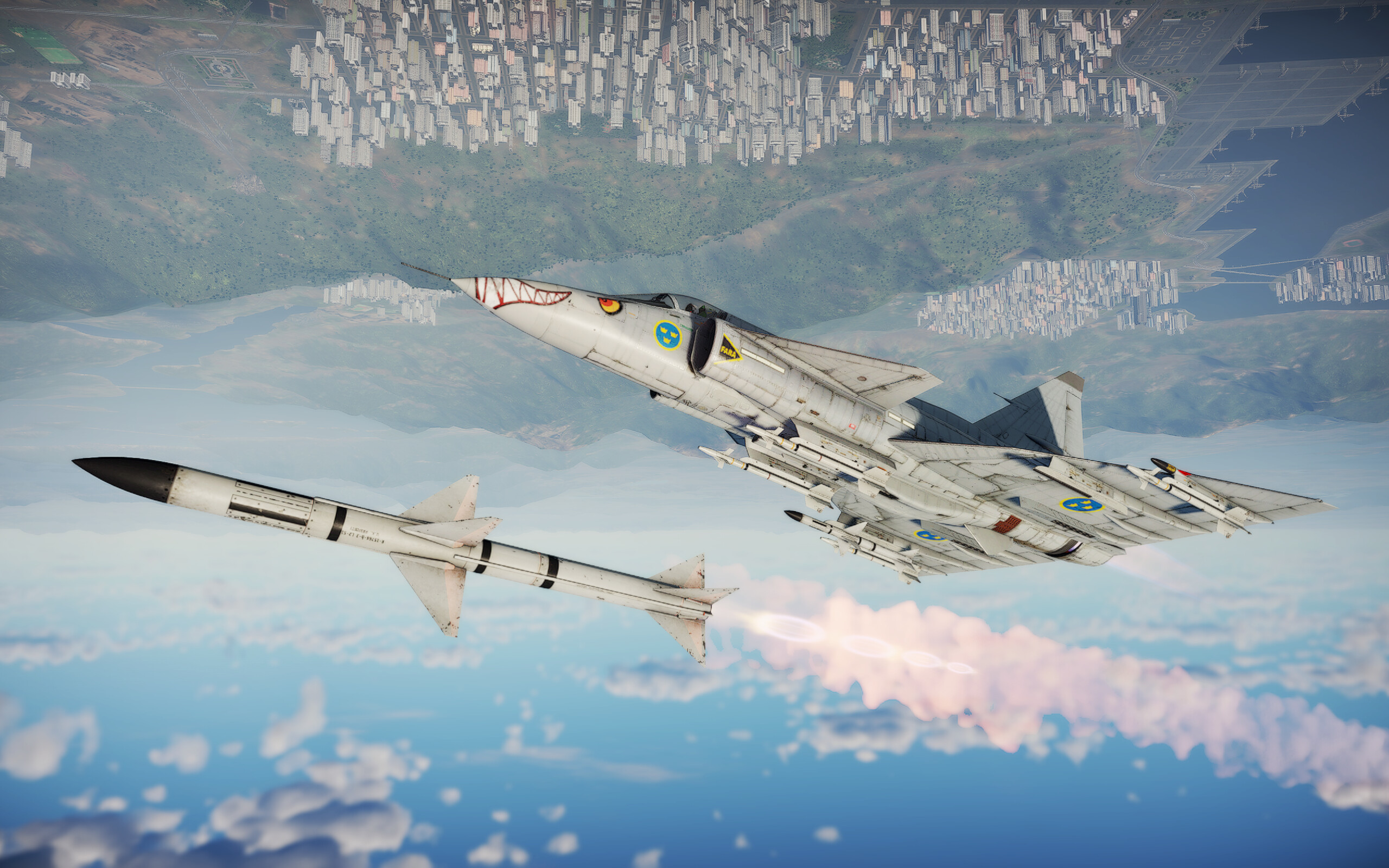
The JA37C has a decent top speed but rather average acceleration, and while this isn’t a problem in a straight line, this paired with the fact that it’s a delta winged plane makes your own energy state something you have to always keep an eye on. A possible tactic, hinging on your rather high fuel consumption rate on full (110%) afterburner, is to use your afterburner for prolonged periods of time to intentionally lower your vehicle’s mass, to gain that slight edge in maneuverability! Do, however, only attempt this when you know nobody else will be engaging you afterwards, as you will most likely be running on fumes and need to RTB fast.
Another situational upside of the Viggen is that because it has a delta wing, this gives the Viggen the ability to trade its speed for a burst of high instantaneous turn on demand. However, if used improperly, this can lead to you accidentally bleeding all your energy and becoming a sitting duck, so only pull in hard if you’re sure of the kill.
Keep in mind that the low countermeasure count, the high fuel consumption and average acceleration paired with the high energy bleed means that the Viggen can often struggle to engage multiple enemies at once. Pick and choose your targets, and always try to engage enemies on your own terms, not theirs!
The JA37C Experience: Stock to Spaded
The stock grind is somewhat tough, with only 2 RB24Js to your name. As you lack the RB71 SARH missiles which allow for head-on engagements, you will have to get behind your enemies without alerting them to secure your kills. The TWS (Track-While-Scan) mode helps greatly with this, as it does not give a lock warning when scanning and updates its targeting information rapidly. However, if you want the true element of surprise, sneaking up on someone with your radar turned off will always be your best course of action. Diving from a high altitude or coming in from the side at high speed can often be a good way of catching people off guard, although in the case of the former, flying below contrail altitude (~5200-5800m depending on map) would be recommended so as to not give your location away. Plan ahead with who you want to engage with whenever possible, playing a support role until you unlock your more advanced munitions in greater numbers.
This is the module grind order that I would personally recommend:
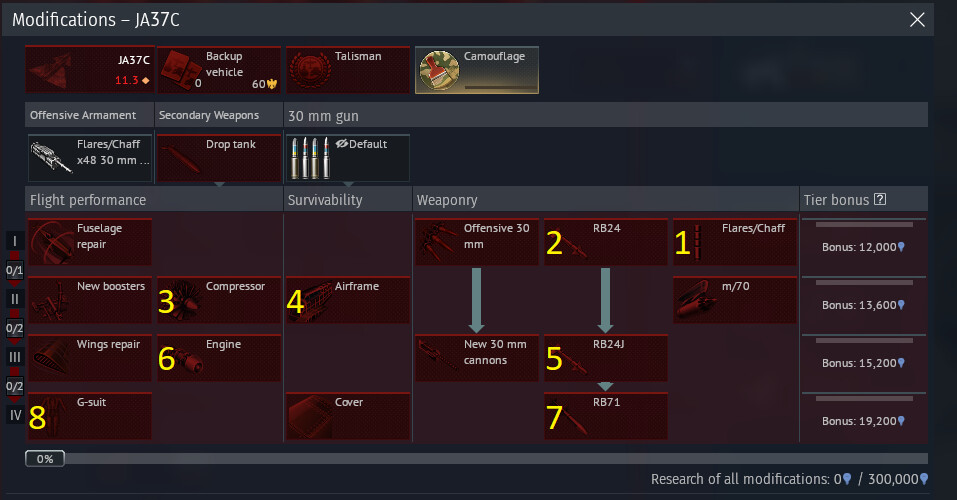
The module grind for the JA37C is quite straightforward, with the Flares/Chaff module to gain access to Chaff as your first module and then RB24s in order to unlock the other 2 missile modules later down the line. After these two, take any two performance mods in Rank II — New Boosters aren’t recommended that much as an early modification, as while it improves agility and roll rate it also means any maneuvers you perform will bleed more speed. After the two Rank II mods you then want RB24Js for better combat effectiveness, and then Engine for additional performance. At Rank IV, you then want the RB71 for your signature radar missiles, and then finally G-Suit to handle high-G maneuvers better. With the exception of the m/70 rocket pod modification, which should be researched last, the others can be researched in any order after this point.
Alternatively, it is also possible to skip Flares/Chaff early on, if you’re confident in your aim to kinetically dodge or simply don’t seem to see much SARH in your games — this expedites your module grind somewhat, and you can return for Chaff once you get RB71s or just before you get them should you prefer it that way. Not recommended for most players, but it may be applicable for a certain few. The same applies for New Boosters — if you want your JA37 to pull just that little bit harder, or want the faster roll rate, going for the module early on is also a viable option.
Opportunistic Interceptor
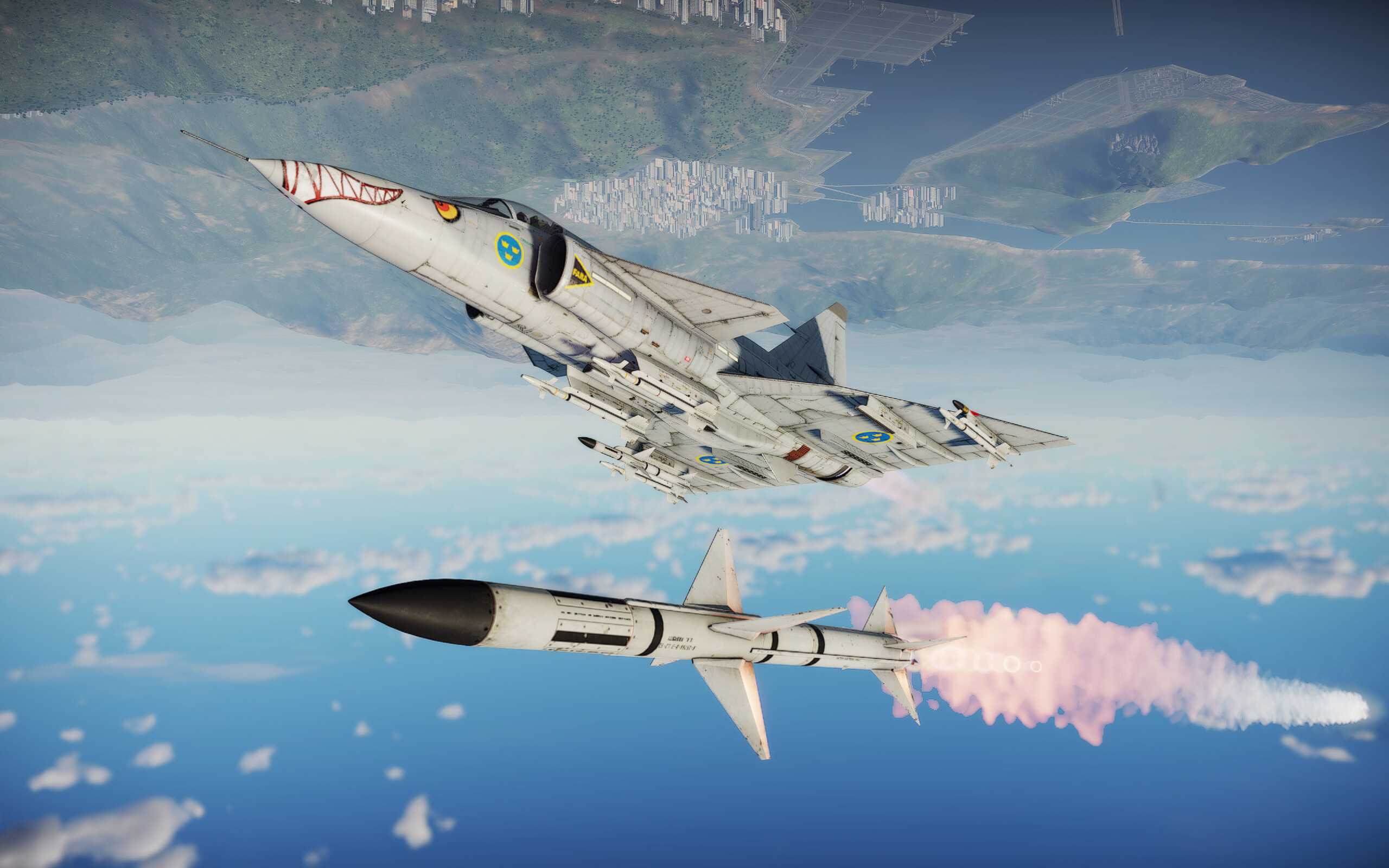
After your JA37C is upgraded with all the recommended modules, due to its extremely potent radar and agile SARH missiles you are a formidable threat at your BR. While the JA37C can be made to fit many different playstyles, it shines best as an interceptor, true to its design. As your RB71 missiles are quite limited in missile count (2!), target prioritization is key; these are some priority targets to dispatch early on if possible.
- F-16A Block 10
The F-16A is a high-priority threat due to its superior agility and energy retention compared to anything else at its Battle Rating. Never engage a F-16A on its own terms, and instead try and secure a kill at range as the F-16A Block 10 lacks SARH missiles of its own. If a dogfight is unavoidable, either try and jump one already busy with a teammate using your missiles or try and dispatch him in the first turn using your high AoA pull at speed. - F/A-18A
The F/A-18A can outrange your weapons due to its AIM-7M Sparrows, and can quickly dictate the pace of a dogfight by trading in its speed for superior positioning. The best engagement strategy is to avoid a dogfight with the F-18 altogether, firing the RB71 as soon as you’re within range. However, if the F-18 fumbles turning off his AoA limiters while trying to get a good firing solution on you, this can lead to him stalling out or losing all his energy instantly — in this case, you may be able to secure a decisive advantage! - J-7E
The J-7E excels in dogfighting with great agility and energy retention but lacks long-range weapons. Much akin to the F-16A Block 10, but the J-7E has the drawback of having very low trigger time (60 rounds only!) on its single autocannon. Dangerous to have one on your six, but if you survive for long enough he may run out of ammunition. Do, however, be on the lookout for PL-5Bs, as their acceleration is unmatched and can often close the distance before you even have time to flare! - F-4J/S
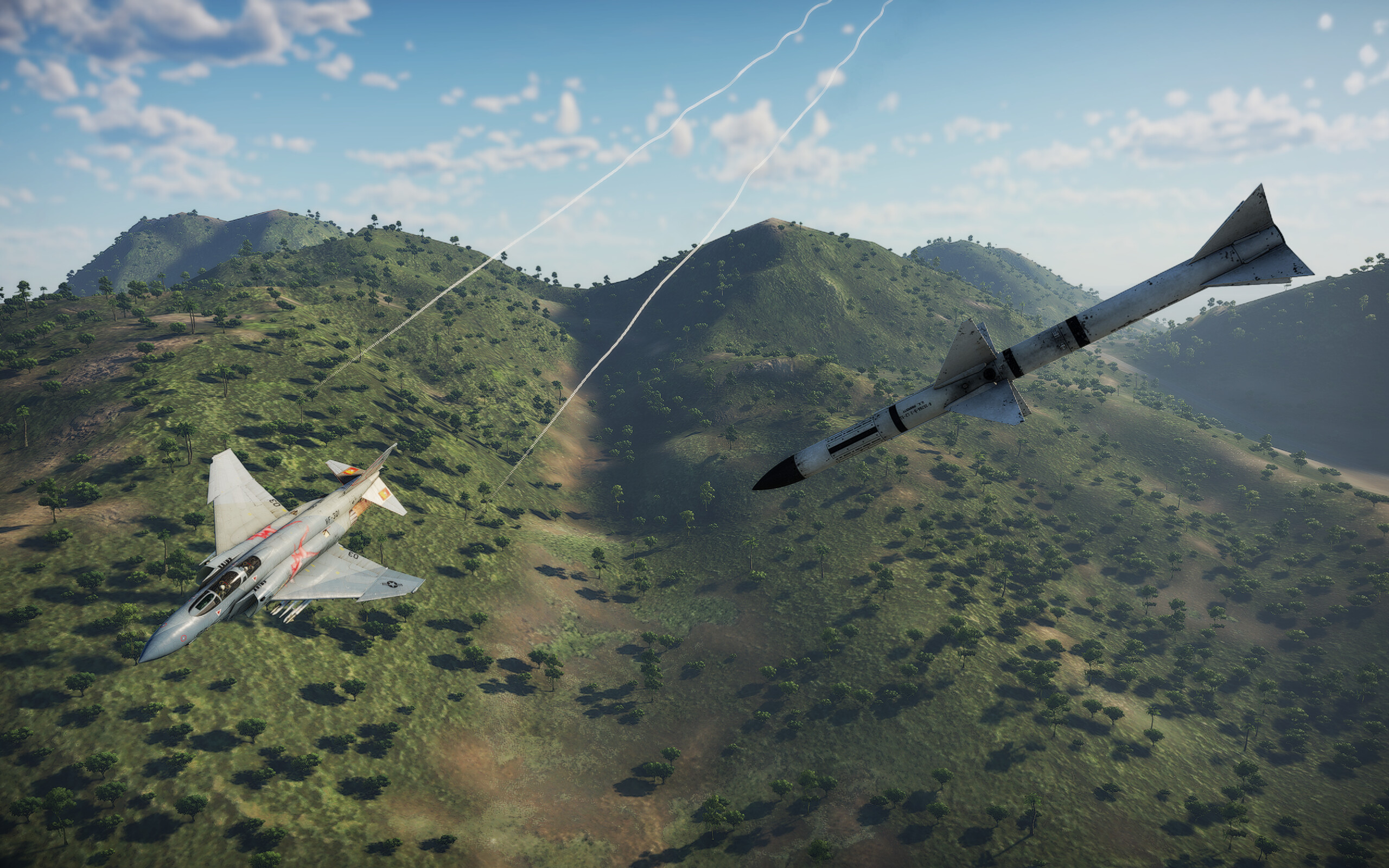
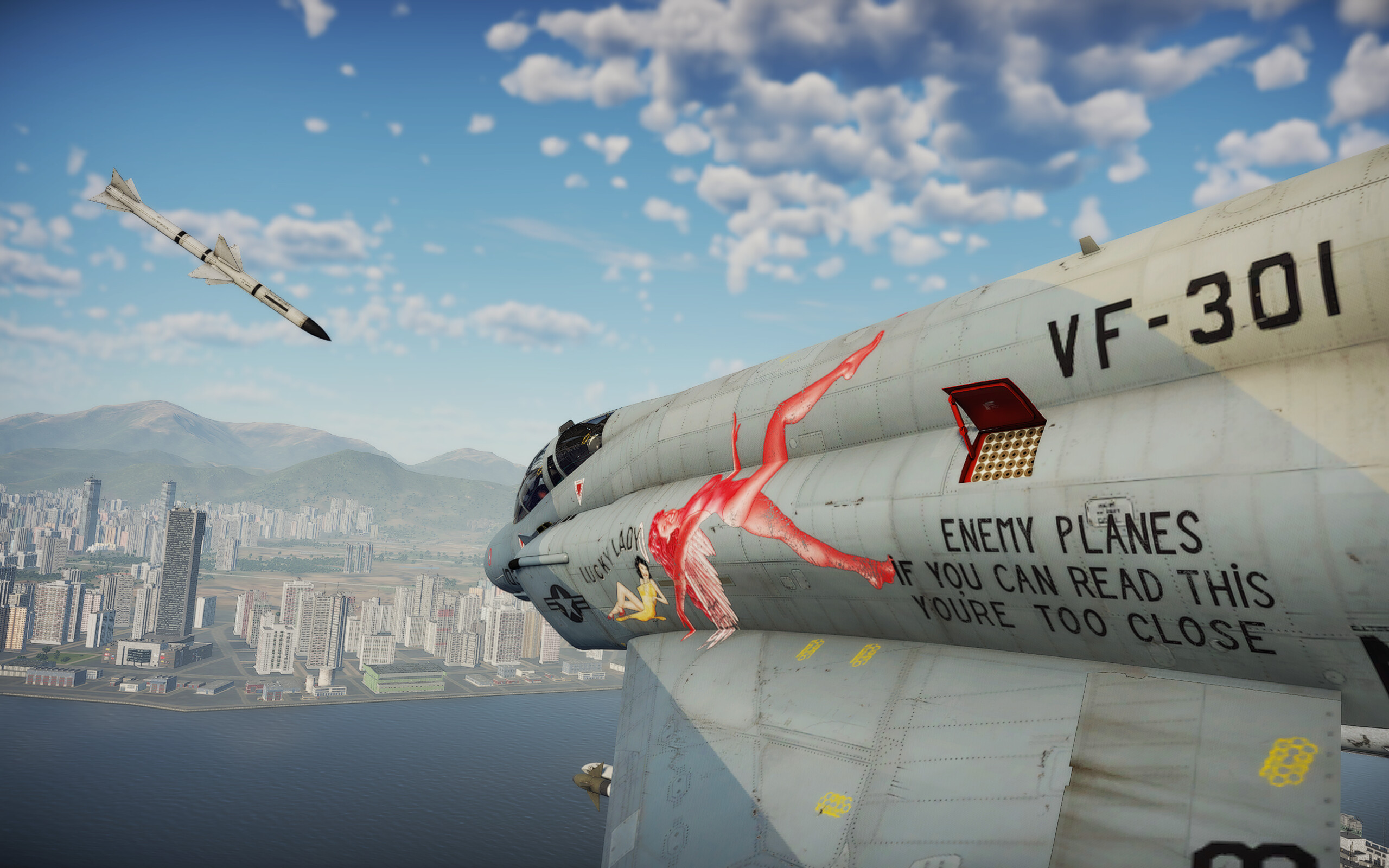
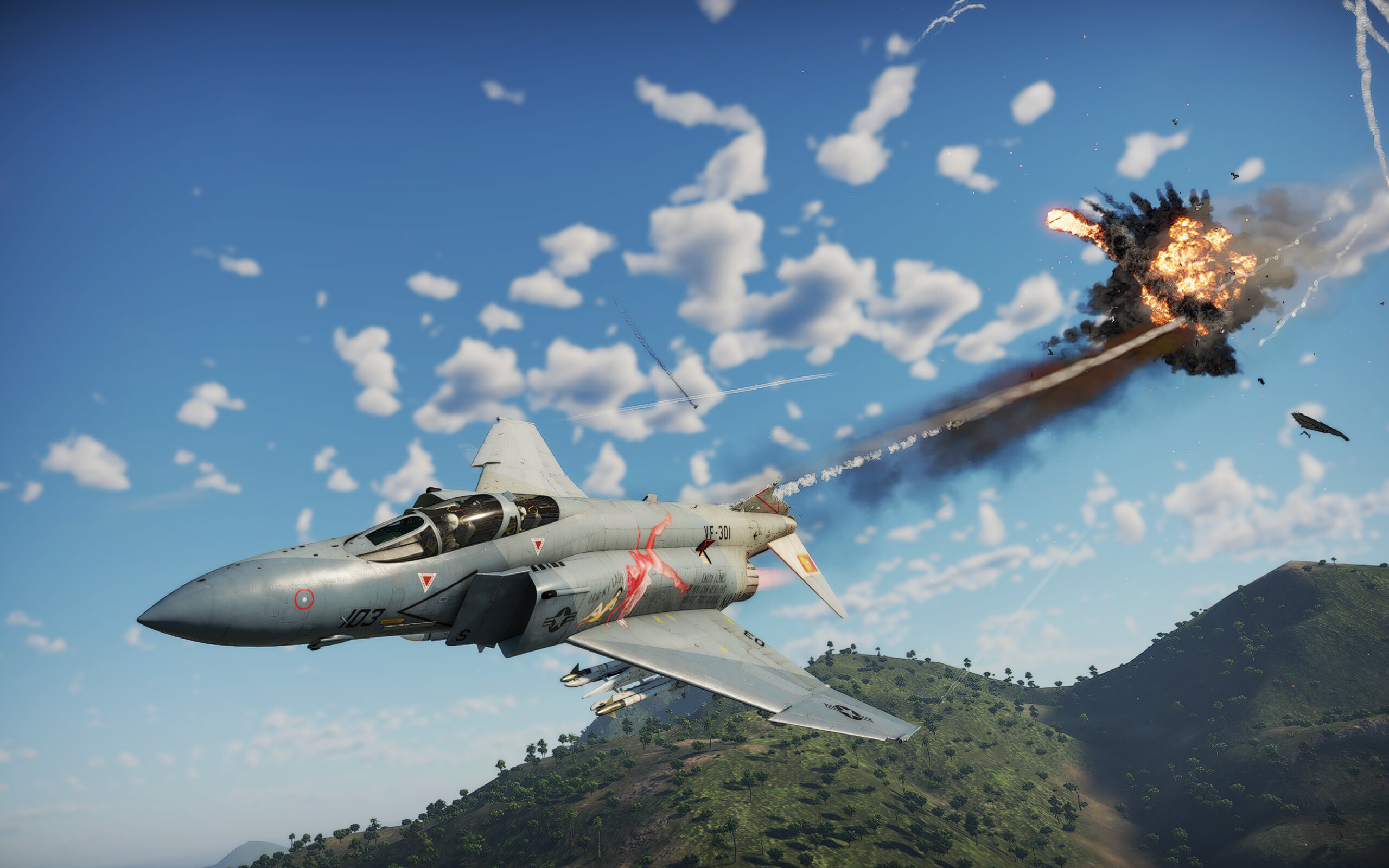
Both the F-4J and F-4S can outrange your weapons, often forcing you into a defensive position. They can be defeated in a dogfight thanks to your superior flight performance, but be careful against the F-4S, as its leading-edge slats on the wings can allow it to maneuver noticeably better than its F-4J brothers. The F-4J and F-4S also both come equipped with PD radars, AIM-7F Sparrows and HMS, which means offbore Sparrows and AIM-9s are to be expected if the enemy pilot is competent!
After expending both of your RB71s you can then switch to picking off preoccupied or unsuspecting enemies with your RB24Js and cannons. Do note that while you can get gun lead via EEGS by locking onto a target, this will obviously alert your enemy, and should preferably be used at close range (~800m or less) — ground belts are preferred for your cannons, as the belt composition is entirely made up of lethal SAPHEI shells!
Conclusion
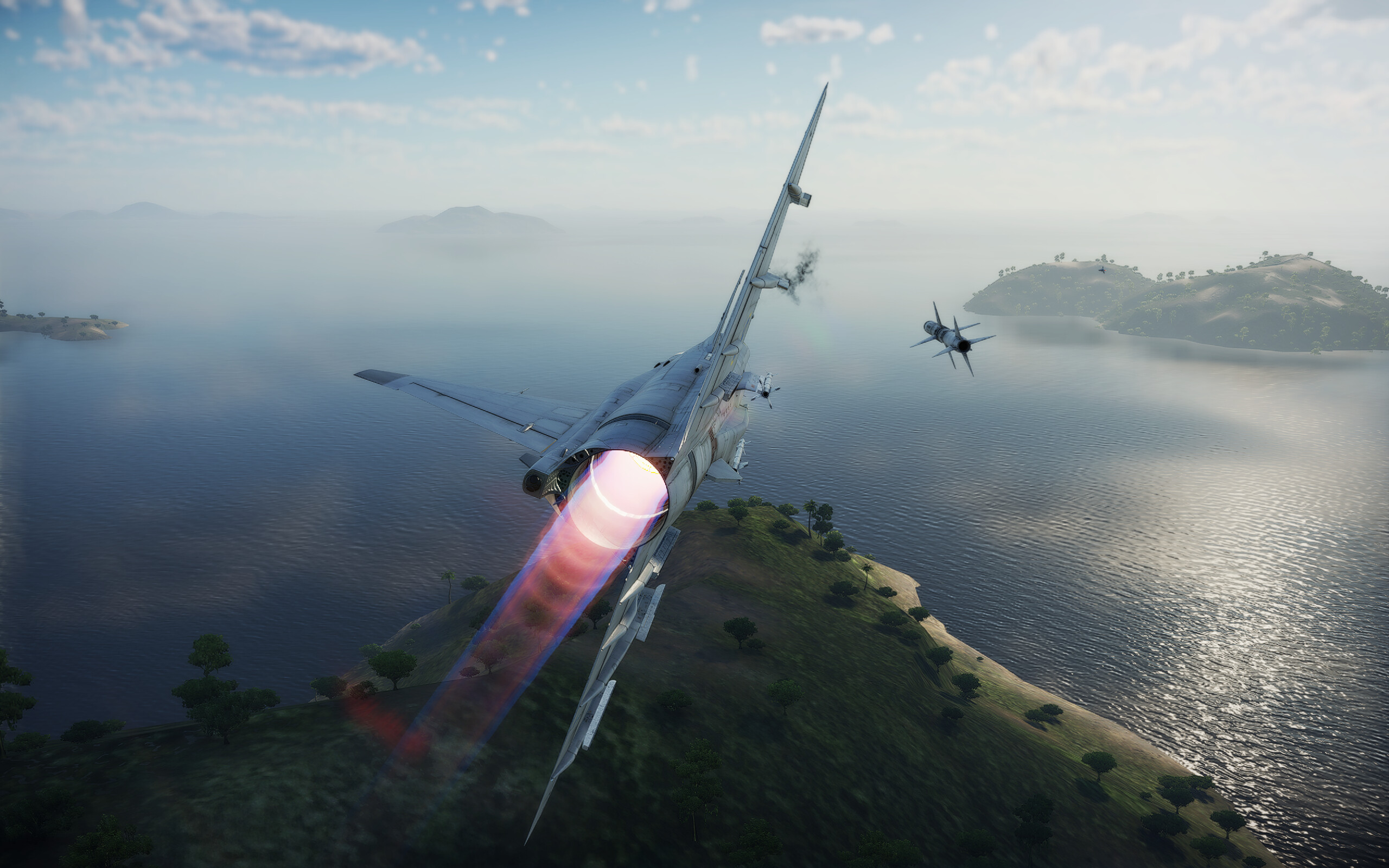
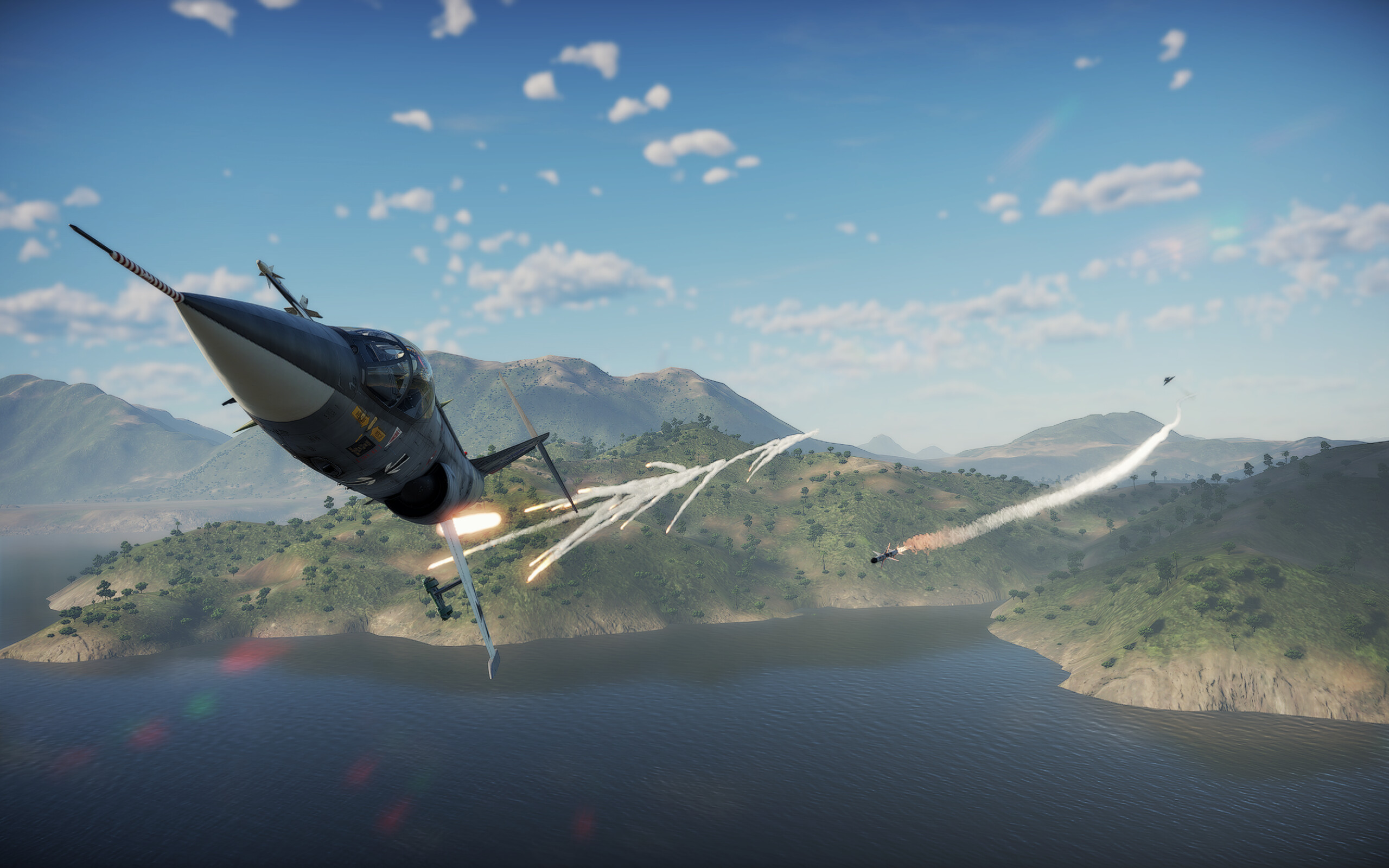
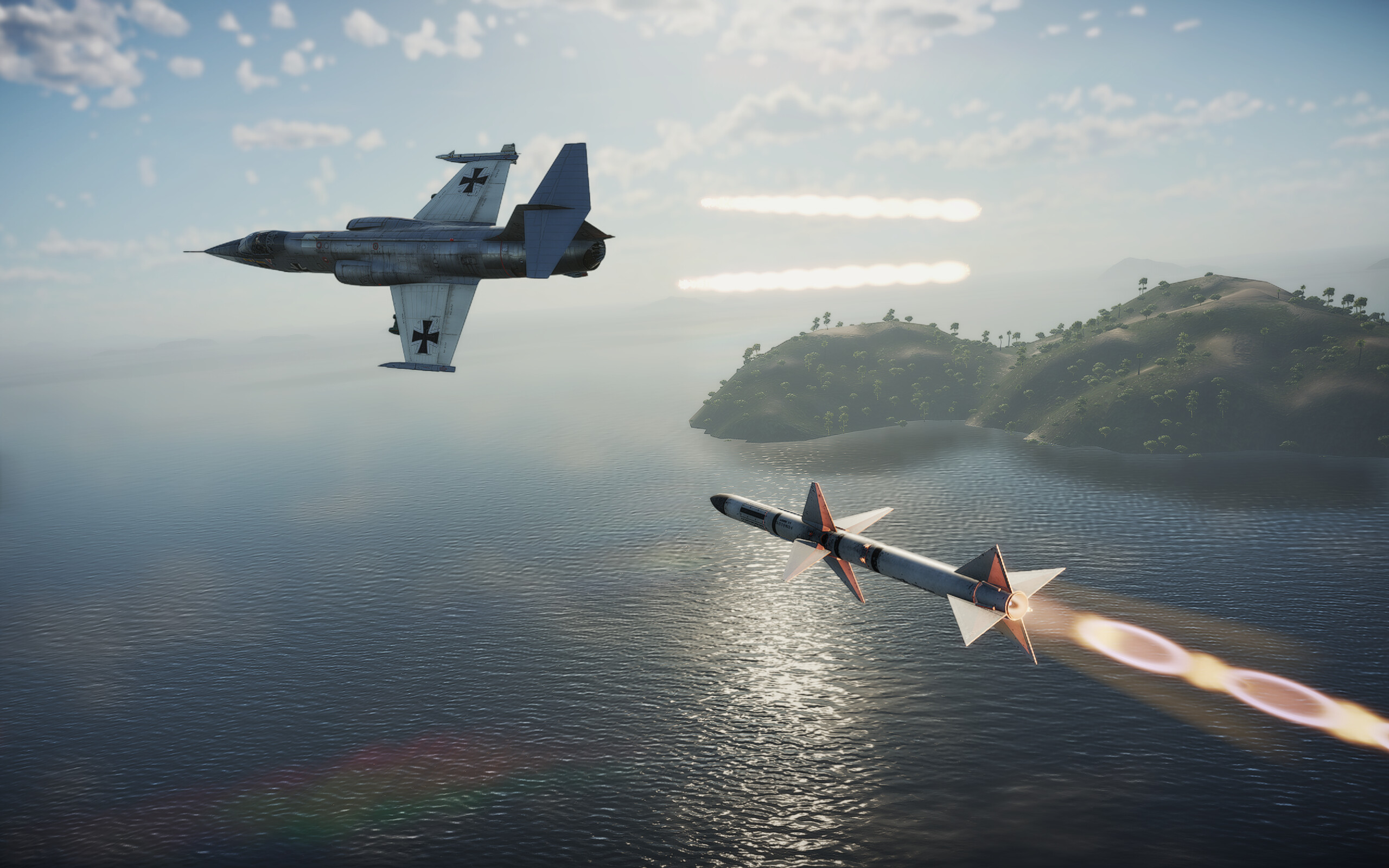
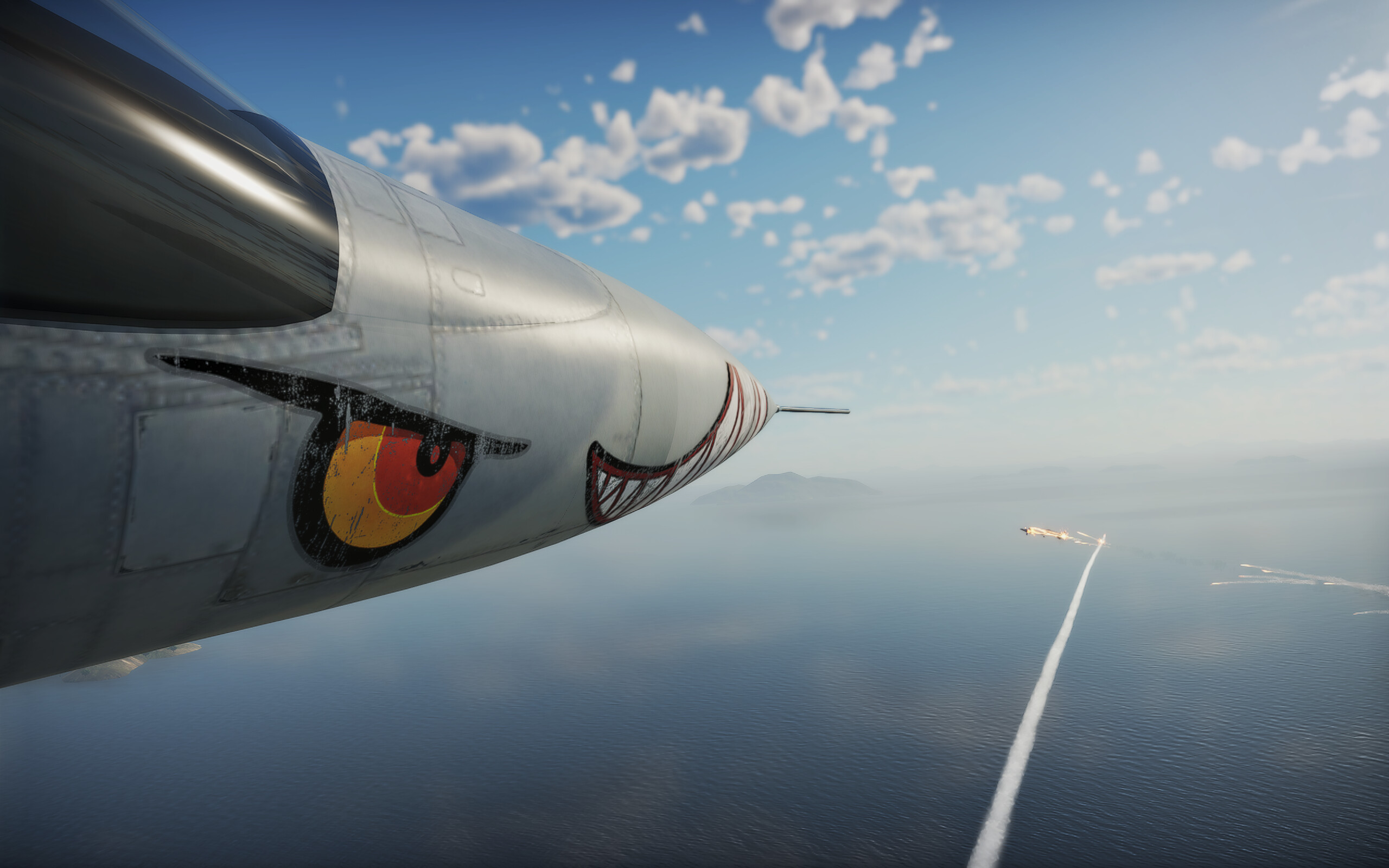
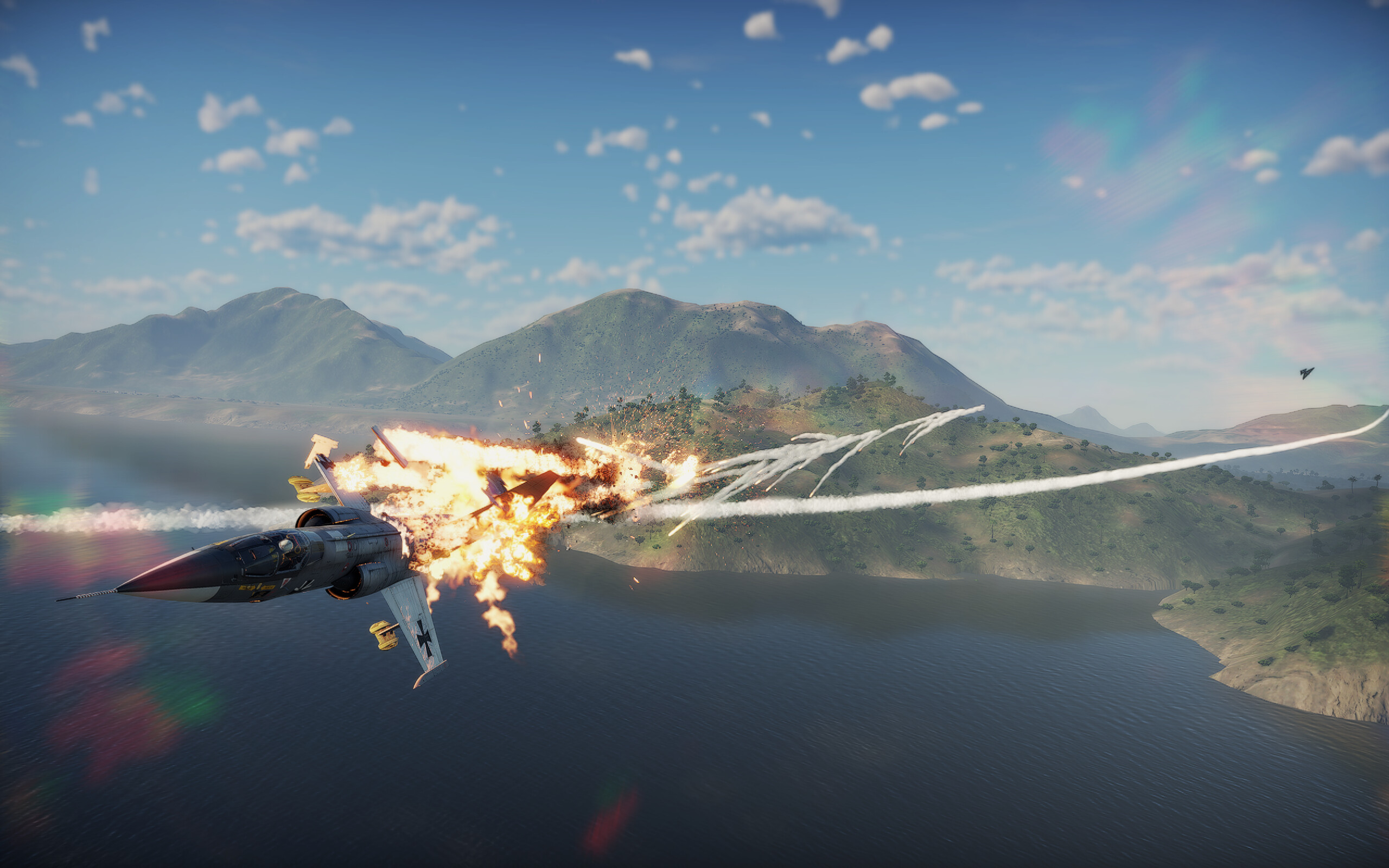
The JA37C is an incredible plane, boasting a good top speed, a great missile kit, a powerful radar and a dangerous gun. While by no means perfect, it stands out as a beautiful gem in the Swedish aircraft tree, not only due to its distinct and unique design and sound signature, but also for what it brings to the table in terms of gameplay depth.
It represents a generational leap for Swedish aircraft, introducing the first pulse-Doppler radar and competent radar-guided missiles which add new capabilities you can now aggressively leverage against enemy players. Unlike its predecessor, the flareless J35D, the JA37C offers both survivability and versatility, allowing the player to be more aggressive and be less constrained by the plane’s inherent shortcomings. It also teaches the player important lessons about radar missile combat, notching radar missiles, and positional awareness—skills that will be carried over up to the JAS39C and F-18C later down the line.
For those looking for a dedicated ground strike aircraft for Ground Battles, the JA37C’s older brothers, the AJ37 and AJS37 (a modification of the AJ37) can each carry respectable amounts of both guided and dumbfire ground ordnance, but lose the ability to carry SARH missiles like the JA37C can.