
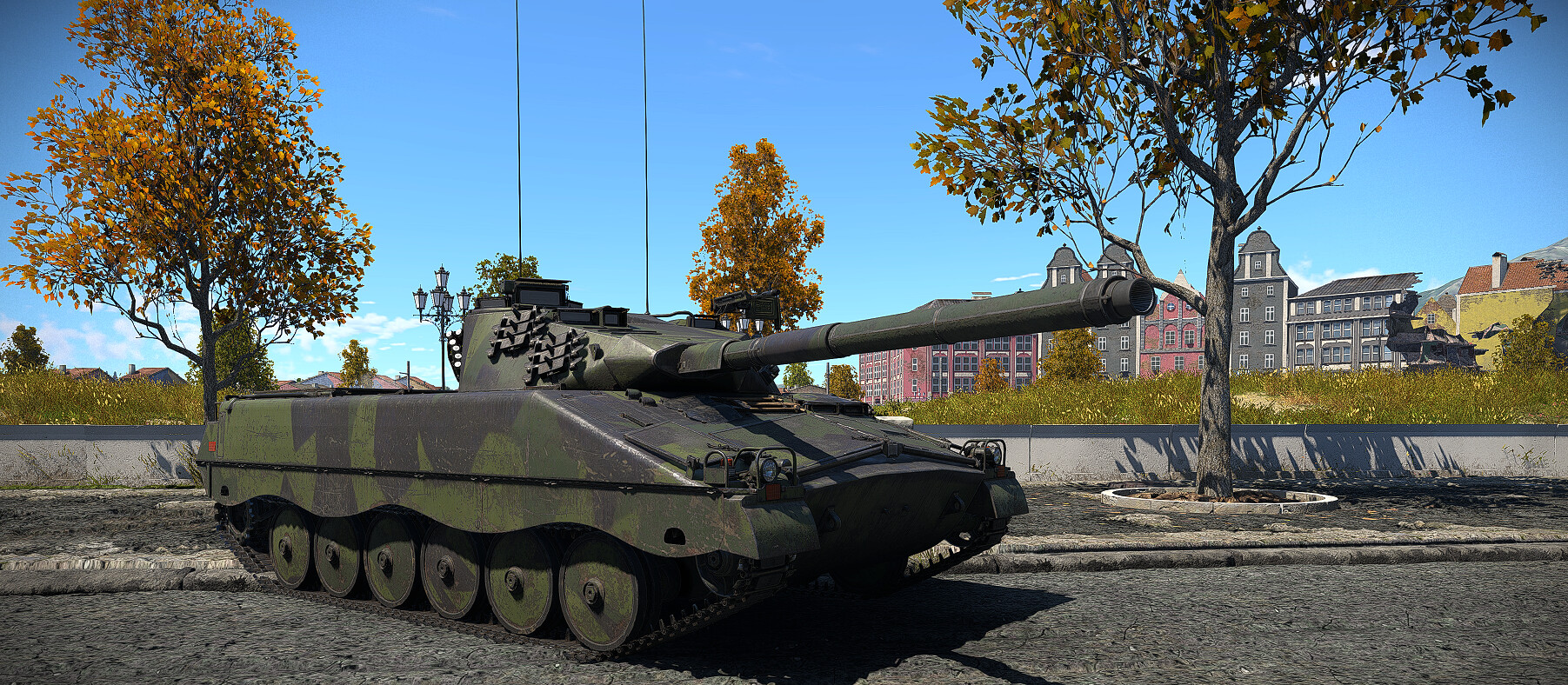
The Ikv 91 is a light infantry fighting and support vehicle developed by Hägglunds. This tank was designed to fill a similar role as the Russian PT-76 tanks. The first prototypes of this vehicle were delivered in 1969 and underwent in-depth testing by the armed forces. The first prototypes did not feature an automatic transmission and also were only equipped with an optical rangefinder, which required the commander’s cupola to be notably bigger. In 1972, the Swedish army ordered 200 Ikv 91 tanks, with another 12 being ordered in 1975. After several modernization attempts, this vehicle was ultimately retired in 2002.
| Pros | Cons |
|---|---|
| Laser rangefinder | Lacks a stabilizer |
| Strong HEATFS shell | Very poor armor all around |
| Decent forward speed | Bad reverse speed |
| Commander aiming and overwrite | Fixed zoom and FoV for both gunner and commander |
| Cannon has good vertical guidance speed |
Mobility
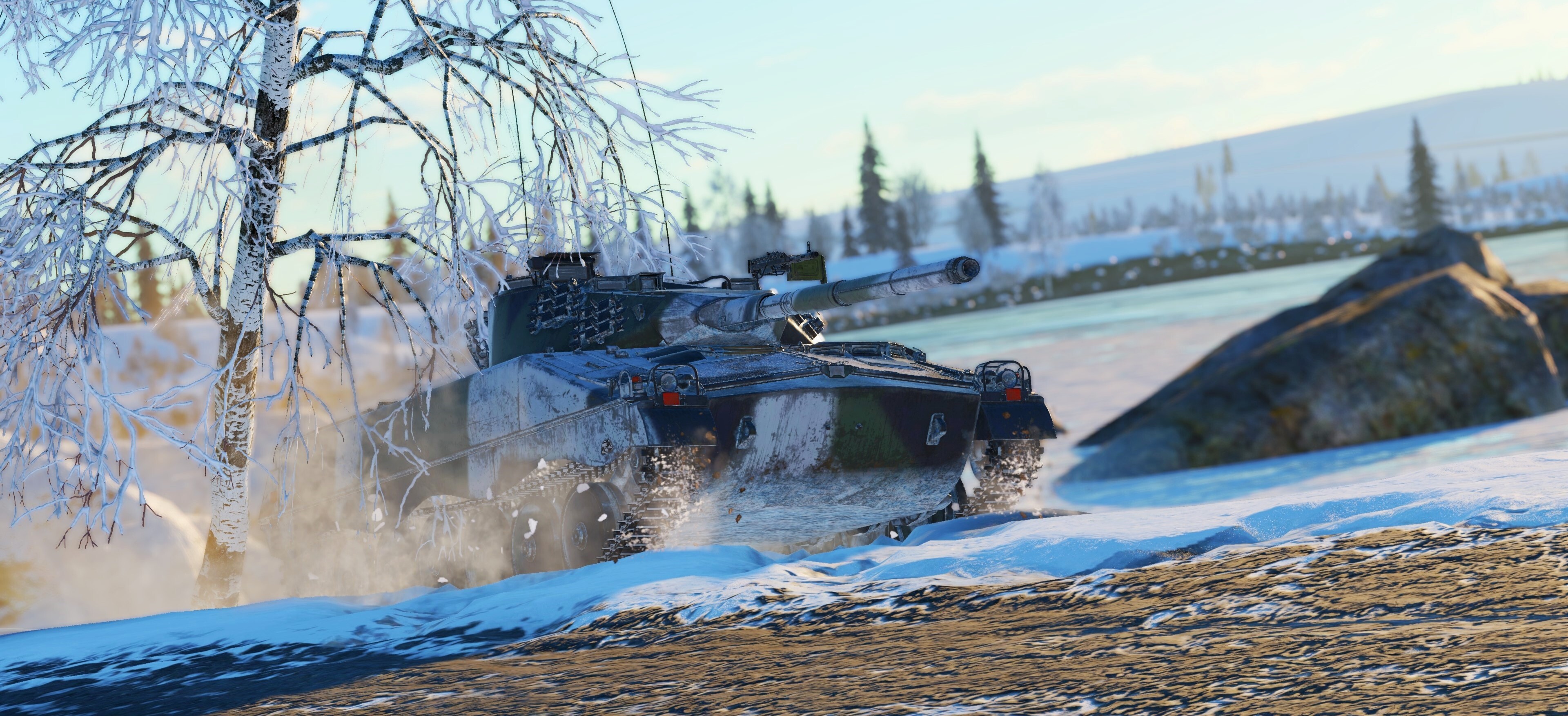
The mobility of the Ikv 91 is average at best. It has a top forward speed of 64 km/h with 8 gears and a maximum reverse speed of only 11.4 km/h with 2 gears. Once spaded, the engine can deliver up to 330 horsepower under optimal conditions, giving this tank a maximum possible power-to-weight ratio of 20.2 hp/t. Apart from that, the Ikv 91 also has neutral steering, allowing the vehicle to traverse quickly on the spot.
The engine compartment, which also includes the transmission, is located at the back of the vehicle. The speed and mobility of the Ikv 91 is similar to tanks such as the M551 and BMP-1/BMP-2, however, the BMP-1 has a noticeably better power-to-weight ratio than the Ikv.
Fun Fact: The engine and part of the transmission are mounted at an angle in the engine compartment to shorten the length of the hull.
Armor and Survivability
Due to the nature and purpose of this vehicle, it is very weakly armored. The entire turret is constructed out of only 12 mm thick rolled homogeneous armor, with the gun mantlet being only 8 mm. The front of the hull is protected by the same 12 mm armor, with the only exception being the lower plate, which is constructed out of 20 mm of high-hardness rolled armor. As for the side, the armor is composed of two spaced-armor plates, the outer one is 4 mm of high-hardness rolled armor, and the inner plate is 8 mm of homogeneous armor (for a total of 12 mm of armor). The rear of the Ikv 91 is even thinner, with only 8 mm of homogeneous armor covering the engine and transmission. This vehicle can also be over-pressured very easily, even with the enemy HE shell landing slightly short of the vehicle or bombs being dropped several meters away, it is often enough to kill the Ikv.
It is very rare to survive a hit in the Ikv 91, but it is not impossible. The very thin armor may result in the enemy over-penetrating and not dealing any damage, especially on the side. However, that is only true if the enemy aims too low and hits an area where no crew or ammunition is stored. Staying at a distance from the enemy helps this vehicle a lot in terms of survivability.
This vehicle can not only be easily penetrated by .50 cal, but at very close ranges even 7.62 mm machine guns can deal damage to crew and modules.
Firepower
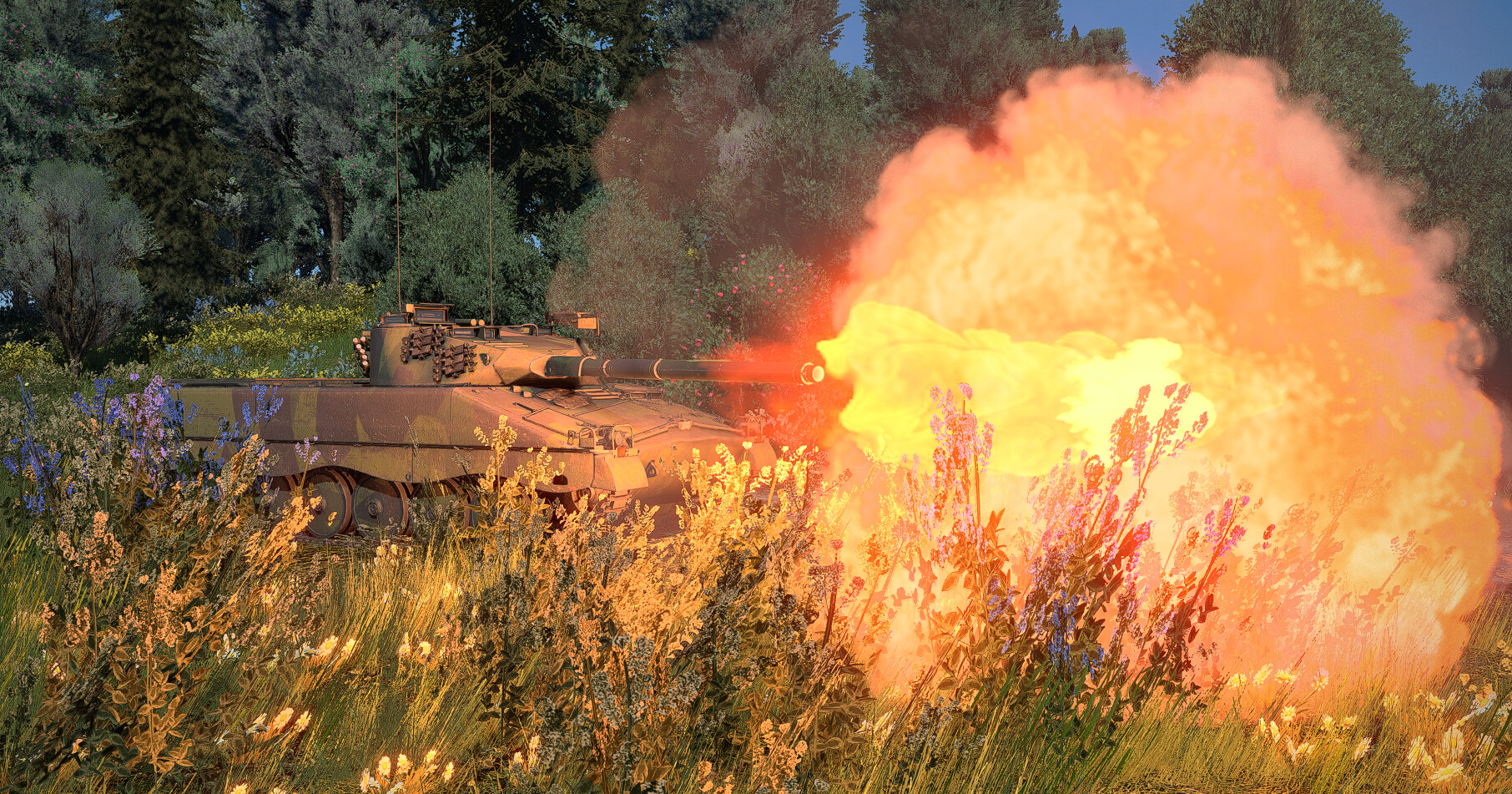
The main armament of this vehicle is the 90 mm KV90S73 series rifled cannon, manufactured by Bofors. Spaded, this vehicle has an excellent vertical targeting speed of 12.8°/s. Further, the excellent gun depression angle of up to -10° also makes it comfortable to use on hilly terrain. However, the maximum gun elevation angle of +15° can make it hard to shoot targets further up. The horizontal targeting speed of this tank is 21.2°/s, which is average when compared to other light tanks. The Ikv 91 only has access to 2 different shells: firstly, the slpsgr m/72 HEATFS shell and secondly, the slsgr m/72 HE shell.
The slpsgr m/72 HEATFS round is the primary shell of this vehicle. Although fired from a 90 mm cannon, this shell is more comparable to the NATO 105 mm HEATFS shells rather than to other 90 mm HEATFS shells found in the game. It has very good penetration and decent explosive mass, however, its shell velocity is lackluster at best.
The second shell this tank carries is the slsgr m/72 high explosive round. This shell has a rather slow velocity of only 600 m/s, a velocity similar to many artillery pieces. However, it has noticeably more explosive mass than the comparable 90 mm M71A1 HE shell used by many different vehicles across various nations.
| Shell Name and Type | Recommended Amount* | Intended Usage |
|---|---|---|
| slpsgr m/72 HEATFS | 14 to 18 | Primary shell of this tank. Can be used effectively against all targets it may encounter. |
| slsgr m/72 HE | 0 to 2 | Can be used against lightly armored vehicles with spread-out crew where HEATFS might fail to kill. May also be used to overpressure vehicles when no clear line of sight is given, although the low explosive mass might make it hard. |
*The recommended amount is a baseline for inexperienced players. The actual amount can vary vastly based on personal preferences and playstyle.
As a secondary weapon, the vehicle is equipped with two 7.62 mm ksp m/39B machine guns. One of the machine guns is mounted coaxially to the main cannon, it has 9 belts of 250 rounds each, giving it a total of 2250 bullets. The other is mounted on the turret and has 8 belts of 250 rounds each, giving that machine gun a total of 2000 rounds.
Electronics and Optics
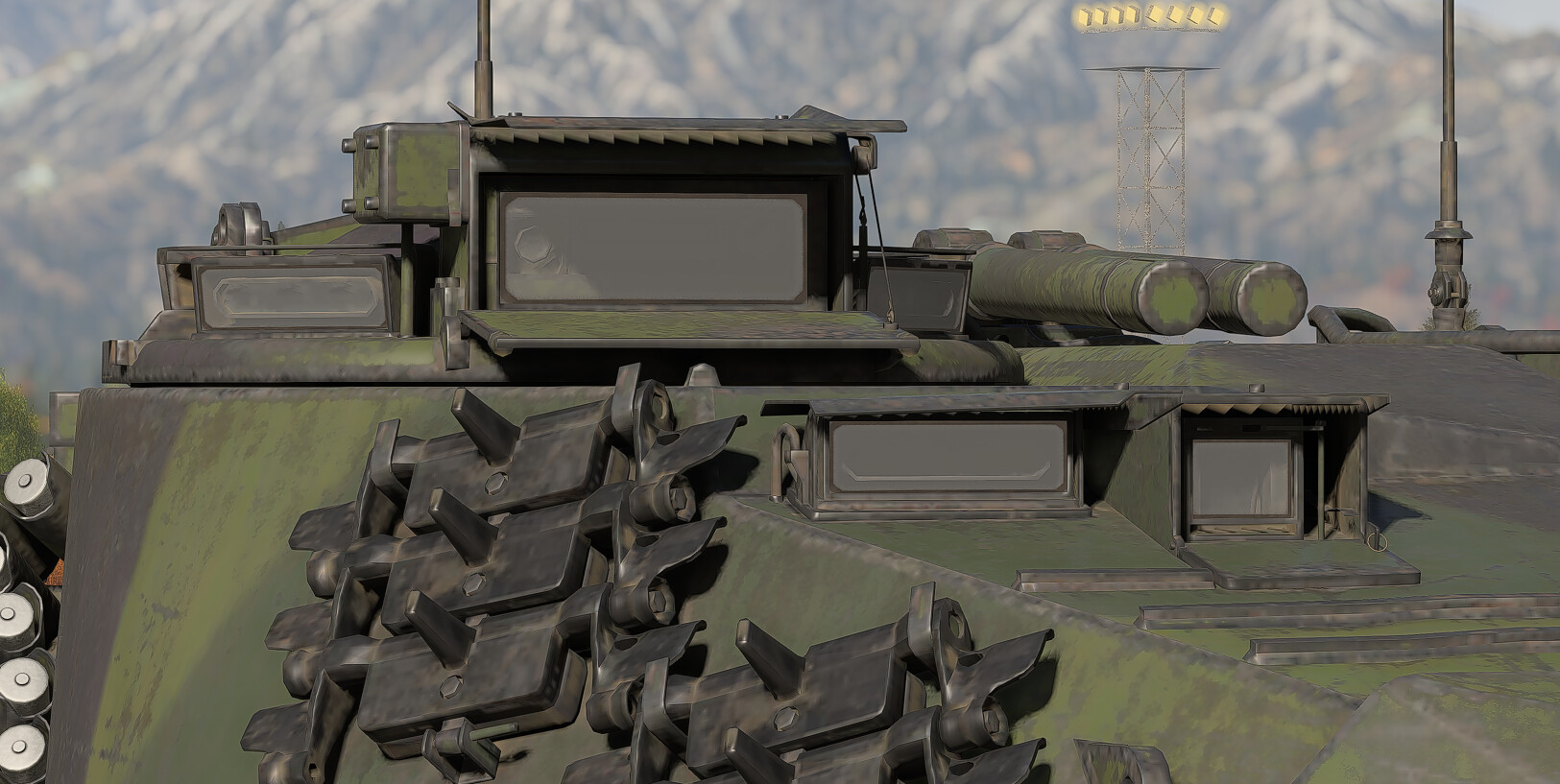
The Ikv 91 merely has access to a laser rangefinder, making its overall electronic suite quite barebones. Alongside that, this tank does have a commander overwrite and aiming system integrated, allowing for quick follow-up shots after the gunner has been knocked out. The commander aiming system also adds the possibility to shoot over ridgelines in certain situations, that way there is no reason to expose the vehicle to fire at a target at further distances.
However, both the gunner and commander use the same mediocre optic. This optic does not feature any variable zoom and is always set to a fixed 10.0 magnification and 7° field of view. The high base zoom with narrow FoV makes combat at short ranges quite uncomfortable.
| Optic Type | Magnification (Zoom) | Field of View (FoV) |
|---|---|---|
| Gunner Optics | 10.0x (fixed) | 7° |
| Commander Optics | 10.0x (fixed) | 7° |
Usage in Battle
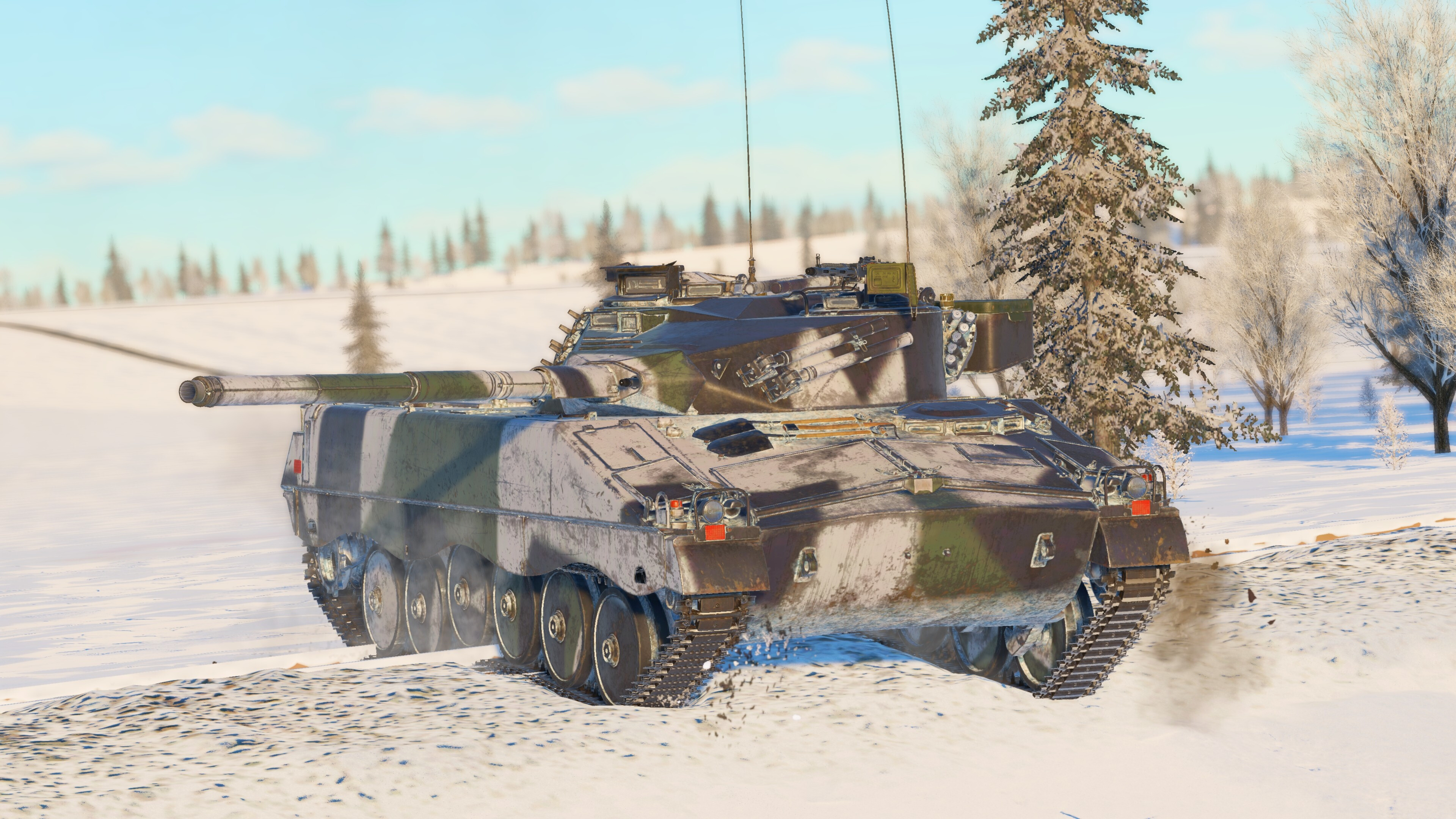
The recommended way of playing the Ikv 91 is to use it as a flanker and sniper at medium ranges. How exactly this is done can differ from map to map, but in general it is smart to move towards the outside flank of a key position or area and scout enemies that are moving towards the cap or other areas. Once positioned in a comfortable and rather safe location, it is important to evaluate and determine what vehicles are safe or important to engage. That is not only due to the rather low shell velocity but also to prevent especially dangerous enemies from returning fire. It is best to avoid shooting at targets that are moving or partially behind cover while prioritizing enemies with a laser rangefinder or high-velocity ammunition. Especially dangerous enemies to take note of are artillery tanks such as the PzH 2000 and the PLZ05, as well as other light and medium tanks equipped with a laser rangefinder such as the OF-40, the CLOVIS which can be found in the German and French trees, the Type 69 or the M41D. However, the strong HEATFS shell allows this tank to effectively engage and destroy almost any vehicle it may encounter, even in an up-tier.
On close-quarter locations this vehicle is limited in its capabilities and effectiveness. That is partly due to the high zoom of the fixed optics, which makes it difficult to keep situational awareness when pre-aiming a corner or similar. Further, the lack of a stabilizer will often result in the enemy having the first shot, especially in an up-tier situation. It is possible to use the Ikv 91 as a support vehicle for the team by holding crossfire angles or helping allied vehicles in repairing. It is also possible to help an allied vehicle defeat an enemy by flanking around and surprising them from the side or behind. However, it is recommended to not spawn this vehicle on close-quarter combat maps if there are alternative vehicles available.
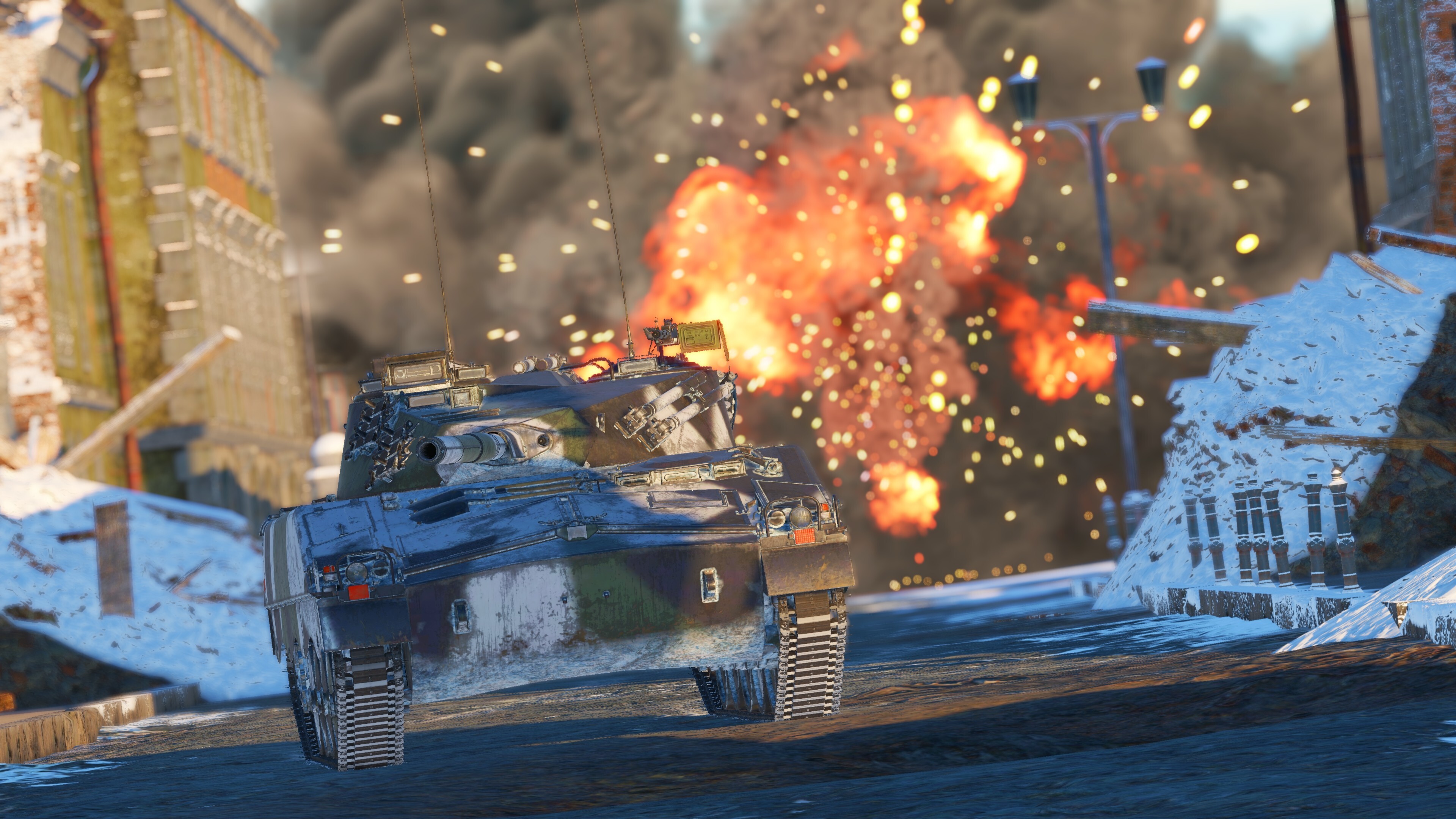
Sadly, the additional 7.62 mm machine guns, one mounted on the roof and another mounted coaxially, do not have any actual use cases. They do not have enough penetration for the majority of armored vehicles, nor are they effective at defeating enemy aircraft due to the low damage. Their best use case is disabling exposed crew members or “hit-marking” enemies with it in case the scout ability is not available.
Keep in mind that this is a baseline on how the vehicle and its features can be used in battle, every battle plays out differently, and it comes down to the player to adjust how they use the tank accordingly.