
A smoke grenade launcher is a device used to quickly create smoke or smoke screens around a vehicle. The game includes several smoke grenade types that vary in how and how fast they produce a screen, as well as in how they are deployed: some smoke charges are ground‑deployed canisters, while others are fired as shells from a launcher. Launchers may be mounted externally on the vehicle’s armor or installed inside the fighting compartment.
Overview
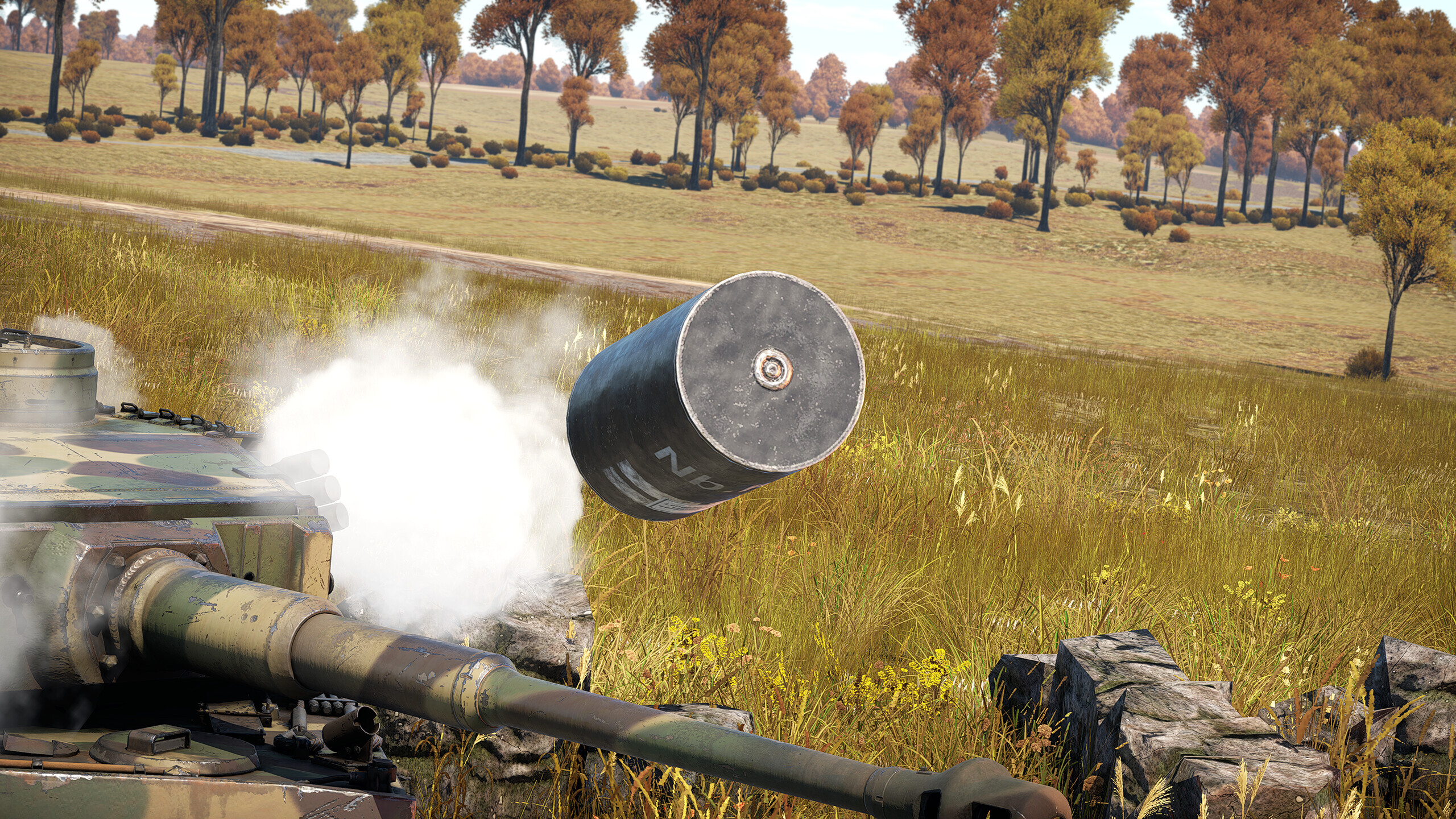
All vehicles with smoke charges carry a limited number. External launchers (for example, those mounted on the rear of a turret) may fire one or several rounds per activation, while internal turret‑mounted launchers (such as on the Churchill III) typically fire single rounds until the supply is exhausted. A smoke round is essentially a small shell or canister that produces a smoke cloud on impact or when it detonates, lasting for a limited duration. Note that smoke launchers are damageable modules; carried smoke grenades can be detonated by shells and will release their smoke cloud.
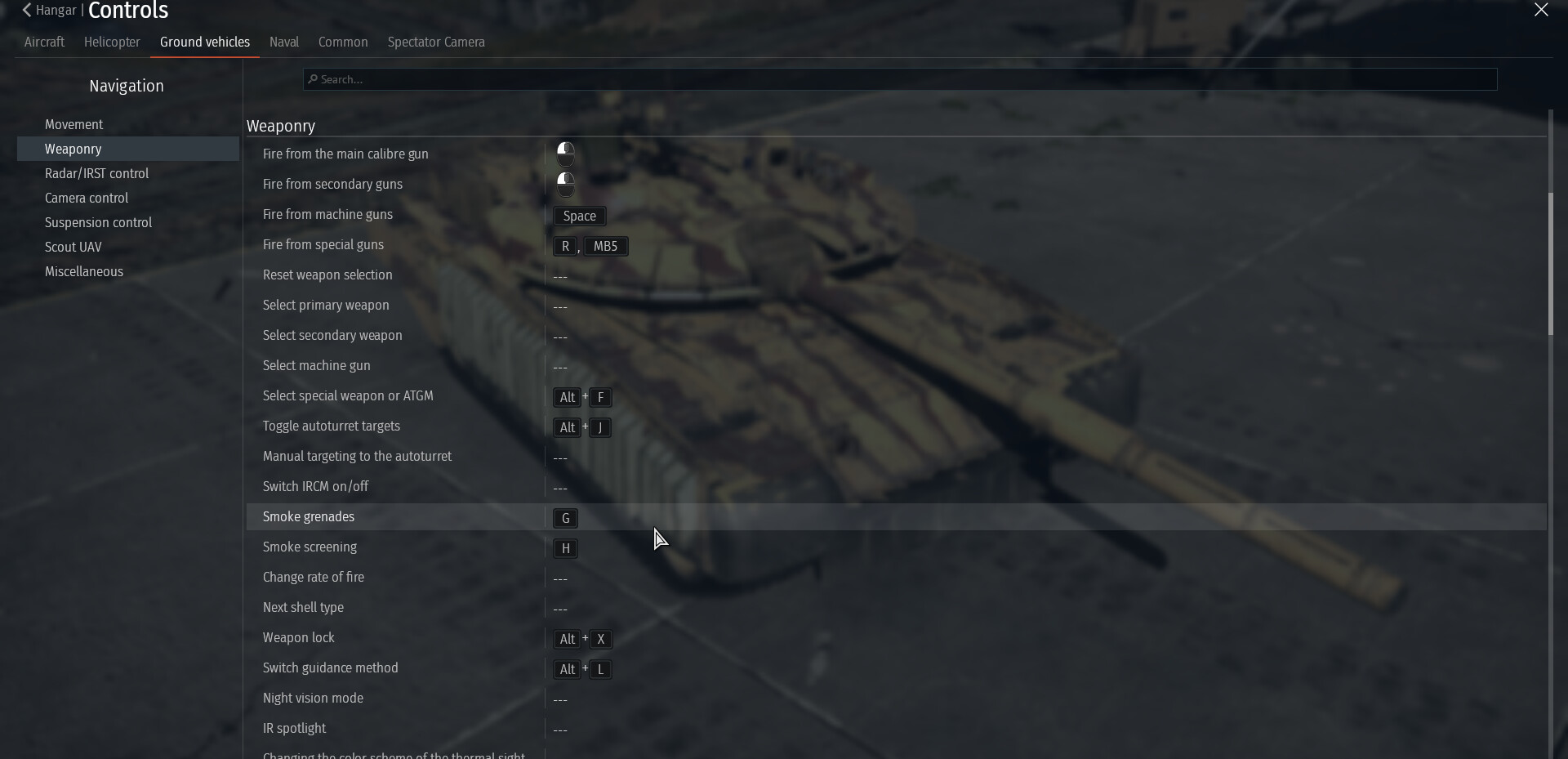
The default key for firing smoke grenades is ‘G’. To configure any other key, go to the ‘Controls’ section.
Types of smoke grenades
Ordinary smoke grenades
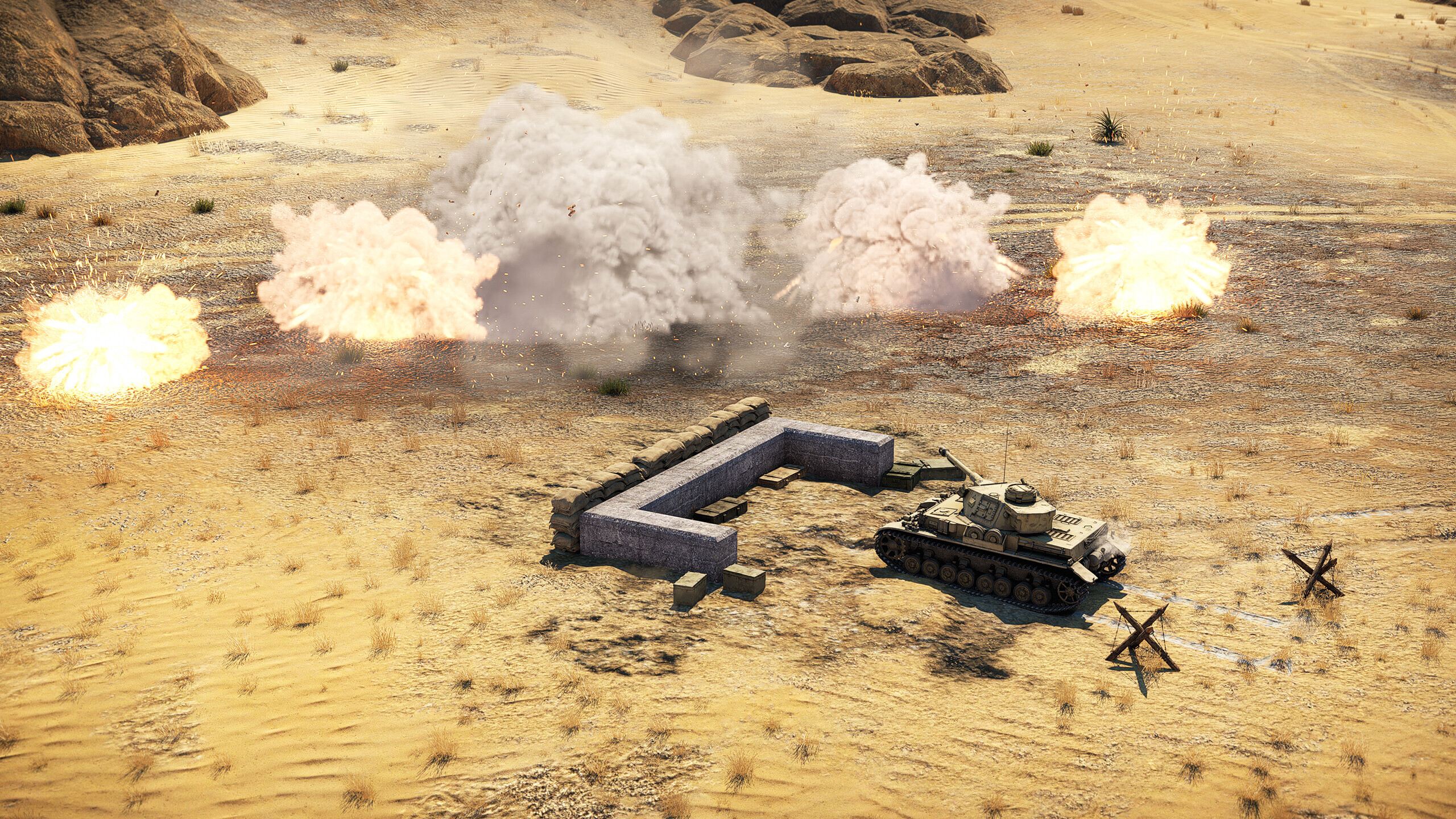
Conventional smoke grenades are small canisters or shells that create a smoke cloud on impact. These screens typically take about 5 seconds to fully deploy and last 20 seconds. They were commonly fitted to tanks during World War II. Launchers for this type of smoke can be mounted inside the turret, allowing single, aimed shots, or as external banks on the turret sides, which often fire in short salvos.
Examples of vehicles with such smoke grenades include:
Modern smoke grenades
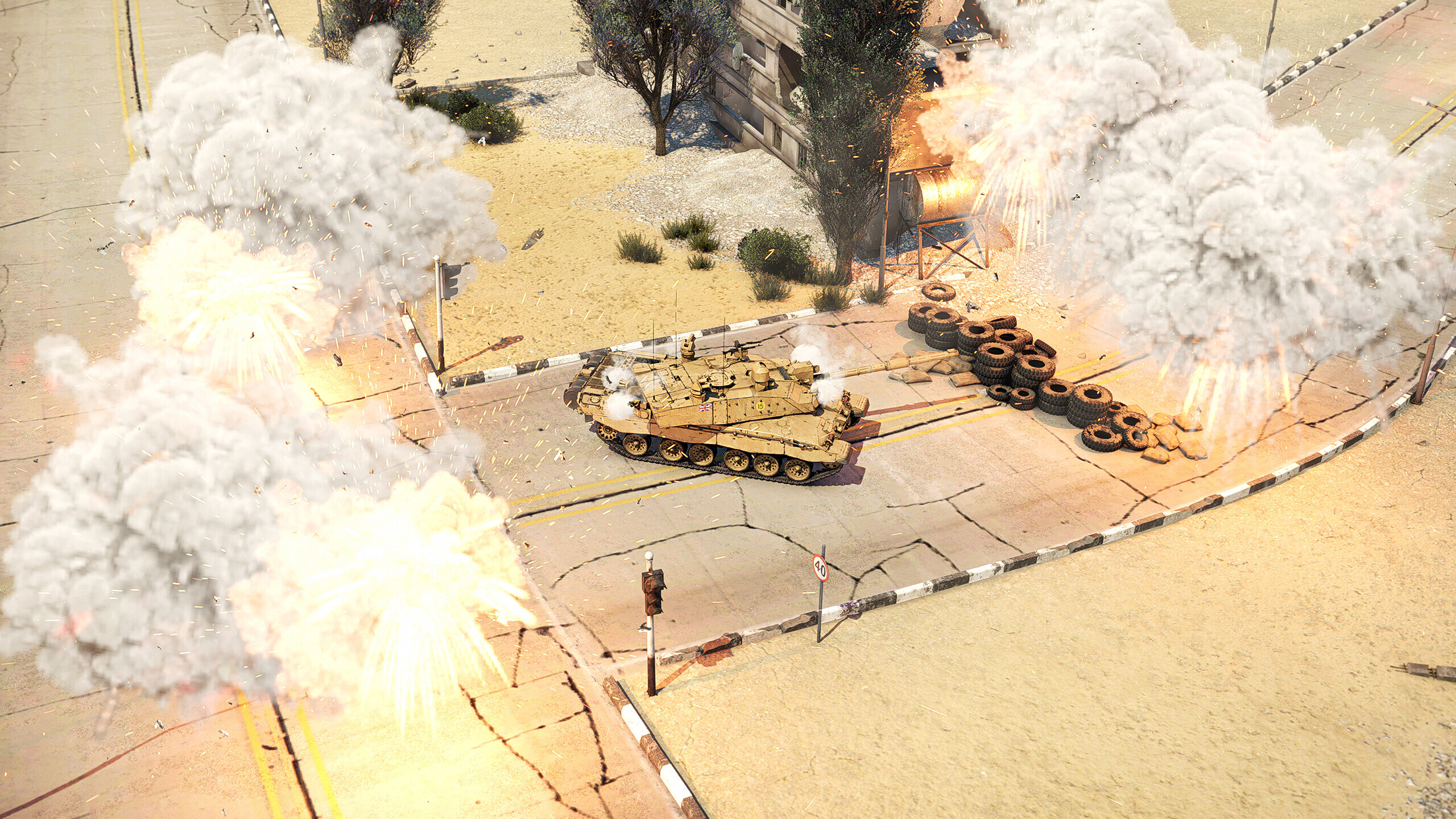
Modern smoke grenades are an improved type of smoke charge. They deploy faster (including quicker disappearance of the spotting marker), produce smoke directly in front of the vehicle, and cover a larger area. A typical modern charge deploys in about 2 seconds and lasts 20 seconds. These are commonly fitted to contemporary main battle tanks.
Examples of vehicles with such smoke grenades include:
Large smoke bombs
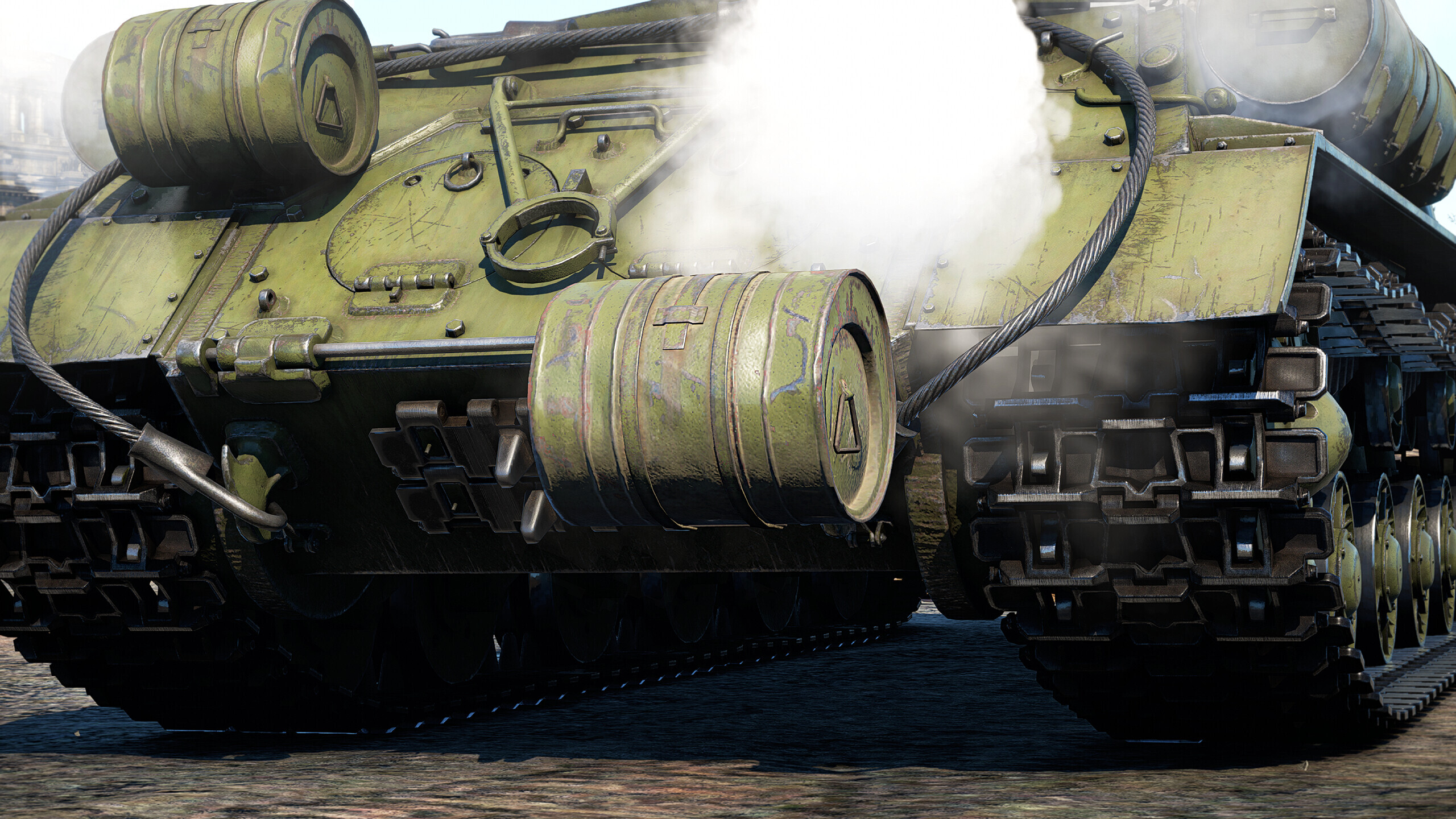
Large smoke bombs (BDSh) are rear‑mounted charges that are released from the back of the vehicle rather than fired. They create a smoke screen directly behind the tank, typically deploying in 5 seconds and lasting 20 seconds. These devices are commonly found on several Soviet and post‑Soviet vehicles.
Examples of vehicles equipped with such smoke grenades include:
Historical background
Smoke screens were a simple, effective method to conceal tanks on the battlefield and improve survivability. As soon as tanks entered mass production and front‑line service, many were fitted with smoke‑screen devices.
The first widespread smoke devices appeared on British and German vehicles from the early 1930s. Early Pz.IV models, for example, had fittings at the rear for multiple drop‑type smoke canisters, while some British designs used improvised launchers adapted from Lee‑Enfield rifles.
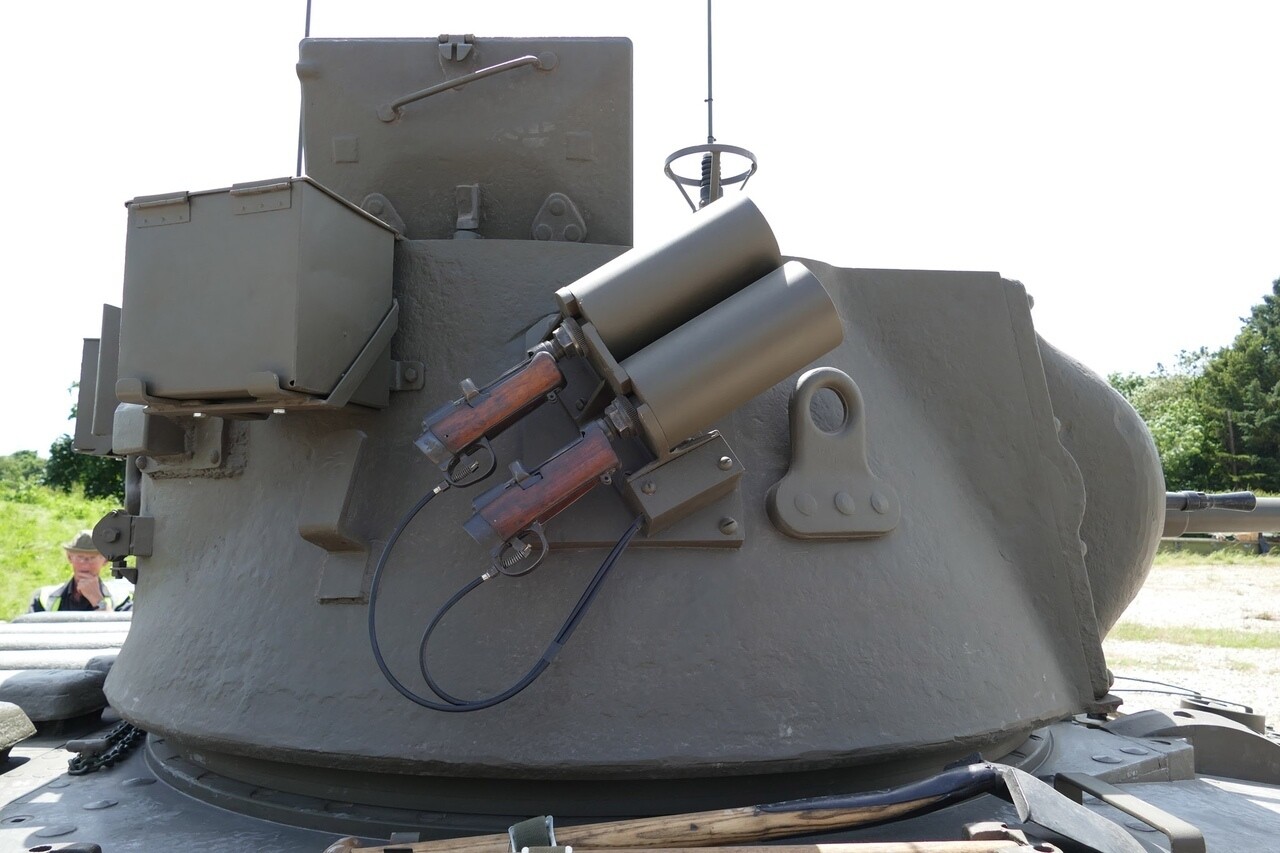
By mid‑war, factory‑built turret mortars became the common mounting for smoke launchers. External mountings proved vulnerable: they could be damaged by shrapnel, and crews sometimes had to expose themselves to reload external banks. Consequently, some designs moved launchers inside the hull or turret bustle. Smoke launchers were especially widespread in German service; British and American forces more often used smoke rounds fired from the main gun.
Soviet vehicles began receiving smoke devices in mid‑World War II, initially with MDSh (marine smoke canisters) and later BDSh (large vehicle smoke canisters) designed for armoured use. These rear‑mounted charges were released to form a smoke screen and were fitted to models such as the T‑34‑85, T‑44 and SU‑100, remaining in use into the 1950s until replaced by thermo‑smoke systems.
Modern tanks use advanced smoke‑screen systems and specialized charges. Modern smoke grenades can conceal a vehicle within seconds and — when formulated with metallic flakes or other particles — can reduce the effectiveness of infrared‑seeking missiles and thermal imagers by degrading the vehicle’s thermal and IR signature.