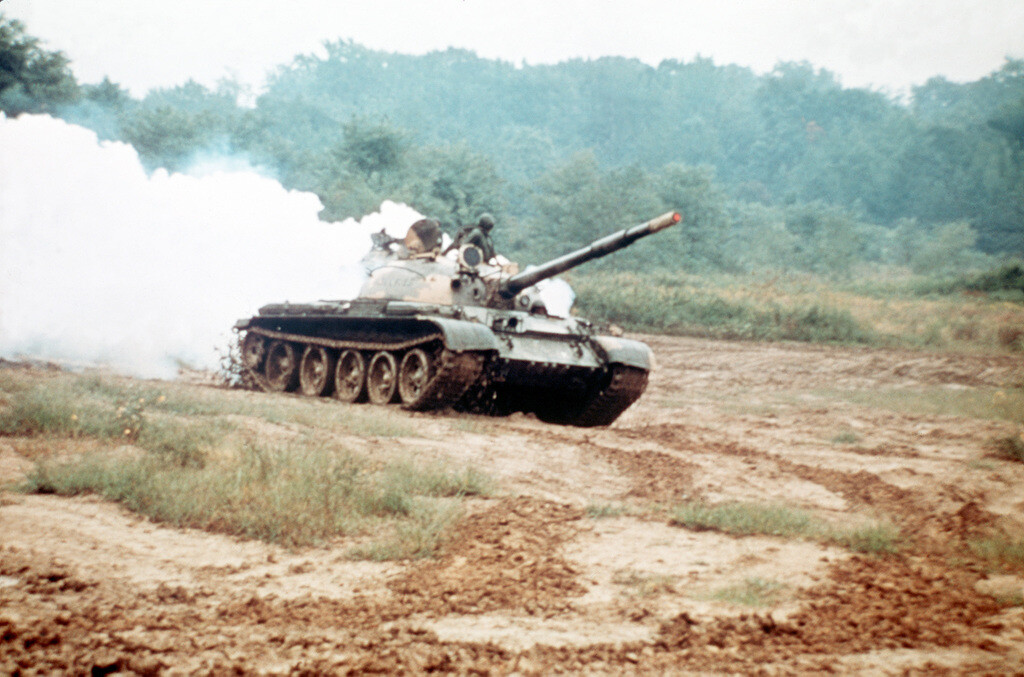
Engine Smoke System is a system used to generate artificial smoke screens, primarily on tanks. The screen is created by spraying fuel onto hot parts inside the engine, such as the turbine blades or the exhaust manifold. The high heat instantly turns the fuel into vapor, which then cools and condenses in the air, forming a thick white screen of smoke that hides the vehicle from view. Many ground units (mostly Cold War-era or modern vehicles) are equipped with ESS, and even some ships and floatplanes can create a smoke screen.
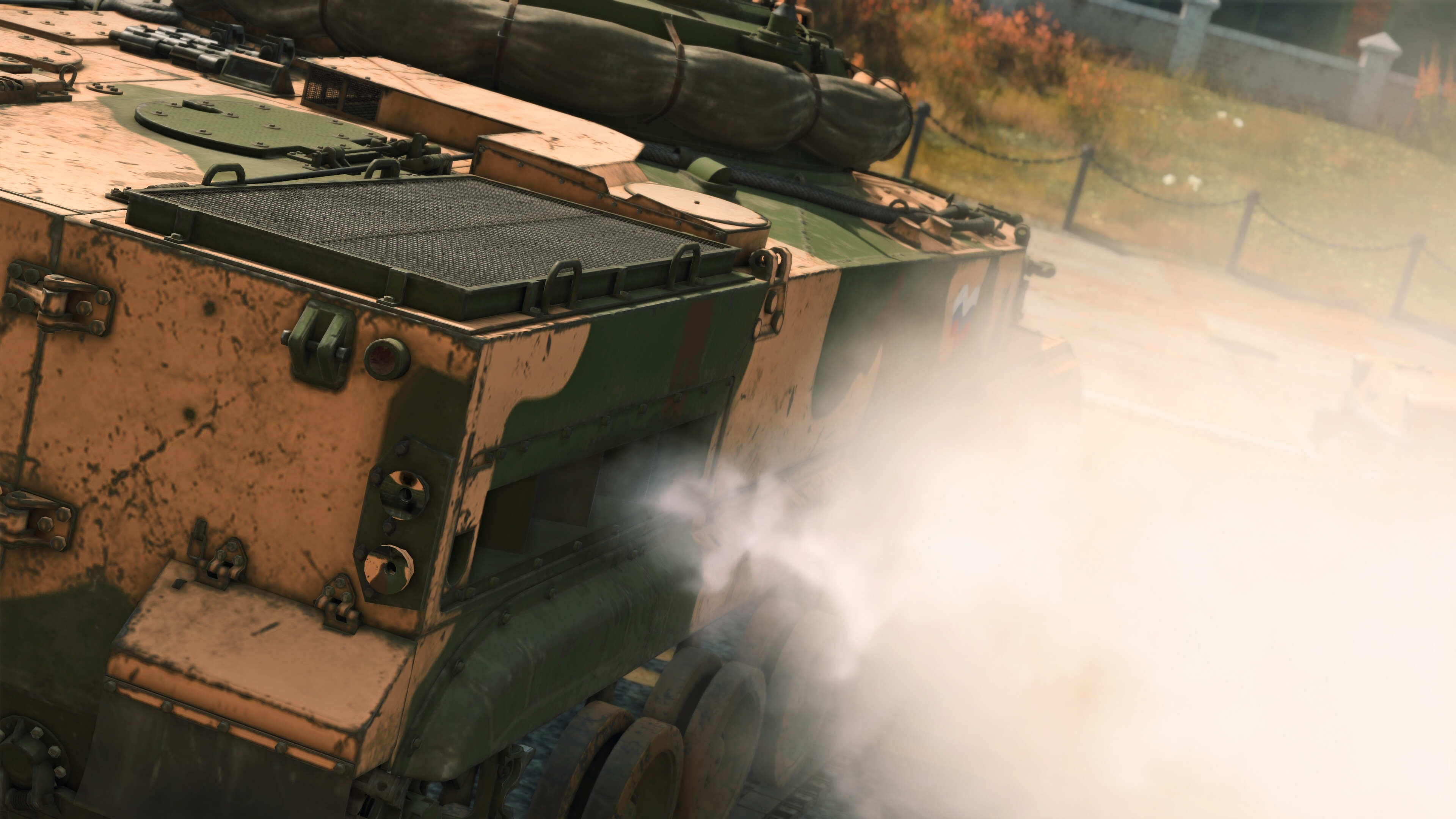
In-game usage
Using the ESS system creates a large smoke screen in the vicinity of the vehicle. Note that the number of ESS uses is limited for all vehicles.
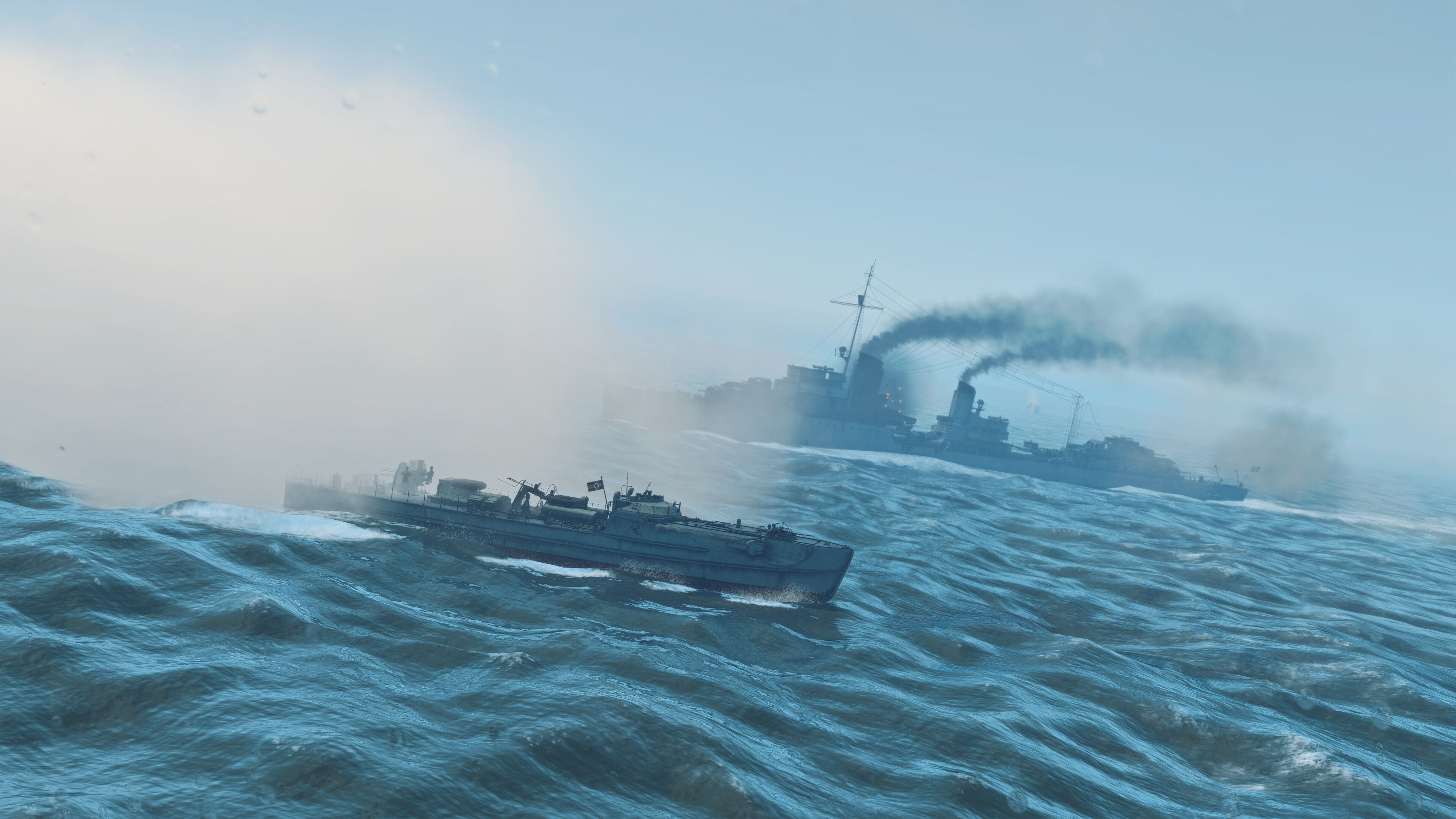
The smoke screen produced by ESS helps to hide allied or exposed vehicles from view. In addition to visually concealing movements, ESS will also cause vehicle markers from spotting to disappear. However, thermal imaging devices can “see” through smoke screen clouds produced by ESS, since the smoke screen is not as hot as regular smoke grenades, and is therefore unable to blind imaging devices.
Examples of how ESS can be used
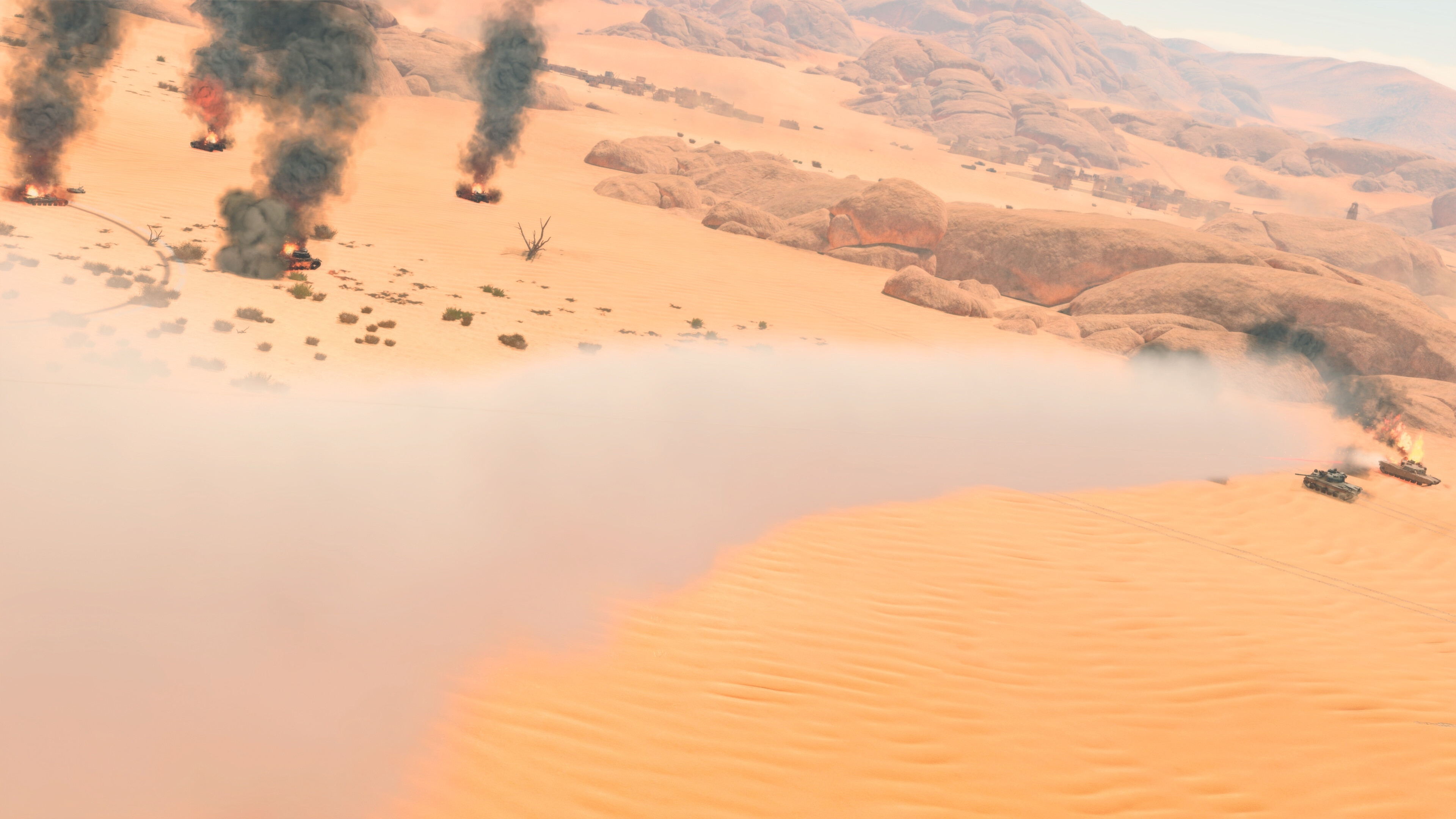
- Defending capture points: Driving around a capture point in a fast vehicle with ESS enabled creates a large smoke screen around the area, which can help to block the enemy’s line of sight to the point and hinder their advance.
- Helping allies to retreat or repair: Putting out a smoke screen can help provide temporary cover for allies who are retreating or repairing.
- Fighting against vehicles that lack thermal imaging: Some vehicles, such as the Sho’t Kal Dalet, that have both thermal imaging and ESS can lay down a smoke screen to conceal the vehicle’s actual position from enemies, while being able to see through their own smoke screen simultaneously. This is a situational but useful tactic that can be used when combating older tanks that are not equipped with thermal imaging devices.
Keep in mind that smoke screens also can draw the attention of enemies towards the vehicle producing the ESS cloud, so ESS should be deployed with caution and used appropriately. Using smoke grenades or shells instead of ESS may be more useful in some scenarios.
Historical background
Development of ESS
One of the earliest examples of an ESS system used on a tank was the MDSh system on Soviet T-34 and KV-1 tanks during World War II. By utilizing a 40-kilogram naval smoke canister, a tank could create a 500 to 600-meter smoke cloud that would burn for approximately 9 minutes. The mountings for the MDSh system could also be swapped out for standard diesel fuel tanks in the absence of smoke canisters.
True ESS technology that relied on the condensation of fuel vapor would not be achieved until the Cold War. Combat evidence revealed the effectiveness of smoke screens during the 1973 Yom Kippur War at reducing fatalities from anti-tank guided missiles, and reinforced the mantra of “If you can see a target, you can kill it.” This helped to spur the development of a new smoke system that could supplement existing smoke grenades. Additionally, most vehicles equipped with smoke generators were not suited for combat on the front lines within the range of enemy artillery.
The US Army eventually developed the Vehicle Engine Exhaust Smoke System (VEESS), which could produce a smoke screen from a tank’s engine. This allowed moving tanks to quickly lay down a smoke screen while on the move, concealing them from enemy anti-tank crews. This system was successfully used on the M60 and M1 Abrams.
How ESS works
The operation of ESS relies on the principle of thermal condensation. The hot exhaust manifold of an engine or the blades of a turbine act as an evaporator for the fuel, while the atmosphere condenses and converts the hot fuel vapors into a thick fog.
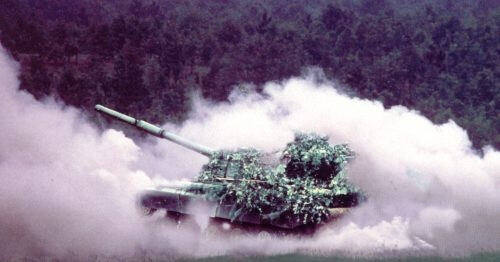
The aerosols created by ESS act as a countermeasure against thermal imaging systems. A cloud that masks the visible spectrum of electromagnetic waves (0.4–0.76 μm) typically consumes 0.17 kg of diesel fuel per second. If the fuel consumption is increased to 1.7 kg/s, the masking of electromagnetic waves increases to the near and middle ranges of the infrared spectrum (0.4–3.0 μm).
Smoke screen equipment only works when the engine is warm, and gear shifts are typically avoided due to sudden changes in engine speed, which can affect the creation of a consistent smoke screen. Additionally, fuel vapors may not fully condense if the engine is running at a low load or without a load (idling) due to the insufficient temperature in the exhaust. This can result in the release of unevaporated fuel vapors and result in the creation of a poor-quality smoke screen.
Thermal smoke equipment in American service
The tank smoke release system on the M60A1 RISE, which uses exhaust gases, was manufactured in the UK on behalf of the Edgewood Arsenal (US) and tested in August 1975. The test results were deemed satisfactory.
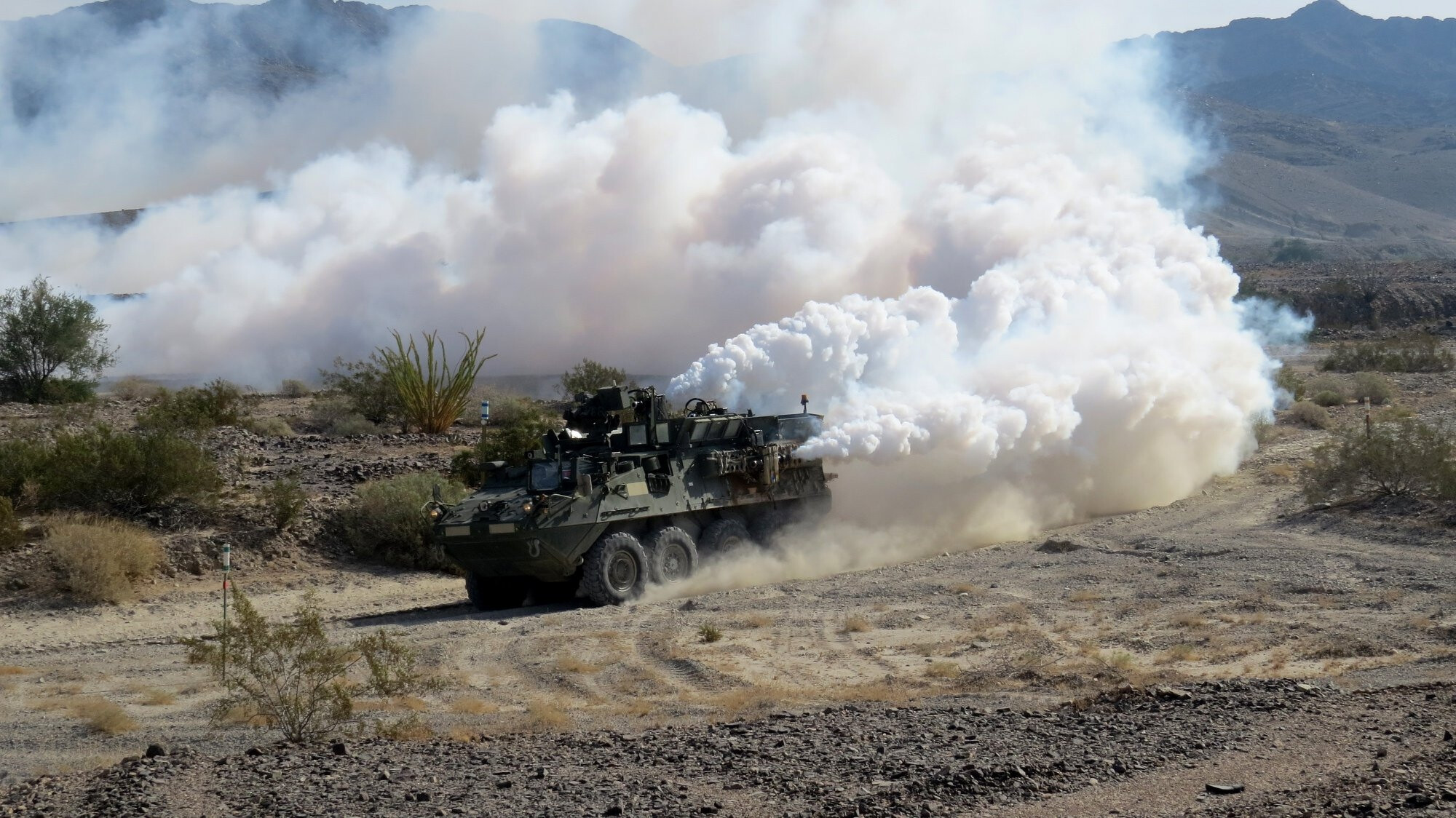
Some types of American tanks are equipped with the Vehicle Engine Exhaust Smoke System (VEESS) smoke release system, which uses diesel fuel as a smoke-generating agent. The duration of the screen is determined by the fuel supply. The system is used in conjunction with an onboard grenade launcher. The specific method of using the screen is chosen by the vehicle crew depending on the strength and direction of the wind, the intensity and direction of sunlight, and the nature of the enemy’s actions. Military experts believe that smoke screens used against ATGMs can obscure the line of sight and weaken the glow of the guided projectile to a level where the operator cannot confidently or accurately track it to the target.
Thermal smoke equipment in Soviet service
The current Russian Army also makes use of specialized vehicles like the TDA-3 that are equipped with smoke generators to quickly produce a large smoke screen.