
Players in War Thunder don’t need to worry about their vehicle’s health bar, but that doesn’t mean you can rush headlong into battle. Hidden beneath your thick armor are many vital modules, and damaging or destroying them could put an end to your quest for victory.
Contents: Engine • Transmission • Cannon Breech • Radiator • Fuel • Track • Wheel • Ammo rack • Barrel • The Crew • Horizontal and Vertical aiming mechanisms • Autoloader • Fire Control System • Electrical System • Driver Controls • Radio-electronic equipment
Engine
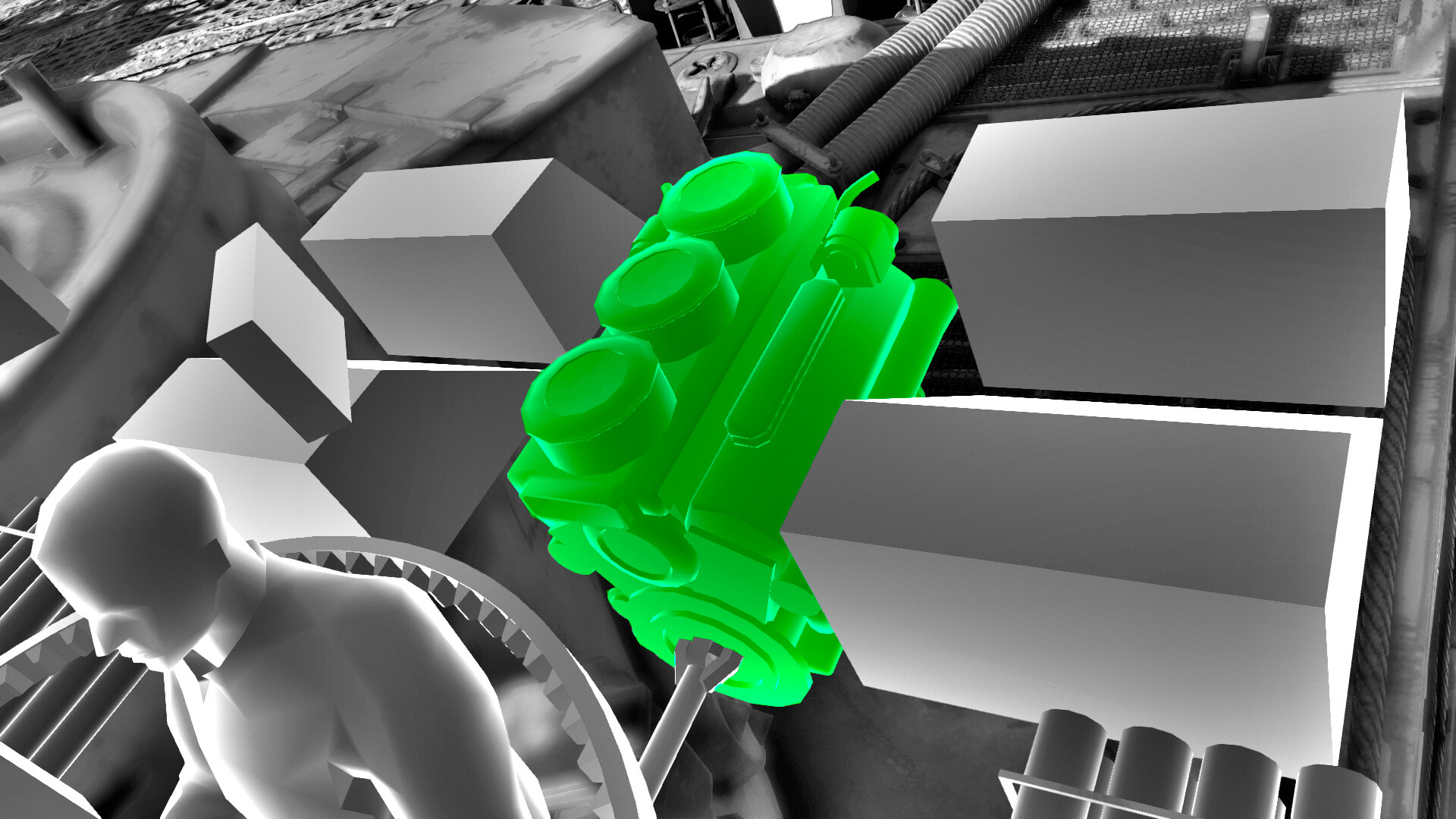
The engine is the primary module — arguably more critical than individual crew members. Losing one or two crew can be manageable, but losing mobility and becoming immobile under enemy fire is often fatal. The engine is usually located in the rear (which is often the least protected part of the hull), so hits there can seriously undermine your tactics.
The engine is also flammable: if it is damaged to the “black” state there is a high chance the vehicle will catch fire. However, the engine is relatively robust and often stops shrapnel and in some cases even whole shells.
The engine is a linearly damaged module: any damage reduces its effectiveness, and more severe damage produces larger performance losses.
| Mode / Type of Damage | AB | RB/SB |
| Orange/Red | Substantial drop in power | Substantial drop in power |
| Black | Very significant drop in power, minimal mobility is maintained | The vehicle cannot move |
Transmission
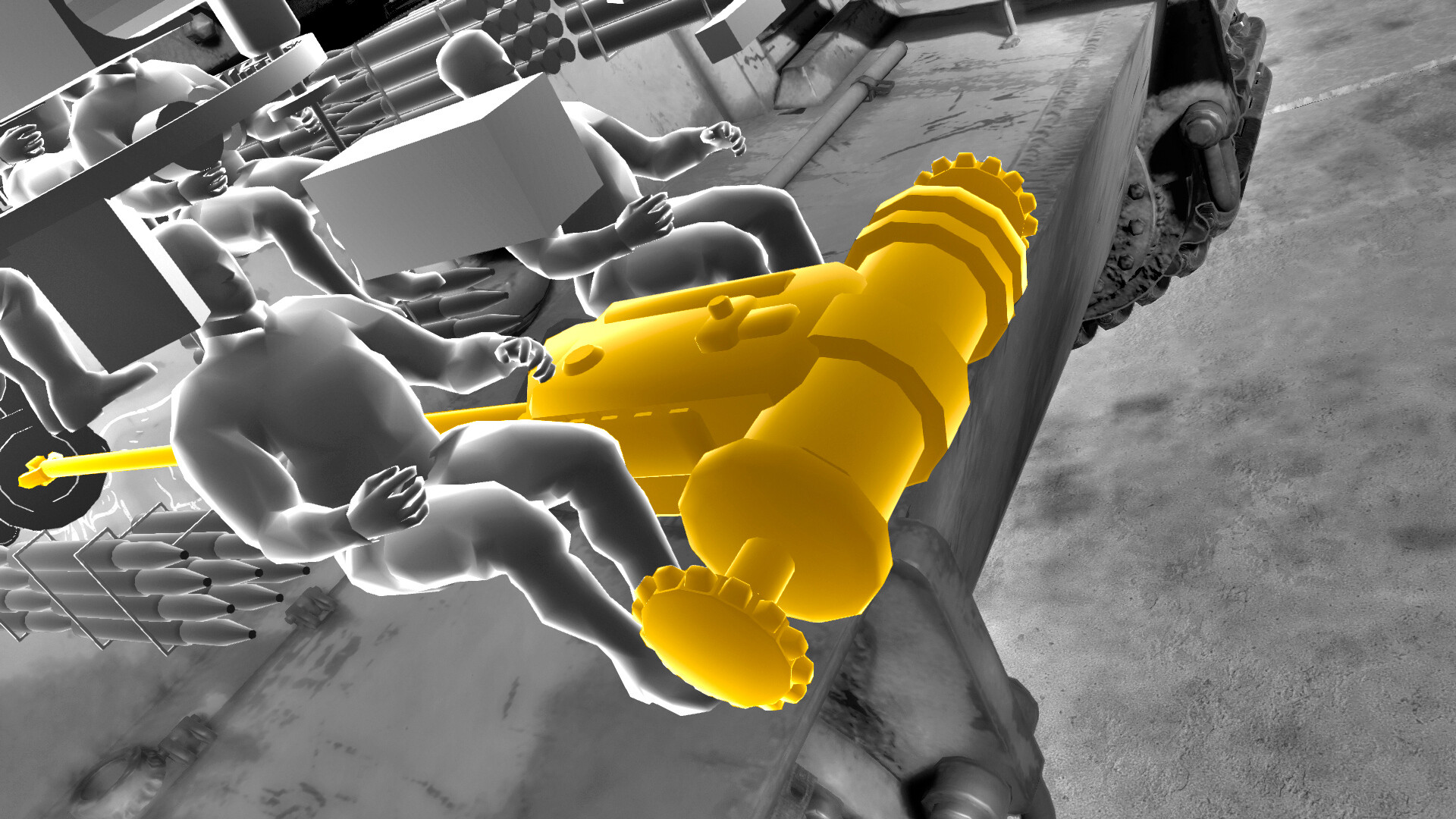
The transmission transfers power from the engine to the wheels or tracks. Losing the transmission is as serious as losing the engine. It can also catch fire and is often a large component especially on some German designs, where it extends from the engine area to the front drive sprockets.
The transmission is linearly damaged: increasing damage progressively reduces its effectiveness.
| Mode / Type of Damage | AB | RB/SB |
| Orange/Red | Substantial drop in power | Substantial drop in power |
| Black | Slow movement is possible | The vehicle cannot move |
Cannon breech
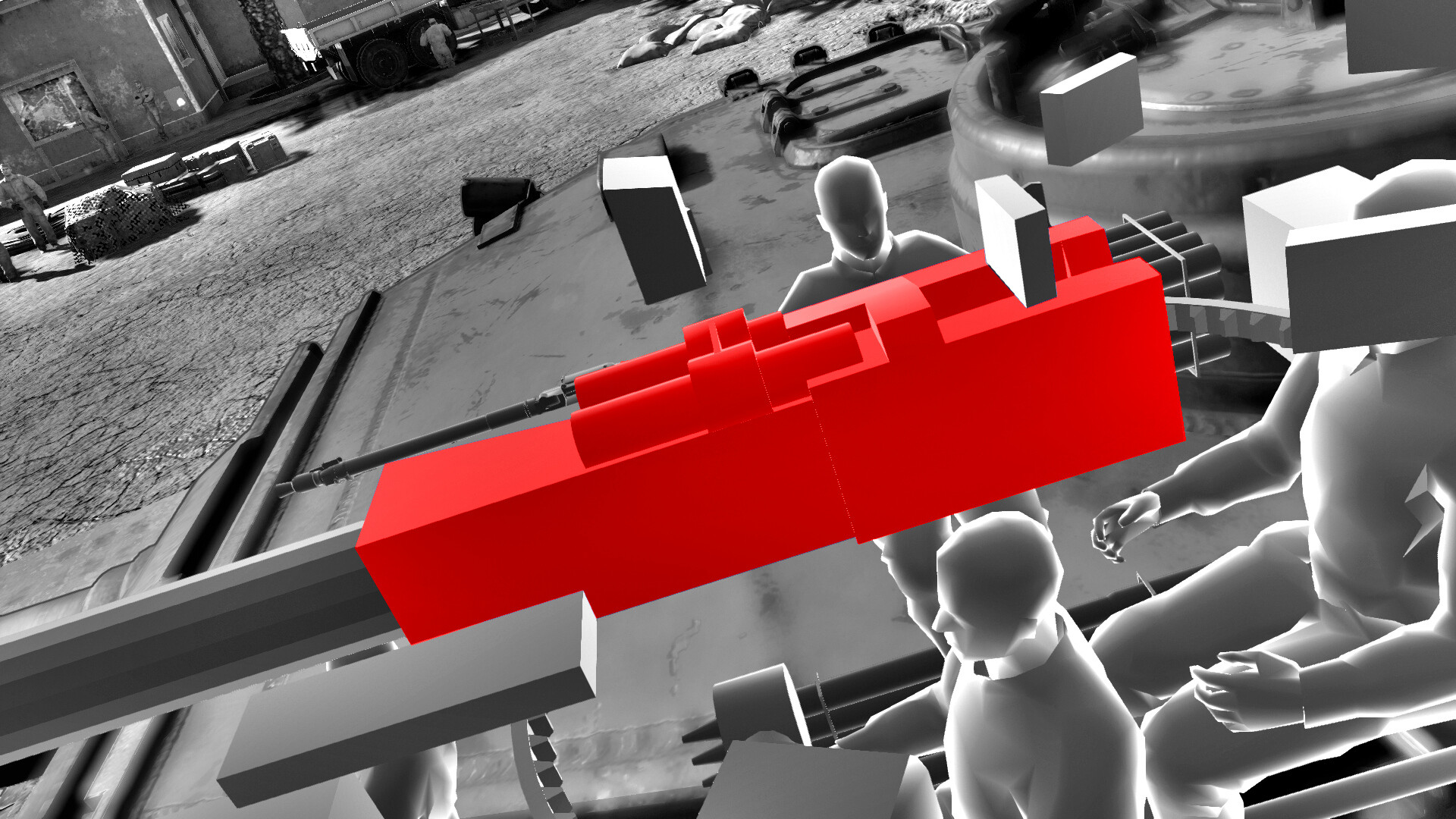
The breech is the part of the gun where rounds are loaded. It is usually inside the fighting compartment, which provides additional protection but if it is damaged the entire weapon system can be put out of action. When the breech is damaged it may misfire or fail to fire, and more severe damage raises the chance of total breech failure, requiring lengthy repairs.
| Mode / Type of Damage | AB | RB/SB |
| Orange | Substantial chance of a misfire without a detonation | Substantial chance of detonation |
| Red | Significant chance of a misfire without a detonation | Significant chance of detonation |
| Black | Very significant chance of a misfire without a detonation | The tank cannot fire |
Radiator
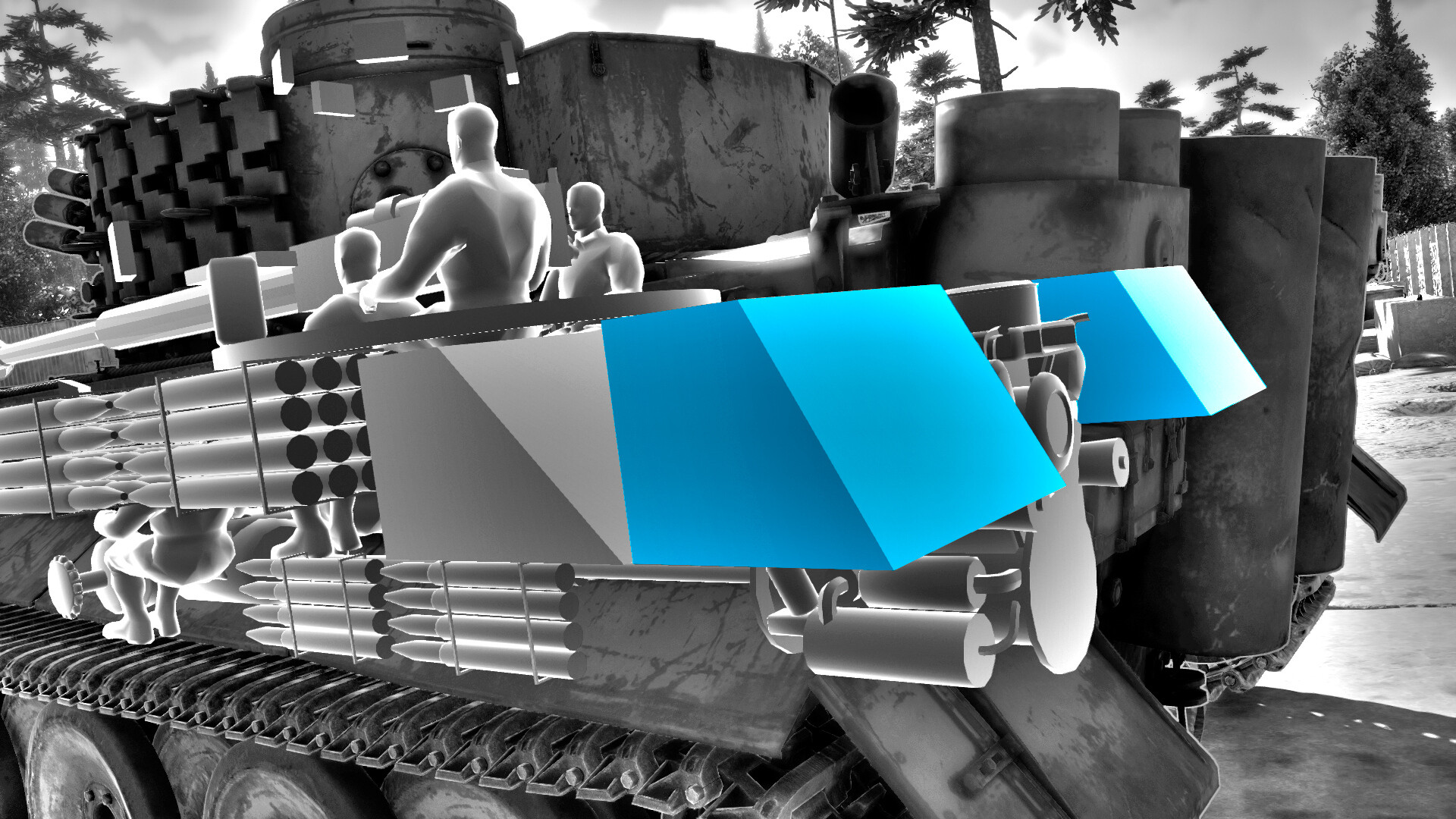
The radiator is a relatively large module responsible for cooling the engine. It is usually near the engine but, unlike the engine, it offers little resistance to incoming shells.
Earlier radiator damage had no gameplay effect on overheating, but since Update “La Royale” radiators can suffer functional damage in ground battles. A damaged radiator causes the engine to overheat, which may produce damage, a gradual loss of power, and eventually engine stall and immobilization. If your radiator is hit, stop and repair it: initially you’ll usually be able to drive to cover, but if left unrepaired for too long you may have to repair both the radiator and the engine.
The radiator is not linearly damaged, its intermediate damage state does not immediately affect engine performance, but a fully disabled radiator will cause overheating problems.
Fuel tank
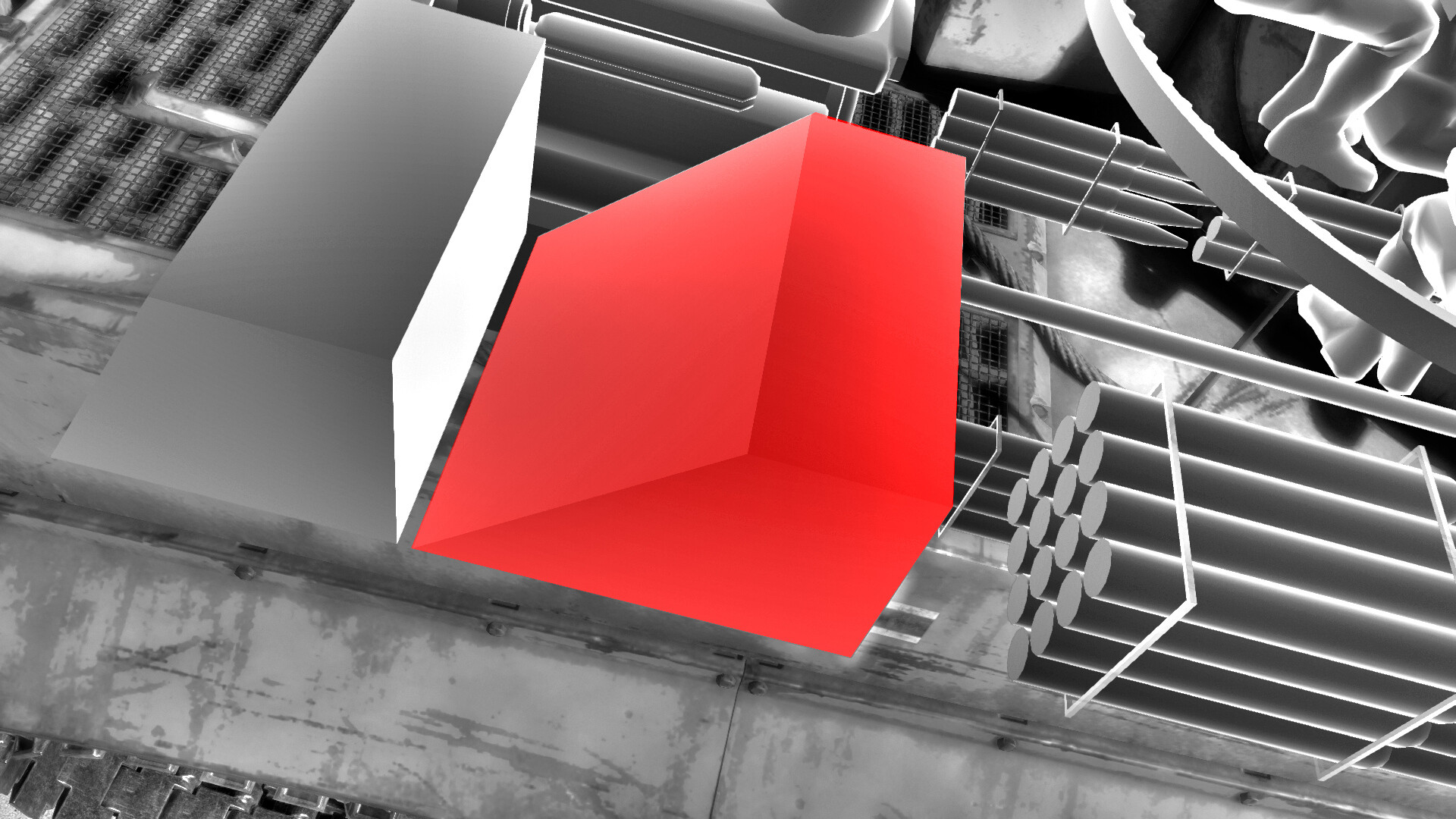
The fuel tank (diesel or gasoline) is both vital and dangerous. Damage to the tank can cause fires or even an instantaneous explosion of fuel vapors, which will destroy the vehicle. The likelihood of fire or explosion depends heavily on the type of round that hits the tank; high‑explosive rounds carry the greatest risk. In some cases fuel tanks may act as additional protection, stopping weaker rounds and shrapnel.
In addition to internal tanks (which may be located in the engine bay, transmission area, or fighting compartment near ammunition and crew), many vehicles carry external auxiliary tanks placed behind armor or separated from vital components by bulkheads. Properly positioned external tanks are less likely to cause catastrophic detonation and can act as an extra layer of protection.
The fuel tank is not linearly damaged: intermediate damage generally does not affect combat effectiveness. Since update 2.3.0.42, a destroyed fuel tank is removed from the damage model, further hits to it will not cause fires or fuel explosions, and the destroyed tank no longer shields other modules or crew.
| Mode / Type of Damage | AB | RB |
| Orange/red/black | The chance of detonation does not change and depends on the vehicle and the round fired at the vehicle | Same as in AB |
Track
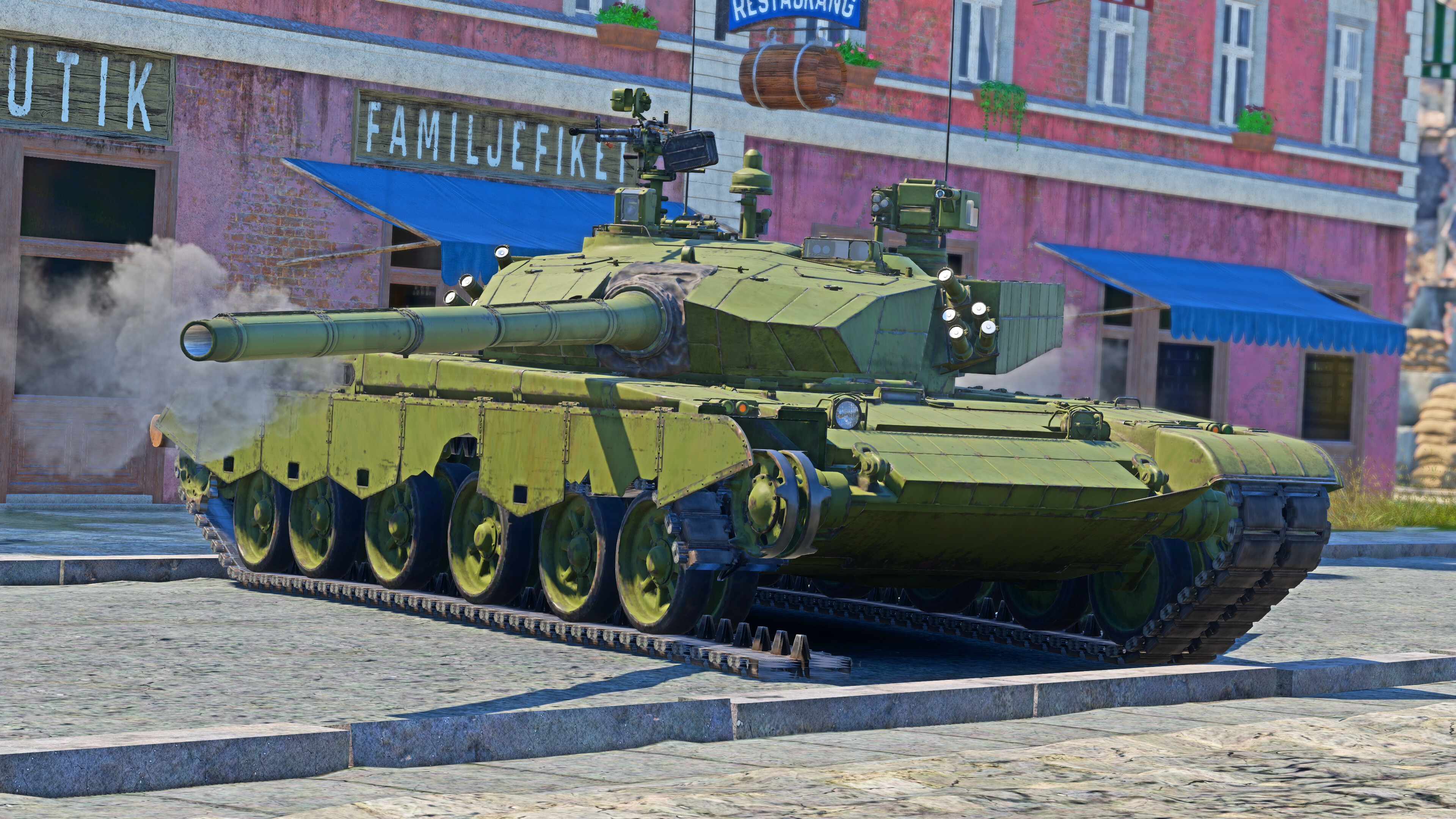
Most tracked vehicles have two tracks (some have more). Being hit in the track is usually advantageous (except for SPGs) because tracks are structural steel and can provide additional protection, sometimes even deflecting HEAT rounds. Track repairs begin automatically in all modes if the vehicle remains stationary for a few seconds.
Wheels
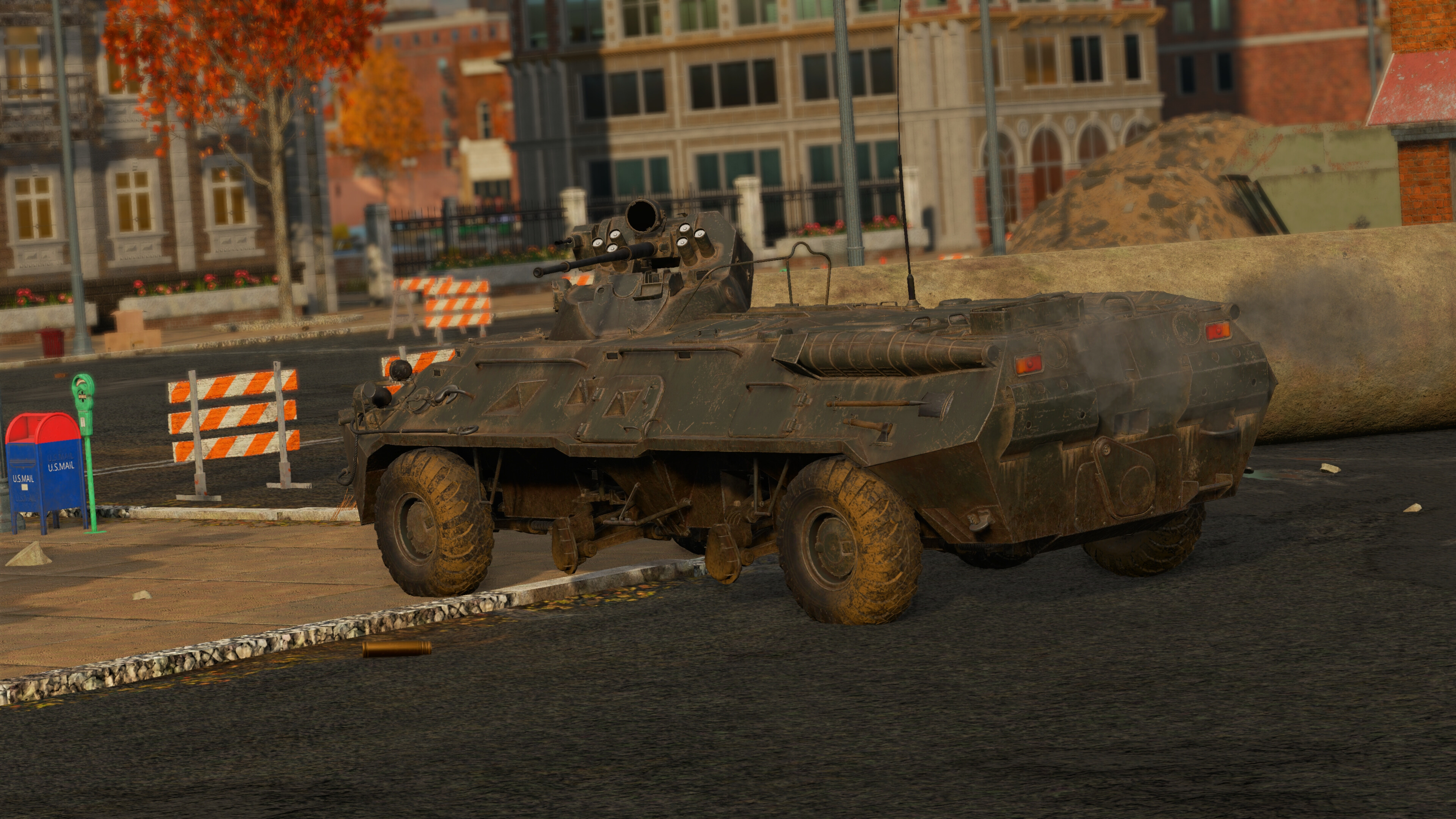
Wheels are generally less durable than tracks and can be easily damaged by machine gun fire or nearby detonations. However, many wheeled AFVs and trucks have four, six, or eight wheels, which gives them redundancy that maintains mobility under fire. For tracked vehicles, a lost track typically causes immobilization, whereas vehicles like the BTR‑80A can often continue moving with several damaged wheels, though with reduced maneuverability.
In Update “Seek & Destroy” wheel damage mechanics were improved: instead of simply deflating, a failed wheel can now cause a dramatic sideways skid that affects vehicle stability and may even tilt the vehicle enough to prevent firing. Fortunately, crews often carry spare wheels, allowing relatively quick repairs without searching for the nearest tire shop.
Ammo rack
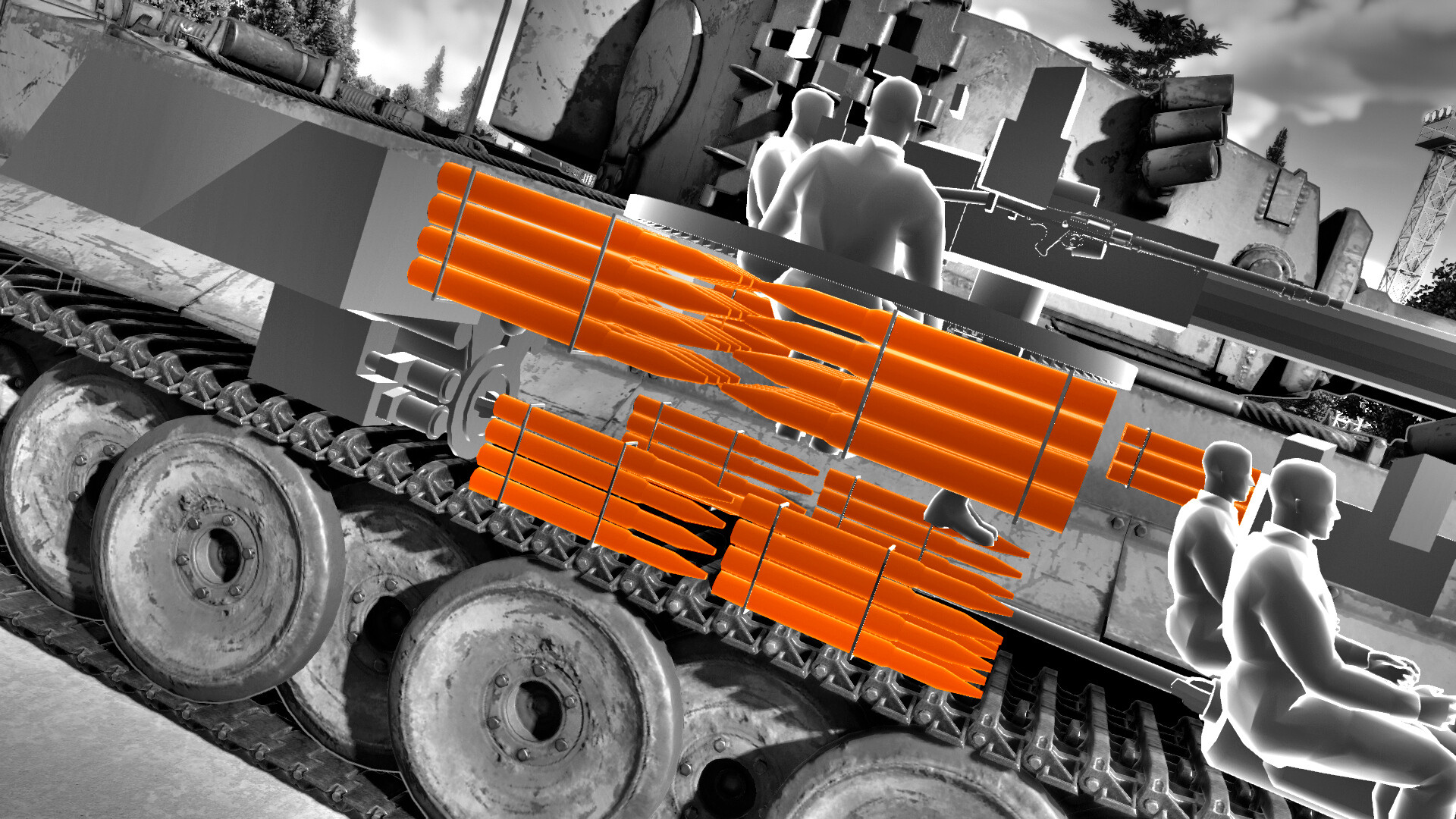
Ammunition racks are critical modules: if they detonate, the vehicle is usually lost. Racks store rounds for the vehicle’s main armament. Most vehicles have multiple racks located in different areas (per historical layouts). As rounds are expended, racks are consumed in a predefined order unique to each vehicle.
Empty or depleted racks cannot be damaged, so some players deliberately carry reduced ammunition loads to avoid placing racks in vulnerable areas. Racks can also be physically scattered on vehicles that use separate loading (shell and charge stored separately), such as the IS‑2. Non‑explosive projectiles themselves won’t detonate when struck only the powder charges pose a detonation risk.
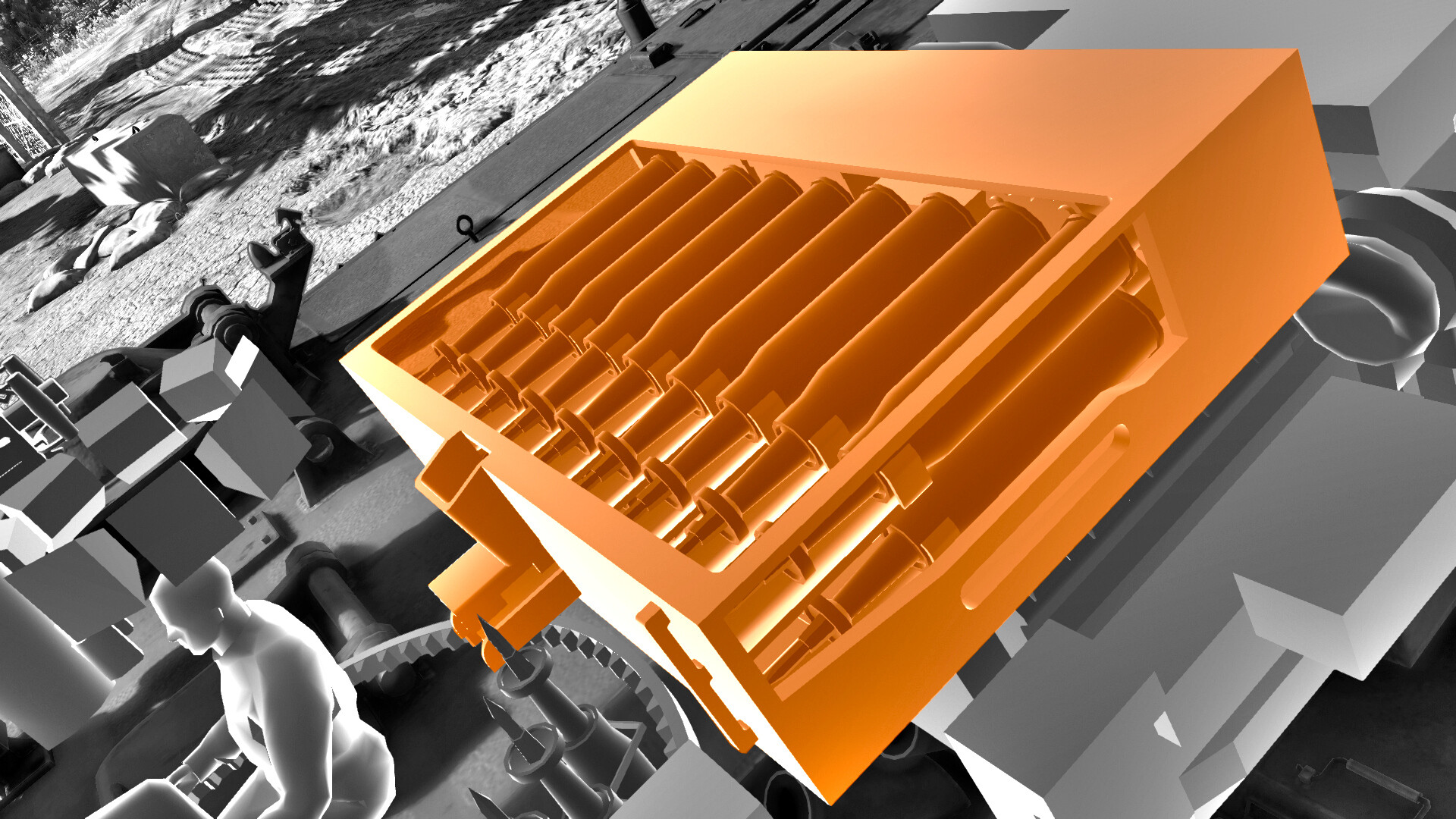
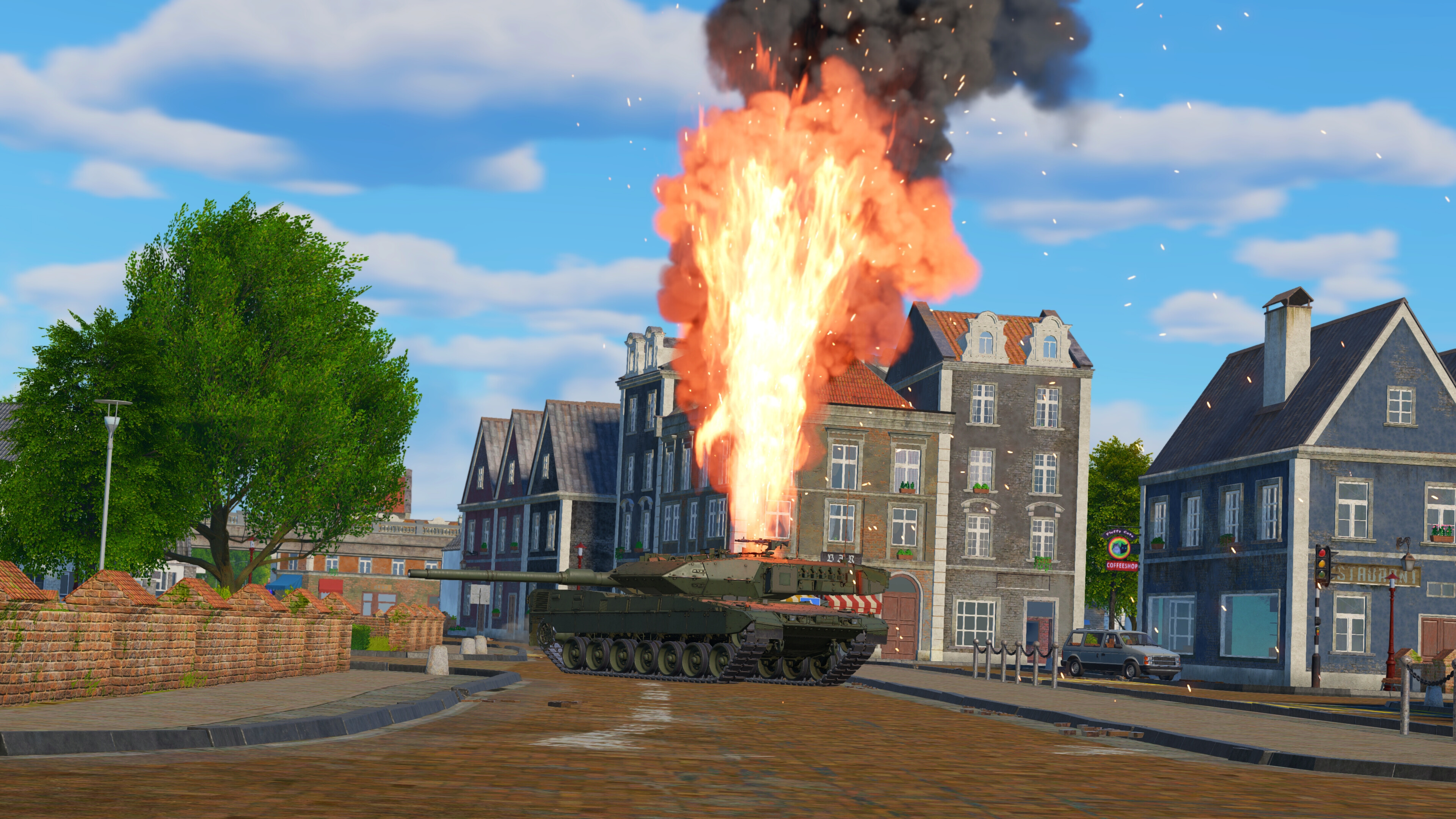
Many modern tanks use protected ammunition compartments in turret niches, separated from the crew by armored partitions and fitted with blow‑out panels to increase crew survivability. If the partition and blow‑out panels function as intended, a fire in the ammo compartment will vent outwards and should not immediately endanger other internal systems or the crew, allowing the tank to continue fighting.
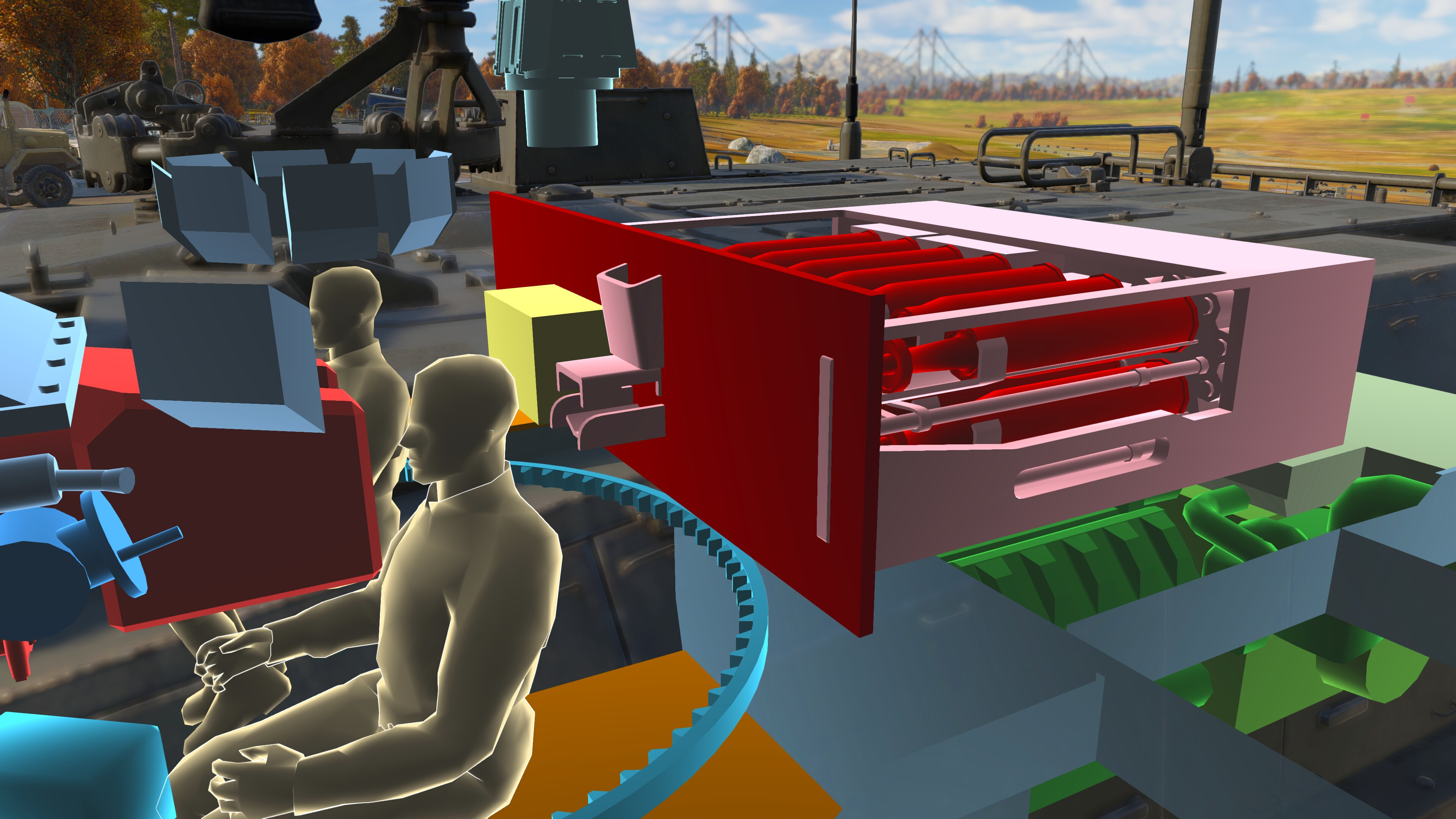
Note that vehicle designs differ: for example, many Abrams store the majority of rounds in a single protected compartment (so a catastrophic hit there may leave only the round currently chambered), while vehicles like the Leopard 2 also have additional stowage inside the fighting compartment. This design trade‑off affects survivability and combat endurance.
A blow‑out panel cannot protect the crew if the armored partition separating the ammo compartment from the fighting compartment has already been breached.
Barrel
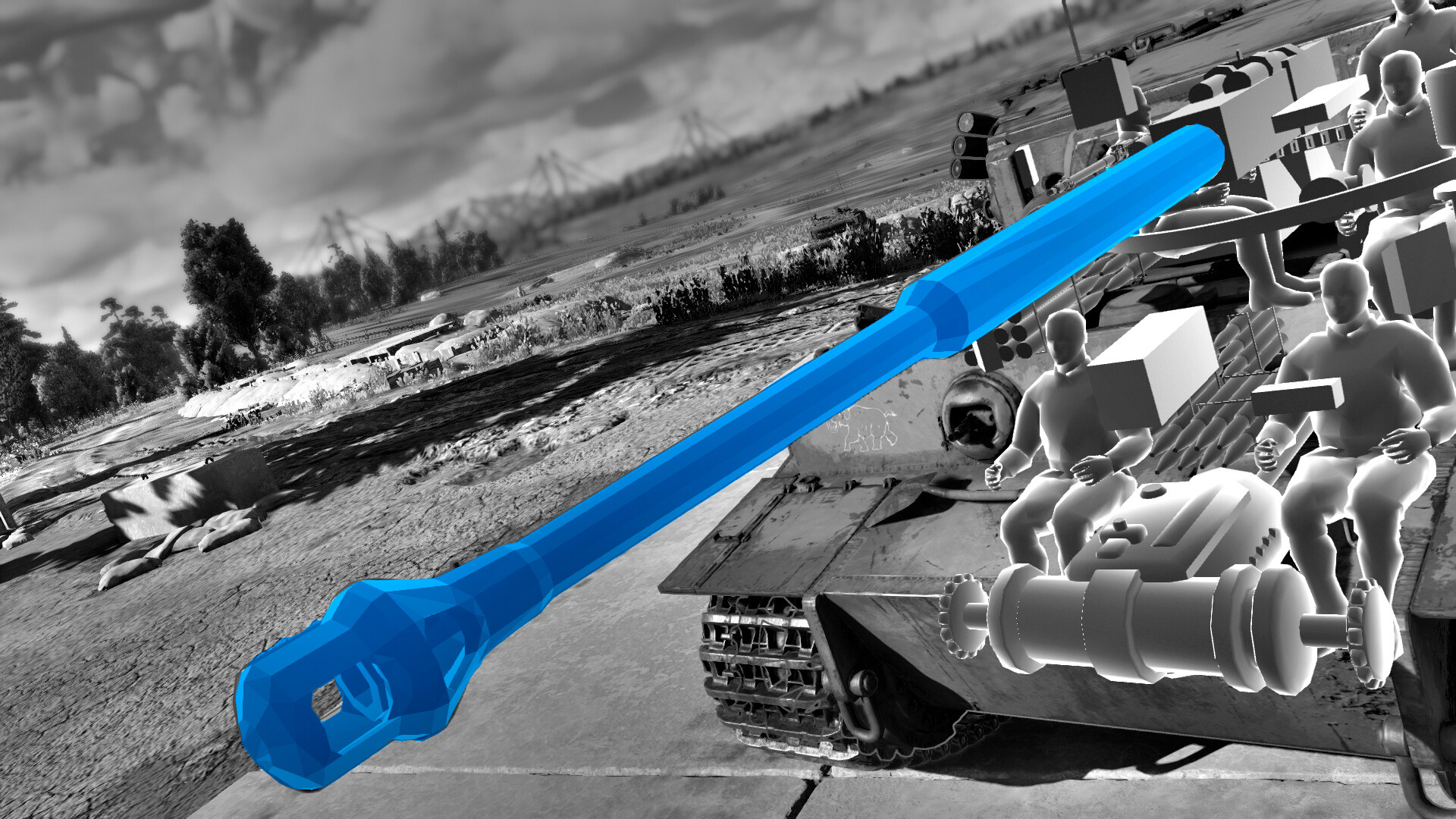
The barrel is the exposed part of the gun and is vulnerable to damage. A badly damaged barrel may not withstand firing pressures and can rupture catastrophically. A ruptured barrel is useless and should be repaired immediately, which is usually faster than replacing a destroyed gun. A ruptured barrel outside the fighting compartment will not destroy the vehicle, but it severely degrades combat capability.
- AB: You can still fire with a ruptured barrel, but accuracy and penetration are greatly reduced.
- RB / SB: A ruptured barrel typically renders the gun unusable and is clearly visible to enemies.
The barrel is a linearly damaged module: it responds to any damage and may remain operational depending on severity.
| Mode / Type of Damage | AB | RB/SB |
| Orange | High chance of destruction | High chance of destruction |
| Red | Destruction is practically guaranteed | Destruction is practically guaranteed |
| Black | Destroyed, but can fire | Destroyed. The tank cannot fire |
The Crew
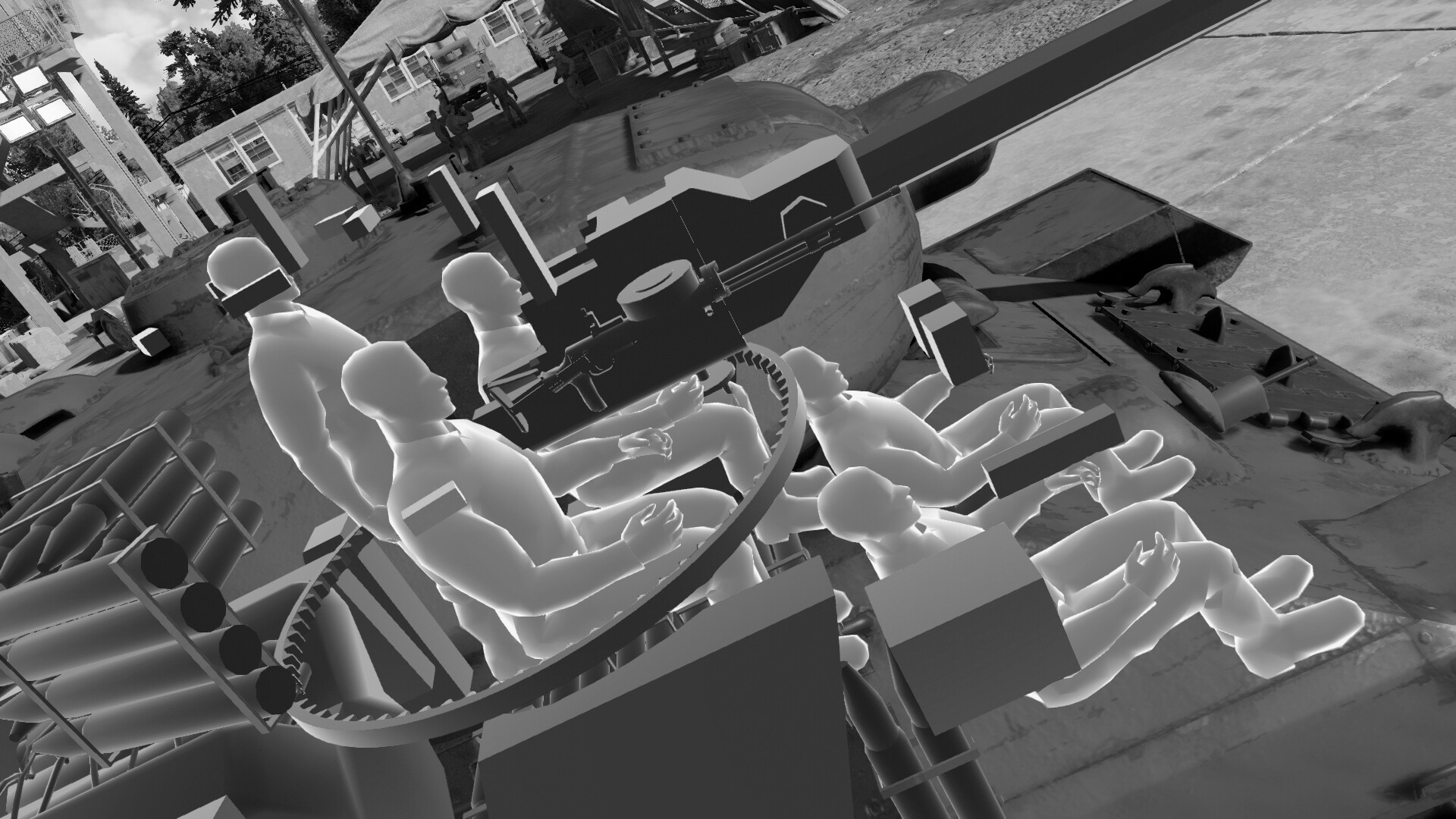
The crew are individual crewmen who can be injured or killed. Each crew member functions as a separate unit in the damage model. Wounded crew continue to perform their roles despite injuries until they reach the “black” state, which renders them incapacitated for the rest of the battle. The Crew Replacement upgrade lets you call one replacement crewman per battle.
Crew are linearly damaged: increasing injury reduces effectiveness. Since Update “Seek & Destroy,” wounded crew members can automatically heal after a delay until the performance penalty disappears; a healing icon appears on the damage panel while they recover. Most vehicles are considered destroyed if fewer than two crew members remain (exceptions apply, e.g. Strv 103).
| Mode / Type of Damage | AB | RB |
| Orange/red | The crewman’s effectiveness is unaffected | Same as AB |
| black | The crewman cannot perform his duties | Same as AB |
Horizontal and Vertical aiming mechanisms
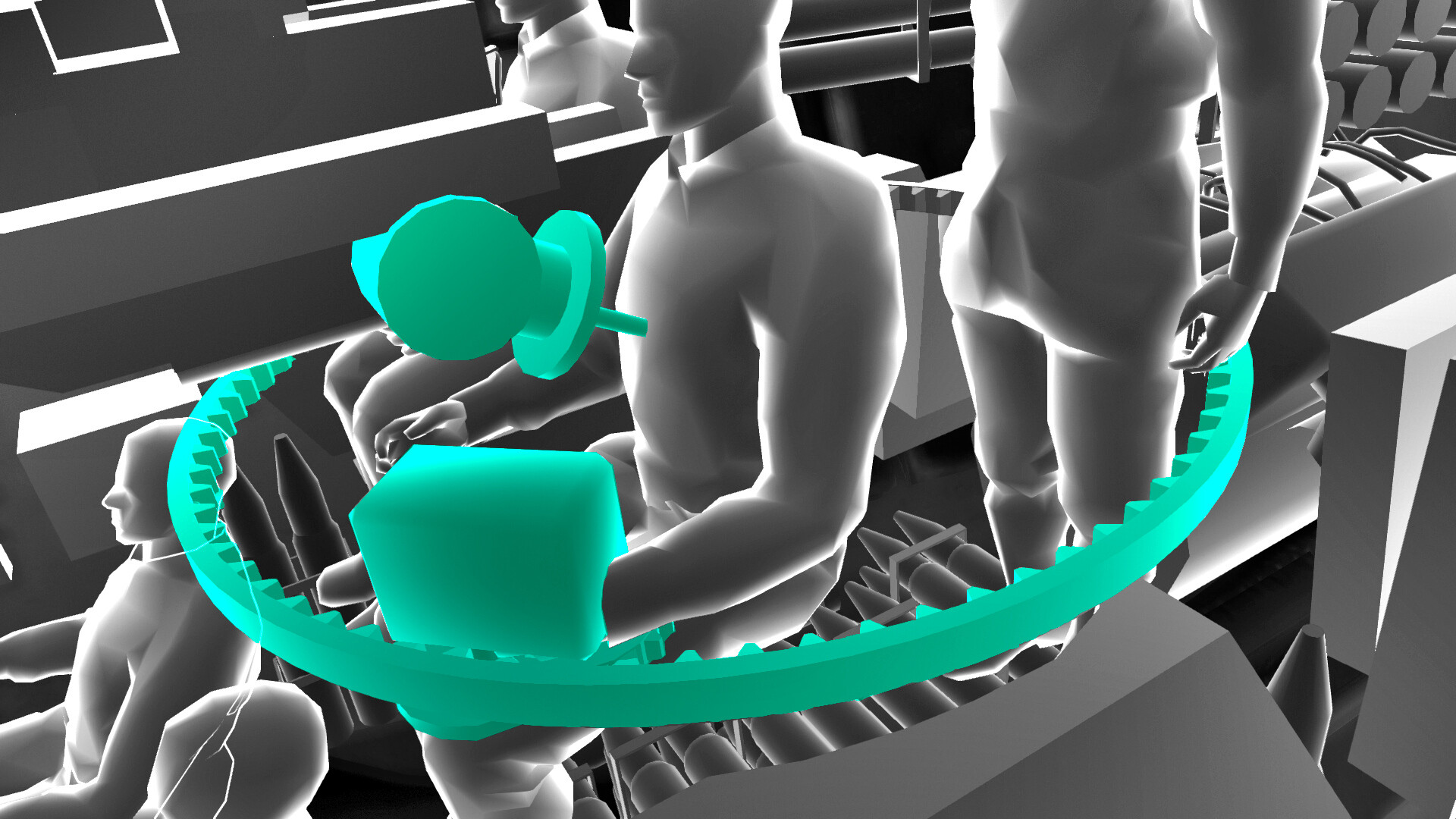
Traverse (horizontal) and elevation (vertical) drives enable turret rotation and gun elevation/depression. These compact but vulnerable modules, when damaged, can prevent turret rotation or gun elevation, sharply reducing combat effectiveness. While not always fatal to combat capability, you can sometimes aim approximately by turning the hull, failure severely limits performance.
These drives are not linearly damaged: intermediate damage usually has little effect, but complete failure significantly limits the vehicle’s aiming capability.
| Mode / Type of Damage | AB | RB |
| Orange/red | Aiming speed is unaffected | Same as AB |
| Black | Significantly reduces aiming speed | The aiming mechanism is fully disabled |
New modules (Update “Seek & Destroy”)
Update “Seek & Destroy” introduced several new internal modules that reflect modern vehicle systems and have reshaped the damage model. These modules provide new functions and capabilities but can be disabled like any other component, causing malfunctions. Repairs restore functionality, and crews can perform these repairs in the field with onboard tools.
The new modules are not linearly damaged: intermediate damage generally does not affect system performance, but complete failure will significantly limit module functions.
Module responsibilities vary by vehicle. You can view the full list of module‑related systems in the hangar by hovering over a module in X‑ray mode.
Autoloader
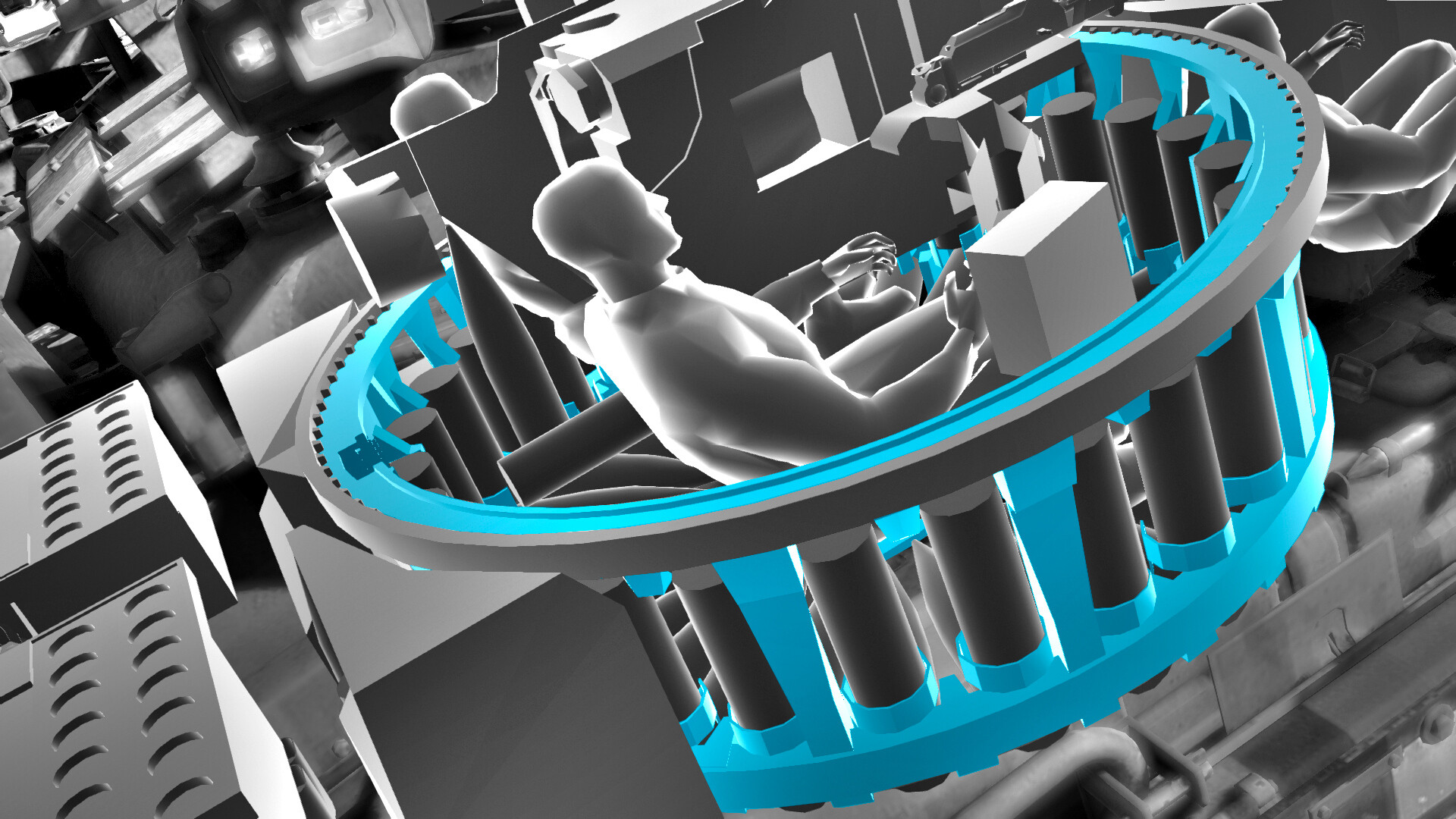
Autoloaders. The military realization of widespread mechanization, automated ammunition handling. When functioning, the autoloader performs all reloading tasks. If damaged, it prevents further reloading until repaired, the crew cannot reload the gun manually. Damage to the autoloader does not stop the gun from firing rounds already chambered, so you may still get off a final shot before repairs are completed.
Fire control system (FCS)
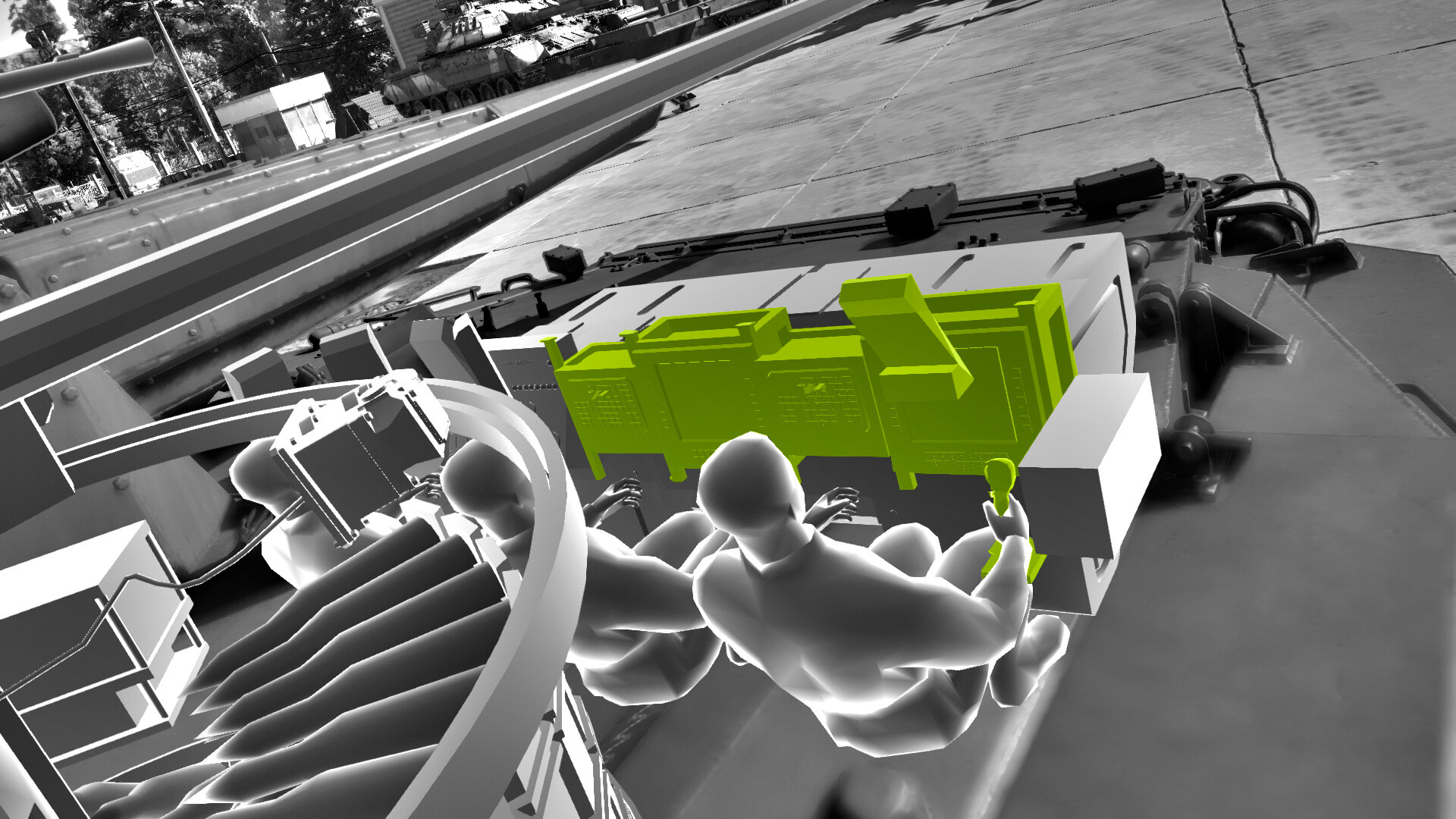
Historically, the FCS was a sight and manual controls supplemented by the gunner’s skill. Modern FCS units contain sensors and processors that compute ballistic corrections range, wind, barrel wear and more enabling highly accurate aiming with minimal crew input.
In the game, the FCS assists with target detection and lead calculation. Depending on equipment it may include a laser rangefinder, night vision, gun stabilization, radiation/laser warning systems and more, all of which can fail if the FCS is damaged. FCS failure usually does not prevent manual aiming and firing, but on vehicles with unmanned turrets or control‑panel weapons (e.g., 2S38, PUMA), FCS damage can block aiming and firing entirely.
Electrical system
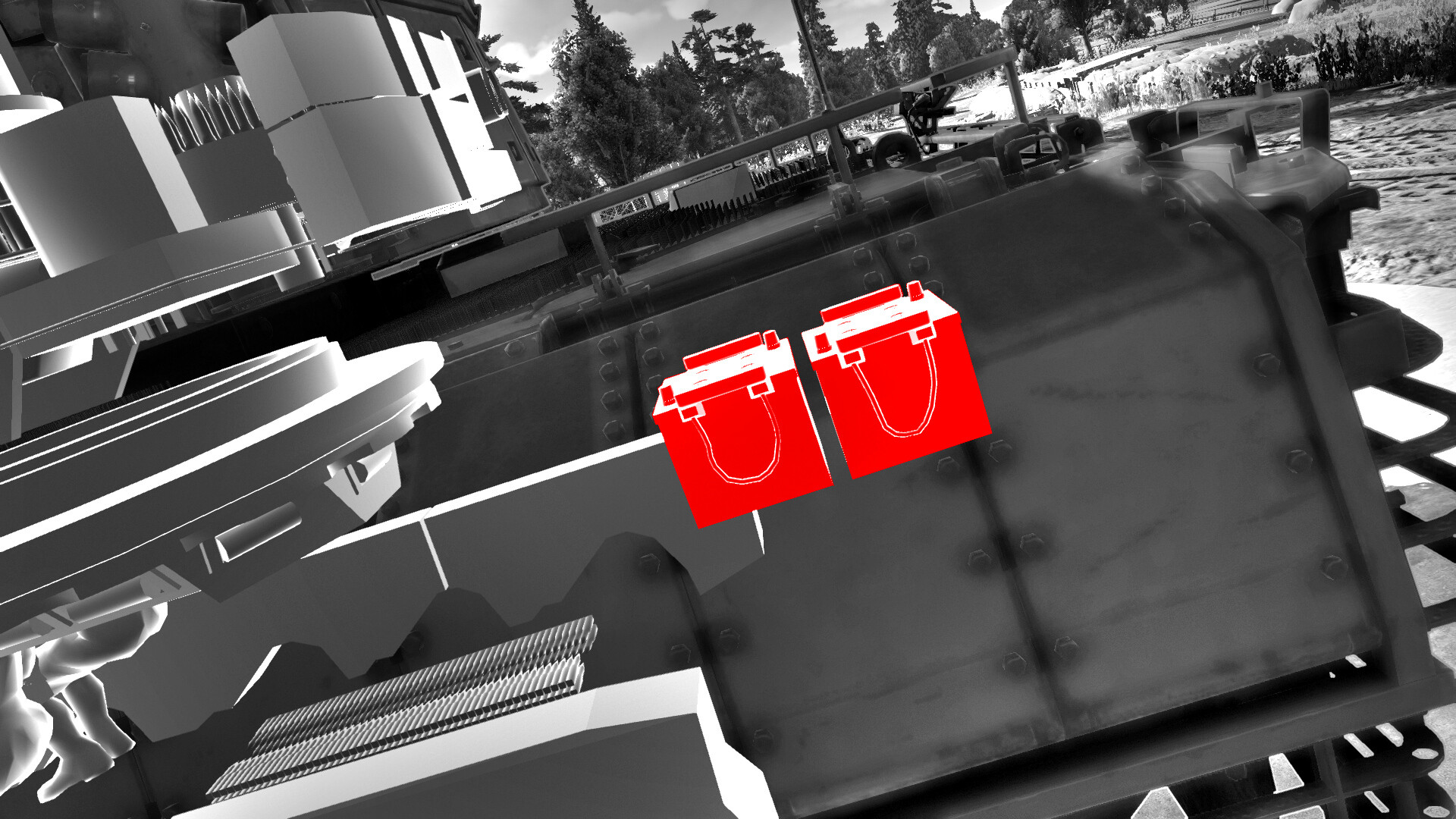
Modern combat vehicles rely on onboard power generators, batteries and distribution gear to run sensors, radars, FCS and other electronics. If the electrical system is damaged many consumers will shut down, potentially disabling radar, stabilization and other key functions, and increasing the risk of fire.
Driver controls
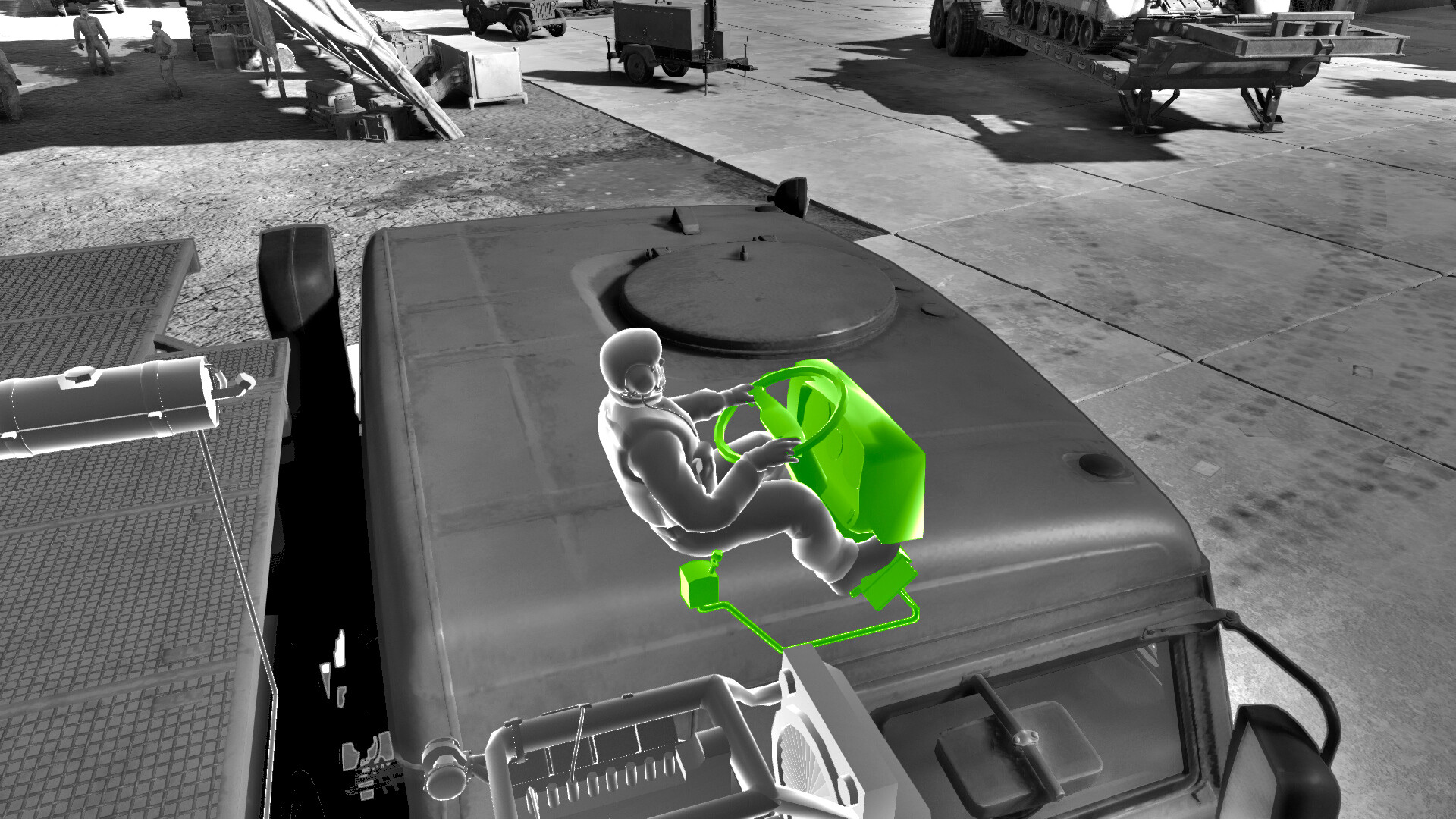
The driver uses steering, pedals, levers and instruments to maneuver the vehicle. If driver controls fail the vehicle may be unable to move or steer and will be effectively immobilized.
Radio-electronic equipment
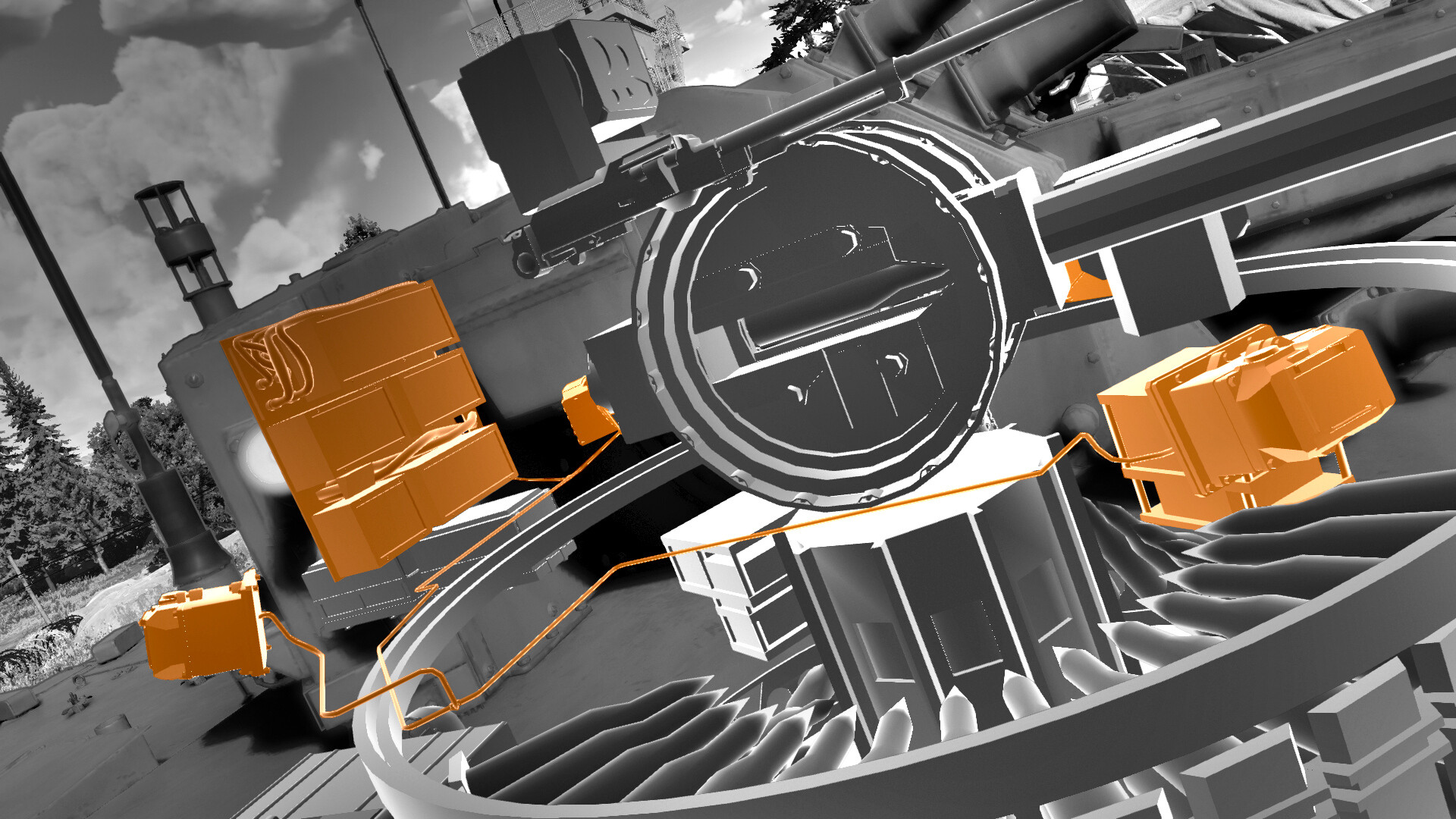
Radio‑electronic equipment, radios, radar/optical search and tracking stations, and laser/radiation warning systems is essential for detecting air and ground threats and emissions from other vehicles.
Damage to components of this module can disable radar/optical tracking and warning systems, making it much harder to acquire and engage air targets accurately without tracking data it is difficult to compute correct lead for guns or guide missiles reliably.
Protect your engine, fuel tanks, ammunition and all other modules. Everything matters on the battlefield.