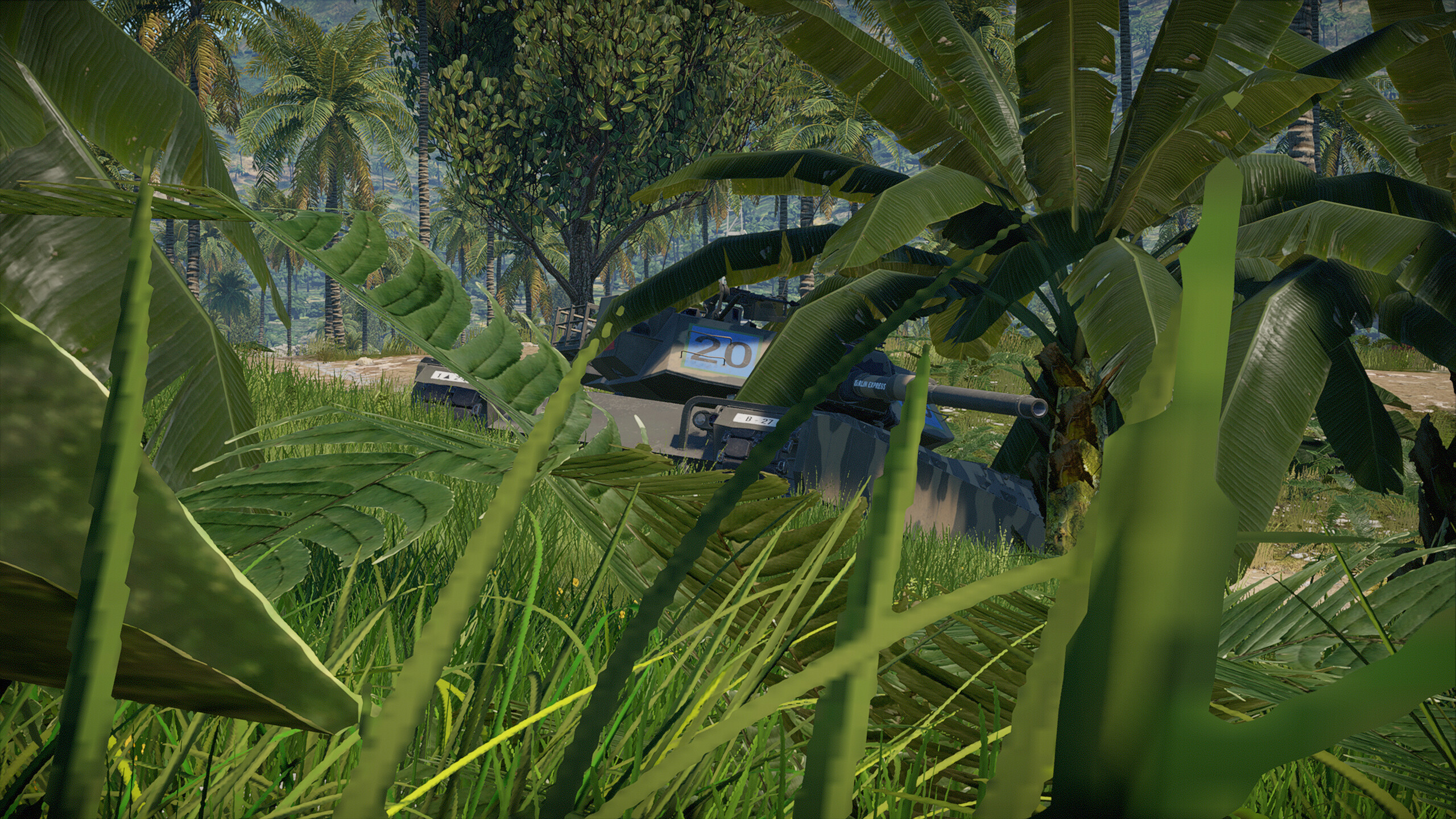
The XM1 (GM) is a premium American main battle tank intended to replace the aging M60 tanks following the failure of the MBT-70 project. With its great 105 mm gun and mobility, the XM1 is a highly effective flanking vehicle, however, the relatively weak armor on this tank makes positioning and situational awareness crucial for survival.
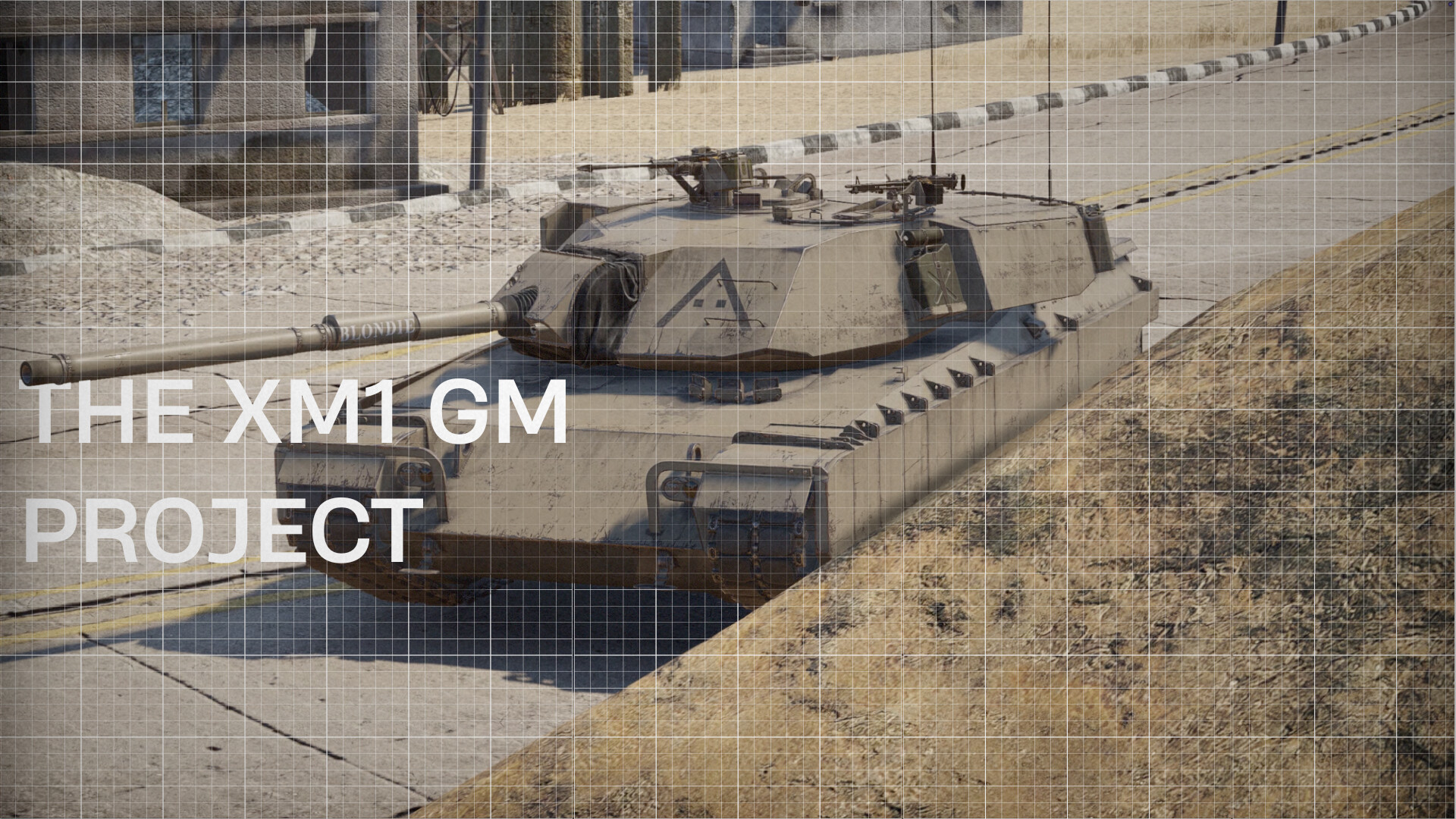
The XM1 GM was General Motors' entry into the United States Army’s XM1 competition in the 1970s to replace the old M60 series of tanks after the failure of the MBT-70/KPz-70 project. The General Motors version of the XM1 was armed with a 105 mm M68 cannon and powered by a 1,500-horsepower engine. The prototype was designed for reliability, fuel efficiency, and simpler logistics compared to the Chrysler version. The General Motors version also featured (at the time) advanced composite armor and a modern FCS. Even though this tank was a really good option, the U.S. Army ultimately chose the Chrysler gas turbine-powered design, which evolved into the M1 Abrams.
| Pros | Cons |
|---|---|
| Great mobility (83 km/h) and acceleration thanks a good power-to-weight ratio | Weak hull armor, vulnerable to most tank rounds |
| Fast reverse speed (42 km/h) allowing for quick retreats after firing | Turret cheeks can be penetrated by many APFSDS rounds |
| 105 mm M68 cannon with access to the M735 APFSDS round | Only Gen 1 thermals |
| Good gun handling and a 6.7 second reload with an ace crew | The placement of the crew creates frequent 1 shots |
| Good gun depression (-10°) | Armor cannot save you if you make a mistake |
Armament
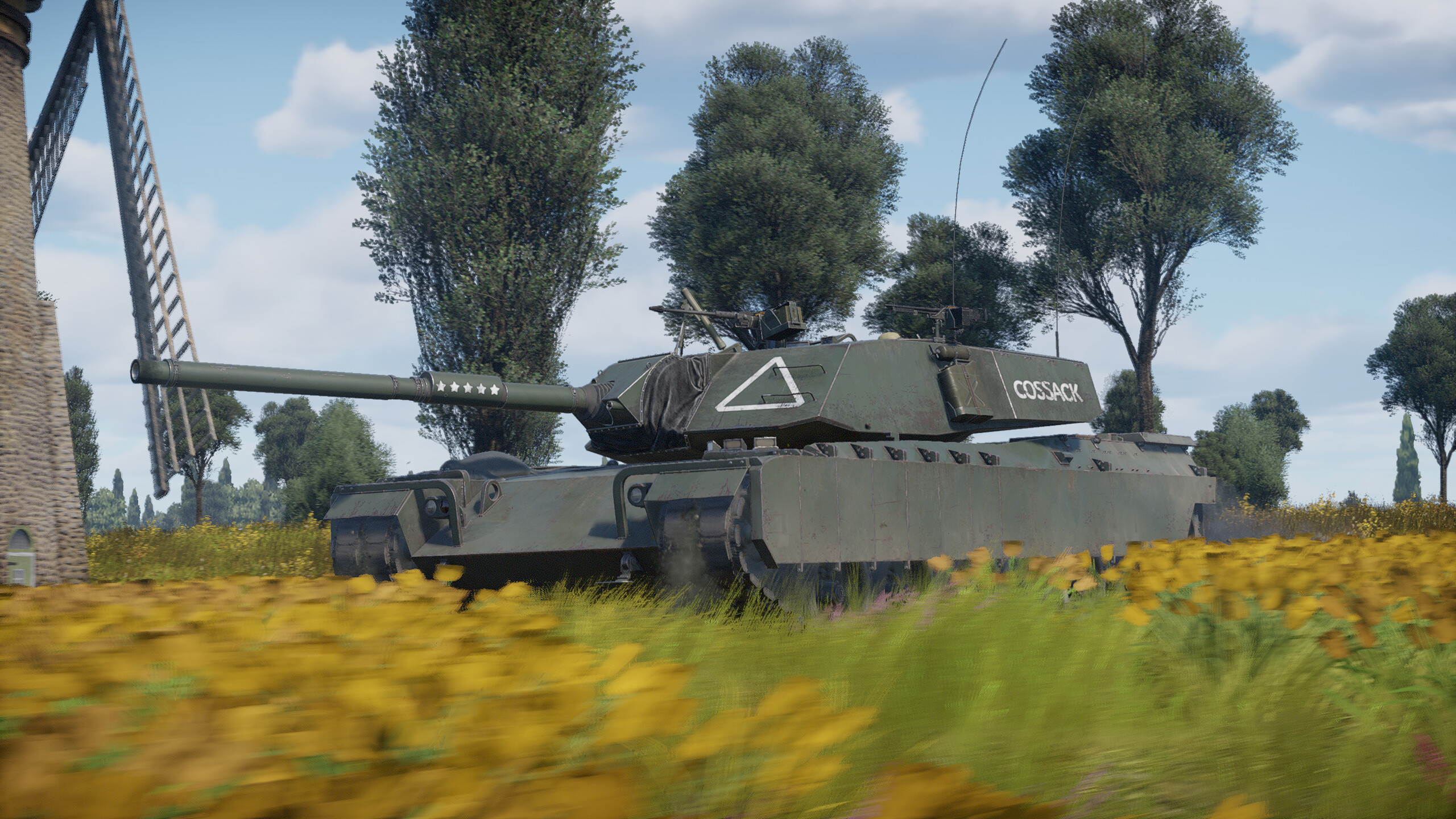
Like many American tanks of this era, the XM1 is armed with a 105 mm M68 cannon, giving it access to a versatile selection of ammunition. Even though the shell choices of the XM1 are not the greatest compared to later vehicles, each round still has a purpose, whether it’s to save yourself, destroy other tanks fast, or destroy SPAAs by just barely hitting their hitbox.
- M456 HEAT-FS — The HEAT-FS round on this tank can penetrate roughly 400 mm of armor at a flat surface. Because HEAT-FS doesn’t lose penetration over range, it can be useful for long-range targets and lightly armored vehicles; however, it suffers greatly from ERA composite armor, fences, trees, and other obstacles. It also has mediocre post-penetration damage compared to APFSDS rounds.
- M393A2 HESH — A high explosive squash head shell with great stopping power against lightly armored vehicles and, on rare occasions, damaging or even knocking out tanks with light roof armor. It can technically be useful against trees and fortifications, but tanks have a machine gun for that. Against modern armor, it can be very inconsistent, so carrying only a few of these rounds may be for the best.
- M735 APFSDS — This is the XM1's anti-tank shell. Featuring a high muzzle velocity of approximately 1,501 m/s and post-penetration damage, it is effective against most enemies the vehicle encounters. While its penetration is not exceptional, it averages 277.5 mm from 10 to 2,000 meters, compared to the German DM33, which averages 404 mm from 10 to 2,000 meters, or the Russian 3BM22, which averages 406 mm from 10 to 2,000 meters. So proper shot placement and targeting weak spots will allow this tank to remain competitive.
- M416 Smoke — A smoke shell made to create, well, smoke. While rarely used, it can be very helpful when you need to repair or help tow a teammate: instead of rushing into a vulnerable position, you shoot it to where they are, then rush in and tow them back. I would recommend taking one or two rounds with you for safety.
The M735 APFSDS round should take up most of your ammunition load, with a total of 3 or 4 HEAT-FS or HESH for special occasions. I usually carry about 15 APFSDS rounds, 3 HEAT-FS rounds, and 2 to 3 smoke rounds. Remember, the XM1 focuses more on positioning, precision, and target selection than on firepower.
Mobility
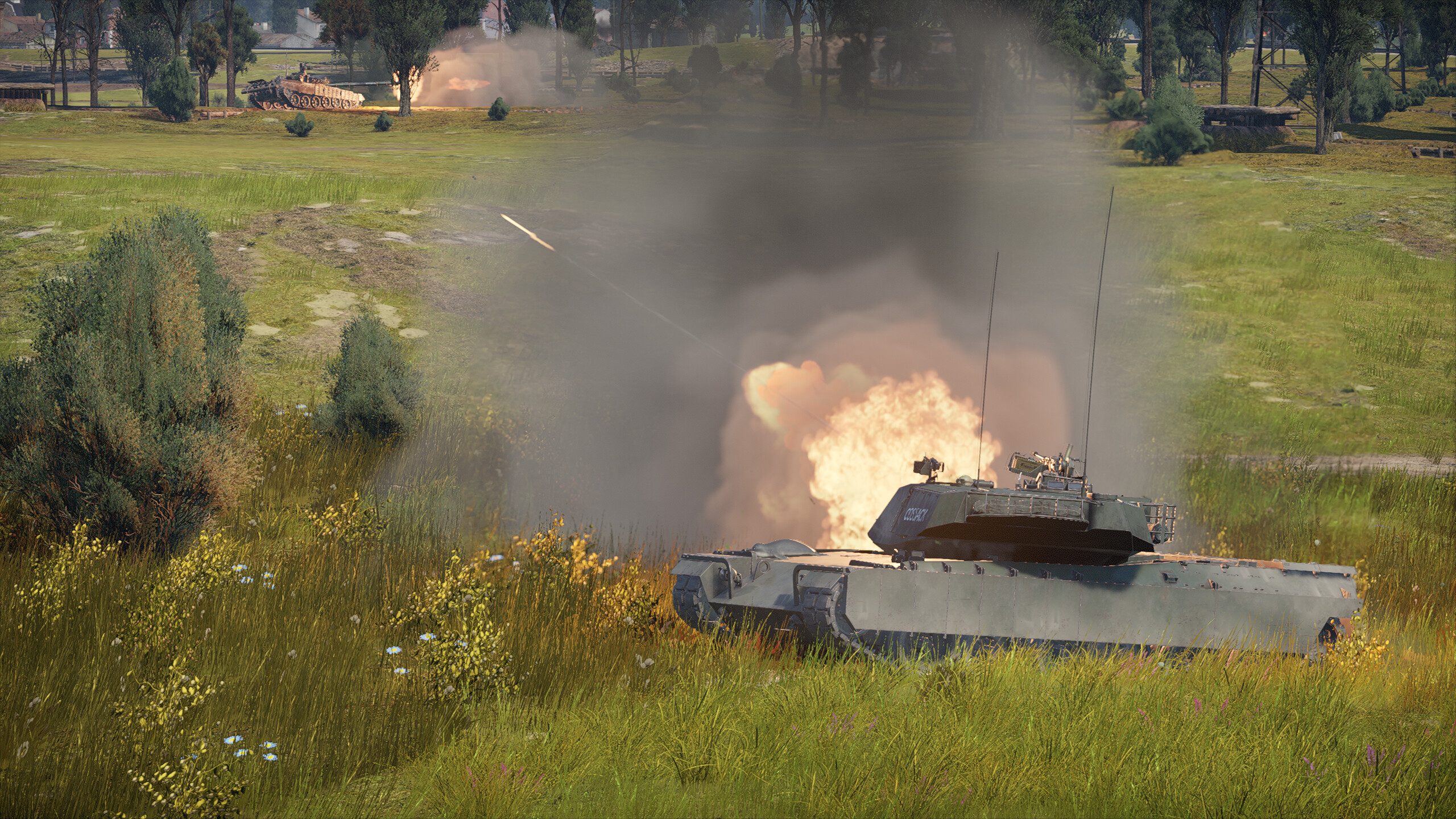
A 1,500-hp engine powers the XM1 GM, which weighs 52.6 tons. It also has an impressive power-to-weight ratio of nearly 29 hp/ton. Combined with a top speed of 83 km/h and a crazy reverse speed of 42 km/h, the XM1 (GM) is one of the most mobile MBTs at its battle rating and can reposition quickly around the battlefield.
In most situations, the XM1 will be the first tank to reach capture points, flanking routes, and sniping positions. The insane acceleration allows it to maintain a relatively fast speed over rough terrain. In contrast, the fast reverse speed allows it to retreat after firing at a target, which many Soviet tanks, such as the T-72A, fail to do. The controlled suspension also helps out a ton when trying to hide behind a hill, and you’re too tall, or your gun depression isn’t enough. Compared to some other tanks at its BR, such as the T-72A, the T-64B, and the Challenger Mk.2, the XM1 GM has a significant mobility advantage. Only some vehicles, such as the Leopard 2K or wheeled tank destroyers, meet or exceed the XM1's speed.
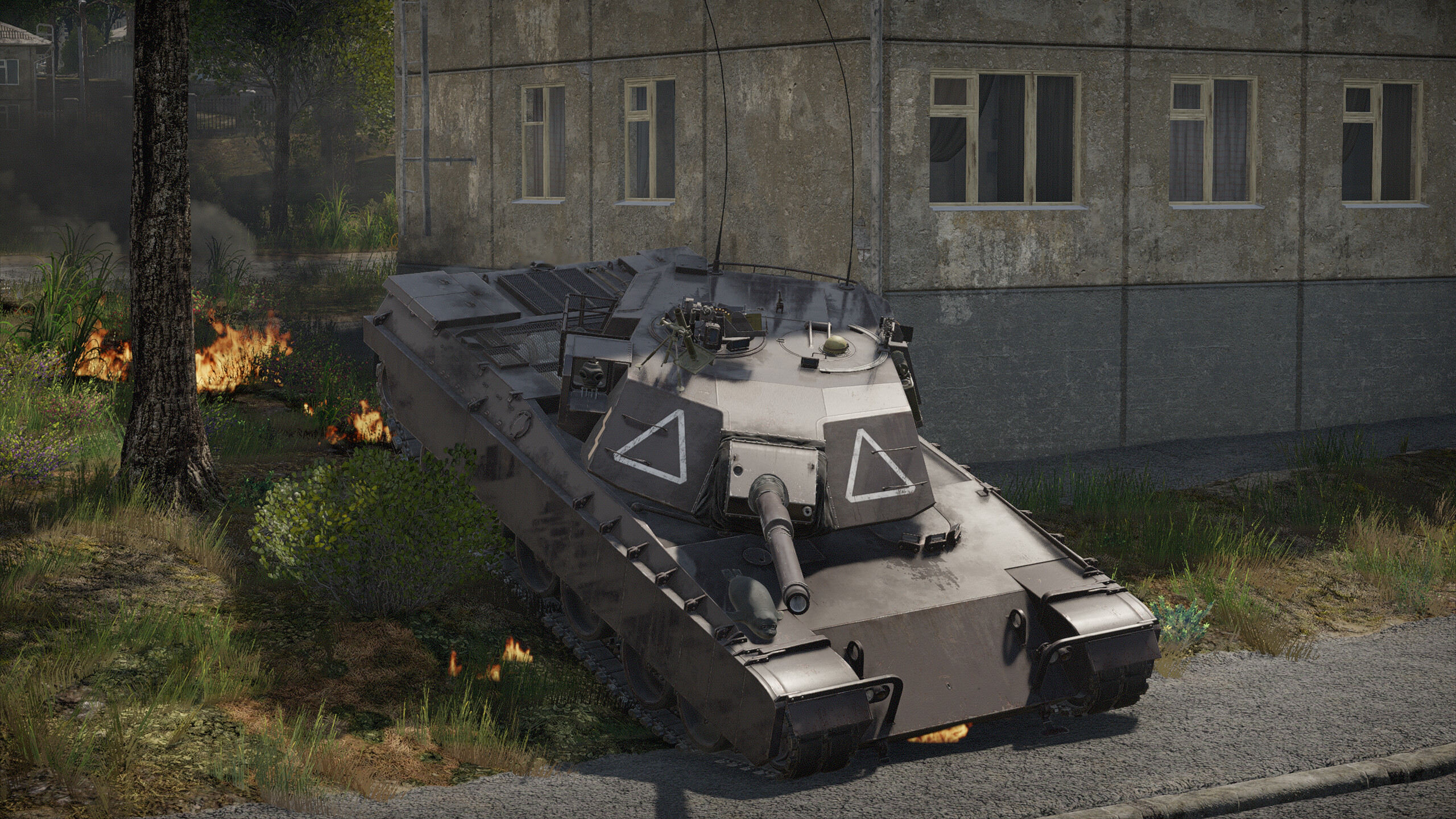
Armor
The XM1 GM has composite armor on both the hull and the turret, which gives it way better protection than earlier vehicles such as the M60 series. The turret cheeks can offer some protection of the crew against some APDS, HEAT-FS, and rarely APFSDS shells. However, most of the APFSDS rounds that it encounters usually pierce through the frontal part of the hull like a hot knife cutting through butter.
The turret cheeks probably provide the strongest protection on the tank, as they can sometimes absorb poorly aimed shots or shots from stock tanks. On the other hand, the frontal plate is really vulnerable, if you get hit in the frontal plate with ammo stored there, you will become fireworks. Instead of relying on armor, this vehicle takes advantage of its mobility, as the armor has a low chance of saving it.
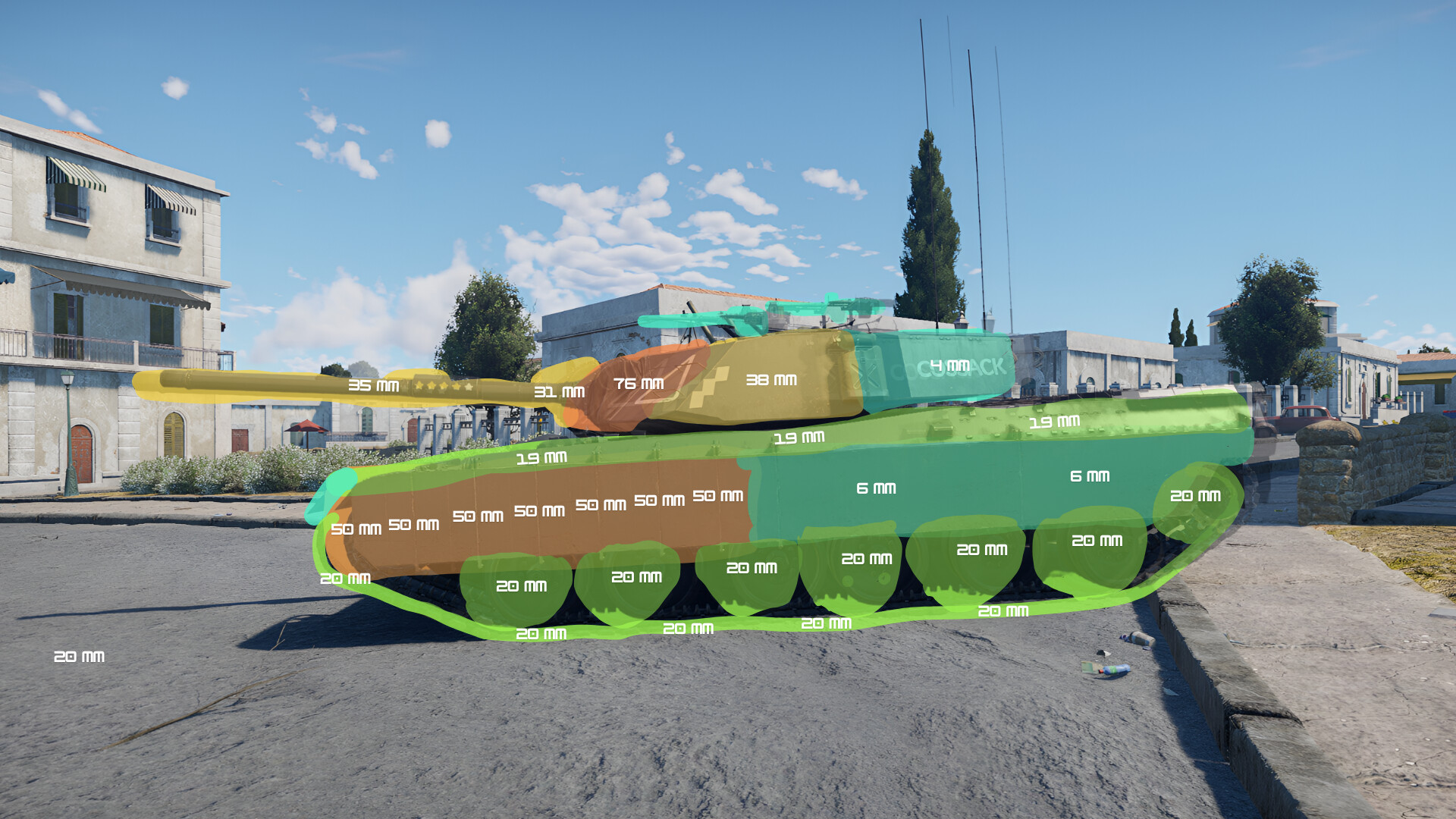
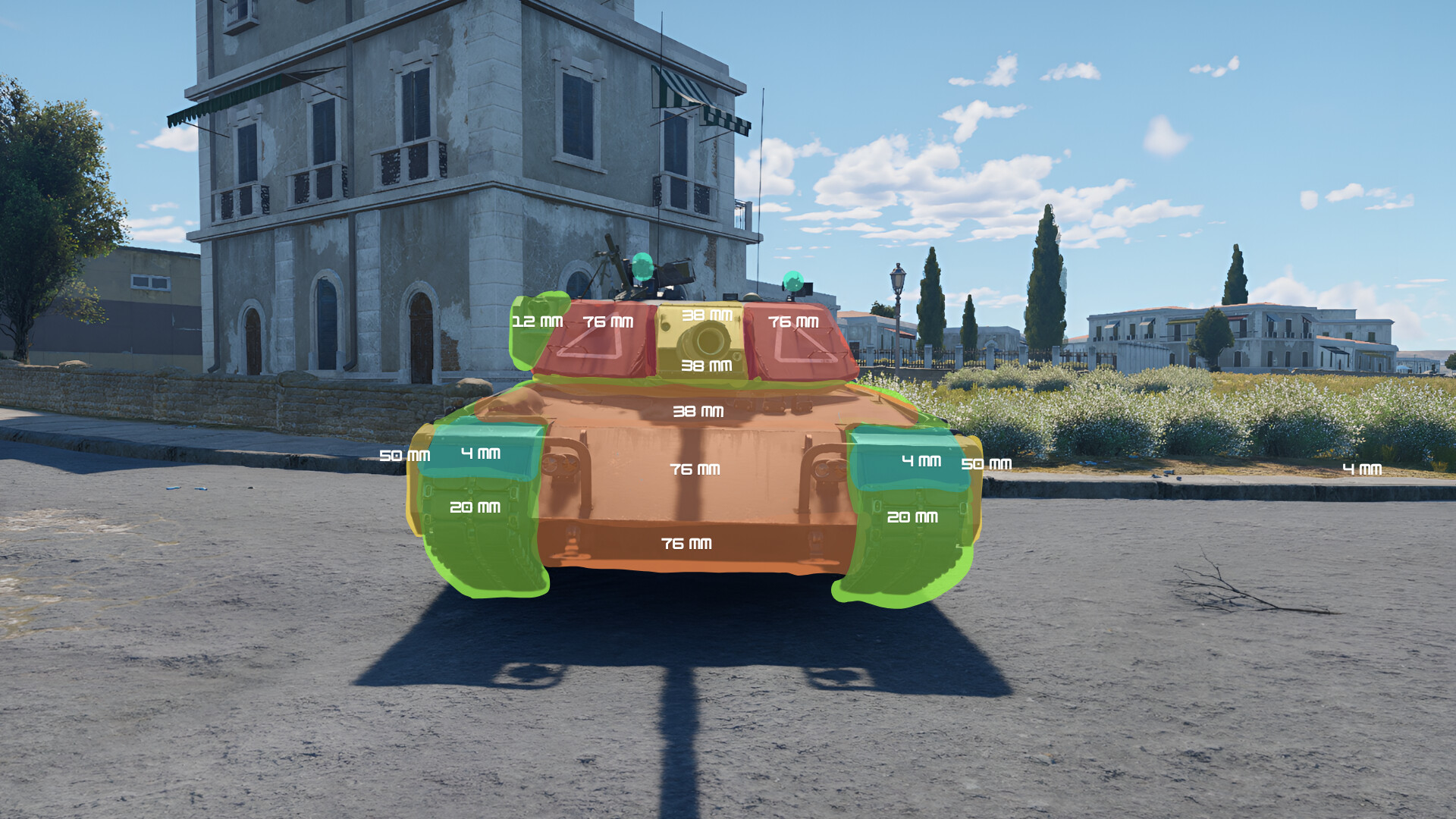
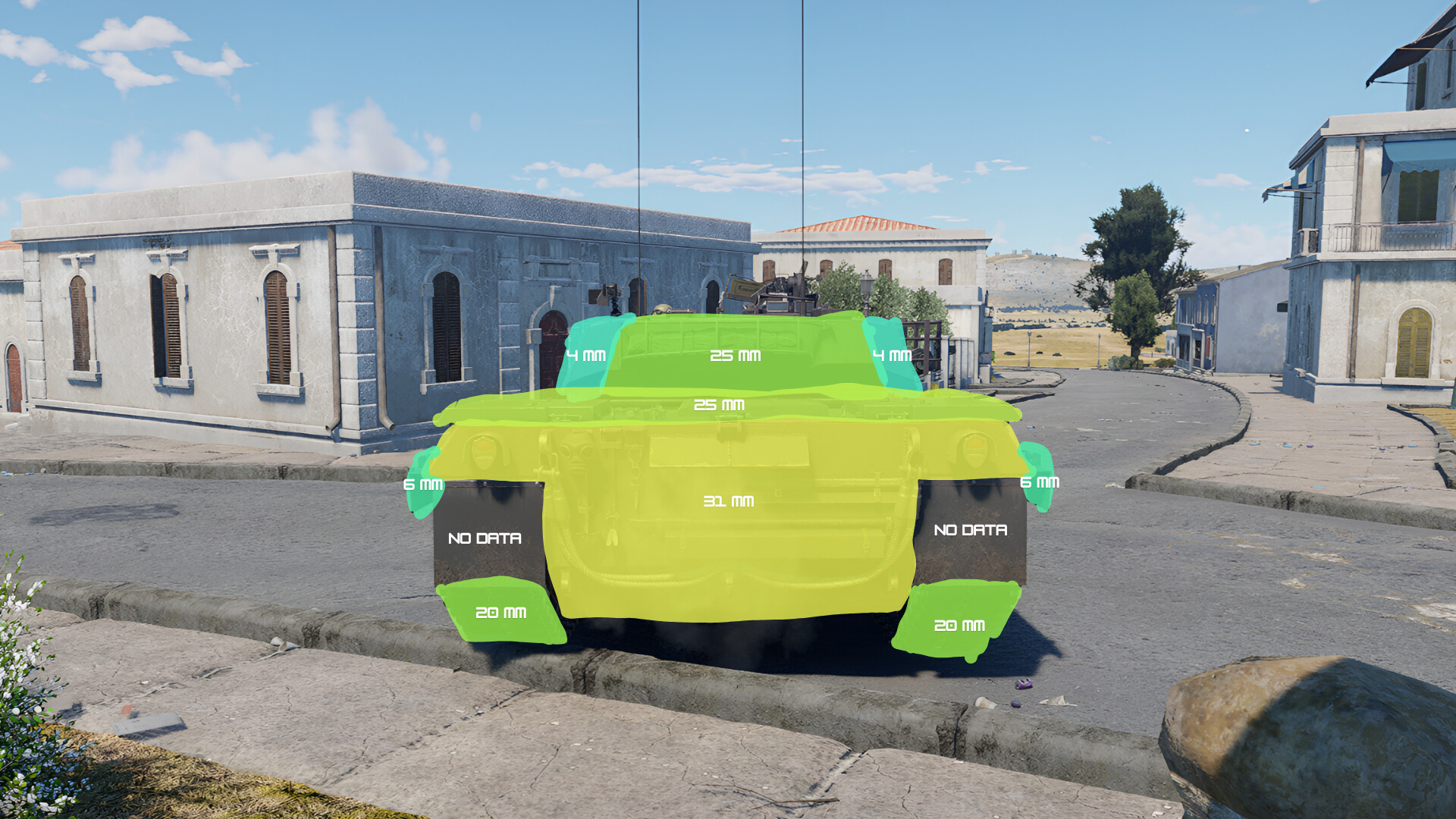
Despite the tank having four crew members, its survivability is not the best, as the crew is cramped and some ammunition is stored in the hull, like the Leo 1A5, so having a round penetrate you is usually lethal.
Survivability
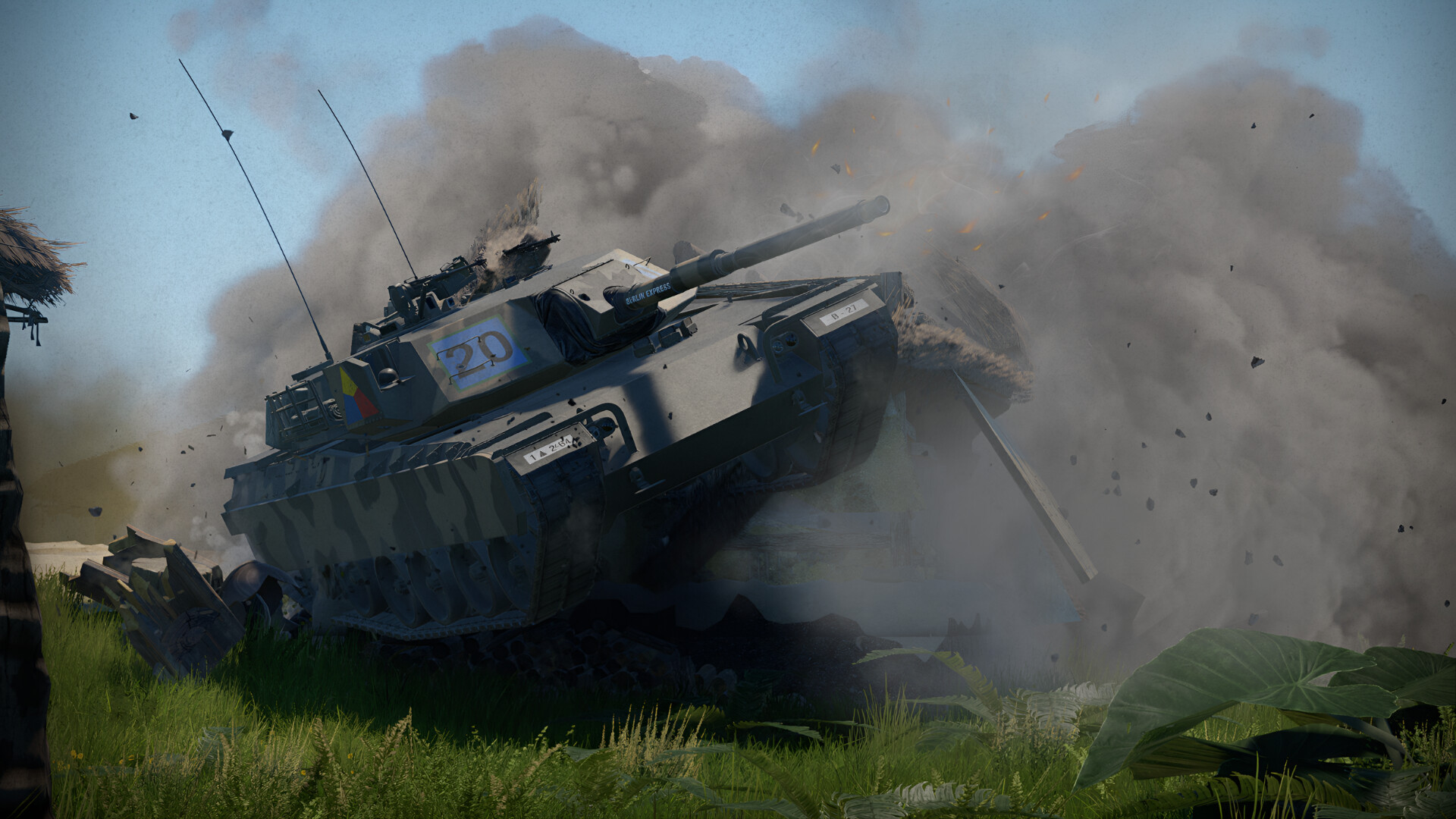
The XM1 has no armor, as shown in the pictures above, so how do you survive? Well, the XM1 relies more on minimizing or avoiding damage rather than tanking/absorbing it. While the composite armor it has is better than that of older American tanks, most APFSDS rounds will penetrate it.
The four-man crew provides greater survivability than a Soviet tank with 3 crew members. You will be able to live with 1 or 2 dead members, as the commander is able to control the main gun if the gunner dies, however, the crew compartment is pretty compact, so there will be frequent one-shots that will destroy the tank.
Limiting ammo also helps in surviving. For example, if you bring too much, you will become the 4th of July, but if you bring too little, you will run out fast, and while you are scrambling back to a capture point, there will most likely be a tank waiting for the right moment to kill you. I would recommend bringing a total of 15 to 20 rounds, this is just enough to last the whole game and not get ammo-racked after three seconds.
The playstyle
The general playstyle of the XM1 is just good mobility, gun handling, and situational awareness. You should really avoid getting in brawls because you will most likely be quickly sent back to the hangar. Instead, you should try to use its speed to reach flanking positions or capture points quickly. You can think of it as a light vehicle disguised as an MBT, the best way to play this tank is to shoot, hide, relocate, and avoid getting shot.
- Early game positioning — With the great acceleration of the XM1, it can reach hull-down positions and flanking routes very early in the game, even before most enemies, as the tanks you will be facing are mostly MBTs. However, you might see a BMP here and there.
- Flanking — This is literally the most important role in this tank. You can use the tank’s speed to reach a flanking position, such as getting behind a building, where there’s a busy road that can expose an MBT’s side armor. But an important rule is that if you miss a shot or someone spots you, you need a backup plan, such as a different location or a place that can protect you from being sniped.
- Uptiers — When fighting higher BR vehicles with better armor and rounds, weak-spot knowledge becomes extremely useful, such as the T series of tanks having a huge 1-shot weak spot on the lower front plate. It is important to have in-depth knowledge of weak spots due to the M735 shell not being the best when fighting head-on against a T-72B or similar. The best role here is either flanking or being some sort of support tank.