
Despite how common this element is, its purpose remains little known. This component is called the Leitkreuz, which translates from German as guide cross. It carries no symbolic weight and is purely a technical device, despite its resemblance to the Balkenkreuz. So, what does it actually do? Read on in the article.

The primary purpose of the Leitkreuz is to provide visual orientation at night when all external vehicle lights are switched off for blackout purposes. The guide cross is mounted in such a way that it can only be seen by the vehicle following behind, while remaining invisible from all other angles. This solution allows vehicles to move in a convoy even in total darkness without relying on night vision devices or other means that could give away their position.
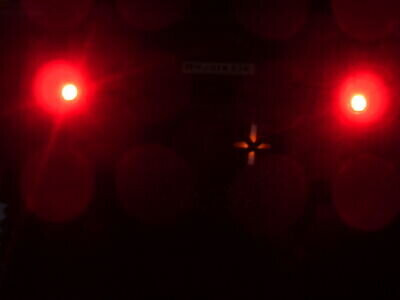
History of Origin
The history of the Leitkreuz dates back to the postwar decades: according to some reports, it first appeared on German Leopard 1 tanks in the 1960s. Since then, the German army has utilized it on a wide variety of vehicles operated by the Bundeswehr.
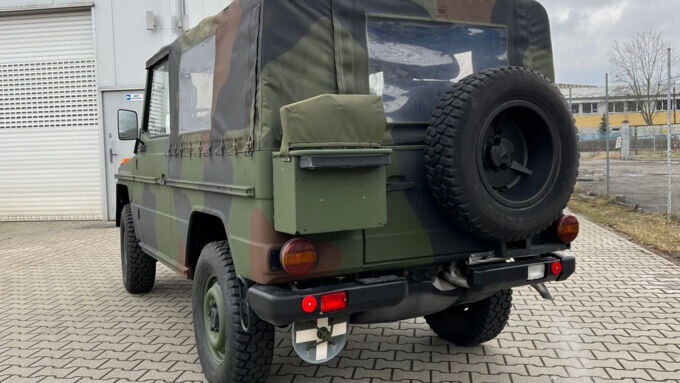
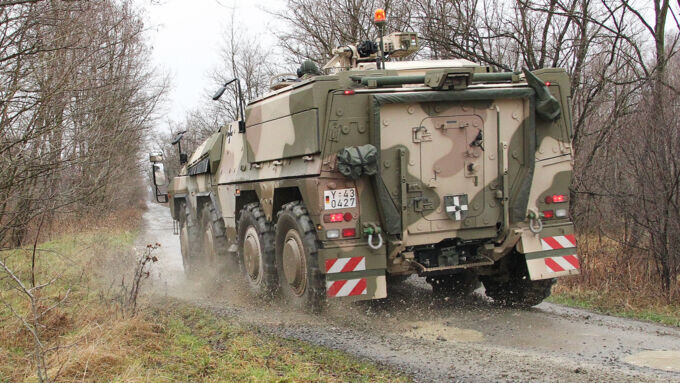
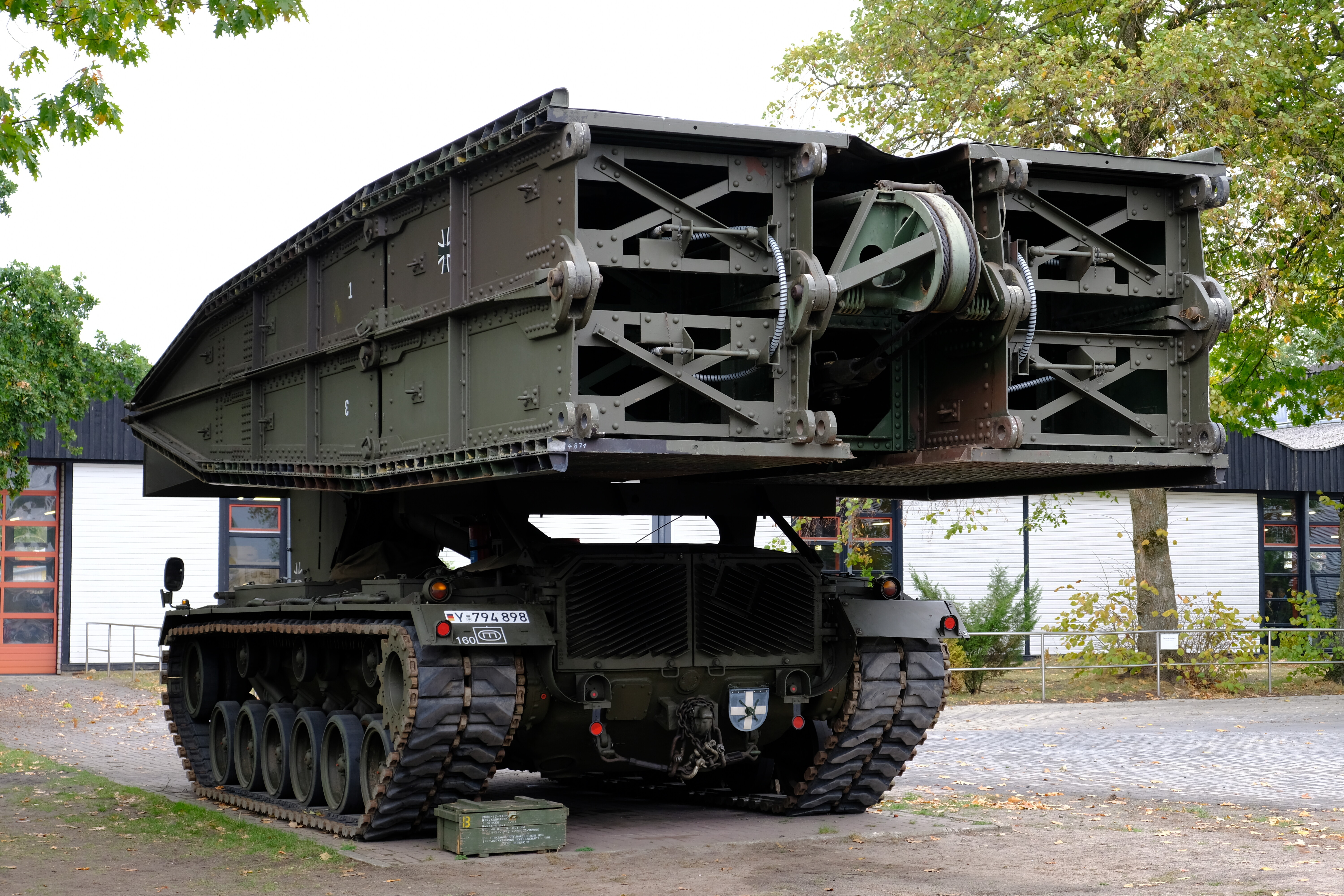
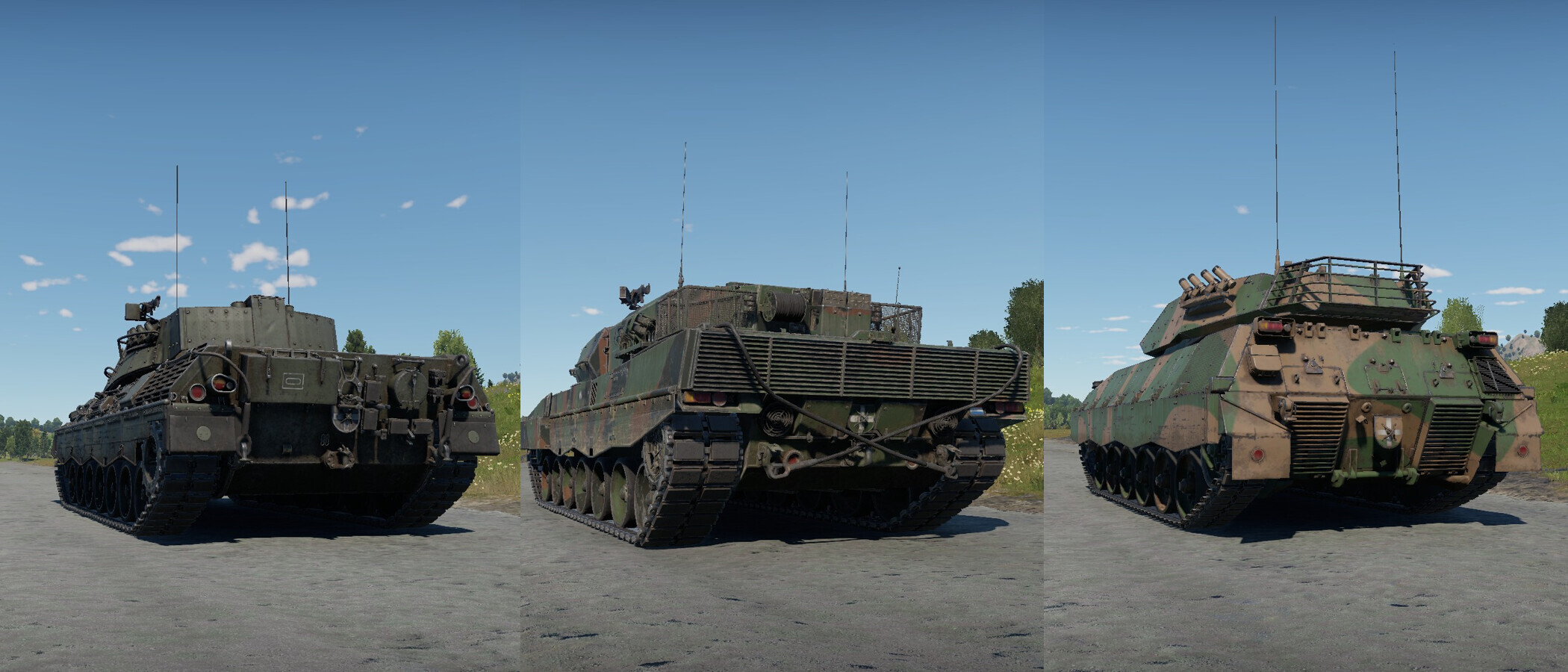
Interestingly, after the reunification of Germany, the Leitkreuz was even installed on Soviet-made equipment inherited from the East German Army (GDR). For example, the cross can be seen on modernized BMP-1s (the BMP-1A1 variant) used by the German Army.
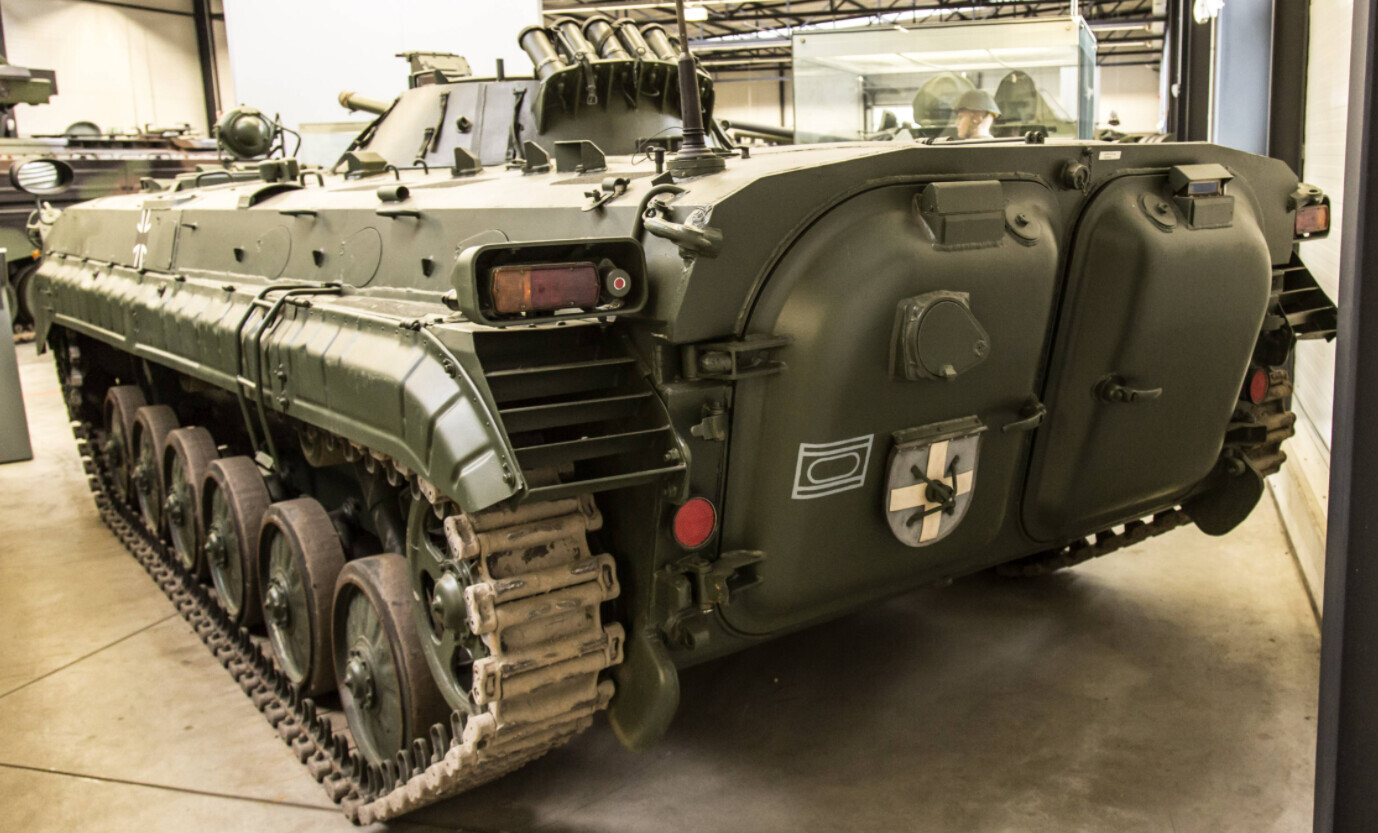
Leitkreuz construction
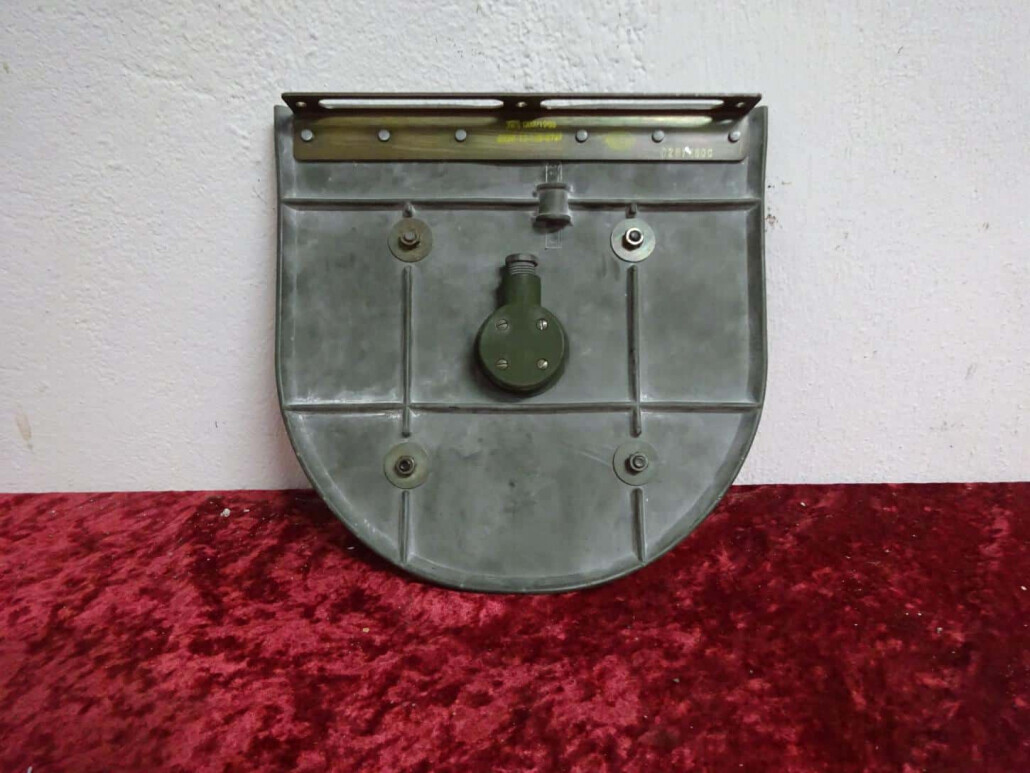
The guide cross is mounted at the rear of the vehicle. Its main element is a flexible green rubber plate with a white cross painted on it. In the center of the cross, there is a compact lighting unit (lamp) containing a 24-volt, 4-watt bulb. The light from the bulb is directed onto the beams of the cross through four apertures, providing a faint, directional glow that is visible only at close range.
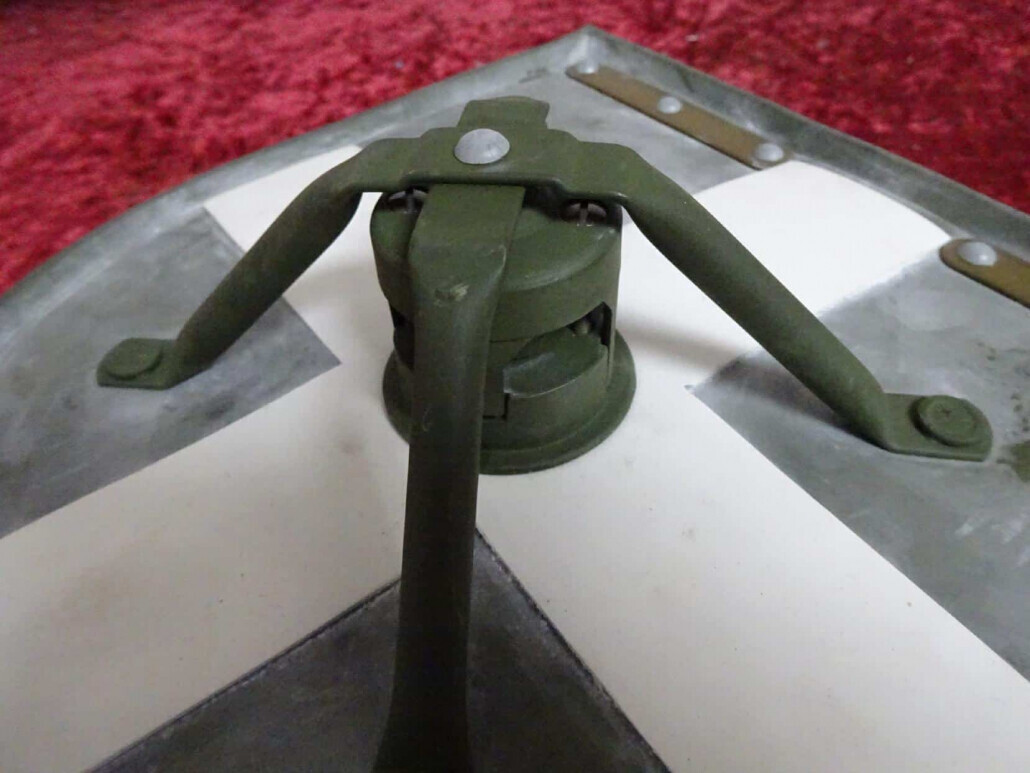
To protect the light source and ensure its resistance to vibrations, a cross-shaped frame made of thin-walled steel tubes is used. The rubber plate is mounted on movable fixings, allowing it to absorb shocks and remain intact when moving across rugged or uneven terrain.
Sources
- Wikipedia
- Tanks-encyclopedia — an online encyclopedia of armored vehicles
- Outono — an article about the Leitkreuz in a Spanish news blog
Translation produced with the author’s permission: original article (RU).