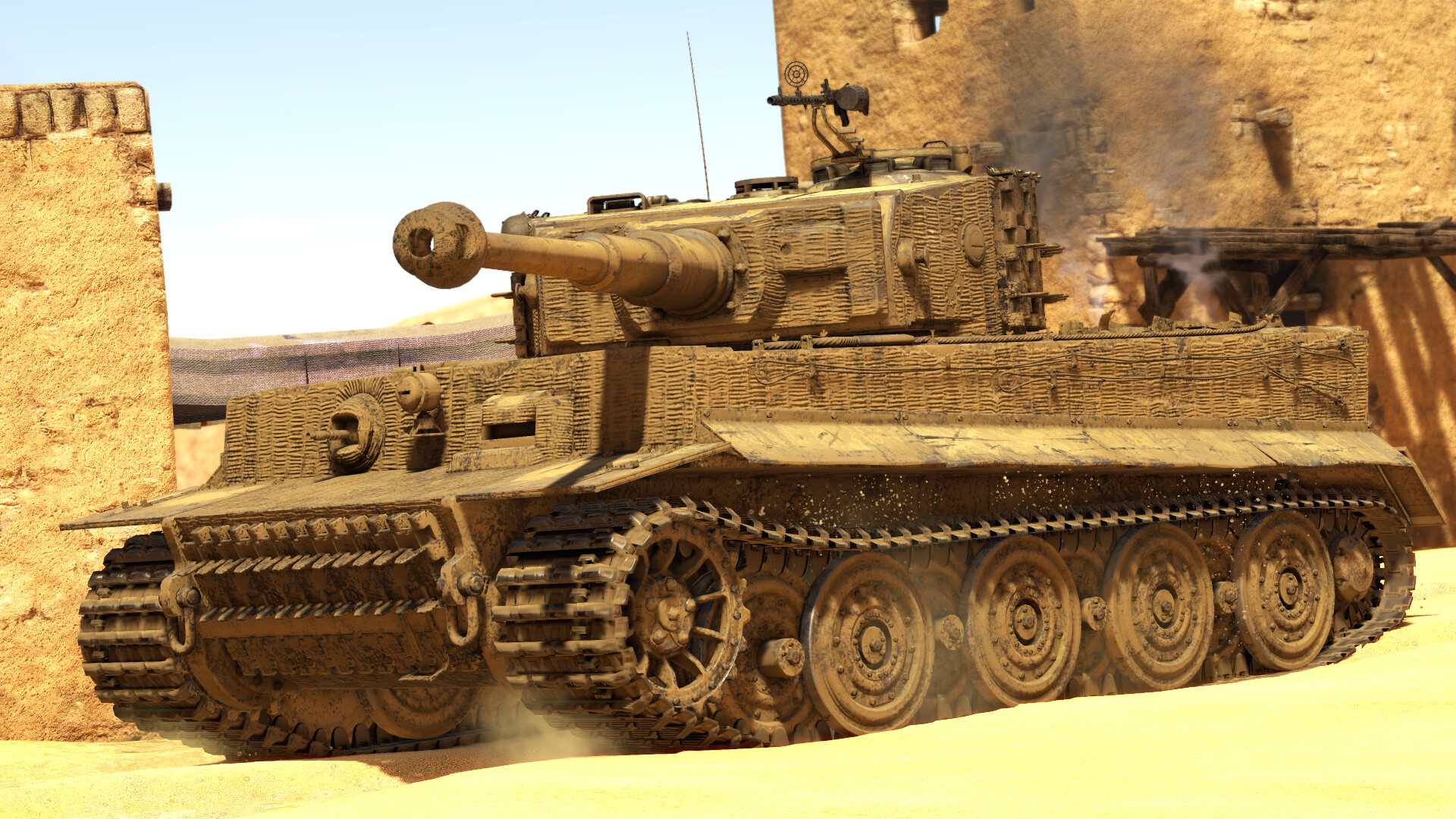
Have you ever wondered why some World War II-era German tanks have oddly textured armor? In this article, you’ll learn about Zimmerit and why it was applied to some World War II-era German tanks.
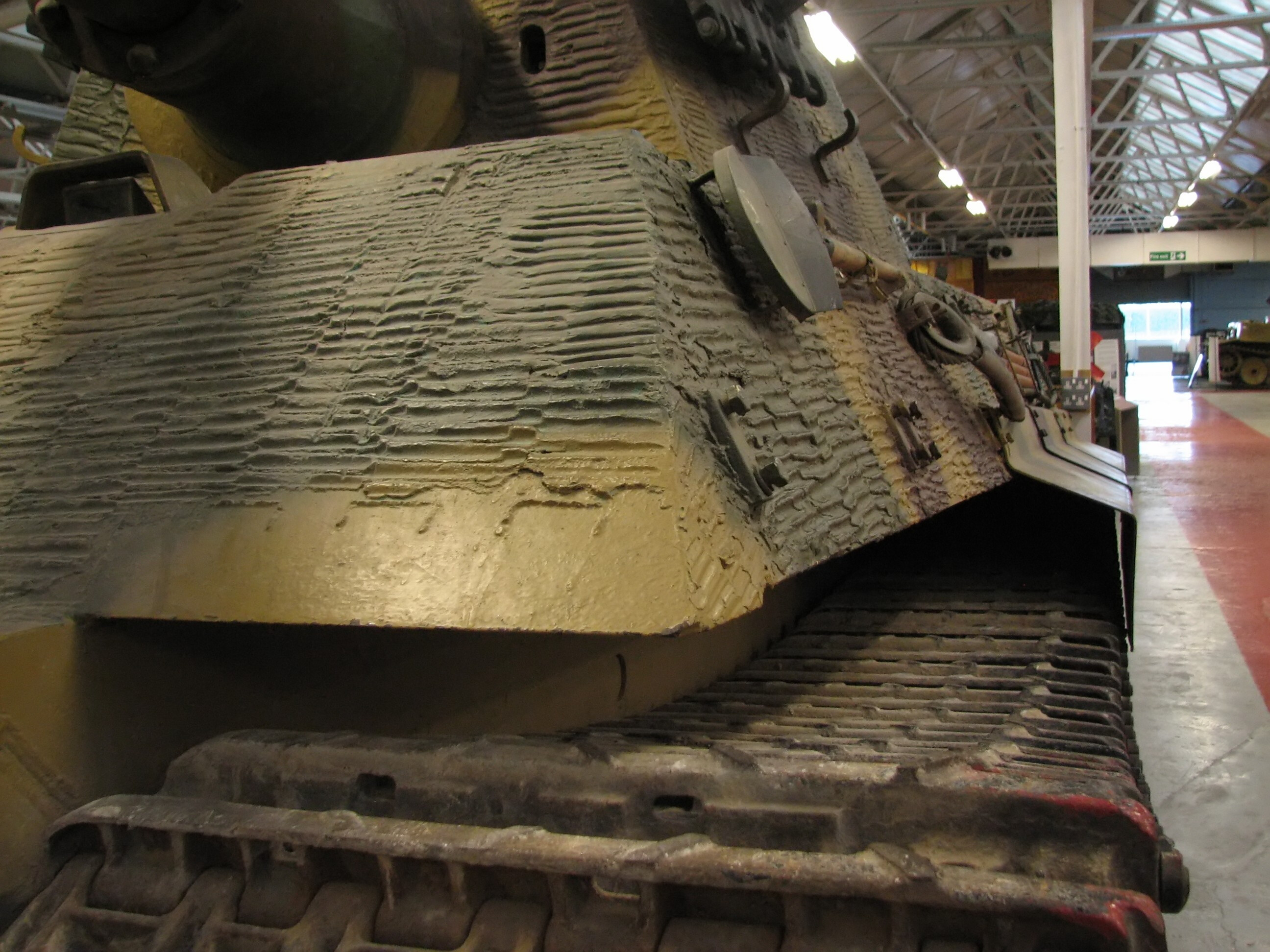
What is Zimmerit?
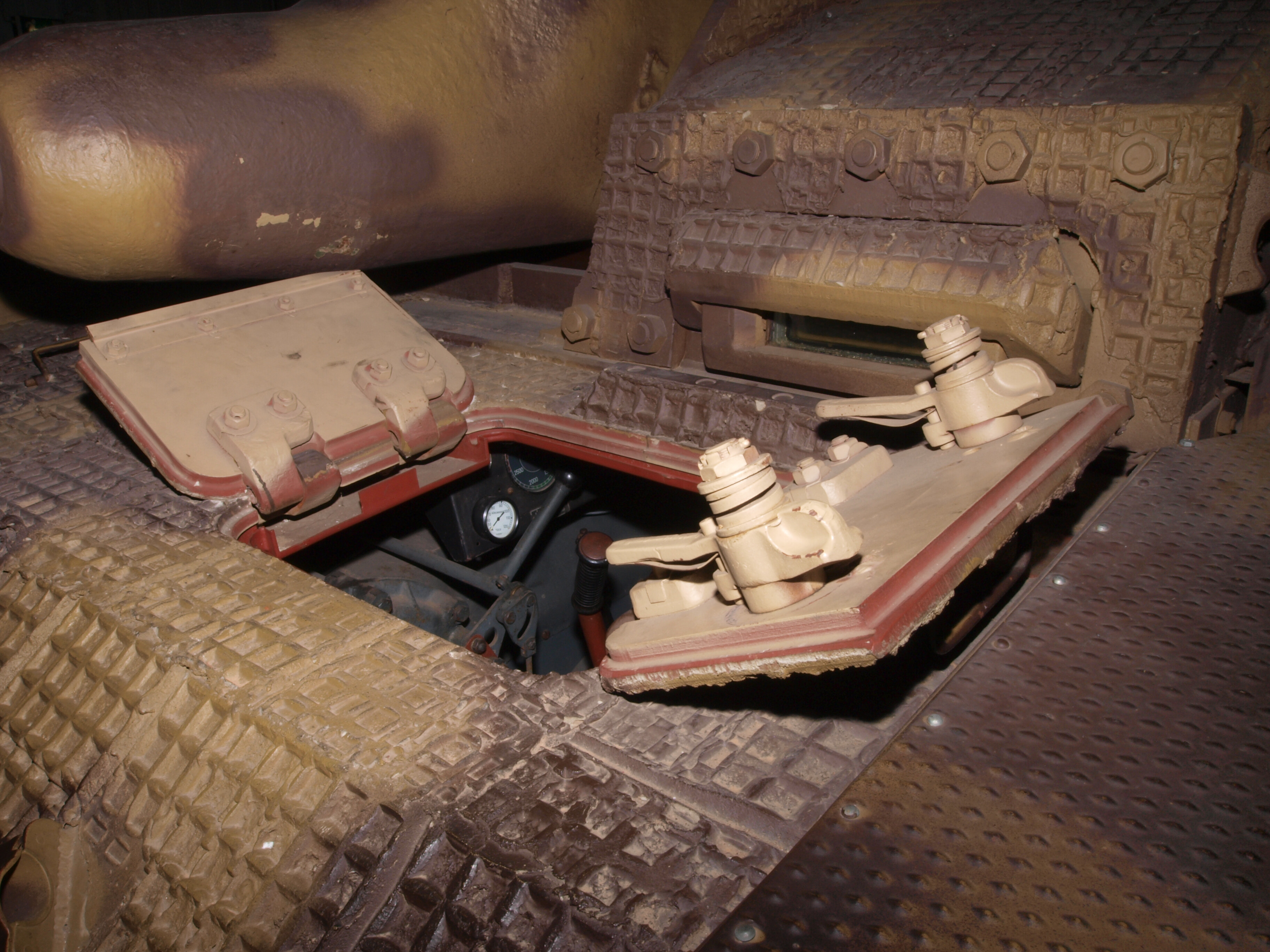
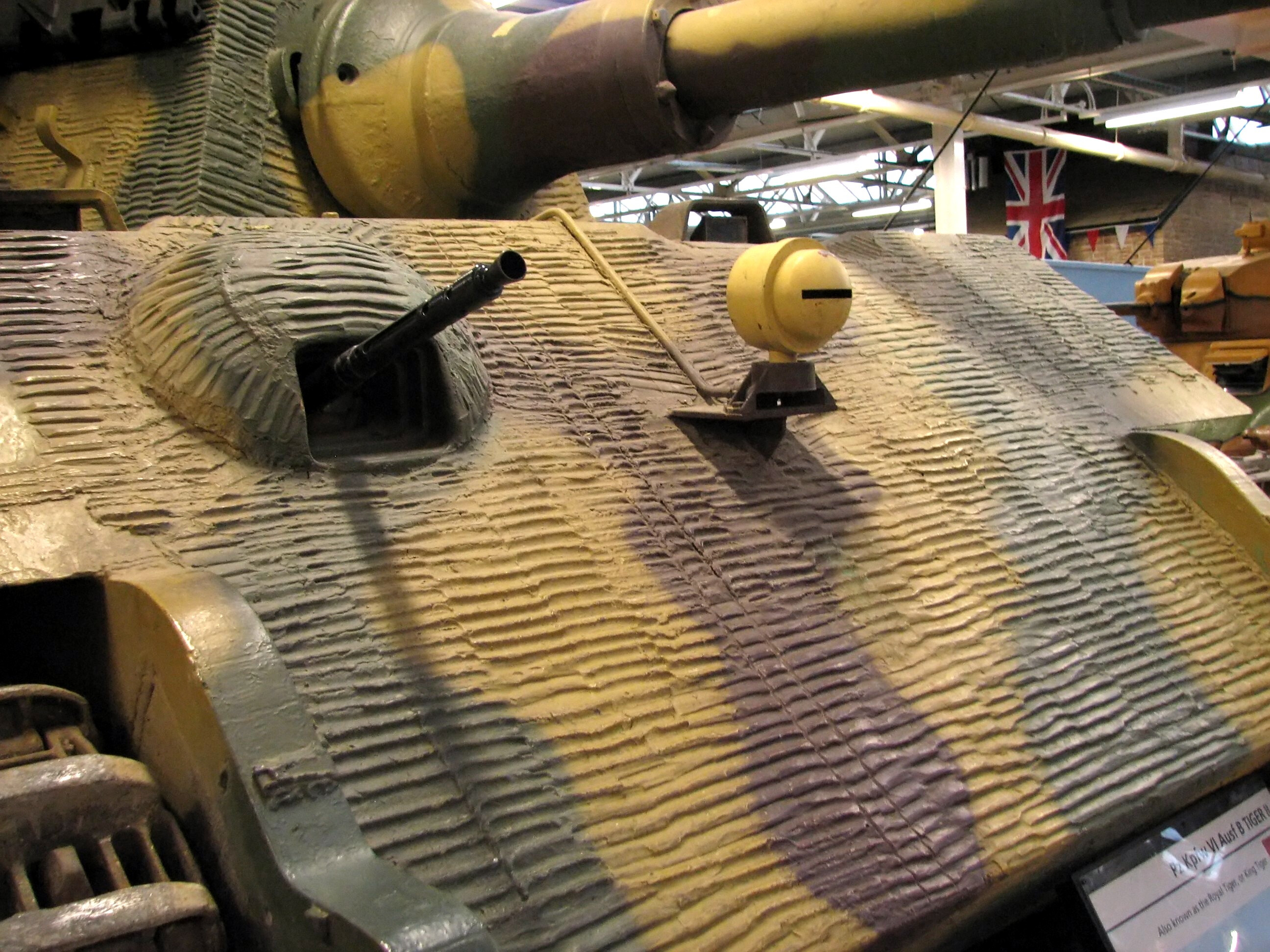
Zimmerit was a paste-like coating applied to German vehicles during the Second World War, particularly in the mid-to-late stages of the conflict. This coating created a barrier between the armor and the exterior, preventing magnetic anti-tank mines from attaching to the metal. To increase the distance even further, the coating was often ridged, keeping magnets away without adding significant weight. Zimmerit was composed of 40% barium sulfate, 25% polyvinyl acetate, 15% ochre pigment, 10% zinc sulfide, and 10% sawdust.
The Germans, Scared of Their Own Technology
The main reason for this tank coating was the introduction of the Hafthohlladung anti-tank weapon in 1942. This anti-tank grenade worked as follows: a soldier would run up to an enemy tank and attach the mine using its three powerful magnets, then pull the safety pin and retreat. The magnets ensured the mine stuck firmly to the armor, allowing it to penetrate effectively. This simple design proved highly effective, although it was extremely dangerous for the soldier to approach a tank directly. Fearing that the Soviets or the Allies might copy this design, the Germans began looking for ways to protect their own tanks against such attacks.
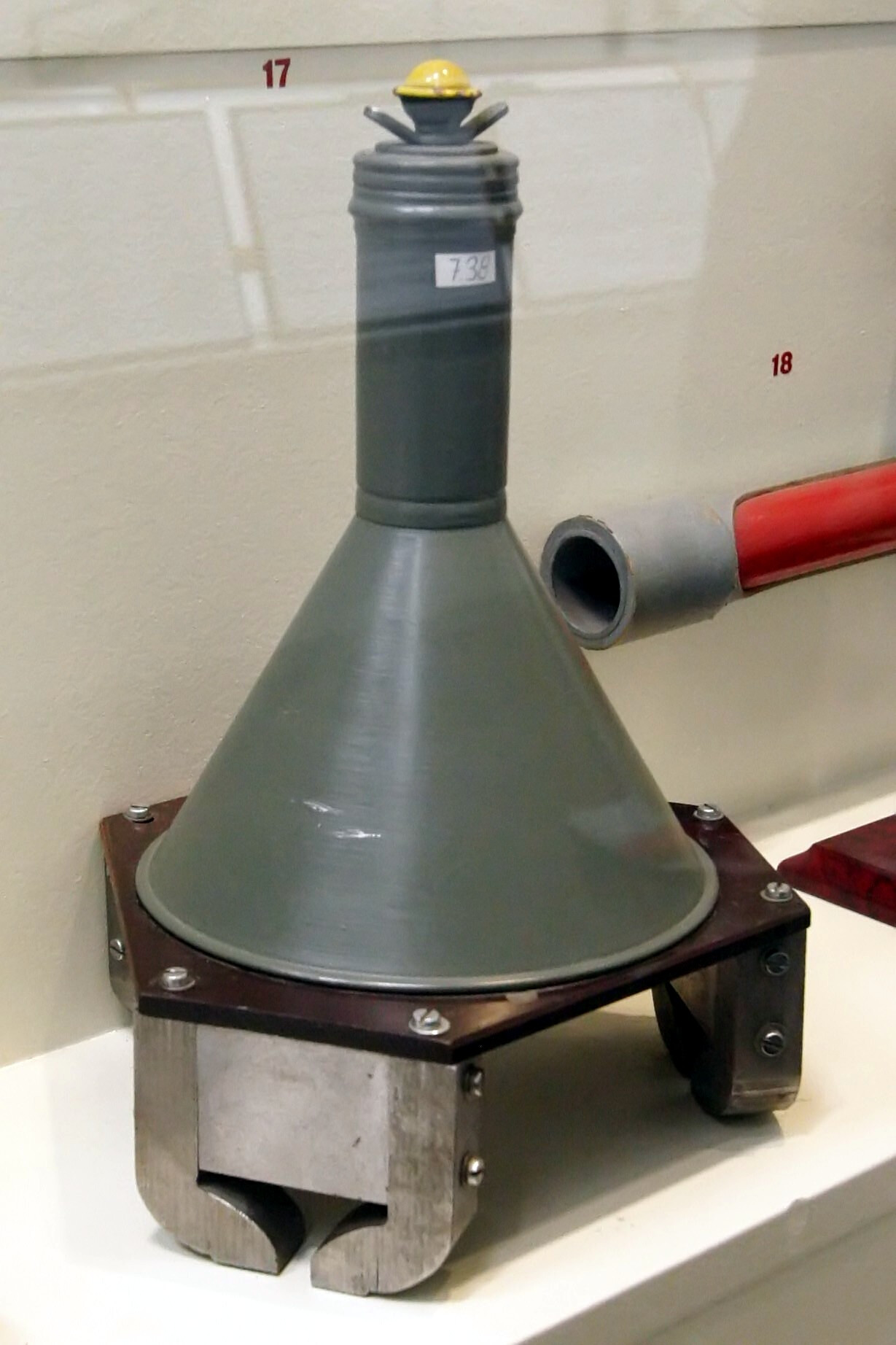
Due to these concerns, the Heereswaffenamt (Army Armaments Office) began experimenting with several potential approaches, such as covering the armor with concrete mixed with rubber or applying a very thick layer of paint. There were even some more “creative” solutions, such as pouring water on the tank, which would freeze if the vehicle was operating in cold zones. However, after more unsuccessful attempts, the company Zimmer AG developed Zimmerit, which was accepted as the best solution.
Zimmerit began to be applied to vehicles around the fall of 1943, being added to models like the Panzer III, Panzer IV, Panther, Tiger, Sturmgeschütz III, Jagdpanzer 38, and Nashorn. For the Tiger, 200 kilograms of the material were required, making it the largest consumer per tank. Other tanks required less: the Panther 160 kg, the Panzer IV 100 kg, and the Sturmgeschütz only 70 kg. The coating was applied to all vertical and sloped surfaces, where anti-tank grenades were usually mounted. Sometimes it was even applied to the turret (although this was not a typical target for a soldier placing a mine) and rarely to the skirts, although the armor plates beneath them were covered with Zimmerit. Zimmerit was mainly applied to tanks and some tank destroyers, and was rarely used on other types of vehicles. There was, however, one known example of an Sd.Kfz. 251 with Zimmerit applied, most likely done on the battlefield.
Zimmerit was applied in the factories, usually after the tank was completed. First, a 2 mm layer was spread over the armor plates and left to dry for a few hours. Workers then used a blowtorch to harden the paste. Finally, a new 4 mm layer was applied on top, patterned, and the blowtorch was used again. After this process, the Zimmerit was left to dry for six days.
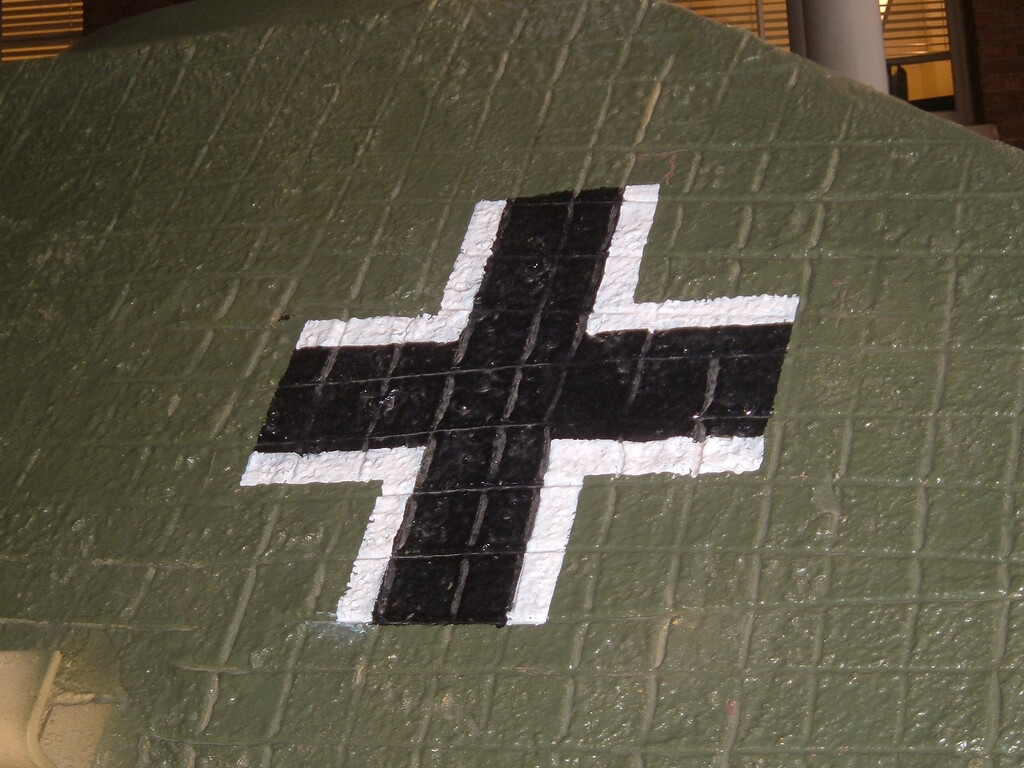
Zimmerit also came in many patterns, such as horizontal ridges, waffle patterns, or square designs.
The Discontinuation of Zimmerit
Although it had already been in use since the summer-fall of 1943, on 9 September 1944, an order was issued to stop applying Zimmerit. This was due to rumors that the material could catch fire if penetrated by a shell.
To test this, the Germans used a T-34 coated with Zimmerit, heated it from the inside, and then fired at it. However, the coating did not catch fire. Still, production never resumed, mostly because their enemies never developed magnetic anti-tank grenades that would have required such a defense.
War Thunder
War Thunder carefully depicts Zimmerit, which can be seen on some German tanks, such as the Tiger and Panther, as well as other vehicles. It is also visible on models like the Panzer IV H, the Sturmtiger, and the Jagdpanzer IV. However, this is mostly a visual feature, accurately modeling the tanks as they appeared in real life, but with no gameplay effect.