
In naval battles, torpedo bombers are the silent predators of the skies. They may lack the raw speed of fighters or the reliable bombs dropped by dive bombers, but what they bring to the battlefield is unmatched striking power against ships. Sometimes, a single well-placed torpedo can cripple even the mightiest vessel, but using these planes effectively requires more than just flying low and dropping a torpedo at random. Success depends on understanding your plane, the torpedo and the correct approach. This guide will teach you how to wield torpedo bombers with precision, making every run count.
Step 1: Knowing The Plane
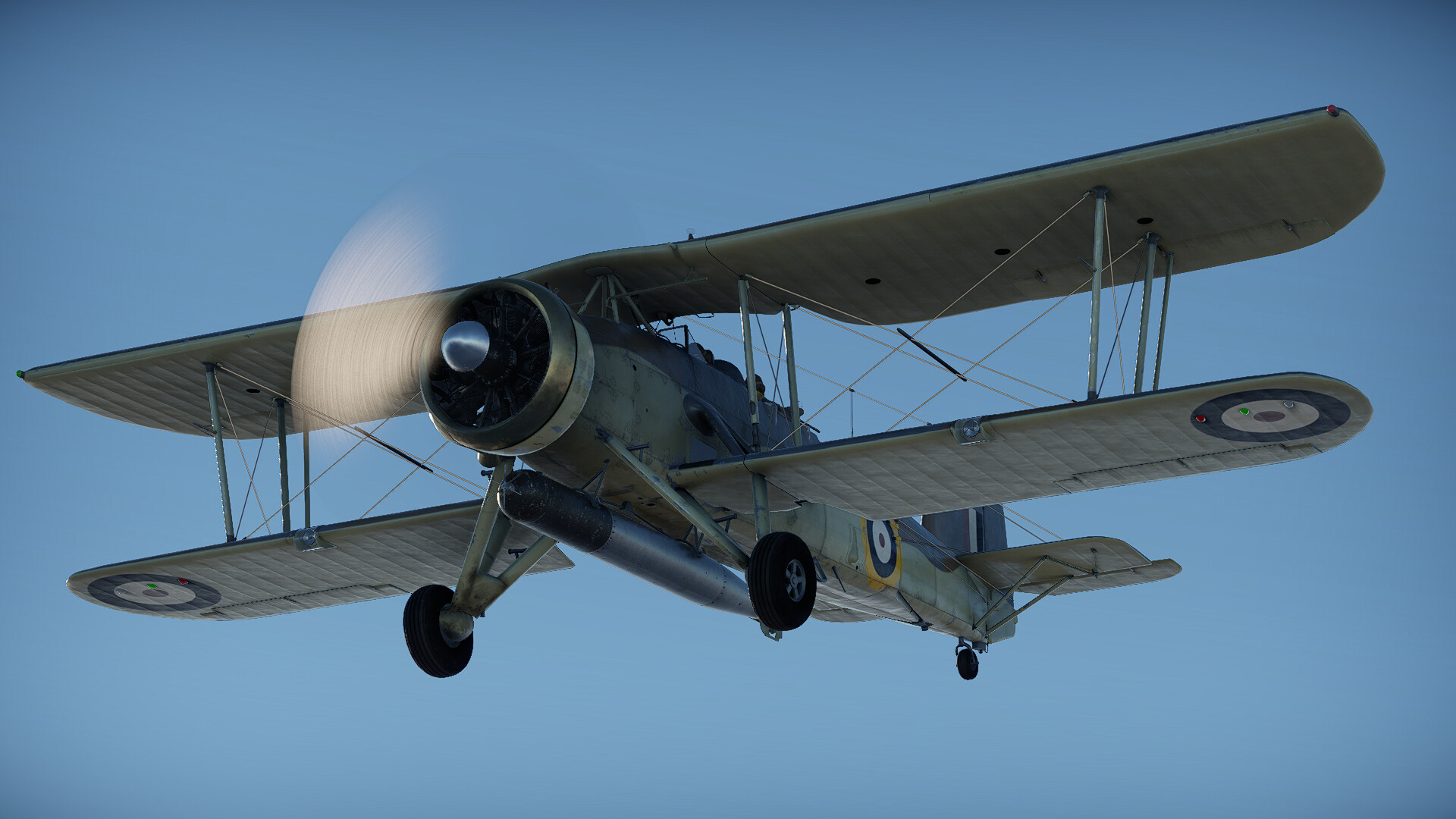
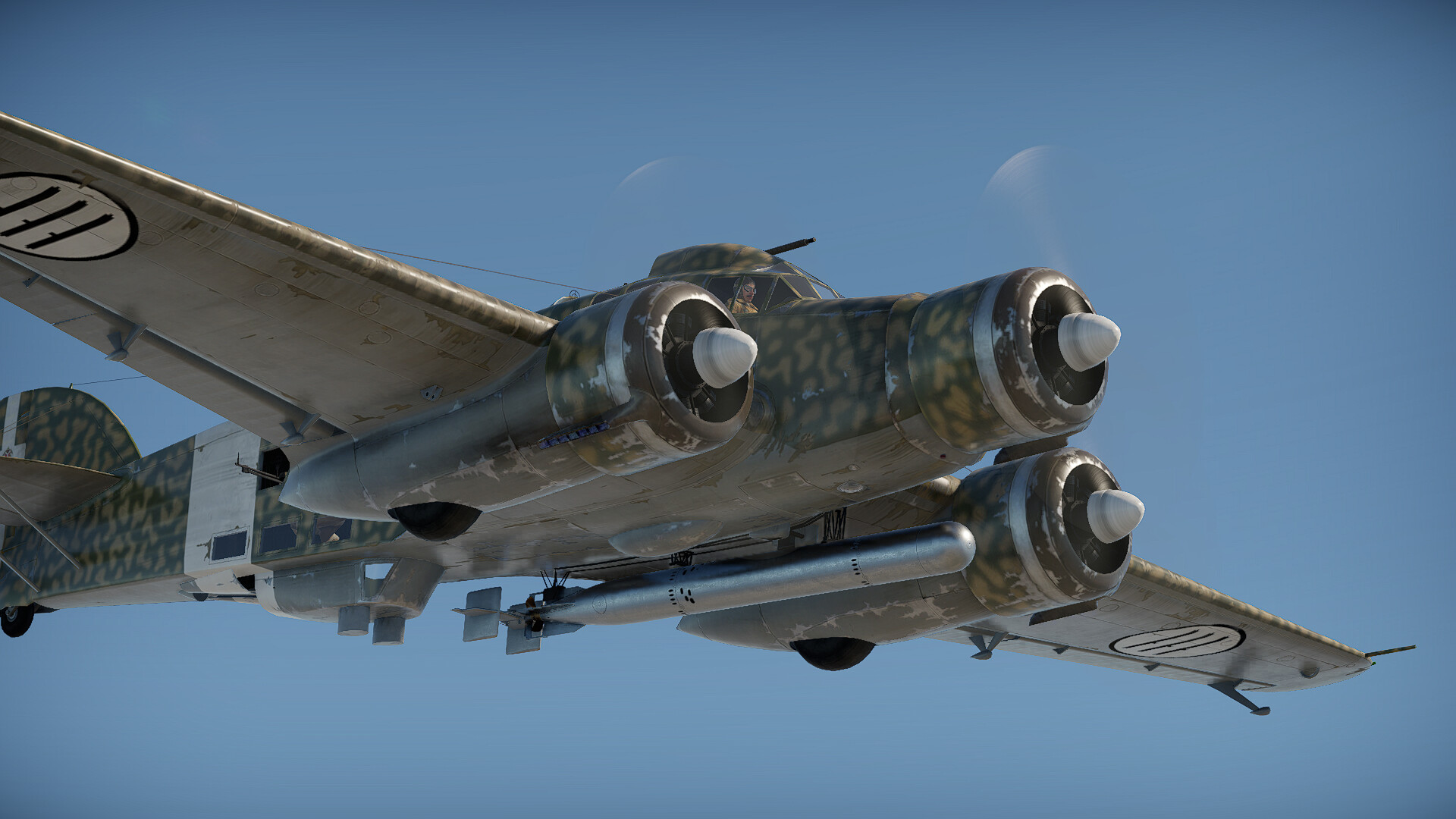
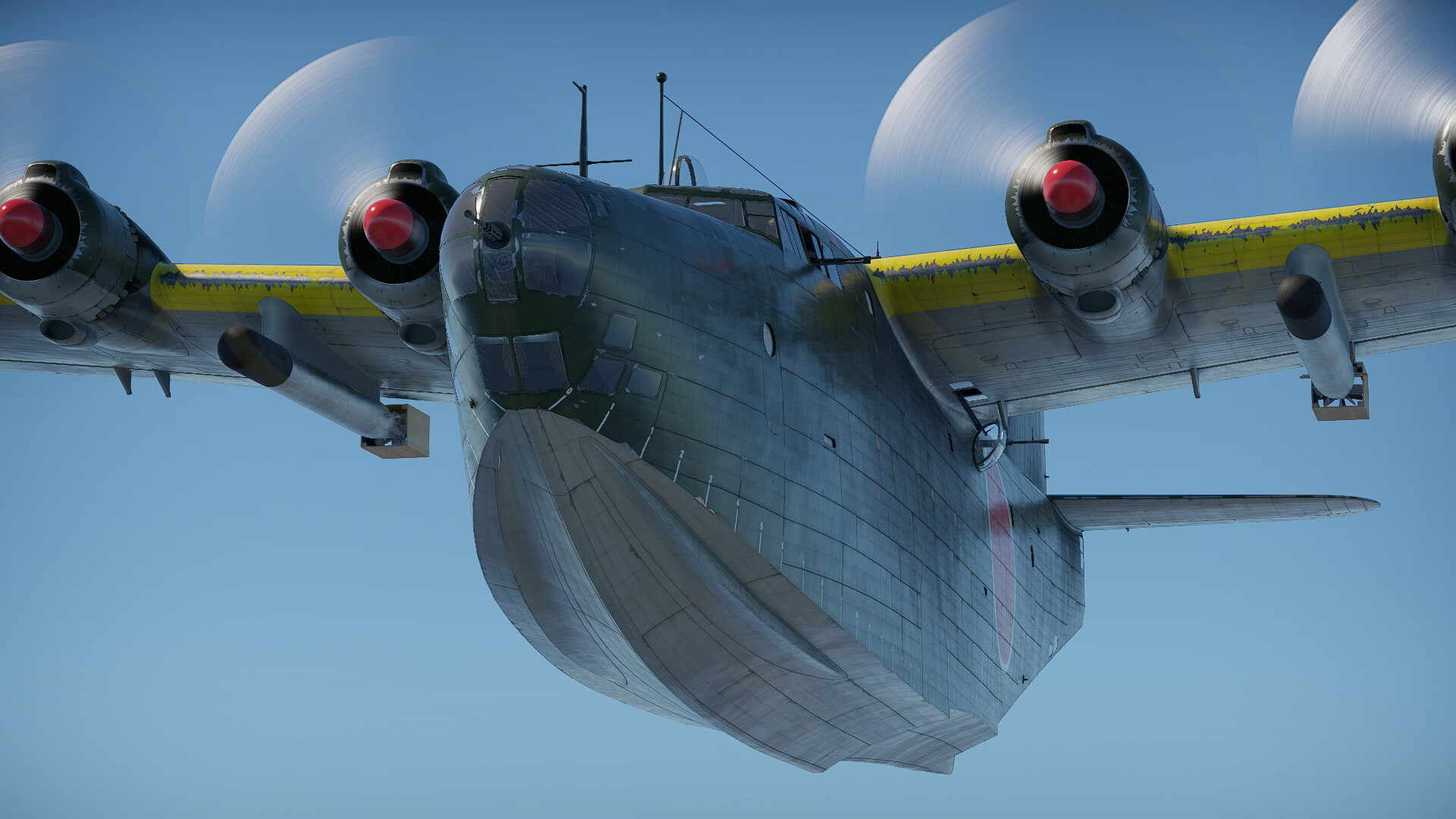
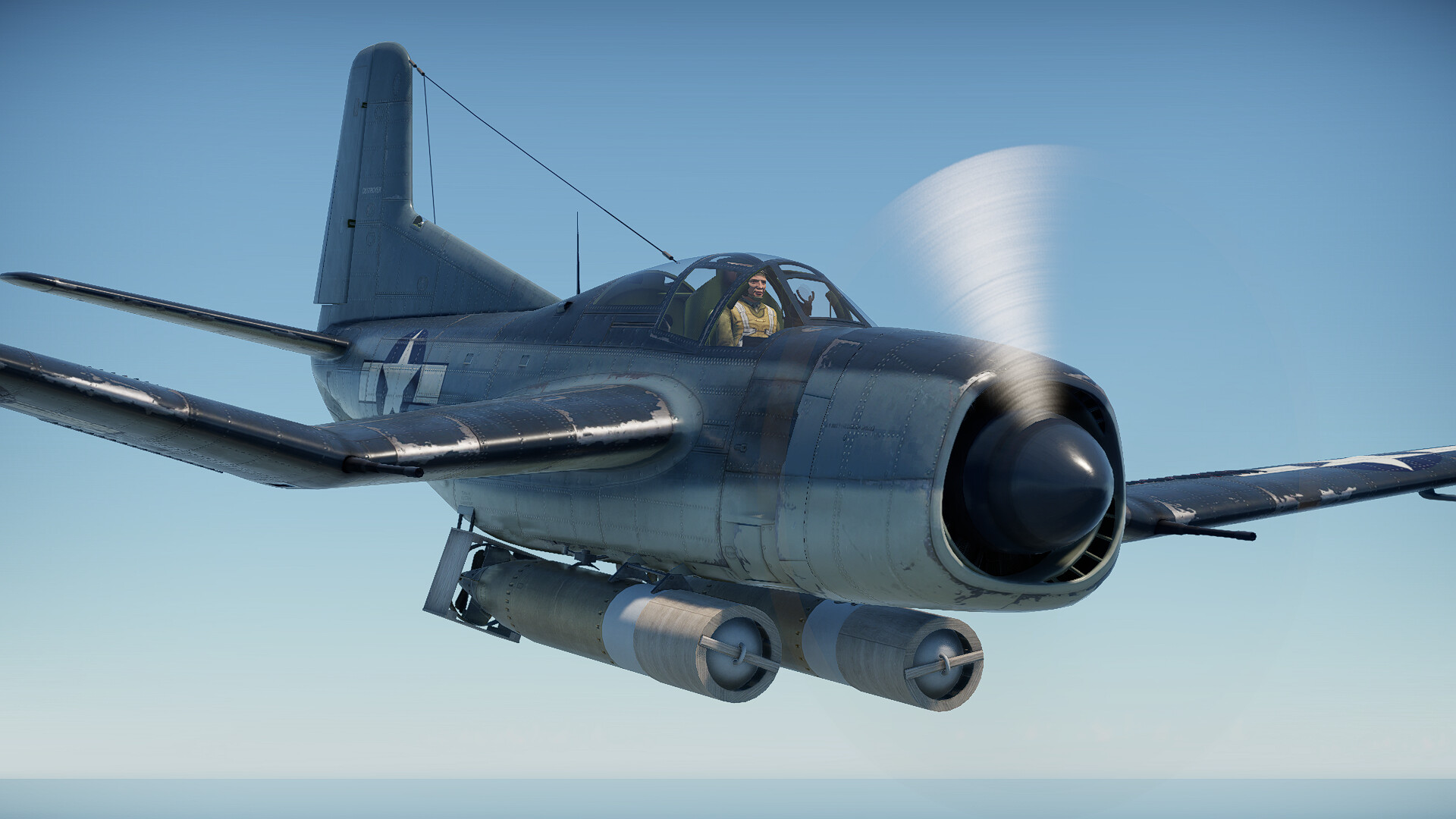
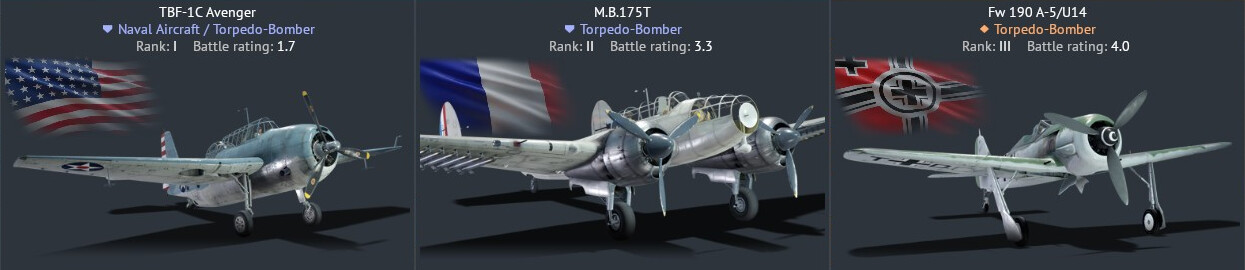
Torpedo bombers come in all shapes and sizes, from the humble Swordfish biplane to the massive four-engined P.108. Some planes are easy to fly, while others demand more finesse, and their size alone can make a big difference in survivability in naval battles. As a rule of thumb, small single-engine torpedo bombers are usually preferable due to their speed and agility, which makes them hard targets for enemy anti-aircraft fire and give more room to maneuver during an attack run. That being said, larger aircraft can still be effective, but they require a more cautious approach and should target specific ships with poor anti-aircraft capabilities.
Step 2: Knowing The Torpedo
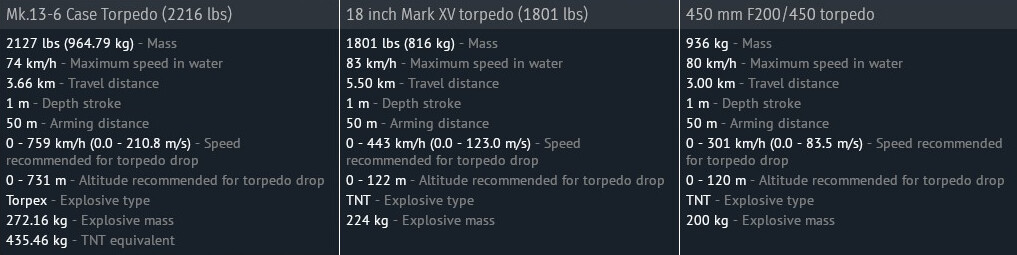
There are many models of aerial torpedoes in the game which can be found across different nations. Some are faster, while others have more explosive mass, but the most important thing to keep in mind is the characteristics of each torpedo, or, in particular, the one you plan to use in a match.
The most important characteristics of a torpedo are the following:
- Speed recommended for torpedo drop → The maximum speed at which the pilot can safely deploy the torpedo. Dropping it above the maximum speed will cause the torpedo to drown.
- Altitude recommended for torpedo drop → The maximum altitude at which the pilot can safely deploy the torpedo. Dropping it above the maximum altitude will cause the torpedo to drown.
- Maximum speed in water → How fast the torpedo travels in the water. The slower the torpedo, the more lead you will have to take in order to anticipate the enemy ship’s course and make sure the torpedo hits.
- Travel distance → How far the torpedo can travel before drowning.
- Explosive mass → The amount of explosive power the torpedo has. The higher the value, the more damage it will do to the enemy ship.
Torpedoes of different nations have different values for each parameter. Make sure to check them before spawning in a torpedo bomber.
Step 3: Choosing A Target
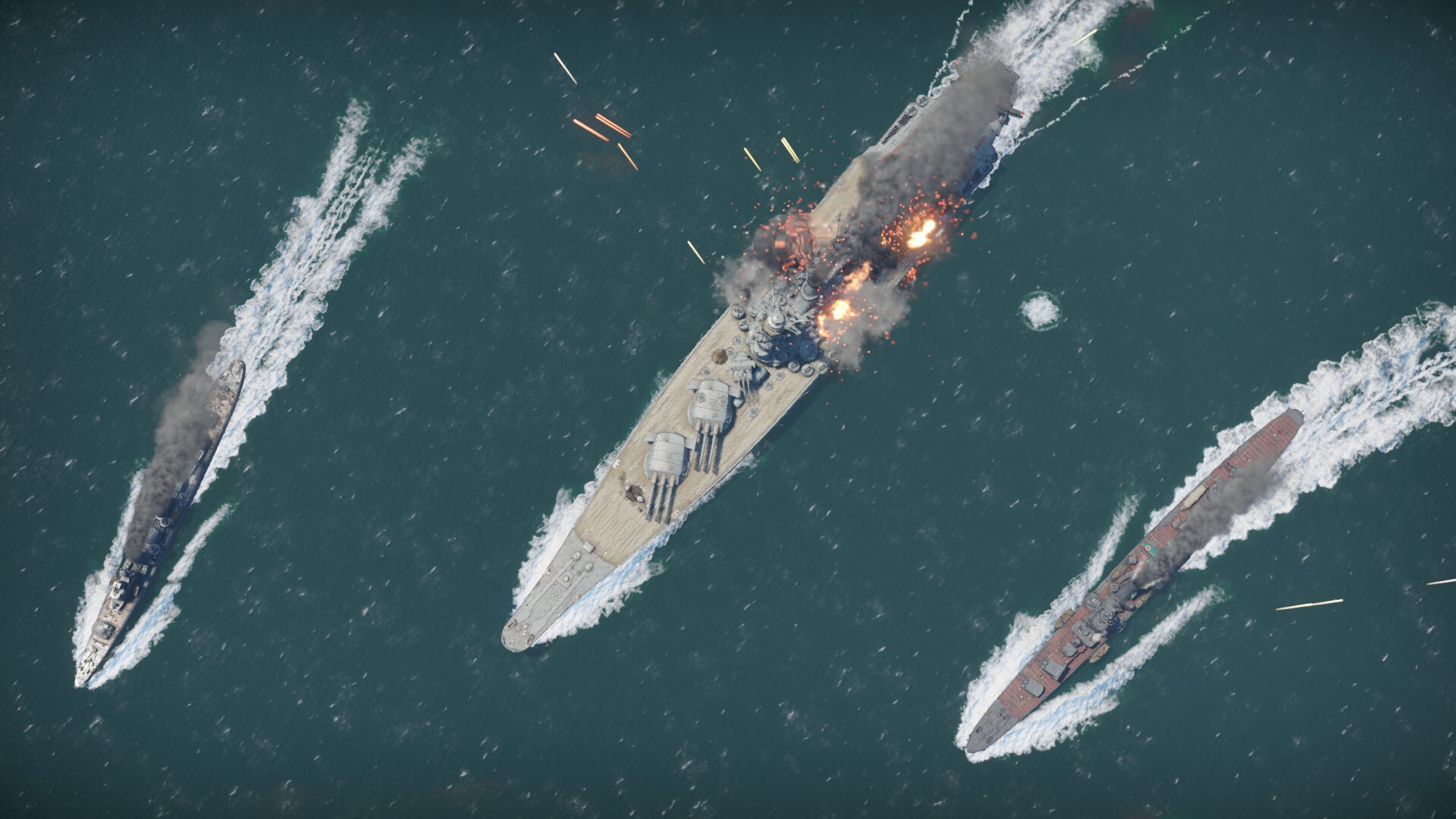
Torpedoes only work against ships, but among them, one can already discard coastal vessels as potential targets. This is because these vehicles are fast and small, making them hard targets to destroy with a torpedo. Instead, this weapon should be used against ships belonging to bluewater tech trees. Cruisers and battleships are the easiest to hit due to the fact that they are large and not as agile as destroyers. However, any warship can be a good target if approached cautiously.
When choosing a target, pay attention to the following:
- If the ship is alone, the pilot won’t have to worry about other enemy ships providing anti-aircraft fire. Engaging lonely vessels will increase the odds of surviving the attack.
- The size, speed and agility of a ship also impact the choice. As mentioned above, a battleship is much easier to hit than a destroyer because it is slower. It is very likely that aiming for such ships will guarantee that the torpedo hits.
- Anti-aircraft fire is the bane of airplanes in naval battles. Machine guns, cannons and shells with variable time fuzes are threats to all aircraft, regardless of their size. Ships with little to no protection of this type are vulnerable to air attacks, making them perfect targets.
Note: Some ships have protection against torpedoes, so they may suffer less damage from these weapons. A workaround to this problem is to aim for the bow or the stern of the ship, since they aren’t as protected as the center.
Step 4: Approach And The Attack
After choosing a target, the pilot will have to approach it carefully in order to survive. Use map features such as rocks, mountains or islands to protect the plane from anti-aircraft fire and prepare to engage. Torpedo bombing requires the plane to be parallel to the water, meeting the requirements for speed and altitude mentioned in step 2.
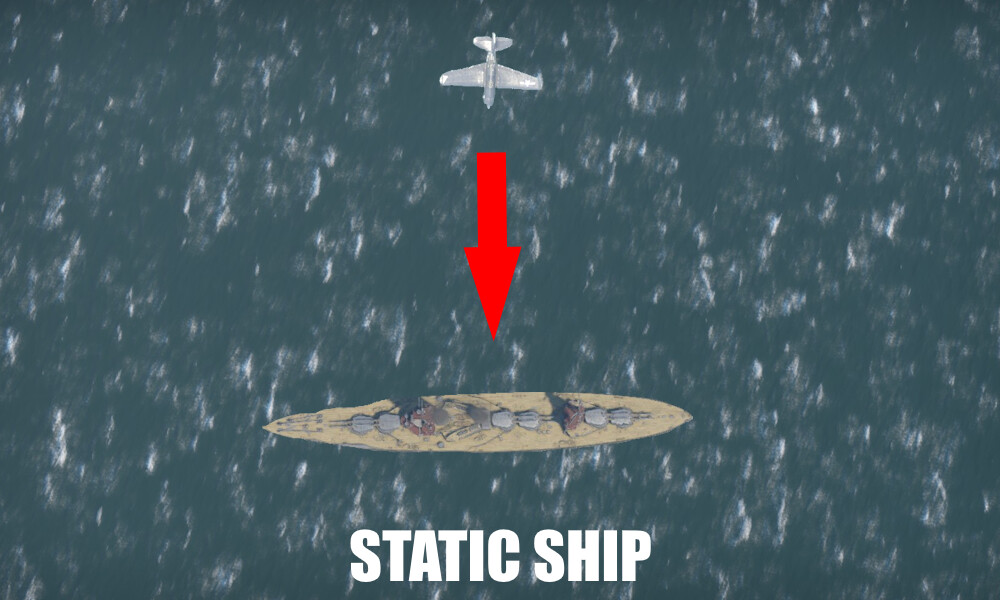
The torpedo should be dropped near the enemy vessel, but getting too close is risky due to the aforementioned anti-aircraft fire (this doesn’t apply to warships that lack such armaments), and if the target is moving, then the pilot will have to lead the torpedo and anticipate where it will hit the enemy ship. Below are different approaches to the attack and how the player should react. Note that the likelihood of success is higher in the first and second approaches, as the plane is closer to the enemy ship, while the last approach is the most likely to fail, given how it gives time to the enemy to change the ship’s course.
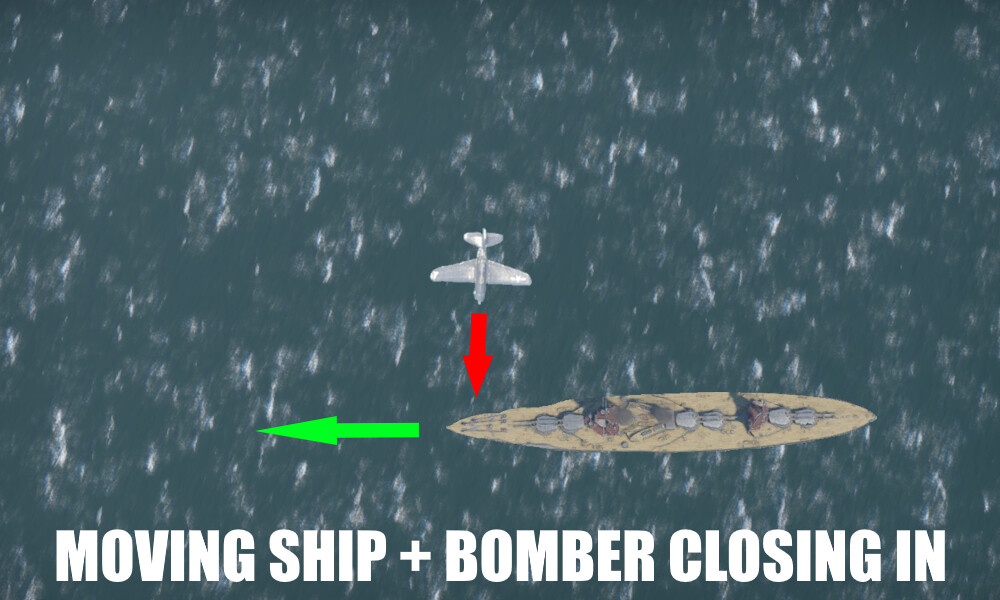
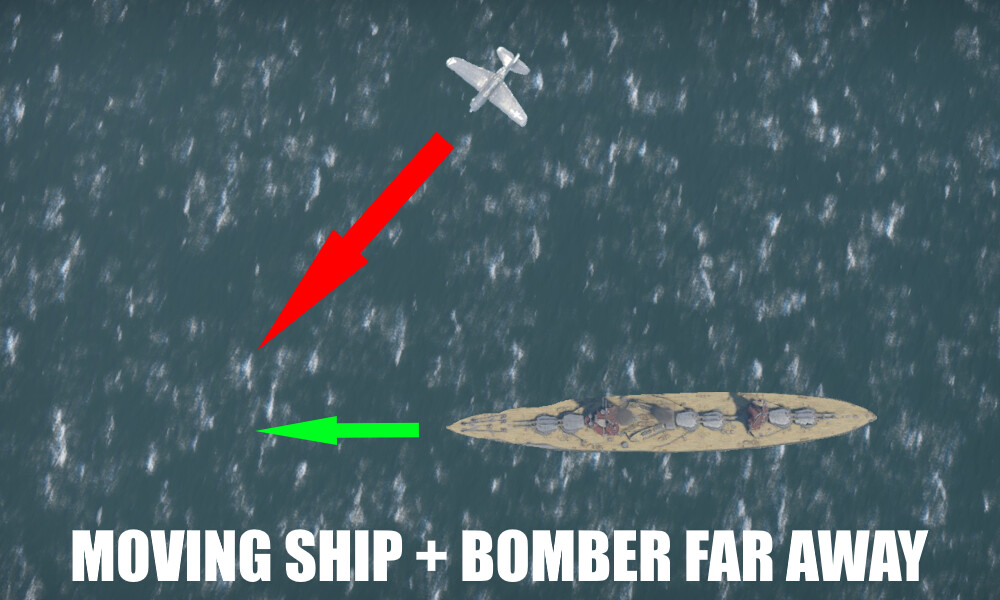
Naturally, most enemy ships will not simply stay still as a torpedo bomber approaches them. Agile vessels will attempt to turn aggressively in order to dodge the torpedo, and when engaging a ship armed with AA guns, the pilot will have to dodge the incoming fire. It should be noted that this is much easier to do in a single-engined aircraft than in a large bomber, hence why it is recommended for the latter to be careful when selecting their targets. Dreadnought battleships from the World War I era make perfect targets due to their lack of AA armament. Examples of such vessels are the HMS Queen Mary and the USS North Dakota. Torpedo bombing is risky, but rewarding. With enough practice, any pilot can become a nightmare for sailors.
Tip: You can set the depth at which your torpedo goes. 1 meter is ideal for destroyers and cruisers, whereas 4 meters works well against battleships.