Ki-61 "Hien"
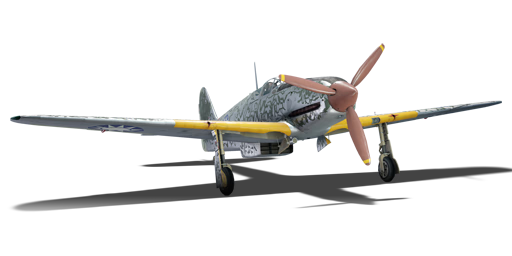
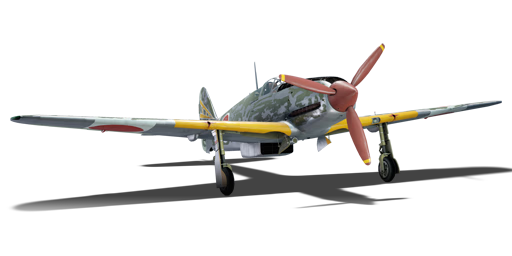
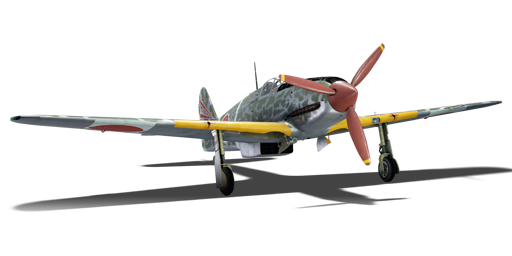
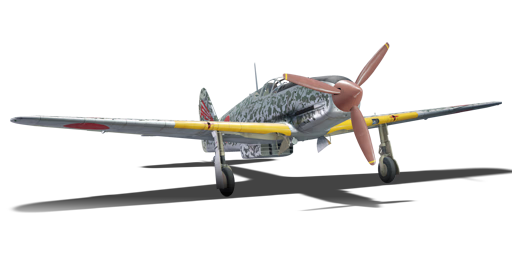
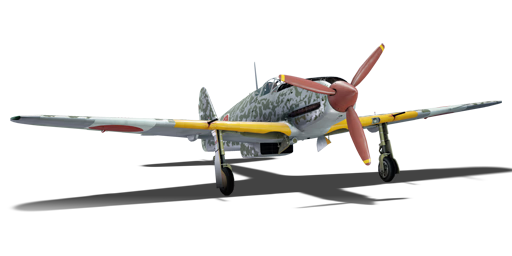
The Kawasaki Ki-61, designated Type 3 Fighter Hien (“Swallow”), was a Japanese Army fighter and the only mass-produced Japanese aircraft to use a liquid-cooled inline engine. Designed in response to a 1940 requirement to replace both the light Ki-43 and heavy Ki-44 fighters, the Ki-61 was developed in parallel with the heavier Ki-60 around the licence-built Daimler-Benz DB 601 (Ha-40). Although the programme began under the Army’s Light and Heavy Fighter doctrine, lead designer Takeo Doi steered the Ki-61 towards a balanced Western-style “medium fighter” concept, emphasising speed, protection, and firepower over extreme manoeuvrability. First flown in December 1941, it exceeded expectations with a top speed of 591 km/h – remarkable at a time when many Army fighters struggled to surpass 500 km/h – leading to immediate adoption. In service, however, production and maintenance of the Ha-40 proved difficult, and limited experience with liquid-cooled engines led to persistent reliability issues.
To Allied observers, its inline engine and narrow fuselage gave it a distinctly European appearance, leading to early misidentification as a Bf 109 or even a derivative of the Italian Macchi M.C.202. As a result, it received the Allied codename “Tony”. In combat, American pilots often preferred facing the Ki-61 over the highly manoeuvrable Ki-43, as the Ki-61’s more conventional performance characteristics left fewer surprises. It was frequently compared to the P-40 Warhawk in handling. Its strong diving performance and relatively high top speed could catch many Allied aircraft – except notably the P-38 – off guard, though it lagged in climb and acceleration against later Allied aircraft.
The initial production model, Ki-61-I kō, entered service in 1943 with two 12.7 mm Ho-103 and two 7.7 mm machine guns, the latter retained due to limited heavy machine gun supply. The otsu standardised four 12.7 mm guns and improved survivability, while the hei introduced German MG 151/20 cannons in the wings. The final Ki-61-I tei mounted domestically produced 20 mm Ho-5 cannons in the nose, requiring structural revisions and fuel reduction; although intended as an interim measure, it became the most numerous sub-variant due to ongoing engine and next-variant shortages.
The more ambitious Ki-61-II, powered by the uprated Ha-140 (DB 605), featured redesigned wings and broader structural refinement, but chronic engine failures – particularly cooling system issues – undermined the programme. To salvage the project, the Ki-61-II Kai entered limited production based on the Ki-61-I tei airframe, yet engine output never matched airframe completion, leaving many fuselages without powerplants.
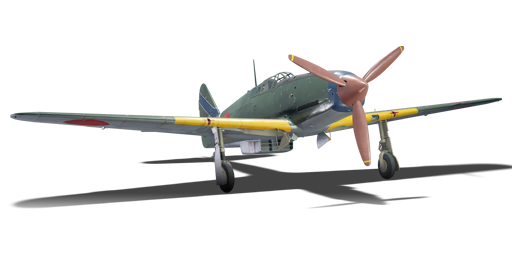
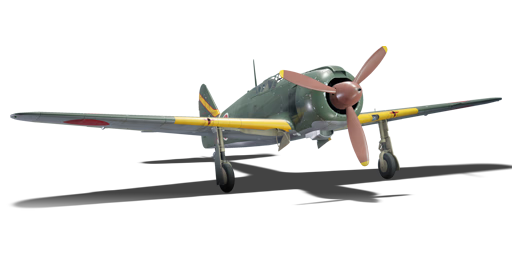
This crisis led directly to the Ki-100, which fitted available Ki-61-II airframes with the Mitsubishi Ha-112-II radial engine. Despite its improvised origins and modest 1,500 hp output – lower than that of the Nakajima Ki-84 – the Ki-100 proved reliable and effective. Entering service in 1945, roughly 400 were built, about half converted from engineless Ki-61-II airframes, effectively marking the end of Ki-61 production.



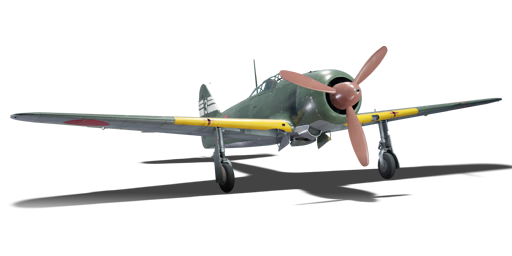
 Ki-100-II
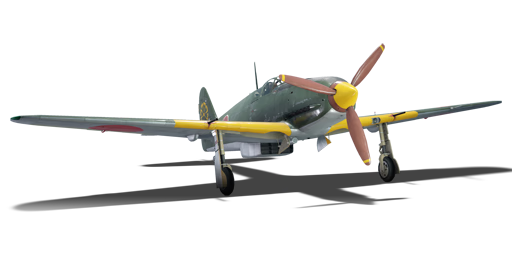 Tada's Ki-61-I Hei

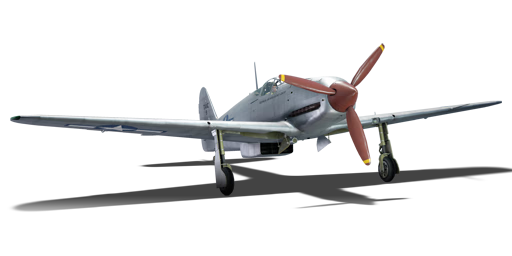 ▃Ki-61-Ib