
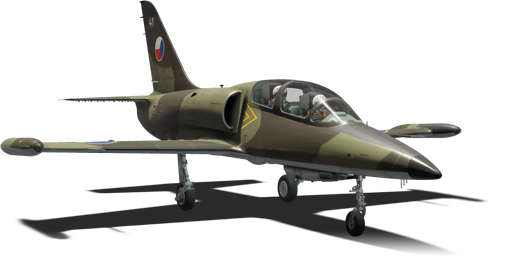
▂L-39ZA Albatros



The L-39 Albatros is a subsonic training aircraft developed in 1968 by the Aviation Research Institute in Letňany, Czechoslovakia. Designed to replace the L-29 Delfin, it was used to train cadets to pilot in all weather conditions and at any time of day. The aircraft was also used for training at military units and schools. From 1973 to 1976, the L-39ZO was developed with four underwing weapon suspension points. The L-39ZA is an advanced version of the L-39ZO with a reinforced wing and a GP-9 underfuselage container containing a powerful twin-barreled 23 mm GSh-23L cannon.
Production of the L-39ZA began in 1980 and the plane quickly got in service internationally. Its exceptional reliability, ease of maintenance, and ability to take off from unprepared dirt runways have ensured the L-39ZA an unusual longevity. Many of these aircraft remain in service today with various militaries, participating both in local conflicts or doing mere border patrols. In civil aviation the Albatros is often the only jet trainer available for civil operators. In total, more than 2,800 L-39s of various modifications were produced. By 1992, the Czechoslovak Air Force had approximately 77 Albatrosses, including 30 L-39ZAs. These aircraft were supplied to over 30 countries worldwide, including Iraq, Libya, Syria, and the Warsaw Pact countries.
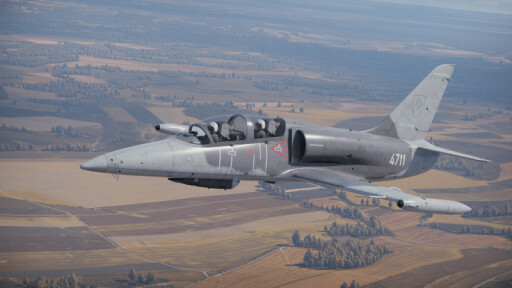
The Czechoslovakian L-39ZA was introduced in Update 2.47 "Leviathans", as a part of the Soviet aircraft research tree. It is distinguished by its responsive handling, even at maximum speed; the presence of an air brake; and a considerable range of suspended weapons. However, the L-39ZA has drawbacks: a small cannon ammunition capacity, a lack of a ballistic computer, and a low acceleration speed. These factors greatly complicate the aircraft's use in both air and mixed battles.

flaps
flaps
flaps
brake
| Belt | Belt filling | Armor penetration (mm) at a distance: | |||||
|---|---|---|---|---|---|---|---|
| 10 m | 100 m | 500 m | 1000 m | 1500 m | 2000 m | ||
| HEFI-T/AP-I/HEF-I | 31 | 29 | 21 | 15 | 10 | 7 | |
| HEF-I/AP-I/AP-I/AP-I | 31 | 29 | 21 | 15 | 10 | 7 | |
| HEFI-T/HEF-I/HEFI-T/HEF-I/AP-I | 31 | 29 | 21 | 15 | 10 | 7 | |
| AP-I/HEF-I/HEF-I | 31 | 29 | 21 | 15 | 10 | 7 | |
| Name | Weight | Slot | ||||
|---|---|---|---|---|---|---|
| 16 × | 132.2 kg |  | | | | |
| 114 kg |  | | | | ||
| 236 kg |  | | | | ||
| 268 kg | | | | | ||
| 114 kg |  | | | | ||
| 2 × | 242 kg |  | | | | |
| 3 × | 41.3 kg |  | | | | |
| 478 kg |  | | ||||


 2 x (115 / 240 / 600) %
2 x 190 %
2 x (115 / 240 / 600) %
2 x 190 %
Flight performance | |
|---|---|
Survivability |
|---|
Weaponry | ||
|---|---|---|