
IRCM systems are electronic devices that protect aircraft from infrared homing missiles. These systems use either pulsating signals or laser beams to confuse or blind missile seekers, causing them to lose track of the target.
Infrared Homing Missiles
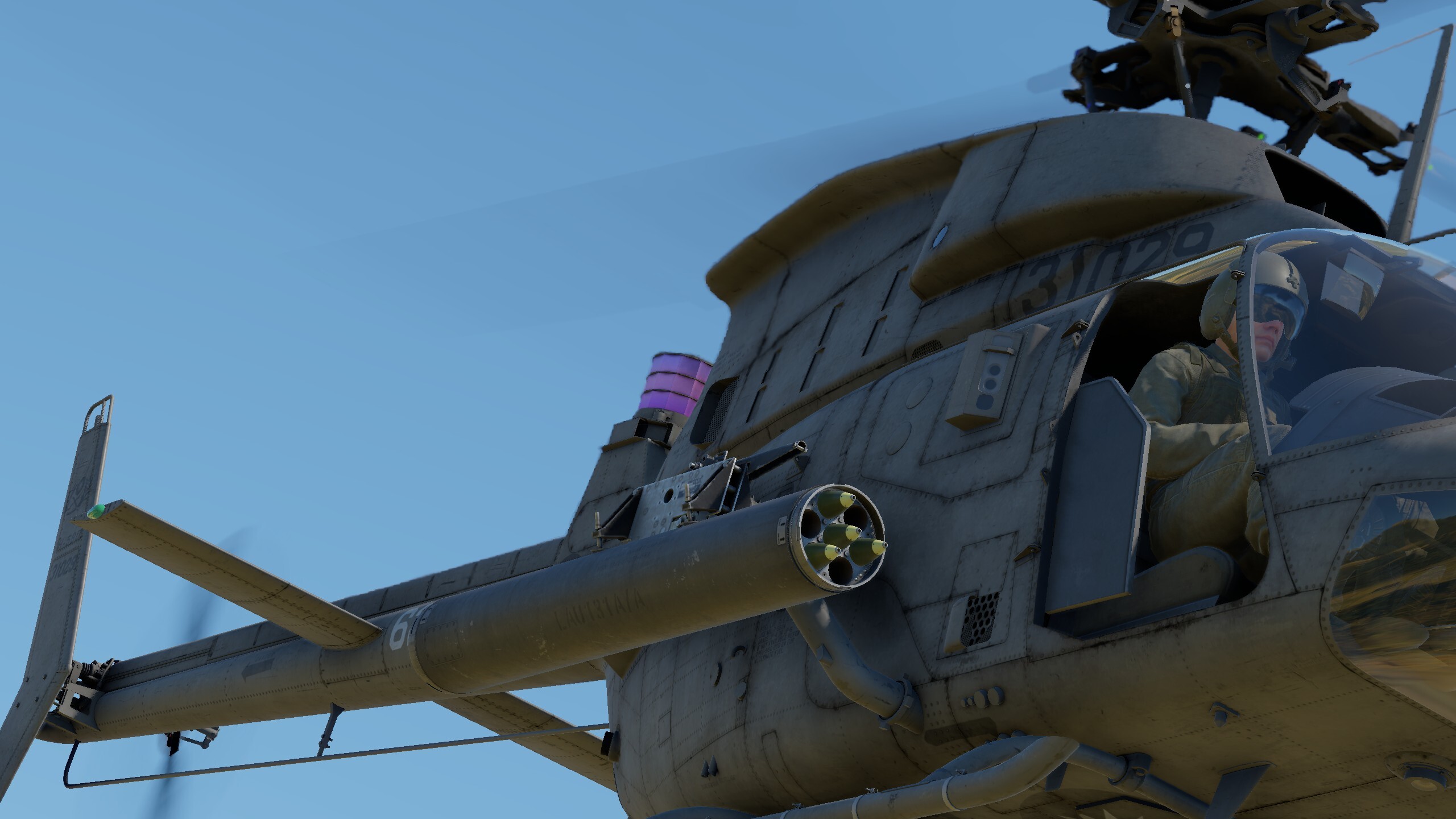
Infrared homing missiles use a seeker that only detects radiation inside the infrared spectrum. As anything that produces heat is visible in this spectrum, missiles can easily distinguish between the background and the heat of a jet engine, or for more advanced missiles even the heat of the fuselage caused by air friction.
Older missiles operate with a single spinning detector which provides corrections based on the offset of the infrared signature from the center of the seeker at the current point of its rotation.
Newer missiles however use an array of detectors which form an image of the target and using complex algorithms they are able to track the target’s specific shape with some even being able to actually identify the target.
System Description
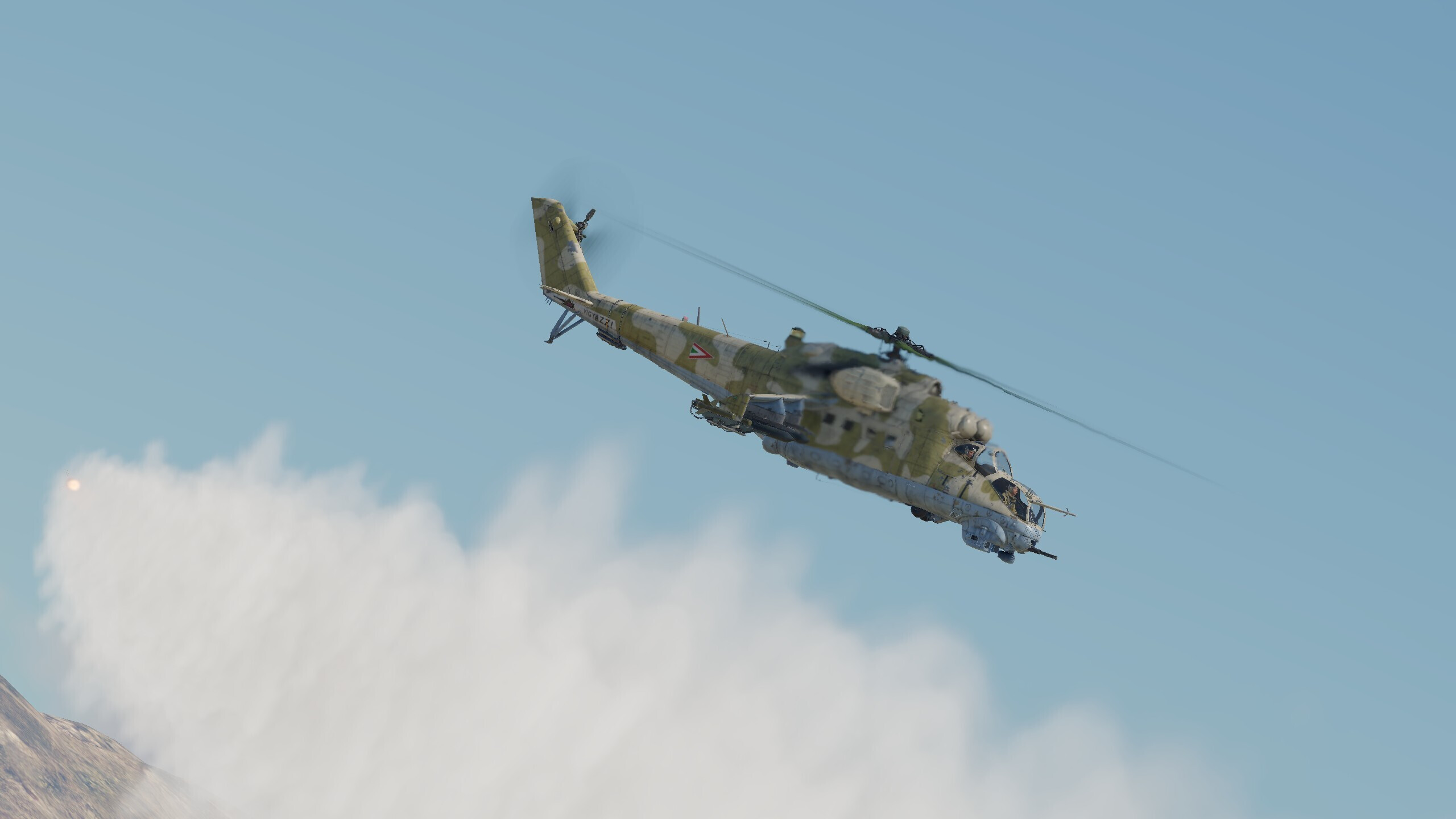
IRCM systems operate in two distinct ways. Both are effective at countering early generation IR seekers however only one of them is effective against more advanced seekers that use image recognition techniques.
Most helicopters found at rank 6 and above are equipped with some variant of IRCM for self-defense against infrared homing missiles. These systems are often best used in combination with flares in order to maximize the chances of defeating incoming missiles.
IRCM (Omni-directional)
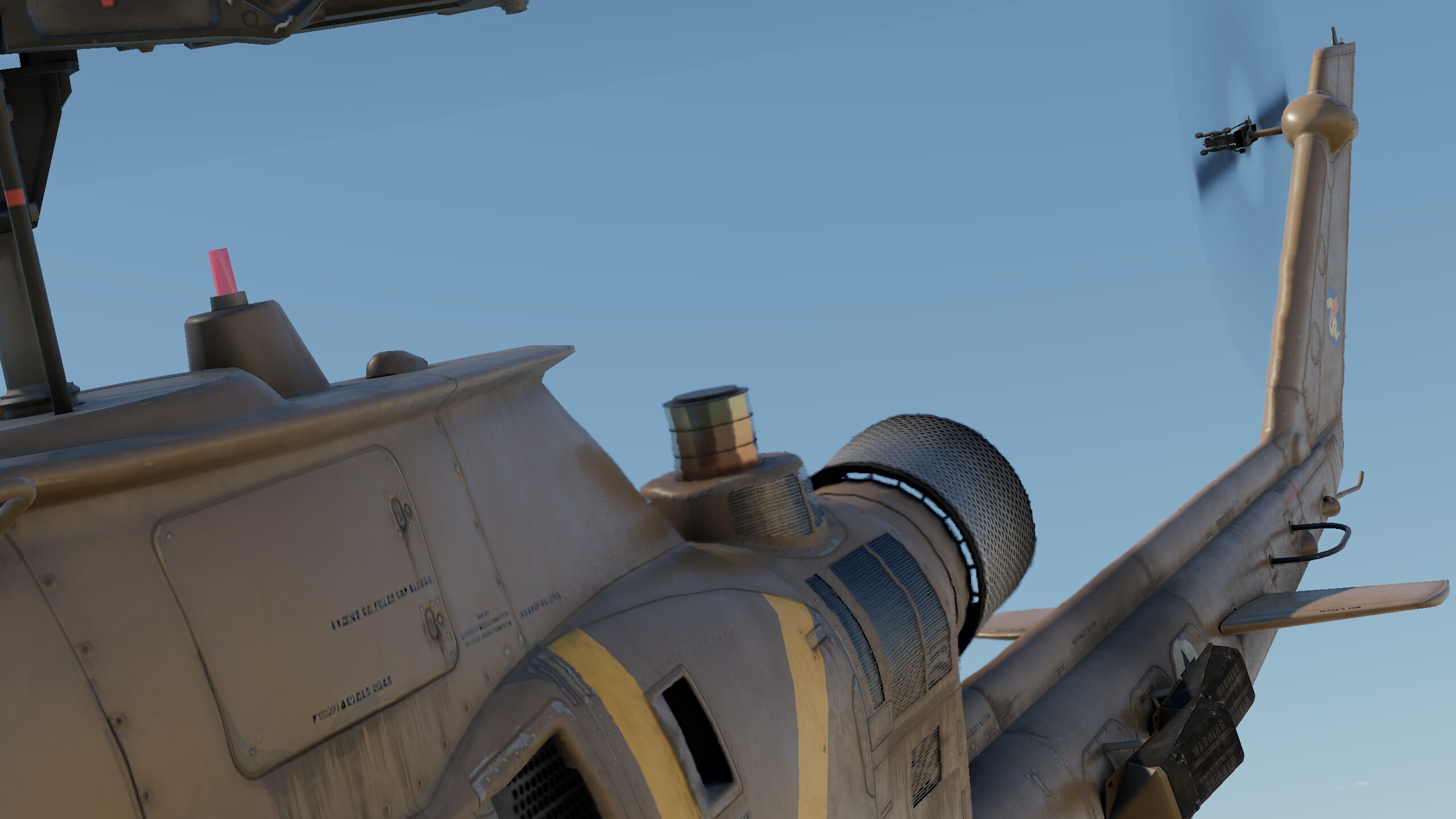
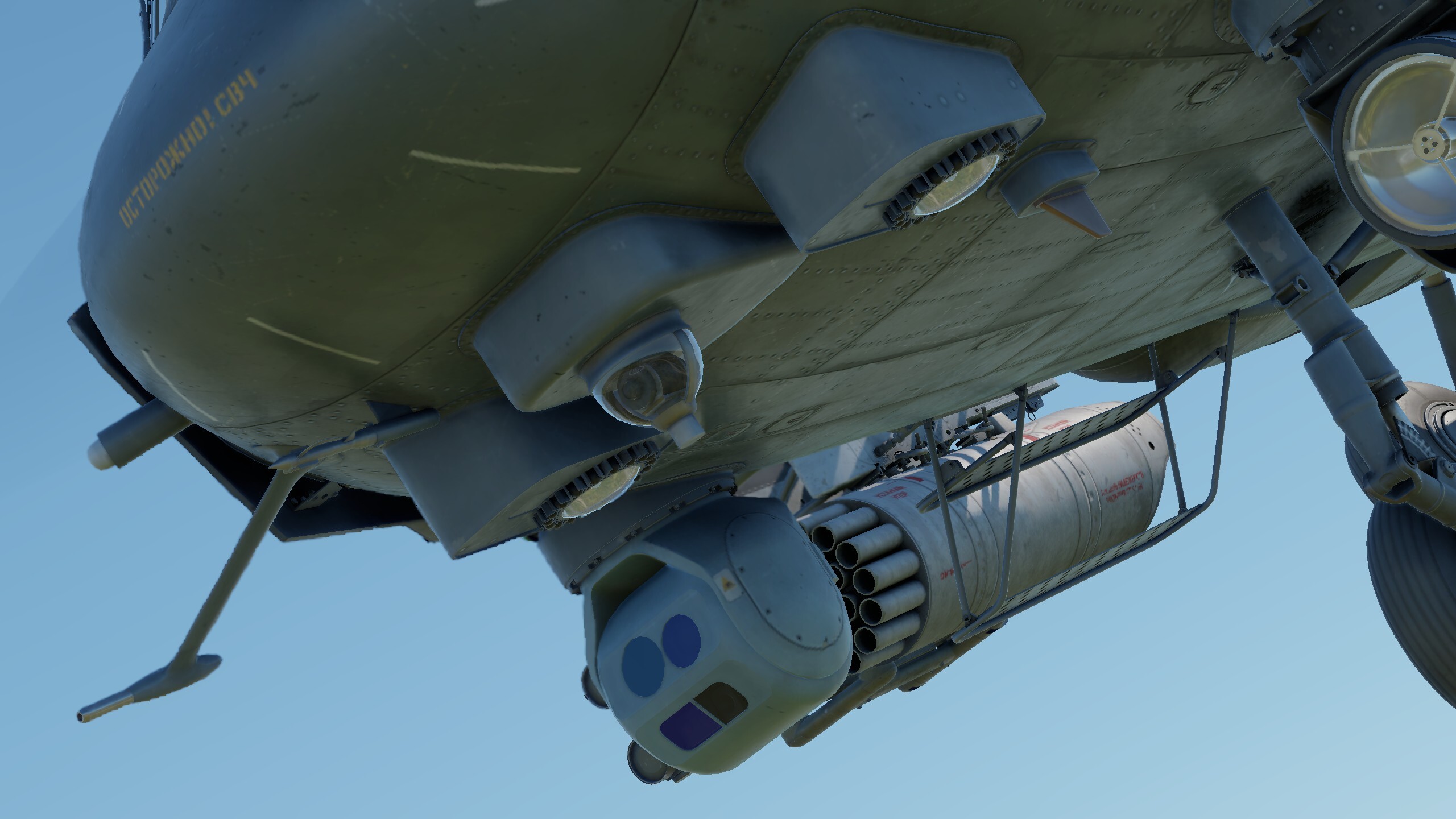
The first type of IRCM are omni-directional systems which use a powerful lamp which operates in the infrared spectrum that pulsates at a specific frequency. The light from the beam is focused by an array of mirrors which spins in a circular manner, directing the beam all around the aircraft. Because of the frequency of the pulses, this creates a false target effect on older seekers, causing them to veer off-course and miss the target.
DIRCM
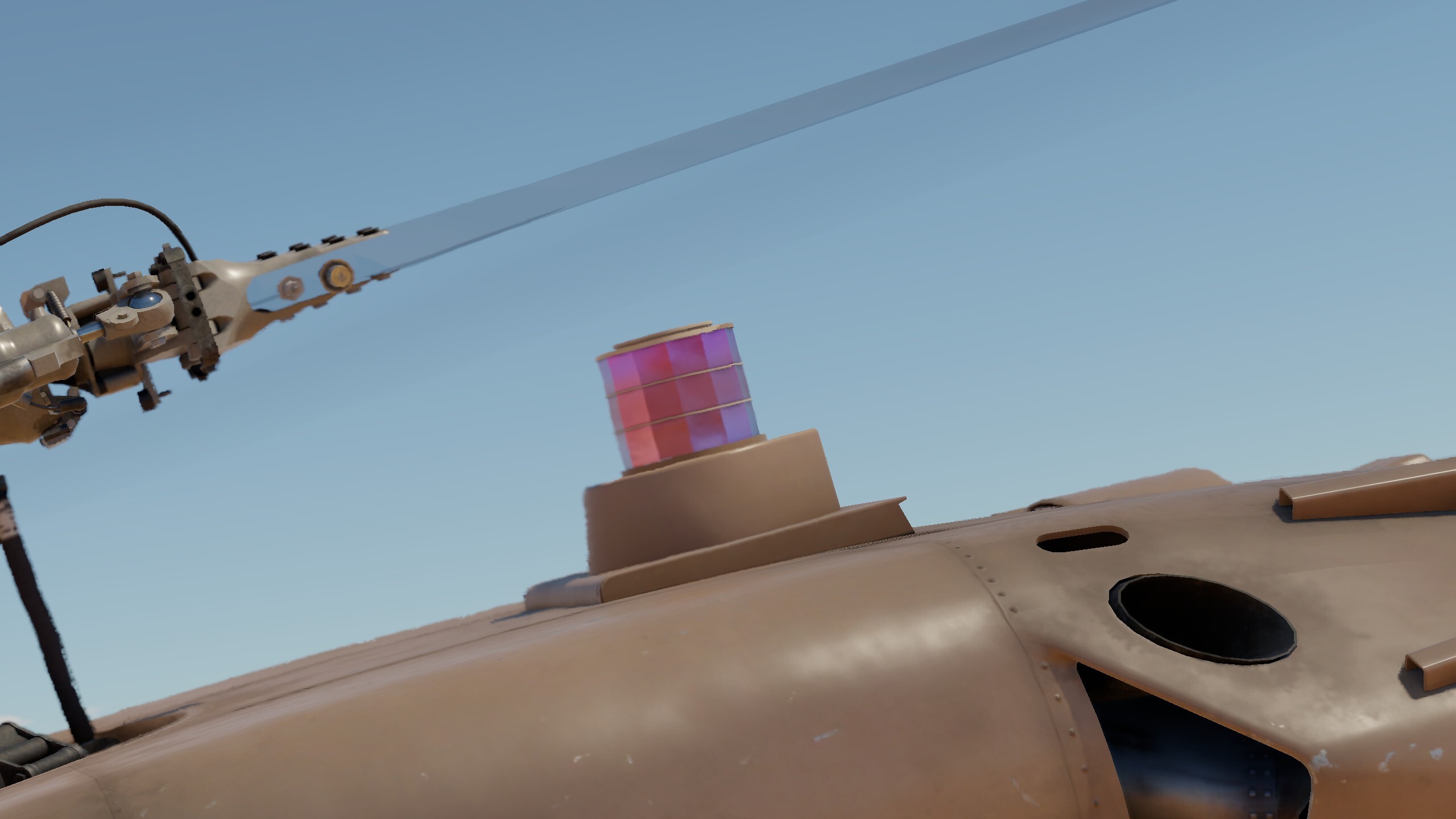
DIRCM operates in a similar way to omni-directional IRCM however instead of the beam being directed all around the aircraft, it is focused directly towards incoming missiles. Once the missile approach warning system of an aircraft detects an incoming threat, the system activates and starts pointing a beam of a pulsating infrared light directly towards the incoming missile, creating a false target. This system allows for a more powerful beam to be directed into a smaller area, increasing its effectiveness.

LDIRCM
Laser DIRCM operates just like DIRCM however instead of using a pulsating beam of infrared light it uses a beam of laser light in the infrared spectrum. This directly blinds the seeker of the missile, making it unable to locate its target and either self-destructing or getting steered away from its intended target.
Historical Reference
During the Soviet invasion of Afghanistan, Soviet Mi-24 helicopters were equipped with the SOEP-V1A “Lipa” IRCM system. From a total of 563 Stinger missiles fired at the Mi-24 helicopters, only 89 managed to score hits with only 31 of those hits resulting in significant damage, with most of them being due to missiles being in the “blindspot” of the IRCM system. In total, 18 helicopters were lost to Stingers during the entire war. IRCM systems significantly improved the survivability of many aircraft against Stinger missiles, including the Su-25T with only a 4.7% chance of the aircraft being hit by one.
