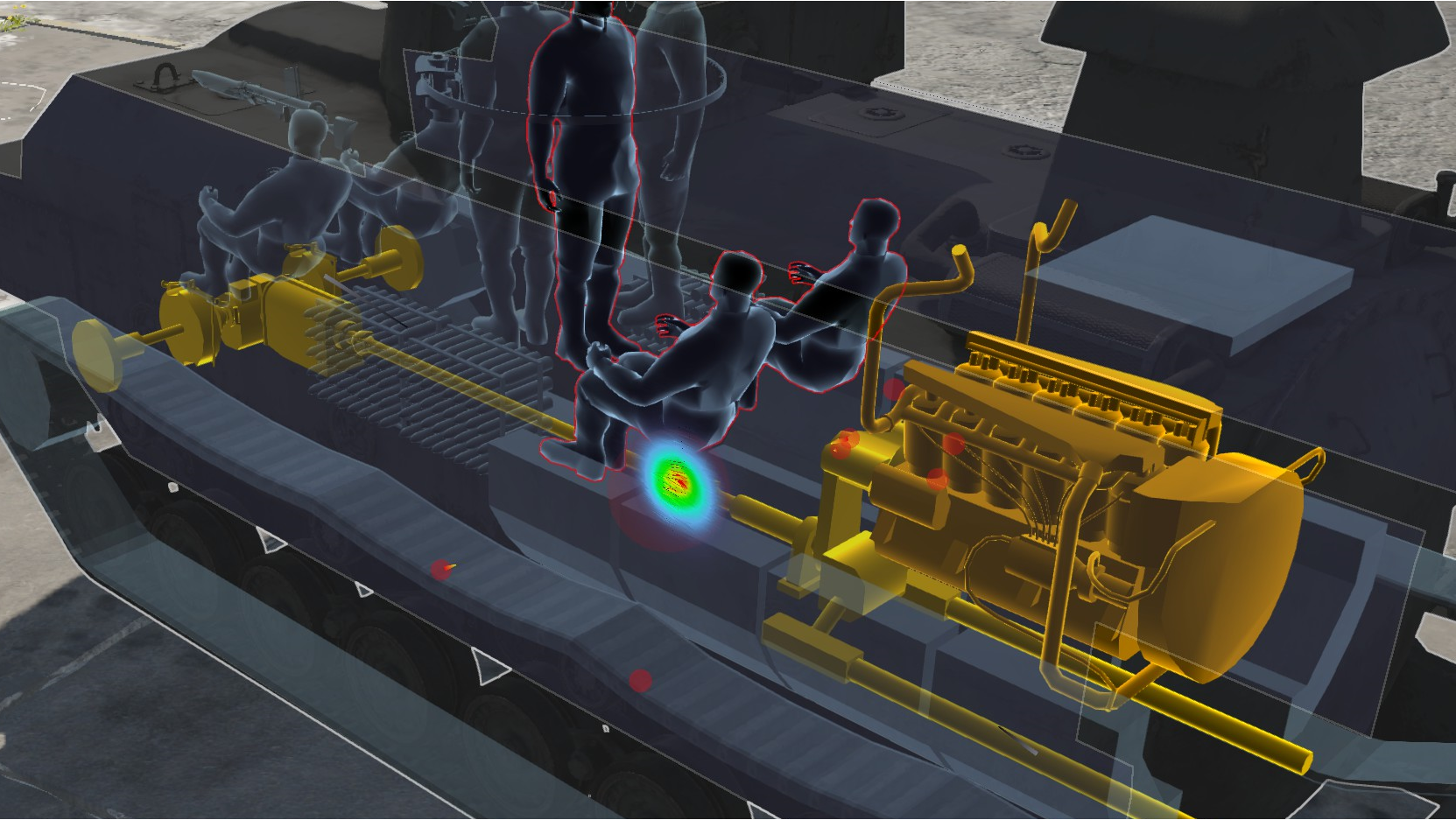
The effect of high explosive munitions is a complex process made up of several components: the shock wave, brisant effect and fragment spray. In Update 2.5 "Ixwa Strike", the entire modeling system was radically overhauled for greater authenticity and accuracy, replacing the previous “hull destruction” mechanics.
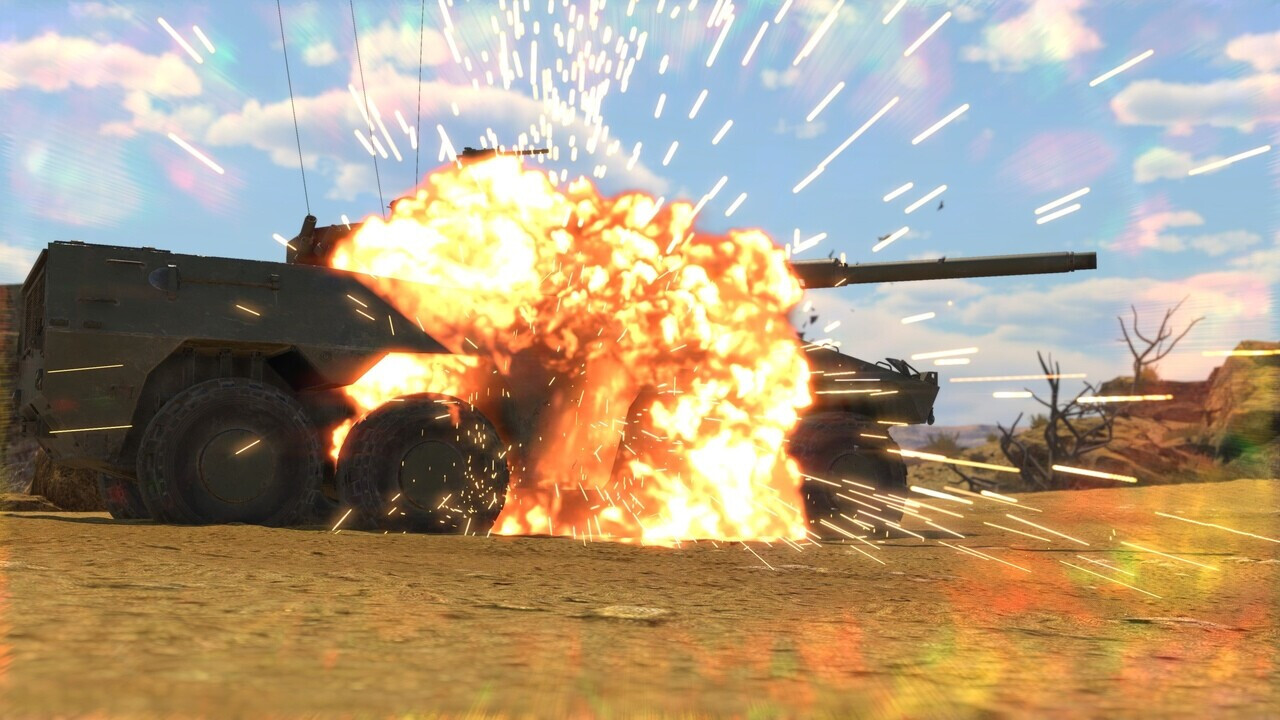
The Mechanics of High-Explosive Effect
One of the key properties of explosives is brisance — the ability to exert a shattering force on surrounding material, in other words, to break apart obstacles. In the game, this is represented by the high explosive effect mechanics.
This mechanic applies to all types of ammunition that contain explosive filler, namely:
- High explosive fragmentation rounds (shells, rockets, bombs, AGMs, SAMs);
- APHE shells;
- Shaped charge ammunition (both spin-stabilized and non-spin-stabilized HEAT rounds, ATGMs, rockets, AGMs, surface-to-air missiles);
- HESH rounds.
If, on impact with armor, the high-explosive effect of a round is sufficient either to penetrate that armor or to penetrate the nearest plate oriented normal to the explosion’s epicenter, the round creates a “breach” at the impact point through which its fragments fly unhindered.
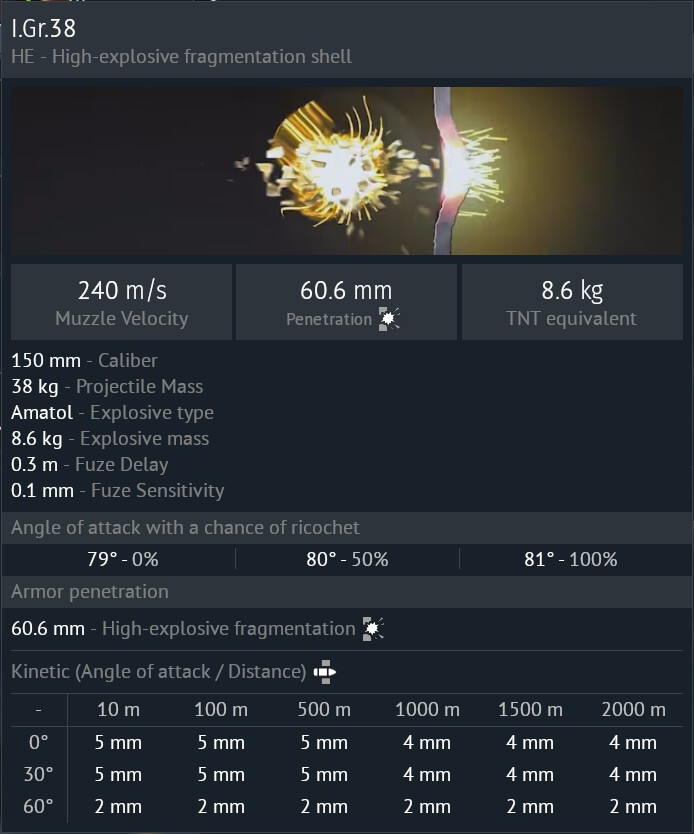
Important! If a round has high kinetic penetration as well as a delayed fuze with low sensitivity, it may fail to detonate on thin armor, simply punching through light protection and continuing on its trajectory.
The Mechanics of Overpressure
Another damaging factor of an explosion is the shock wave, which suddenly creates a region of elevated (over)pressure that can injure a vehicle’s crew even without any fragments striking them.
In the game, overpressure damage is triggered only by a round’s high explosive effect — neither a shaped charge jet nor an armor spall from a HESH round produces overpressure damage.
Important! For APHE shells, overpressure damage only applies if the shell’s explosive filling contains at least 170 g of TNT equivalent.
If a high explosive or fragmentation effect penetrates the armor and damages an internal module (crew, fuel tanks, ammunition rack, drivetrain), the explosion is deemed to have breached the armor at that point—and the crew in that compartment will also suffer overpressure damage.
Damage to the breech end of the gun alone will not trigger overpressure damage; depending on vehicle design, there may be other exceptions.
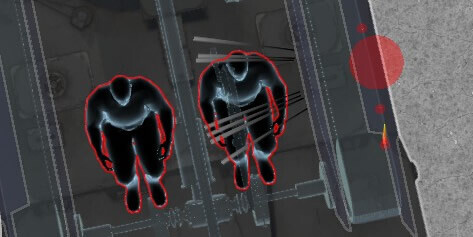
Overpressure affects any crew member within the blast radius. It is not always lethal and falls off with distance from the epicenter.
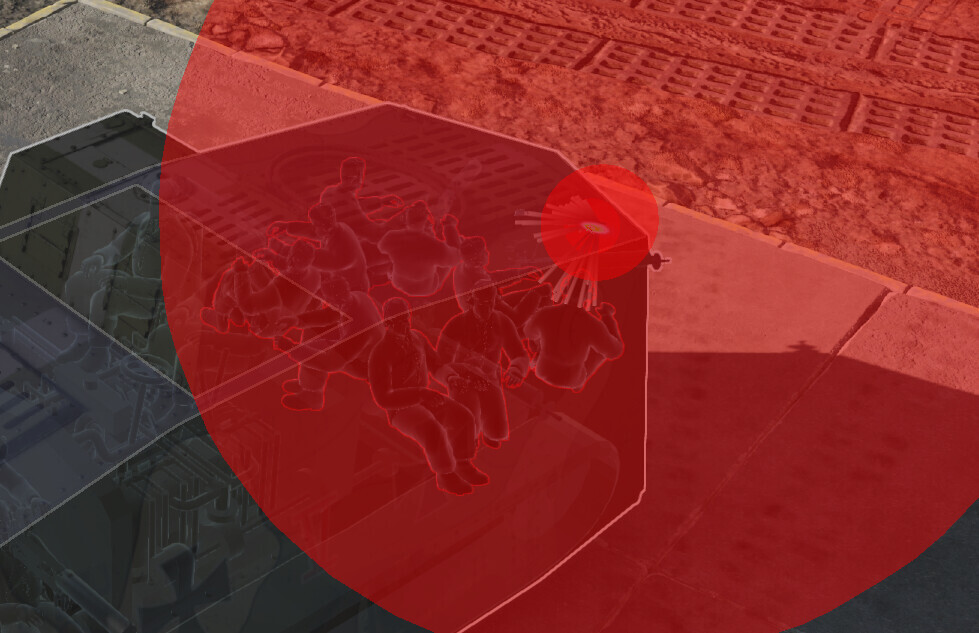
All overpressure damage is confined to the compartment where the module or crew member was hit. If multiple compartments are penetrated, overpressure damage is calculated separately for each.
In open or unarmored vehicles, crew members riding outside the armored hull can be hit by excess pressure without additional checks for a break and damage to other modules.
Important! On ships overpressure only affects open modules (Main armament, secondary armament, anti-aircraft armament, rangefinders, fire directors), knocking out the crew assigned to them. Crew members and modules inside the hull are unaffected by overpressure.
An Example of the Mechanics in Action
A clear illustration of these intertwined mechanics can be seen on the Japanese Ka-Chi tank. Its side consists of two 10 mm plates—an outer plate and the inner hull.
A weak Type 94 HE round, which has 12 mm of HE penetration, when fired at that side can HE-burst through the first plate. The fragments passing through that breach then strike and penetrate the second plate. From there they may damage internal modules—for example, the transmission. As soon as an internal module is hit, the overpressure damage mechanic is triggered, and any crew member located close to the detonation of this shell’s 810 grams of explosives will be affected by the resulting overpressure.